Four Seasons Gear
Four Seasons Gear

Compare

X vs Y. We pick.

Side-by-side specs, owner-report differences, and a clear recommendation with the conditions that flip the answer.
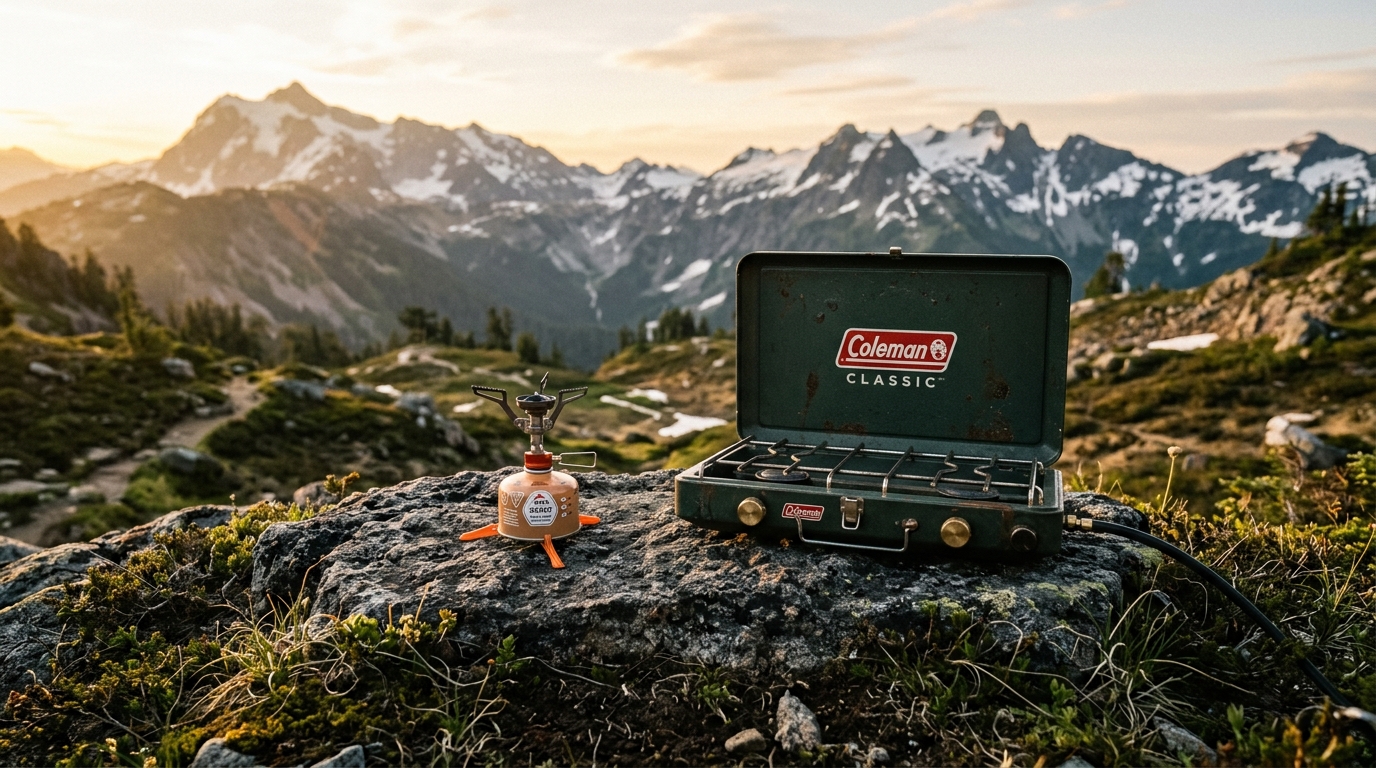
MSR PocketRocket 2 vs Coleman Classic Propane Stove: Which Camping Stove Is Right for You?

HEAD-TO-HEAD

MSR PocketRocket 2 vs Coleman Classic Propane Stove: Which Camping Stove Is Right for You?
The MSR PocketRocket 2 wins for backpackers and minimalist campers who prioritize weight and packability — at 2.6 oz, it's a featherweight that disappears in your pack. The Coleman Classic Propane Stove is the better choice for car camping, group cooking, and anyone who needs two burners and a stable 22-inch cooking surface that can handle full-size pots and pans without tipping.

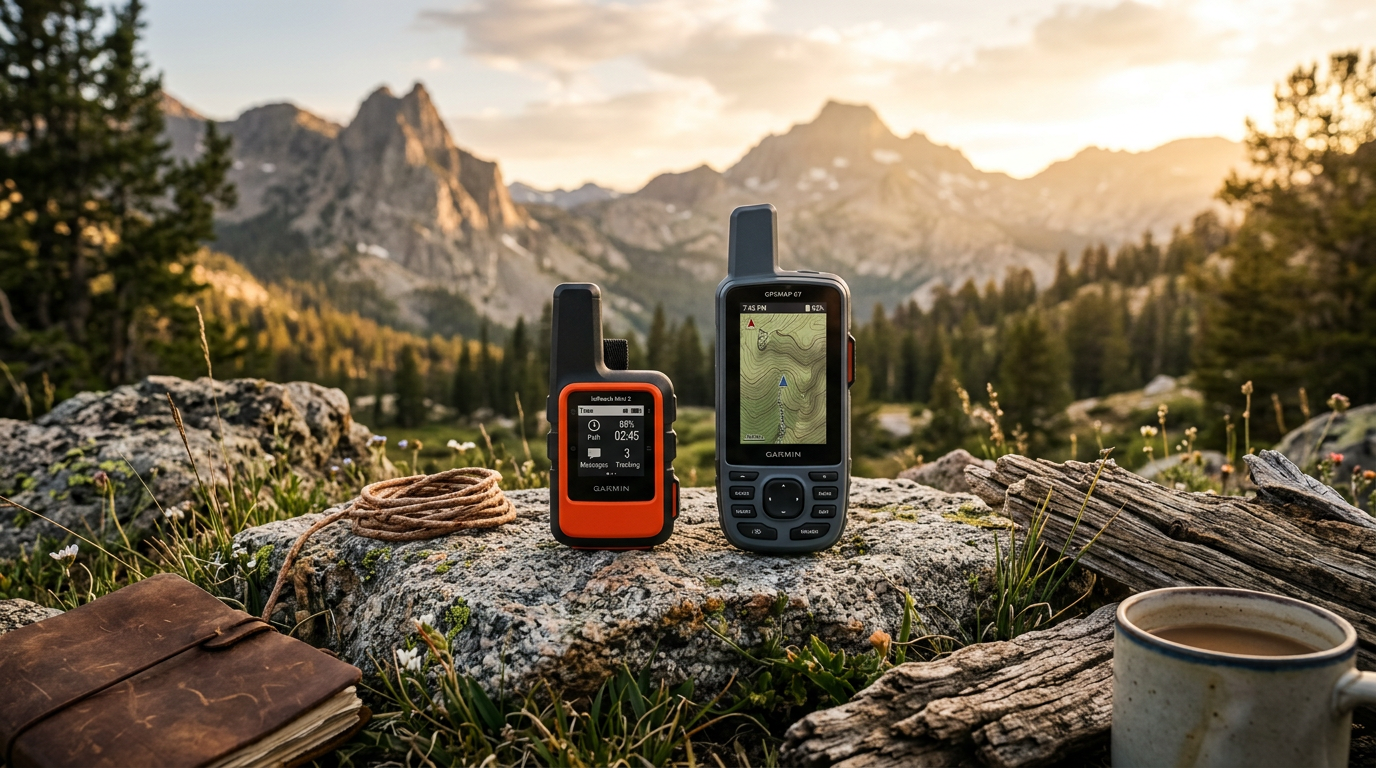
Garmin inReach Mini 2 vs GPSMAP 67: Which Garmin Navigation Device Is Right for You?

HEAD-TO-HEAD

Garmin inReach Mini 2 vs GPSMAP 67: Which Garmin Navigation Device Is Right for You?
The Garmin inReach Mini 2 wins for backcountry travelers who prioritize two-way satellite communication and SOS capability in a pocket-sized package. However, the GPSMAP 67 is the superior choice for navigators who need detailed topographic maps, precise waypoint management, and full-featured GPS navigation without requiring a satellite subscription—particularly for hunters, surveyors, and those operating in areas with cellular coverage.

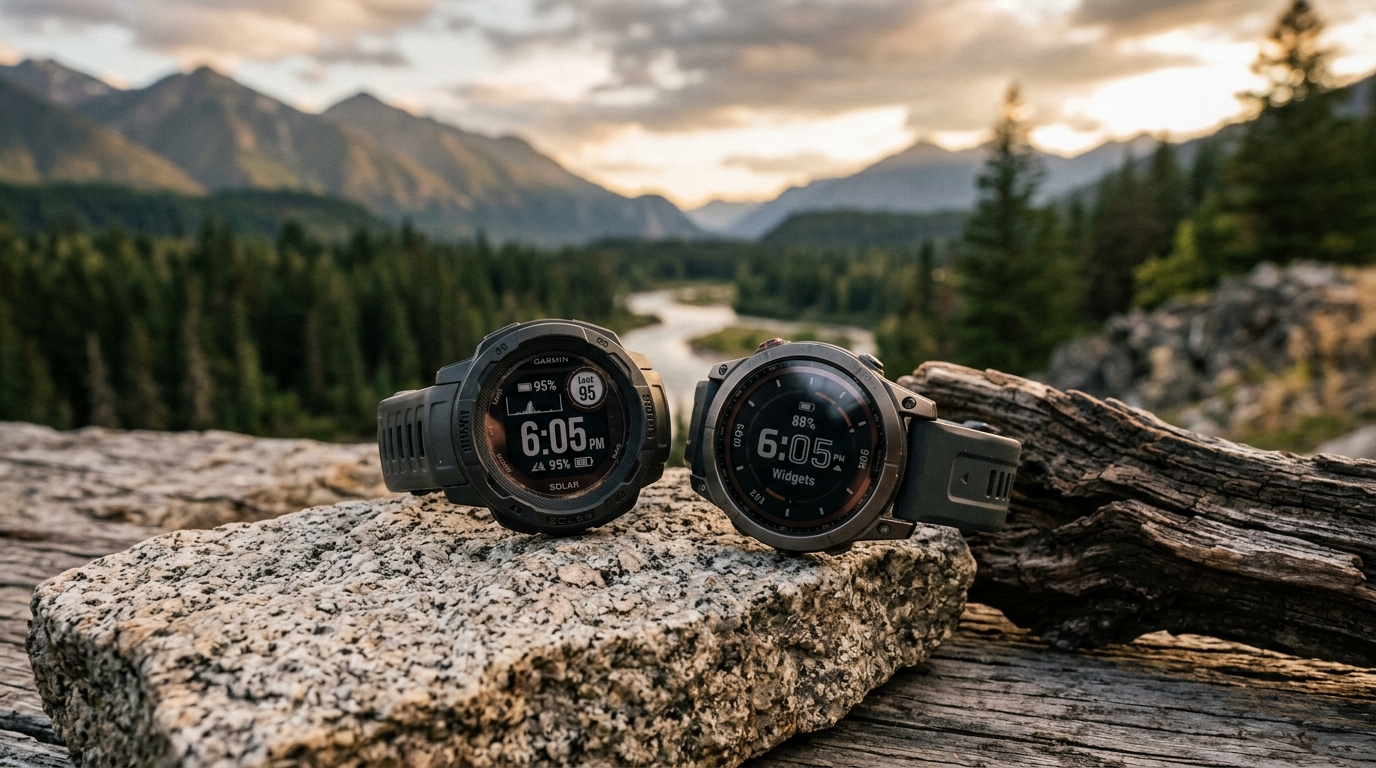
Garmin Instinct 2 Solar vs Fenix 7X Sapphire Solar: Which GPS Watch Is Right for You?

HEAD-TO-HEAD

Garmin Instinct 2 Solar vs Fenix 7X Sapphire Solar: Which GPS Watch Is Right for You?
The Garmin Fenix 7X Sapphire Solar wins for serious athletes and backcountry navigators who need the largest screen, most detailed mapping, and comprehensive training metrics. However, the Instinct 2 Solar is the smarter choice for ultralight backpackers, casual hikers, and budget-conscious buyers who prioritize unlimited battery life and bombproof durability over touchscreen convenience and advanced analytics.

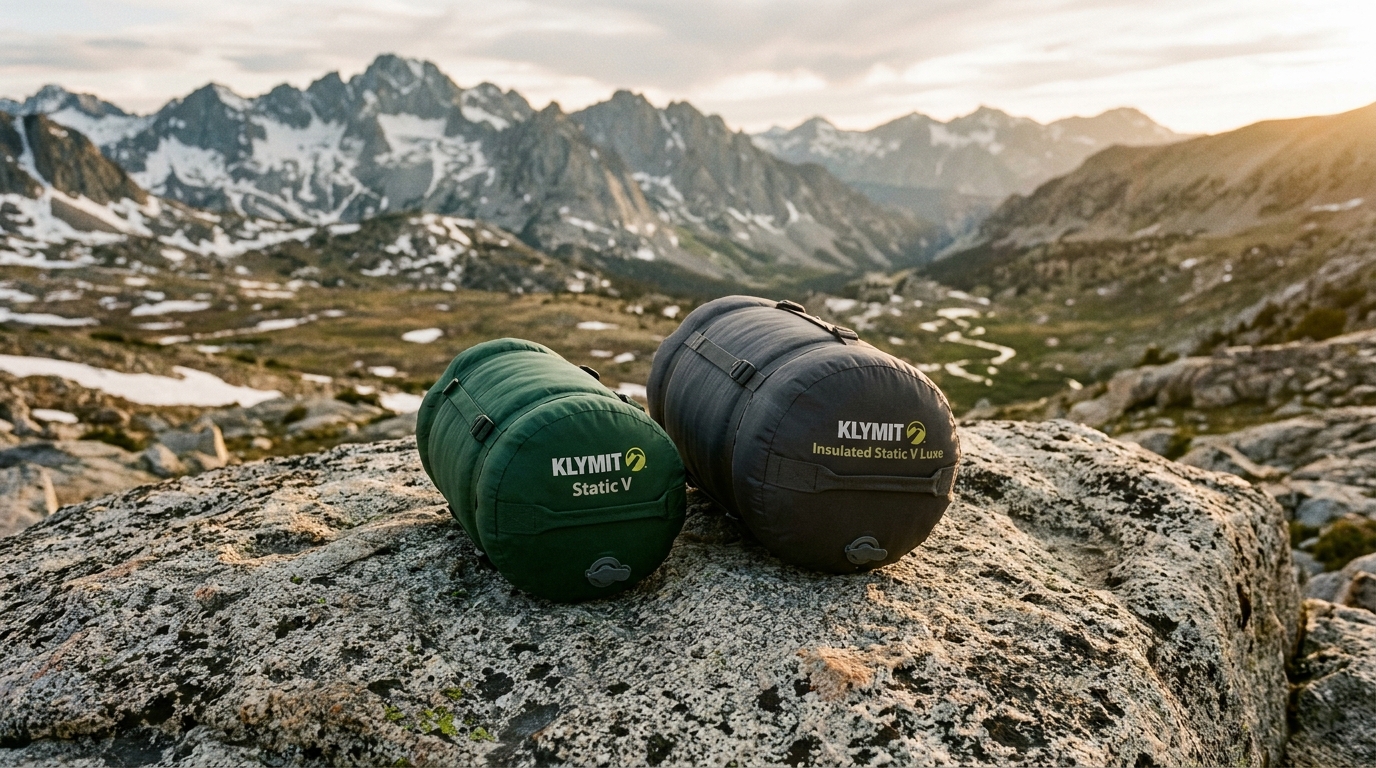
Klymit Static V vs Insulated Static V Luxe: Which Sleeping Pad Is Right for You?

HEAD-TO-HEAD

Klymit Static V vs Insulated Static V Luxe: Which Sleeping Pad Is Right for You?
The Klymit Insulated Static V Luxe is the better choice for most three-season and cold-weather campers who value warmth and width, justifying its $100 price point with synthetic insulation rated to R-6.5 and a generous 30-inch width. However, the standard Static V at $49.49 is the smarter buy for ultralight backpackers and warm-weather campers who prioritize minimal weight and pack size over insulation, or anyone on a tight budget who camps above freezing.

Naturehike Insulated Inflatable Sleeping Pad vs Therm-a-Rest NeoAir XTherm NXT
HEAD-TO-HEAD

Naturehike Insulated Inflatable Sleeping Pad vs Therm-a-Rest NeoAir XTherm NXT

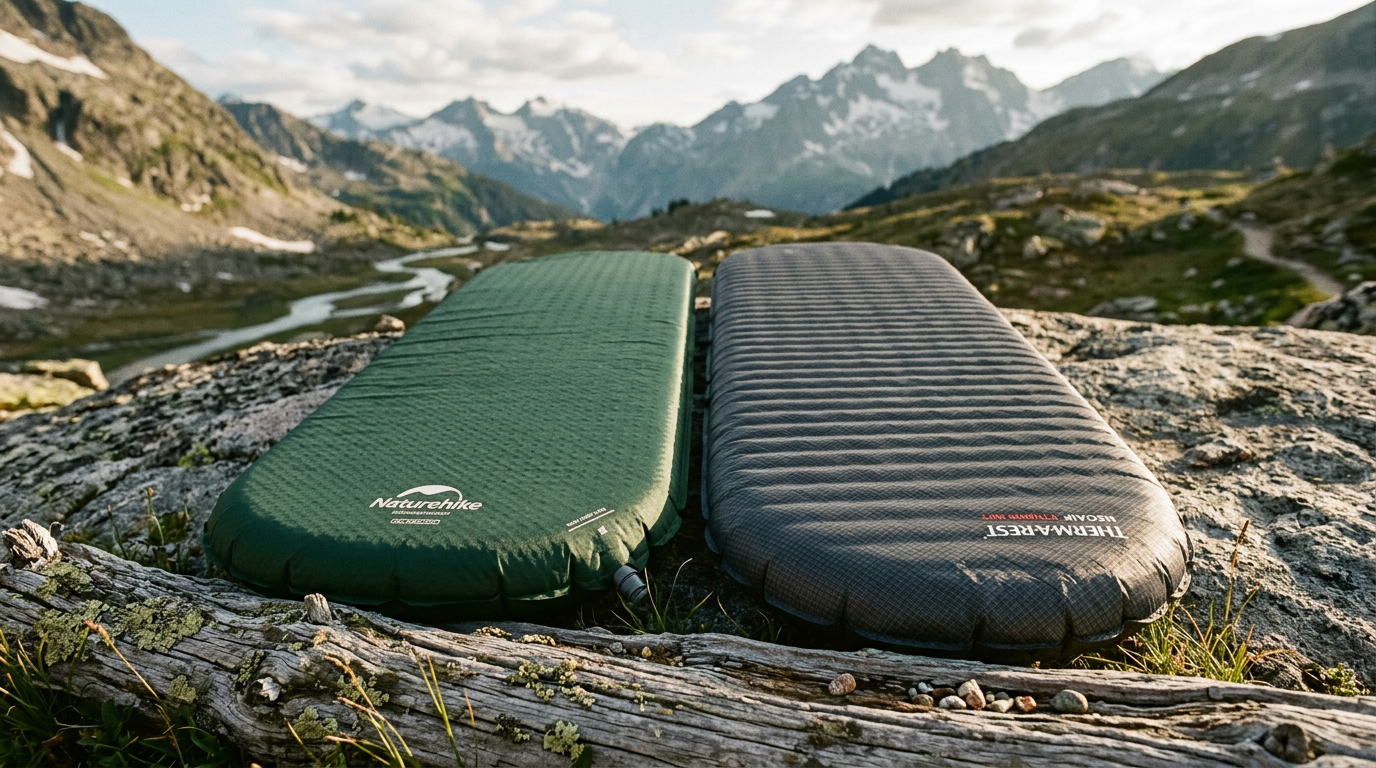
The Therm-a-Rest NeoAir XTherm NXT wins for serious three-season and winter backpackers who need maximum warmth and proven durability in harsh conditions. However, the Naturehike Insulated Sleeping Pad is the better pick for budget-conscious campers, fair-weather backpackers, and anyone prioritizing value over the last increments of performance—it delivers 4.6 R-value insulation and ultralight construction at less than one-third the price.

Sawyer Squeeze vs Sawyer Mini Water Filter: Which Sawyer Filter Is Right for You?
HEAD-TO-HEAD

Sawyer Squeeze vs Sawyer Mini Water Filter: Which Sawyer Filter Is Right for You?

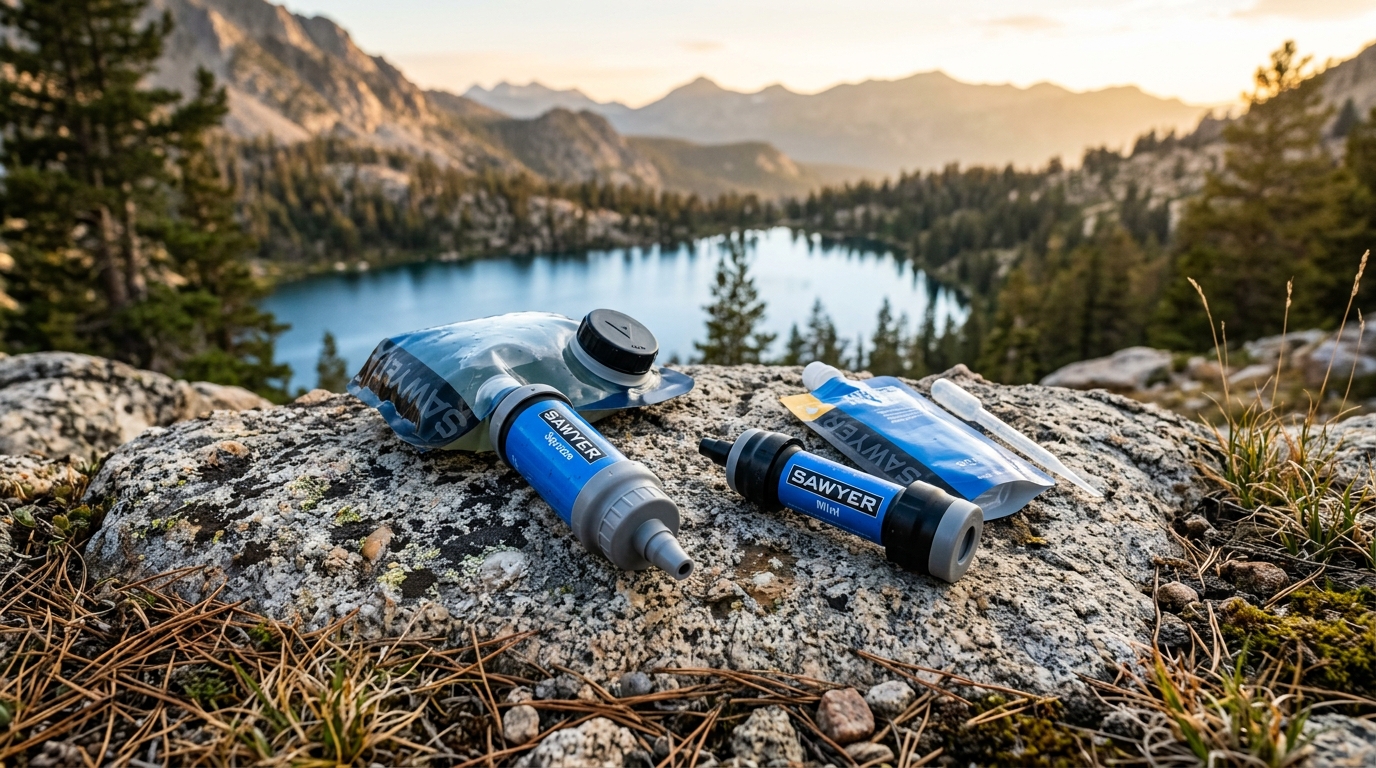
The Sawyer Squeeze wins for most backpackers and serious hikers due to its significantly faster flow rate (1.7 liters per minute vs 1 liter per minute), larger filter surface area, and better long-term durability. However, the Sawyer Mini is the better choice for ultralight enthusiasts, day hikers, or emergency kits where every gram counts—it weighs just 56 grams compared to the Squeeze's 85 grams and costs roughly $10 less while delivering the same 0.1 micron absolute filtration.

Sawyer Squeeze vs LifeStraw Personal Water Filter: Which Backcountry Filter Wins?
HEAD-TO-HEAD

Sawyer Squeeze vs LifeStraw Personal Water Filter: Which Backcountry Filter Wins?

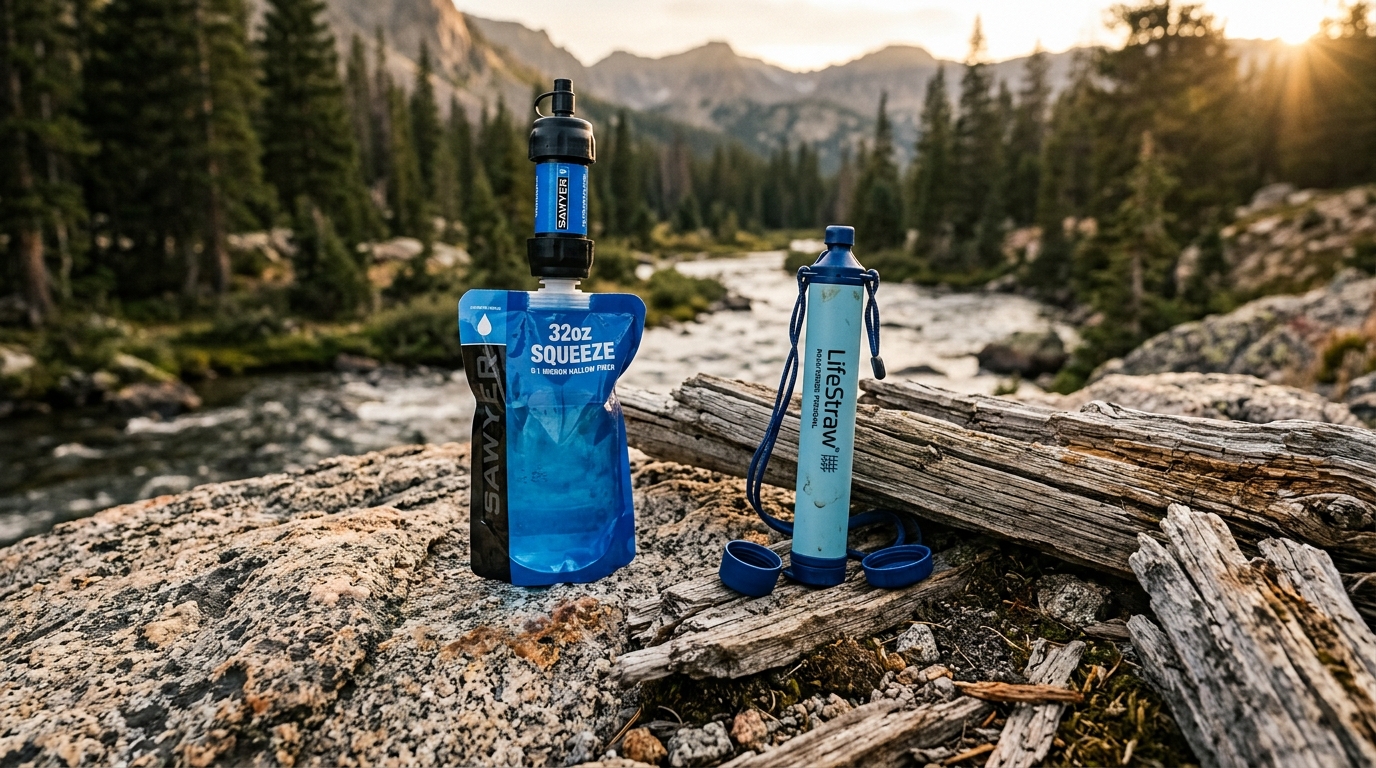
The Sawyer Squeeze is the clear winner for backpackers and multi-day trips, offering 100,000-gallon capacity, versatile squeeze-bag and inline hydration compatibility, and the ability to filter into containers for group use. The LifeStraw Personal is the better choice for ultralight day hikers, emergency kits, and international travelers who need a no-maintenance straw-style filter at half the weight and price, despite its 1,000-gallon lifespan and drink-directly-only design.

Vortex Diamondback HD 10x42 vs Nikon Prostaff P3 8x42 Binoculars
HEAD-TO-HEAD

Vortex Diamondback HD 10x42 vs Nikon Prostaff P3 8x42 Binoculars

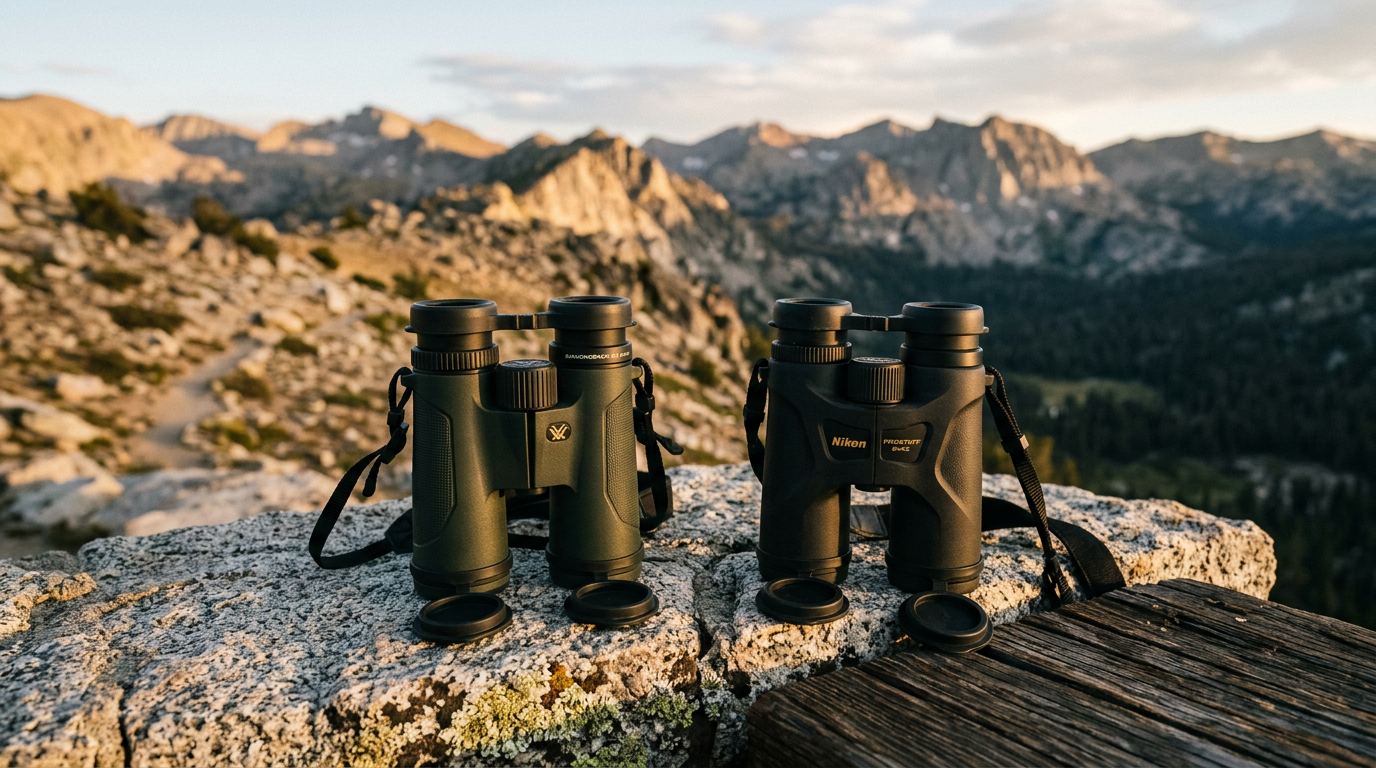
The Vortex Diamondback HD 10x42 wins for birders and wildlife observers who prioritize reach and optical clarity, delivering superior glass quality and 25% more magnification for identifying distant subjects. However, the Nikon Prostaff P3 8x42 is the better choice for hikers, hunters, and general outdoor use where a wider field of view, steadier handheld image, and lighter weight matter more than maximum magnification.

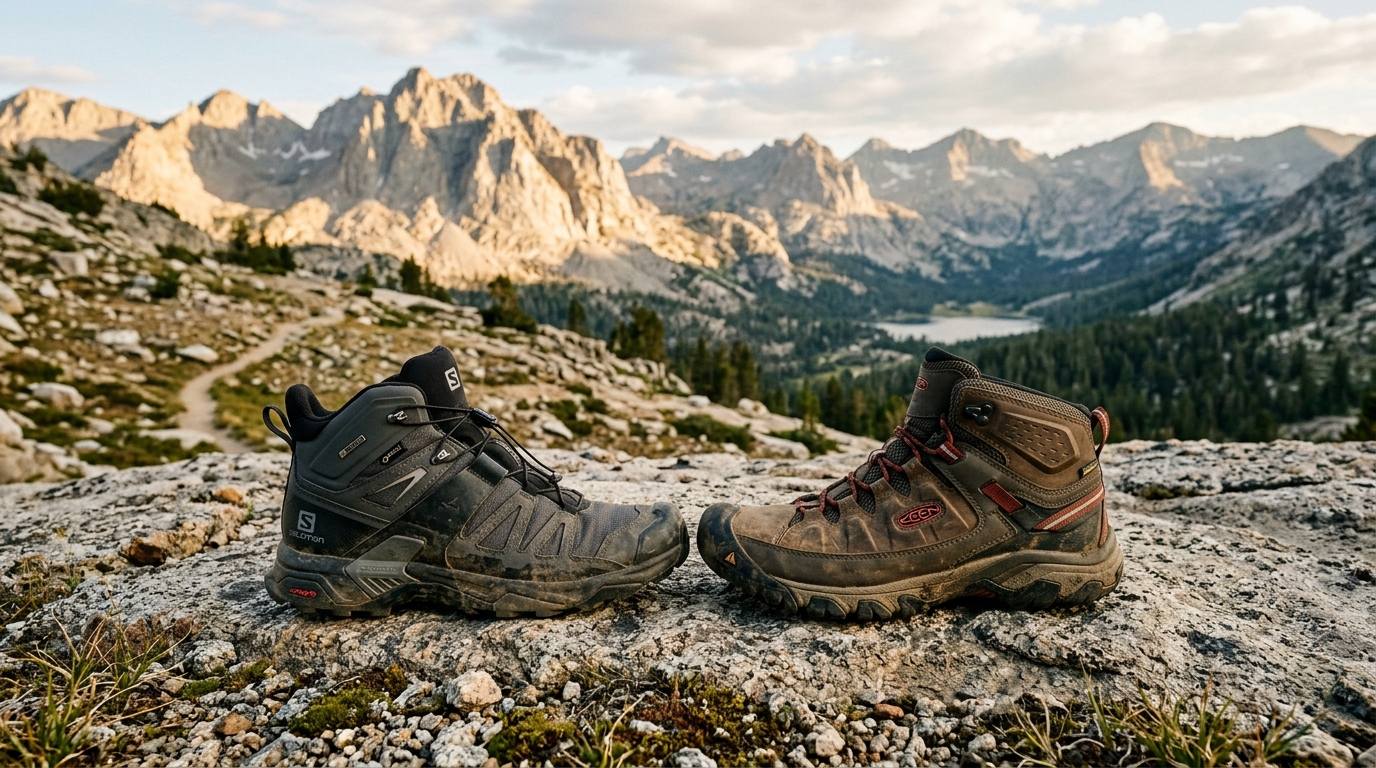
Salomon X Ultra 4 Mid GTX vs KEEN Targhee III Mid: Which Hiking Boot Wins?
HEAD-TO-HEAD

Salomon X Ultra 4 Mid GTX vs KEEN Targhee III Mid: Which Hiking Boot Wins?

The Salomon X Ultra 4 Mid GTX wins for fast-and-light hikers who prioritize agility, precision fit, and technical terrain performance. The KEEN Targhee III Mid is the better choice for hikers who want a roomier toe box, more cushioning underfoot, and $25 in savings—especially if you're carrying heavier loads or prefer a more relaxed fit on all-day treks.

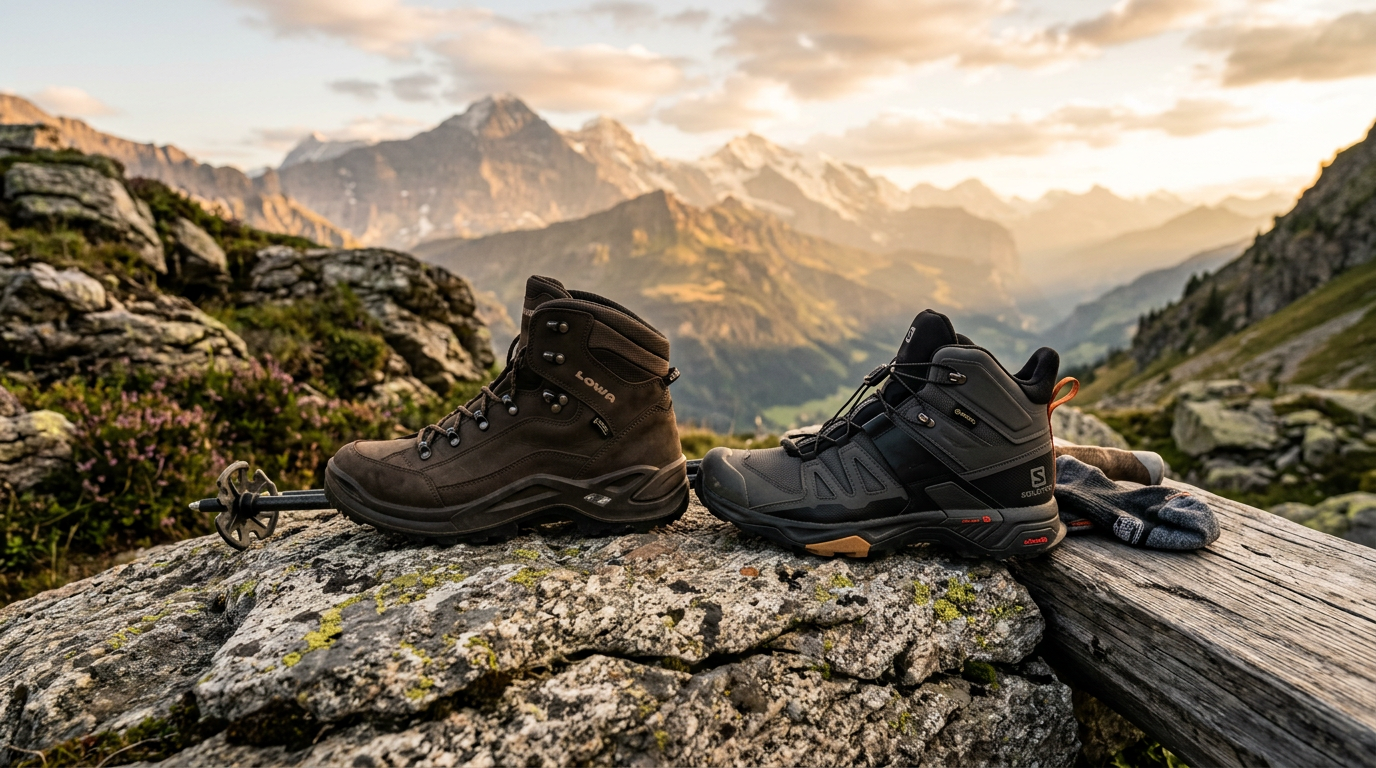
Lowa Renegade GTX Mid vs Salomon X Ultra 4 Mid GTX: Which Hiking Boot Wins?

HEAD-TO-HEAD

Lowa Renegade GTX Mid vs Salomon X Ultra 4 Mid GTX: Which Hiking Boot Wins?
The Salomon X Ultra 4 Mid GTX wins for most hikers seeking a versatile, agile boot at an accessible price point—it's $124 cheaper and excels on technical terrain with its aggressive tread and nimble feel. However, the Lowa Renegade GTX Mid is the superior choice for backpackers carrying heavy loads, multi-day treks, or anyone prioritizing maximum ankle support and long-term durability over initial cost.

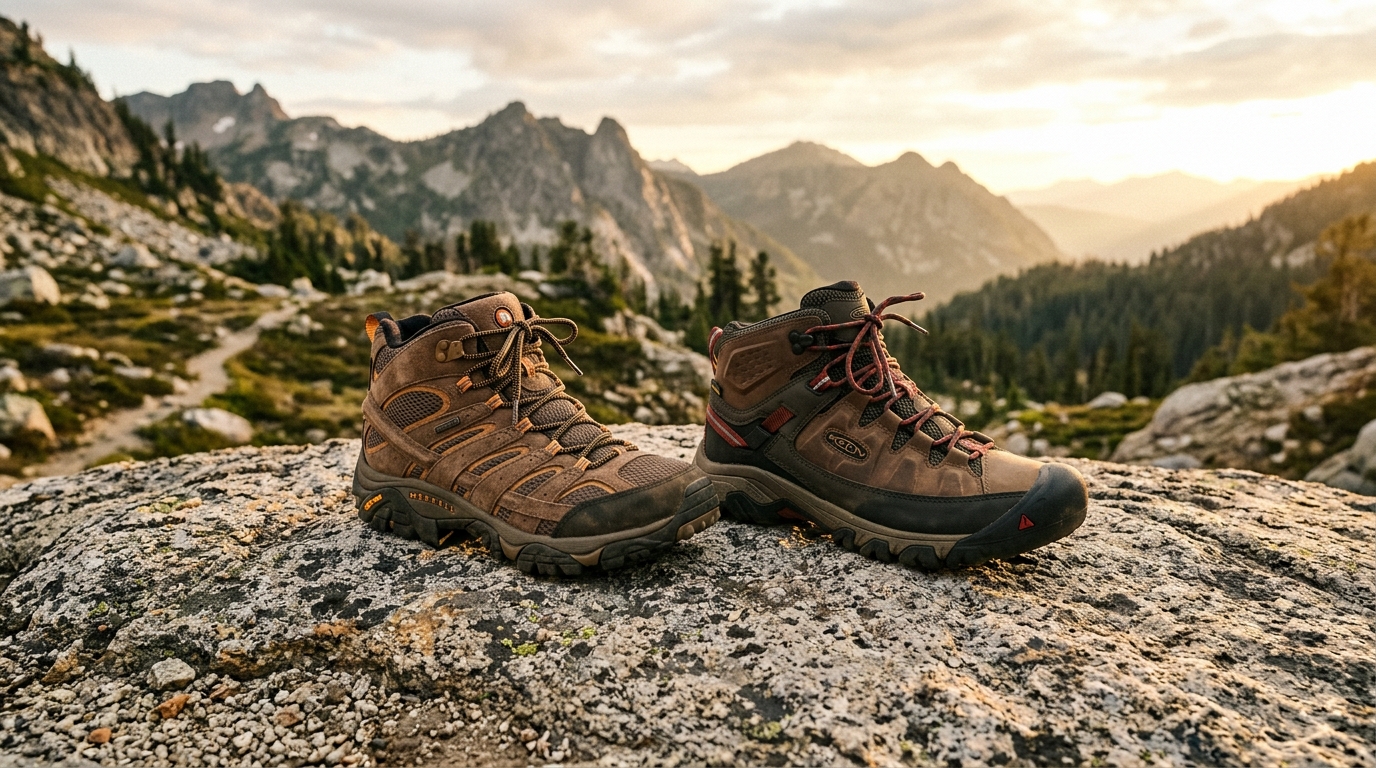
Merrell Moab 3 Mid vs KEEN Targhee III: Which Waterproof Hiking Boot Wins?

HEAD-TO-HEAD

Merrell Moab 3 Mid vs KEEN Targhee III: Which Waterproof Hiking Boot Wins?
The Merrell Moab 3 Mid takes the overall win for most day hikers thanks to its lighter feel, superior breathability, and $10 lower price point, making it the better choice for fast-paced trail use and warmer conditions. However, the KEEN Targhee III is the smarter pick for backpackers carrying heavy loads, wet-climate hikers, and anyone prioritizing maximum toe protection and durability over nimbleness.

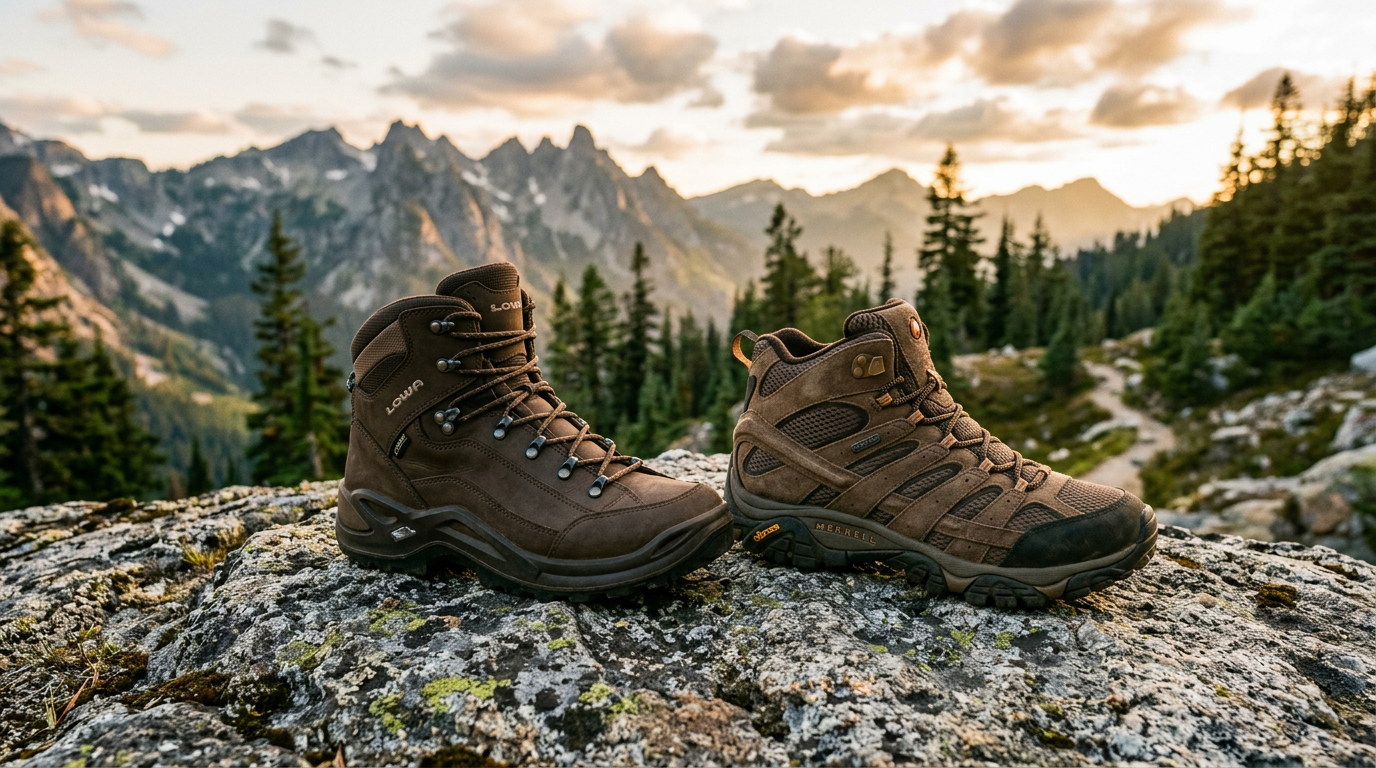
Lowa Renegade GTX Mid vs Merrell Moab 3 Mid Waterproof: Which Hiking Boot Wins?

HEAD-TO-HEAD

Lowa Renegade GTX Mid vs Merrell Moab 3 Mid Waterproof: Which Hiking Boot Wins?
The Lowa Renegade GTX Mid is the superior boot for serious hikers who prioritize durability, ankle support, and long-term performance on technical terrain — justifying its $279 price point with European construction and premium materials. The Merrell Moab 3 Mid at $120 is the better choice for casual day hikers, beginners on a budget, or anyone who values immediate out-of-the-box comfort over maximum longevity.

BLACK DIAMOND Half Dome vs Petzl BOREO Climbing Helmet
HEAD-TO-HEAD

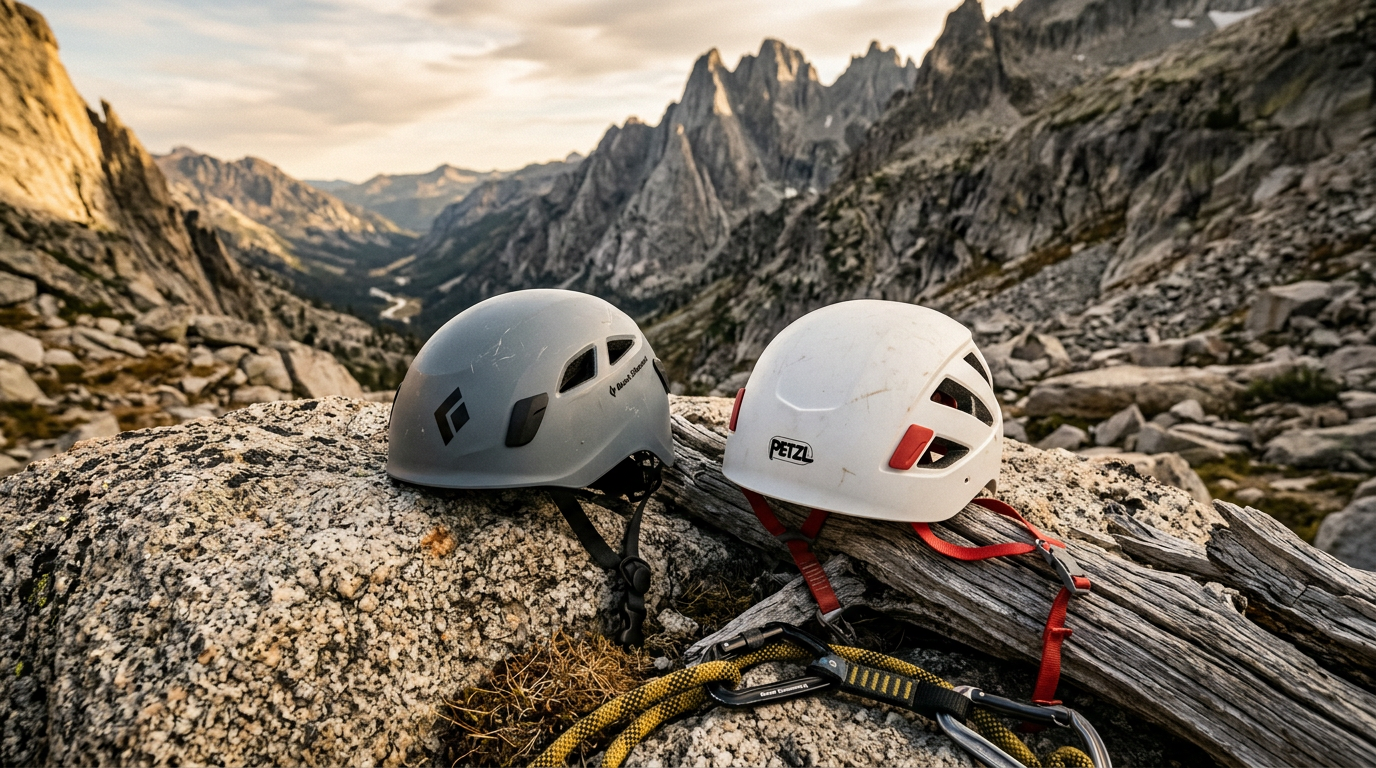
BLACK DIAMOND Half Dome vs Petzl BOREO Climbing Helmet

The BLACK DIAMOND Half Dome wins for most climbers seeking a proven, budget-friendly helmet with excellent ventilation and a track record spanning over a decade. The Petzl BOREO is the better pick for multi-sport users who need enhanced side and rear protection for caving or via ferrata, or climbers who prioritize a more refined fit system and magnetic buckle convenience despite the $5 premium.

EVOLV Shaman Pro vs SCARPA Instinct VS: Which Aggressive Climbing Shoe Wins?
HEAD-TO-HEAD

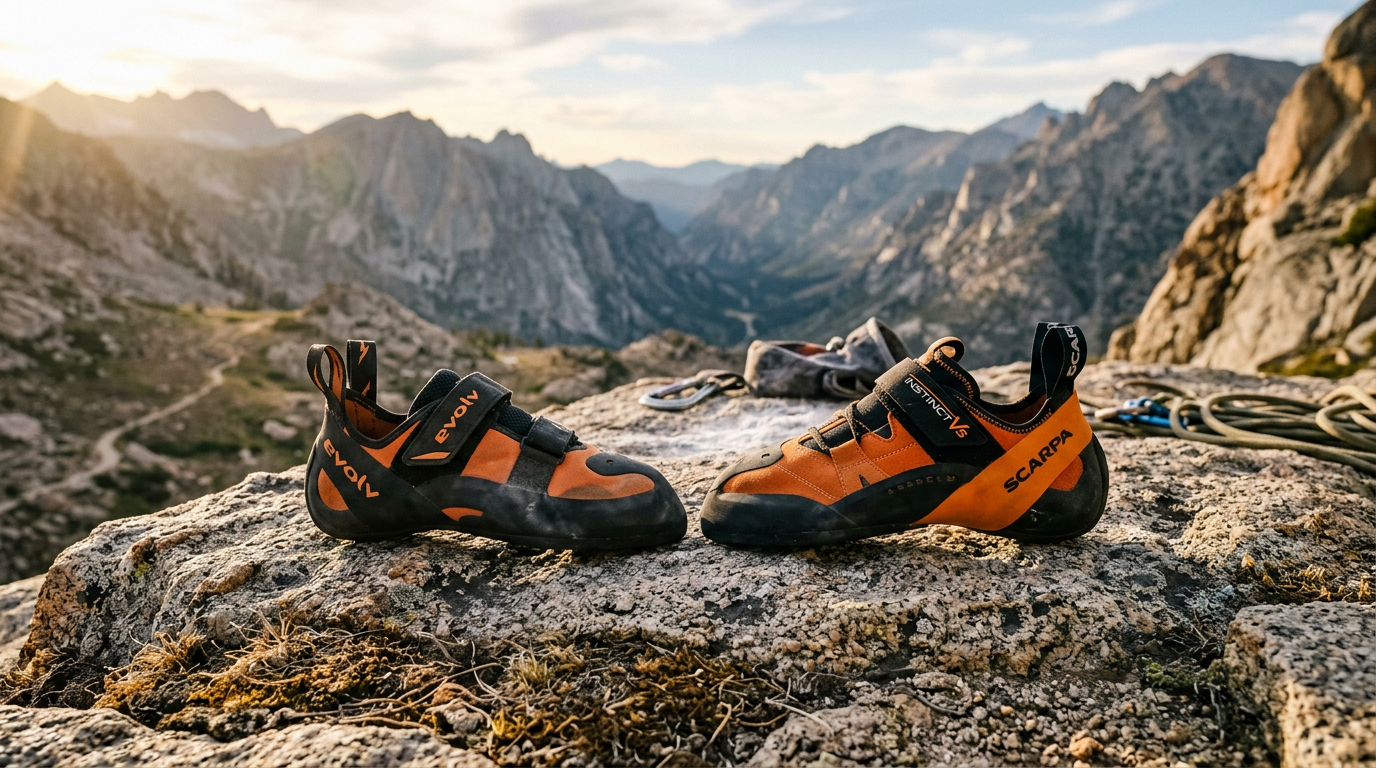
EVOLV Shaman Pro vs SCARPA Instinct VS: Which Aggressive Climbing Shoe Wins?

The SCARPA Instinct VS edges out the EVOLV Shaman Pro for most climbers thanks to its $39 lower price, proven bi-tension rand system, and exceptional edging precision on micro holds. However, the Shaman Pro is the better choice for climbers prioritizing toe hook power on steep terrain, those with wider forefeet who find the Instinct VS too narrow, and anyone seeking maximum sensitivity for reading subtle foot placements on volumes and slopers.

La Sportiva Tarantulace vs SCARPA Instinct VS: Which Climbing Shoe Fits Your Style?

HEAD-TO-HEAD

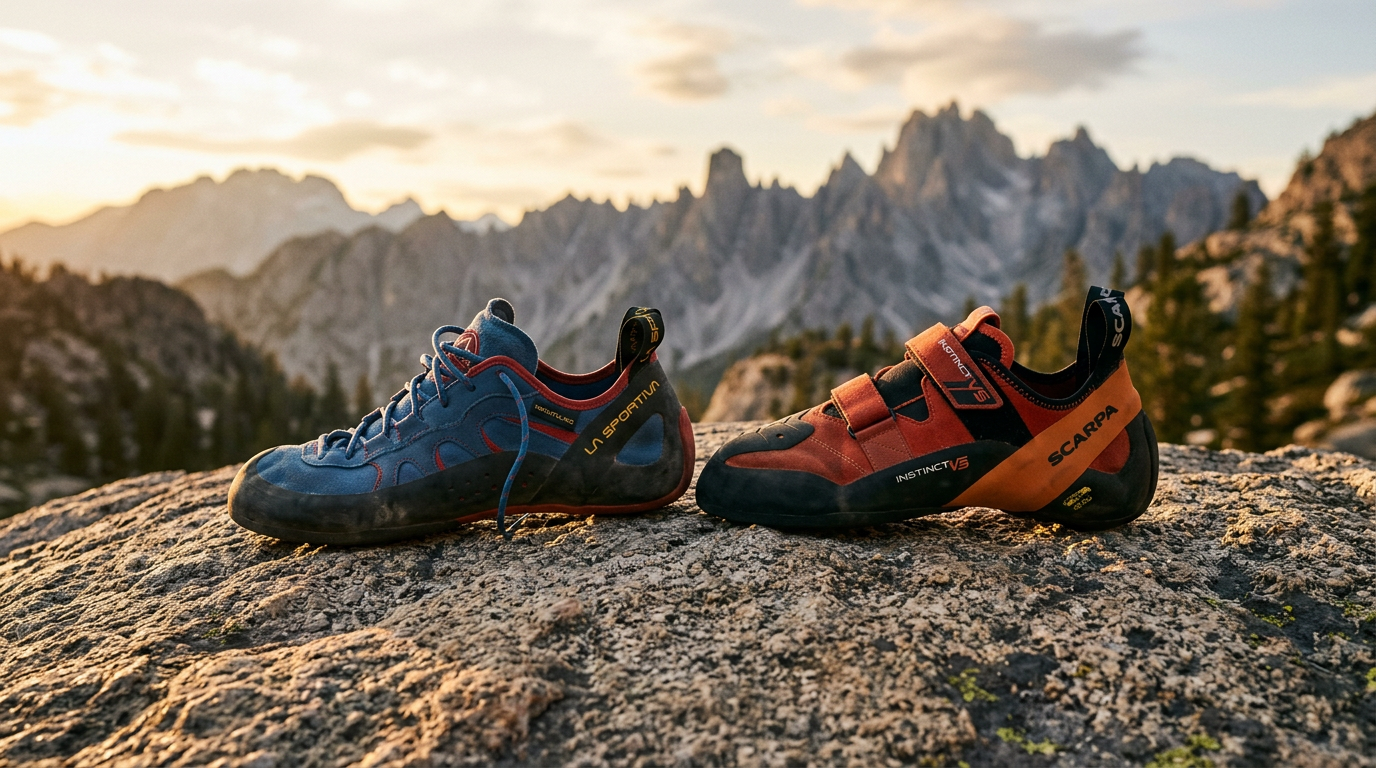
La Sportiva Tarantulace vs SCARPA Instinct VS: Which Climbing Shoe Fits Your Style?
The SCARPA Instinct VS wins for intermediate to advanced climbers seeking precision on overhanging sport routes and technical bouldering, with its aggressive downturn and sticky Vibram XS Grip2 rubber justifying the $200 price point. However, the La Sportiva Tarantulace at $99 is the better pick for beginners, gym climbers, and anyone prioritizing all-day comfort over performance—its flat profile and lace system accommodate wider feet and longer sessions without the pain tax of a performance shoe.

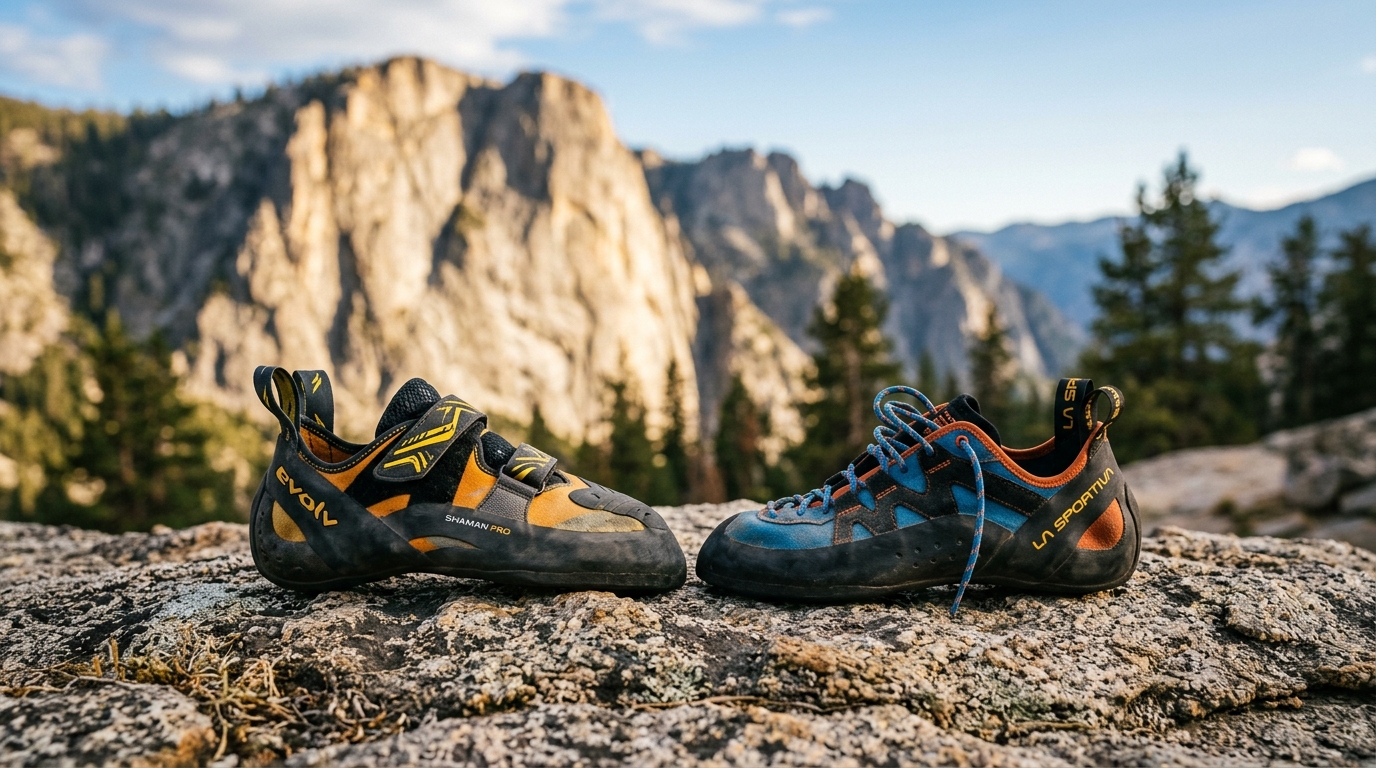
BLACK DIAMOND Momentum vs Mammut Comfort Fast Adjust Climbing Harness
HEAD-TO-HEAD

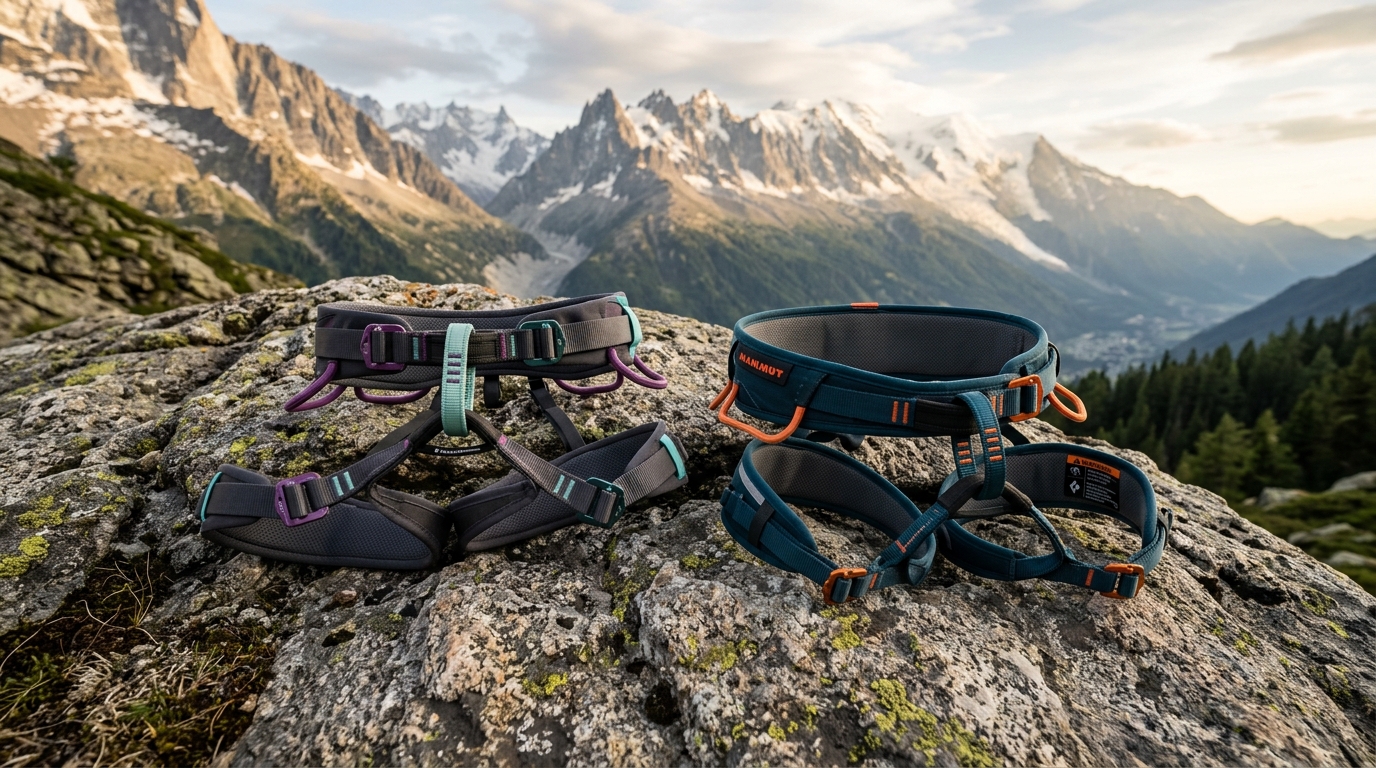
BLACK DIAMOND Momentum vs Mammut Comfort Fast Adjust Climbing Harness

The BLACK DIAMOND Momentum wins for gym climbers and beginners prioritizing value and simplicity, delivering solid comfort and dual-buckle adjustability at $97.88. The Mammut Comfort Fast Adjust is the better pick for multi-pitch trad climbers and alpine routes where speed transitions, gear-carrying capacity, and all-day comfort justify the $139.95 premium—its four gear loops and fast-adjust leg buckles shine on long days with variable layering.

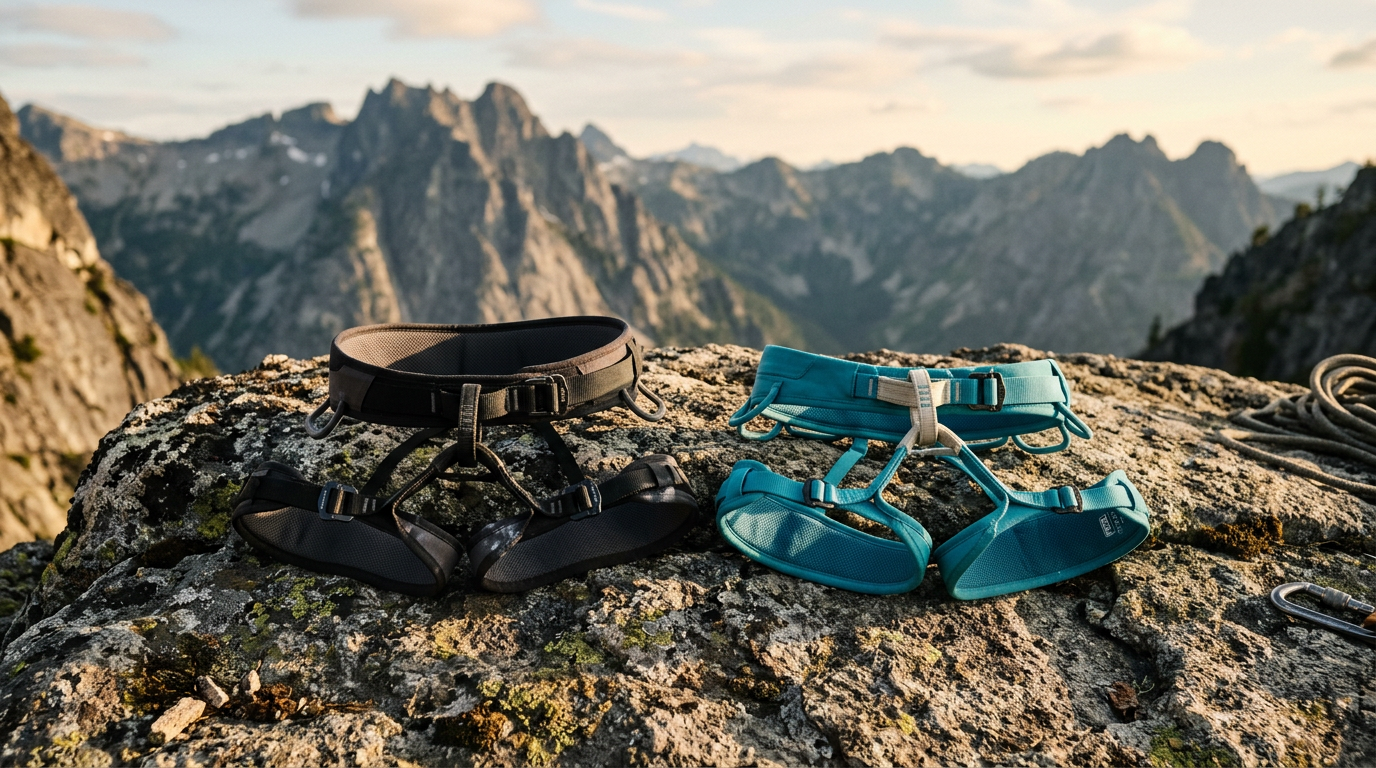
EVOLV Shaman Pro vs La Sportiva Tarantulace Rock Climbing Shoes
HEAD-TO-HEAD

EVOLV Shaman Pro vs La Sportiva Tarantulace Rock Climbing Shoes

The EVOLV Shaman Pro wins for intermediate to advanced climbers seeking maximum performance on steep boulders and sport routes, delivering aggressive downturn and sticky rubber that justifies its $239 price point. The La Sportiva Tarantulace at $99 is the clear choice for beginners, gym climbers on a budget, or anyone prioritizing all-day comfort over technical precision—its flat profile and lace system make it forgiving enough for learning footwork fundamentals.

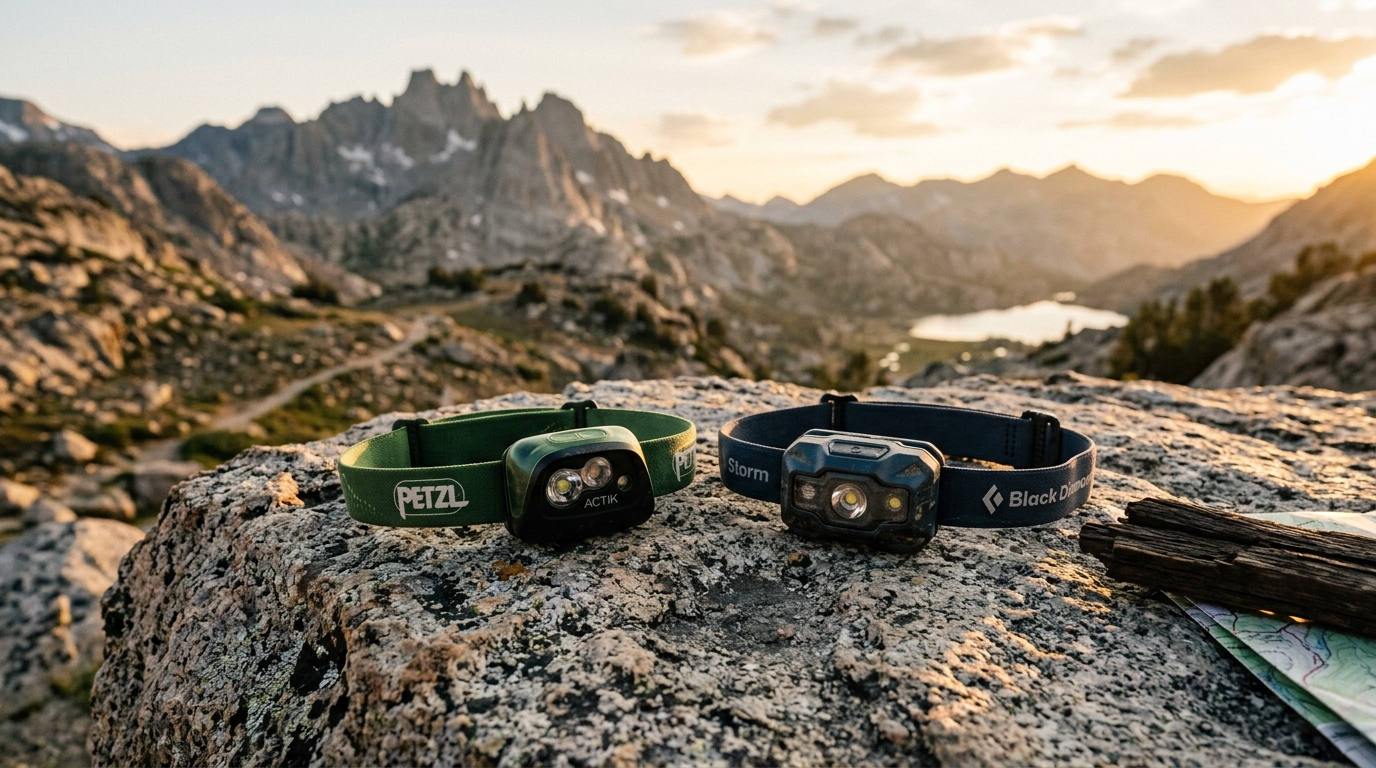
BLACK DIAMOND Momentum vs PETZL Corax LT Women's Climbing Harness
HEAD-TO-HEAD

BLACK DIAMOND Momentum vs PETZL Corax LT Women's Climbing Harness

The PETZL Corax LT Women's takes the win for female climbers seeking a dedicated women's-specific harness at $69.95, offering tailored fit geometry and lighter construction that better suits narrower hip-to-waist ratios. The BLACK DIAMOND Momentum remains the better choice for male climbers or those preferring unisex geometry, with its Dual Core Construction providing more robust padding and adjustability at $97.88, though it sacrifices some weight savings.

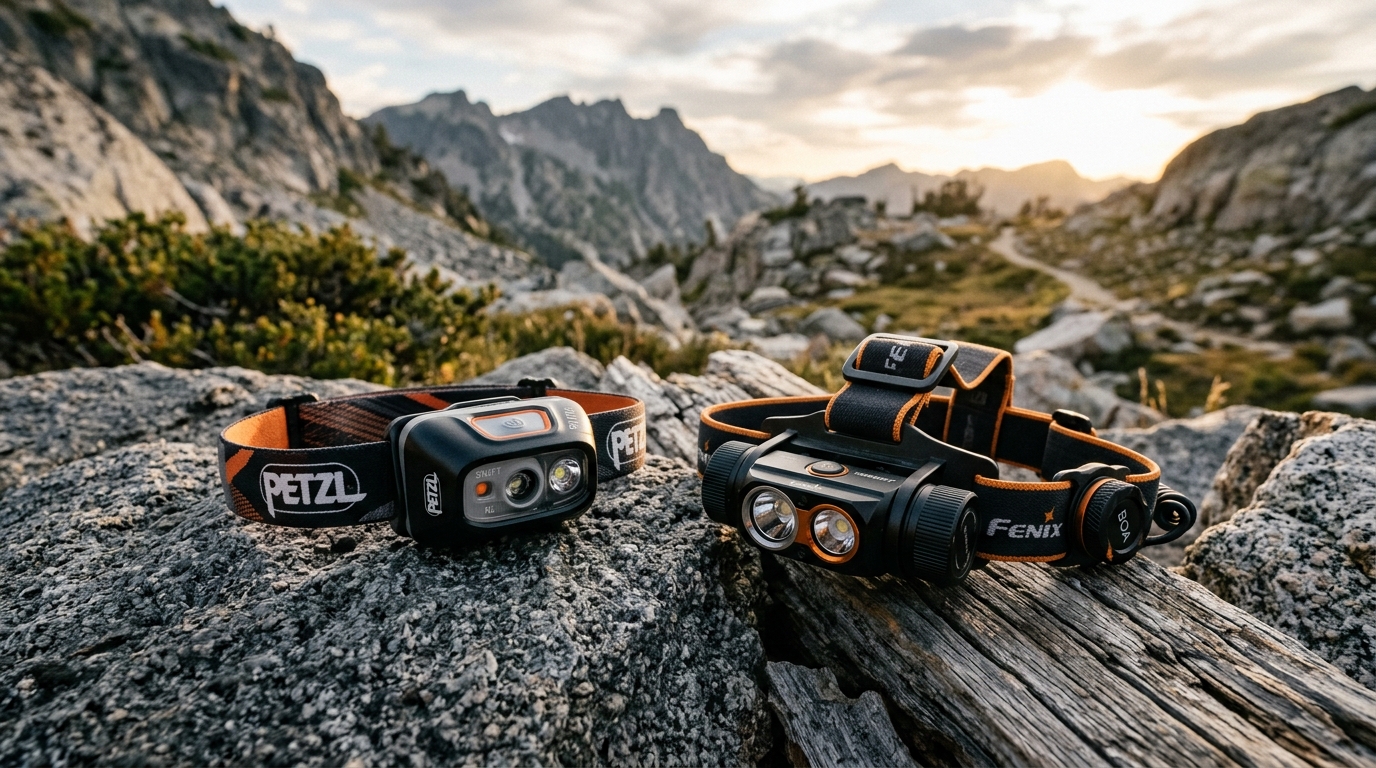
PETZL ACTIK CORE vs BLACK DIAMOND Storm 500-R Rechargeable Headlamp Comparison
HEAD-TO-HEAD

PETZL ACTIK CORE vs BLACK DIAMOND Storm 500-R Rechargeable Headlamp Comparison

The PETZL ACTIK CORE wins this comparison for most users, delivering 600 lumens versus the Storm's 500 and offering Petzl's proven hybrid power system that accepts both the rechargeable CORE battery and standard AAA batteries as backup. However, the BLACK DIAMOND Storm 500-R is the better pick if you're budget-conscious—it costs $21 less and still delivers excellent performance for trail running, camping, and general hiking where the extra 100 lumens rarely matter.

PETZL Swift RL vs Fenix HM65R-T V2.0: Which Headlamp Wins for Trail Runners?
HEAD-TO-HEAD

PETZL Swift RL vs Fenix HM65R-T V2.0: Which Headlamp Wins for Trail Runners?

The Fenix HM65R-T V2.0 takes the win for trail runners who prioritize maximum output and dual-beam versatility, delivering 1600 lumens and a dedicated warm-white mode for close-up tasks. However, the PETZL Swift RL is the smarter pick for ultralight enthusiasts and multi-day adventures where reactive lighting technology and proven durability matter more than raw power, especially given its $18 lower price point.

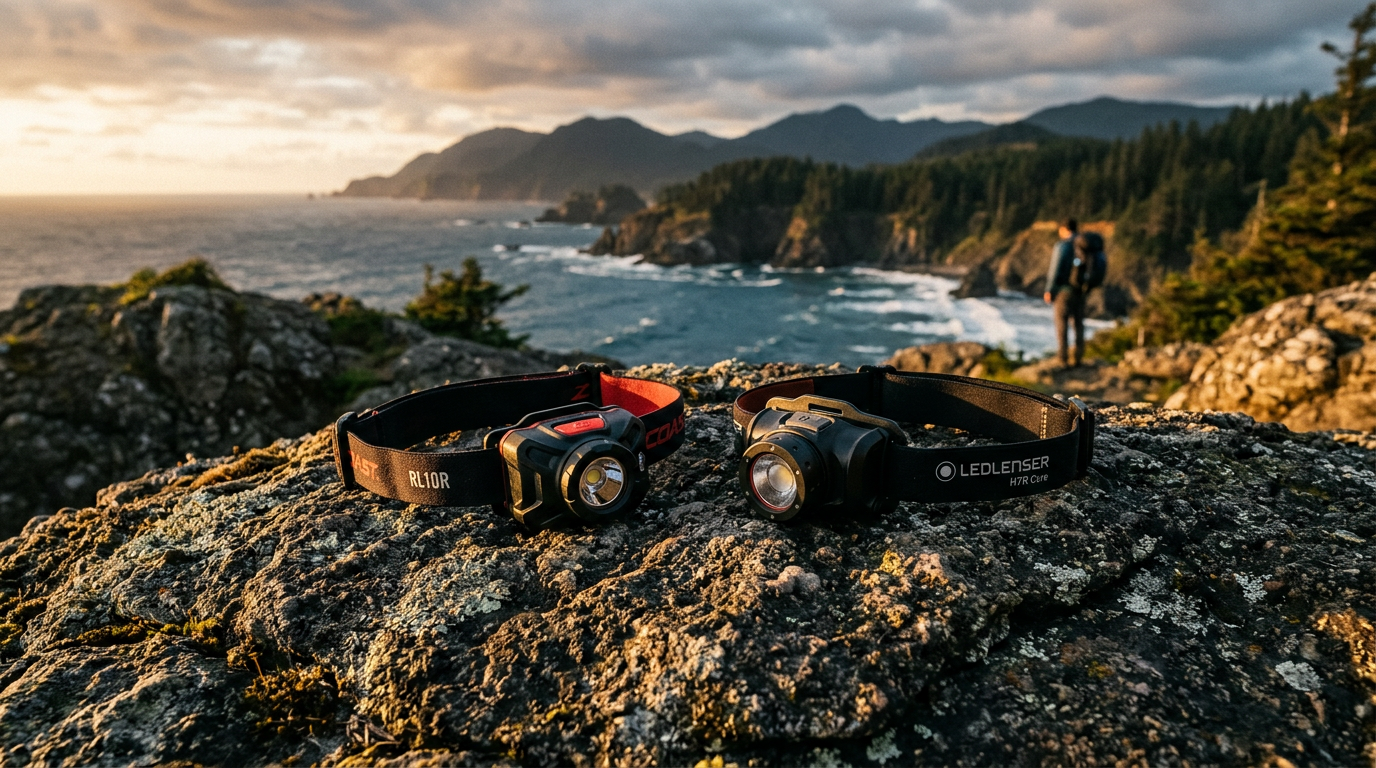
Coast RL10R vs Ledlenser H7R Core: Which Rechargeable Headlamp Wins?
HEAD-TO-HEAD

Coast RL10R vs Ledlenser H7R Core: Which Rechargeable Headlamp Wins?

The Ledlenser H7R Core wins this comparison for serious outdoor users who need maximum brightness, throw distance, and durability in challenging conditions. Its 1000-lumen boost mode, 250-meter beam reach, and IP67 waterproofing justify the $75 premium for backcountry trips, alpine starts, and technical terrain. However, the Coast RL10R at $30 is the smarter pick for casual campers, dog walkers, and anyone who prioritizes budget over raw performance—its 750-lumen output and variable light control handle most recreational tasks without the weight or cost of the Ledlenser.

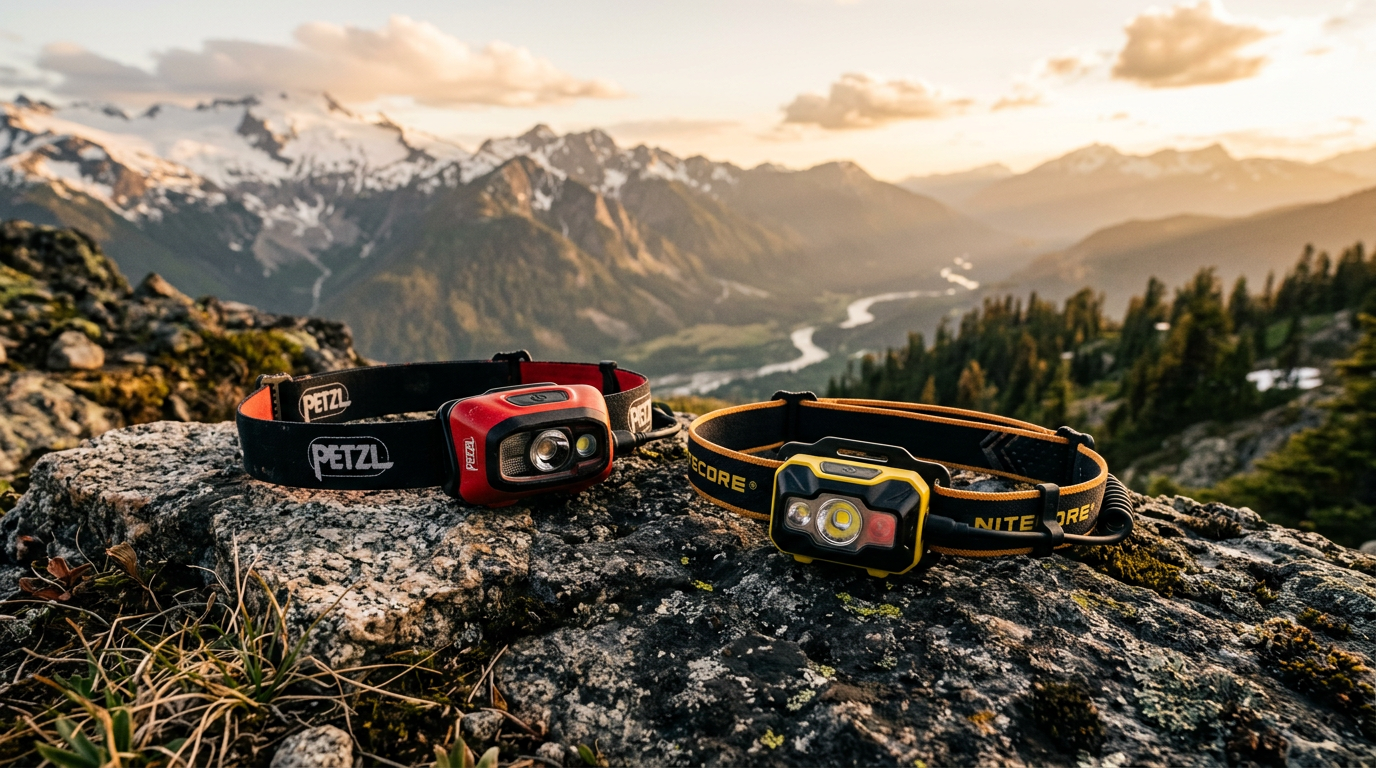
PETZL Swift LT vs Nitecore NU25: Which Ultralight Headlamp Wins?
HEAD-TO-HEAD

PETZL Swift LT vs Nitecore NU25: Which Ultralight Headlamp Wins?

The Nitecore NU25 wins for most backpackers and ultralight enthusiasts thanks to its dual-beam design, modern USB-C charging, and $15 lower price point. However, the PETZL Swift LT is the better choice for runners and fast-packers who prioritize Petzl's proven durability, slightly higher maximum output (380 lumens vs 400 lumens claimed), and brand reputation for headlamp longevity in demanding conditions.

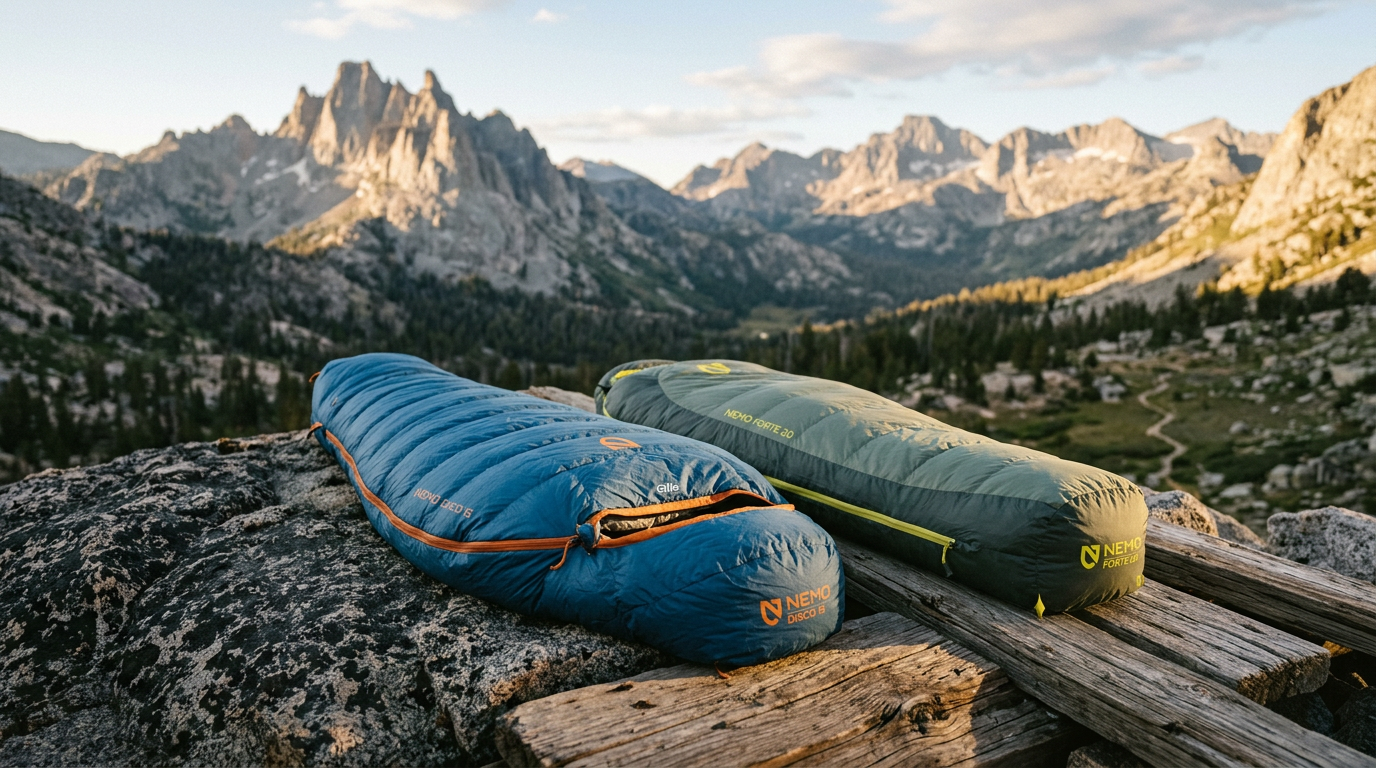
NEMO Disco Endless Promise Down vs. NEMO Forte Endless Promise Synthetic Sleeping Bag

HEAD-TO-HEAD

NEMO Disco Endless Promise Down vs. NEMO Forte Endless Promise Synthetic Sleeping Bag
The NEMO Disco Endless Promise Down is the clear winner for three-season backpackers who prioritize warmth-to-weight ratio and packability, justifying its $329.95 price with premium 650-fill down insulation. However, the Forte Endless Promise Synthetic at $147.34 is the smarter choice for wet-climate campers, budget-conscious buyers, and anyone who needs a bag that maintains insulation when damp.

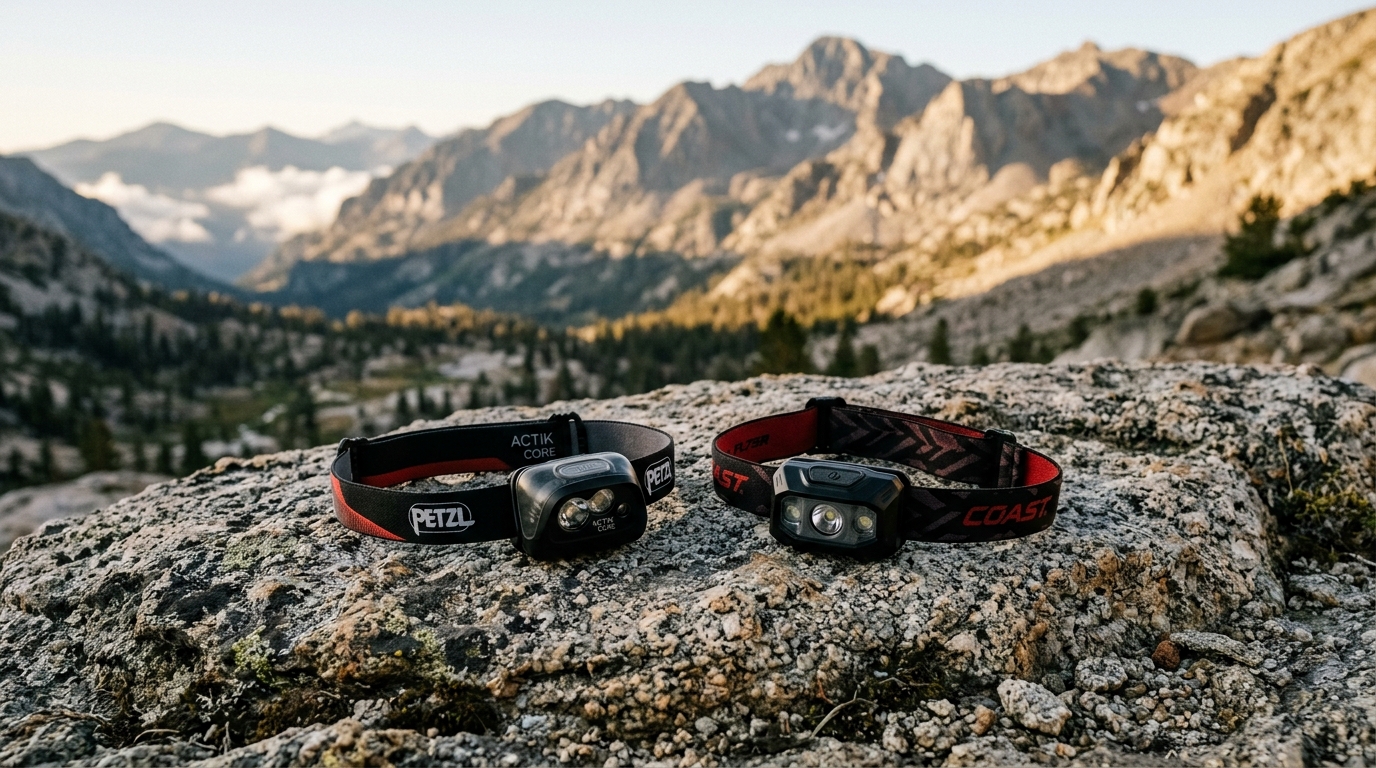
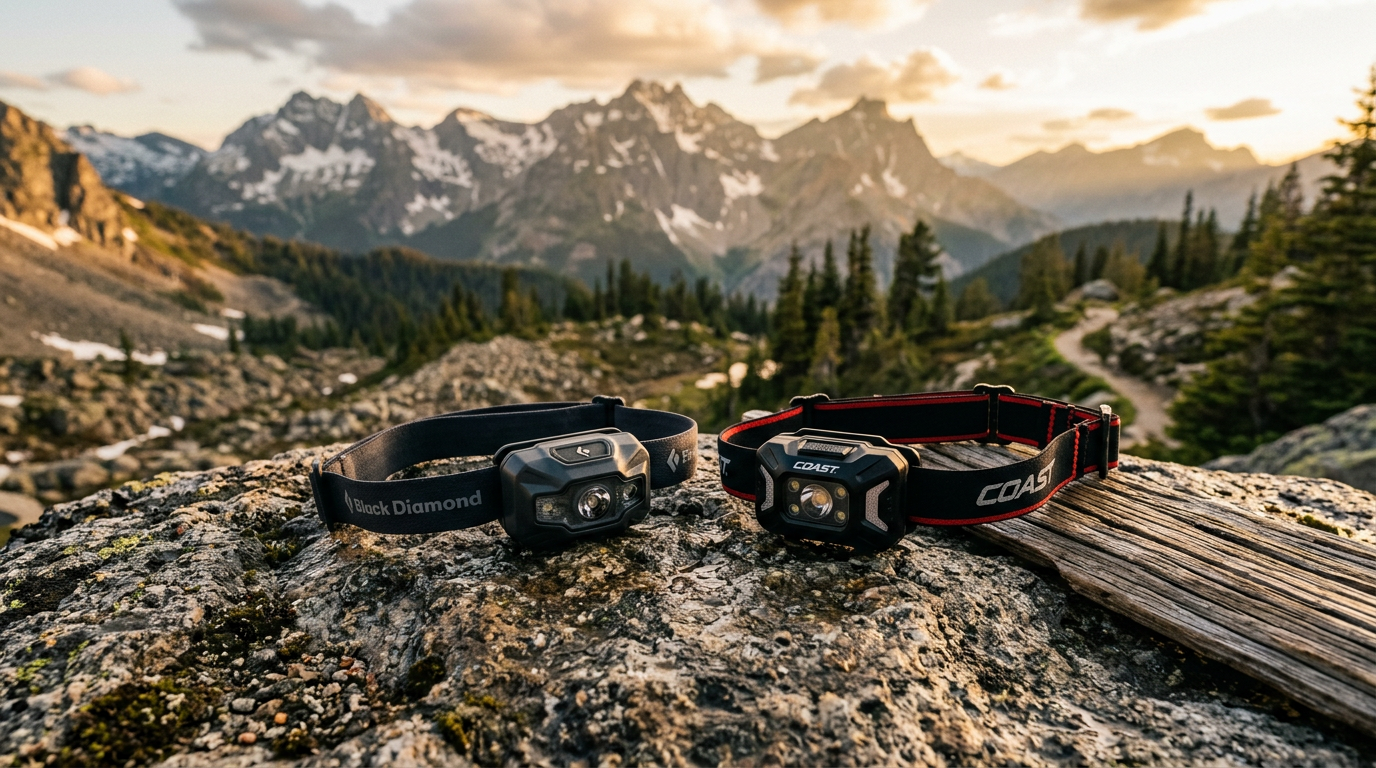
Petzl Actik Core vs Coast FL75R: Which Rechargeable Headlamp Wins?
HEAD-TO-HEAD

Petzl Actik Core vs Coast FL75R: Which Rechargeable Headlamp Wins?

The Petzl Actik Core takes the win for backpackers and multi-day users who prioritize battery flexibility and proven durability in alpine conditions. Its 600-lumen output, hybrid power system (rechargeable plus AAA backup), and Petzl's reputation for bombproof construction justify the $20 premium. The Coast FL75R is the better pick for weekend campers and budget-conscious buyers who need solid output (530 lumens) and dual-color modes but can accept proprietary battery limitations and a bulkier form factor.

BLACK DIAMOND Storm 500-R vs Coast RL10R: Which Rechargeable Headlamp Wins?

HEAD-TO-HEAD

BLACK DIAMOND Storm 500-R vs Coast RL10R: Which Rechargeable Headlamp Wins?
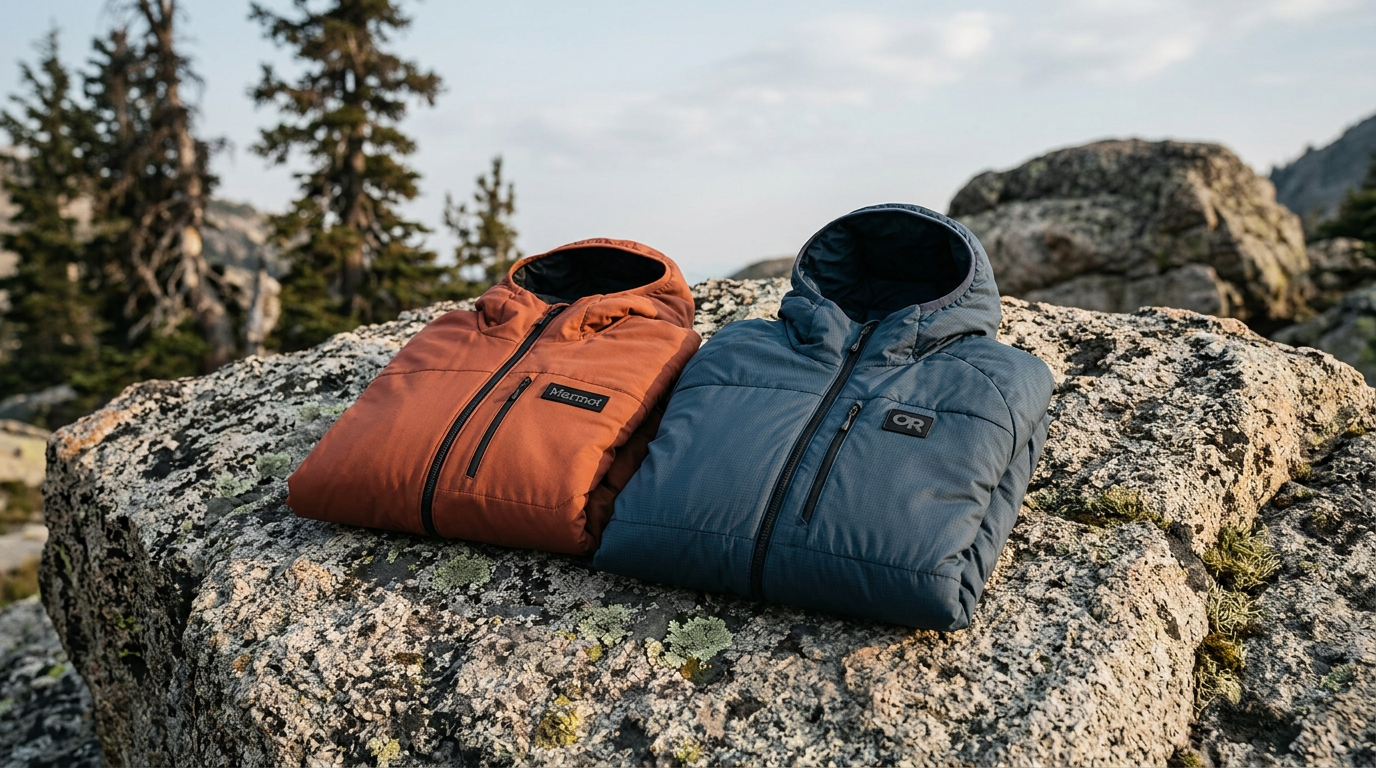
The Coast RL10R wins for most users seeking maximum brightness and value, delivering 750 lumens at half the price of the Black Diamond Storm 500-R. However, the Storm 500-R is the better choice for ultralight backpackers and technical climbers who prioritize proven durability, IPX7 waterproofing, and Black Diamond's reputation for bombproof construction in harsh alpine conditions.

Marmot Women's Echo Featherless Jacket vs Outdoor Research Women's Helium Insulated Hoodie: Which Lightweight Insulation Layer Wins?
HEAD-TO-HEAD

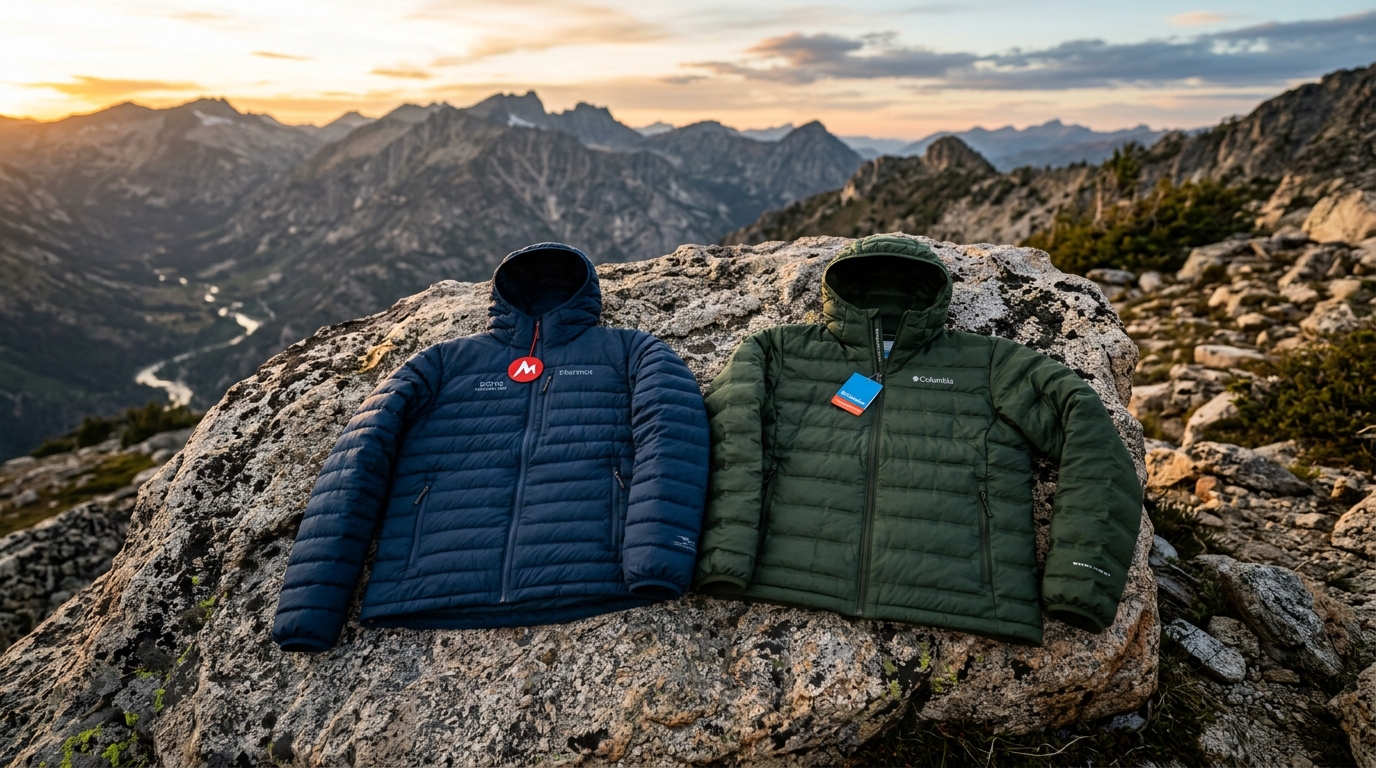
Marmot Women's Echo Featherless Jacket vs Outdoor Research Women's Helium Insulated Hoodie: Which Lightweight Insulation Layer Wins?

The Outdoor Research Helium Insulated Hoodie is the superior choice for serious backcountry users who prioritize packability, weather resistance, and hood protection despite the $126 premium. However, the Marmot Echo Featherless delivers exceptional value at $82.88 for casual hikers and everyday users who want reliable synthetic warmth without breaking the bank and don't require a hood.

Marmot Women's Echo Featherless Jacket vs Columbia Men's Powder Lite II Insulated Puffer Jacket

HEAD-TO-HEAD

Marmot Women's Echo Featherless Jacket vs Columbia Men's Powder Lite II Insulated Puffer Jacket
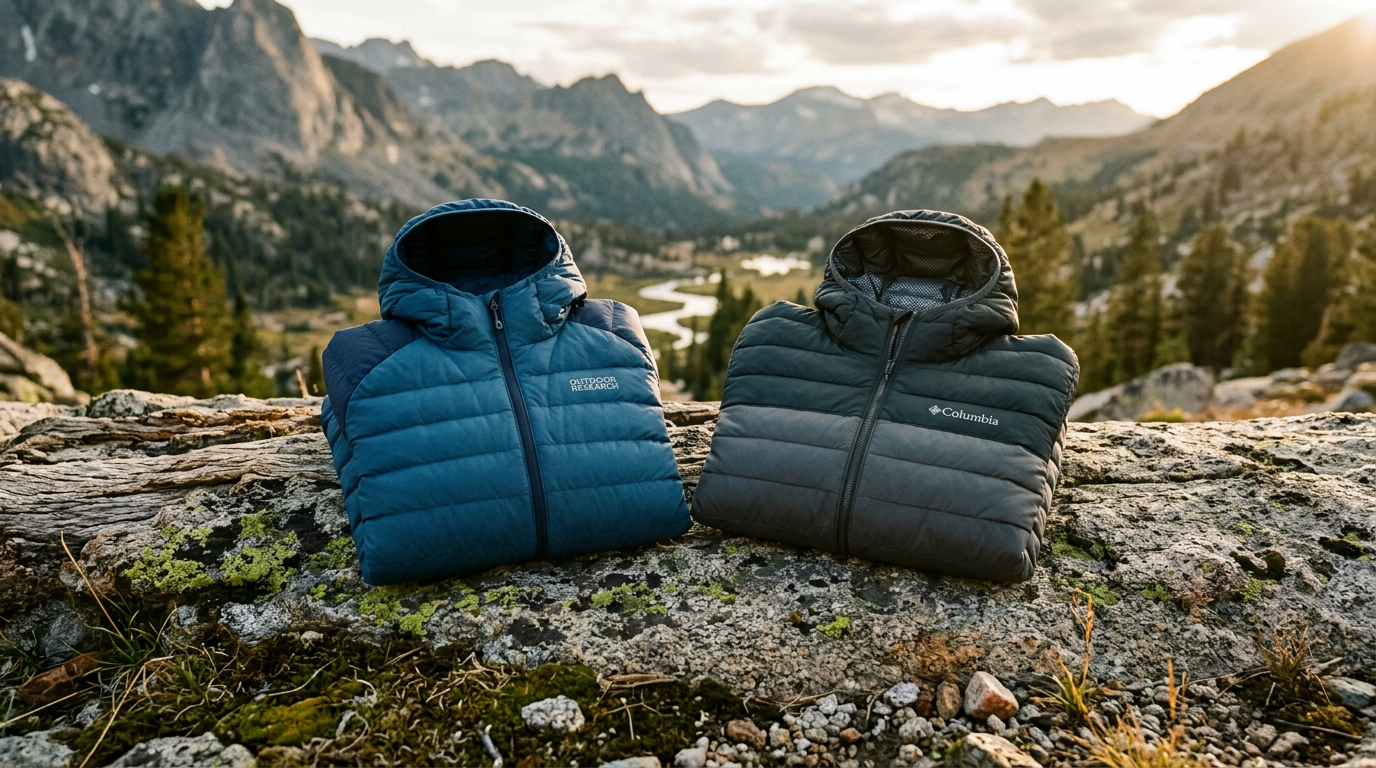
The Marmot Echo Featherless wins for women seeking a versatile, synthetic-insulated jacket with superior packability and moisture resistance in wet conditions. However, the Columbia Powder Lite II is the better pick for budget-conscious buyers who prioritize value and don't need the advanced synthetic fill technology, especially if shopping for men's sizing.

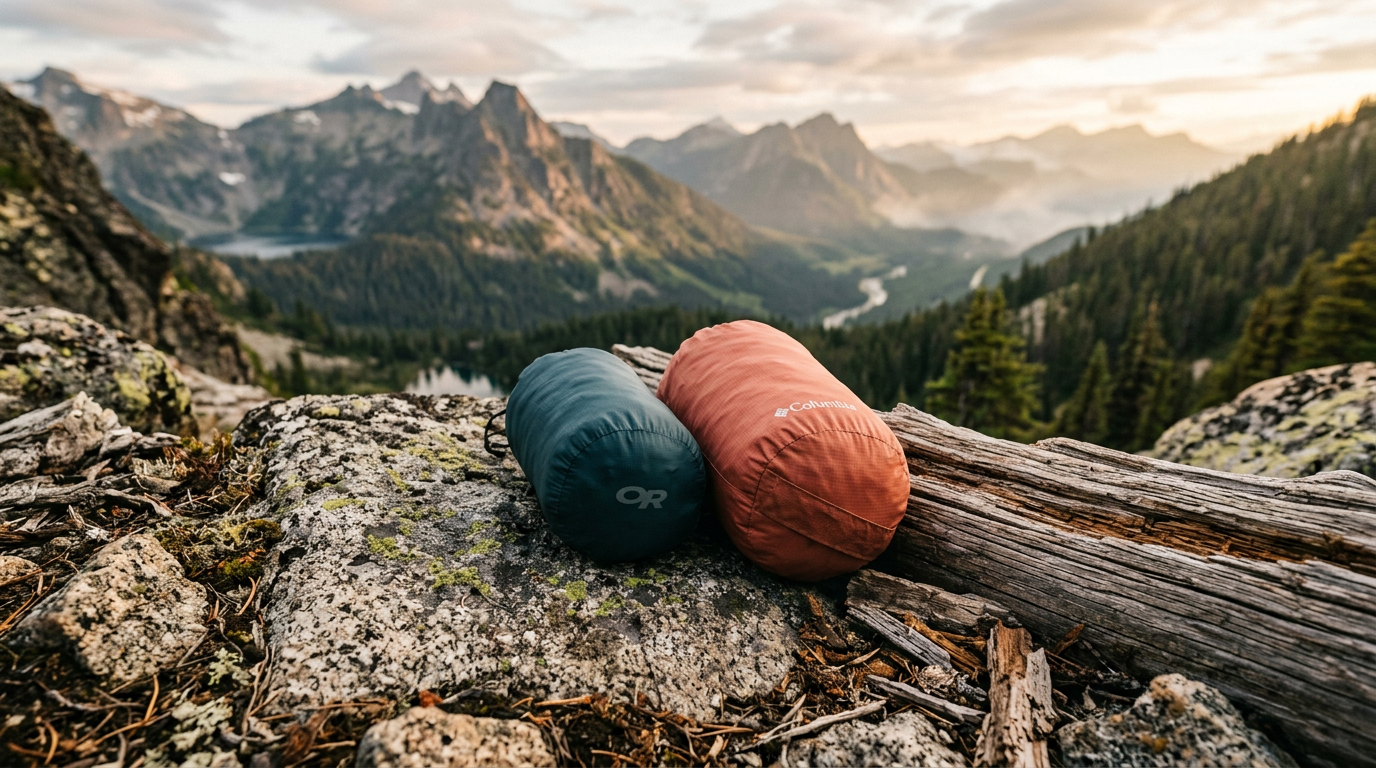
Outdoor Research Women's Helium Insulated Hoodie vs Columbia Men's Powder Lite II Insulated Puffer Jacket
HEAD-TO-HEAD

Outdoor Research Women's Helium Insulated Hoodie vs Columbia Men's Powder Lite II Insulated Puffer Jacket

The Outdoor Research Helium Insulated Hoodie wins for ultralight backcountry pursuits where every ounce matters and packability is paramount, justifying its $209 price point with premium materials and construction. However, the Columbia Powder Lite II at $75 delivers exceptional value for casual hikers, everyday wear, and anyone prioritizing warmth-per-dollar over gram counting—making it the smarter choice for 80% of recreational users.

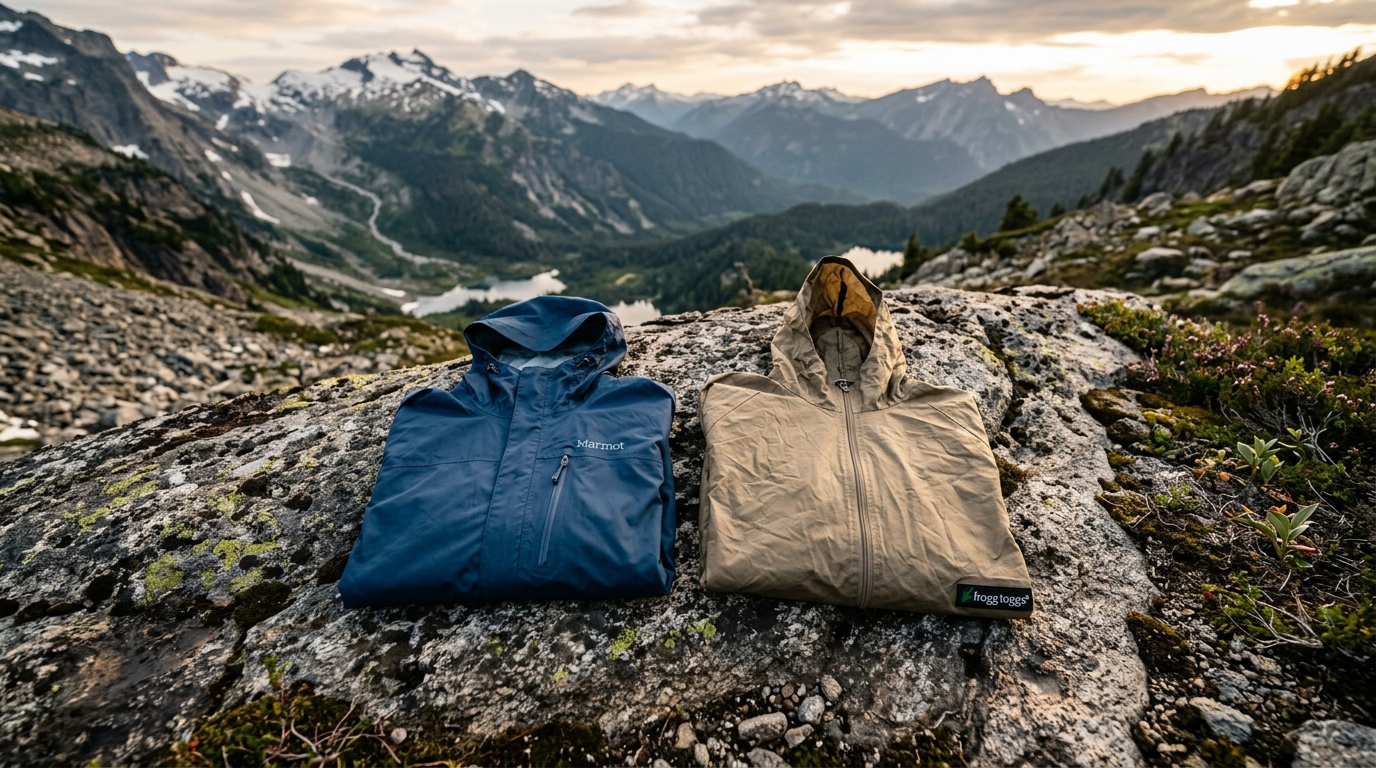
Outdoor Research Helium vs Columbia Watertight II Rain Jacket
HEAD-TO-HEAD

Outdoor Research Helium vs Columbia Watertight II Rain Jacket

The Outdoor Research Helium wins for ultralight backpackers and fast-packers who prioritize packability and weight savings, delivering premium weather protection in a minimalist package. The Columbia Watertight II is the better choice for casual hikers, day-trippers, and budget-conscious buyers who need reliable rain protection without the weight obsession, offering nearly double the value at $61.61 versus $118.99.

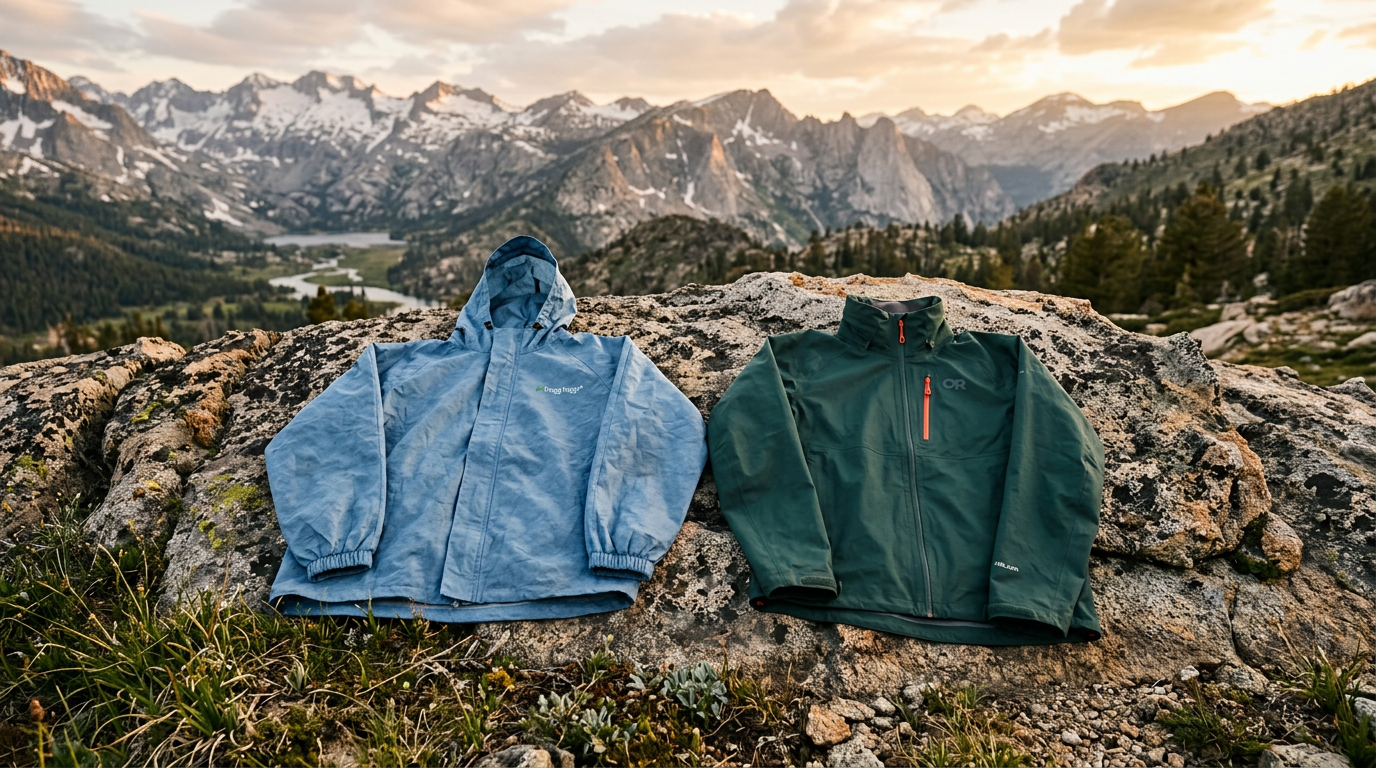
MARMOT Women's Precip Eco Waterproof Rain Jacket vs FROGG TOGGS Men's Ultra-Lite2 2-Layer Waterproof Breathable Rain Suit
HEAD-TO-HEAD

MARMOT Women's Precip Eco Waterproof Rain Jacket vs FROGG TOGGS Men's Ultra-Lite2 2-Layer Waterproof Breathable Rain Suit

The Marmot Precip Eco wins for hikers prioritizing durability, packability, and multi-season performance in a dedicated jacket. However, the Frogg Toggs Ultra-Lite2 is the better pick for budget-conscious buyers who need full rain coverage (jacket + pants) for occasional use, car camping, or emergency kits where weight and longevity aren't critical.

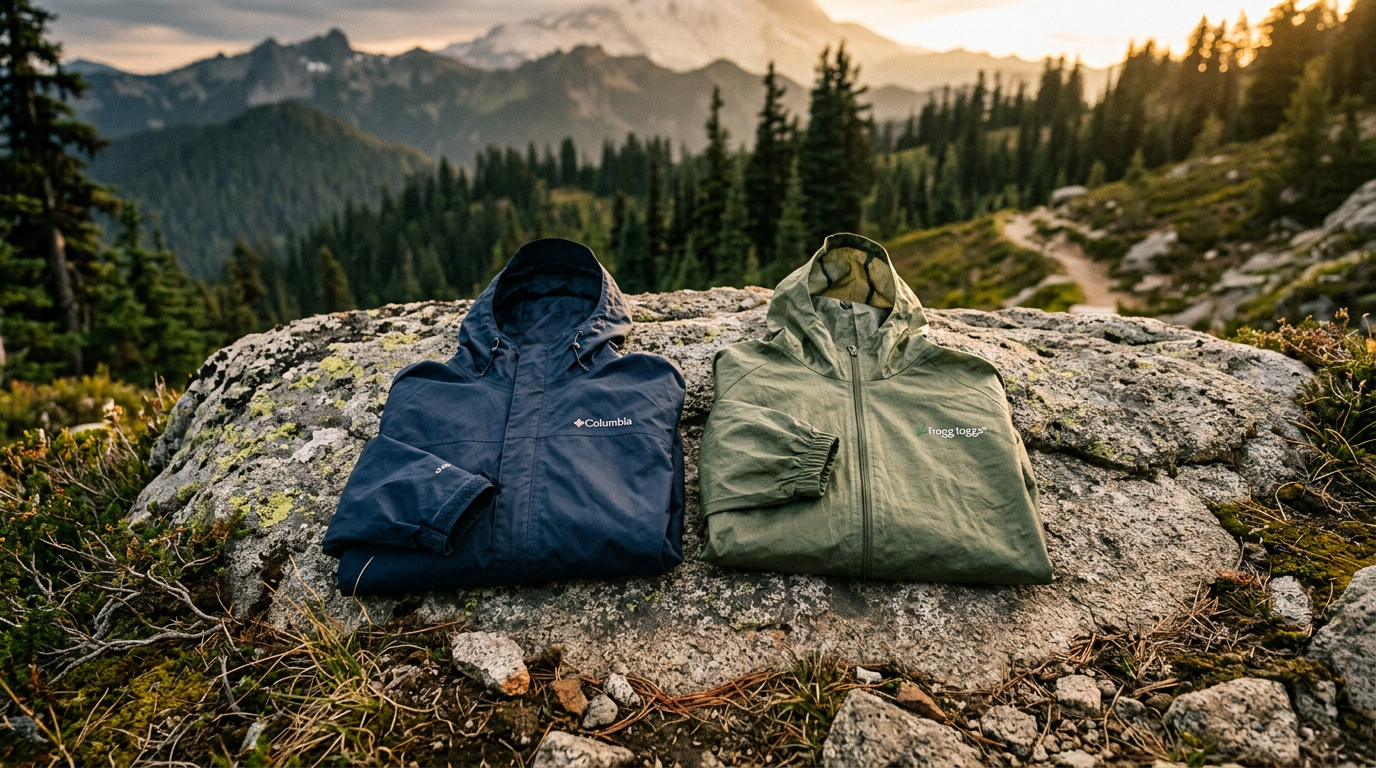
Outdoor Research Helium Rain Jacket vs FROGG TOGGS Ultra-Lite2 Rain Suit
HEAD-TO-HEAD

Outdoor Research Helium Rain Jacket vs FROGG TOGGS Ultra-Lite2 Rain Suit

The Outdoor Research Helium Rain Jacket wins for backpackers and trail runners who need a packable, durable shell that will last multiple seasons and integrate with layering systems. The FROGG TOGGS Ultra-Lite2 is the better pick for casual hikers, emergency car kits, or anyone prioritizing absolute lowest cost over longevity—it delivers functional waterproofing at one-fifth the price, though you'll likely replace it within a season of regular use.

Columbia Watertight II vs FROGG TOGGS Ultra-Lite2: Which Rain Jacket Wins?
HEAD-TO-HEAD

Columbia Watertight II vs FROGG TOGGS Ultra-Lite2: Which Rain Jacket Wins?

The Columbia Watertight II is the clear winner for anyone prioritizing durability, fit, and multi-season versatility in a rain shell. Its 2-layer nylon construction, adjustable features, and proven track record justify the $61 price point for regular trail use. However, the FROGG TOGGS Ultra-Lite2 is the better pick for ultralight backpackers, emergency kits, or budget-conscious buyers who need packable waterproof coverage and can accept a shorter lifespan.

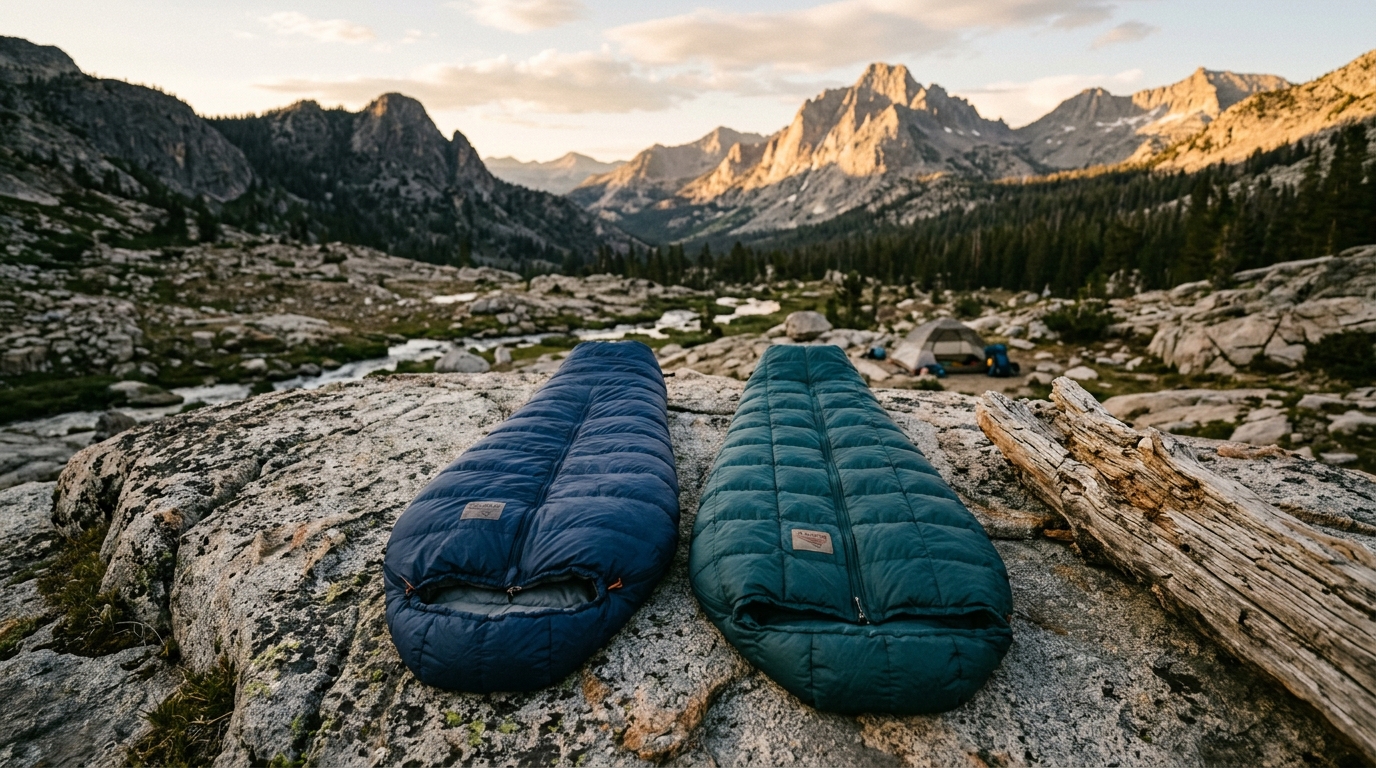
Kelty Cosmic 20 vs Kelty Galactic Down 30: Which Kelty Down Bag Wins?
HEAD-TO-HEAD

Kelty Cosmic 20 vs Kelty Galactic Down 30: Which Kelty Down Bag Wins?

The Kelty Cosmic 20 wins for three-season backpackers who need genuine cold-weather protection, delivering 10°F more warmth in a mummy cut that sheds weight and packs smaller. The Galactic Down 30 is the better pick for car campers, summer backpackers, and couples who want the zip-together capability and roomier semi-rectangular shape, accepting the bulk trade-off for comfort in milder conditions.

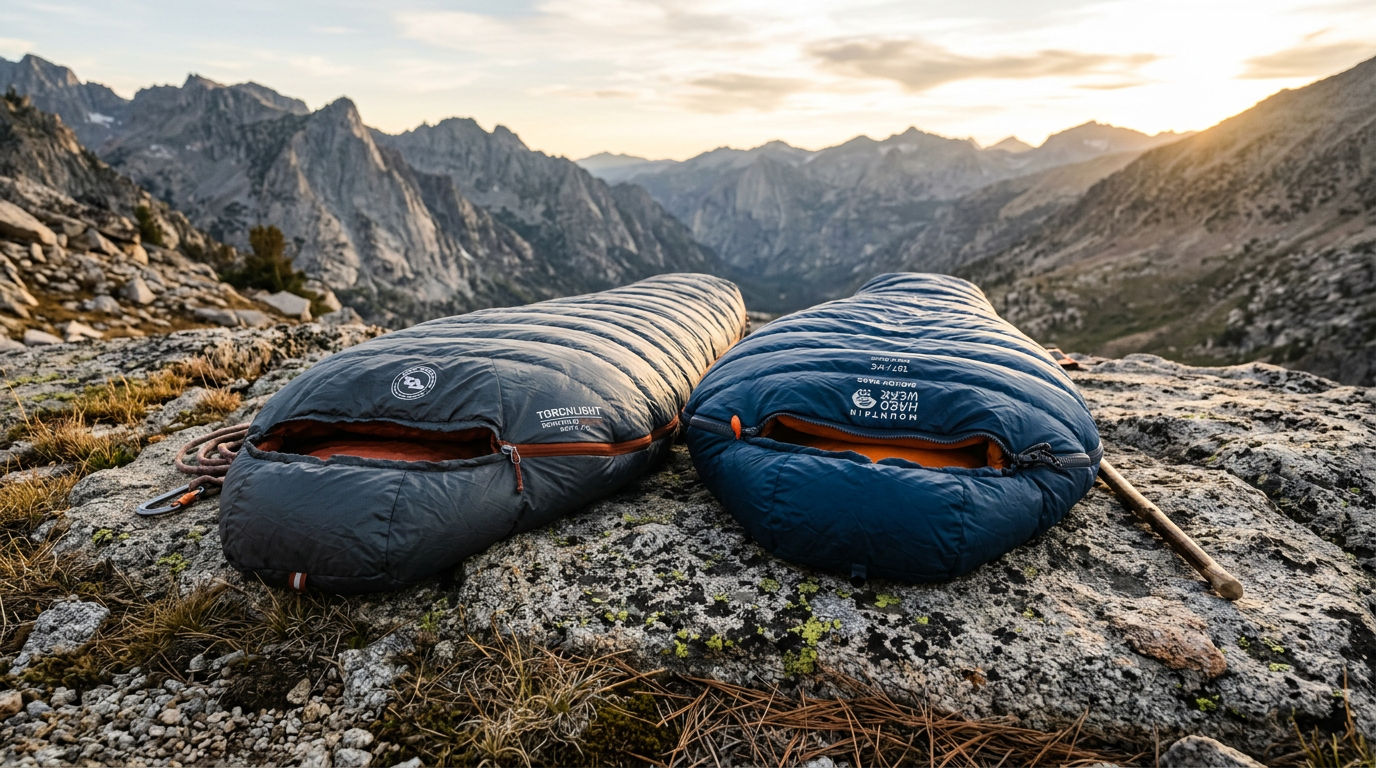
Big Agnes Women's Torchlight vs Mountain Hardwear Bishop Pass 15°F: Which Women's Down Sleeping Bag Is Worth It?
HEAD-TO-HEAD

Big Agnes Women's Torchlight vs Mountain Hardwear Bishop Pass 15°F: Which Women's Down Sleeping Bag Is Worth It?

The Mountain Hardwear Bishop Pass 15°F wins this comparison for serious three-season backpackers who prioritize warmth and durability, despite its $335 price point. The Big Agnes Women's Torchlight at $217 is the smarter pick for budget-conscious campers, casual backpackers, or those who primarily camp in milder conditions where a true 15°F rating isn't necessary.

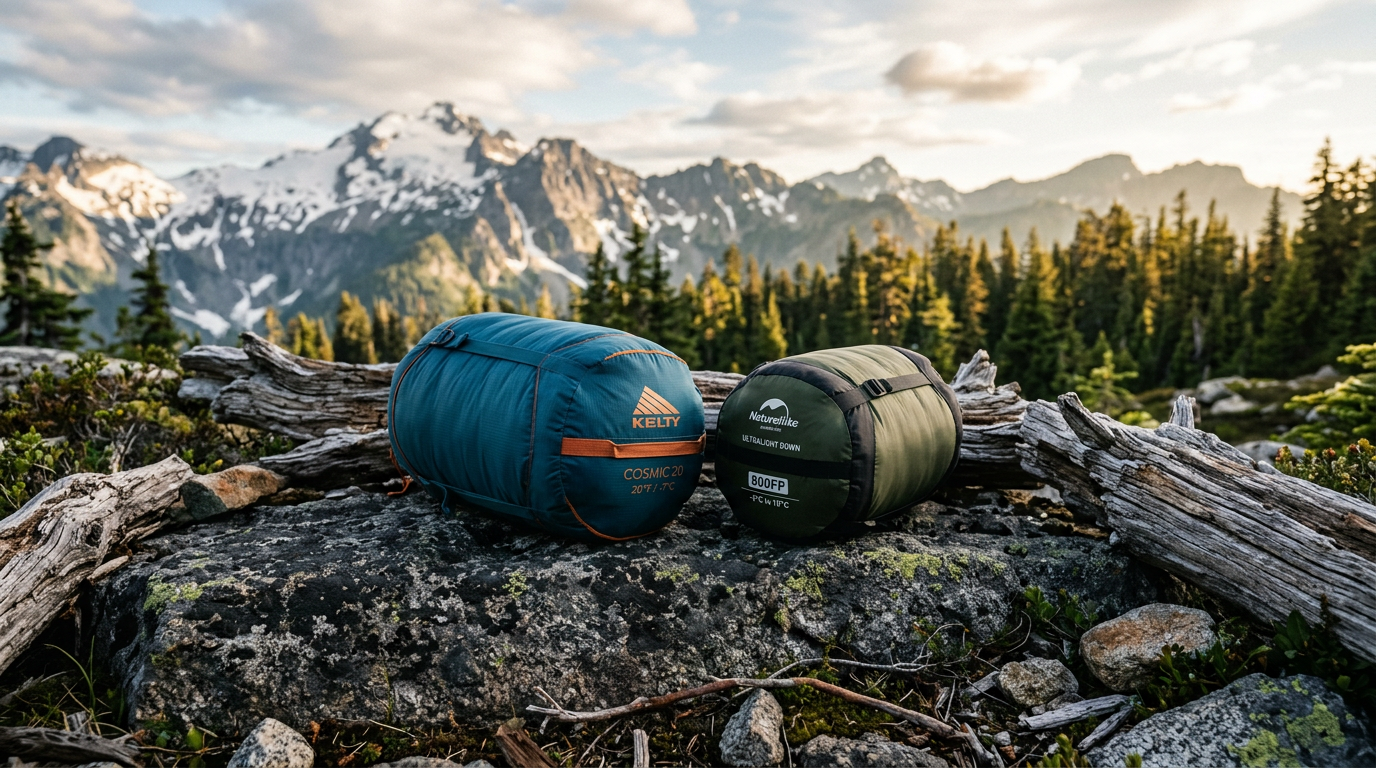
Kelty Cosmic 20 vs Naturehike Ultralight Down Sleeping Bag Comparison
HEAD-TO-HEAD

Kelty Cosmic 20 vs Naturehike Ultralight Down Sleeping Bag Comparison

The Kelty Cosmic 20 wins for most three-season backpackers seeking proven reliability, superior warmth-to-weight ratio, and better construction quality at the 20°F temperature rating. However, the Naturehike Ultralight represents exceptional value for budget-conscious campers willing to accept a 40°F comfort limit and less refined details — it costs less than half the Kelty while delivering adequate performance for summer trips and car camping.

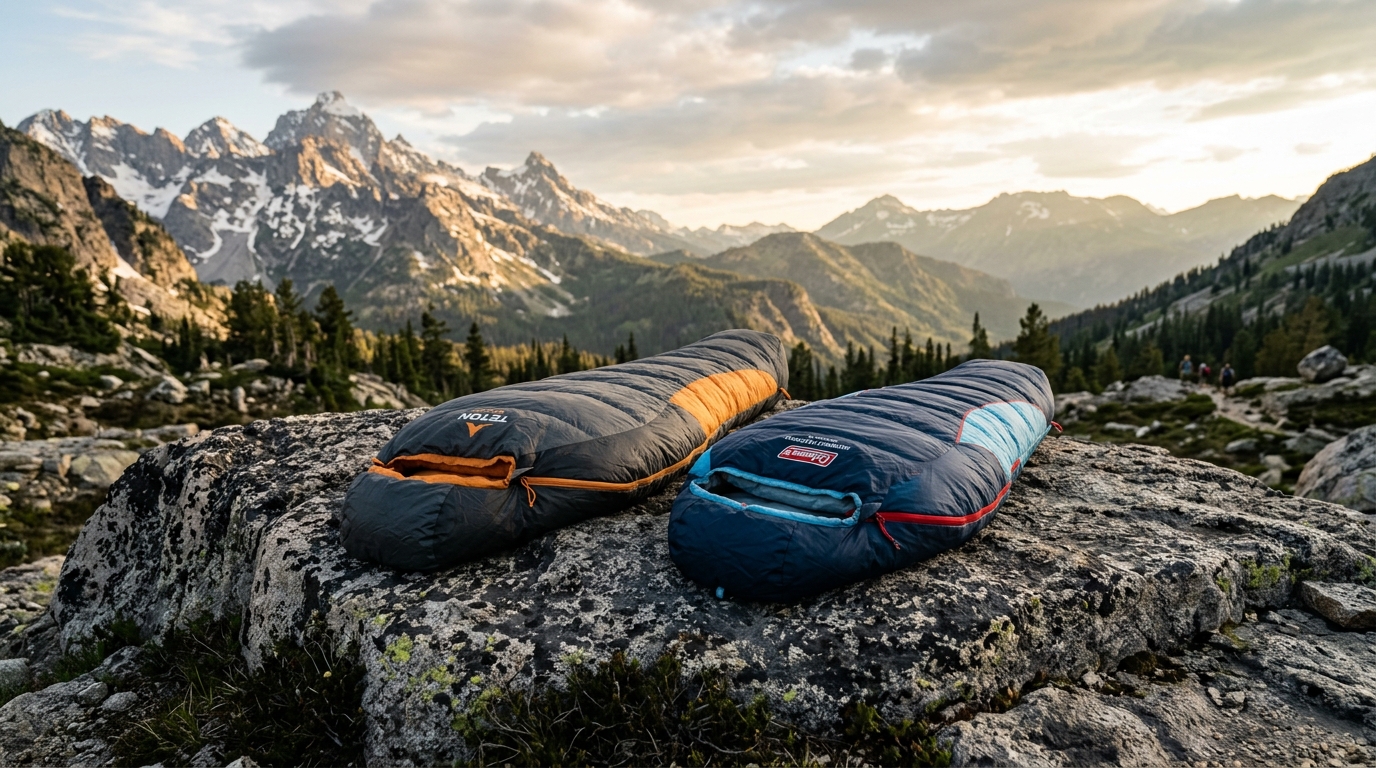
Teton Celsius XL vs Coleman Kompact Mummy: Which Budget Sleeping Bag Wins?
HEAD-TO-HEAD

Teton Celsius XL vs Coleman Kompact Mummy: Which Budget Sleeping Bag Wins?

The Teton Celsius XL wins for car campers and families who prioritize comfort and room to move, offering a true rectangular design with extra width and length at $109.99. The Coleman Kompact Mummy is the better pick for hikers and backpackers who need a lighter, more packable bag and can sacrifice interior space, coming in at nearly half the price at $59.99.

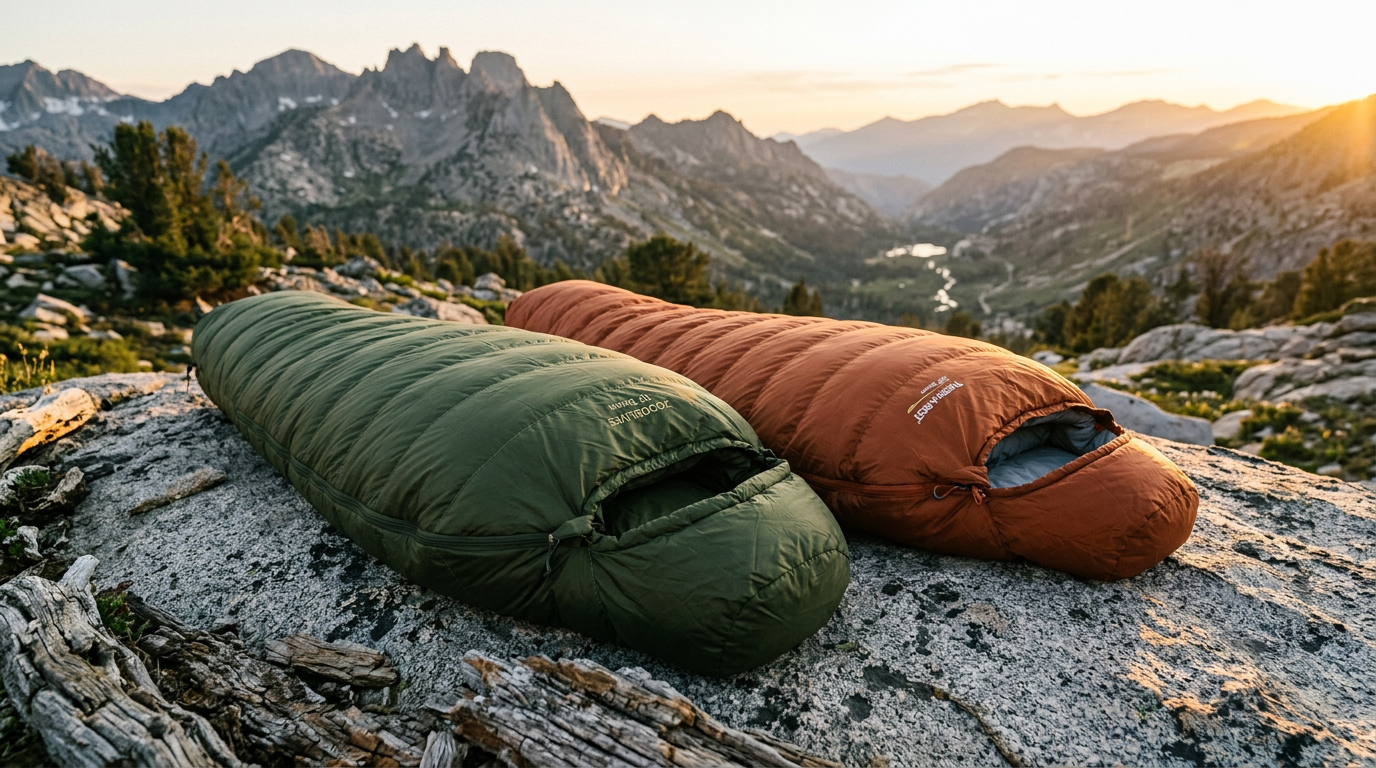
ZOOOBELIVES 10 Degree Down Sleeping Bag vs Therm-a-Rest 20F Down Sleeping Bag
HEAD-TO-HEAD

ZOOOBELIVES 10 Degree Down Sleeping Bag vs Therm-a-Rest 20F Down Sleeping Bag

The Therm-a-Rest 20F Down Sleeping Bag wins for serious backpackers and alpine users who need proven performance, premium materials, and reliable warmth-to-weight ratios in technical environments. The ZOOOBELIVES 10 Degree bag is the better pick for car campers, casual weekend warriors, and budget-conscious buyers who prioritize roomy comfort and value over packed size and don't need ultralight construction.

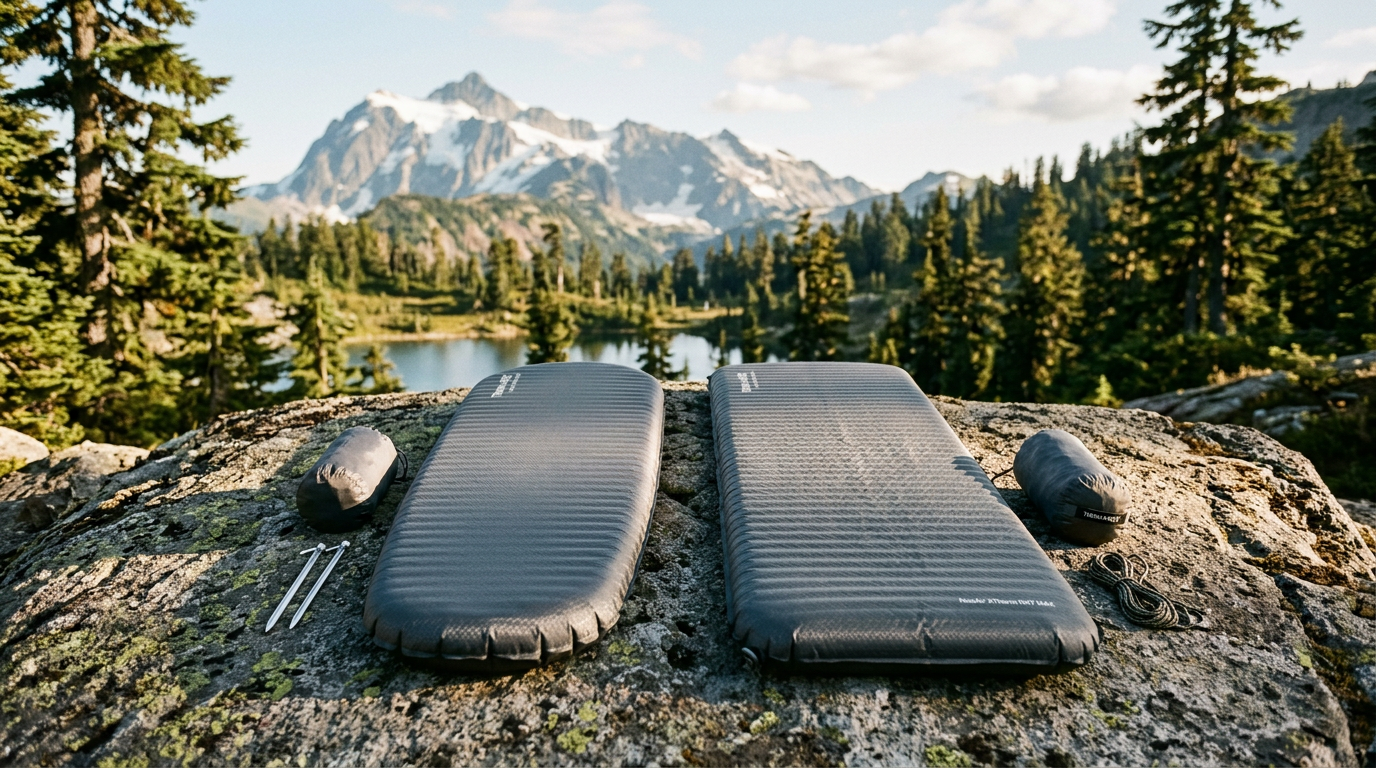
Therm-a-Rest NeoAir XTherm NXT vs NeoAir XTherm NXT MAX: Which Winter Sleeping Pad Is Right for You?
HEAD-TO-HEAD

Therm-a-Rest NeoAir XTherm NXT vs NeoAir XTherm NXT MAX: Which Winter Sleeping Pad Is Right for You?

The NeoAir XTherm NXT MAX wins for most winter backpackers thanks to its 25-inch width offering significantly better comfort for side sleepers and restless movers without a meaningful weight penalty. However, the standard NeoAir XTherm NXT is the better choice for ultralight purists counting every ounce, solo fastpackers using narrow shelters, or anyone on a tighter budget who sleeps still on their back.

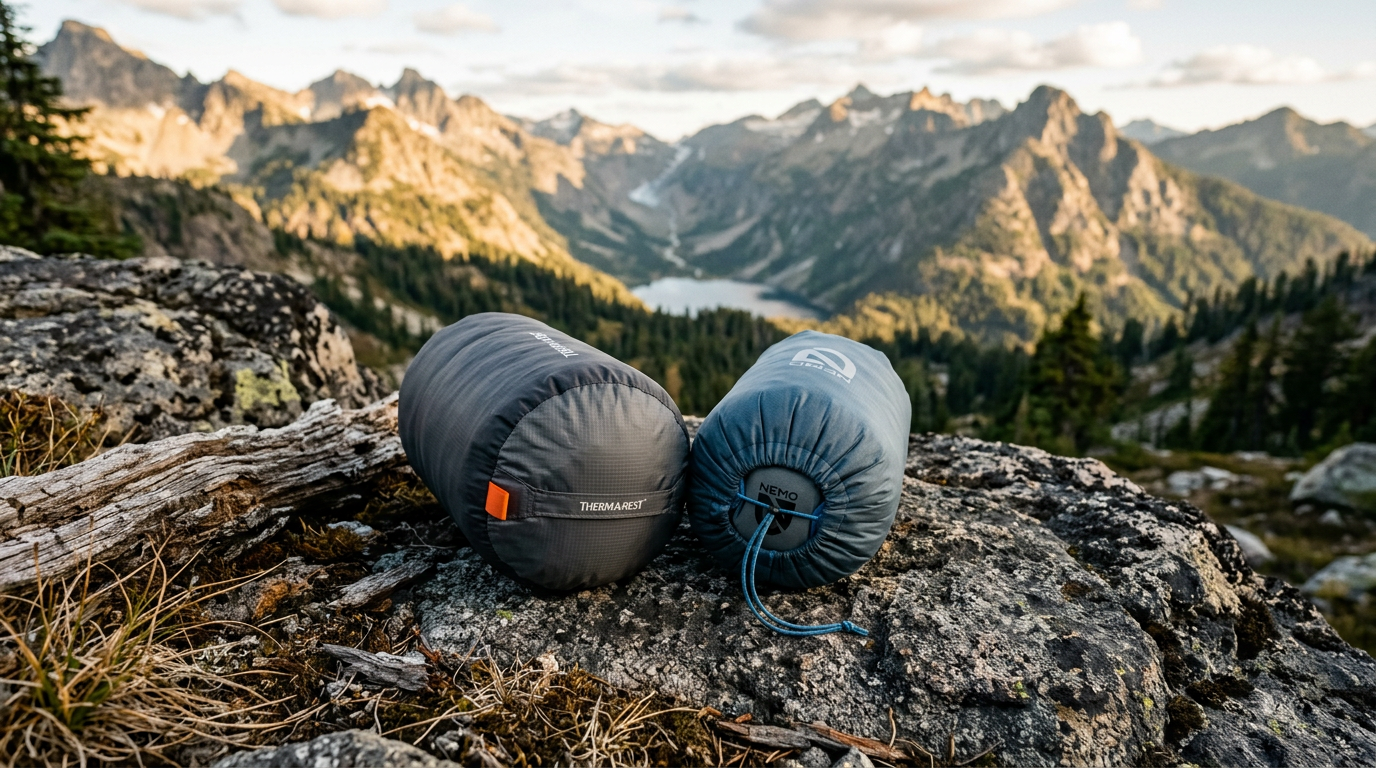
Therm-a-Rest NeoAir XTherm NXT vs Nemo Tensor Trail: Which Ultralight Sleeping Pad is Right for You?
HEAD-TO-HEAD

Therm-a-Rest NeoAir XTherm NXT vs Nemo Tensor Trail: Which Ultralight Sleeping Pad is Right for You?

The Therm-a-Rest NeoAir XTherm NXT wins for winter camping and alpine expeditions where maximum warmth is non-negotiable, delivering an R-value of 7.3 that makes it the warmest pad in the ultralight category. However, the Nemo Tensor Trail is the smarter choice for three-season backpackers who prioritize value, quieter fabric, and a more generous sleeping surface—it costs $78 less while still providing an R-value of 4.2 that handles conditions down to the low 20s°F.

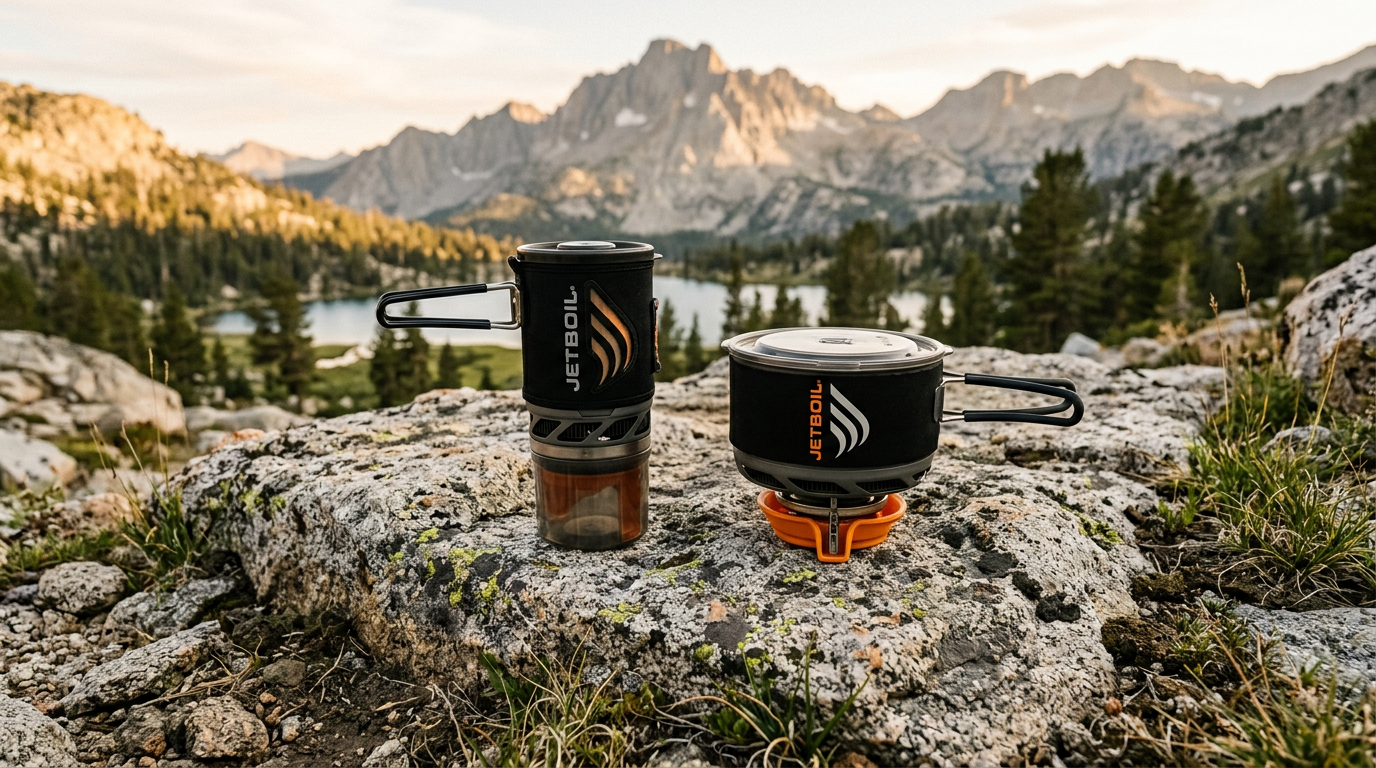
Jetboil Flash vs Jetboil MiniMo: Which Integrated Stove System Is Right for You?

HEAD-TO-HEAD

Jetboil Flash vs Jetboil MiniMo: Which Integrated Stove System Is Right for You?
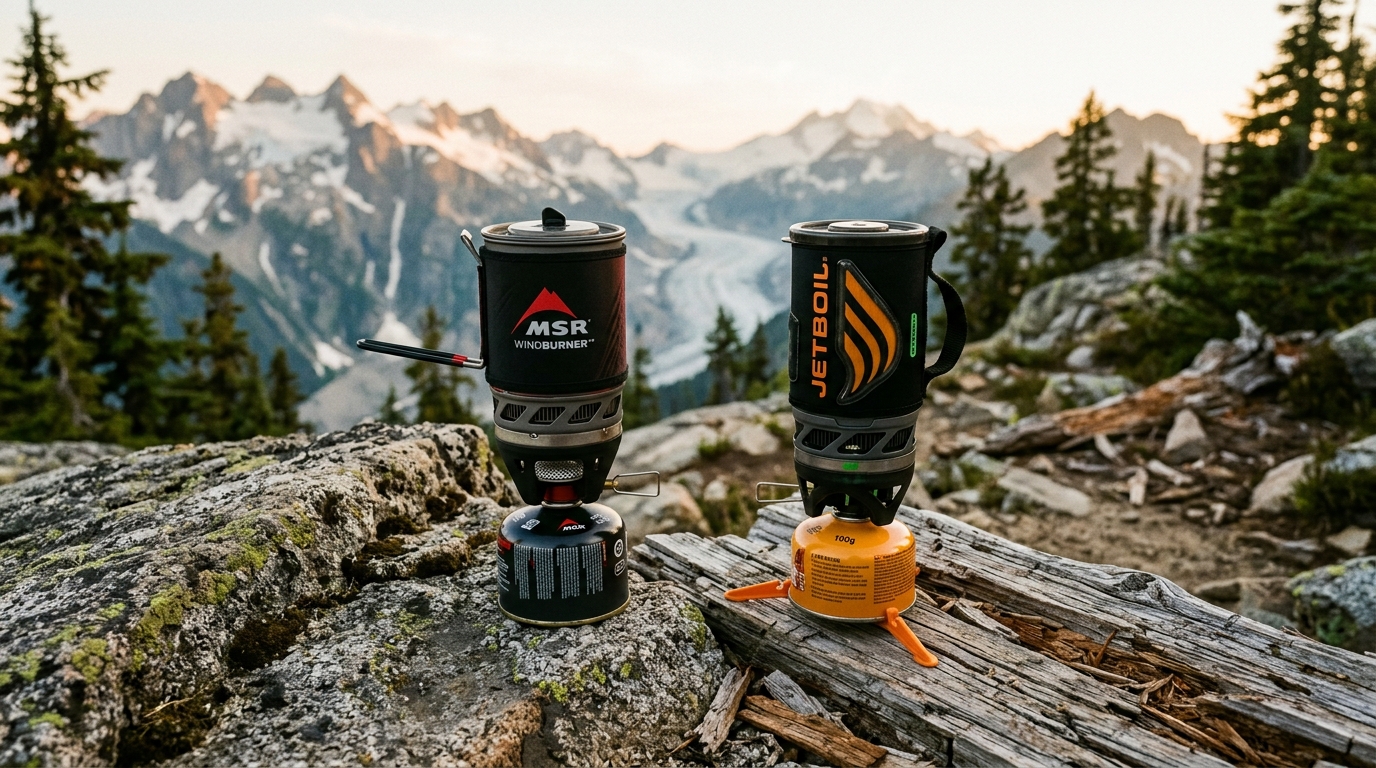
The Jetboil Flash wins for most backpackers seeking the fastest boil time and lightest weight in an integrated stove system, delivering water in 100 seconds while saving $49. However, the MiniMo is the better choice for cooks who prioritize simmering control, a wider cooking cup for real meals, and a lower center of gravity for stability on uneven terrain.

MSR WindBurner vs Jetboil Flash: Which Integrated Stove System Is Right for You?

HEAD-TO-HEAD

MSR WindBurner vs Jetboil Flash: Which Integrated Stove System Is Right for You?
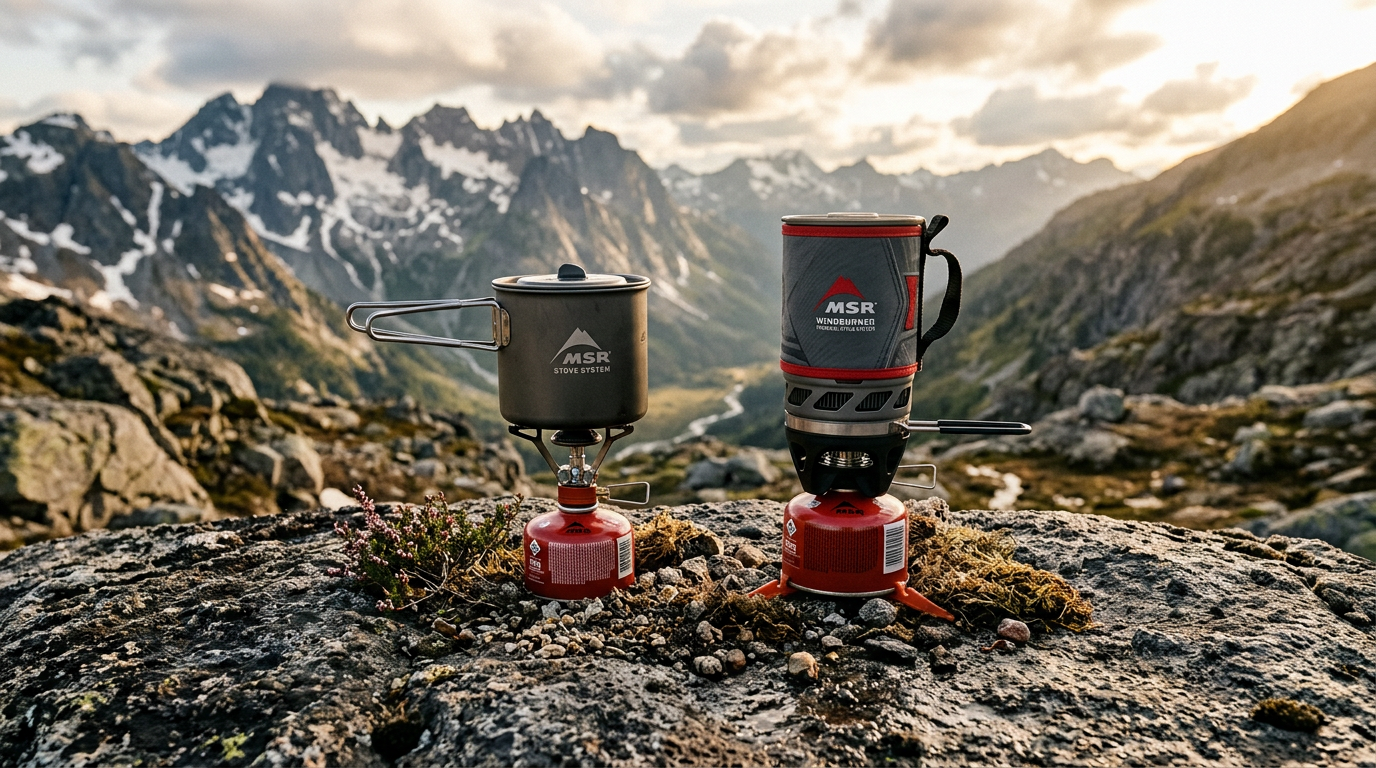
The MSR WindBurner wins for high-altitude and windy conditions thanks to its fully enclosed burner and superior wind resistance, making it the go-to for exposed alpine routes and winter camping. The Jetboil Flash is the better choice for three-season backpackers prioritizing speed and budget—it boils water 15 seconds faster in calm conditions and costs $120 less, making it ideal for casual weekend trips below treeline.

MSR Reactor vs MSR WindBurner: Which Windproof Stove System Wins?
HEAD-TO-HEAD

MSR Reactor vs MSR WindBurner: Which Windproof Stove System Wins?

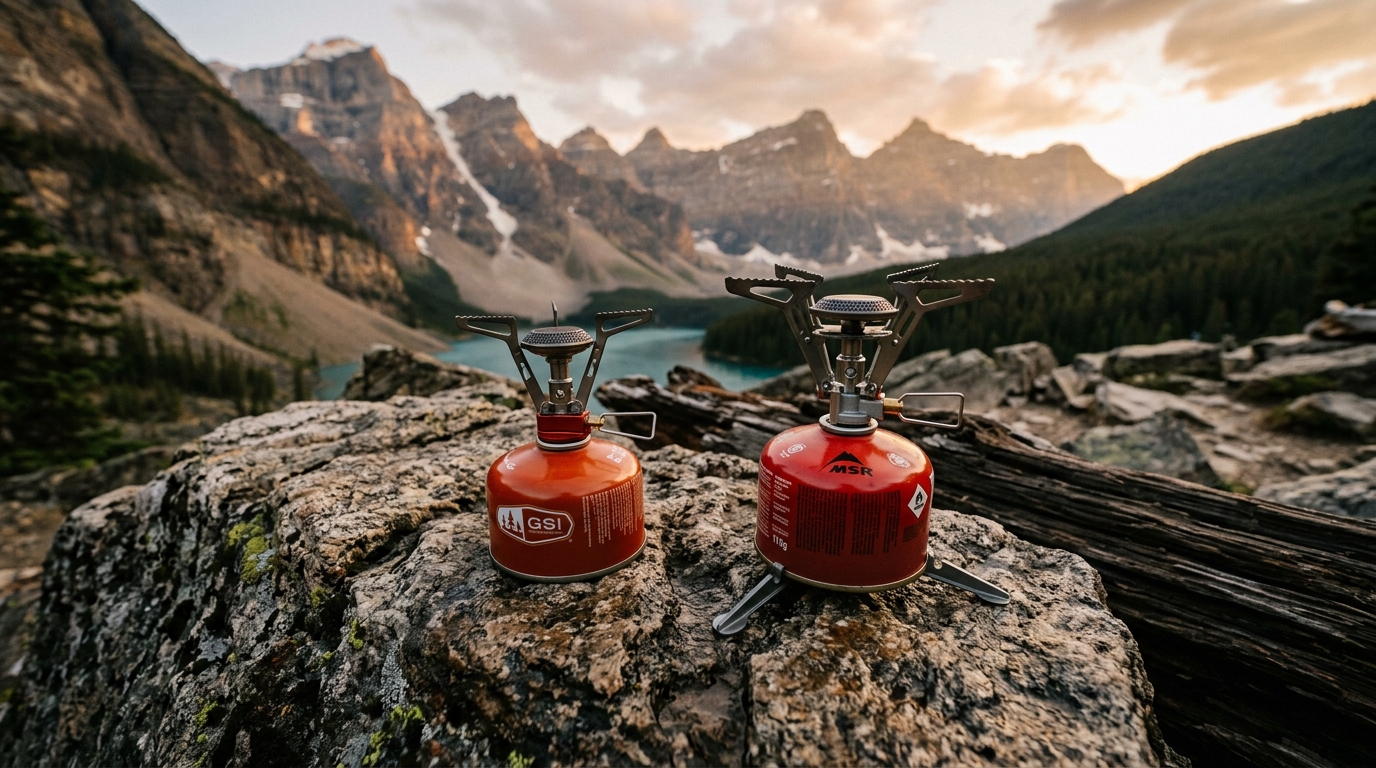
The MSR Reactor takes the win for alpine mountaineers and winter campers who need maximum heat output and the fastest boil times in brutal wind and cold. The WindBurner is the better choice for three-season backpackers prioritizing fuel efficiency, lighter weight, and a lower price point — it still handles wind admirably but sacrifices some raw power for better simmering control and everyday versatility.

SOTO WindMaster vs Snow Peak LiteMax: Which Ultralight Stove Wins?
HEAD-TO-HEAD

SOTO WindMaster vs Snow Peak LiteMax: Which Ultralight Stove Wins?

The SOTO WindMaster takes the win for most backpackers thanks to its superior wind resistance, concave burner design, and versatile 4Flex pot support that handles everything from ultralight titanium pots to larger cookware. However, the Snow Peak LiteMax is the better choice if you prioritize absolute minimum weight and pack size, camp primarily below treeline in calm conditions, and use small-diameter pots exclusively.

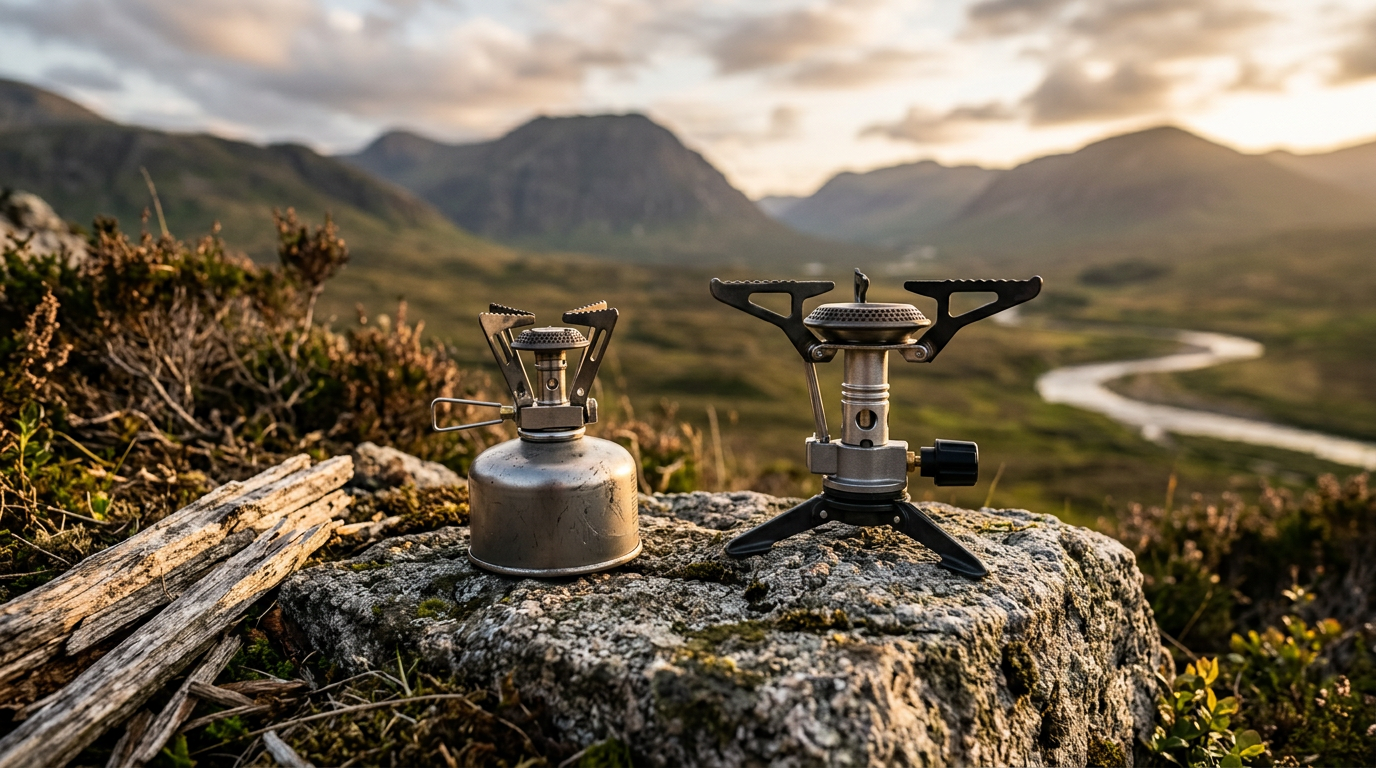
Jetboil Flash vs Primus Lite Plus: Which Integrated Stove System Is Right for You?
HEAD-TO-HEAD

Jetboil Flash vs Primus Lite Plus: Which Integrated Stove System Is Right for You?

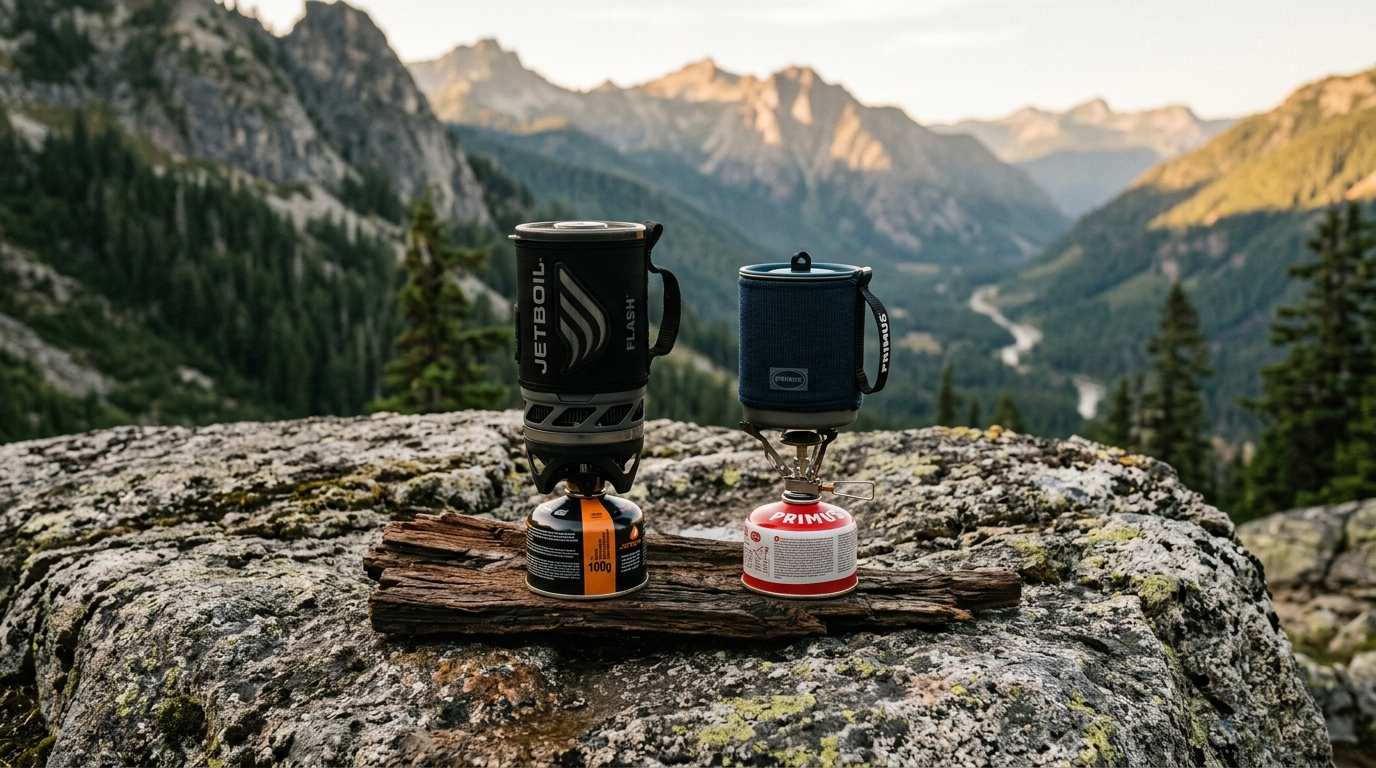
The Jetboil Flash wins for most backpackers seeking the fastest boil times and best fuel efficiency in an integrated canister stove system. However, the Primus Lite Plus is the better choice if you prioritize a lighter pack weight, need a true simmer capability for cooking real meals beyond boiling water, or want a more compact nested storage solution with the pot doubling as your eating bowl.

BRS 3000T vs Optimus Crux Lite: Which Ultralight Backpacking Stove Is Worth Your Money?

HEAD-TO-HEAD

BRS 3000T vs Optimus Crux Lite: Which Ultralight Backpacking Stove Is Worth Your Money?
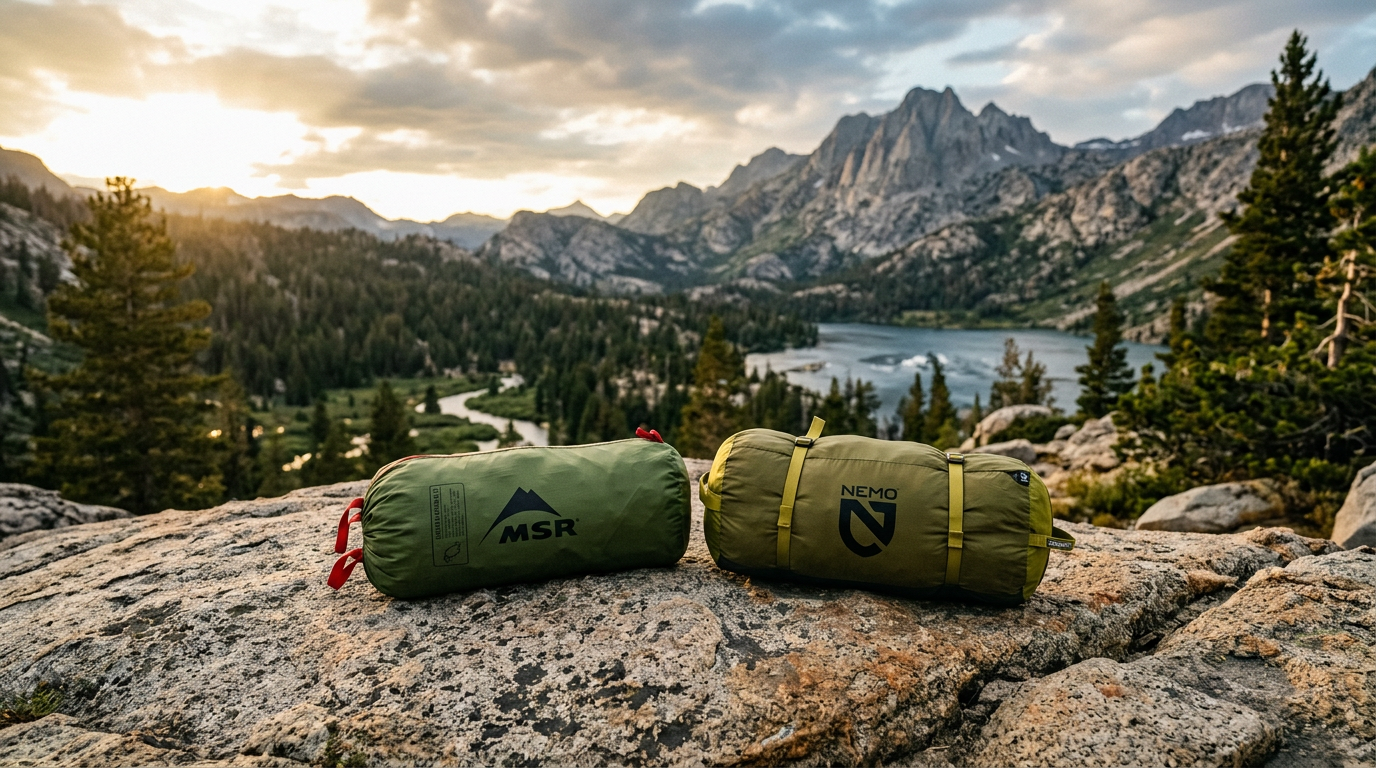
The Optimus Crux Lite is the better stove for most backpackers who value reliability, build quality, and consistent performance across varied conditions. Its superior pot support design, more robust construction, and better simmer control justify the $30 premium for anyone planning multi-day trips or cooking in wind. The BRS 3000T is the smarter choice only if you're an ultralight purist counting every gram and dollar on short summer trips where conditions are mild and you're boiling water exclusively.

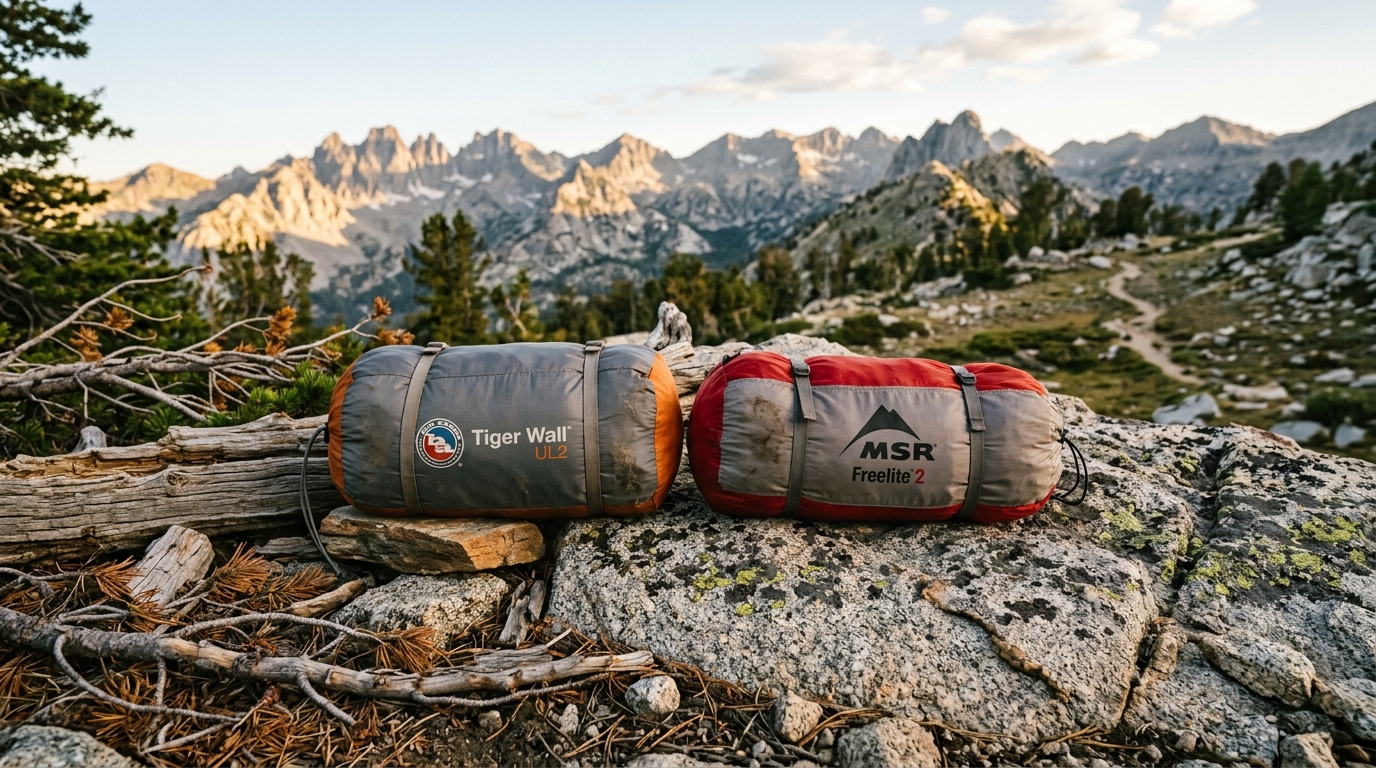
MSR Hubba Hubba LT vs NEMO Hornet OSMO: Which Ultralight Tent Wins?
HEAD-TO-HEAD

MSR Hubba Hubba LT vs NEMO Hornet OSMO: Which Ultralight Tent Wins?

The NEMO Hornet OSMO edges out the MSR Hubba Hubba LT as the overall winner for solo-minded backpackers and weight-obsessed thru-hikers, delivering a lighter carry at a lower price point. However, the MSR Hubba Hubba LT is the better choice for couples or partners who prioritize interior space, dual vestibules for gear organization, and MSR's proven durability in sustained wet conditions.

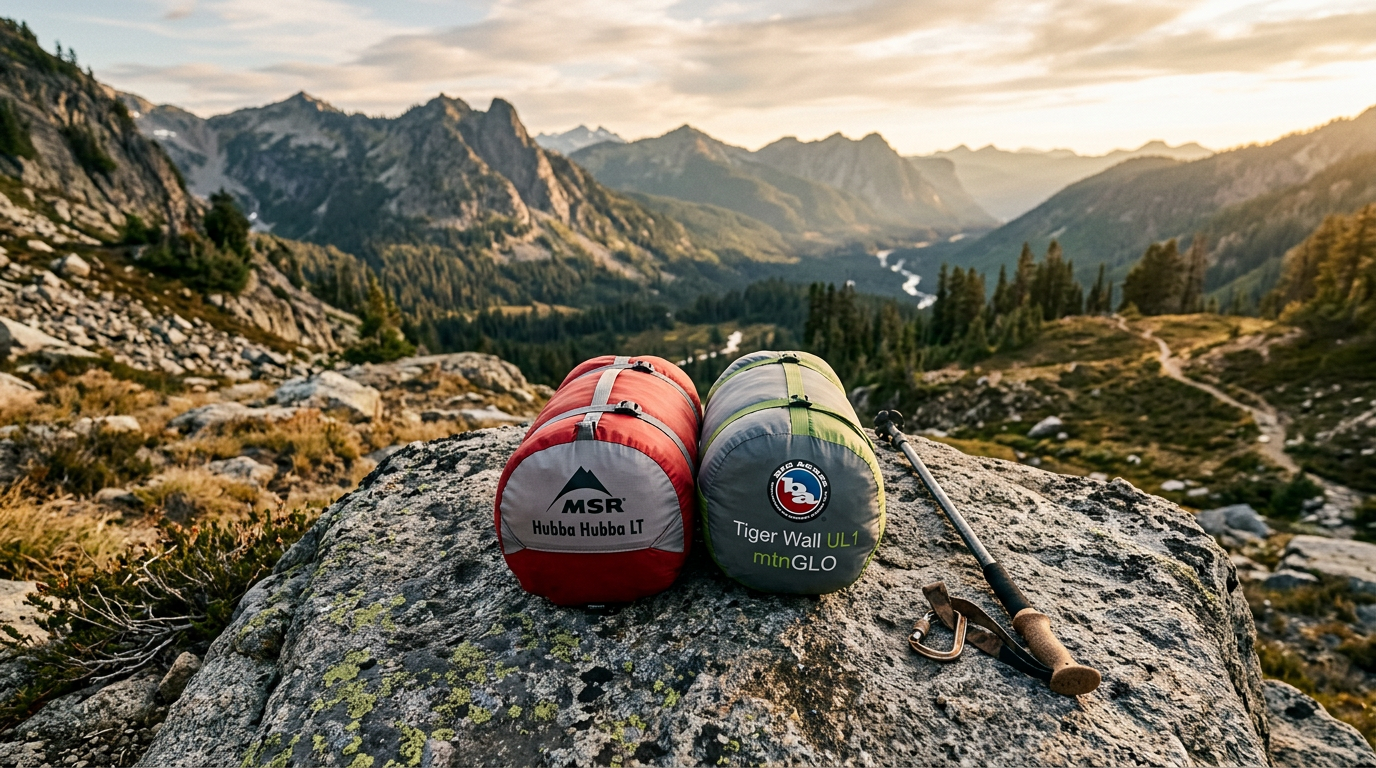
Big Agnes Tiger Wall UL vs MSR Freelite 2: Ultralight Tent Showdown
HEAD-TO-HEAD

Big Agnes Tiger Wall UL vs MSR Freelite 2: Ultralight Tent Showdown

The Big Agnes Tiger Wall UL wins this comparison for most backpackers seeking proven ultralight performance at a lower price point, offering excellent livability and a robust feature set for $373.95. However, the MSR Freelite 2 is the better choice for gram-counting thru-hikers and alpine climbers who prioritize absolute minimum weight and packed size, and who can justify the $499.95 premium for MSR's newest ultralight architecture.

MSR Hubba Hubba LT vs Big Agnes Tiger Wall UL: Which Ultralight 2-Person Tent Wins?
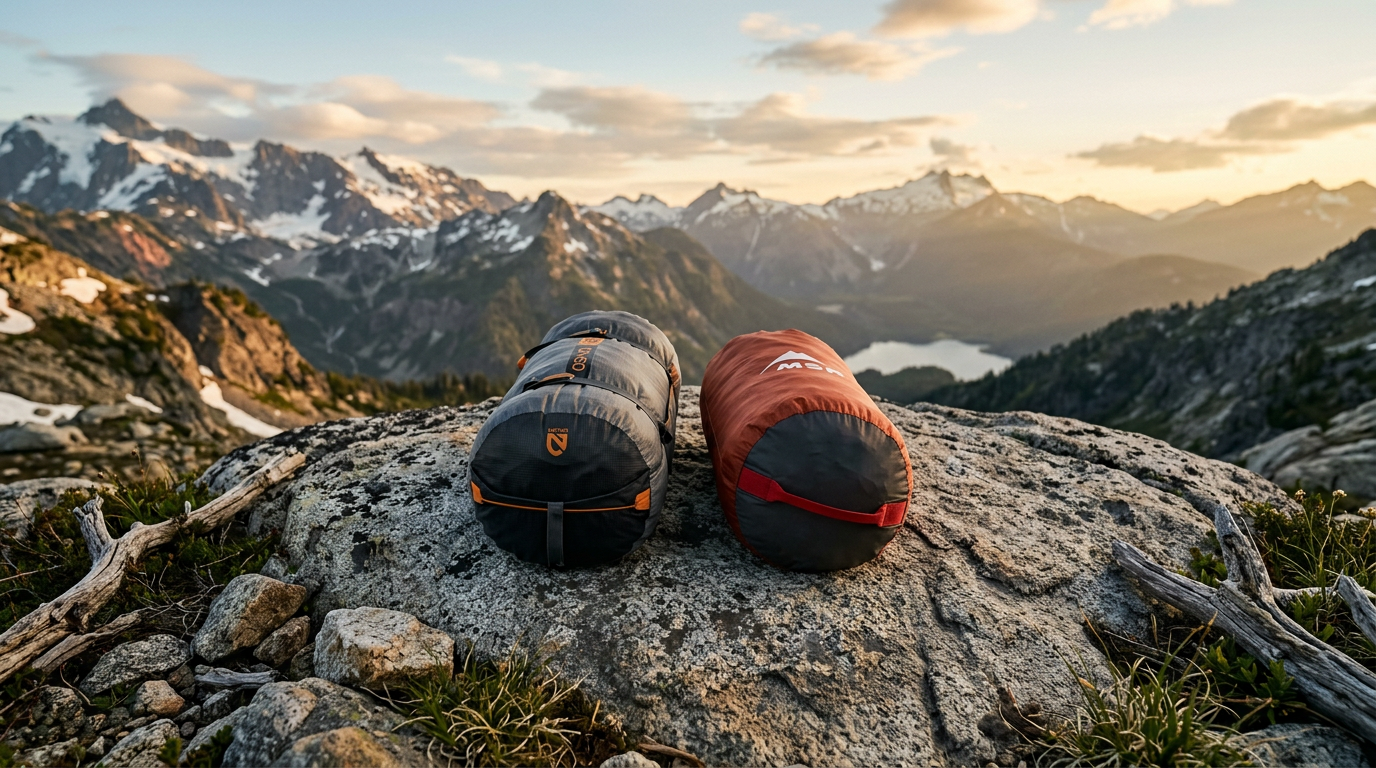
HEAD-TO-HEAD

MSR Hubba Hubba LT vs Big Agnes Tiger Wall UL: Which Ultralight 2-Person Tent Wins?

The Big Agnes Tiger Wall UL takes the win for most backpackers seeking the best balance of livability, weight, and value at $374 versus the MSR's $550. However, the MSR Hubba Hubba LT is the better choice for those prioritizing proven durability in high-wind alpine environments and who value MSR's legendary warranty support, despite the 47% price premium.

NEMO Hornet OSMO vs MSR Freelite 2: Ultralight Backpacking Tent Showdown
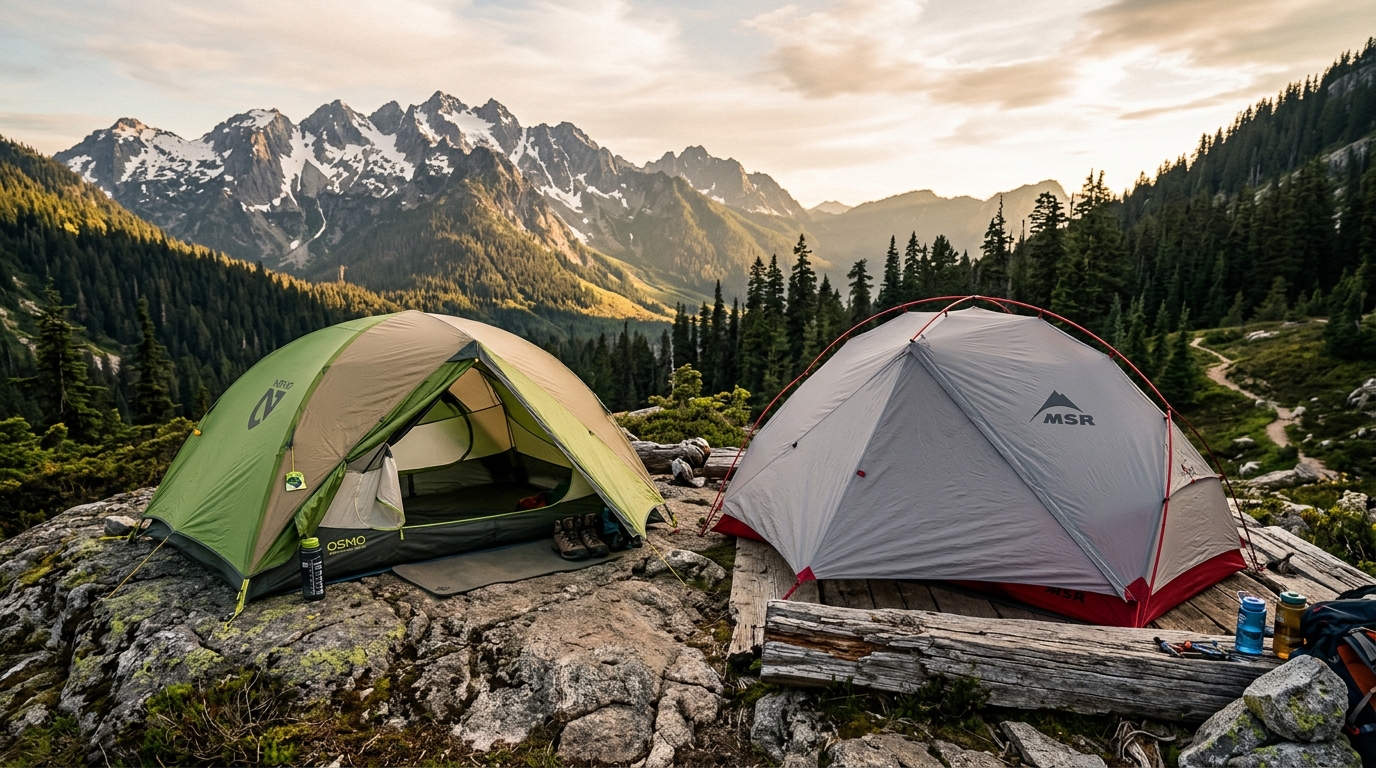
HEAD-TO-HEAD

NEMO Hornet OSMO vs MSR Freelite 2: Ultralight Backpacking Tent Showdown

The NEMO Hornet OSMO wins this matchup for most three-season backpackers seeking the best balance of livability, weather protection, and sustainability at 2 lbs 2 oz trail weight. Its OSMO fabric delivers superior water resistance without PFC treatments, and the asymmetric design maximizes usable interior volume. However, the MSR Freelite 2 is the better choice for gram-counting thru-hikers and alpine climbers who prioritize absolute minimum weight (1 lb 15 oz trail weight) and need a proven design that's been field-tested across thousands of PCT and AT miles.

NEMO Dagger OSMO vs MSR Elixir 3: Which Backpacking Tent Wins?
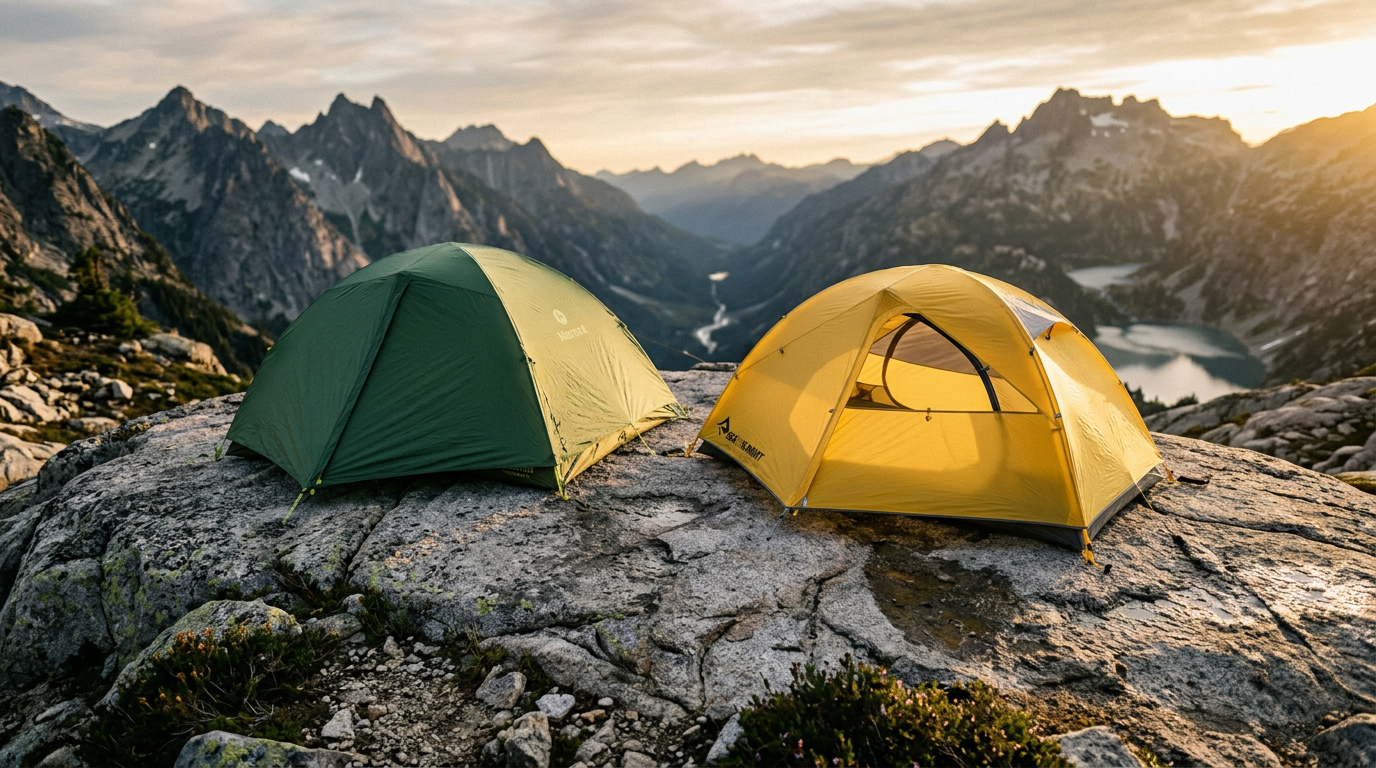
HEAD-TO-HEAD

NEMO Dagger OSMO vs MSR Elixir 3: Which Backpacking Tent Wins?

The NEMO Dagger OSMO wins for serious backpackers who prioritize premium materials, weather resistance, and refined livability features. However, the MSR Elixir 3 is the better pick for budget-conscious campers, families upgrading from car camping, or anyone who values proven durability and straightforward setup over cutting-edge fabric technology.

Tungsten 2-Person Tent vs Sea to Summit Alto TR2 Plus Tent
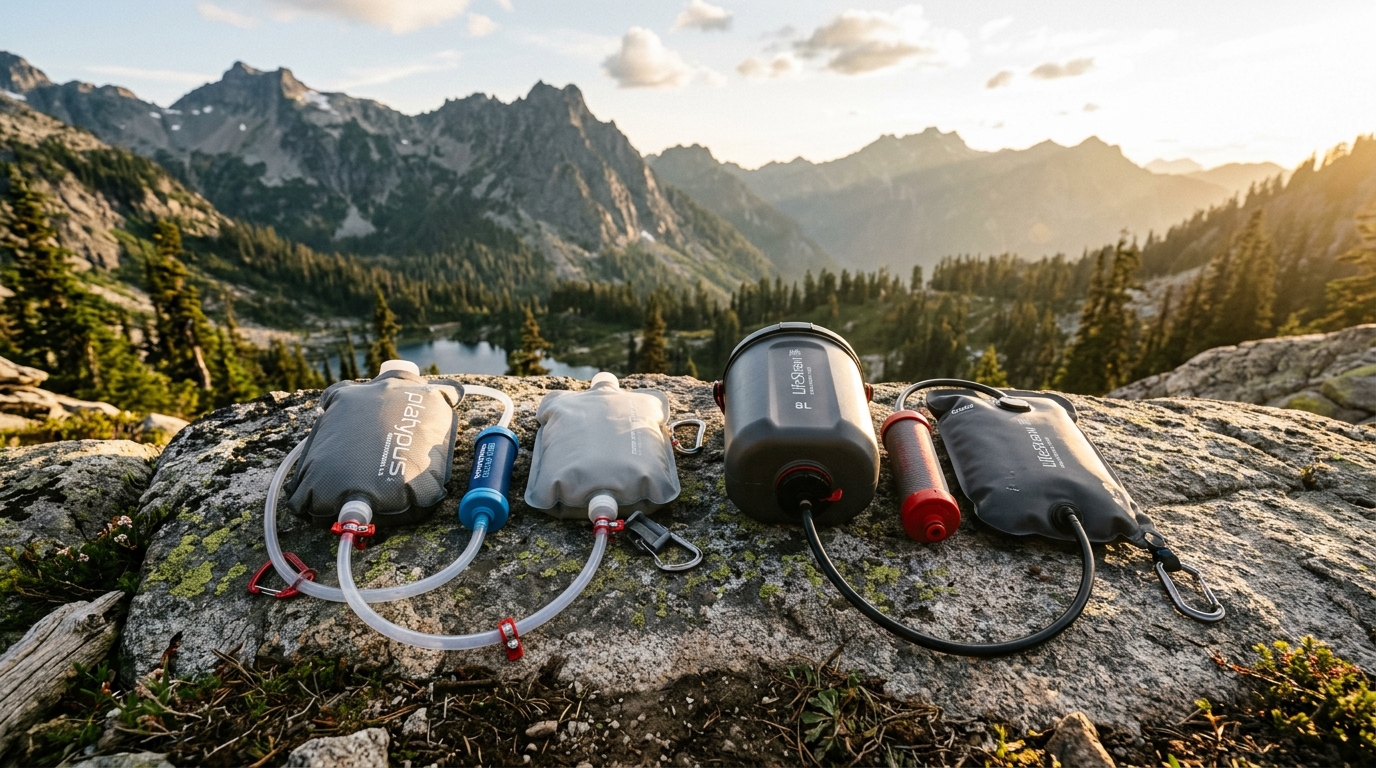
HEAD-TO-HEAD

Tungsten 2-Person Tent vs Sea to Summit Alto TR2 Plus Tent

The Sea to Summit Alto TR2 Plus wins this comparison for three-season backpackers who prioritize livability, ventilation, and premium materials. Its dual-vestibule design, superior headroom, and Tension Ridge architecture justify the $489 price tag. However, the Tungsten 2-Person Tent is the smarter choice for budget-conscious campers, car campers, or anyone who needs a reliable shelter without the weight-obsessed features that drive up cost.

Platypus GravityWorks vs LifeStraw Peak Series 3L: Which Gravity Filter Is Right for Your Group?

HEAD-TO-HEAD

Platypus GravityWorks vs LifeStraw Peak Series 3L: Which Gravity Filter Is Right for Your Group?
The Platypus GravityWorks wins for groups prioritizing speed and versatility, delivering 1.75 liters per minute and offering a dual-reservoir design that lets you filter and store simultaneously. However, the LifeStraw Peak Series 3L is the smarter buy for budget-conscious backpackers and smaller groups who can tolerate slower flow rates—it costs roughly half the price at $65.95 versus $134.05 and still filters effectively for 2-4 people.

MSR TrailShot vs Platypus Quickdraw Microfilter: Which Squeeze Filter is Right for You?

HEAD-TO-HEAD

MSR TrailShot vs Platypus Quickdraw Microfilter: Which Squeeze Filter is Right for You?
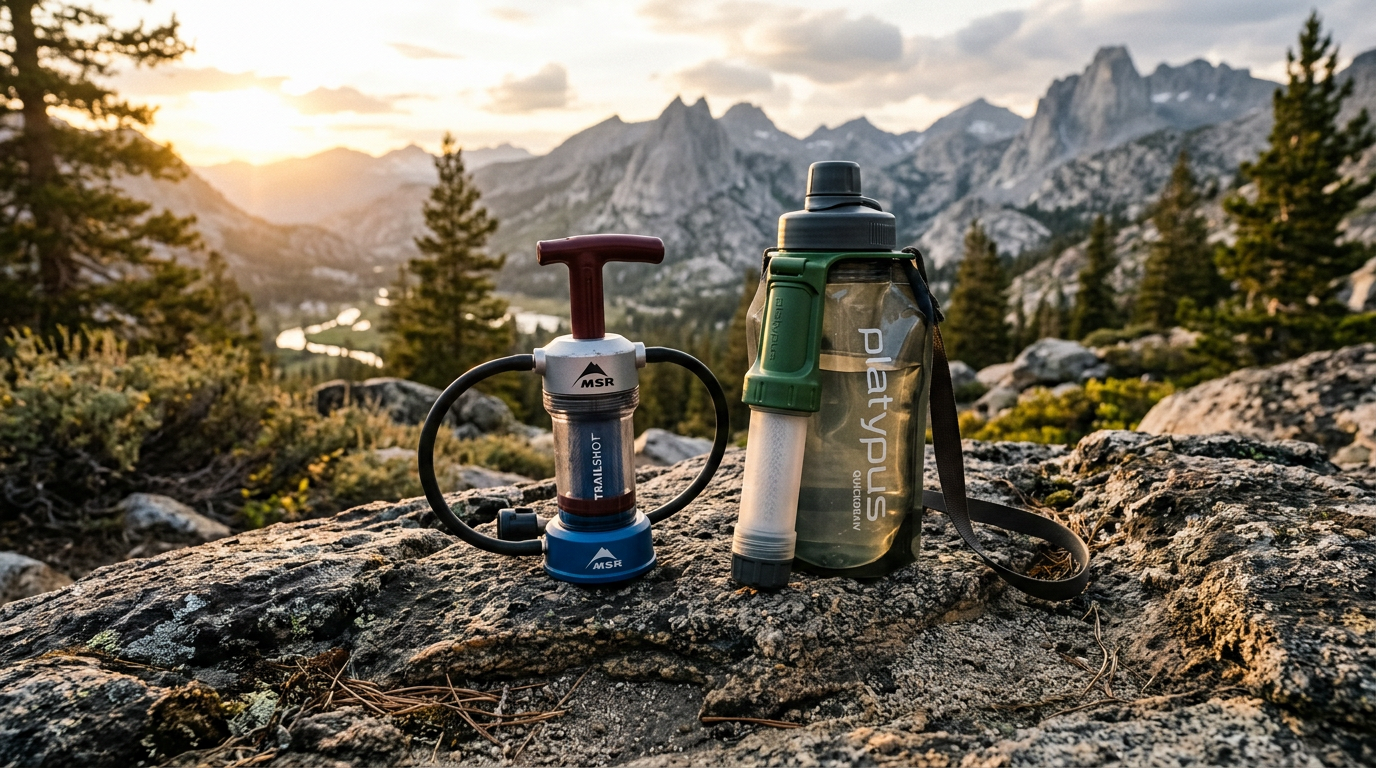
The Platypus Quickdraw Microfilter wins this matchup for most backpackers thanks to its superior 3-liter-per-minute flow rate, larger 0.2-micron hollow fiber cartridge, and versatile inline/squeeze dual functionality. However, the MSR TrailShot is the better choice for ultralight solo hikers who prioritize direct-from-source drinking, minimal pack weight at 142g, and a lower $62.99 price point when inline capability isn't needed.

Katadyn Hiker vs Hiker Pro: Which Microfilter Delivers Better Value?
HEAD-TO-HEAD

Katadyn Hiker vs Hiker Pro: Which Microfilter Delivers Better Value?

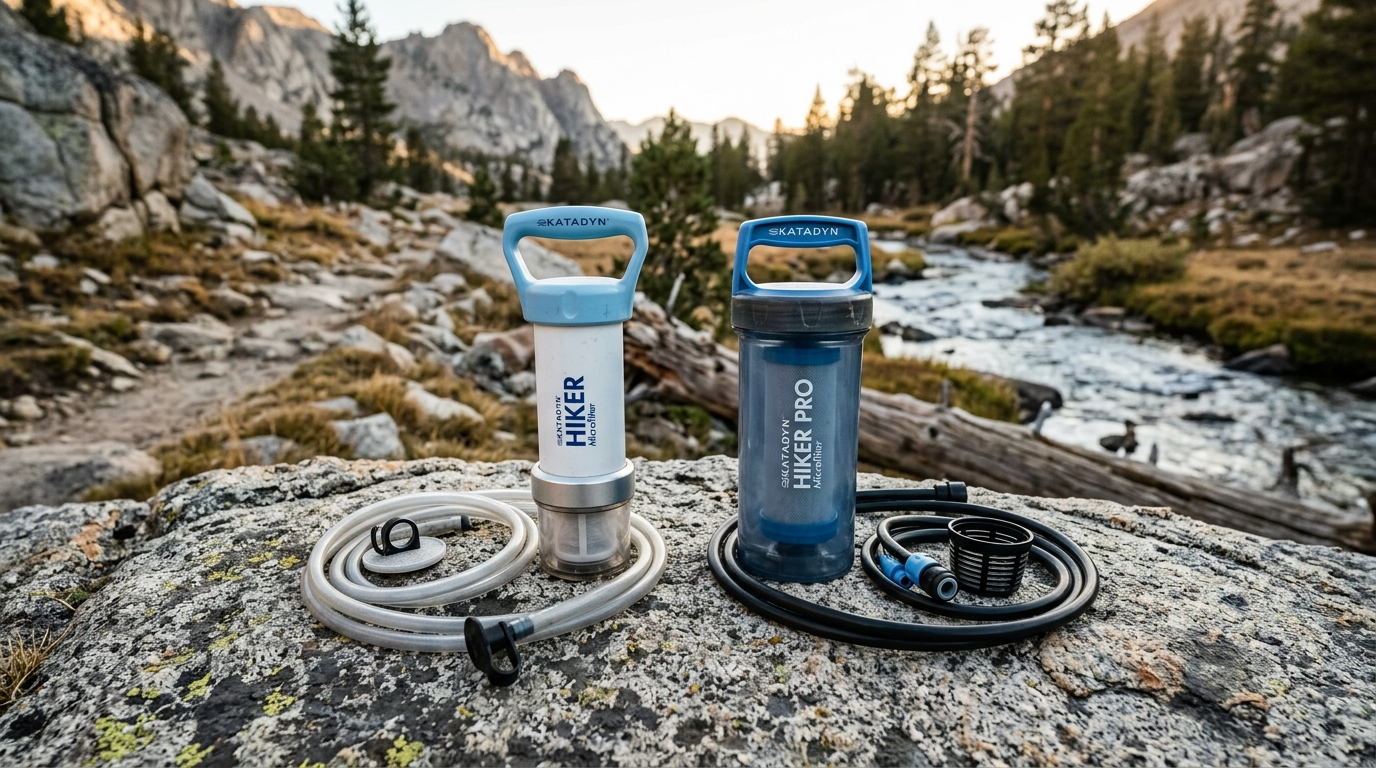
The Katadyn Hiker Pro is the overall winner for most backpackers, justifying its $20 premium with a faster flow rate (1.0 L/min vs 0.75 L/min), easier field maintenance via a replaceable cartridge design, and an upgraded output hose with integrated bottle adapter. However, the standard Katadyn Hiker remains the smarter pick for budget-conscious weekend warriors who prioritize proven reliability over convenience features and don't mind the slightly slower pumping speed.

GRAYL GeoPress vs KATADYN Steripen Classic 3: Which Water Purifier Is Right for You?

HEAD-TO-HEAD

GRAYL GeoPress vs KATADYN Steripen Classic 3: Which Water Purifier Is Right for You?
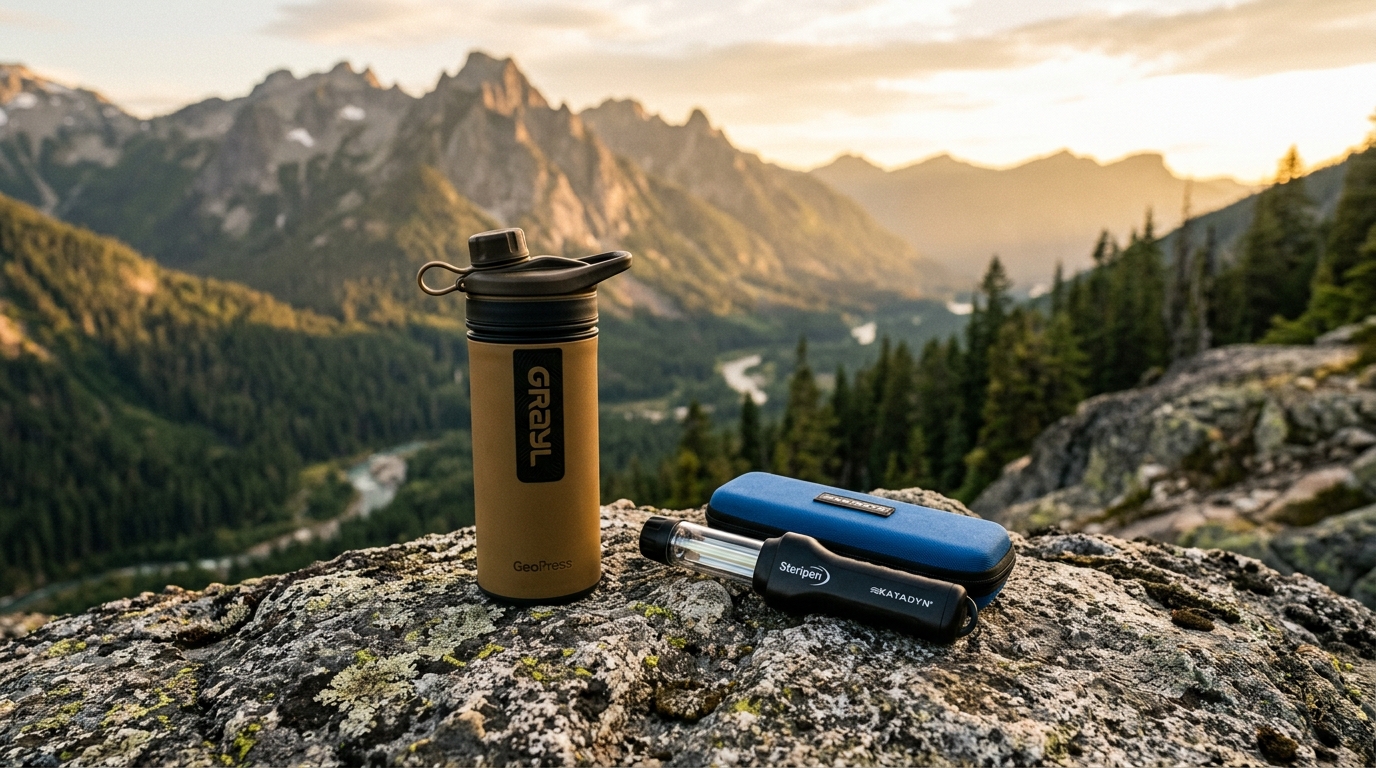
The GRAYL GeoPress wins for most backcountry users thanks to its simpler operation, no-battery design, and ability to handle sediment-heavy water straight from the source. The KATADYN Steripen Classic 3 is the better choice for ultralight travelers moving through developed areas with relatively clear water who prioritize pack weight and don't mind carrying batteries.

MSR TrailShot vs Katadyn Hiker Pro: Which Backpacking Water Filter is Right for You?

HEAD-TO-HEAD

MSR TrailShot vs Katadyn Hiker Pro: Which Backpacking Water Filter is Right for You?
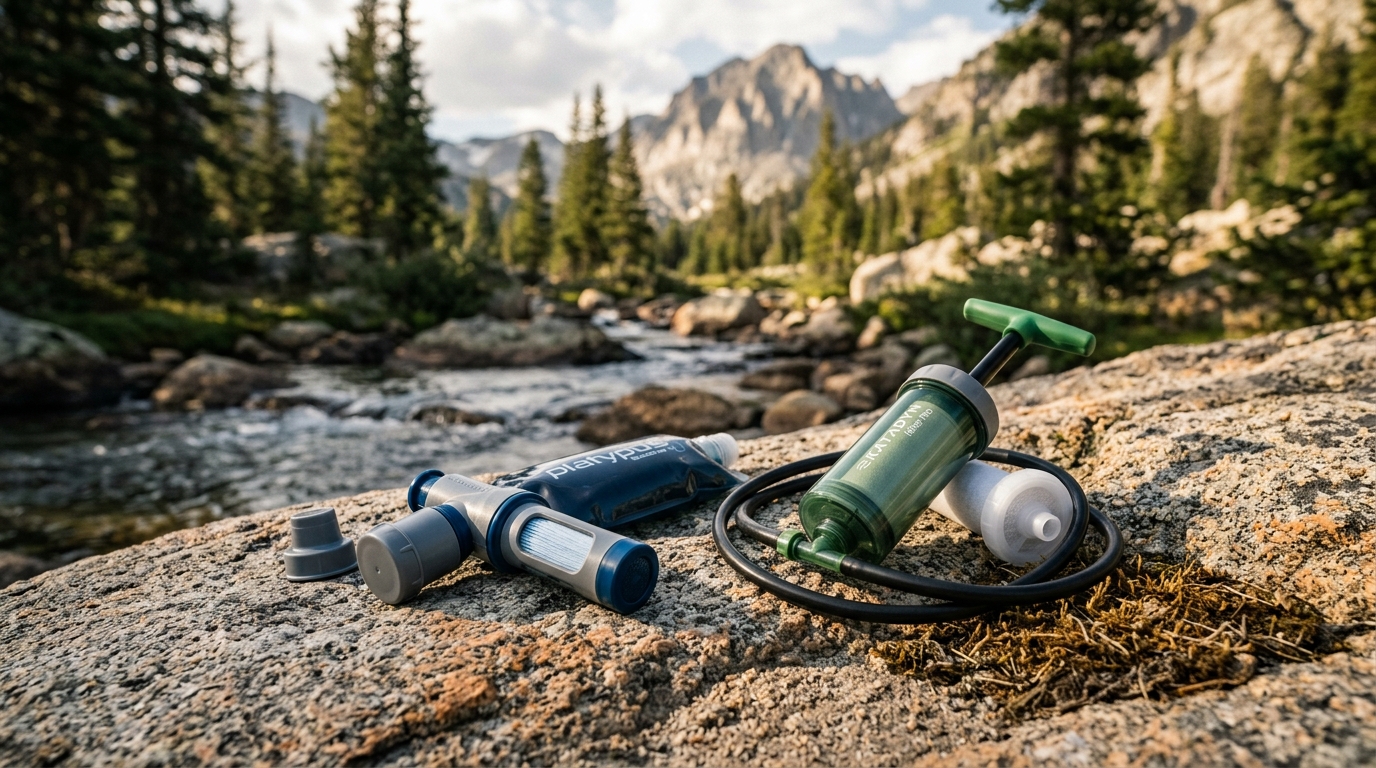
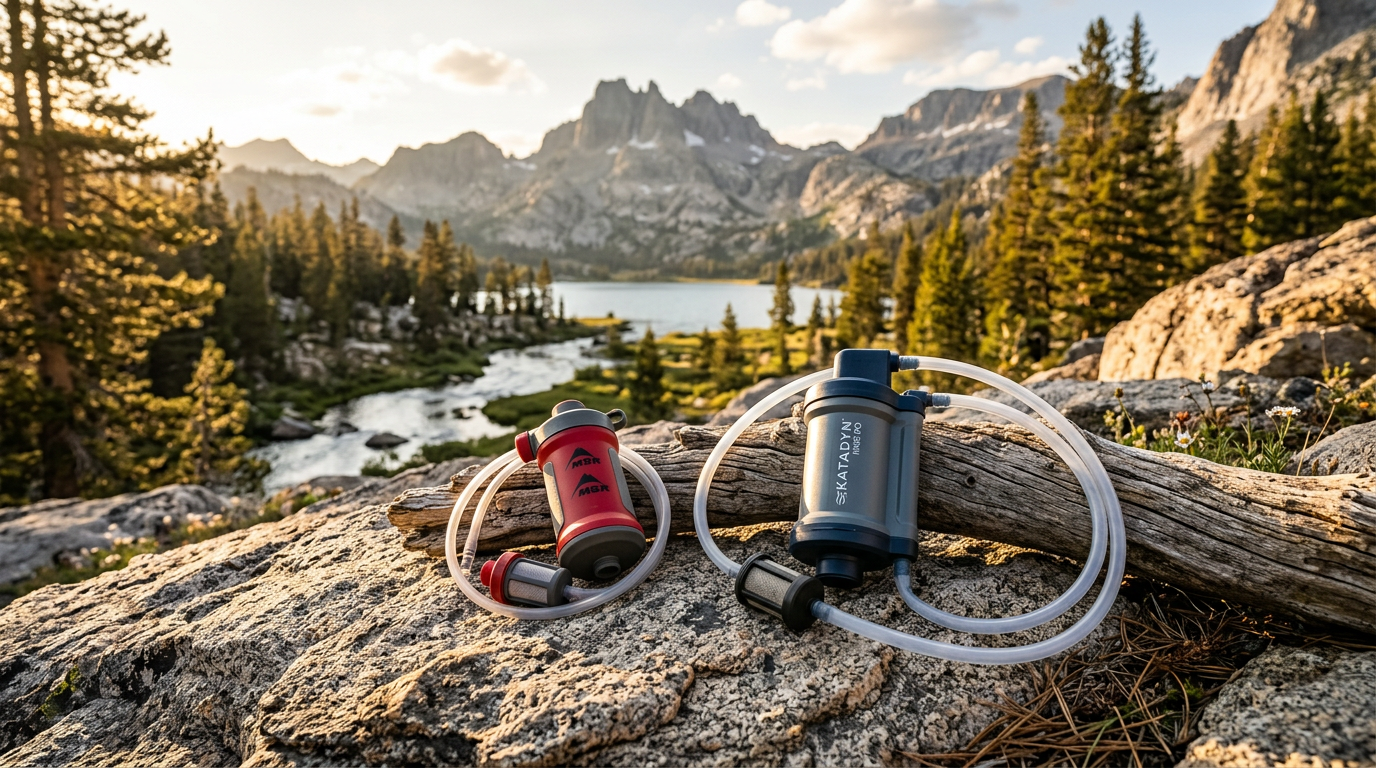
The MSR TrailShot wins for ultralight backpackers and solo hikers who prioritize weight savings and simplicity—it's a squeeze filter that weighs just 5.5 oz and costs $62.99. The Katadyn Hiker Pro is the better choice for group camping, base camps, or situations requiring high-volume filtration without hand fatigue, thanks to its pump mechanism that delivers 1 liter per minute and costs $99.95.

Platypus Quickdraw Microfilter vs Katadyn Hiker Pro: Which Backpacking Water Filter Is Right for You?

HEAD-TO-HEAD

Platypus Quickdraw Microfilter vs Katadyn Hiker Pro: Which Backpacking Water Filter Is Right for You?

The Katadyn Hiker Pro wins for most backpackers thanks to its proven pump mechanism, faster flow rate (1 liter per minute), and lower price point at $99.95. However, the Platypus Quickdraw Microfilter at $125.97 is the better choice for ultralight hikers who prioritize minimal weight (3 oz vs 11 oz) and don't mind the slower gravity-feed or squeeze operation, especially on solo trips where speed matters less than pack weight.