
Head-to-head
Outdoor Research Helium vs Columbia Watertight II Rain Jacket
The Outdoor Research Helium wins for ultralight backpackers and fast-packers who prioritize packability and weight savings, delivering premium weather protection in a minimalist package. The Columbia Watertight II is the better choice for casual hikers, day-trippers, and budget-conscious buyers who need reliable rain protection without the weight obsession, offering nearly double the value at $61.61 versus $118.99.

Disclosure: Four Seasons Gear is reader-supported. When you buy through links on our site, we may earn an affiliate commission at no extra cost to you. Prices and availability are accurate as of the time we last checked.
Rain shells occupy a critical position in any outdoor kit, but choosing between ultralight performance and everyday value requires understanding exactly what you're paying for. The Outdoor Research Helium and Columbia Watertight II represent two distinct philosophies in rain protection: the Helium targets weight-conscious backpackers willing to pay premium prices for packability, while the Watertight II delivers solid waterproof performance at a price point that makes sense for recreational users.
Spec Comparison
Specs
Weight and Packability: Where the Price Gap Lives
The Outdoor Research Helium justifies its $118.99 price tag primarily through weight savings and pack volume. OR's Helium line has historically delivered sub-7-ounce weights in men's medium, using ultralight 2.5-layer Pertex Shield fabric that compresses into a stuff sack smaller than a Nalgene bottle. This matters profoundly on multi-day trips where every ounce counts toward your base weight target. The Columbia Watertight II, built with a more robust 2-layer construction, typically weighs 12-14 ounces in comparable sizing—nearly double the Helium's mass. For thru-hikers counting grams or fastpackers moving light, that 6-7 ounce penalty adds up across a full kit.
In practical terms, the Helium stuffs into its own chest pocket and disappears into a daypack's brain or hip belt pocket. The Watertight II requires dedicated pack space—not a dealbreaker for day hikes, but a consideration when you're optimizing a 30-liter summit pack. If your typical outing involves car camping or you're not tracking base weight, the Columbia's heft becomes irrelevant. If you're counting ounces for a Presidential Traverse or JMT section, the Helium's packability is worth the premium.
Durability and Construction: Longevity vs. Lightness
The Columbia Watertight II uses a heavier-duty 2-layer waterproof-breathable laminate with a more substantial face fabric. This construction resists abrasion better when you're bushwhacking through scrub oak or wearing a loaded pack with hip belt friction. Columbia's Omni-Tech membrane has proven reliable across millions of jackets sold to casual users who need seasons of service without babying their gear. The Outdoor Research Helium trades some of that bombproof durability for weight savings—its ultralight Pertex Shield fabric requires more careful handling around sharp branches and granite edges.
Ultralight shells like the Helium demand respect: you'll want to avoid prolonged contact with pack straps under heavy loads, and you'll patch small tears with Tenacious Tape rather than ignoring them. The Watertight II tolerates neglect better. For users who treat rain shells as disposable seasonal gear or who prioritize longevity over grams, Columbia's burlier construction makes sense. For experienced backpackers who understand ultralight trade-offs and maintain their gear carefully, the Helium's lighter fabric is an acceptable compromise.
Breathability and Ventilation: Managing Internal Climate
Both jackets use waterproof-breathable membranes, but breathability in rain shells is always a compromise—you're managing condensation, not eliminating it. The Outdoor Research Helium's 2.5-layer construction with minimal lining reduces internal surface area for moisture accumulation, and pit zips (on most Helium models) provide dump-valve ventilation during high-output climbs. The Columbia Watertight II's 2-layer design with mesh lining creates more air space against your skin, which some users find more comfortable during moderate activity.
In real use, neither jacket will keep you completely dry from the inside during a sustained uphill grind in warm rain—that's physics, not product failure. The Helium's advantage is faster drying when you stop moving, thanks to less fabric mass. The Watertight II's mesh lining prevents that clammy feeling when the shell contacts your skin. For stop-and-go hiking or lower-intensity use, the Columbia's interior comfort wins. For continuous aerobic output where you'll be damp regardless, the Helium's quick-drying properties matter more.
Features and Fit: Minimalism vs. Versatility
The Outdoor Research Helium strips features to save weight: you get a hood, cuffs, and hem adjustment, but minimal pocket space and a trim athletic cut optimized for layering over a base or light midlayer. The Columbia Watertight II offers a more relaxed fit accommodating thicker fleeces underneath, plus zippered hand pockets that actually hold items (the Helium's chest pocket doubles as a stuff sack, limiting its utility while wearing the jacket). Columbia includes an adjustable storm hood and Velcro cuff closures—conventional features that work reliably.
The Helium's minimalist design means less to break and less weight to carry, but also fewer conveniences. No hand pockets means your phone and snacks live in your pack or pants pockets. The trim fit layers efficiently but limits room for bulky insulation underneath. The Watertight II's generous cut and functional pockets make it more versatile as an everyday rain jacket for errands or dog walks, not just backcountry use. Consider how you'll actually use the jacket: if it's a dedicated backpacking shell that lives in your pack until weather turns, the Helium's focus makes sense. If it's a multipurpose jacket for hiking, commuting, and casual wear, Columbia's features add real value.
Value Proposition: Cost per Use Calculation
At $118.99, the Outdoor Research Helium costs 93% more than the $61.61 Columbia Watertight II. That premium buys you approximately 6 ounces of weight savings and significantly reduced pack volume—meaningful benefits if you're optimizing a lightweight kit, but marginal if you're not counting grams. For a backpacker completing 30 days of trail time annually over 5 years, the Helium's $57 premium equals $0.38 per day of use—negligible amortized cost for the weight savings. For a casual hiker using a rain shell 10 times per season, that same premium feels steeper.
The Columbia Watertight II delivers 80% of the performance at 52% of the cost, making it objectively better value for users who don't need ultralight specs. You're sacrificing packability and some breathability refinement, but gaining durability and practical features. The Helium makes financial sense only if the weight savings directly enable your intended use—longer days, lighter packs, faster movement. Otherwise, you're paying for performance you won't fully utilize.
Decision Framework
Buy the Outdoor Research Helium if:
- You're actively pursuing ultralight base weight targets below 10 pounds
- Pack volume is constrained (fastpacking, summit packs, minimalist kits)
- You're willing to treat your gear carefully and accept reduced durability for weight savings
- Multi-day backpacking trips justify the premium cost through cumulative weight savings
- You layer efficiently and don't need bulky insulation underneath your shell
Buy the Columbia Watertight II if:
- Day hiking and casual outdoor use define your typical outings
- Budget constraints make the $61 price point more sensible than $119
- You want functional hand pockets and a relaxed fit for everyday versatility
- Durability and longevity matter more than shaving ounces
- You're building a first outdoor kit and need reliable rain protection without premium pricing
Frequently Asked Questions
+Can the Columbia Watertight II work for multi-day backpacking trips?
Yes, the Watertight II provides adequate waterproof protection for multi-day trips if you have pack space and aren't optimizing for ultralight base weight. Its 12-14 ounce weight is reasonable for traditional backpacking (vs. ultralight philosophy), and the durability actually suits extended trail use better than ultralight shells. The trade-off is pack volume—it won't compress as small as the Helium, so you'll need room in your pack's main compartment rather than stashing it in a brain or hip belt pocket.
+How does the Outdoor Research Helium handle sustained rain during high-output activities?
The Helium manages external rain excellently but, like all waterproof-breathable shells, struggles with internal condensation during sustained aerobic output in warm conditions. Pit zips help dump heat, and the lightweight fabric dries faster than heavier shells when you stop moving. Expect some clamminess during long climbs—this is a membrane physics limitation, not a product defect. The Helium excels in cool, intermittent rain where you're moving fast and generating heat; it's less ideal for tropical downpours with high humidity where no shell breathes adequately.
+Which jacket layers better under a hardshell for winter use?
Neither jacket is designed as a winter hardshell—both are 3-season rain shells without insulation. However, the Columbia Watertight II's roomier cut accommodates thicker fleece or synthetic insulation layers underneath, making it more versatile for shoulder-season conditions where you need a puffy mid-layer. The Helium's trim fit limits layering space to thin base layers and lightweight fleeces. For dedicated winter use with substantial insulation underneath, you'd want a true hardshell with a more generous cut than either of these rain jackets provides.

Read next
More comparisons + reviews
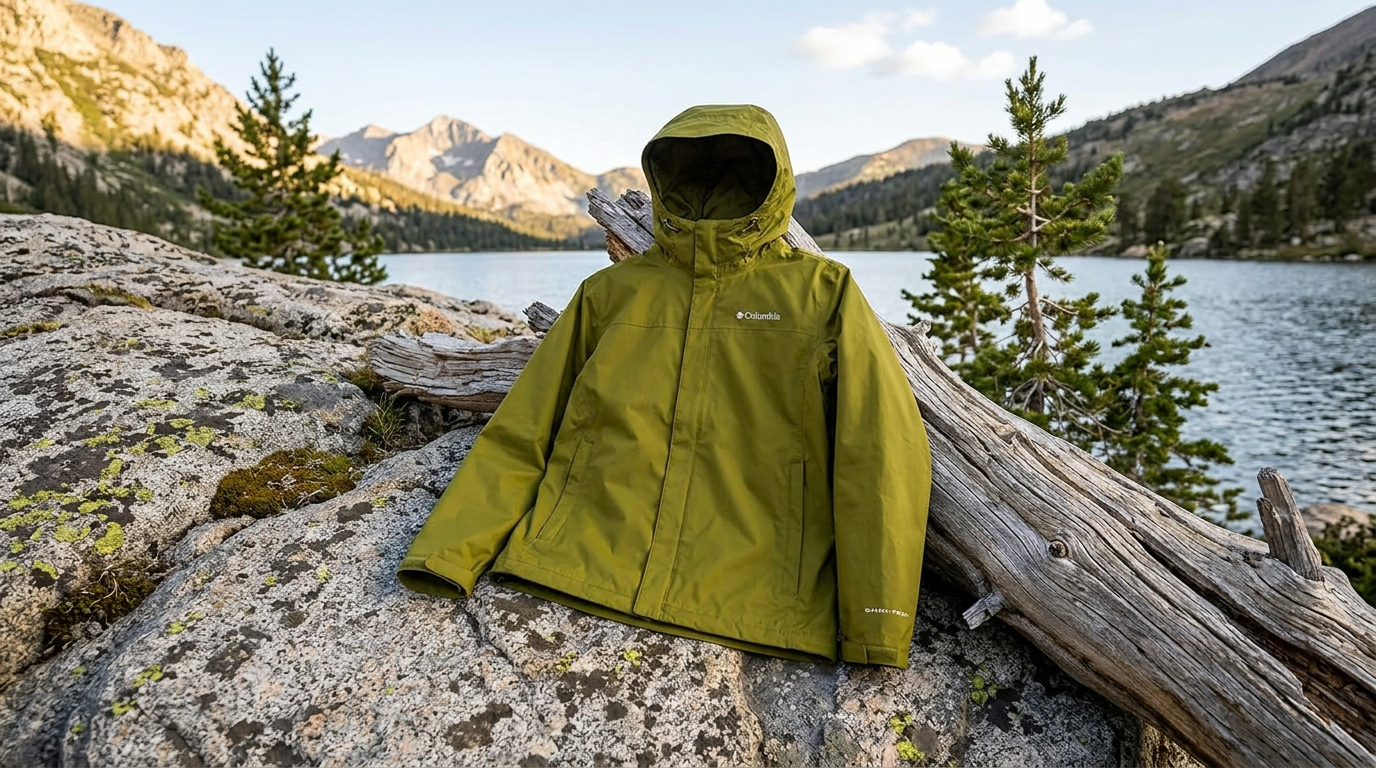
REVIEW
Columbia Men's Watertight II Waterproof Rain Jacket Review
REVIEW
FROGG TOGGS Men's Ultra-Lite2 Rain Suit Review: Budget Emergency Rain Protection
REVIEW
Marmot Women's Precip Eco Rain Jacket Review: Budget-Friendly 2.5-Layer Shell
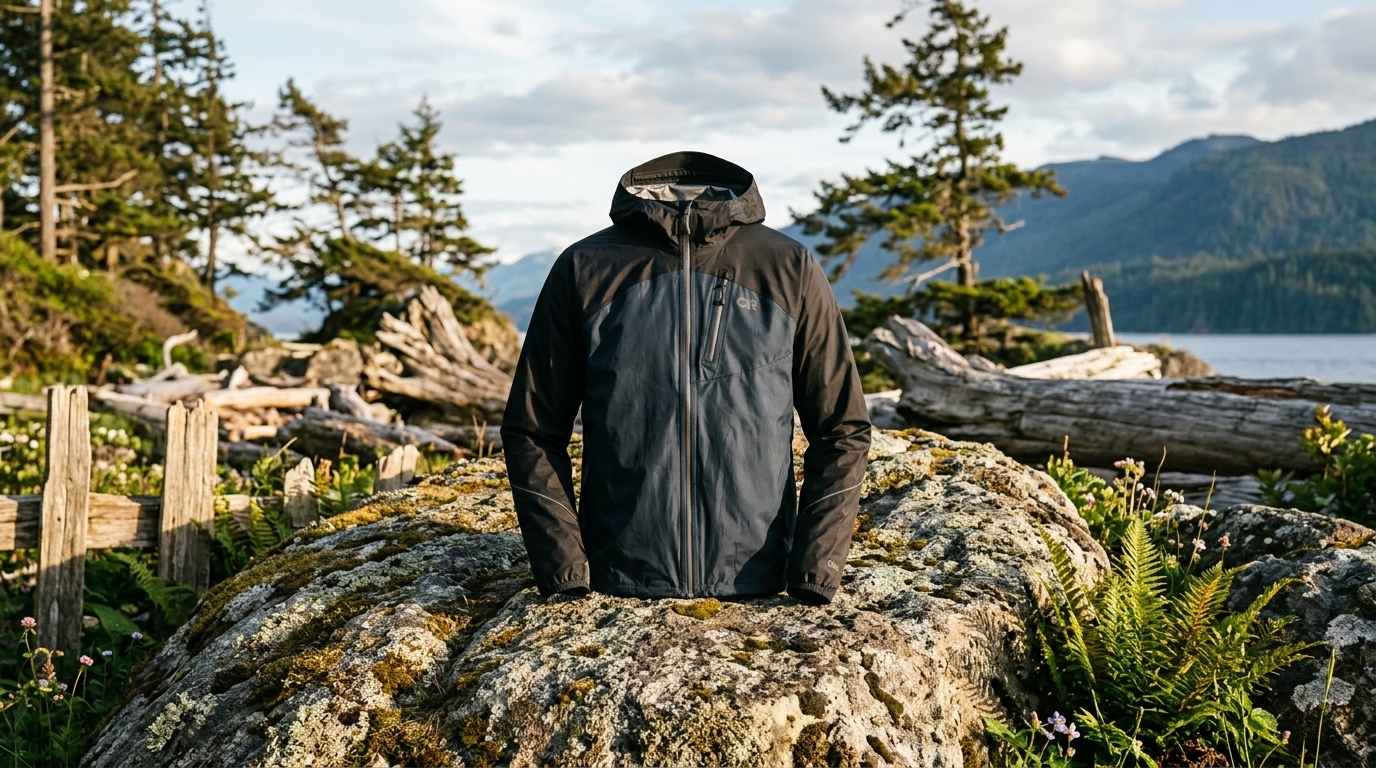
REVIEW
Outdoor Research Men's Helium Rain Jacket Review

BEST OF
Best Rechargeable Headlamps for Backpacking
BEST OF