
Head-to-head
Garmin Instinct 2 Solar vs Fenix 7X Sapphire Solar: Which GPS Watch Is Right for You?
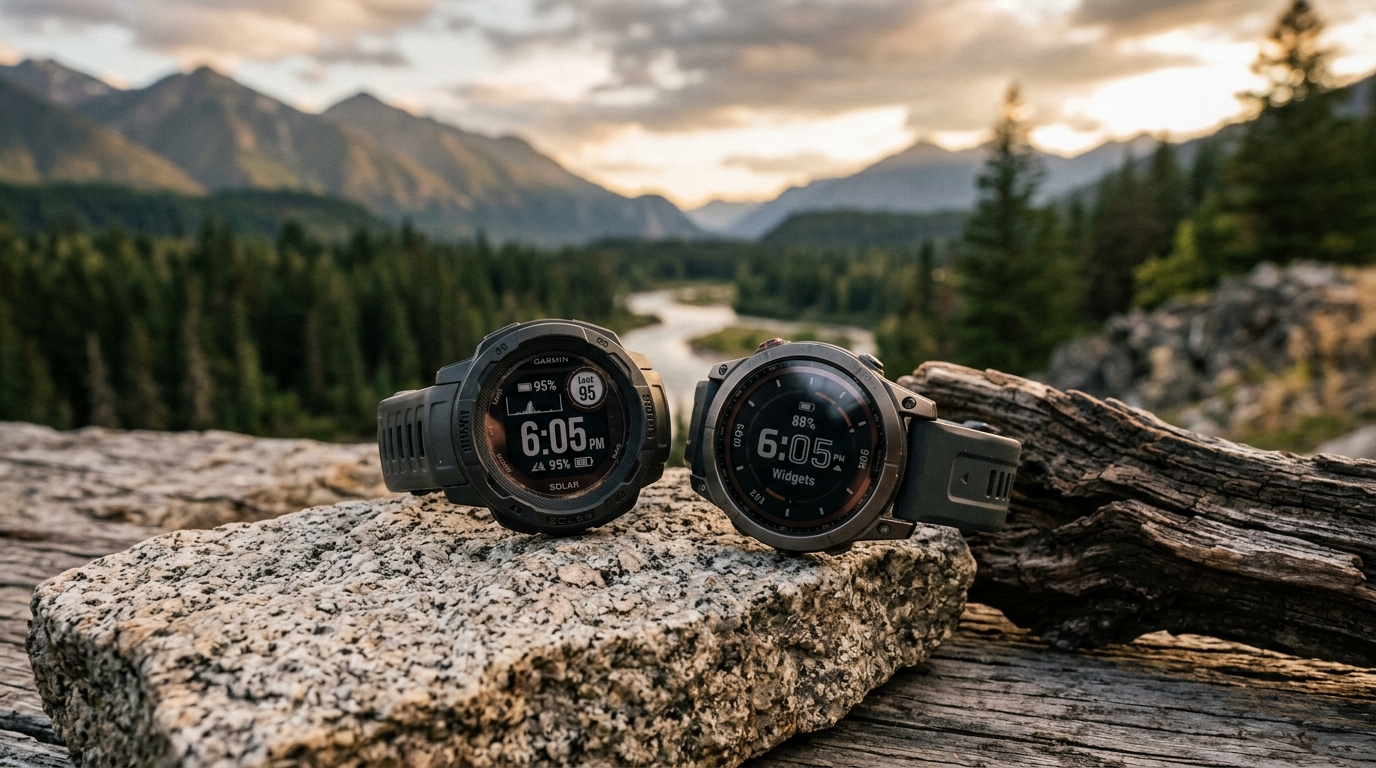
The Garmin Fenix 7X Sapphire Solar wins for serious athletes and backcountry navigators who need the largest screen, most detailed mapping, and comprehensive training metrics. However, the Instinct 2 Solar is the smarter choice for ultralight backpackers, casual hikers, and budget-conscious buyers who prioritize unlimited battery life and bombproof durability over touchscreen convenience and advanced analytics.
Disclosure: Four Seasons Gear is reader-supported. When you buy through links on our site, we may earn an affiliate commission at no extra cost to you. Prices and availability are accurate as of the time we last checked.
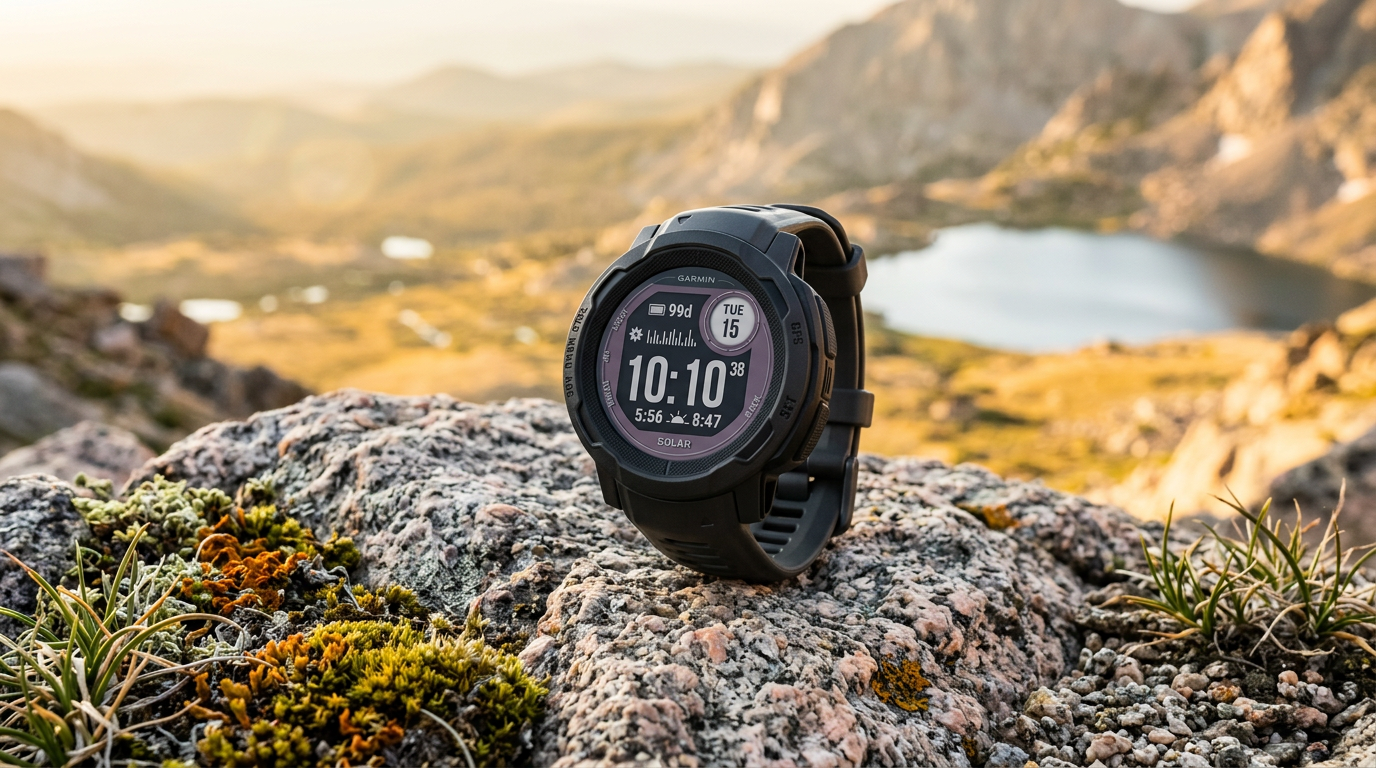
Garmin's solar GPS watch lineup spans from the rugged-minimalist Instinct 2 Solar to the feature-packed Fenix 7X Sapphire Solar. Both deliver solar charging that extends battery life into weeks or months, both track activities with multi-GNSS satellite reception, and both meet military durability standards. The $300+ price gap reflects fundamental differences in screen technology, mapping detail, training features, and target user.
Spec Comparison
Specs
Display and Navigation: Color Touchscreen vs. Button-Only Simplicity
The Fenix 7X's 1.4-inch color touchscreen is 55% larger than the Instinct 2's 0.9-inch monochrome display. That extra real estate matters when viewing full TopoActive maps with elevation contours, trail networks, and points of interest. The Fenix 7X loads preloaded maps for ski resorts, golf courses, and 2,000+ global ski areas, plus allows you to pan and zoom with touch gestures. The Instinct 2 offers only breadcrumb TracBack routing—it shows your track as a line to follow home, but no underlying terrain detail or alternate routes.
In bright sunlight, the Instinct 2's high-contrast monochrome MIP display is easier to read at a glance without raising your wrist. The button-only interface never fails in rain, snow, or with gloved hands. The Fenix 7X's touchscreen can be disabled for activities (buttons still work), but the color screen requires more backlight in low light, draining battery faster. For navigation-heavy trips where you're consulting the map every few minutes, the Fenix 7X is the clear winner. For activity tracking where you glance at pace and heart rate, the Instinct 2's simpler display is more efficient.
Battery Life: Unlimited vs. Extended
Both watches use Garmin's Power Glass solar lens, but the Instinct 2 Solar achieves true unlimited battery life in smartwatch mode with 3+ hours of daily sun exposure. The smaller, less power-hungry monochrome display and lack of touchscreen circuitry let the solar panel fully offset daily use. The Fenix 7X Sapphire Solar extends smartwatch mode to 37 days with solar, up from 28 days battery-only—impressive, but not infinite.
In GPS tracking mode, the Fenix 7X's larger solar surface and battery capacity deliver 89 hours with solar assistance versus the Instinct 2's 48 hours. For multi-day backpacking trips, the Fenix 7X can track continuously for nearly four days before needing a charge. The Instinct 2 requires either expedition mode (reduced GPS accuracy, up to 370 hours) or nightly charging after two full days of tracking. Thru-hikers and ultrarunners will appreciate the Fenix 7X's stamina; weekend warriors and day hikers won't notice the difference.
Weight and Comfort: 52g vs. 89g
The Instinct 2 Solar weighs 52g with its fiber-reinforced polymer case and silicone band. The Fenix 7X Sapphire Solar weighs 89g with its titanium bezel and larger case—71% heavier. That 37g difference is noticeable on all-day wear, especially during sleep tracking or ultralight backpacking where every gram counts. The Instinct 2's 45mm case fits smaller wrists comfortably; the Fenix 7X's 51mm case can feel bulky on wrists under 6.5 inches in circumference.
The Fenix 7X's sapphire crystal lens resists scratches better than the Instinct 2's Corning Gorilla Glass, a meaningful upgrade for rock scrambling and bushwhacking. Both watches meet MIL-STD-810 thermal, shock, and water resistance standards. The Instinct 2's button guards and raised bezel protect the display from side impacts; the Fenix 7X's flush touchscreen is more vulnerable to scratches despite the sapphire coating.
Training and Health Metrics: Comprehensive vs. Core
The Fenix 7X includes Garmin's full suite of advanced training metrics: Training Readiness, HRV status, race predictions, VO2 max estimates, ClimbPro ascent planning, and PacePro pacing strategies. It tracks 60+ sport profiles including surfing, bouldering, and mountain biking with MTB-specific dynamics. The Instinct 2 covers 30+ activities with core metrics—heart rate, pace, distance, elevation—but omits the predictive analytics and sport-specific insights.
Both watches offer 24/7 health monitoring (heart rate, Pulse Ox, respiration, stress, sleep, Body Battery energy tracking) and incident detection with assistance. The Fenix 7X adds morning reports summarizing sleep, HRV, and training outlook. For athletes training with structured workouts, power meters, or race goals, the Fenix 7X's coaching features justify the premium. For recreational users tracking general activity and sleep, the Instinct 2 provides the same foundational data.
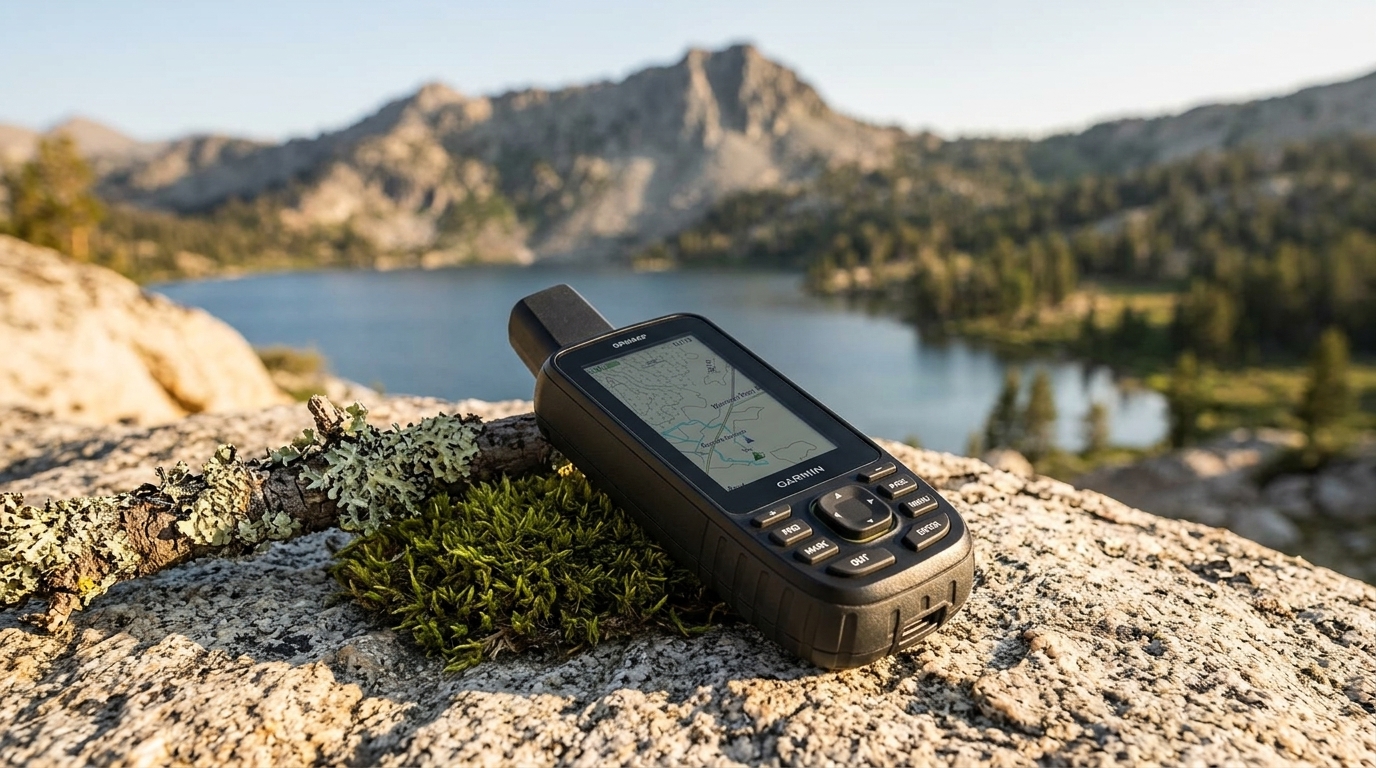
If you're already using a dedicated GPS unit like the Garmin GPSMAP 67 Handheld GPS for navigation, the Instinct 2's simpler interface may be all you need on your wrist for activity tracking.
Value and Use Case
At $350 MSRP, the Instinct 2 Solar delivers exceptional value for hikers, trail runners, and outdoor enthusiasts who want reliable GPS tracking and unlimited battery life without paying for features they won't use. The renewed Fenix 7X Sapphire Solar at $499 (versus $899 new) narrows the gap, but still costs 43% more. That premium buys you the largest screen in Garmin's lineup, full topo maps, touchscreen convenience, and the most comprehensive training platform.
The Fenix 7X makes sense for serious athletes training for ultras or expeditions, backcountry skiers who need resort maps and avalanche alerts, or navigators who want to leave their phone in their pack. The Instinct 2 is the better pick for casual hikers, budget-conscious buyers, ultralight backpackers counting grams, or anyone who prefers button controls and infinite battery over a color touchscreen.
Decision Tree
Buy the Instinct 2 Solar if you want unlimited battery life in smartwatch mode, prefer button-only controls that work in any conditions, prioritize light weight (52g) for all-day comfort, need a watch that fits smaller wrists, or want core GPS and health tracking without paying for advanced training analytics. It's the best value for recreational hikers and trail runners.
Buy the Fenix 7X Sapphire Solar if you need the largest display (1.4") for viewing detailed topo maps, want full TopoActive mapping with contours and POIs, train with structured workouts and need advanced metrics (Training Readiness, HRV, race predictions), require maximum GPS battery life (89 hours with solar), or value touchscreen convenience for panning maps and navigating menus. It's the premium choice for serious athletes and backcountry navigators.
Frequently Asked Questions
+Can the Instinct 2 Solar display maps like the Fenix 7X?
No. The Instinct 2 Solar only shows TracBack routing—a breadcrumb trail of your recorded track to guide you back to your starting point. It does not display topographic maps, trail networks, or points of interest. The Fenix 7X includes preloaded TopoActive maps with elevation contours, trails, and navigation features. If detailed mapping is essential, the Fenix 7X is the only option between these two.
+How much solar exposure do I need for unlimited battery life on the Instinct 2?
Garmin rates the Instinct 2 Solar for unlimited smartwatch battery life with 3 hours per day of 50,000 lux sunlight exposure (typical outdoor conditions). In practice, this means wearing the watch outside during daylight hours—commuting, hiking, or working outdoors. Indoor lighting is insufficient. If you spend most days indoors, expect 48 days of battery life without solar assistance, still far exceeding most smartwatches.
+Is the Fenix 7X too large for smaller wrists?
The Fenix 7X's 51mm case diameter is Garmin's largest and can overwhelm wrists under 6.5 inches in circumference. The 89g weight also feels substantial during sleep tracking or all-day wear. If you have smaller wrists or prefer a lighter watch, consider the standard Fenix 7 (47mm, 73g) or Fenix 7S (42mm, 58g), both of which offer the same features in smaller cases. The Instinct 2 Solar at 45mm and 52g fits a wider range of wrist sizes comfortably.

Read next
More comparisons + reviews
REVIEW
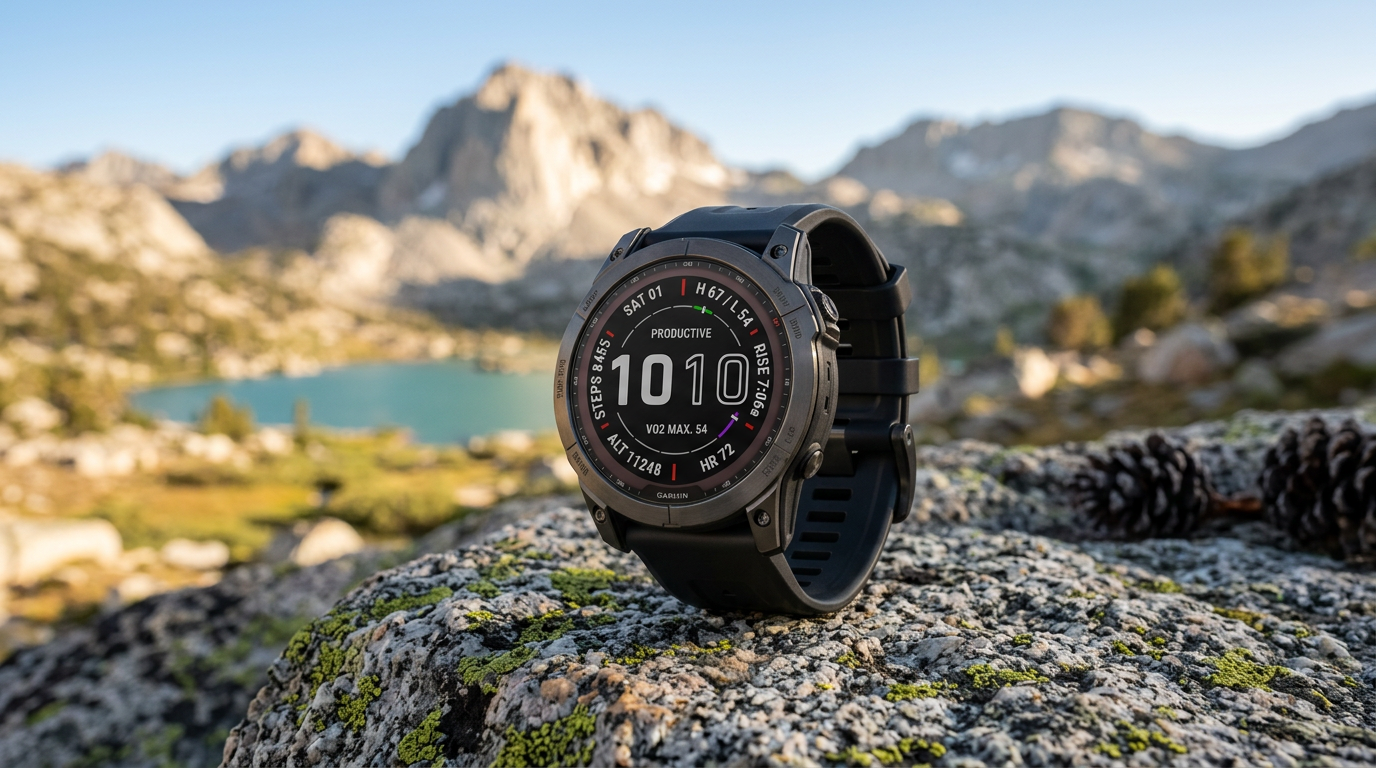
Garmin Fenix 7X Sapphire Solar Smartwatch Review: Flagship Navigation for Multi-Day Backcountry Trips
REVIEW
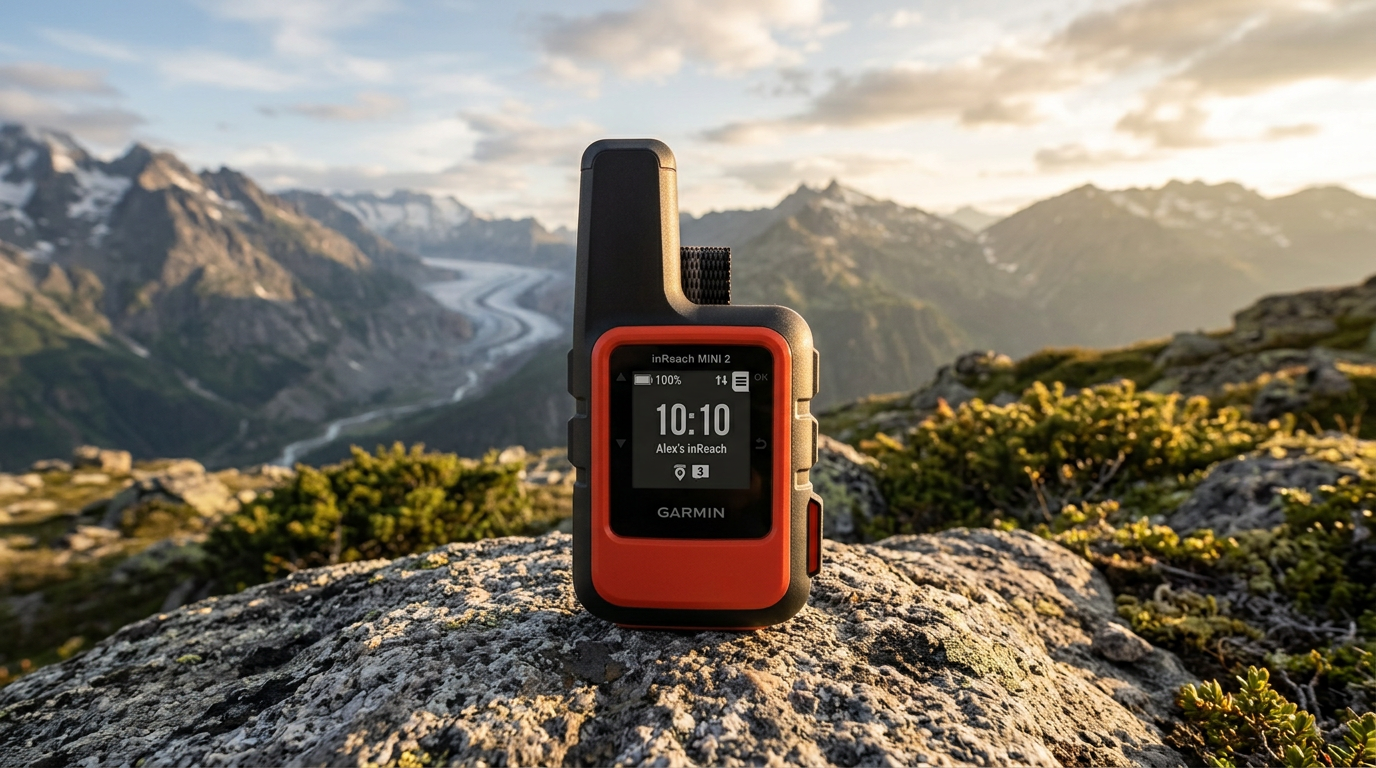
Garmin inReach Mini 2 Satellite Communicator Review: Two-Way Messaging Beyond Cell Coverage
REVIEW
Garmin GPSMAP 67 Handheld GPS Review: Multi-Band GNSS Meets Backcountry Durability
REVIEW
Garmin Instinct 2 Solar GPS Watch Review: Unlimited Battery Life for Multi-Season Backcountry Use

BEST OF
Best Rechargeable Headlamps for Backpacking

BEST OF