
Head-to-head
BRS 3000T vs Optimus Crux Lite: Which Ultralight Backpacking Stove Is Worth Your Money?
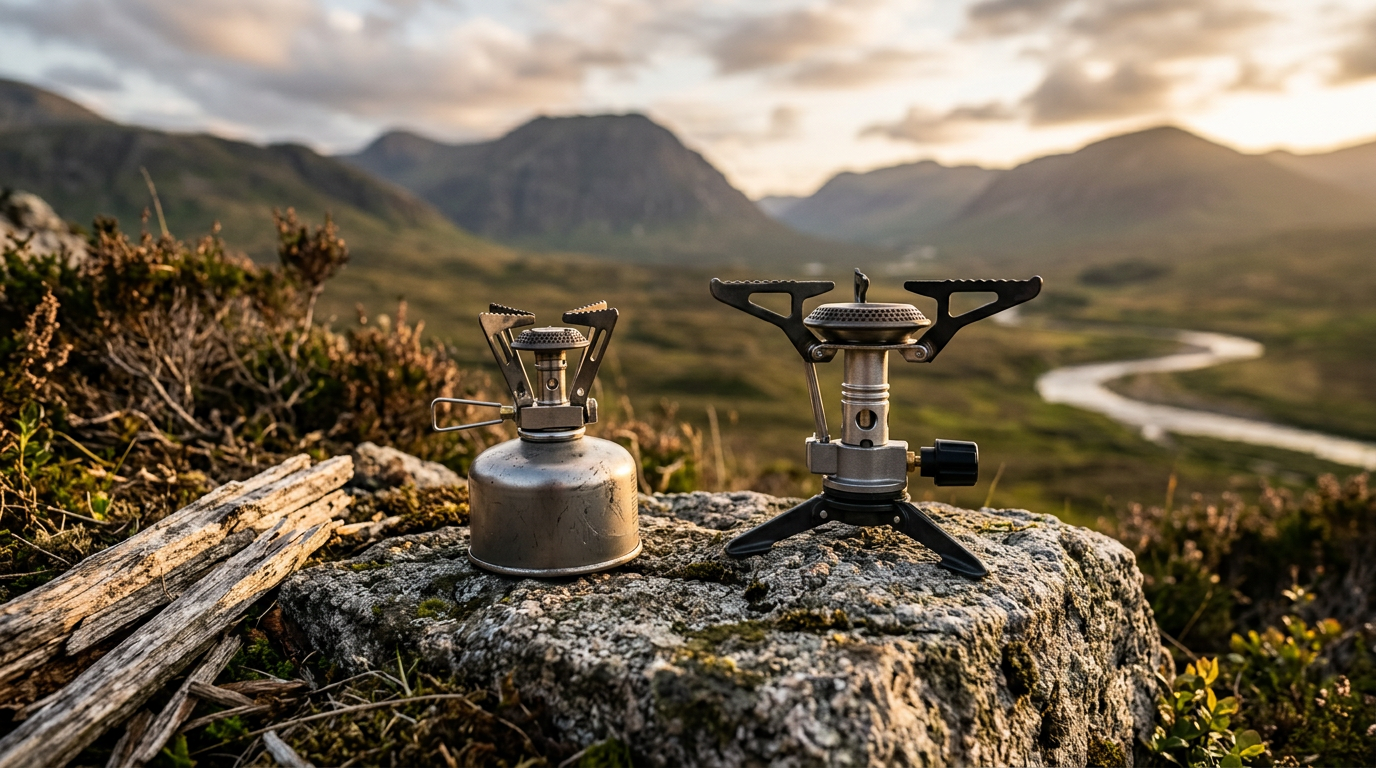
The Optimus Crux Lite is the better stove for most backpackers who value reliability, build quality, and consistent performance across varied conditions. Its superior pot support design, more robust construction, and better simmer control justify the $30 premium for anyone planning multi-day trips or cooking in wind. The BRS 3000T is the smarter choice only if you're an ultralight purist counting every gram and dollar on short summer trips where conditions are mild and you're boiling water exclusively.
Disclosure: Four Seasons Gear is reader-supported. When you buy through links on our site, we may earn an affiliate commission at no extra cost to you. Prices and availability are accurate as of the time we last checked.
The ultralight canister stove market has two titans at opposite ends of the value spectrum: the BRS 3000T at $16.95 and the Optimus Crux Lite at $46.95. Both promise sub-ounce weights and 10,000+ BTU output, but the $30 gap reveals meaningful differences in materials, stability, and real-world durability. After examining construction details and performance characteristics, the Optimus Crux Lite emerges as the better investment for serious backpackers, while the BRS occupies a narrow niche for gram-counting minimalists on a budget.
Spec Comparison
Specs
Weight: The BRS Wins on Paper, But Context Matters
The BRS 3000T weighs 25 grams versus the Optimus Crux Lite's 71 grams—a 46-gram (1.6 oz) difference that looks significant in a spreadsheet. For thru-hikers shaving ounces from every system, that gap matters. However, the weight savings come with tradeoffs in structural reinforcement. The BRS uses thinner gauge aluminum in its pot supports and body, while the Optimus incorporates stainless steel reinforcements at stress points. In practice, the Optimus feels like a tool you can trust after 500 miles; the BRS feels like something you baby to avoid bending the pot supports.
Pot Support Stability: Where the Optimus Justifies Its Price
The Optimus Crux Lite's 4.7-inch pot support diameter versus the BRS 3000T's 3.5-inch span translates to 79% more surface area for your cookware to rest on. This isn't academic—the BRS's narrow supports create a tipping hazard with pots larger than 0.8L, especially when cooking on uneven ground. The Optimus confidently holds a 1.3L pot with 800ml of boiling water without wobble. The BRS arms also sit at a shallower angle, meaning less vertical support structure. On a granite slab this works fine; on forest duff or sand, the narrow footprint concentrates pressure and the stove can sink or tip.
The Optimus pot supports also fold with a more positive click and lock mechanism. The BRS supports feel loose even when new, and multiple users report them becoming floppy after 20-30 uses as the thin metal fatigues at the hinge points.
Valve Control and Simmer Performance
The BRS 3000T uses a single-turn valve that goes from off to full blast in roughly 270 degrees of rotation. The Optimus Crux Lite employs a multi-turn valve with approximately 720 degrees of travel. This difference is critical for anything beyond boiling water. The BRS valve offers minimal modulation—you get a roaring flame or a barely-there flicker with little middle ground. Simmering rice or rehydrating a meal without scorching requires constant micro-adjustments that are nearly impossible with the BRS's twitchy valve.
The Optimus valve provides granular control through its full range. You can dial in a gentle simmer at 25% output and hold it there consistently. The valve also features a larger diameter knob that's easier to adjust with gloves or cold fingers. The BRS knob is a small brass cylinder that becomes difficult to grip when wet or when wearing even light gloves.
Build Quality and Durability Concerns
The BRS 3000T achieves its 25-gram weight through aggressive material minimization. The pot support arms are stamped from thin aluminum sheet, the valve body uses minimal brass, and the canister connection threads are machined to tight tolerances with little margin for wear. The included backup O-ring is a tacit admission that the primary seal may fail. Field reports consistently mention bent pot supports, stripped threads after 30+ canister swaps, and valve stems that develop play in the body after a season of use.
The Optimus Crux Lite uses thicker gauge materials throughout and incorporates stainless steel in high-stress areas. The pot supports are noticeably stiffer and the valve assembly feels machined rather than stamped. The canister connection threads are deeper and more robust. While the Optimus is not indestructible, it's engineered for multi-season reliability rather than minimum viable weight.
What we like
Trade-offs
Value Proposition: Cost Per Use Matters
At $16.95, the BRS 3000T appears to be 64% cheaper than the $46.95 Optimus Crux Lite. However, value calculations should account for longevity and performance breadth. If the BRS lasts one season (30-40 days of use) before pot supports bend or threads strip, you're paying $0.42-$0.57 per day. If the Optimus lasts three seasons (100+ days) with consistent performance, the cost drops to $0.47 per day—essentially equivalent. Factor in the frustration of tipped pots, inability to simmer, and mid-trip equipment failures, and the Optimus delivers better value for anyone using their stove more than a handful of times per year.
The BRS makes sense for specific use cases: a backup stove for emergency use, a loaner for friends trying backpacking, or a disposable option for a single thru-hike where you'll replace it if it fails. For weekend warriors, section hikers, or anyone who cooks more than freeze-dried meals, the Optimus is the better investment.
Decision Framework
Buy the BRS 3000T if:
- You're counting every gram for a supported thru-hike where you can replace gear at resupply points
- Your cooking consists exclusively of boiling water for freeze-dried meals
- You need a backup stove or loaner and budget is the primary constraint
- You're testing whether ultralight backpacking is for you before investing in premium gear
- You cook in mild conditions with minimal wind and use small pots (0.6-0.8L maximum)
Buy the Optimus Crux Lite if:
- You value reliability and don't want to worry about equipment failure on multi-day trips
- You cook actual meals requiring simmer control (rice, pasta, sautéing)
- You use pots larger than 0.8L or cook for two people
- You backpack in variable conditions including wind and cold where stability matters
- You want a stove that will last multiple seasons with consistent performance
- The 46-gram weight penalty is acceptable within your overall base weight goals
Frequently Asked Questions
+Will the BRS 3000T's pot supports bend in my pack?
Yes, the thin aluminum pot supports are vulnerable to bending under pressure. Store the BRS in a hard-sided pot or protective case rather than loose in your pack. The Optimus Crux Lite's thicker supports are more resistant to deformation but should still be protected from direct impact.
+Can I use either stove with a windscreen?
Both stoves work with windscreens, but never fully enclose a canister stove—the trapped heat can cause canister failure. Use a horseshoe-shaped windscreen that protects the flame while leaving the canister exposed to air. The Optimus's wider pot support base makes it slightly more stable when using a windscreen that sits around the stove.
+How do these compare to the MSR PocketRocket 2?
The MSR PocketRocket 2 Stove sits between these options at 73 grams and typically $45-50. It offers better pot support stability than the BRS (though not as wide as the Optimus), superior build quality to the BRS, and a proven multi-season track record. If you're considering the Optimus, the PocketRocket 2 deserves evaluation as a comparable alternative with MSR's warranty backing.

Read next
More comparisons + reviews
REVIEW
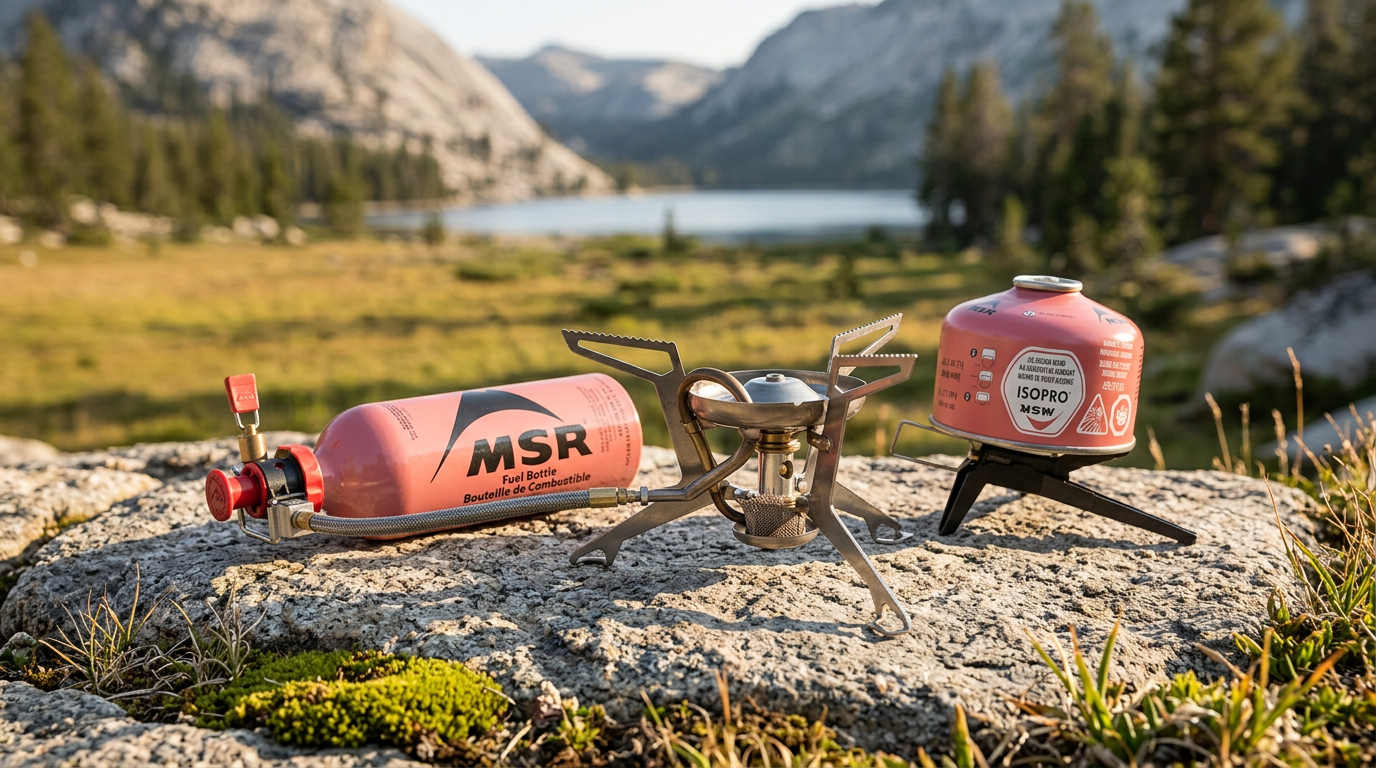
MSR WhisperLite Universal Compact Hybrid Fuel Camping and Backpacking Stove Review
REVIEW
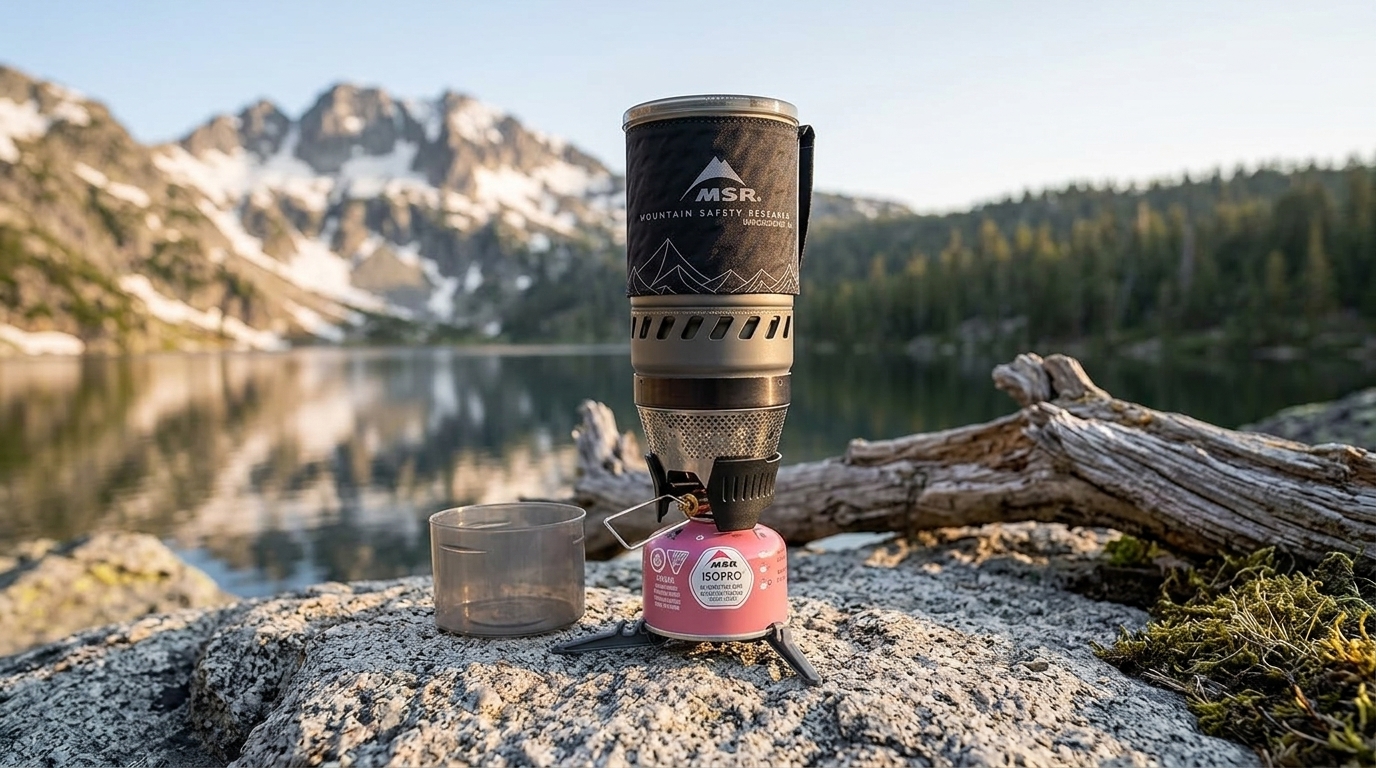
MSR WindBurner Personal Windproof Camping and Backpacking Stove System Review
REVIEW
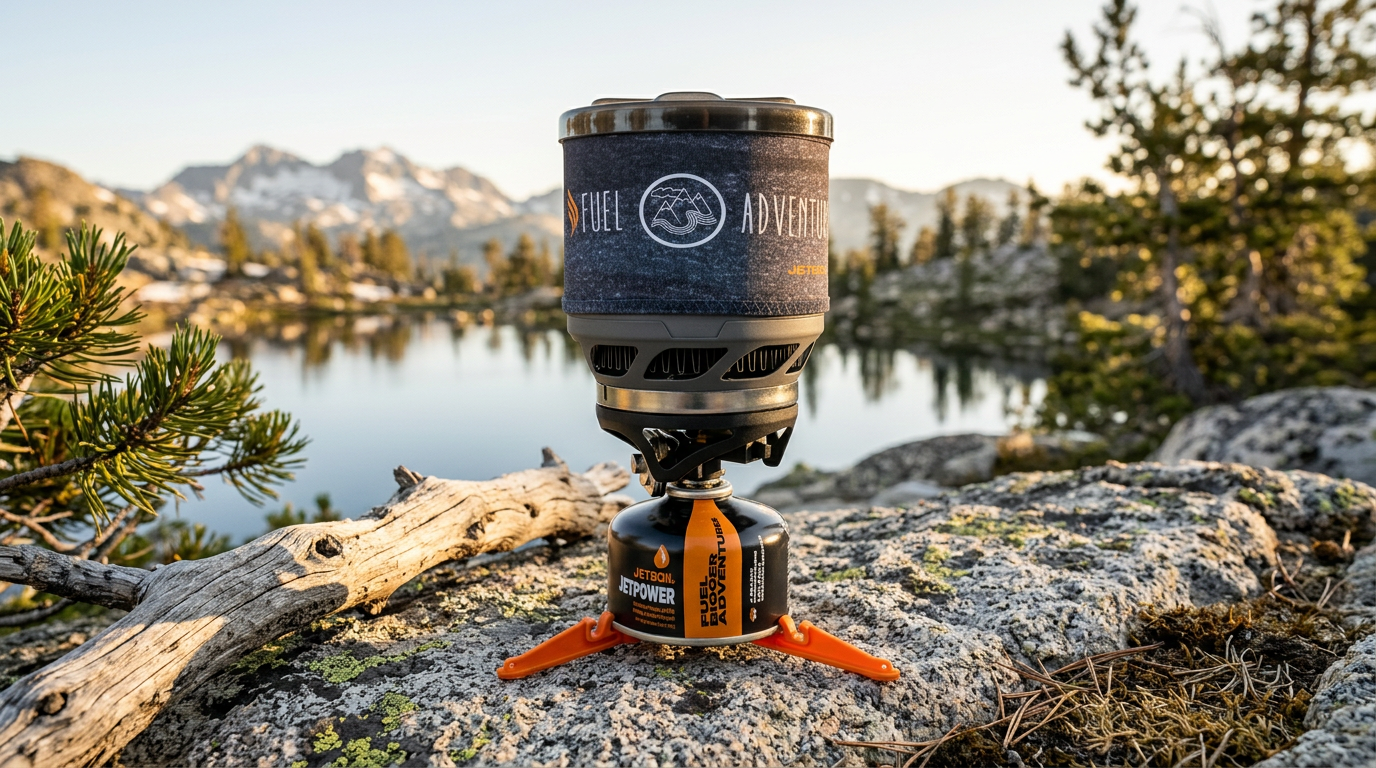
Jetboil MiniMo Camping and Backpacking Stove Cooking System with Adjustable Heat Control Review
REVIEW
Jetboil Flash Camping and Backpacking Stove System Review
REVIEW
SOTO WindMaster Canister Stove with 4Flex Review
REVIEW