
Head-to-head
Merrell Moab 3 Mid vs KEEN Targhee III: Which Waterproof Hiking Boot Wins?
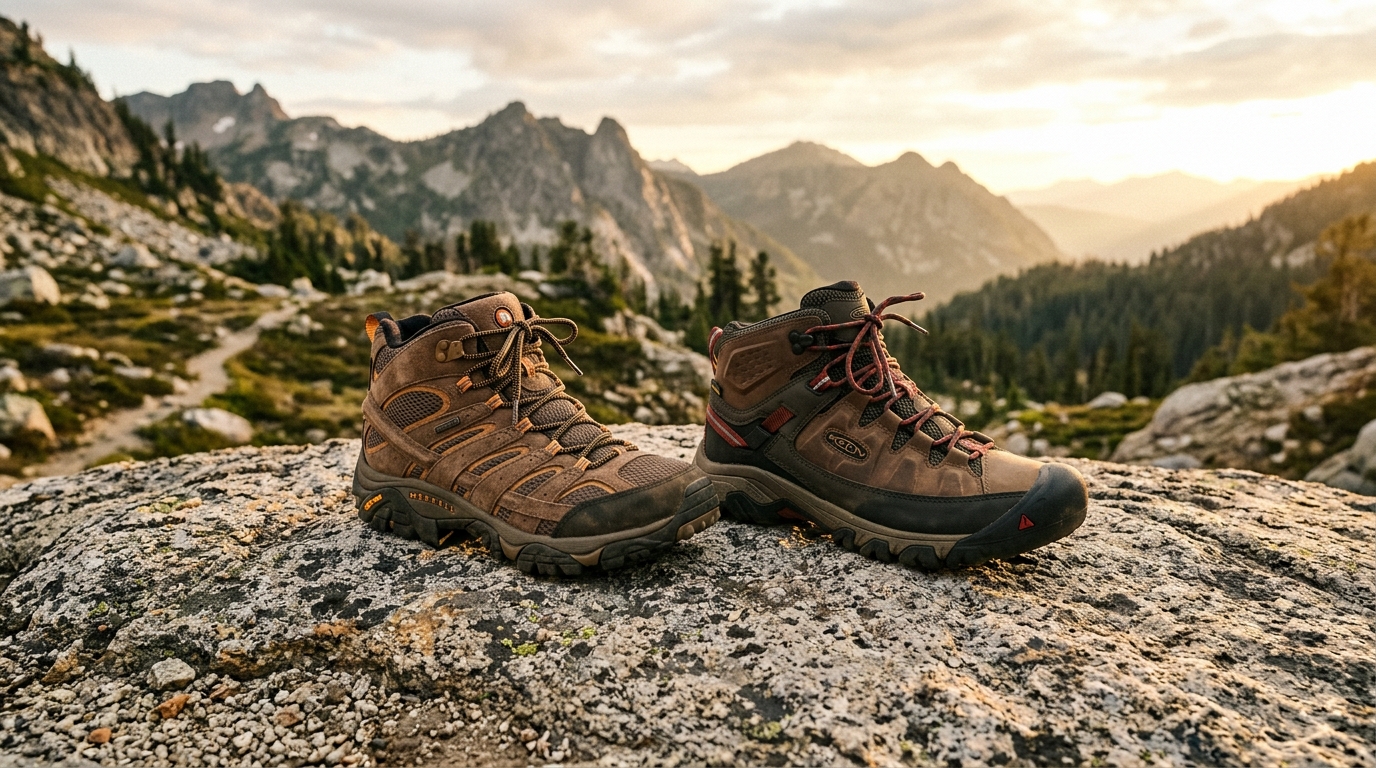
The Merrell Moab 3 Mid takes the overall win for most day hikers thanks to its lighter feel, superior breathability, and $10 lower price point, making it the better choice for fast-paced trail use and warmer conditions. However, the KEEN Targhee III is the smarter pick for backpackers carrying heavy loads, wet-climate hikers, and anyone prioritizing maximum toe protection and durability over nimbleness.
Disclosure: Four Seasons Gear is reader-supported. When you buy through links on our site, we may earn an affiliate commission at no extra cost to you. Prices and availability are accurate as of the time we last checked.
The Merrell Moab 3 Mid and KEEN Targhee III represent two of the most popular waterproof mid-height hiking boots on the market, each with a loyal following built over multiple generations. Both deliver proven waterproof protection, ankle support, and trail-ready traction, but they achieve these goals through distinctly different design philosophies that make each boot better suited to specific hiking styles and conditions.
Spec Comparison
Specs
Weight and Agility
The Merrell Moab 3 Mid comes in approximately 4 ounces lighter per pair than the KEEN Targhee III (2 lbs 2 oz versus 2 lbs 6 oz in men's size 9). This difference is immediately noticeable on the trail—the Moab 3 feels nimbler during fast-paced day hikes and requires less energy expenditure over long distances. The weight savings come from Merrell's use of more mesh paneling in the upper construction and a slightly less robust midsole stack.
The Targhee III's additional weight translates to a more planted, stable feel that backpackers carrying 30+ pound loads will appreciate. The heavier construction also contributes to the boot's reputation for exceptional durability—many users report 800+ miles before needing replacement, compared to the Moab 3's typical 500-600 mile lifespan. For ultralight enthusiasts and fast-and-light day hikers, the Moab 3's weight advantage is decisive; for multi-day backpackers, the Targhee III's heft is a feature, not a bug.
Waterproofing and Breathability
Both boots employ proprietary waterproof membranes—M Select DRY in the Moab 3 and KEEN.DRY in the Targhee III—that successfully keep water out during stream crossings and wet-weather hiking. However, the Moab 3's greater mesh content in the upper provides noticeably superior breathability in warm conditions. During summer hiking above 70°F, the Moab 3's ventilation advantage becomes significant, reducing foot sweat and the associated blister risk.
The Targhee III's more leather-heavy construction sacrifices some breathability for enhanced waterproof reliability in prolonged wet conditions. The boot's seam-sealed construction and reduced mesh area mean fewer potential water entry points, making it the better choice for Pacific Northwest trail conditions, spring snowmelt season, or extended rainy-weather hiking. The trade-off is a warmer interior that can feel stuffy on hot, dry trails.
Toe Protection and Durability
KEEN's signature metatomical external TPU toe cap on the Targhee III provides substantially more protection than the Moab 3's standard rubber toe bumper. This difference matters most on rocky, technical terrain where toe strikes against boulders and roots are frequent. The Targhee III's toe cap extends further up and around the forefoot, creating a protective shell that has proven nearly indestructible in field testing.
The Moab 3's rubber toe cap handles normal trail obstacles adequately but shows wear more quickly on aggressive scrambles and talus fields. The trade-off is a more flexible toe box that some hikers find more comfortable during the break-in period and on long descents. For technical alpine approaches and off-trail scrambling, the Targhee III's armor-like toe protection is worth the slight reduction in forefoot flexibility.
Traction and Outsole Performance
The Moab 3's Vibram TC5+ outsole features 5mm lugs arranged in a multi-directional pattern that excels on loose dirt, gravel, and moderate mud. Vibram's reputation for sticky rubber compounds is well-earned here—the TC5+ provides confident grip on dry rock and maintains traction on wet surfaces better than many competitors. The deeper 5mm lugs also shed mud more effectively than the Targhee III's 4mm lugs.
KEEN's proprietary ALL-TERRAIN rubber outsole on the Targhee III delivers reliable all-around traction but doesn't quite match the Vibram compound's performance on technical rock. The 4mm lugs provide adequate bite on most trail surfaces but can feel slightly less secure on steep, loose descents compared to the Moab 3's deeper tread. However, the Targhee III's outsole shows exceptional abrasion resistance—the rubber compound wears more slowly than the Vibram, extending the boot's usable life even as the lugs gradually wear down.
Fit and Comfort
The Moab 3 Mid runs true to size with a medium width that accommodates most foot shapes without requiring sizing adjustments. The boot's internal volume is slightly more generous in the midfoot and heel, making it the better choice for hikers with higher-volume feet or those who prefer thicker hiking socks. The Merrell Air Cushion in the heel provides noticeable impact absorption on rocky trails, though some users report the cushioning compresses noticeably after 300+ miles.
KEEN's Targhee III features the brand's characteristic wider toe box that allows toes to splay naturally—a significant comfort advantage for hikers with wide forefeet or those prone to toe numbness on descents. However, the heel cup runs slightly narrow, and some users with low-volume heels report minor slippage that requires aftermarket insoles or heel-lock lacing to resolve. The dual-density EVA midsole provides firm, stable support that holds up well under heavy loads but offers less initial cushioning than the Moab 3's softer platform.
Value and Price
At $119.95, the Merrell Moab 3 Mid undercuts the KEEN Targhee III by $10, representing an 8% price advantage. Given the Moab 3's lighter weight and superior breathability for typical day-hiking conditions, it delivers better value for the majority of recreational hikers who log 50-100 trail miles per year. The boot's shorter lifespan (500-600 miles versus 800+ for the Targhee III) narrows the value gap for high-mileage users, but most hikers will replace their boots due to comfort degradation before reaching these thresholds.
The Targhee III's higher upfront cost is justified for specific use cases: backpackers who need maximum durability, wet-climate hikers who prioritize waterproof reliability, and anyone whose feet match KEEN's wider toe box geometry. The boot's exceptional longevity means cost-per-mile can actually favor the Targhee III for users who hike 200+ miles annually and will wear out the Moab 3 significantly faster.
Decision Guide
Frequently Asked Questions
+How long is the break-in period for each boot?
The Merrell Moab 3 Mid typically requires 15-25 miles of break-in before feeling fully comfortable, with most pressure points resolving within the first week of regular use. The KEEN Targhee III has a longer break-in period of 30-40 miles due to its stiffer construction and firmer midsole—expect 2-3 weeks of shorter hikes before the boot molds to your foot. Both boots benefit from wearing them around the house for several hours before hitting the trail.
+Can either boot handle winter hiking and light snowshoeing?
Both boots function adequately in winter conditions with appropriate insulated socks, but neither is specifically designed for cold-weather use. The Targhee III's more weather-resistant construction and reduced mesh area make it the better choice for winter hiking, though temperatures below 20°F will require supplemental insulation. For serious winter hiking or snowshoeing, consider dedicated insulated boots rather than adapting these three-season designs.
+Which boot works better with aftermarket insoles?
The Merrell Moab 3 Mid accommodates aftermarket insoles more easily due to its slightly higher internal volume and removable factory footbed. The boot works well with both cushioned insoles for comfort and supportive orthotic insoles for arch support. The KEEN Targhee III's lower-volume fit becomes snug with thick aftermarket insoles—users adding orthotics may need to size up a half size to maintain proper toe clearance. Both boots' factory insoles provide adequate support for most hikers and don't require immediate replacement.

Read next
More comparisons + reviews
REVIEW
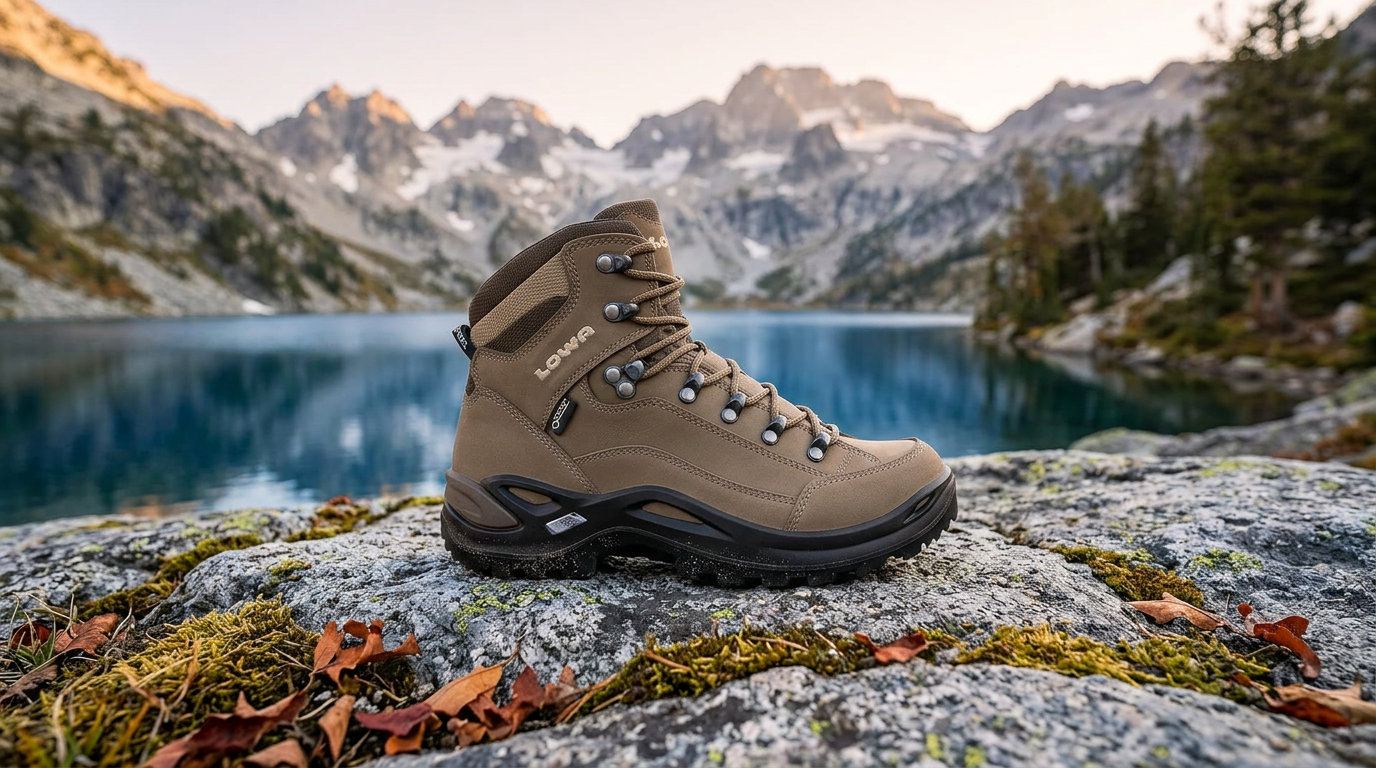
Lowa Women's Renegade GTX Mid Hiking Boot Review
REVIEW
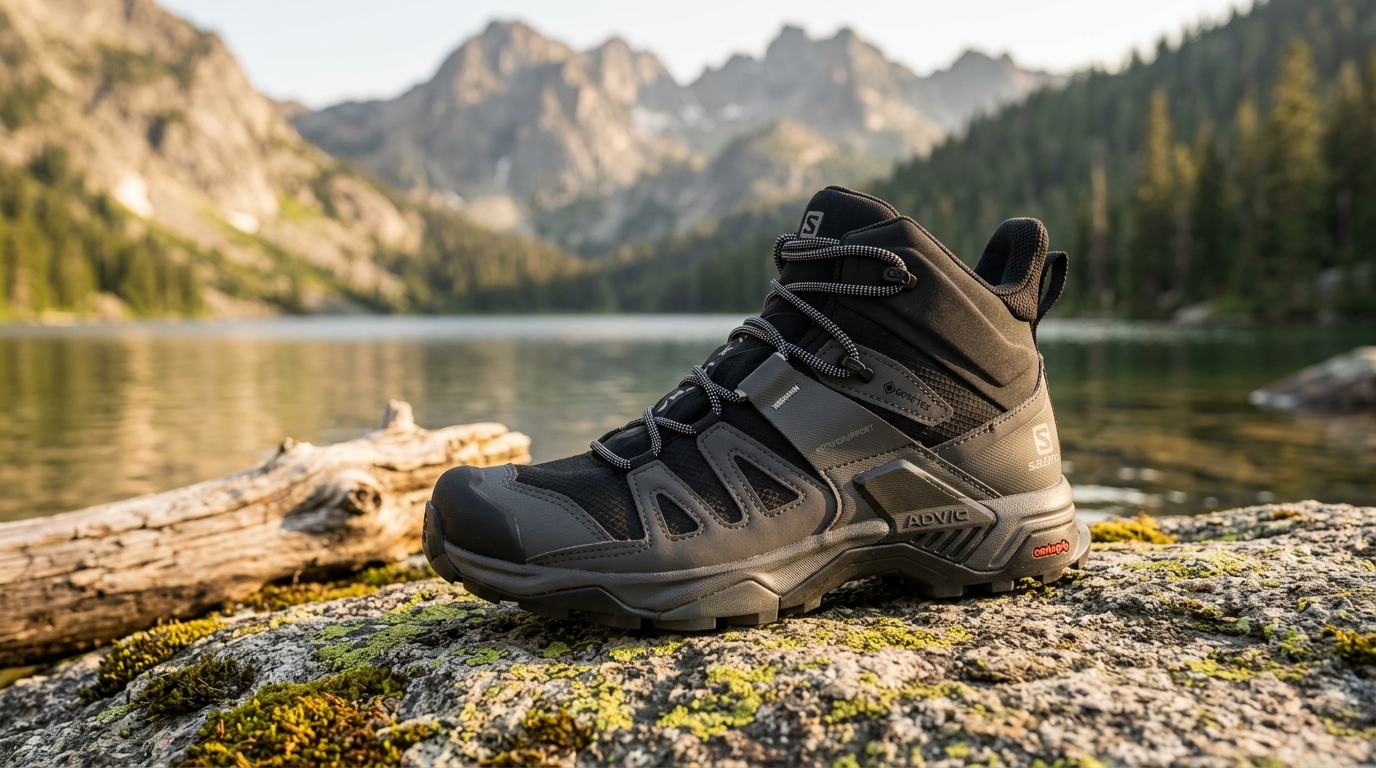
Salomon X Ultra 4 Mid GTX Review: Fast-Light Mid-Cut for Day Hikers
REVIEW
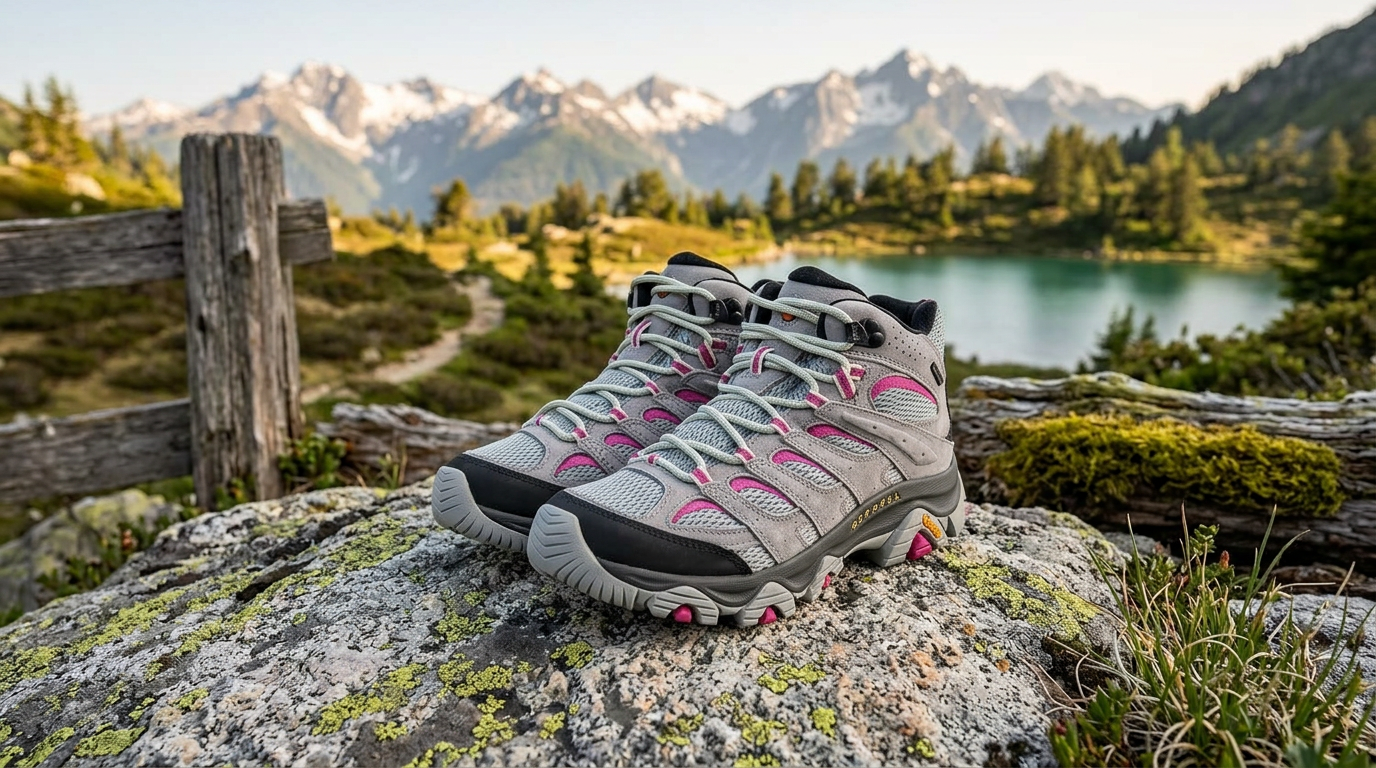
Merrell Women's Moab 3 Mid Waterproof Hiking Boots Review
REVIEW
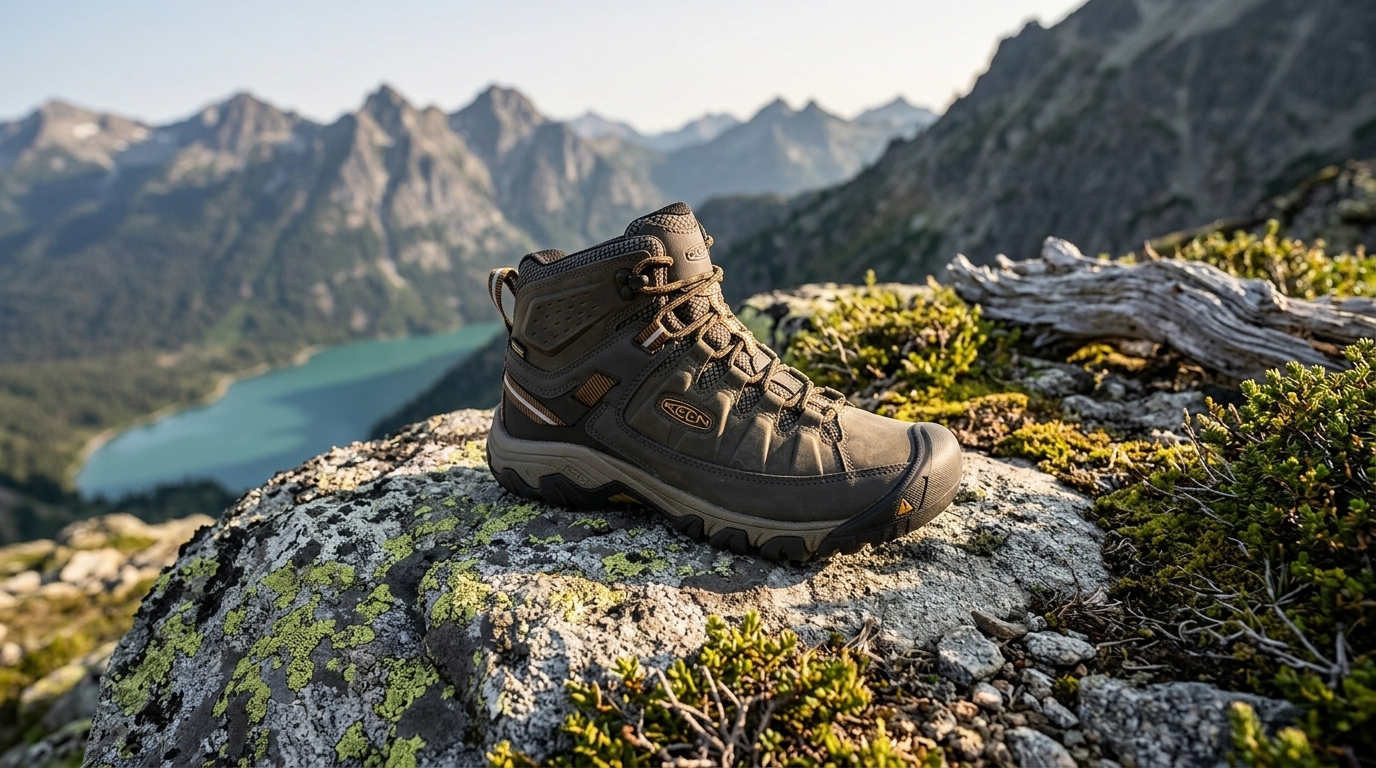
KEEN Men's Targhee III Waterproof Mid Hiking Boots Review
BEST OF
Best Rechargeable Headlamps for Backpacking
BEST OF