
Head-to-head
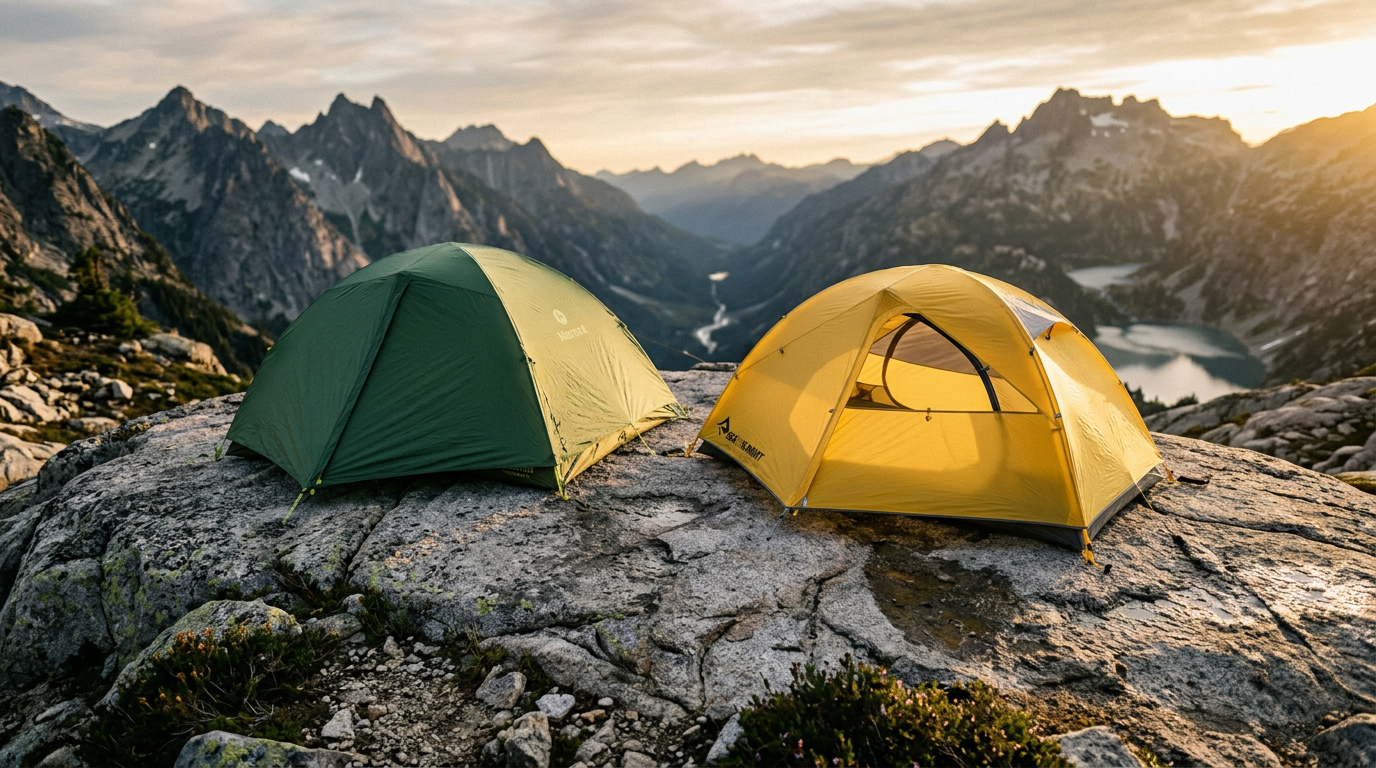
Tungsten 2-Person Tent vs Sea to Summit Alto TR2 Plus Tent
The Sea to Summit Alto TR2 Plus wins this comparison for three-season backpackers who prioritize livability, ventilation, and premium materials. Its dual-vestibule design, superior headroom, and Tension Ridge architecture justify the $489 price tag. However, the Tungsten 2-Person Tent is the smarter choice for budget-conscious campers, car campers, or anyone who needs a reliable shelter without the weight-obsessed features that drive up cost.
Disclosure: Four Seasons Gear is reader-supported. When you buy through links on our site, we may earn an affiliate commission at no extra cost to you. Prices and availability are accurate as of the time we last checked.
Choosing between the Tungsten 2-Person Tent and the Sea to Summit Alto TR2 Plus comes down to whether you're optimizing for value and versatility or investing in premium backcountry performance. Both are freestanding double-wall tents designed for two occupants, but they target different users with distinct priorities around weight, packed size, and interior volume.
Spec Comparison
Specs
Material Quality and Weather Protection
The Alto TR2 Plus uses a 15-denier ripstop nylon fly with dual-sided silicone and polyurethane coating, delivering a waterproof rating that handles sustained rain while keeping packed weight minimal. The 30-denier floor fabric resists abrasion on rocky terrain better than standard budget floors. The Tungsten counters with a heavier polyester fly that's more UV-resistant for extended car-camping trips and a robust nylon floor suitable for casual use. In practice, the Alto's premium fabrics shed condensation faster and pack smaller, but the Tungsten's burlier construction tolerates rougher handling and less-than-ideal pitch sites.
Interior Space and Livability
The Alto TR2 Plus employs Sea to Summit's Tension Ridge architecture—a single ridgeline pole that maximizes vertical walls and creates 42 inches of peak height, giving two adults genuine sitting headroom. Its dual vestibules (one per door) provide separate gear storage zones, critical when both occupants need to access packs without disturbing each other. The Tungsten offers a more traditional dome profile with adequate but not exceptional headroom, and its single-door configuration means one person always climbs over the other for midnight exits. For weekend warriors sharing a tent, the Alto's layout reduces friction; for solo users or couples who don't mind close quarters, the Tungsten's simpler design is perfectly functional.
Ventilation and Condensation Management
The Alto TR2 Plus features large mesh panels on both doors plus a full mesh canopy ceiling, creating cross-ventilation that dramatically reduces interior condensation during humid nights. The fly's adjustable vents can be propped open even in light rain. The Tungsten provides standard mesh door panels and a partial mesh canopy, adequate for dry climates but prone to morning condensation in the Pacific Northwest or Appalachian summer humidity. If you're backpacking in shoulder seasons or coastal environments where dew point management matters, the Alto's ventilation architecture is measurably superior.
Setup and Pole Design
Both tents use color-coded DAC aluminum poles and clip-style canopy attachment for intuitive setup. The Alto TR2 Plus adds the Tension Ridge pole, which threads through a sleeve along the fly's peak—this extra step adds 30 seconds to pitch time but delivers the structural advantage that creates those vertical walls. The Tungsten's simpler two-pole hub system pitches in under 5 minutes even for first-timers. Neither tent requires staking to stand (both are freestanding), but the Alto's fly geometry benefits more from corner stakes to achieve full tautness. For alpine conditions where rocky ground makes staking difficult, the Tungsten's less-dependent design offers a slight edge.
Value Proposition
At $489, the Alto TR2 Plus commands a premium justified by its Featherlite poles, silicone-coated fabrics, and dual-vestibule convenience—features that matter to ounce-counting backpackers logging 15+ nights per season. The Tungsten's budget-tier pricing (typically under $250) makes it the rational choice for families buying their first backpacking tent, festival campers, or anyone who camps 3-5 nights annually. The Alto delivers measurably better performance per gram; the Tungsten delivers better performance per dollar. Your annual trip count and weight sensitivity determine which metric matters more.
Decision Framework
Buy the Sea to Summit Alto TR2 Plus if:
- You backpack 10+ nights per year and weight matters
- You need dual doors for two-person convenience
- You camp in humid or condensation-prone environments
- You want maximum sitting headroom and vertical walls
- You're willing to invest in premium materials for long-term durability
Buy the Tungsten 2-Person Tent if:
- You're outfitting your first backpacking kit on a budget
- You primarily car camp or camp at established sites
- You camp fewer than 10 nights per season
- You prioritize durability over weight savings
- You don't need dual-door convenience
Frequently Asked Questions
+How much heavier is the Tungsten compared to the Alto TR2 Plus?
While exact trail weights aren't provided in the spec sheets, the Alto TR2 Plus uses 15D fly fabric and Featherlite poles specifically engineered to reduce weight, while the Tungsten employs heavier polyester and standard aluminum poles. Based on construction materials, expect the Tungsten to weigh 1-2 pounds more—a meaningful difference for multi-day backpacking but negligible for car camping or short overnight trips.
+Can I use either tent in winter conditions?
Neither tent is designed for winter mountaineering or heavy snow loads. Both are three-season shelters optimized for spring through fall use. The Alto TR2 Plus's superior ventilation actually makes it less suitable for winter (more heat loss), while the Tungsten's simpler design and burlier construction handle light snow better. For true four-season use, you'd need a dedicated winter tent with reinforced poles and minimal mesh.
+Do both tents have footprint compatibility?
Yes, both manufacturers offer model-specific footprints sold separately. A footprint extends floor life by protecting against abrasion and punctures, and it's especially worthwhile for the Alto TR2 Plus given its lighter 30D floor fabric. The Tungsten's heavier floor tolerates going footprint-free on softer ground, but a footprint still adds insurance for rocky campsites. Budget $40-60 for either footprint.

Read next
More comparisons + reviews
REVIEW
MSR Hubba Hubba LT 2-Person Lightweight Backpacking Tent Review
REVIEW
NEMO Equipment Hornet OSMO Ultralight Backpacking Tent Review
REVIEW
Big Agnes Tiger Wall UL Ultralight Bikepacking Tent with UV-Resistant Solution Dyed Fabric Review
REVIEW
MSR Freelite 2-Person Ultralight Backpacking Tent Review
REVIEW
Coleman Sundome Camping Tent Review: Affordable 3-Season Shelter for Casual Campers
REVIEW