
Head-to-head
BLACK DIAMOND Storm 500-R vs Coast RL10R: Which Rechargeable Headlamp Wins?
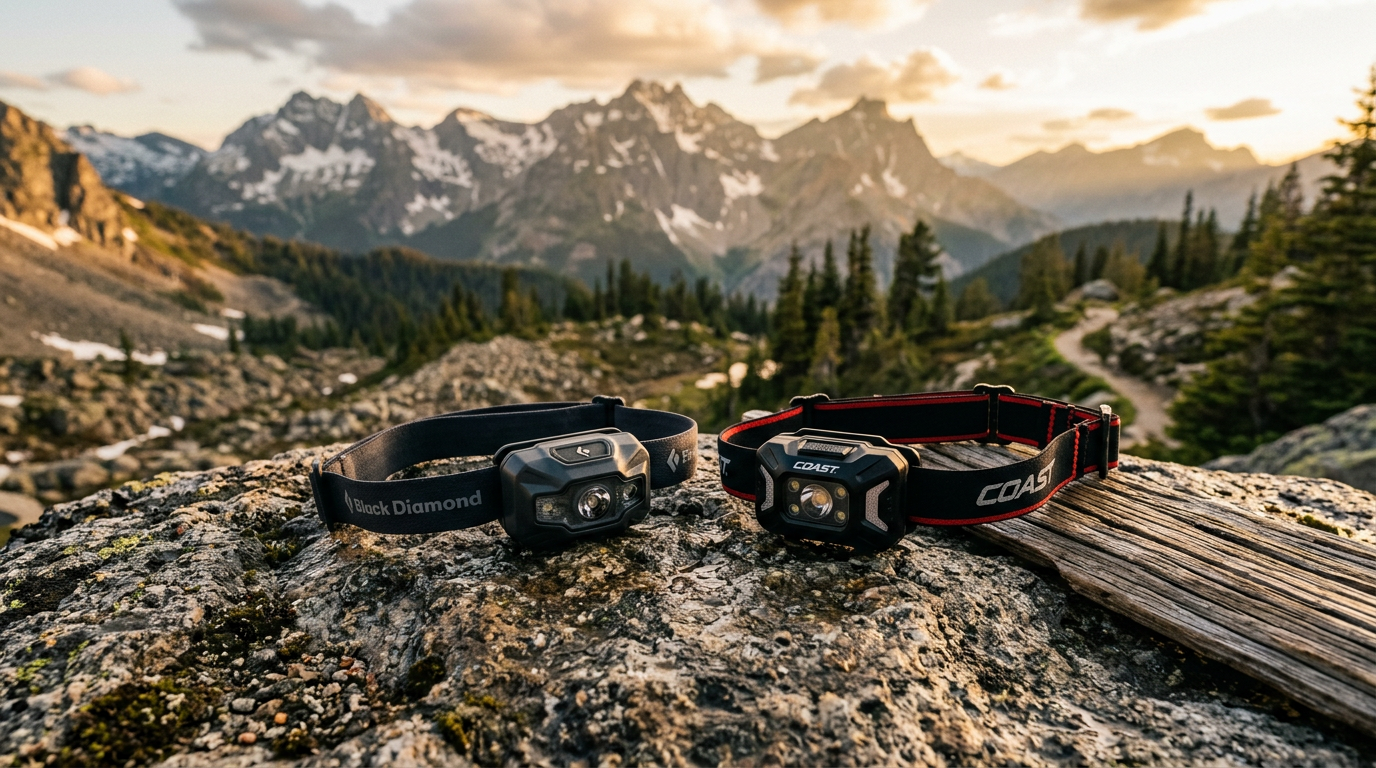
The Coast RL10R wins for most users seeking maximum brightness and value, delivering 750 lumens at half the price of the Black Diamond Storm 500-R. However, the Storm 500-R is the better choice for ultralight backpackers and technical climbers who prioritize proven durability, IPX7 waterproofing, and Black Diamond's reputation for bombproof construction in harsh alpine conditions.
Disclosure: Four Seasons Gear is reader-supported. When you buy through links on our site, we may earn an affiliate commission at no extra cost to you. Prices and availability are accurate as of the time we last checked.
Rechargeable headlamps have become the standard for serious outdoor users, eliminating the weight and waste of disposable batteries while delivering consistent performance. The BLACK DIAMOND Storm 500-R and Coast RL10R represent two different philosophies in this category: Black Diamond offers alpine-proven engineering at a premium price point, while Coast delivers impressive output and features at a budget-friendly cost. Both use lithium-ion rechargeable batteries and offer multiple beam modes, but they differ significantly in brightness, price, and target user.
Specifications at a Glance
Specs
Brightness and Beam Performance: Coast Dominates Output
The Coast RL10R delivers 750 lumens maximum output compared to the Storm 500-R's 500 lumens—a 50% advantage in raw brightness. More importantly, Coast's beam reaches 154 meters versus Black Diamond's 100-meter throw, giving the RL10R substantially better performance for trail running, navigating unfamiliar terrain, or spotting trail markers at distance. In practical terms, the Coast illuminates a wider, brighter cone that makes route-finding faster and reduces eye strain during long night hikes.
The Storm 500-R counters with more granular beam control through Black Diamond's PowerTap technology, which allows instant dimming by tapping the side of the housing. This feature proves invaluable when checking maps or working in camp without blinding tentmates. The Storm also offers a longer maximum runtime at 3 hours versus 2.5 hours for the Coast, though both lights will realistically be used at medium settings for most tasks where runtime extends considerably.
Waterproofing and Durability: Black Diamond's Alpine Pedigree
The Storm 500-R carries an IPX7 waterproof rating, meaning it survives full submersion to 1 meter for 30 minutes. The Coast RL10R's IPX4 rating only guarantees protection against splashing water from any direction. This four-grade difference matters significantly for mountaineers, kayakers, or anyone operating in heavy rain or snow. Black Diamond's housing uses thicker polycarbonate construction and more robust sealing, reflecting the brand's climbing heritage where gear failure isn't an option.
Coast builds the RL10R to a lower price point with thinner plastics and simpler assembly. While adequate for casual camping and trail hiking, the housing flexes noticeably under hand pressure and the battery door feels less secure than Black Diamond's threaded design. Users who drop headlamps frequently, stuff them carelessly in packs, or operate in freezing conditions will appreciate the Storm's overbuilt construction. The Coast is perfectly serviceable for weekend warriors but won't endure years of hard alpine use.
Charging and Battery Technology: Modern vs. Legacy
Coast equips the RL10R with USB-C charging, the current universal standard that charges faster and allows cable-sharing with phones, GPS units, and other modern devices. Black Diamond still uses Micro-USB on the Storm 500-R, requiring users to carry an extra cable type. This is an increasingly frustrating oversight in 2024, especially for multi-day trips where minimizing charging infrastructure matters. USB-C also provides more reliable connection with less wear on the port over hundreds of charge cycles.
Both lights use integrated lithium-ion batteries that cannot be field-replaced, meaning a dead battery mid-trip requires either a portable power bank or switching to backup lighting. The Storm 500-R's 200-hour low-mode runtime versus the Coast's 30-hour low mode gives Black Diamond a significant advantage for extended backcountry trips where you'll run the light on dim settings most of the time. For weekend trips with nightly charging access, this difference is negligible.
Value Proposition: Half the Price, More Light
At $29.99, the Coast RL10R costs 49% less than the $58.94 Storm 500-R while delivering 50% more brightness. This is a remarkable value equation that makes the Coast the obvious choice for casual users, car campers, and anyone maintaining multiple headlamps for family trips. You could buy two Coast headlamps for less than one Black Diamond and have a backup or lend one to a partner.
The Storm 500-R justifies its premium through superior waterproofing, longer low-mode runtime, and Black Diamond's warranty support and reputation for honoring claims. Serious alpinists and guides who depend on their headlamp in life-safety situations will pay the premium for proven reliability. Weekend backpackers and trail runners will find the Coast's performance-per-dollar ratio hard to beat, especially given that most headlamps get replaced every 3-4 years as battery capacity degrades regardless of build quality.
Fit and Comfort: Similar Designs, Minor Differences
Both headlamps use single-strap designs with rear battery housings that balance weight distribution. The Storm 500-R's strap uses slightly softer elastic with better moisture-wicking properties, making it more comfortable during sweaty summer trail runs. Coast's strap is adequate but uses cheaper webbing that can chafe during extended wear. Neither light includes a top strap for additional stability, which some users prefer for running or high-output activities.
The Storm 500-R's housing tilts through a wider angle range and locks more securely in position, preventing the gradual droop that plagues cheaper headlamps after months of use. The Coast's tilt mechanism works smoothly when new but may loosen over time. Both lights feature rear red LEDs for visibility, though Black Diamond's implementation is brighter and includes a strobe mode for emergency signaling.
Decision Framework: Which Headlamp for Your Needs?
Buy the BLACK DIAMOND Storm 500-R if you need proven durability for alpine climbing, winter mountaineering, or extended backcountry trips where gear failure has serious consequences. The IPX7 waterproofing, 200-hour low-mode runtime, and Black Diamond's reputation for bombproof construction justify the premium for users who push their equipment hard. Technical climbers, ski mountaineers, and professional guides will appreciate the Storm's reliability in harsh conditions.
Buy the Coast RL10R if you want maximum brightness and modern features at half the price. The 750-lumen output and 154-meter beam distance outperform the Storm for trail running, night hiking, and general camping use. Weekend backpackers, car campers, and casual users will find the Coast's performance-per-dollar ratio exceptional, and the USB-C charging integrates better with modern device ecosystems. The IPX4 rating handles rain and splashing adequately for most recreational use.
Frequently Asked Questions
+Can either headlamp run on disposable batteries in an emergency?
No, both the Storm 500-R and RL10R use integrated rechargeable lithium-ion batteries that cannot be removed or replaced with disposables. For extended trips without charging access, carry a portable power bank or consider a hybrid headlamp that accepts both rechargeable and AAA batteries. The Storm's 200-hour low-mode runtime provides substantial reserve capacity for multi-week expeditions when used conservatively.
+How do these headlamps perform in freezing temperatures?
Lithium-ion batteries in both headlamps lose capacity in cold weather, typically dropping to 60-70% of rated runtime at 0°F. The Storm 500-R's more robust construction and sealing provide better protection against moisture infiltration that can freeze and damage electronics. For winter camping or mountaineering, keep the headlamp in an inside jacket pocket when not in use and warm the battery against your body before extended use. Neither light is specifically rated for extreme cold performance.
+Which headlamp is better for running on technical trails?
The Coast RL10R's 750-lumen output and 154-meter beam distance provide superior illumination for fast movement on technical terrain, allowing earlier identification of rocks, roots, and trail features. However, the Storm 500-R's PowerTap dimming feature and slightly better strap comfort give it an edge for ultra-distance events where you'll adjust brightness frequently over many hours. Trail runners prioritizing maximum visibility should choose the Coast; those running 50+ mile events may prefer the Storm's ergonomic refinements and longer battery life at medium settings.

Read next
More comparisons + reviews
REVIEW
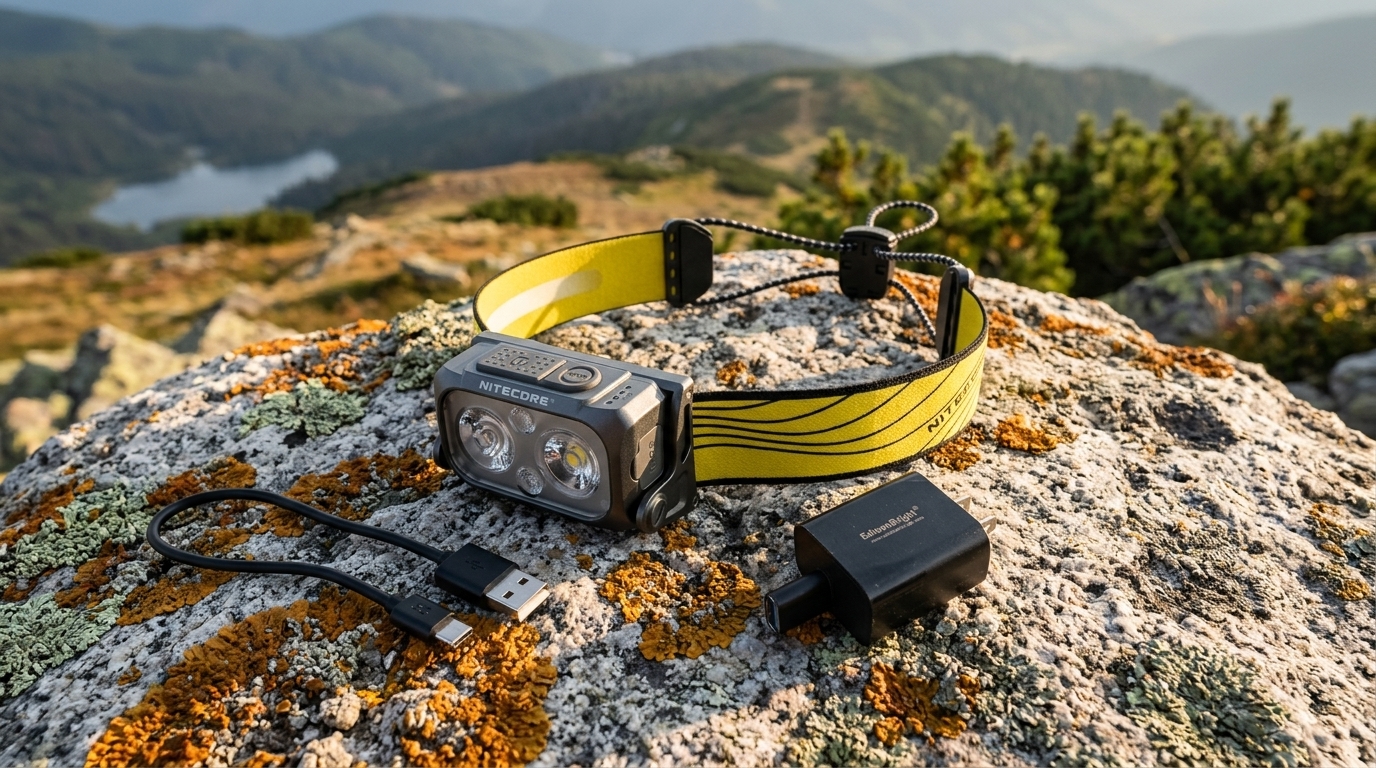
Nitecore NU25 400 USB-C Rechargeable Headlamp Review
REVIEW
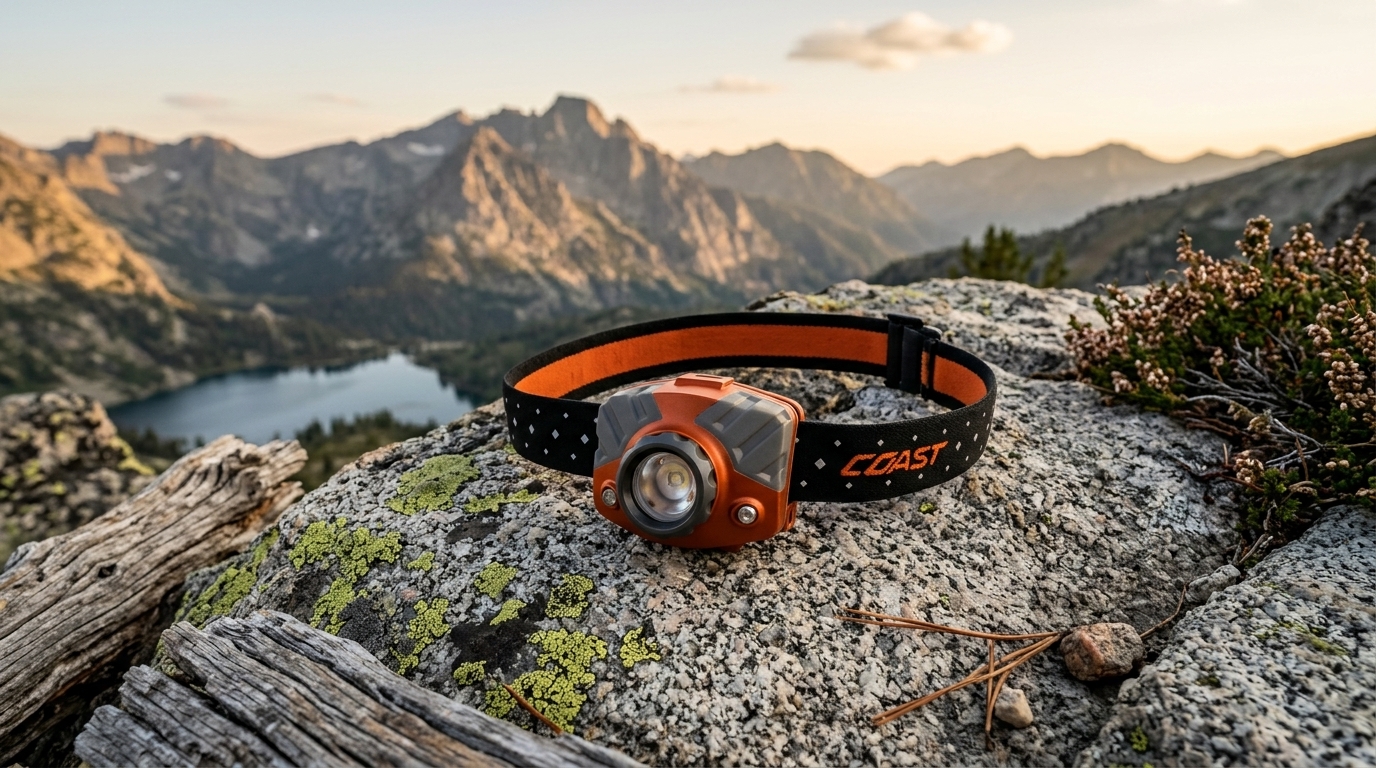
Coast FL75R Rechargeable Headlamp Review: 530 Lumens with Dual-Power Flexibility
REVIEW
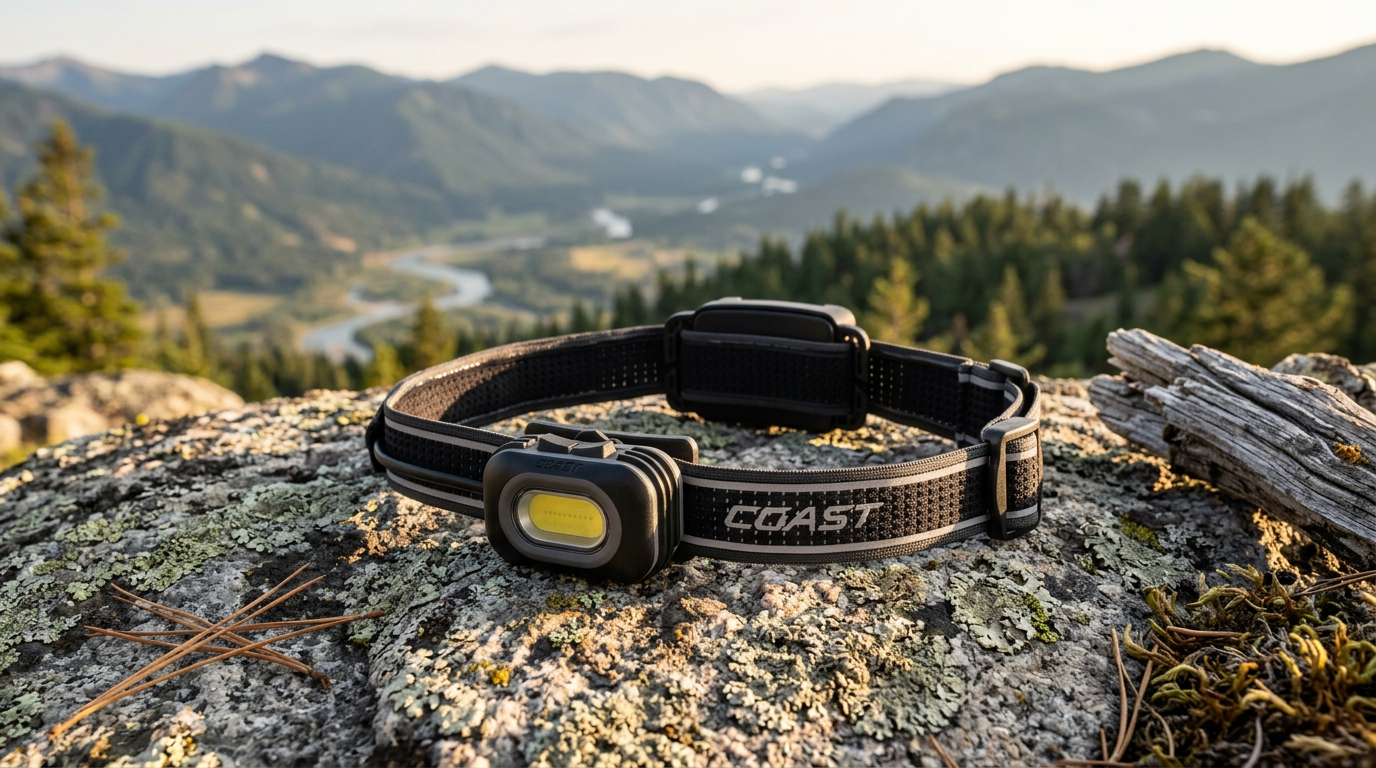
Coast RL10R 750 Lumen Rechargeable LED Headlamp with Variable Light Control and Rear Safety Signal
REVIEW
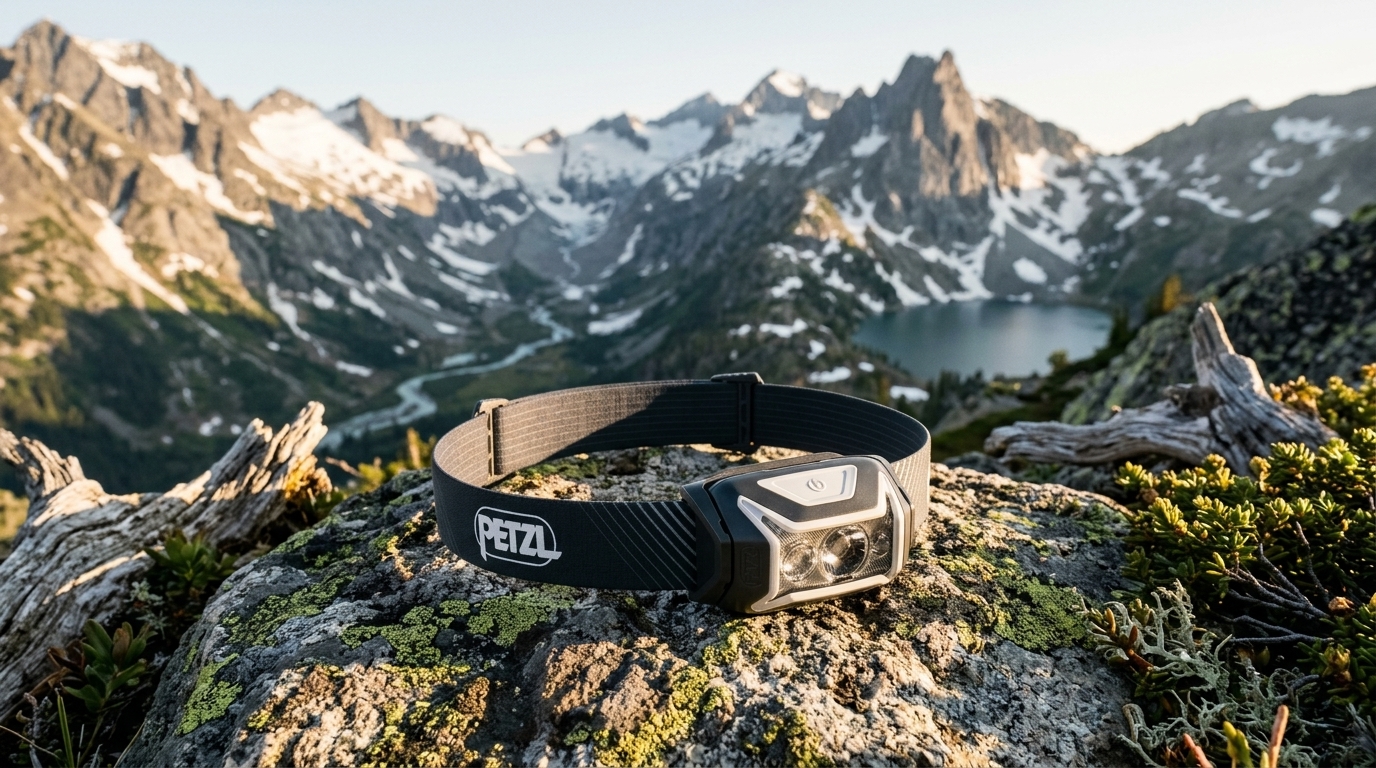
PETZL ACTIK CORE Rechargeable Headlamp Review: 600-Lumen Hybrid for Year-Round Use
REVIEW
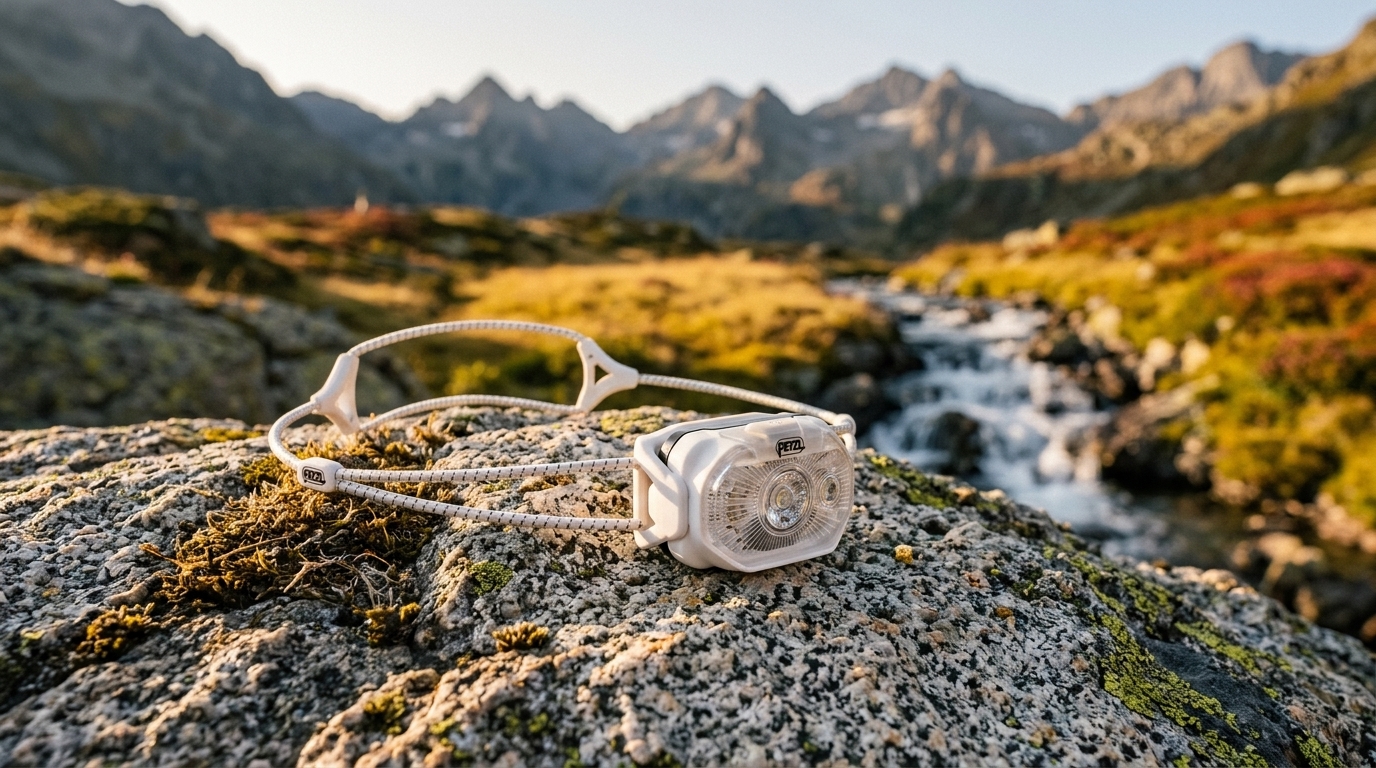
Petzl Swift LT Headlamp Review: 43-Gram Rechargeable with 380 Lumens
REVIEW