
Head-to-head
MSR PocketRocket 2 vs Coleman Classic Propane Stove: Which Camping Stove Is Right for You?
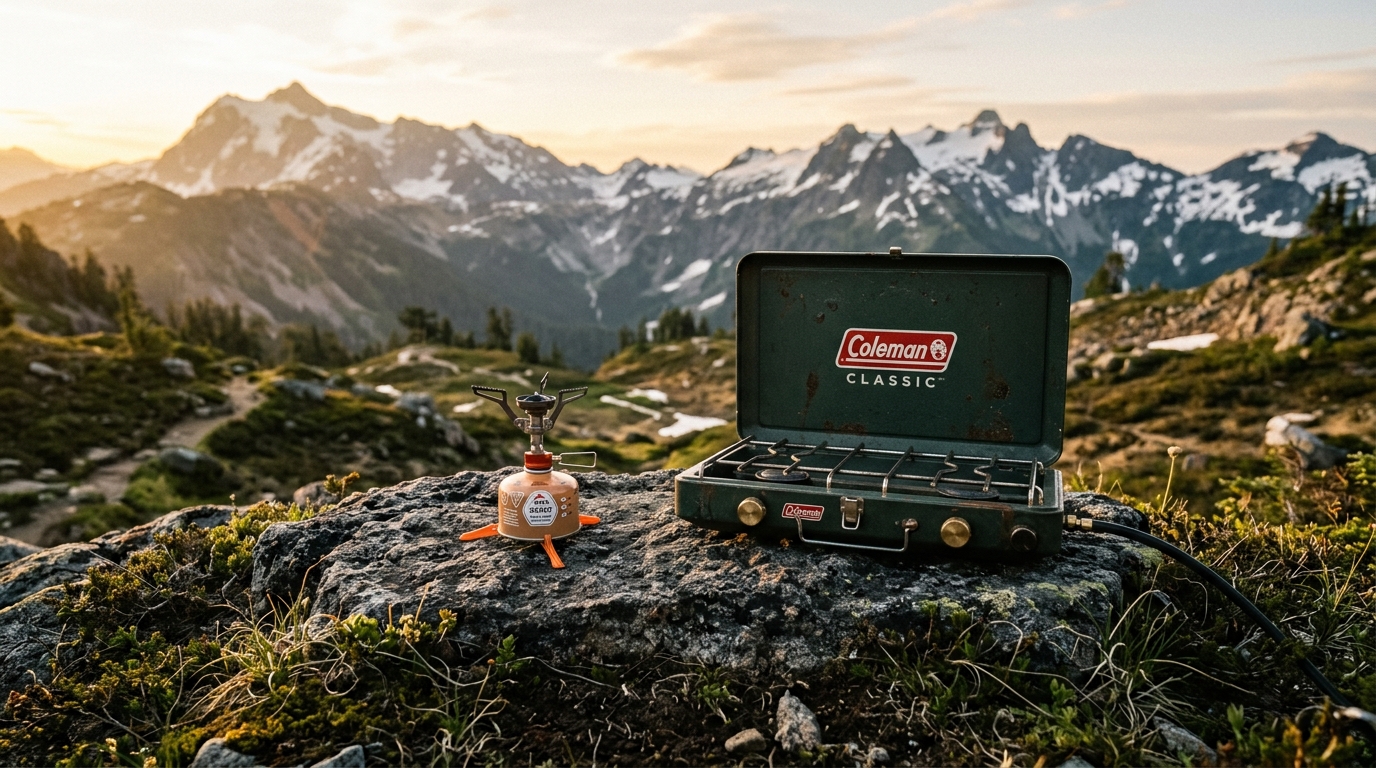
The MSR PocketRocket 2 wins for backpackers and minimalist campers who prioritize weight and packability — at 2.6 oz, it's a featherweight that disappears in your pack. The Coleman Classic Propane Stove is the better choice for car camping, group cooking, and anyone who needs two burners and a stable 22-inch cooking surface that can handle full-size pots and pans without tipping.
Disclosure: Four Seasons Gear is reader-supported. When you buy through links on our site, we may earn an affiliate commission at no extra cost to you. Prices and availability are accurate as of the time we last checked.
These two stoves represent fundamentally different camping philosophies. The MSR PocketRocket 2 is an ultralight backpacking canister stove built for solo hikers and gram-counters, while the Coleman Classic is a car-camping workhorse designed for family meals at the picnic table. Your choice hinges entirely on how you camp and what you're cooking.
Spec Comparison
Specs
Weight and Portability: 170× Difference
The MSR PocketRocket 2 weighs 2.6 oz — less than a standard energy bar. It folds to roughly the size of two stacked shot glasses and nests inside most cook pots. This makes it the default choice for backpackers counting every ounce, bikepacking trips, or ultralight enthusiasts. The Coleman Classic weighs 9.75 lbs and measures 22 inches across when open. It's 170 times heavier than the MSR and requires a vehicle to transport. The Coleman's bulk is the trade-off for cooking capacity: that 22-inch surface accommodates a 12-inch skillet and a coffee pot simultaneously, something impossible on the MSR's 4.5-inch pot support.
Cooking Power and Capacity
The MSR PocketRocket 2 delivers 8,200 BTU/hr and boils 1 liter of water in 3.5 minutes under ideal conditions. That's sufficient for dehydrated meals, instant coffee, and simple one-pot cooking for 1-2 people. The single burner limits you to sequential cooking — boil water, then cook dinner, then heat cleanup water. The Coleman Classic outputs 20,000 total BTU (10,000 per burner) across two independently adjustable burners. This lets you simmer beans on one side while frying bacon on the other, or run both burners at full blast to feed a group quickly. The 22-inch cooking surface supports full-size cookware including 10-inch cast iron skillets, which would tip the MSR's narrow pot supports.
The Coleman's dual-burner design shines for car camping groups. Cooking breakfast for four people takes 15 minutes on the Coleman versus 45 minutes of sequential cooking on the MSR. For solo backpackers eating freeze-dried meals, the MSR's single burner is perfectly adequate and the Coleman's extra capacity is wasted weight.
Fuel System and Cost
The MSR PocketRocket 2 threads onto isobutane-propane canisters (typically 4 oz, 8 oz, or 16 oz sizes). An 8 oz canister costs approximately $6-8 and provides roughly 60 minutes of burn time, translating to 15-20 boil cycles. Canisters are widely available at outdoor retailers but scarce in general stores. The fuel-canister connection is secure and the system is essentially leak-proof when properly attached. The Coleman Classic uses standard 16.4 oz propane cylinders that cost $4-5 each and run for approximately 2 hours at full output. Propane cylinders are available at gas stations, hardware stores, and grocery stores nationwide, making resupply easier on road trips.
Per-hour fuel cost slightly favors Coleman propane at $2-2.50/hour versus MSR canisters at $6-8/hour. However, backpackers rarely run stoves continuously for hours — the typical use case is 5-10 minutes per meal. A single 4 oz MSR canister ($4-5) handles a weekend trip, while the Coleman's 16.4 oz cylinder is overkill for solo use but perfect for week-long family camping.
Stability and Wind Performance
The MSR PocketRocket 2 sits atop a fuel canister, creating a top-heavy system with a narrow 4.5-inch pot support. Stability depends entirely on the canister size and ground conditions — an 8 oz canister on flat ground is reasonably stable with a 1-liter pot, but a 4 oz canister or uneven terrain increases tip risk. The stove has no built-in wind protection; even moderate breezes reduce efficiency by 30-50% and extend boil times significantly. Backpackers typically carry a separate aluminum windscreen (adding 1-2 oz) or cook in natural wind breaks.
The Coleman Classic has four folding legs and a low center of gravity, creating a stable platform that won't tip under normal use. The 22-inch cooking surface distributes weight across a wide footprint. Built-in windscreens on three sides protect the burners from crosswinds, maintaining consistent heat output in breezy conditions. The Coleman's stability advantage matters most when cooking with large pots or in exposed campsites where wind is constant.
Simmer Control and Temperature Range
The MSR PocketRocket 2 features a precision flame control valve that allows fine adjustment from full blast to a low simmer. The valve turns smoothly through approximately 270 degrees of rotation, giving excellent control for tasks like melting butter or simmering sauces without scorching. The narrow flame pattern concentrates heat in the center of the pot, which is efficient for boiling but can create hot spots when cooking solid foods.
The Coleman Classic has two independent burner controls with similar adjustment range. The wider burner diameter distributes heat more evenly across pan bottoms, reducing hot spots when frying eggs or sautéing vegetables. Both stoves offer adequate simmer control for camp cooking, but the Coleman's broader heat distribution is noticeably better for skillet cooking versus the MSR's boil-focused design.
Durability and Maintenance
The MSR PocketRocket 2 is constructed from stainless steel and aluminum with no moving parts beyond the fuel valve. The burner head is a single piece of stamped steel that resists damage from drops or pack compression. The pot supports fold for packing but are robust enough to handle years of field use. Maintenance consists of occasionally cleaning the burner ports with a needle if they clog from debris or incomplete combustion. MSR backs the stove with a 3-year warranty.
The Coleman Classic uses a steel frame with chrome-plated cooking grates and porcelain-coated burners. The hinges and folding legs are the primary wear points — after 50+ camping trips, hinge pins can loosen and require tightening. The porcelain coating on burners can chip if struck hard, exposing the underlying metal to rust in humid storage. The removable grates simplify cleaning but must be dried thoroughly to prevent corrosion. With proper care (dry storage, occasional hinge lubrication), the Coleman lasts 10+ years of regular use.
Real-World Use Scenarios
The MSR PocketRocket 2 excels on multi-day backpacking trips where every ounce matters. A typical use case: you hike 12 miles to a backcountry campsite, pull the 2.6 oz stove from your cook kit, thread it onto an 8 oz fuel canister, and boil water for a freeze-dried dinner in under 4 minutes. The entire cooking system (stove, canister, pot, utensils) weighs under 2 lbs and packs inside a 1-liter pot. The MSR's efficiency shines when you're cooking simple meals for 1-2 people and carrying everything on your back.
The Coleman Classic dominates car camping and tailgating scenarios. You pull into a campsite, unfold the stove on the picnic table, connect a propane cylinder, and cook pancakes and bacon simultaneously for your family of four. The stable platform handles a cast iron griddle without wobbling, and the dual burners let you keep coffee hot while finishing breakfast. After dinner, the grates lift out for easy cleaning. The Coleman's bulk and weight are non-issues when your vehicle is 20 feet away.
Value and Total Cost of Ownership
The MSR PocketRocket 2 typically retails for $45-50, while the Coleman Classic sells for $55-70. Initial purchase price is comparable, but total cost of ownership diverges based on usage patterns. Backpackers using the MSR for weekend trips might spend $30-40 annually on fuel canisters (assuming 6-8 trips with one 8 oz canister per trip). Car campers running the Coleman for week-long trips consume more total fuel but benefit from cheaper per-unit propane costs — a family using the stove 4 weeks per year might spend $40-50 on propane cylinders.
The MSR's value proposition is weight savings: you're paying $50 for a stove that enables longer, faster backpacking trips by reducing pack weight. The Coleman's value is cooking capacity: $60 buys a two-burner system that feeds groups efficiently. Neither stove requires expensive accessories, though MSR users often add a $10-15 windscreen and Coleman users may want a $20 hard-sided carrying case for transport.
Decision Framework
Buy the MSR PocketRocket 2 if you're backpacking, bikepacking, or traveling where weight and pack space are constrained. It's the right choice for solo hikers and couples who eat simple one-pot meals and prioritize portability over cooking versatility. The MSR makes sense when you're carrying your stove more than a quarter-mile from your vehicle or when your total pack weight budget is under 25 lbs.
Buy the Coleman Classic Propane Stove if you're car camping, cooking for groups of 3+, or preparing multi-dish meals that require simultaneous cooking. It's ideal for family camping trips, tailgating, RV cooking, or base camp scenarios where you have vehicle access and cooking capacity outweighs portability. The Coleman is the better choice when you need to cook with full-size cookware or when meal prep time matters more than stove weight.
Frequently Asked Questions
+Can I use the MSR PocketRocket 2 with a windscreen to match the Coleman's wind performance?
A lightweight aluminum windscreen improves the MSR's wind performance significantly, reducing boil time variance in breezy conditions from 50% to approximately 15-20%. However, even with a windscreen, the MSR's exposed canister design and narrow burner remain more susceptible to wind than the Coleman's built-in three-sided windscreens and recessed burners. In sustained 15+ mph winds, the Coleman maintains more consistent heat output. The windscreen addition (1-2 oz) keeps the MSR's total weight under 5 oz, still 60× lighter than the Coleman.
+How does cold weather affect each stove's performance?
The MSR PocketRocket 2 uses isobutane-propane blend fuel that maintains pressure down to approximately 20°F, but performance degrades noticeably below freezing — boil times can double in sub-32°F conditions. Keeping the canister warm (inside your jacket or sleeping bag between uses) helps maintain pressure. The Coleman Classic uses pure propane, which vaporizes effectively down to -44°F, giving it superior cold-weather performance. In winter camping below 20°F, the Coleman maintains consistent output while the MSR requires canister warming techniques or switching to a liquid-feed stove system.
+Which stove is easier to find fuel for during long road trips or international travel?
The Coleman Classic uses standard propane cylinders available at virtually every gas station, hardware store, and grocery store across North America. Resupply is trivial on road trips through rural areas. The MSR PocketRocket 2 requires isobutane-propane canisters sold primarily at outdoor specialty retailers, sporting goods stores, and some camping supply sections of larger retailers. In remote areas or small towns, canister fuel can be difficult to source. For international travel, both fuel types face restrictions — neither stove fuel can be carried on aircraft, requiring purchase at your destination. Propane availability is more universal globally, but canister fuel is standard in developed countries with outdoor recreation infrastructure.

Read next
More comparisons + reviews
REVIEW
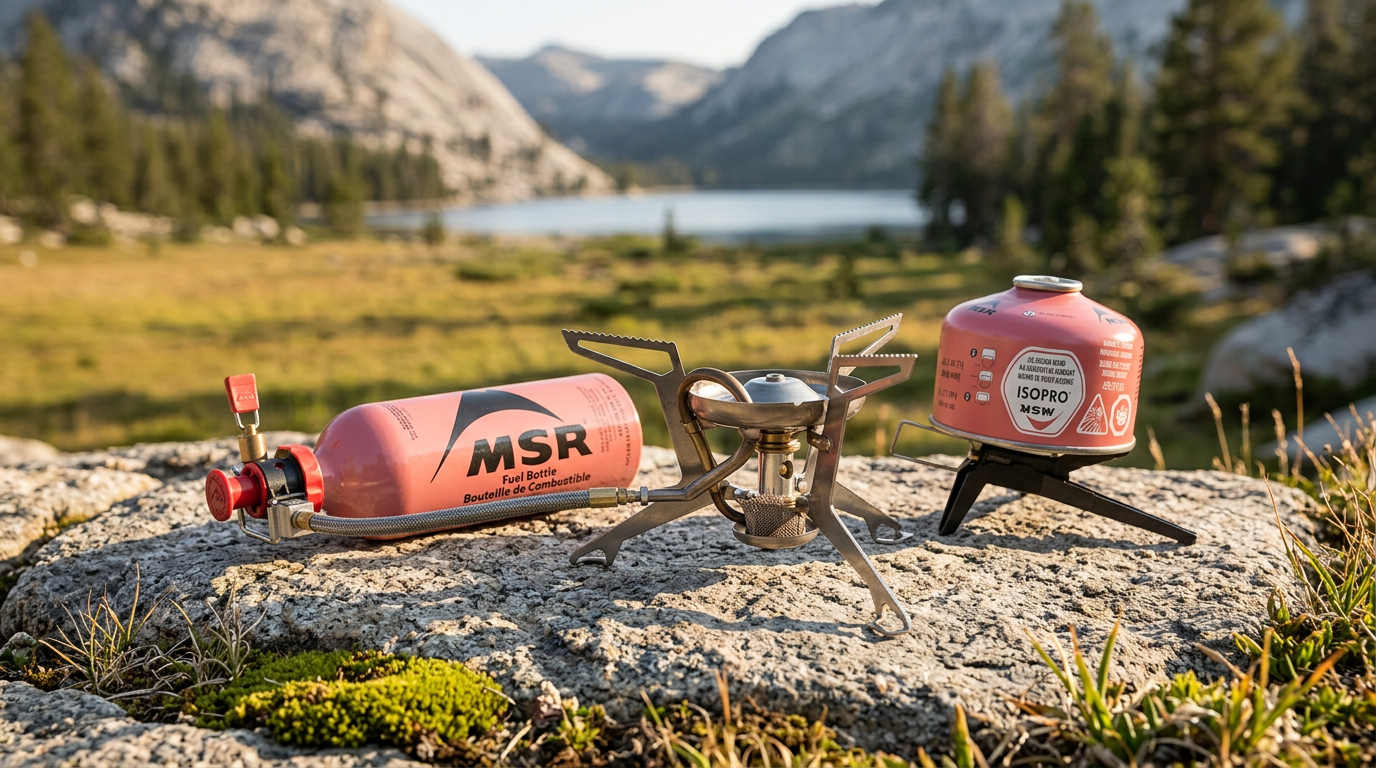
MSR WhisperLite Universal Compact Hybrid Fuel Camping and Backpacking Stove Review
REVIEW
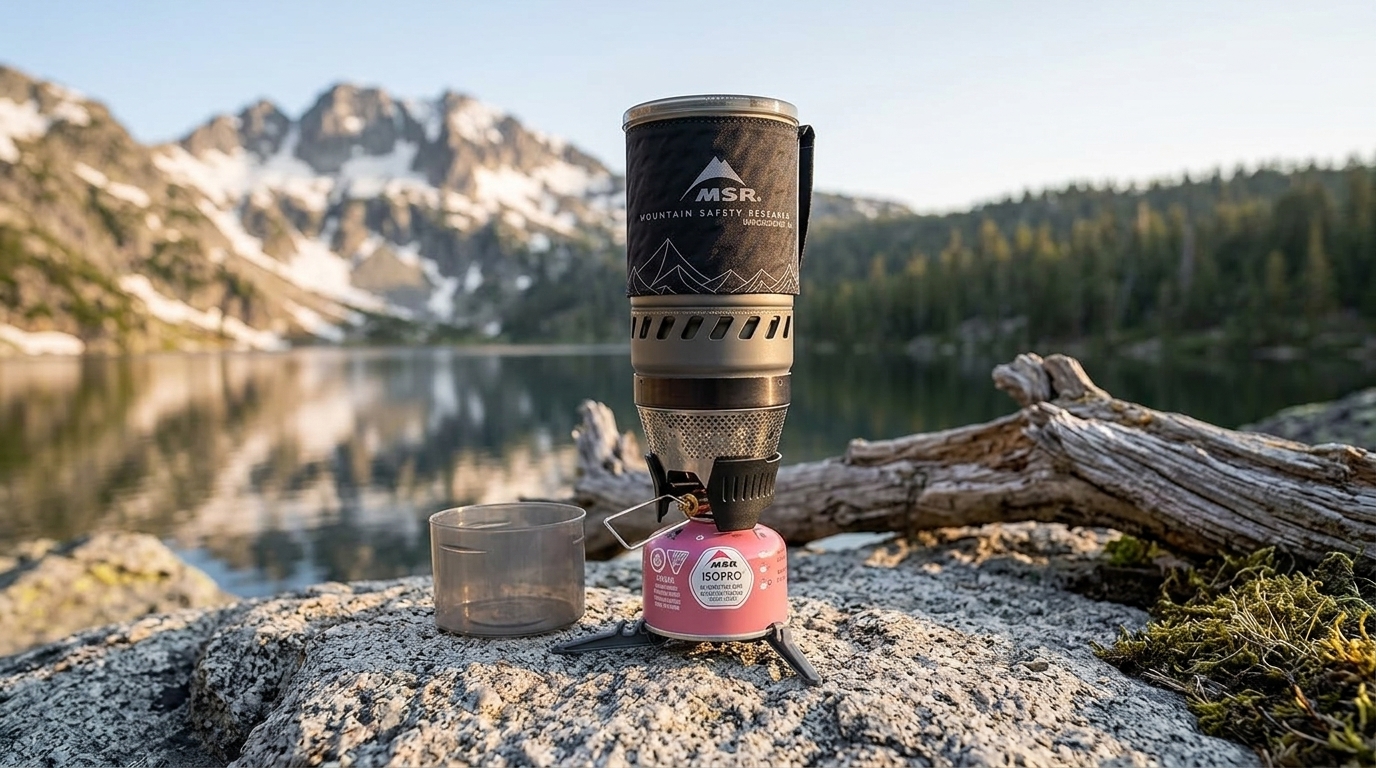
MSR WindBurner Personal Windproof Camping and Backpacking Stove System Review
REVIEW
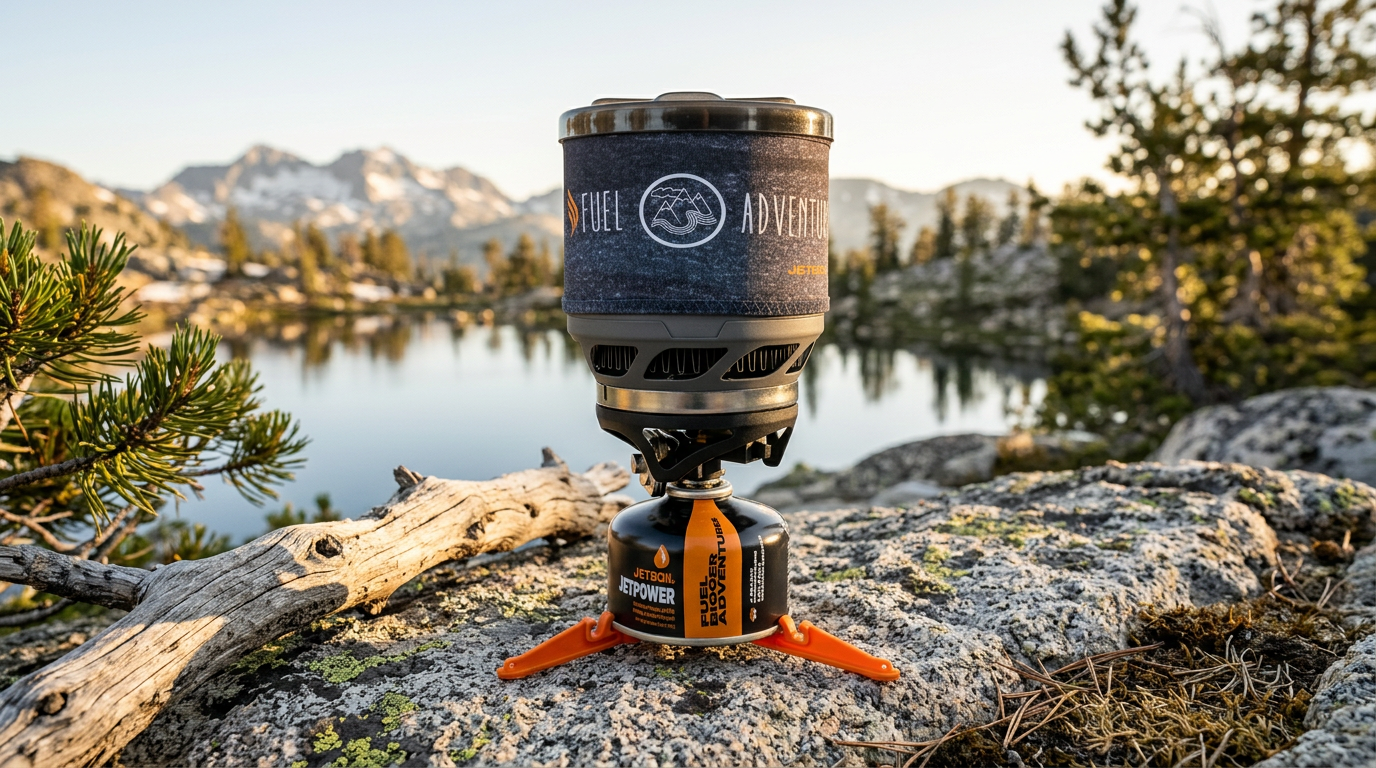
Jetboil MiniMo Camping and Backpacking Stove Cooking System with Adjustable Heat Control Review
REVIEW
Jetboil Flash Camping and Backpacking Stove System Review
REVIEW
SOTO WindMaster Canister Stove with 4Flex Review
REVIEW