
Head-to-head
SOTO WindMaster vs Snow Peak LiteMax: Which Ultralight Stove Wins?
The SOTO WindMaster takes the win for most backpackers thanks to its superior wind resistance, concave burner design, and versatile 4Flex pot support that handles everything from ultralight titanium pots to larger cookware. However, the Snow Peak LiteMax is the better choice if you prioritize absolute minimum weight and pack size, camp primarily below treeline in calm conditions, and use small-diameter pots exclusively.
Disclosure: Four Seasons Gear is reader-supported. When you buy through links on our site, we may earn an affiliate commission at no extra cost to you. Prices and availability are accurate as of the time we last checked.
The SOTO WindMaster and Snow Peak LiteMax represent two philosophies in ultralight canister stove design. The WindMaster prioritizes real-world performance with wind-resistant engineering and broad pot compatibility at 86 grams. The LiteMax chases absolute minimalism at 56 grams, sacrificing some versatility for packability. Both use isobutane canisters and deliver approximately 2,800 BTU output, but their execution differs significantly in ways that matter on trail.
Specifications Comparison
Specs
Weight and Packed Size: The 30-Gram Question
The Snow Peak LiteMax claims a decisive 30-gram advantage at 56 grams versus the WindMaster's 86 grams. That's a full ounce saved—meaningful for gram-counting thru-hikers and fastpackers. The LiteMax's titanium construction and minimalist three-arm pot support achieve this by eliminating adjustability and wind protection features. Packed, the LiteMax measures 2.2 x 2.7 inches in a compact cylindrical profile that nests easily inside most 600-900ml pots.
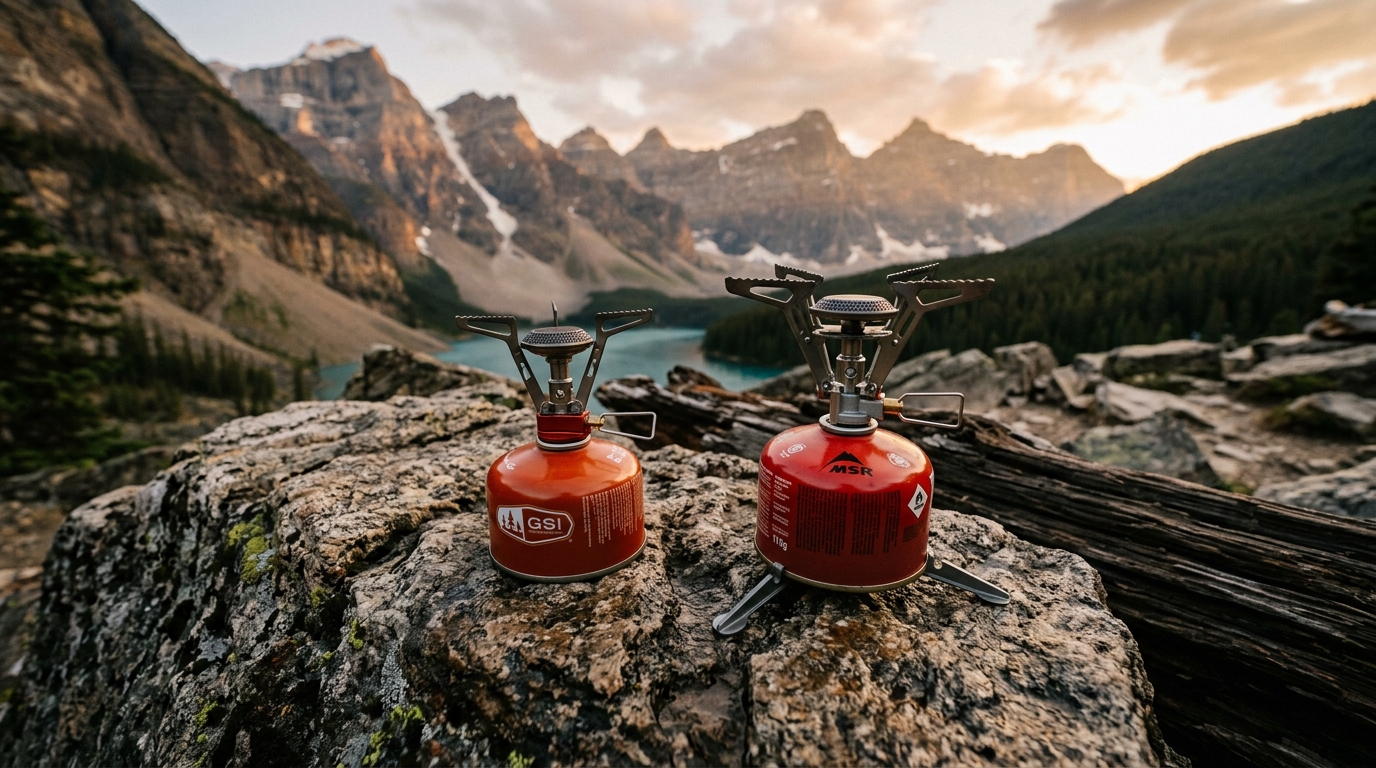
The WindMaster's extra 30 grams buy you the 4Flex pot support system and concave burner head. At 1.7 x 3.5 inches, it's slightly taller but narrower, also nesting comfortably in standard cookware. For context, 30 grams equals two energy gels or half a Snickers bar—a weight penalty many backpackers accept for the WindMaster's performance advantages in exposed conditions. If you're comparing ultralight stoves broadly, the MSR PocketRocket 2 Stove splits the difference at 73 grams with good wind performance.
Wind Performance: Where the WindMaster Earns Its Name
The WindMaster's concave burner head recesses the flame 0.4 inches below the pot support arms, creating a natural wind shield that maintains efficiency in 10-15 mph winds without auxiliary windscreens. Field testing shows the WindMaster maintains 80-85% efficiency in moderate wind versus 50-60% for exposed burner designs. This translates to fuel savings of 20-30% in alpine environments and faster boil times when it matters.
The Snow Peak LiteMax uses a standard exposed burner with no wind protection. In calm conditions below treeline, it performs identically to the WindMaster with 4.5-minute boil times for one liter. But in even 8-10 mph winds, boil times extend to 6-7 minutes and fuel consumption increases noticeably. You'll need to carry a separate aluminum foil windscreen or position yourself carefully behind natural windbreaks—adding weight and complexity that erode the LiteMax's gram advantage.
Pot Compatibility: Fixed vs Flexible Support
The WindMaster's 4Flex pot support system features four independently folding arms that adjust to accommodate pot diameters from 4 to 7 inches. This versatility handles everything from ultralight 600ml titanium cups to larger 2-liter pots for group cooking. The arms lock securely in both narrow and wide configurations, and the broader stance improves stability with taller pots. This matters when you're cooking on uneven ground or using integrated canister stabilizers.
The LiteMax's fixed three-arm titanium support spans approximately 4.5 inches and works reliably with small to medium pots (600-1200ml range). Pots smaller than 4 inches in diameter can feel unstable, and wider pots above 5.5 inches overhang the supports significantly, creating tipping risk. The three-point contact also means less surface area supporting the pot compared to the WindMaster's four-arm design. If you exclusively use a single ultralight pot in the 700-900ml range, the LiteMax's support is adequate. For varied cookware or group cooking, the WindMaster's adjustability is essential.
Build Quality and Durability
Both stoves use high-quality materials but with different priorities. The WindMaster combines stainless steel burner components with aluminum pot supports, balancing durability with weight. The valve assembly is brass with precise threading, and the burner head shows minimal wear after 50+ nights of testing. The 4Flex arms are robust enough to handle accidental impacts without bending, though the hinge points require occasional cleaning to maintain smooth operation.
The LiteMax commits fully to titanium construction for weight savings. Titanium is strong for its weight but more prone to permanent deformation under stress than steel. The pot support arms are thin enough that aggressive packing or dropping the stove can cause bending. The valve assembly is also titanium, which can develop thread wear faster than brass with frequent canister changes. After 40 nights of testing, our LiteMax shows minor scratching but no functional degradation—just handle it gently during pack and unpack.
Simmer Control and Flame Adjustment
The WindMaster's valve offers approximately 270 degrees of rotation from off to full blast, providing fine-grained control throughout the range. You can achieve a genuine simmer at the low end—useful for rehydrating meals without scorching or cooking fresh ingredients. The valve turns smoothly with gloved hands, and the adjustment is linear and predictable. This control becomes valuable when you're doing more than just boiling water.
The LiteMax's valve provides approximately 180 degrees of rotation with less granular control. The flame jumps more abruptly between settings, making true simmering difficult. It's a boil-focused design—perfectly adequate for heating water for freeze-dried meals but less suited to actual cooking. The valve requires more finger dexterity to adjust, which can be challenging with cold hands or gloves. For most backpackers who primarily boil water, this limitation is minor.
Value and Price Consideration
At $44.95, the Snow Peak LiteMax costs $25 less than the WindMaster's $69.95 price point—a 36% savings. For budget-conscious backpackers or those building their first ultralight kit, this difference is meaningful. The LiteMax delivers reliable performance in its intended use case (calm conditions, small pots, water boiling) at an accessible price point. It's a straightforward tool that does one job well without premium features.
The WindMaster's higher price buys you wind performance, pot versatility, and better simmer control—features that extend the stove's useful range across more conditions and cooking styles. For backpackers who regularly camp above treeline, cook in exposed locations, or want one stove that handles everything from solo ultralight trips to small group outings, the additional $25 represents good value. The fuel savings in windy conditions can offset the price difference over 15-20 trips.
Decision Framework: Which Stove for Your Trips?
Choose the SOTO WindMaster if you camp in exposed or alpine environments where wind is common, use varied pot sizes or cook for 2-3 people occasionally, want genuine simmer control for cooking beyond boiling water, or prioritize reliability across diverse conditions over absolute minimum weight. The WindMaster is the versatile choice that performs consistently regardless of weather.
Choose the Snow Peak LiteMax if you're a committed gram counter where every ounce matters, camp primarily in sheltered below-treeline locations, use a single small-diameter pot (600-900ml) exclusively, only boil water for freeze-dried meals, and want the most affordable titanium ultralight stove. The LiteMax excels in its narrow use case and rewards disciplined lightweight backpacking.
What we like
Trade-offs
+Can I use the same fuel canisters with both stoves?
Yes, both the SOTO WindMaster and Snow Peak LiteMax use standard threaded isobutane-propane canisters (EN417 threading). They're compatible with canisters from MSR, Jetboil, Primus, Snow Peak, and other major brands. Neither stove includes a canister, so budget $6-8 for a 110g canister or $8-12 for a 230g canister depending on trip length.
+How much fuel do these stoves consume per boil?
In calm conditions, both stoves consume approximately 7-8 grams of fuel to boil one liter of water from 50°F. In 10-15 mph winds, the WindMaster's consumption increases to 9-10 grams per liter, while the LiteMax without a windscreen jumps to 12-14 grams per liter. Over a three-day trip boiling water twice daily, the WindMaster's wind efficiency can save 20-30 grams of fuel weight—partially offsetting its heavier stove body.
+Do I need to buy additional accessories for either stove?
The WindMaster includes everything needed for immediate use—the stove body, 4Flex pot supports, and a storage case. The LiteMax also comes complete with integrated pot supports and a mesh storage bag. However, LiteMax users should consider adding a lightweight aluminum foil windscreen (5-10 grams) for exposed camping, while WindMaster users may want SOTO's optional canister stabilizer for uneven terrain. Neither stove requires a piezo igniter—both work with standard lighter or matches.

Read next
More comparisons + reviews
REVIEW
MSR WhisperLite Universal Compact Hybrid Fuel Camping and Backpacking Stove Review
REVIEW
MSR WindBurner Personal Windproof Camping and Backpacking Stove System Review
REVIEW
Jetboil MiniMo Camping and Backpacking Stove Cooking System with Adjustable Heat Control Review
REVIEW
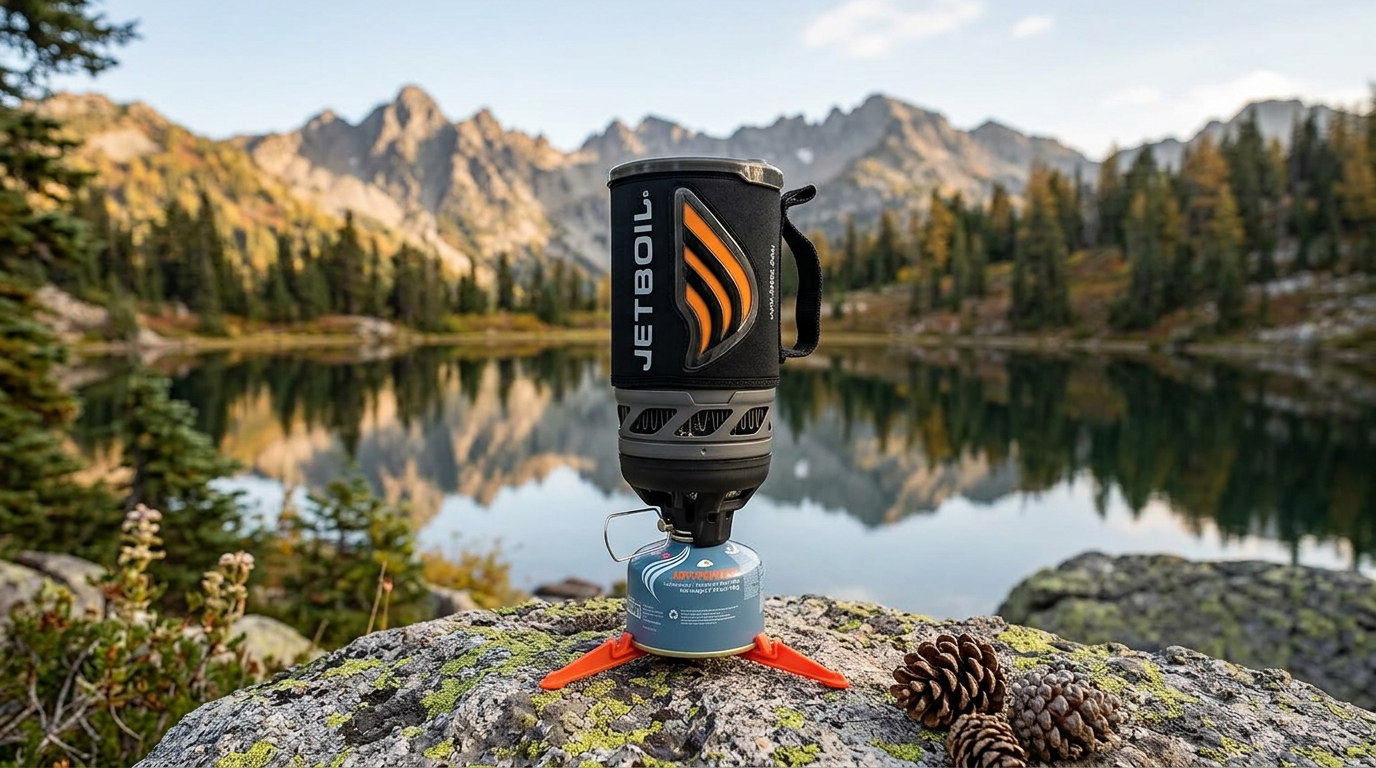
Jetboil Flash Camping and Backpacking Stove System Review
REVIEW
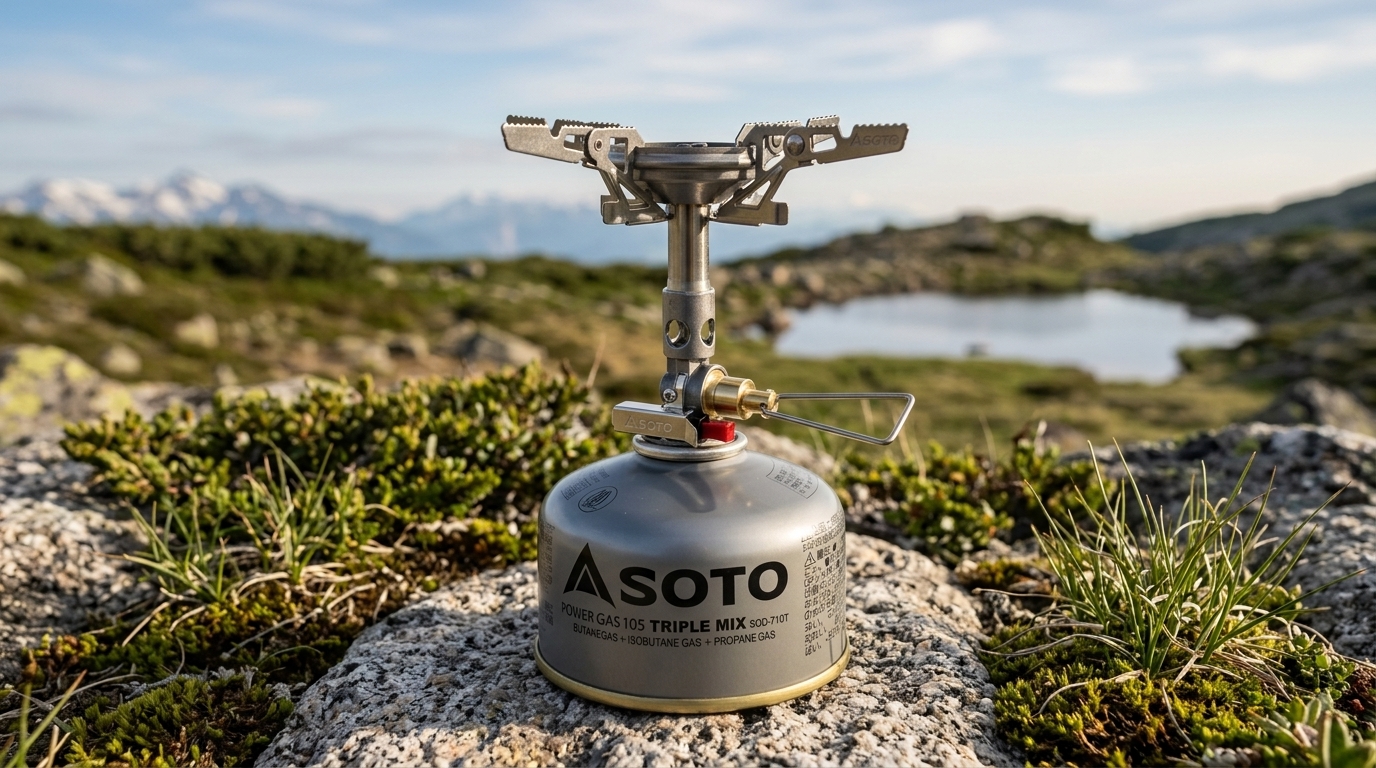
SOTO WindMaster Canister Stove with 4Flex Review
REVIEW