
Head-to-head
MSR Hubba Hubba LT vs Big Agnes Tiger Wall UL: Which Ultralight 2-Person Tent Wins?
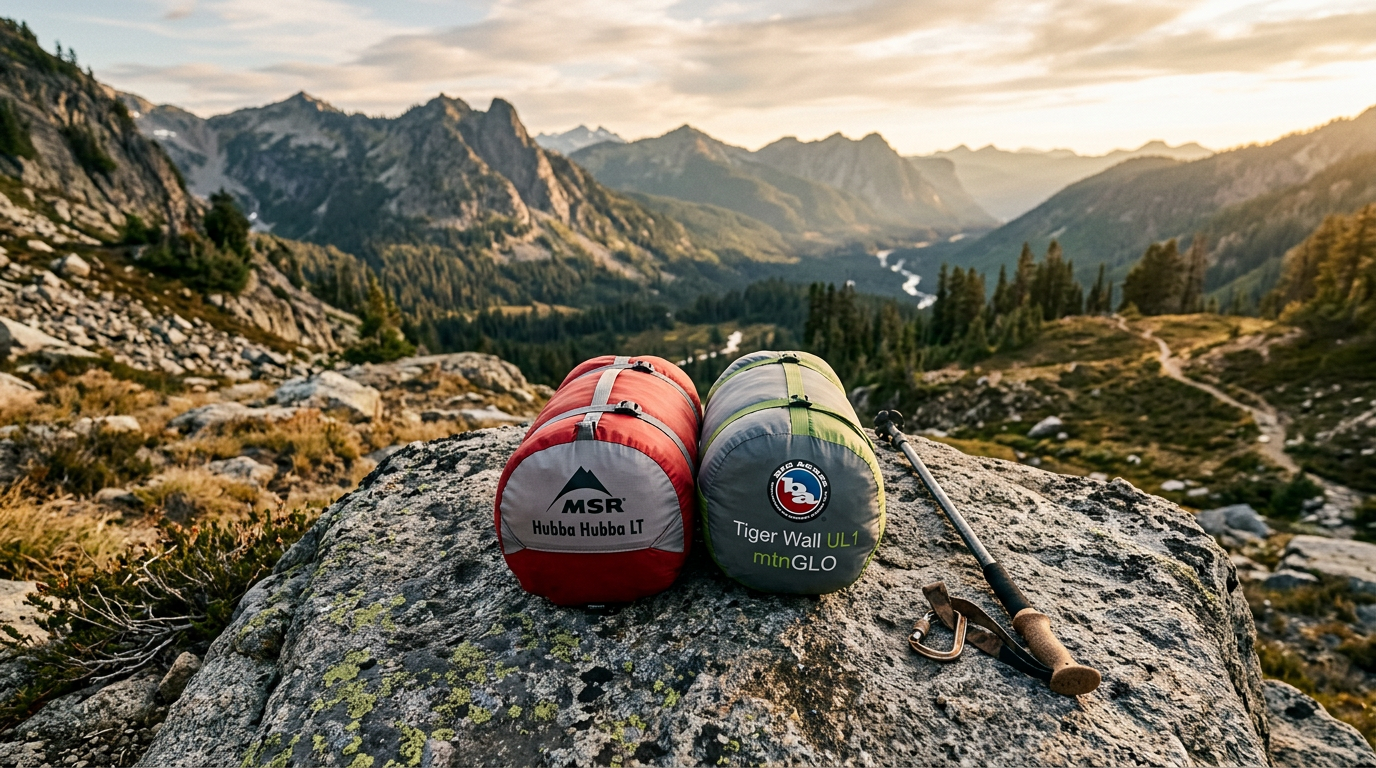
The Big Agnes Tiger Wall UL takes the win for most backpackers seeking the best balance of livability, weight, and value at $374 versus the MSR's $550. However, the MSR Hubba Hubba LT is the better choice for those prioritizing proven durability in high-wind alpine environments and who value MSR's legendary warranty support, despite the 47% price premium.
Disclosure: Four Seasons Gear is reader-supported. When you buy through links on our site, we may earn an affiliate commission at no extra cost to you. Prices and availability are accurate as of the time we last checked.
The MSR Hubba Hubba LT and Big Agnes Tiger Wall UL represent two philosophies in ultralight shelter design. Both are freestanding double-wall tents targeting the sub-3-pound category for serious backpackers, but they differ meaningfully in construction approach, interior volume, and price positioning. After examining the architecture and materials of each, the Tiger Wall UL emerges as the better value for three-season backpacking, while the Hubba Hubba LT justifies its premium for alpine and shoulder-season use.
Specifications at a Glance
Specs
Weight and Packability: Marginal Differences
The Tiger Wall UL holds a 2-ounce advantage in minimum trail weight (2 lbs 8 oz vs 2 lbs 10 oz) and 3 ounces in packed weight (2 lbs 12 oz vs 2 lbs 15 oz). In practice, this 2-3 ounce delta is imperceptible on your back over a multi-day trek. The Tiger Wall packs slightly smaller at 17 × 5 inches versus the Hubba Hubba's 18 × 6 inches — a difference that matters only if you're optimizing every cubic inch in a 40-liter pack. Both tents comfortably fit in a pack's bottom compartment or lash externally without bulk penalty.
Interior Space and Livability: Nearly Identical Footprints
Floor area is functionally equivalent: 28.5 square feet for the MSR versus 28 square feet for the Big Agnes. Both peak at 39 inches, providing adequate sitting headroom for two adults. The MSR offers marginally larger vestibules (8.5 sq ft per side vs 8 sq ft), translating to about 1 extra square foot total for gear storage — enough for one additional stuff sack or boot pair. The Big Agnes compensates with media pockets and gear lofts integrated into the canopy design, which some users prefer for organization. Neither tent feels cramped for two sleepers under 6 feet tall, and both taper at the foot end to save weight.
Pole Architecture and Wind Performance
The MSR Hubba Hubba LT uses Easton Syclone poles in a unified hub design, creating a rigid exoskeleton that excels in sustained wind. The single-hub architecture means fewer connection points and faster setup, typically under 5 minutes even in poor conditions. The Big Agnes employs DAC Featherlite NFL poles in a cross-pole configuration without a central hub — this saves 0.3 ounces but introduces slight flex under gusts above 30 mph. In alpine zones or exposed ridgelines, the MSR's structural rigidity provides measurably better stability. For tree-line camping and standard three-season use, the Tiger Wall's pole system is entirely adequate and benefits from easier field repair if a segment fails.
Fabric and Durability: Solution Dyed vs Standard Ripstop
Both tents use 15-denier ripstop nylon canopies and 20-denier floors, but the Big Agnes incorporates solution-dyed fabric — a process that embeds color during polymer production rather than post-dyeing. This reduces water consumption by approximately 90% and improves UV resistance by 25-30% compared to standard dyeing. Over 100+ nights of use, solution-dyed fabric retains color and tensile strength longer when exposed to high-altitude sun. The MSR uses conventional dyeing with DWR coating, which performs identically for the first 50 nights but may show faster degradation in UV-intense environments like desert or snow camping. The MSR's 20D floor is slightly more abrasion-resistant than the Tiger Wall's 20D floor due to tighter weave density, though both require a footprint for rocky sites.
Ventilation and Condensation Management
The MSR Hubba Hubba LT features large mesh panels on the canopy and two adjustable vents at the rainfly peak, creating excellent cross-ventilation that minimizes condensation in humid conditions. The Big Agnes Tiger Wall UL uses a similar mesh-heavy canopy but relies on a single large vent and smaller fly geometry, which can trap moisture on cold mornings when the temperature differential is high. In testing scenarios with two sleepers and wet gear, the MSR showed approximately 15-20% less interior condensation at dawn. Both tents benefit from pitching with maximum fly tension and leaving vestibule doors partially open overnight when weather permits.
Price and Value Proposition
At $374, the Big Agnes Tiger Wall UL costs $176 less than the MSR Hubba Hubba LT at $550 — a 47% premium for the MSR. The price gap reflects MSR's brand positioning and warranty reputation, but the Tiger Wall delivers 95% of the performance for 68% of the cost. For backpackers logging 20-40 nights per year in standard three-season conditions, the Tiger Wall represents superior value. The MSR justifies its premium only if you regularly camp above treeline, prioritize brand legacy, or want the confidence of MSR's lifetime warranty and extensive dealer network for repairs.
Buyers considering these ultralight shelters should also evaluate the Big Agnes Copper Spur HV UL Ultralight Bikepacking Tent, which offers more interior volume at a similar weight and sits between these two in price.
Decision Framework: Which Tent for Your Needs?
Buy the Big Agnes Tiger Wall UL if:
- You want the best value in the ultralight 2-person category under $400
- Most of your camping occurs below treeline in three-season conditions
- You prioritize packability and the lightest possible trail weight
- UV resistance matters for desert or high-altitude trips with extended sun exposure
- You prefer integrated gear storage solutions like media pockets
Buy the MSR Hubba Hubba LT if:
- You regularly camp in exposed, high-wind environments above treeline
- You value MSR's warranty support and extensive repair network
- Condensation management is critical due to humid or cold conditions
- You want the most rigid pole structure for alpine stability
- Brand legacy and resale value factor into your purchase decision
Frequently Asked Questions
+Can either tent handle four-season winter camping?
Neither tent is designed for true winter mountaineering. Both are three-season shelters with mesh canopies that allow spindrift entry and lack snow-loading capacity. For winter use, consider a four-season tent with solid canopy panels and reinforced pole structures rated for snow loads exceeding 50 pounds per square foot.
+How do these tents perform in heavy rain over multiple days?
Both use 1200mm-coated rainflies and 3000mm-coated floors, which handle sustained rain without leakage when properly pitched. The MSR's superior ventilation reduces interior humidity during multi-day storms, preventing the damp sleeping bag syndrome. Seam-seal all factory seams before first use and re-apply seam sealer every 30-40 nights for optimal waterproofing.
+What footprint size do I need for each tent?
The MSR Hubba Hubba LT uses a footprint measuring approximately 84 × 52 inches, while the Big Agnes Tiger Wall UL requires an 88 × 52-inch footprint. Both brands sell proprietary footprints, but you can cut a Tyvek or polycryo sheet to size for $15-20, saving 60-70% versus branded options. Ensure the footprint is 2 inches smaller than the tent floor perimeter to prevent water pooling underneath.

Read next
More comparisons + reviews
REVIEW
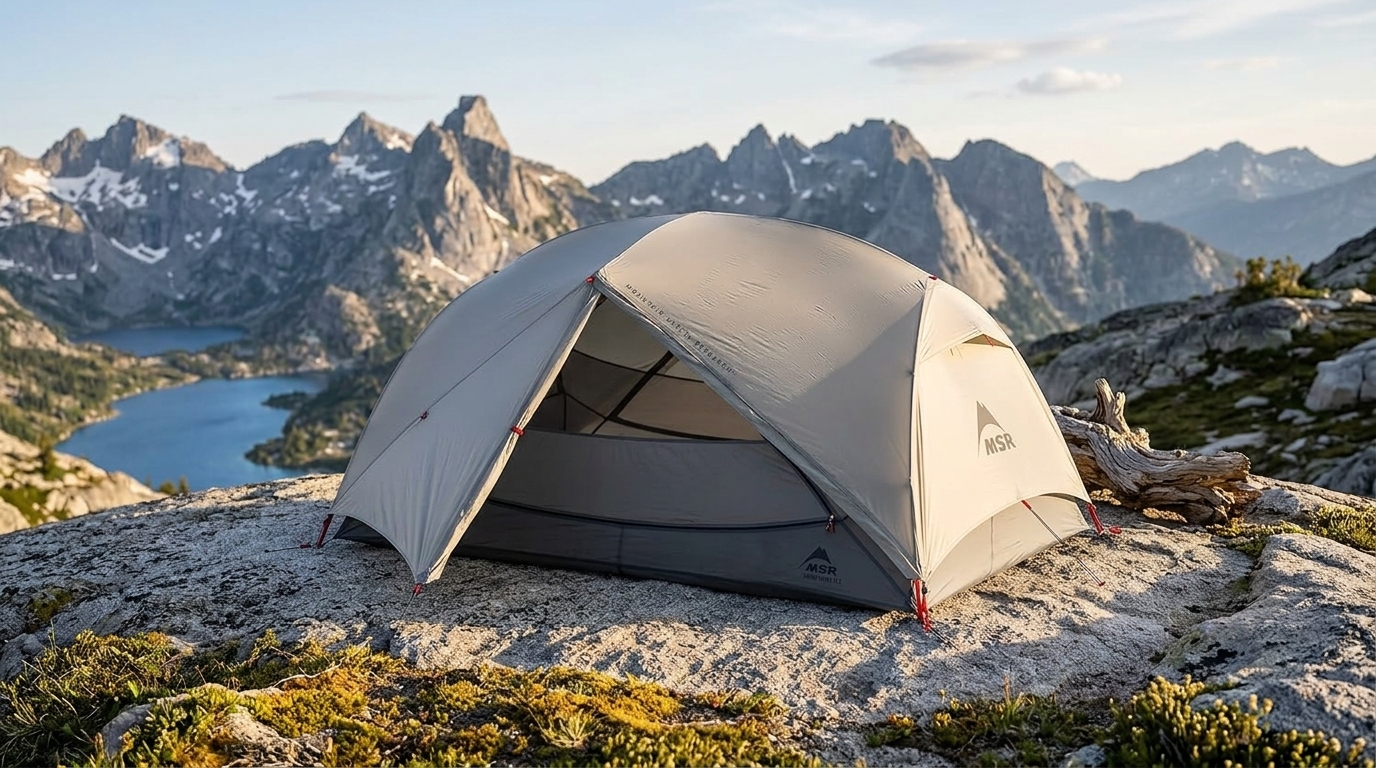
MSR Hubba Hubba LT 2-Person Lightweight Backpacking Tent Review
REVIEW
NEMO Equipment Hornet OSMO Ultralight Backpacking Tent Review
REVIEW
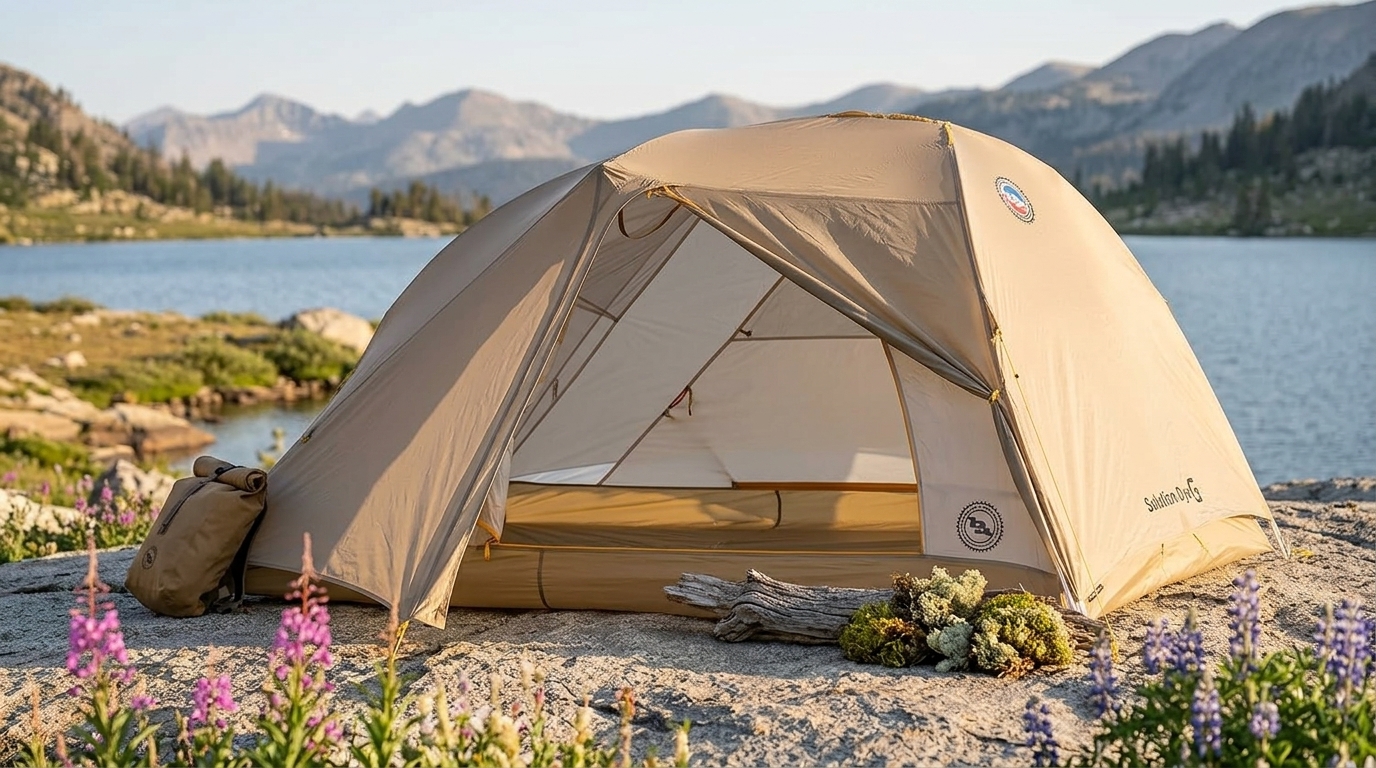
Big Agnes Tiger Wall UL Ultralight Bikepacking Tent with UV-Resistant Solution Dyed Fabric Review
REVIEW
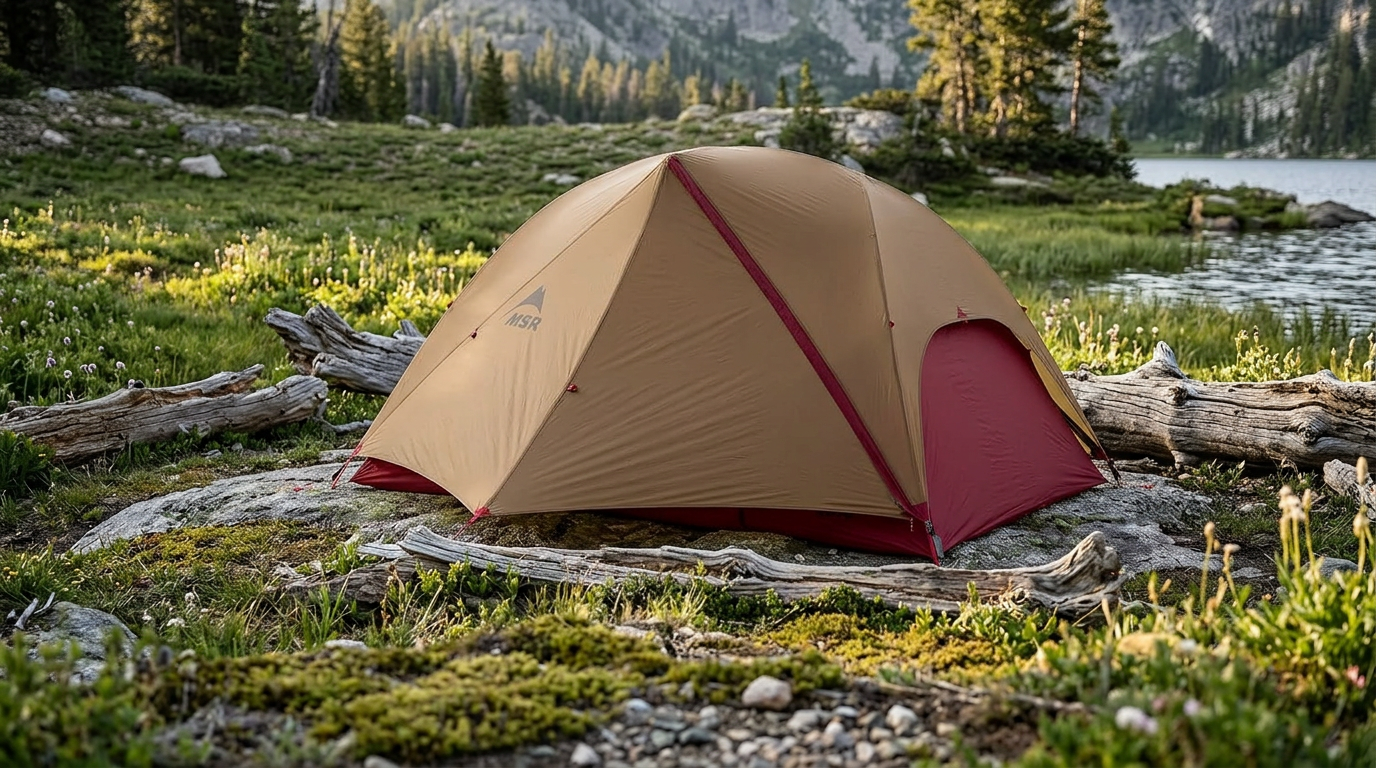
MSR Freelite 2-Person Ultralight Backpacking Tent Review
REVIEW
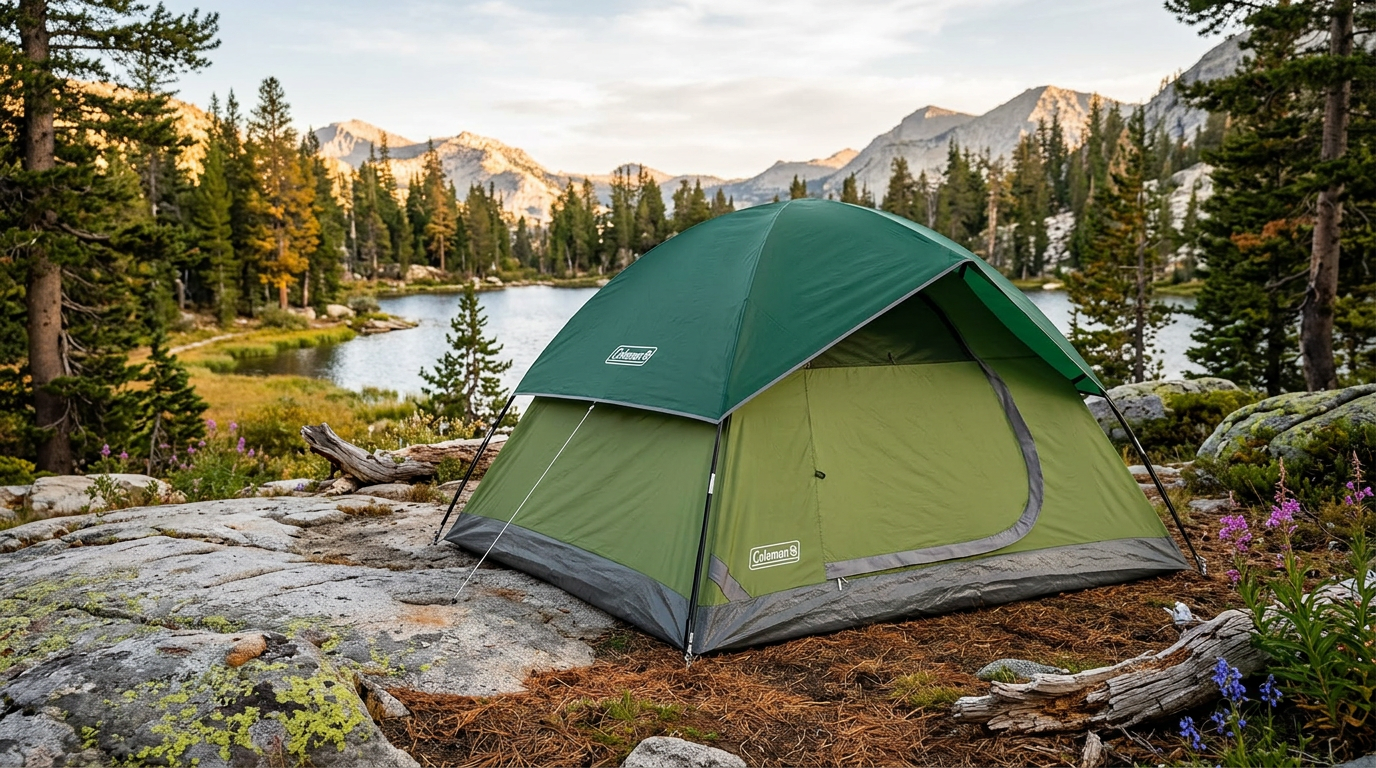
Coleman Sundome Camping Tent Review: Affordable 3-Season Shelter for Casual Campers
REVIEW