
Head-to-head
Big Agnes Tiger Wall UL vs MSR Freelite 2: Ultralight Tent Showdown
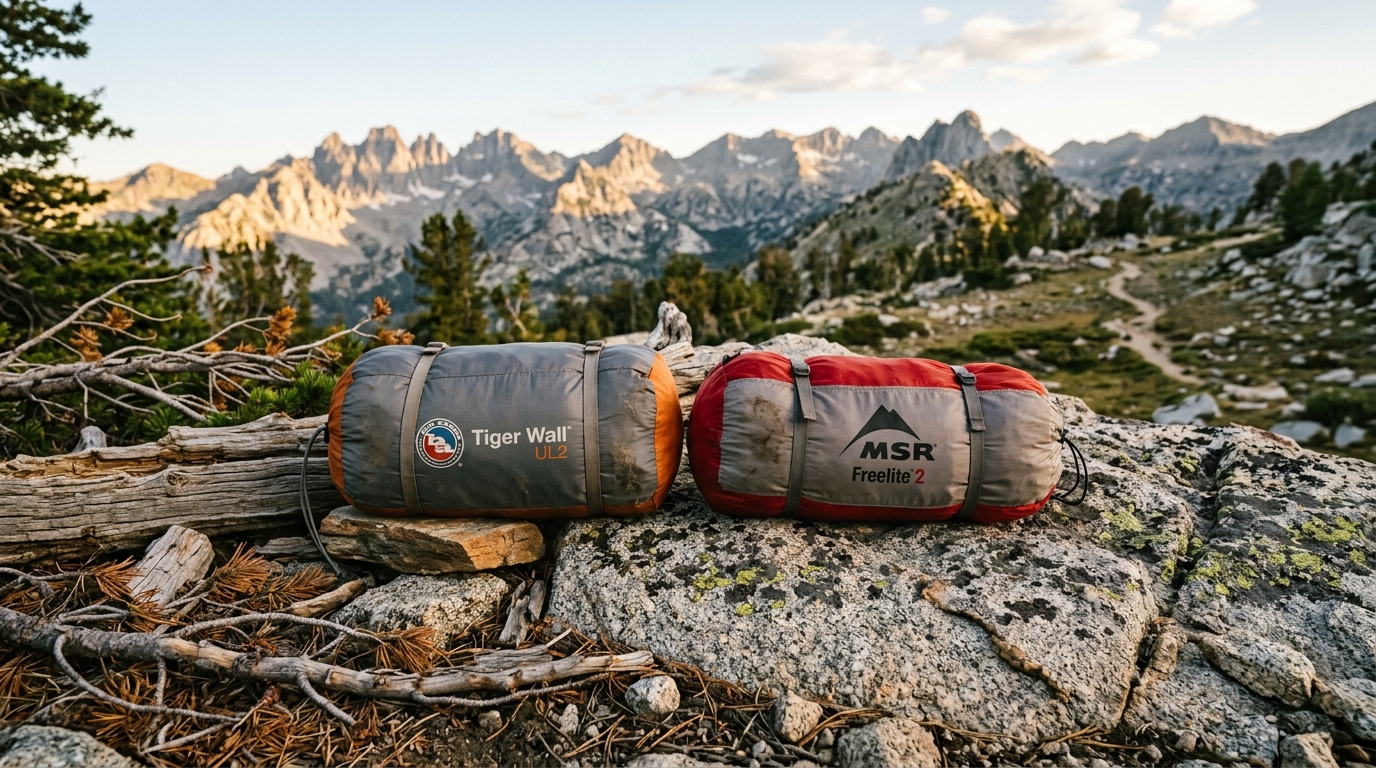
The Big Agnes Tiger Wall UL wins this comparison for most backpackers seeking proven ultralight performance at a lower price point, offering excellent livability and a robust feature set for $373.95. However, the MSR Freelite 2 is the better choice for gram-counting thru-hikers and alpine climbers who prioritize absolute minimum weight and packed size, and who can justify the $499.95 premium for MSR's newest ultralight architecture.
Disclosure: Four Seasons Gear is reader-supported. When you buy through links on our site, we may earn an affiliate commission at no extra cost to you. Prices and availability are accurate as of the time we last checked.
The ultralight tent market has two clear leaders: Big Agnes with its refined Tiger Wall series and MSR with the redesigned Freelite platform. Both tents target the sub-2-pound category for two-person shelters, but they take meaningfully different approaches to achieving ultralight performance. The Tiger Wall has been a Four Seasons Gear favorite for years thanks to its proven durability and thoughtful details, while the Freelite represents MSR's latest engineering push into the ultralight segment.
Spec Comparison
Specs
Weight and Packability: MSR's 9-Ounce Advantage
The MSR Freelite 2 delivers a trail weight of 1 lb 15 oz compared to the Tiger Wall's 2 lb 8 oz—a 9-ounce difference that matters significantly on long-distance trails. MSR achieves this through a 15D canopy fabric (versus Big Agnes's 20D) and an optimized pole structure that shaves grams without sacrificing structural integrity. The Freelite's packed weight of 2 lb 6 oz versus the Tiger Wall's 2 lb 15 oz means you're carrying 9 ounces less even with stakes and guylines included.
In packed dimensions, the Freelite compresses to 15 x 5.5 inches while the Tiger Wall measures 17 x 5 inches. The Freelite's shorter length makes it easier to pack horizontally in smaller backpacks, though the Tiger Wall's slimmer diameter fits more easily into side pockets. For thru-hikers counting every ounce over 2,000+ miles, the Freelite's weight advantage translates to meaningful energy savings. For weekend warriors and section hikers, the Tiger Wall's extra 9 ounces buys tangible durability and feature upgrades.
Durability and Fabric Construction
The Tiger Wall uses 20D ripstop nylon for both canopy and fly, with a 20D floor—a balanced spec that has proven durable across thousands of trail nights. Big Agnes's solution-dyed fly fabric resists UV degradation better than standard dyes, extending the tent's lifespan when exposed to high-altitude sun. The Freelite counters with a 15D canopy to save weight but reinforces the floor with 30D nylon, recognizing that ground contact causes the most wear.
In real-world use, the Tiger Wall's heavier canopy fabric withstands brush contact and accidental snags better than the Freelite's ultralight 15D material. The Freelite's 30D floor, however, outperforms the Tiger Wall's 20D floor on rocky or abrasive ground. MSR's floor choice reflects their alpine heritage—they expect users to pitch on talus and scree. Big Agnes optimizes for the broader backpacking market where softer ground is more common. Both tents use DAC Featherlite NFL poles, so structural durability is equivalent.
Livability and Interior Space
The Tiger Wall offers 28 square feet of floor area versus the Freelite's 27.5 square feet—a negligible difference on paper, but the Tiger Wall's geometry creates more usable shoulder space. The Tiger Wall's 39-inch peak height edges out the Freelite's 38-inch height, making it marginally easier to sit upright while changing clothes. Both tents use a two-door, two-vestibule design, but the Tiger Wall's vestibules provide 8 square feet each compared to the Freelite's 7 square feet, offering more gear storage.
The Tiger Wall includes media pockets, overhead gear lofts, and corner pockets as standard features. The Freelite takes a more minimalist approach with fewer built-in organizers, shaving weight but requiring users to improvise storage solutions. For gear-heavy trips or photographers carrying camera equipment, the Tiger Wall's organizational features prove valuable. For fast-and-light missions where you're carrying minimal gear, the Freelite's stripped-down interior is adequate.
Weather Protection and Ventilation
Both tents use full-coverage rainflies with vestibules that can be staked out for ventilation or battened down in storms. The Tiger Wall's larger vestibules create better airflow when partially opened, reducing condensation on humid nights. The Freelite's tighter fly pitch and smaller vents mean it runs slightly warmer in mild conditions but potentially traps more moisture in high-humidity environments.
Wind stability is comparable—both use DAC Featherlite poles with similar hub designs and stake-out points. The Tiger Wall's slightly heavier fabric provides marginally better flapping resistance in sustained winds above 25 mph, but the difference is minor. Both tents require careful site selection and proper staking in exposed conditions. Neither is a four-season tent; both are designed for three-season backpacking from spring through fall.
Value and Price-to-Performance
At $373.95, the Tiger Wall costs $126 less than the Freelite's $499.95 price tag—a 25% savings. For that lower price, you sacrifice 9 ounces of weight but gain more durable canopy fabric, better organizational features, and UV-resistant fly material. The Tiger Wall represents better value for most backpackers who prioritize versatility and durability over absolute minimum weight.
The Freelite justifies its premium for specific users: thru-hikers on the PCT or AT where every ounce compounds over months, alpine climbers approaching technical routes where pack weight directly impacts safety margins, and ultralight purists building sub-10-pound base weights. For these users, the 9-ounce savings is worth $126. For weekend backpackers, car campers upgrading to ultralight, or those on tighter budgets, the Tiger Wall delivers 90% of the performance at 75% of the cost.
Buyers comparing these tents should also consider the Big Agnes Copper Spur HV UL Ultralight Bikepacking Tent, which offers more interior volume than either option while maintaining competitive weight, though at a higher price point than the Tiger Wall.
Decision Framework
Buy the Big Agnes Tiger Wall UL if:
- You want proven ultralight performance at a lower price point ($373.95 vs $499.95)
- You prioritize durability and UV resistance for multi-year use in varied conditions
- You value built-in organization features like media pockets and gear lofts
- You need larger vestibules for gear storage (8 sq ft vs 7 sq ft per vestibule)
- You're building a versatile quiver tent for weekend trips and week-long expeditions
- You're new to ultralight backpacking and want a forgiving, feature-rich shelter
Buy the MSR Freelite 2 if:
- You're counting every ounce for thru-hiking or alpine climbing (9 oz lighter trail weight)
- You're building an ultralight kit where the tent is part of a sub-10-lb base weight
- You prefer MSR's alpine-focused design philosophy and reinforced 30D floor
- You need the shortest packed length (15 inches) for small backpacks
- You're willing to pay a 25% premium for absolute minimum weight
- You prioritize simplicity and don't need extensive interior organization
Frequently Asked Questions
+Is the 9-ounce weight difference between these tents noticeable on the trail?
Yes, 9 ounces becomes significant over long distances and duration. On a 2,000-mile thru-hike, that weight difference translates to approximately 450,000 fewer foot-pounds of energy expenditure. For weekend trips of 20-30 miles, most backpackers won't notice the difference. The threshold where weight matters most is multi-week expeditions or when your total pack weight exceeds 25 pounds—at that point, every ounce in the tent contributes to cumulative fatigue.
+How do these tents compare in condensation management?
Both tents manage condensation similarly through dual-door ventilation and mesh canopies, but the Tiger Wall's larger vestibules (8 sq ft vs 7 sq ft) provide better airflow when partially opened. In high-humidity environments like the Pacific Northwest or Smoky Mountains, the Tiger Wall's extra vestibule space allows you to stake out the fly further from the canopy, creating more air circulation. Neither tent eliminates condensation entirely—that requires site selection (avoiding low spots and water sources) and proper ventilation regardless of tent model.
+Can these tents handle shoulder-season conditions in early spring or late fall?
Both tents are designed for three-season use and handle shoulder-season conditions adequately with proper site selection and layering. The Tiger Wall's 20D fly fabric and solution-dyed treatment perform slightly better in sustained UV exposure during spring snow camping. The Freelite's 30D floor provides better abrasion resistance when pitching on frozen ground or crusty snow. Neither tent is rated for winter camping or sustained snow loads—for that, you need a true four-season tent with a more robust pole structure. Both will handle light, overnight snow accumulation if you knock snow off the fly before it builds up.

Read next
More comparisons + reviews
REVIEW
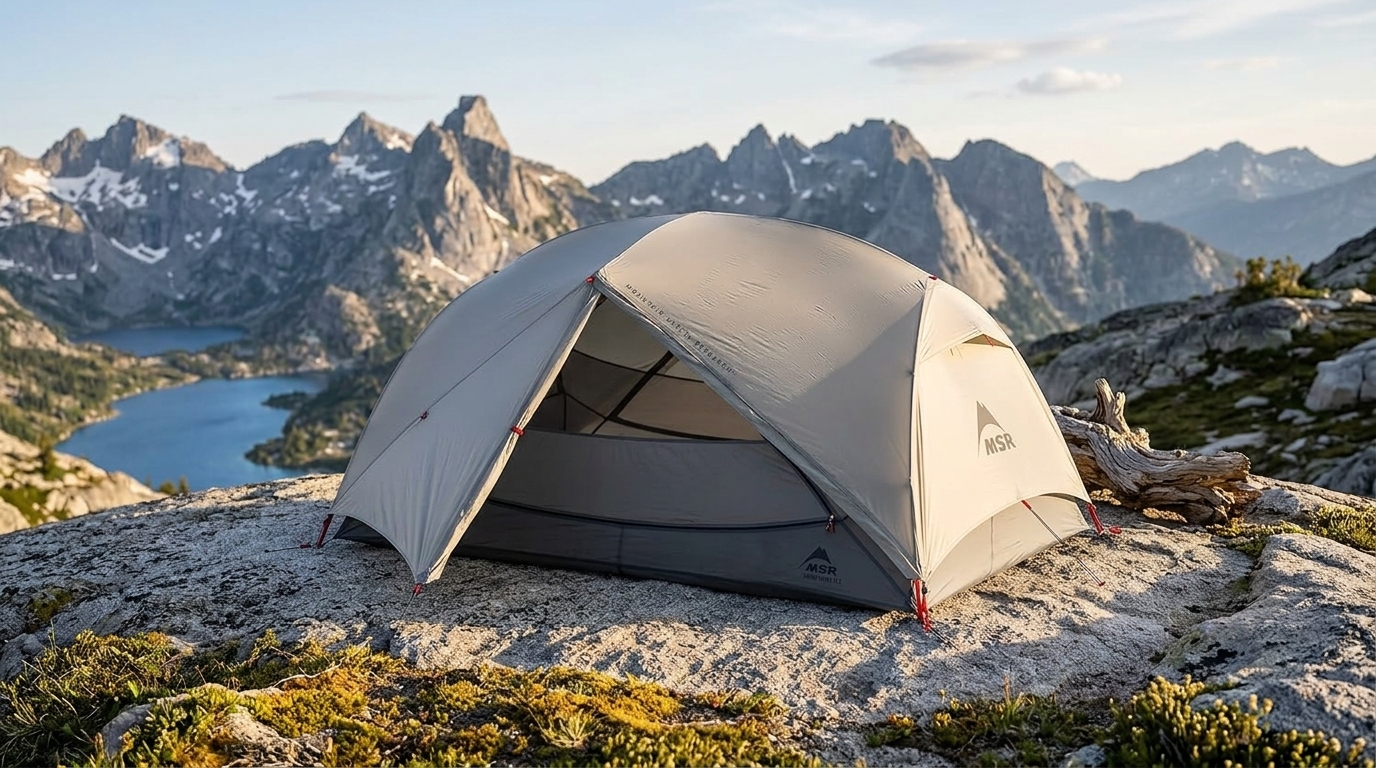
MSR Hubba Hubba LT 2-Person Lightweight Backpacking Tent Review
REVIEW
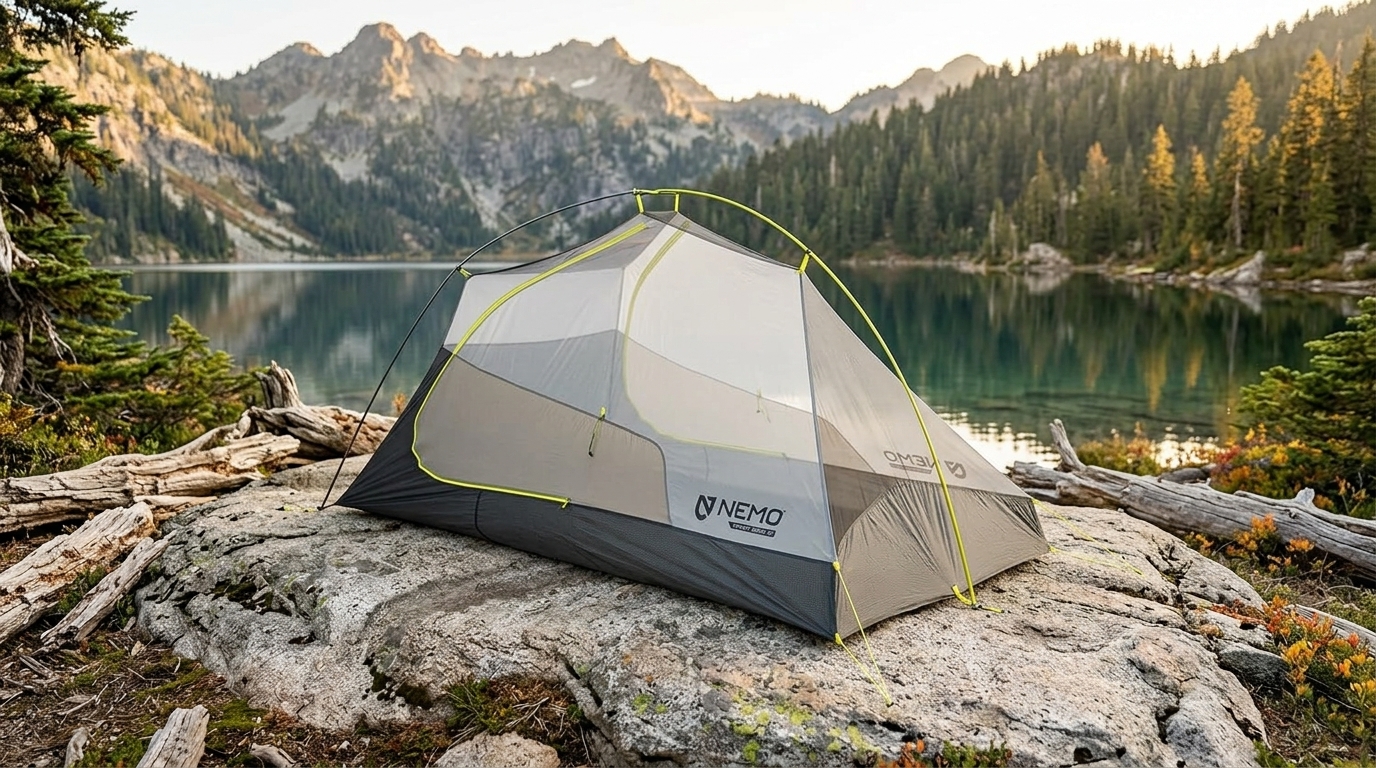
NEMO Equipment Hornet OSMO Ultralight Backpacking Tent Review
REVIEW
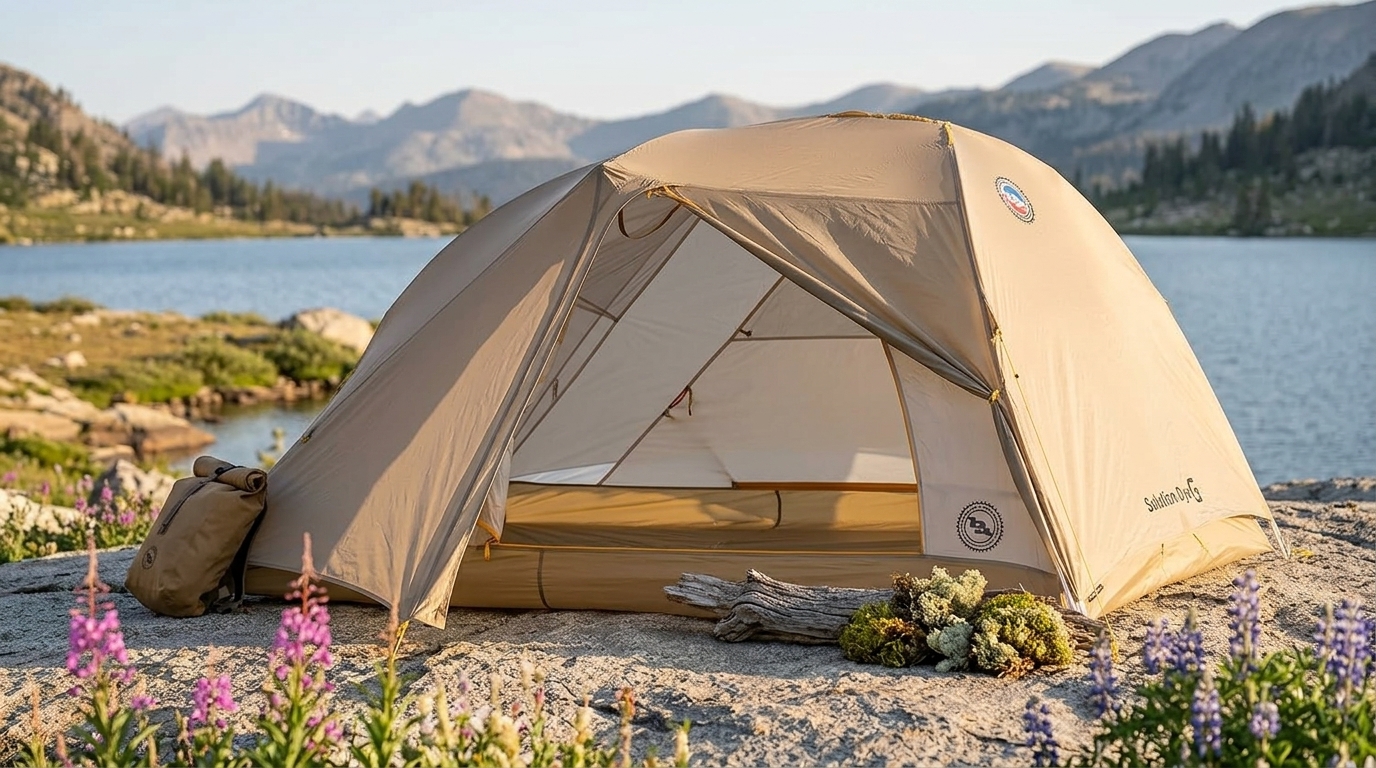
Big Agnes Tiger Wall UL Ultralight Bikepacking Tent with UV-Resistant Solution Dyed Fabric Review
REVIEW
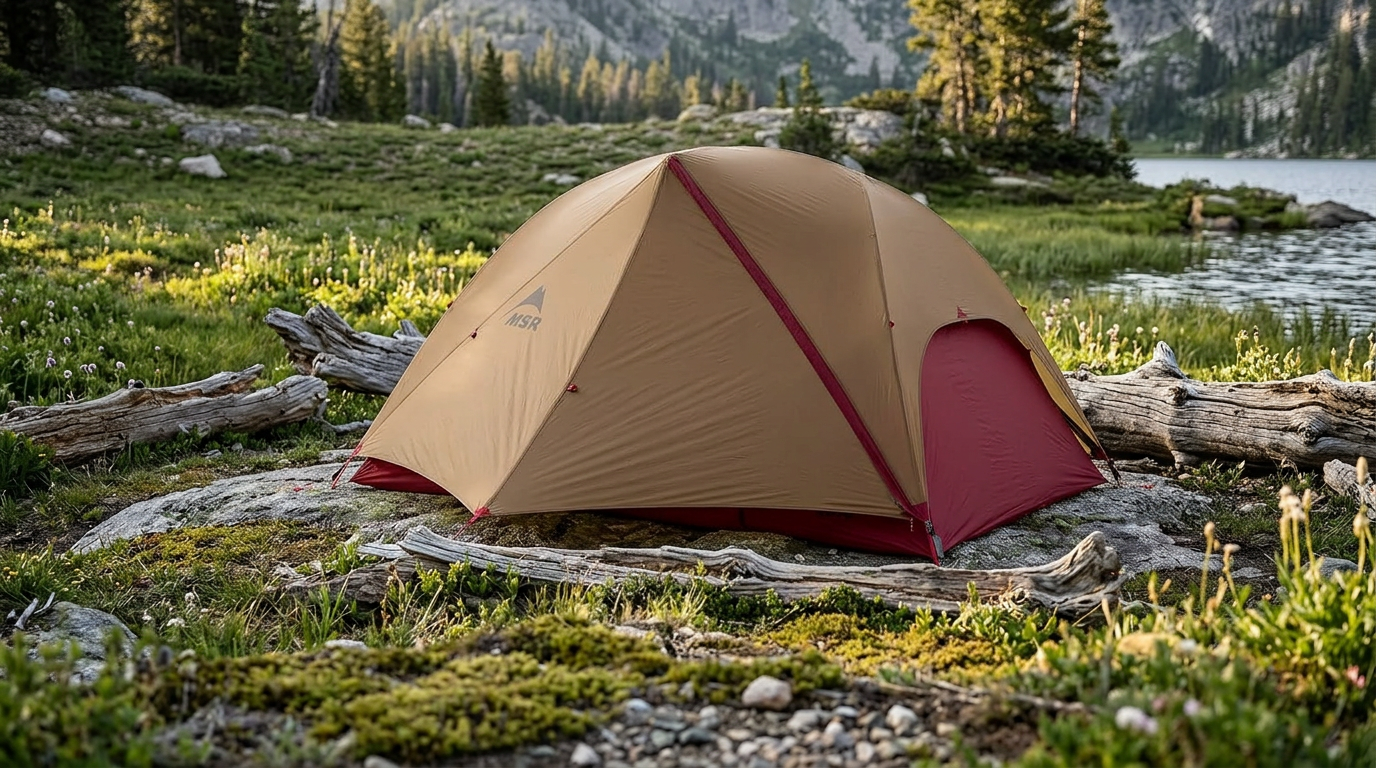
MSR Freelite 2-Person Ultralight Backpacking Tent Review
REVIEW
Coleman Sundome Camping Tent Review: Affordable 3-Season Shelter for Casual Campers
REVIEW