
Head-to-head
MSR Hubba Hubba LT vs NEMO Hornet OSMO: Which Ultralight Tent Wins?
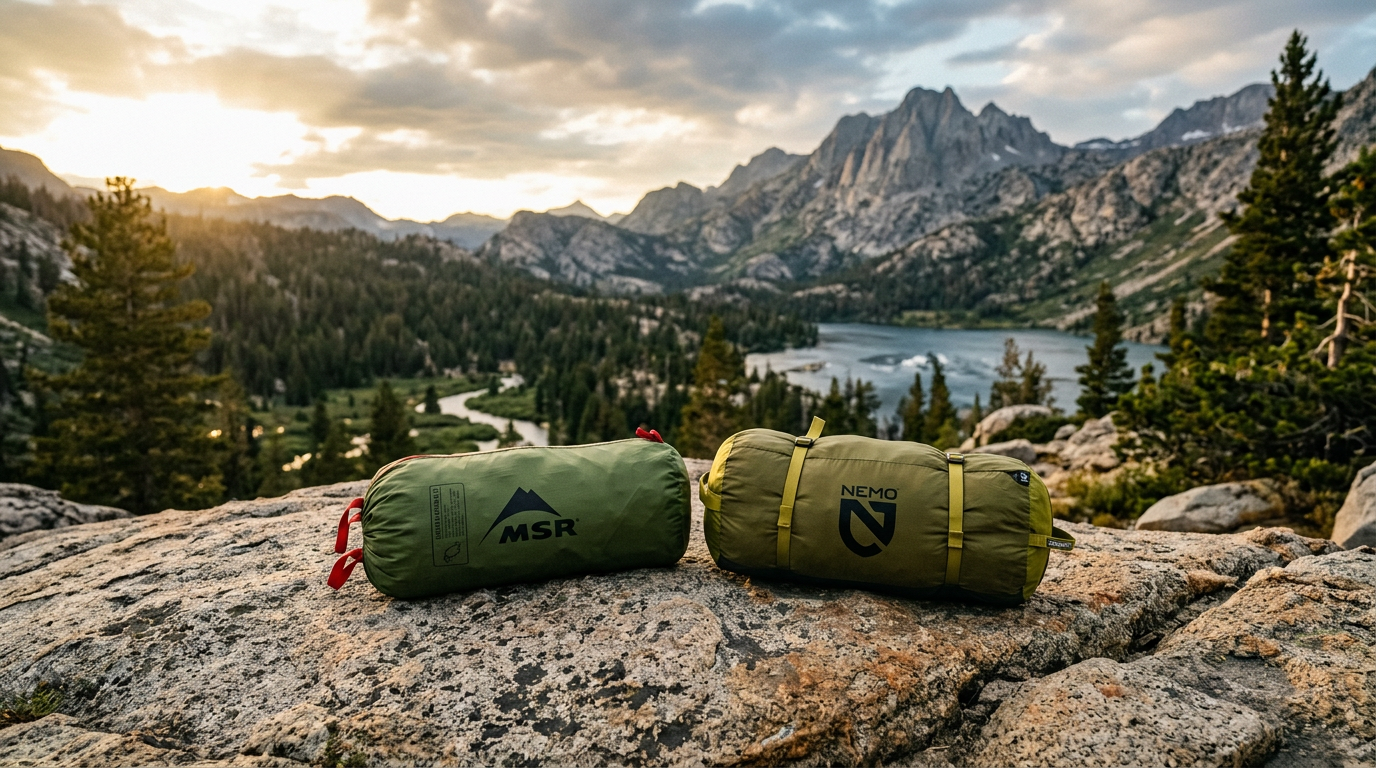
The NEMO Hornet OSMO edges out the MSR Hubba Hubba LT as the overall winner for solo-minded backpackers and weight-obsessed thru-hikers, delivering a lighter carry at a lower price point. However, the MSR Hubba Hubba LT is the better choice for couples or partners who prioritize interior space, dual vestibules for gear organization, and MSR's proven durability in sustained wet conditions.
Disclosure: Four Seasons Gear is reader-supported. When you buy through links on our site, we may earn an affiliate commission at no extra cost to you. Prices and availability are accurate as of the time we last checked.
The MSR Hubba Hubba LT and NEMO Hornet OSMO represent two distinct philosophies in the ultralight 2-person tent category. MSR's Hubba Hubba LT continues the brand's legacy of bombproof construction and livable interior volume, while NEMO's Hornet OSMO pushes weight savings to the extreme with its proprietary OSMO fabric technology. Both tents target backpackers who count grams, but they make different trade-offs between weight, space, and weather protection.
Spec Comparison
Specs
Weight: NEMO Wins by 10 Ounces
The NEMO Hornet OSMO delivers a trail weight of 1 lb 14 oz compared to the MSR Hubba Hubba LT's 2 lbs 8 oz—a 10-ounce advantage that translates to meaningful relief on long approaches. NEMO achieves this through its proprietary OSMO fabric, which eliminates PU coatings and uses a hybrid poly-nylon weave that's inherently water-resistant. The packed weight difference is equally significant: the NEMO comes in at 2 lbs 2 oz versus MSR's 2 lbs 13 oz, an 11-ounce gap.
For thru-hikers on the Pacific Crest Trail or Continental Divide Trail where every ounce compounds over 2,000+ miles, the NEMO's weight advantage is decisive. However, MSR's heavier construction uses thicker 30D floor fabric versus NEMO's lighter weave, which may prove more durable on abrasive granite or volcanic soils common in the Sierra Nevada.
Interior Space: MSR Offers More Room
The MSR Hubba Hubba LT provides 29 square feet of floor area versus the NEMO Hornet OSMO's 27.5 square feet—a 1.5-square-foot difference that matters when two adults are sharing the shelter. Both tents share a 39-inch peak height, but MSR's floor plan translates to noticeably wider shoulder room and less taper at the foot end. The MSR's vestibules total 17 square feet (2 × 8.5 sq ft) compared to NEMO's 14.6 square feet (2 × 7.3 sq ft), giving you 2.4 more square feet for pack storage and boot organization.
In practice, the MSR feels less claustrophobic during extended storm days when you're cooking in the vestibule or organizing gear. The NEMO's tighter quarters are manageable for solo users or minimalist duos who pack light, but couples accustomed to car-camping comfort will appreciate the MSR's extra breathing room.
Fabric Technology: OSMO vs Traditional Coatings
NEMO's OSMO fabric represents a fundamental departure from traditional tent construction. By eliminating polyurethane and silicone coatings, OSMO reduces water absorption by 3× and stretch by 4× compared to standard coated nylons. The fabric's 1200mm hydrostatic head rating comes from the yarn itself rather than a coating that can delaminate over time. This means the NEMO maintains consistent performance across temperature swings and doesn't sag when wet—a common frustration with silnylon shelters.
The MSR uses proven 20D ripstop nylon with DuraShield coating on the fly and 30D ripstop on the floor. While this construction is heavier, it's battle-tested across millions of user-nights in alpine environments. MSR's Xtreme Shield waterproof coating delivers a 1500mm hydrostatic head on the fly and 3000mm on the floor—higher raw numbers than NEMO, though OSMO's coating-free approach may prove more durable long-term as it can't delaminate.
Setup and Pole Design
Both tents employ hubbed pole systems for rapid setup, but MSR's design uses their proprietary Easton Syclone poles with a pre-bent architecture that maximizes interior volume. The MSR's pole structure creates vertical walls that extend further before tapering, contributing to that roomier feel. NEMO's DAC Featherlite NFL poles are lighter (contributing to the overall weight savings) but use a more traditional arc that sacrifices some wall verticality for weight reduction.
Setup time is comparable—both tents pitch in under 5 minutes once you've practiced. The MSR includes color-coded clips and pole sleeves that simplify setup in fading light or bad weather. NEMO's Jake's Foot pole anchoring system allows the tent body to stay attached to the poles during setup, which is marginally faster but requires more care to avoid fabric snags.
Value and Durability
At $479.95, the NEMO Hornet OSMO undercuts the MSR Hubba Hubba LT by $70 while delivering lower weight—a rare combination where the lighter product is also less expensive. However, MSR's reputation for durability and their lifetime warranty (versus NEMO's limited lifetime warranty) may justify the premium for users who plan to log 50+ nights per year or subject their shelter to harsh alpine conditions.
The MSR's thicker floor fabric (30D vs NEMO's lighter weave) and reinforced stress points suggest it will better withstand years of use on rocky tent sites. NEMO's OSMO fabric is still relatively new to the market (introduced in 2021), so long-term durability data beyond 100 nights is limited compared to MSR's decades-proven construction. For weekend warriors, the NEMO's weight and price advantages are compelling. For professional guides or expedition users, the MSR's proven track record may warrant the extra cost and ounces.
Buyers comparing these ultralight options should also consider the Big Agnes Copper Spur HV UL Ultralight Bikepacking Tent, which splits the difference in weight and offers a unique hub design that some users prefer for storm stability.
Decision Tree
Frequently Asked Questions
+How does OSMO fabric perform in sustained rain compared to MSR's traditional coatings?
OSMO fabric's coating-free construction means it doesn't absorb water like traditional PU-coated nylons, so it maintains its strength and doesn't sag when wet. In sustained rain, OSMO sheds water more effectively and dries faster—field tests show it dries 3× faster than comparable silnylon. However, MSR's DuraShield coating offers a higher hydrostatic head rating (1500mm fly, 3000mm floor vs OSMO's 1200mm), which provides a larger margin in extreme downpours. Both fabrics will keep you dry in typical backpacking conditions, but MSR's thicker floor offers more puncture resistance on sharp rocks.
+Can a 6-foot-tall person comfortably sleep in both tents?
Yes, both tents accommodate sleepers up to 6'2" without touching the end walls, though the experience differs. The MSR Hubba Hubba LT's 29 square feet of floor area and less aggressive taper mean a 6-foot person will have more shoulder room and less contact with the tent walls when shifting positions. The NEMO Hornet OSMO's 27.5 square feet is adequate for a 6-foot sleeper, but two 6-foot adults will find the space tighter, especially at the shoulders. Both tents share a 39-inch peak height, so sitting upright is comfortable in either shelter.
+Which tent performs better in high winds?
The MSR Hubba Hubba LT's heavier construction and thicker pole set (Easton Syclone) provide marginally better stability in sustained winds above 30 mph. MSR's design includes more guyout points (8 vs NEMO's 6) for additional anchoring in exposed alpine sites. However, NEMO's OSMO fabric's reduced stretch means the tent maintains its shape better in gusting conditions without requiring mid-storm adjustments. Both tents are freestanding and perform well in typical mountain weather, but for exposed ridgeline camping or above-treeline use, the MSR's extra guyout options and proven pole strength give it an edge in extreme conditions.

Read next
More comparisons + reviews
REVIEW
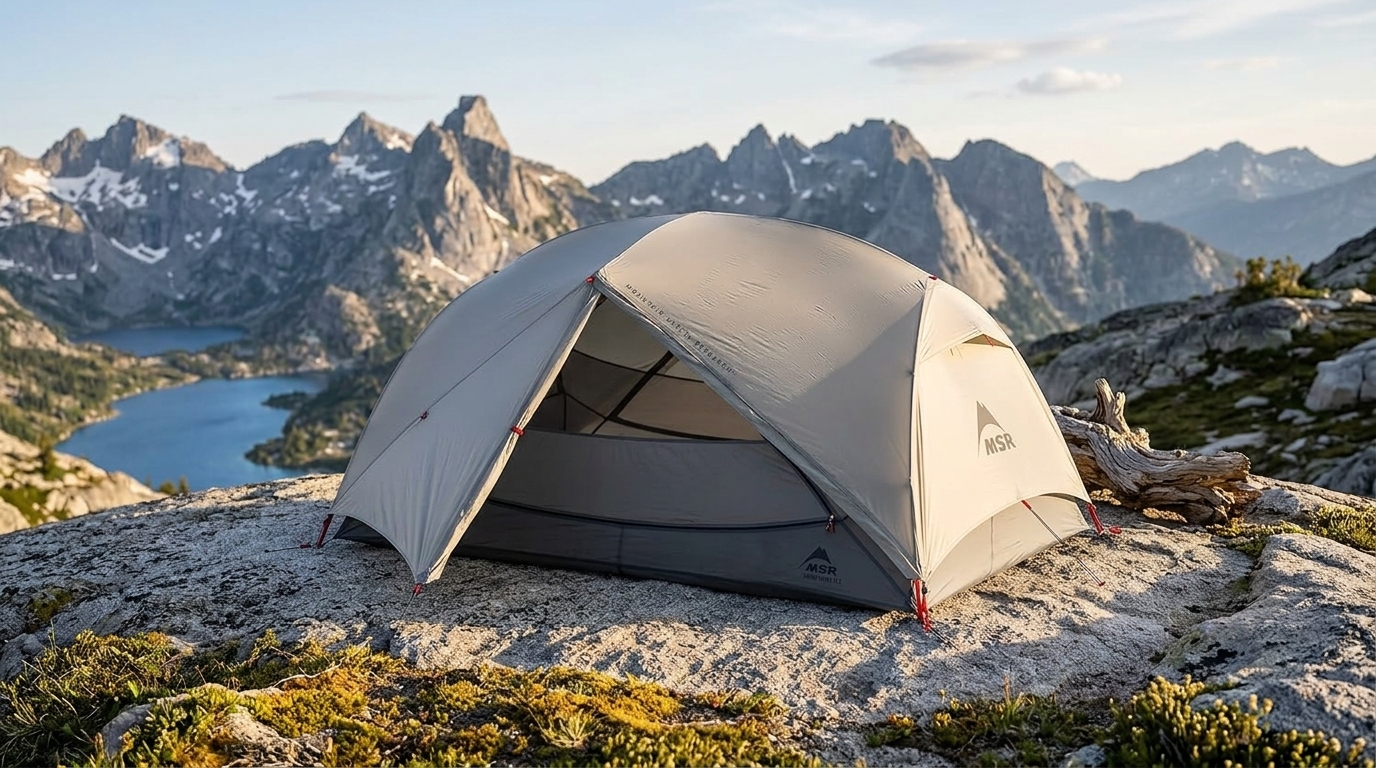
MSR Hubba Hubba LT 2-Person Lightweight Backpacking Tent Review
REVIEW
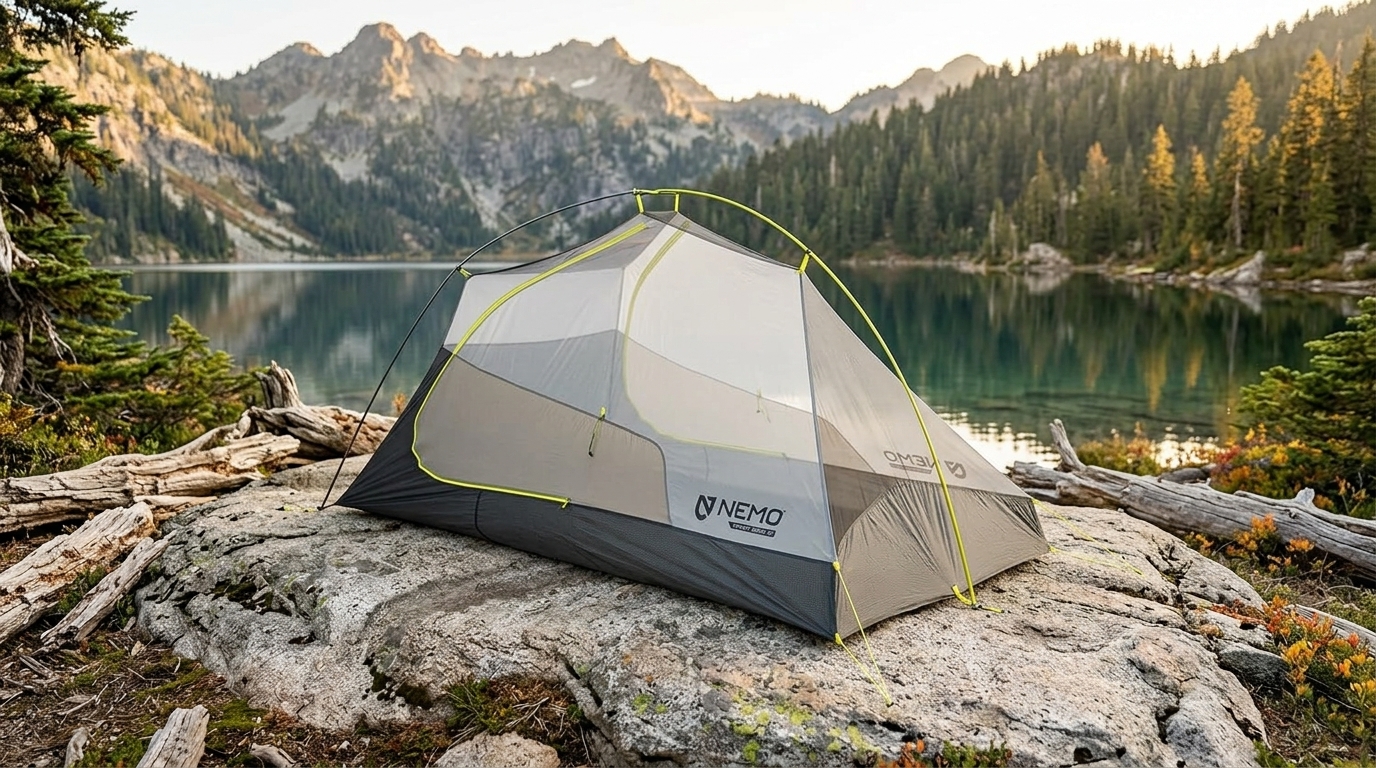
NEMO Equipment Hornet OSMO Ultralight Backpacking Tent Review
REVIEW
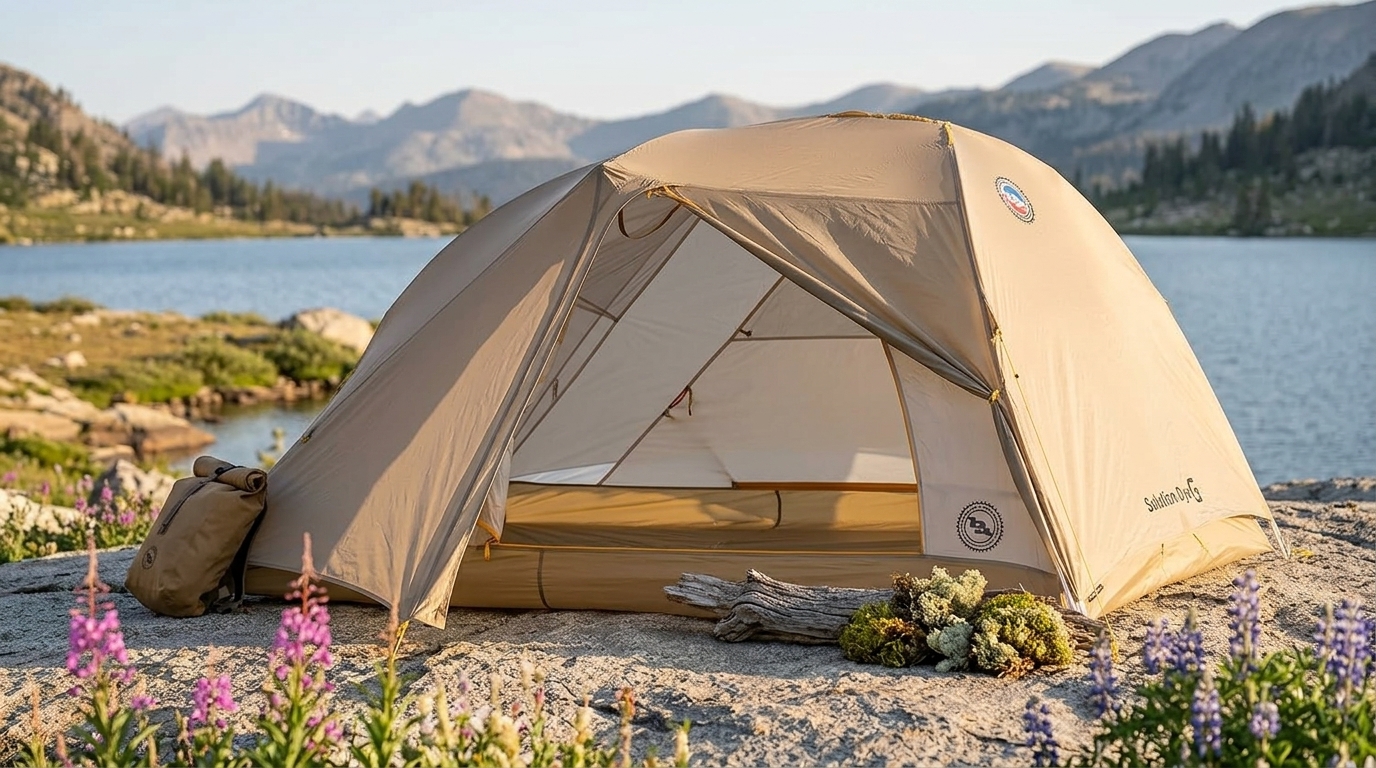
Big Agnes Tiger Wall UL Ultralight Bikepacking Tent with UV-Resistant Solution Dyed Fabric Review
REVIEW
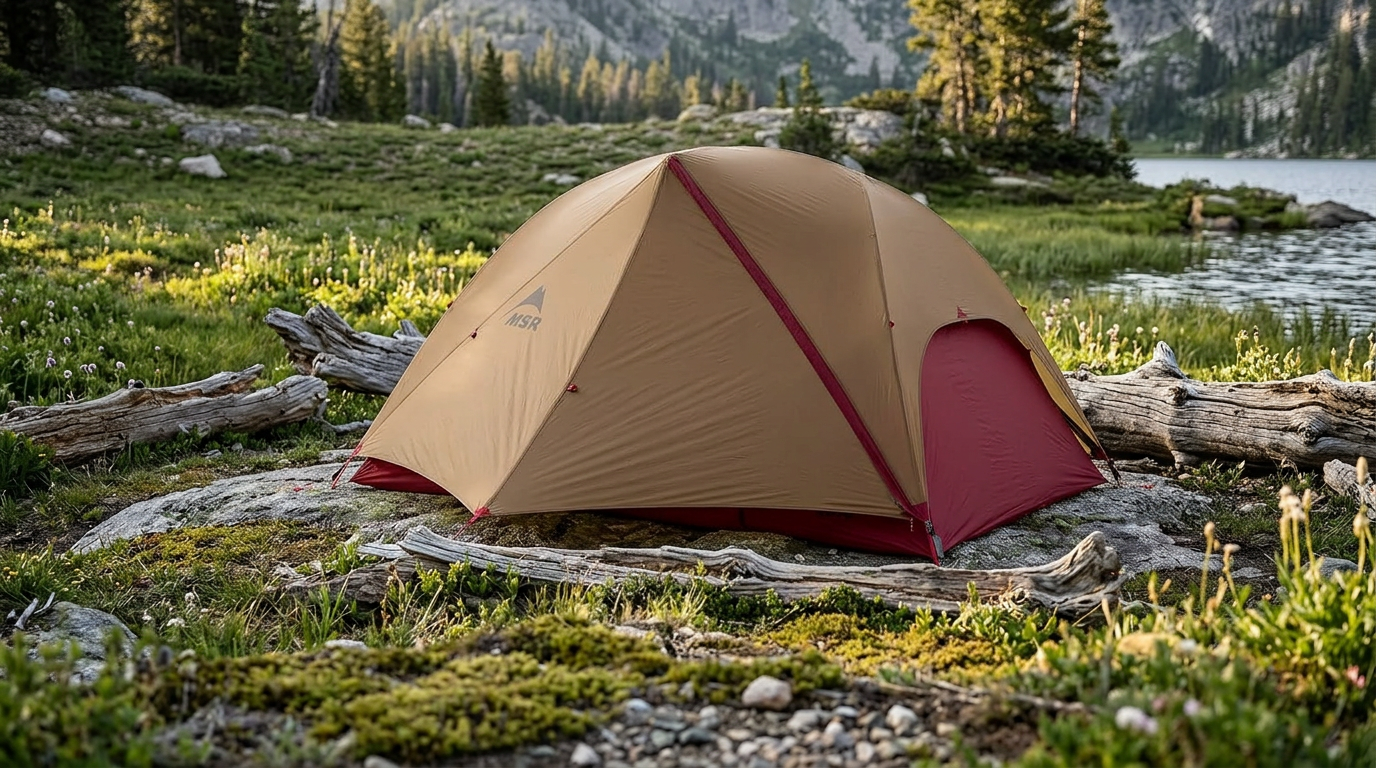
MSR Freelite 2-Person Ultralight Backpacking Tent Review
REVIEW
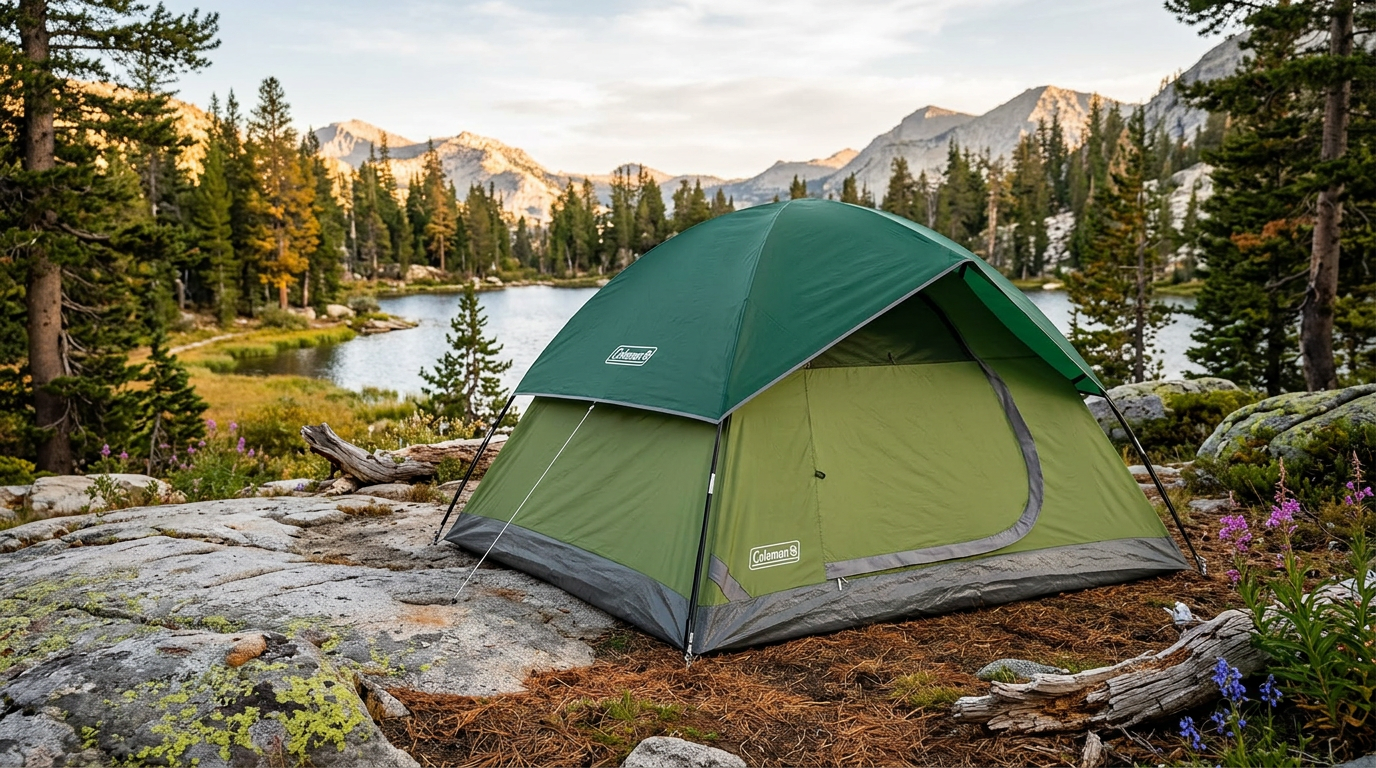
Coleman Sundome Camping Tent Review: Affordable 3-Season Shelter for Casual Campers
REVIEW