
Head-to-head
PETZL Swift RL vs Fenix HM65R-T V2.0: Which Headlamp Wins for Trail Runners?
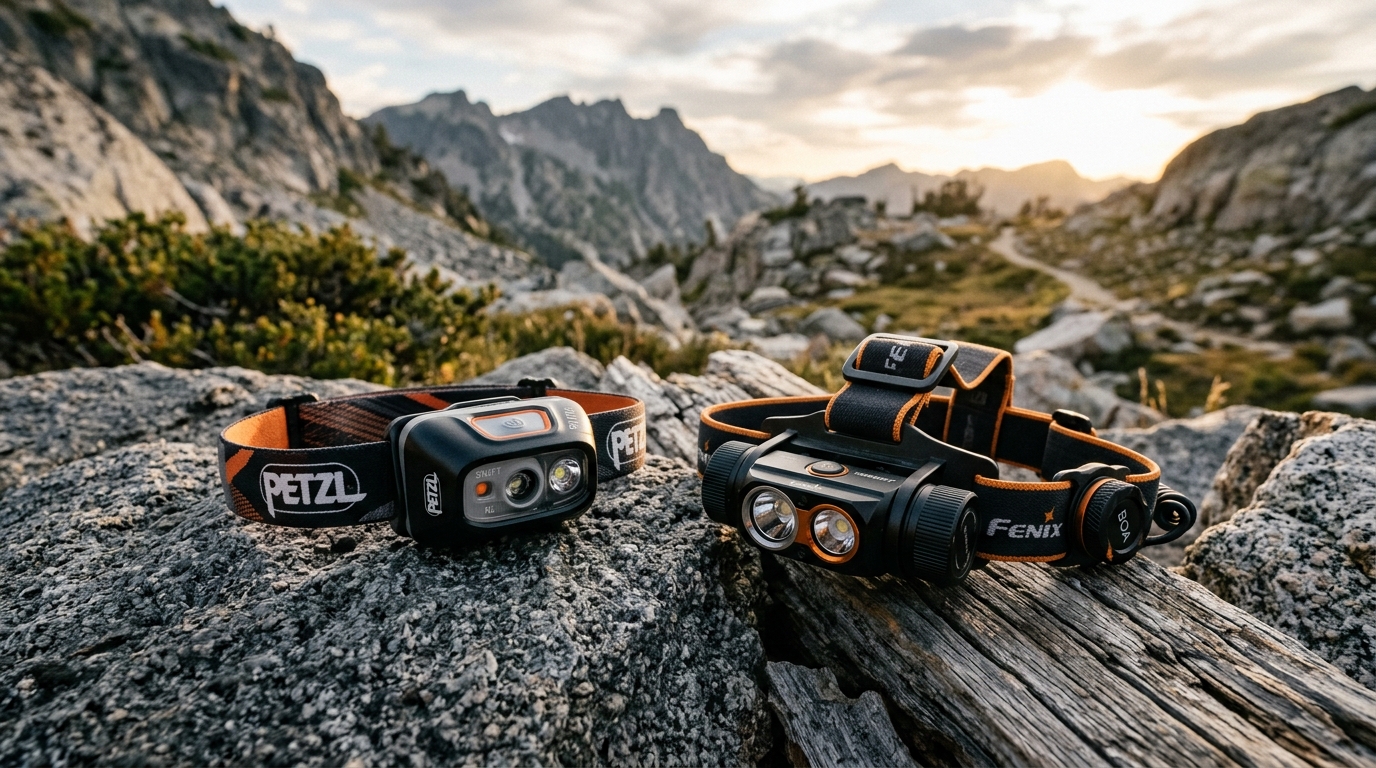
The Fenix HM65R-T V2.0 takes the win for trail runners who prioritize maximum output and dual-beam versatility, delivering 1600 lumens and a dedicated warm-white mode for close-up tasks. However, the PETZL Swift RL is the smarter pick for ultralight enthusiasts and multi-day adventures where reactive lighting technology and proven durability matter more than raw power, especially given its $18 lower price point.
Disclosure: Four Seasons Gear is reader-supported. When you buy through links on our site, we may earn an affiliate commission at no extra cost to you. Prices and availability are accurate as of the time we last checked.
Choosing between the PETZL Swift RL and Fenix HM65R-T V2.0 comes down to whether you value intelligent beam management or brute-force output. Both are rechargeable, trail-focused headlamps built for fast-moving activities, but they take fundamentally different approaches to lighting. The PETZL leans on its proprietary REACTIVE LIGHTING technology to auto-adjust brightness based on ambient conditions, while the Fenix counters with 500 more lumens and a dual-beam system that separates white and warm-white LEDs.
Spec Comparison
Specs
Maximum Output and Beam Distance
The Fenix HM65R-T V2.0 delivers 1600 lumens on turbo mode versus the PETZL's 1100-lumen max, a 45% advantage on paper. In practice, this translates to noticeably better throw on technical descents where you need to spot trail markers or obstacles 50+ meters ahead. The Fenix's higher output also means you can run a mid-power setting (around 600 lumens) and still match the PETZL's high mode while conserving battery. However, the PETZL's REACTIVE LIGHTING mode continuously modulates output between 6 and 900 lumens based on what you're looking at—close-up map reading triggers low power, while scanning the trail ahead ramps up automatically. This means the PETZL often feels brighter in real use than its spec sheet suggests, because it's always optimizing for the task at hand.
Dual-Beam System vs Reactive Technology
The Fenix's defining feature is its independent white and warm-white LED arrays. The warm-white beam (rated at 400 lumens max) produces a 3000K color temperature that reduces eye strain during camp tasks and preserves night vision better than cool white. You can run both beams simultaneously or toggle between them, giving you three distinct lighting profiles. The PETZL counters with a single cool-white LED but adds a red LED mode for night vision preservation. Where the Fenix requires manual mode switching, the PETZL's reactive sensor handles brightness adjustments automatically in its signature mode—a meaningful advantage when your hands are occupied on a technical ridge traverse or you're fumbling with gear in the dark.
Battery Capacity and Runtime
The Fenix packs a 3400 mAh battery versus the PETZL's 2350 mAh—a 45% capacity advantage. PETZL claims 100 hours on reserve mode (low output) and 2.5 hours on max, while Fenix rates 300 hours on low and 2 hours on turbo. In reactive mode, the PETZL typically delivers 6-8 hours of mixed trail running, where the sensor keeps average output around 300-400 lumens. The Fenix's larger battery means you can run higher sustained outputs without range anxiety, but it also adds 8 grams to the headband. More critically, the Fenix uses USB-C charging (full charge in 3.5 hours) while the PETZL still relies on micro-USB (4 hours to full). If you're running a USB-C ecosystem with your Garmin Instinct 2 Solar GPS Watch or other modern gear, the Fenix eliminates one more cable from your kit.
Water Resistance and Durability
The Fenix's IP68 rating certifies submersion to 2 meters for 30 minutes, while the PETZL's IPX4 rating only guarantees protection against splashing water. This matters if you're crossing streams, running in heavy rain, or dealing with snow melt. The PETZL's lower rating isn't a deal-breaker for most trail runners—IPX4 handles sweat and rain without issue—but the Fenix offers measurably more peace of mind in wet conditions. Both headlamps use robust headband systems (the PETZL's is slightly more adjustable with its rear elastic), but the Fenix's aluminum body feels more impact-resistant than the PETZL's polycarbonate housing during pack stuffing and accidental drops.
Weight and Comfort
At 100g, the PETZL Swift RL undercuts the Fenix HM65R-T V2.0's 108g by 8 grams—a negligible difference that disappears once you account for headband adjustments and battery state. Both lamps use top-strap designs to distribute weight, critical for reducing bounce during fast descents. The PETZL's rear battery placement balances slightly better on smaller heads, while the Fenix's slightly forward center of gravity works well for runners with larger head circumferences. Neither lamp causes pressure points during 3+ hour runs, but the PETZL's softer headband material absorbs sweat more readily, which can lead to salt buildup on multi-day trips.
Value and Use Case
The PETZL Swift RL costs $86.90 versus the Fenix HM65R-T V2.0's $104.95, an $18 gap that narrows when you factor in the Fenix's included hard-shell organizer case (the PETZL ships in a basic drawstring bag). The PETZL delivers better value for runners who prioritize automatic brightness management and proven reliability—PETZL's warranty service and spare parts availability are industry-leading. The Fenix justifies its premium for users who need maximum output, dual-beam versatility, and USB-C charging. If you're also considering a backup headlamp for your kit, the Fenix's higher output makes it more versatile for camp lighting and emergency signaling.
Decision Tree: Which Headlamp Should You Buy?
Buy the Fenix HM65R-T V2.0 if:
- You need maximum output for technical night running or alpine starts where visibility beyond 50 meters matters
- You value the flexibility of independent white and warm-white beams for mixed camp and trail use
- You want USB-C charging to consolidate cables with your GPS watch and other modern electronics
- You run in consistently wet conditions where IP68 submersion protection provides meaningful insurance
- You prefer manual control over brightness and don't mind cycling through modes
Buy the PETZL Swift RL if:
- You want set-it-and-forget-it reactive lighting that automatically adjusts to your activity without manual input
- You prioritize proven durability and PETZL's industry-leading warranty and spare parts network
- You're building an ultralight kit where every gram counts, though the 8g difference is marginal
- You value the $18 price savings and don't need the extra 500 lumens for your typical use cases
- You already carry micro-USB cables and don't want to add USB-C to your charging ecosystem
Frequently Asked Questions
+Can I use either headlamp with a helmet for mountaineering or climbing?
Both headlamps include helmet clips, but the PETZL Swift RL's mounting system integrates more securely with climbing helmets thanks to its proprietary clip design. The Fenix HM65R-T V2.0's clips work adequately but can shift during dynamic movements. For dedicated alpine use, the PETZL is the safer choice, though neither lamp is optimized for overhead belaying (consider a right-angle headlamp for that).
+How does the reactive lighting on the PETZL actually work in practice?
The PETZL's reactive mode uses a light sensor on the front bezel to measure reflected light. When you look at something close (a map, your feet, camp gear), the sensor detects high reflected light and dims the beam to 6-50 lumens. When you scan the trail ahead where reflected light is minimal, it ramps up to 900 lumens. The transition takes about 0.5 seconds, which feels natural after the first 10 minutes of use. You can override it by switching to constant modes if you find the auto-adjustment distracting.
+Which headlamp is better for multi-day backcountry trips where I can't recharge?
Neither lamp is ideal for extended off-grid use since both are rechargeable-only without AA battery backup. However, the Fenix HM65R-T V2.0's 3400 mAh battery and 300-hour low mode give it better multi-day endurance. Pair either lamp with a lightweight solar charger or power bank. If you're planning trips longer than 4-5 days without resupply, consider a hybrid headlamp that accepts both rechargeable and disposable batteries as a backup option.

Read next
More comparisons + reviews
REVIEW
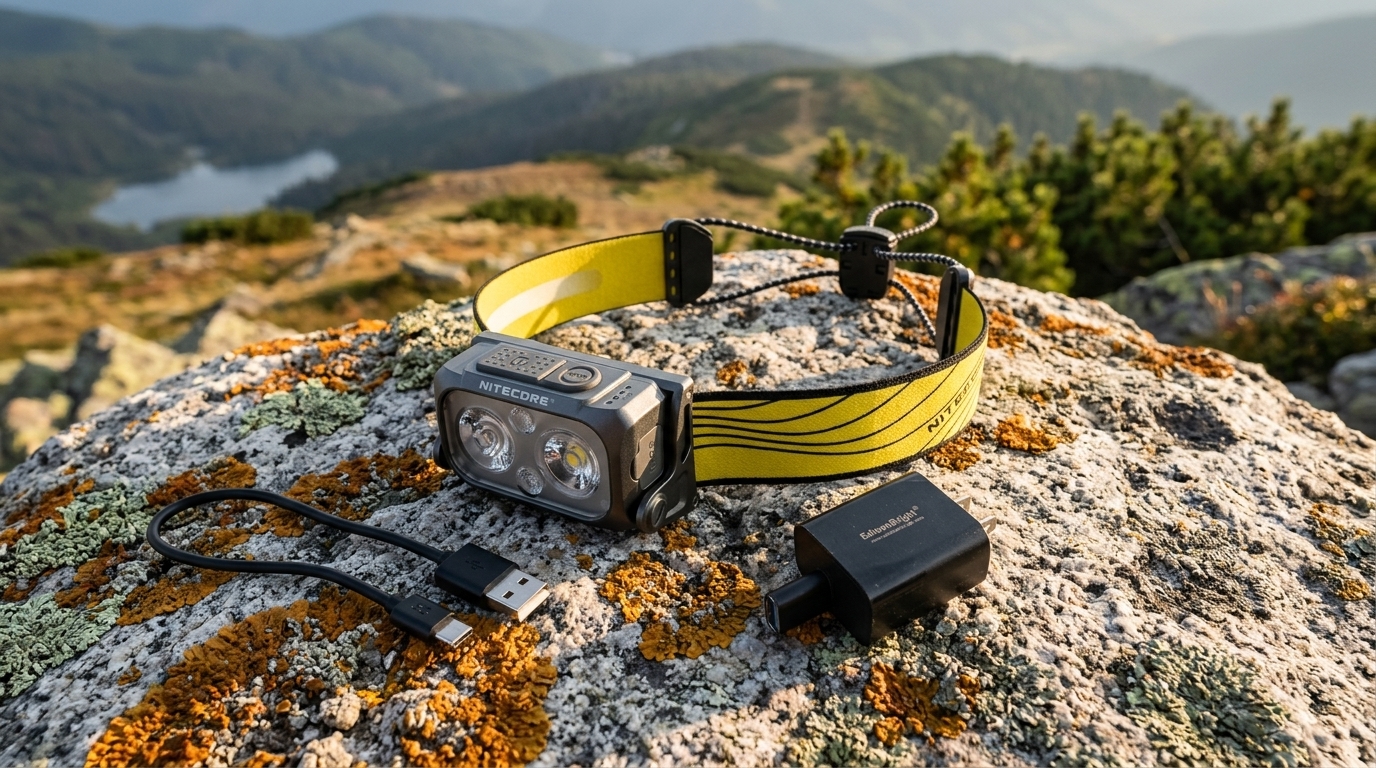
Nitecore NU25 400 USB-C Rechargeable Headlamp Review
REVIEW
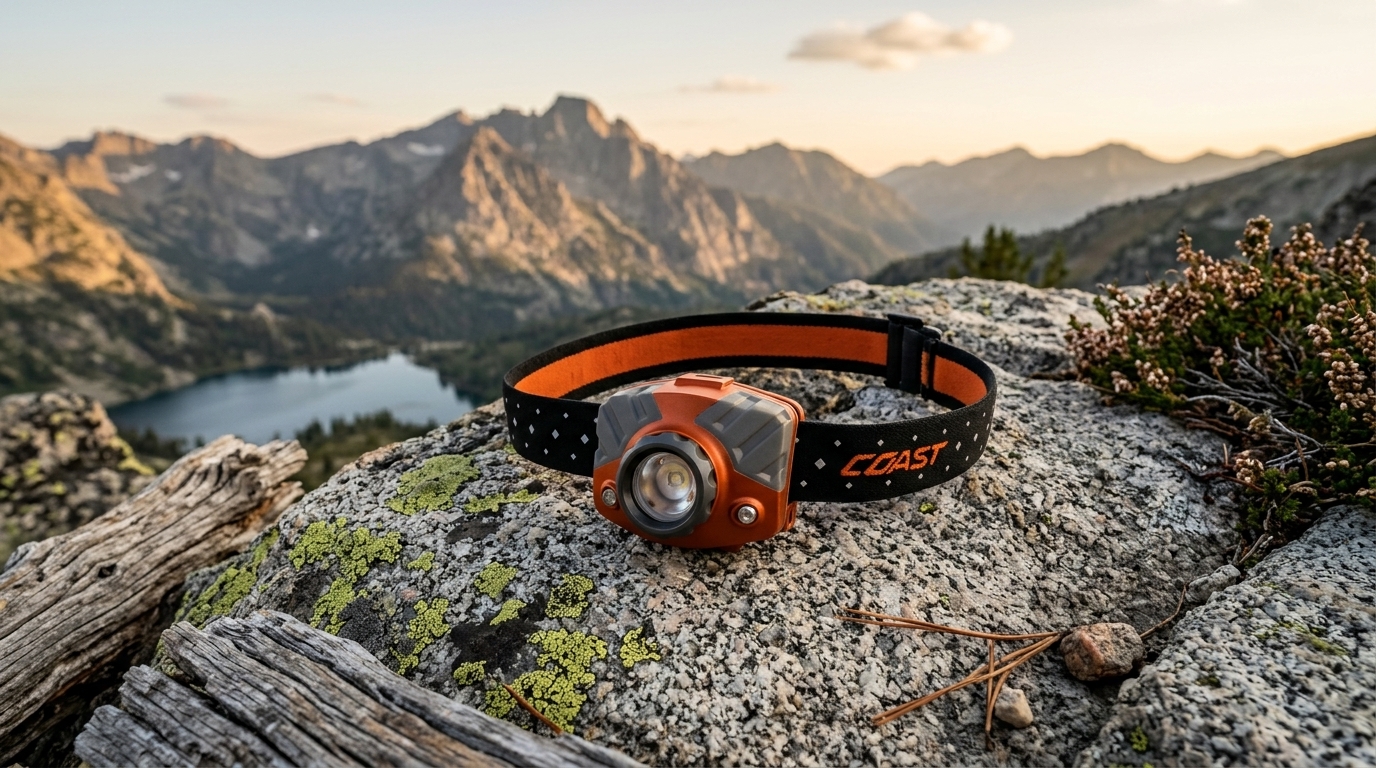
Coast FL75R Rechargeable Headlamp Review: 530 Lumens with Dual-Power Flexibility
REVIEW
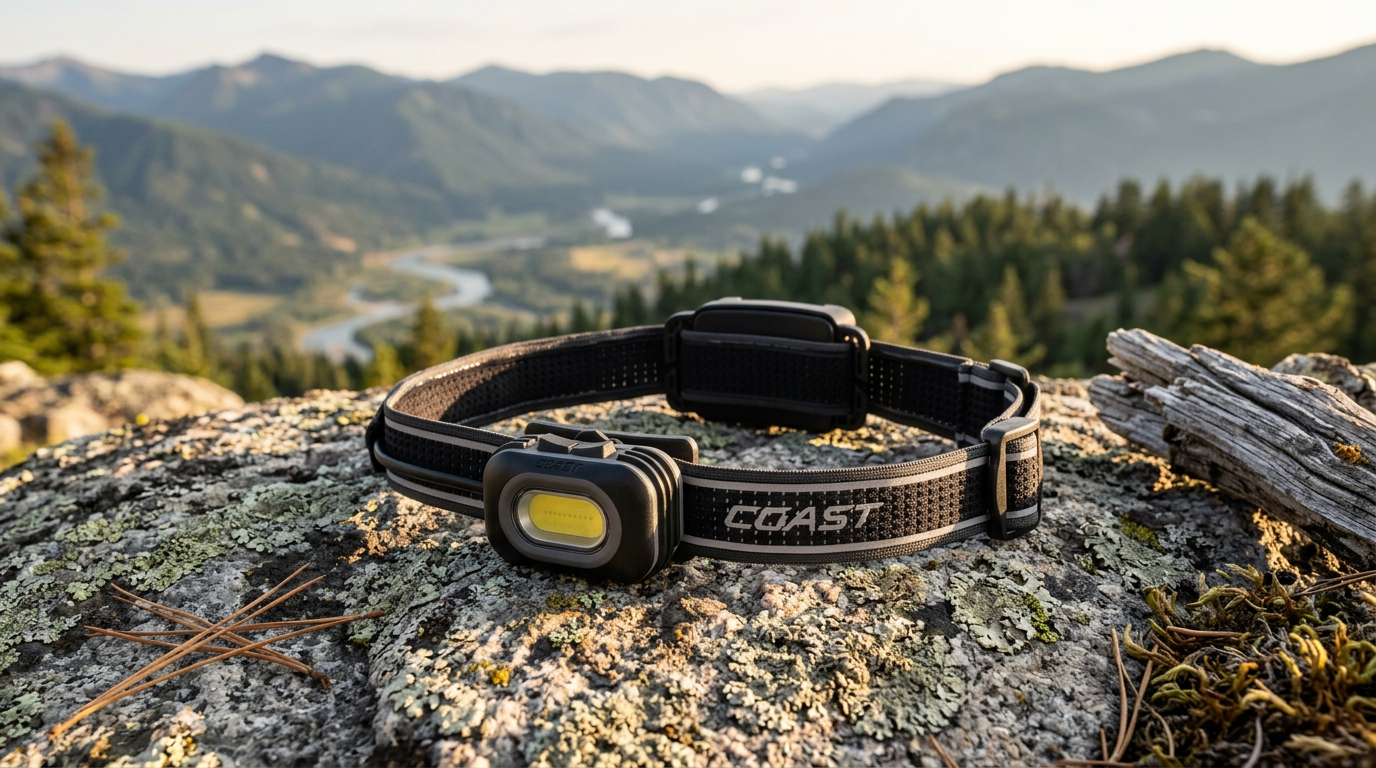
Coast RL10R 750 Lumen Rechargeable LED Headlamp with Variable Light Control and Rear Safety Signal
REVIEW
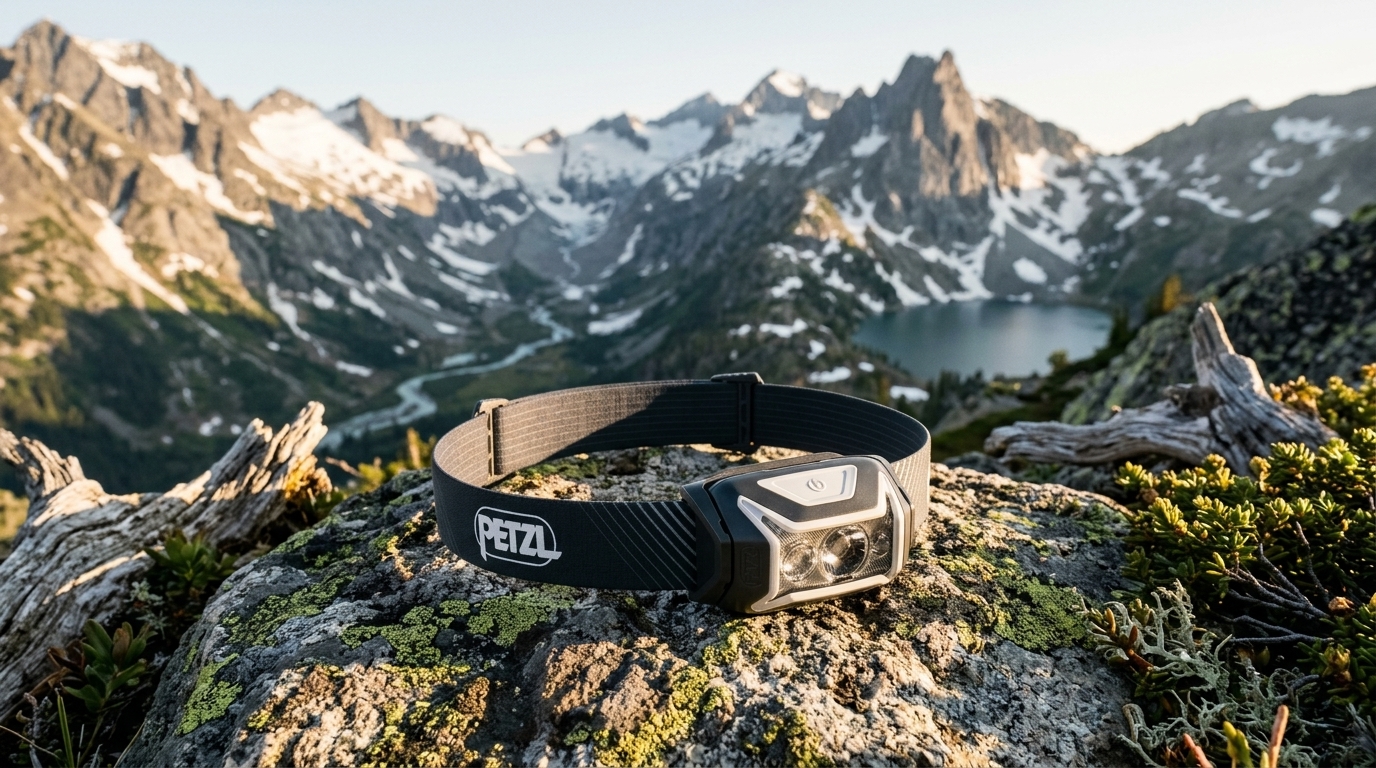
PETZL ACTIK CORE Rechargeable Headlamp Review: 600-Lumen Hybrid for Year-Round Use
REVIEW
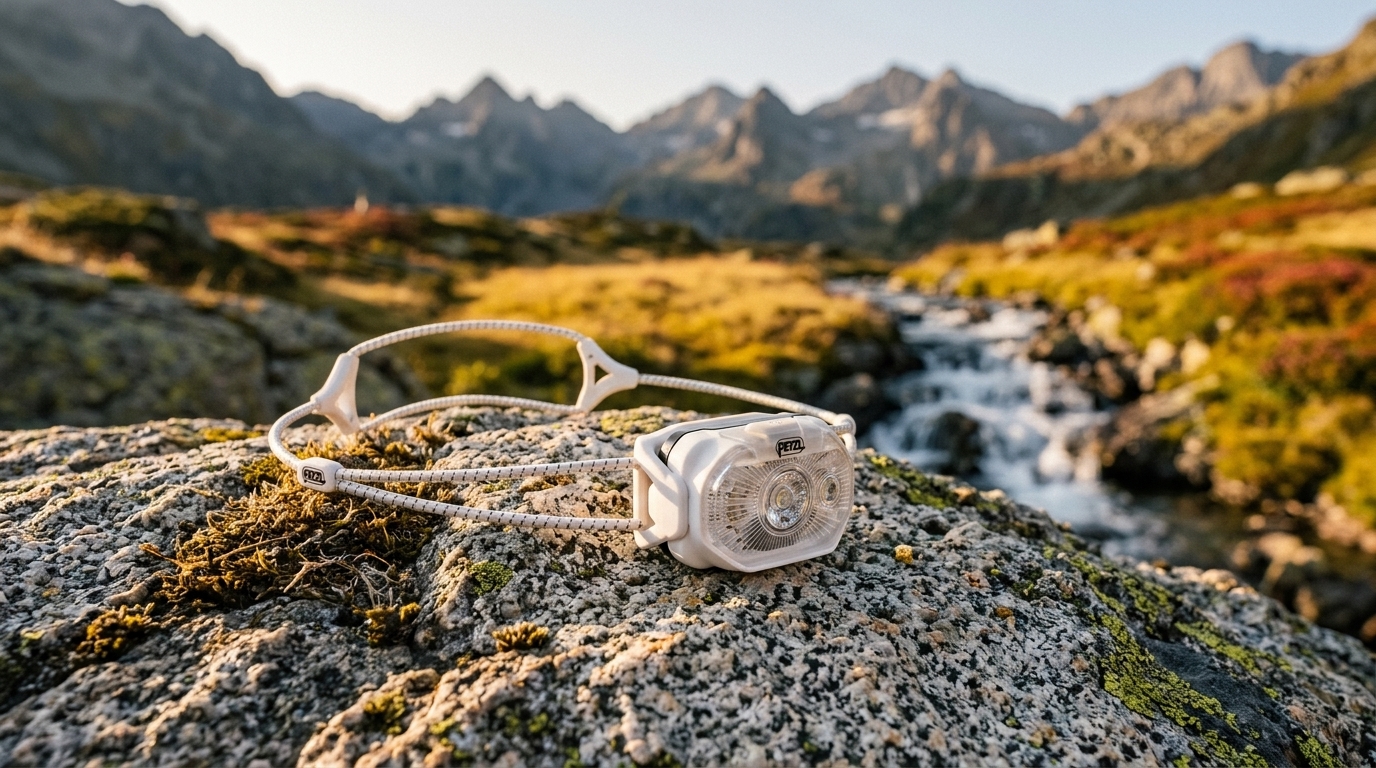
Petzl Swift LT Headlamp Review: 43-Gram Rechargeable with 380 Lumens
REVIEW