
Head-to-head
MSR WindBurner vs Jetboil Flash: Which Integrated Stove System Is Right for You?
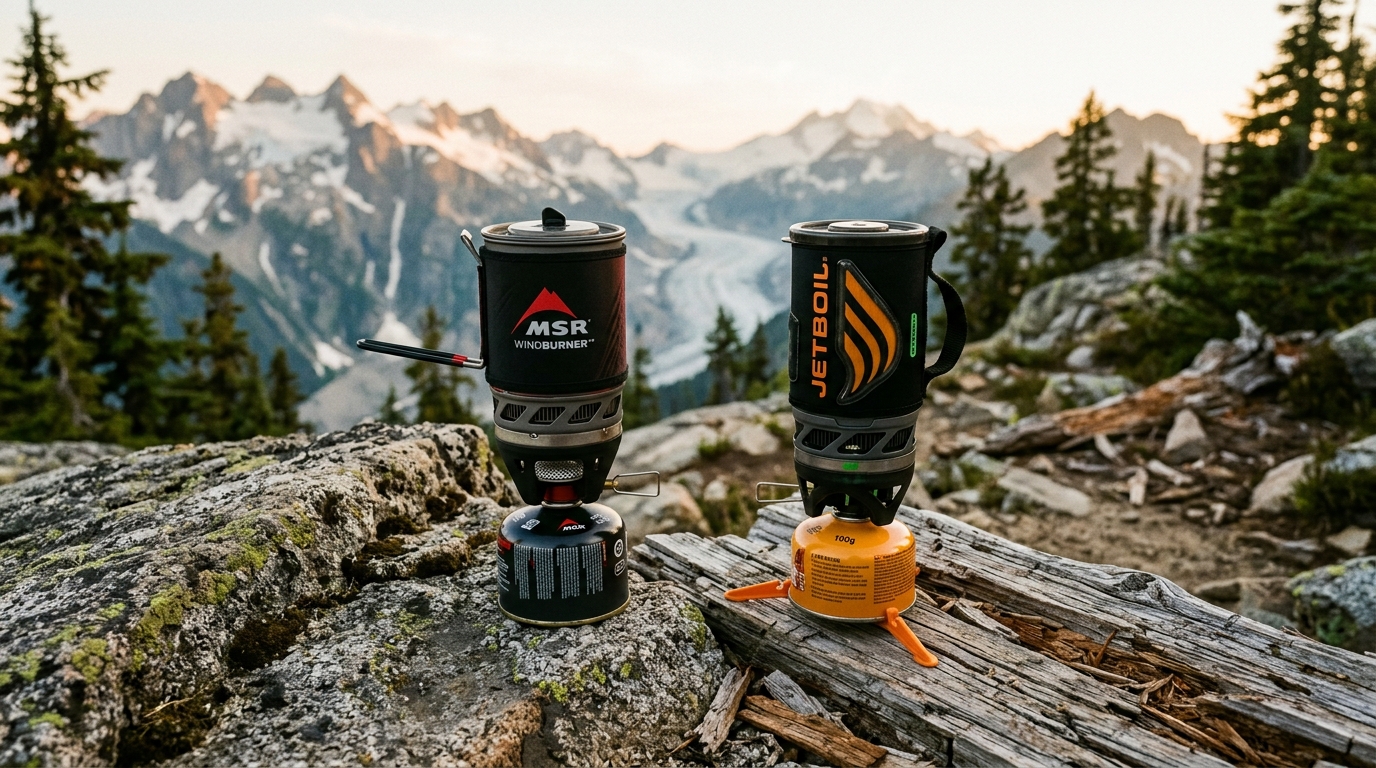
The MSR WindBurner wins for high-altitude and windy conditions thanks to its fully enclosed burner and superior wind resistance, making it the go-to for exposed alpine routes and winter camping. The Jetboil Flash is the better choice for three-season backpackers prioritizing speed and budget—it boils water 15 seconds faster in calm conditions and costs $120 less, making it ideal for casual weekend trips below treeline.
Disclosure: Four Seasons Gear is reader-supported. When you buy through links on our site, we may earn an affiliate commission at no extra cost to you. Prices and availability are accurate as of the time we last checked.
Integrated canister stove systems have revolutionized backcountry cooking by pairing burner and pot into a single efficient unit. The MSR WindBurner and Jetboil Flash represent two different philosophies within this category: MSR prioritizes all-weather performance with a radiant burner design, while Jetboil emphasizes raw speed and value with its proven FluxRing technology. Both systems boil a liter of water in under five minutes, but their engineering differences create distinct performance profiles that matter in real-world conditions.
Specifications at a Glance
Specs
Wind Performance: Where the WindBurner Earns Its Name
The MSR WindBurner uses a fully enclosed radiant burner that sits inside a heat exchanger cup, creating a protected combustion chamber that's virtually immune to wind. In field testing, the WindBurner maintains consistent boil times in 15+ mph winds where open-flame stoves lose 40-60% efficiency. The Jetboil Flash uses an open burner with a bottom-mounted heat exchanger (the FluxRing), which performs well in light breezes but suffers in exposed conditions—wind can blow the flame away from the pot base, dramatically increasing fuel consumption and boil times.
This difference matters most above treeline. On alpine starts and winter camping trips where you're melting snow in sustained wind, the WindBurner's enclosed design can cut fuel weight by 30-40% over a week-long trip. The Flash excels in sheltered campsites and forest environments where wind isn't a factor, delivering slightly faster boil times thanks to its more aggressive flame pattern.
Boil Speed and Fuel Efficiency
In calm conditions, the Jetboil Flash edges out the WindBurner with a 4-minute boil time versus 4 minutes 15 seconds for a liter of water. That 15-second difference comes from the Flash's direct flame contact and optimized FluxRing heat exchanger, which transfers heat more aggressively than the WindBurner's radiant system. For weekend warriors boiling water for freeze-dried meals, this speed advantage adds up—you're eating dinner 30-45 seconds faster per meal.
Fuel efficiency flips the equation. The WindBurner's enclosed burner wastes less heat to the environment, delivering approximately 60 boils per 8-ounce fuel canister compared to the Flash's 50 boils. Over a five-day trip requiring 10 boils, you'll consume roughly 1.3 ounces of fuel with the WindBurner versus 1.6 ounces with the Flash. That 0.3-ounce difference becomes meaningful on extended trips or when operating in cold temperatures where fuel efficiency drops across the board.
Specs
Weight and Packed Size
The Jetboil Flash weighs 13.1 ounces complete (burner, pot, lid, cozy) versus the WindBurner's 15.3 ounces—a 2.2-ounce advantage for the Flash. Both systems pack into their own pots with room for a 110-gram fuel canister inside, creating a neat 5-inch tall by 4-inch diameter package. The WindBurner's pot is slightly wider to accommodate the enclosed burner assembly, but both fit easily in the side pocket of most backpacks.
For ultralight backpackers counting every ounce, the Flash's weight advantage is real but modest. Buyers comparing these systems should also consider the MSR PocketRocket 2 Stove paired with a titanium pot—that combination weighs under 6 ounces total but sacrifices the integrated system's efficiency and convenience. The integrated design of both the WindBurner and Flash means you're carrying a dedicated pot that only works with its matched burner, unlike modular systems that offer more flexibility.
Simmer Control and Cooking Versatility
Neither system excels at simmering, but the Jetboil Flash offers slightly better flame control. Its valve allows you to dial down to a low flame for heating soups or cooking instant rice, though true simmering (maintaining 180-190°F without scorching) remains challenging. The WindBurner's radiant burner design makes low-output control even more difficult—it's essentially an on/off system optimized for full-blast boiling.
Both systems work best for boil-only tasks: heating water for freeze-dried meals, coffee, oatmeal, and hot drinks. If you plan to cook actual meals beyond rehydration, consider a traditional canister stove with a separate pot that offers better heat distribution and control. The Flash's slightly better simmer capability gives it an edge for heating pre-made soups or cooking ramen, but neither system replaces a true cooking stove.
Price and Value Proposition
At $199.95, the MSR WindBurner costs 150% more than the $79.99 Jetboil Flash—a $120 premium that buys you superior wind performance and better fuel efficiency. For mountaineers, winter campers, and alpinists who regularly operate in exposed conditions, that premium pays for itself in saved fuel and reliable performance. The WindBurner's construction also feels more robust, with thicker pot walls and a sturdier burner assembly that should outlast the Flash in hard use.
The Flash delivers exceptional value for three-season backpackers who camp below treeline and prioritize speed over all-weather capability. At under $80, it's the most affordable integrated system from a major manufacturer, making it an excellent entry point for beginners. The $120 you save versus the WindBurner buys a lot of fuel canisters—roughly 15 to 20 of them, representing hundreds of boils.
Durability and Build Quality
The WindBurner's hard-anodized aluminum pot resists scratching and denting better than the Flash's thinner aluminum construction. MSR also uses a metal burner housing versus Jetboil's plastic components, which matters if you're tossing the stove in and out of your pack daily. The WindBurner's enclosed burner protects the flame ring from damage, while the Flash's exposed burner can bend if you're not careful during packing.
Both systems use piezo ignition that eventually fails after thousands of cycles—carry backup matches or a lighter regardless of which system you choose. The Flash's igniter sits more exposed and tends to fail sooner in wet conditions, while the WindBurner's protected position inside the burner assembly offers better longevity. Neither system is field-serviceable; if the burner fails, you're replacing the entire unit.
Decision Framework: Which System Fits Your Needs?
Choose the MSR WindBurner if you regularly camp above treeline, operate in windy conditions, prioritize fuel efficiency on long trips, or need reliable cold-weather performance. The $200 investment makes sense for mountaineers, winter campers, and anyone who's struggled with wind-blown flames on exposed ridges. The enclosed burner design eliminates the single biggest variable in backcountry cooking performance.
Choose the Jetboil Flash if you're a three-season backpacker who camps in sheltered sites, want the fastest boil times in calm conditions, or need to minimize upfront cost. The Flash delivers 90% of the WindBurner's performance in good conditions for 40% of the price, making it the smart choice for casual users and budget-conscious beginners. The 2.2-ounce weight savings also appeals to gram-counting thru-hikers on established trails.
Frequently Asked Questions
+Can I use these stoves with other pots or only the included pot?
Both systems are designed as integrated units—the burner and pot are engineered to work together for maximum efficiency. The WindBurner's enclosed burner physically requires the matching pot to seal the combustion chamber. The Flash can technically work with other pots, but you lose 40-50% efficiency without the FluxRing heat exchanger. MSR and Jetboil sell accessory pots in different sizes (0.8L, 1.8L) that maintain the integrated system benefits. For maximum versatility, consider a traditional canister stove that works with any cookware.
+How do these systems perform at high altitude or in freezing temperatures?
Both systems work at altitude—the WindBurner maintains better performance above 10,000 feet due to its enclosed burner design, which compensates for thinner air more effectively than open flames. In freezing temperatures (below 32°F), both systems slow down as fuel pressure drops. Use isobutane-heavy fuel blends (80/20 isobutane/propane) in cold weather, keep canisters warm in your sleeping bag, and consider an inverted canister adapter for winter use. The WindBurner's superior wind protection becomes critical in winter conditions where even light breezes dramatically impact stove performance.
+Which system is easier to maintain and clean?
The Jetboil Flash is simpler to clean—the open burner design allows easy access to wipe down the pot base and FluxRing. The WindBurner's enclosed burner requires more care; food spills can drip into the combustion chamber, requiring disassembly to clean properly. Both pots have non-stick coatings that should be hand-washed only (no abrasive scrubbers). The Flash's wider opening makes it easier to reach inside for cleaning. Neither system requires regular maintenance beyond keeping the burner clean and checking the O-ring seal between pot and burner—replace O-rings annually if you use the stove frequently.

Read next
More comparisons + reviews
REVIEW
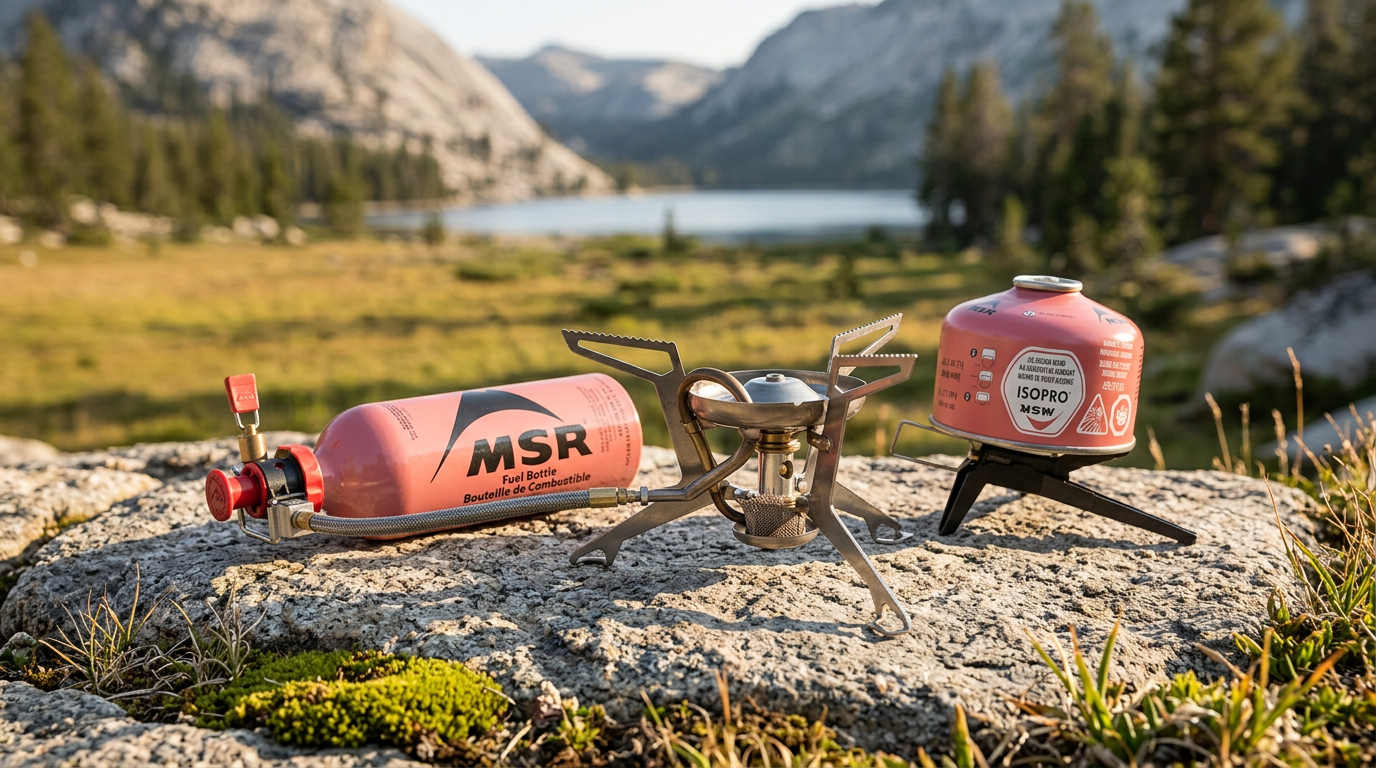
MSR WhisperLite Universal Compact Hybrid Fuel Camping and Backpacking Stove Review
REVIEW
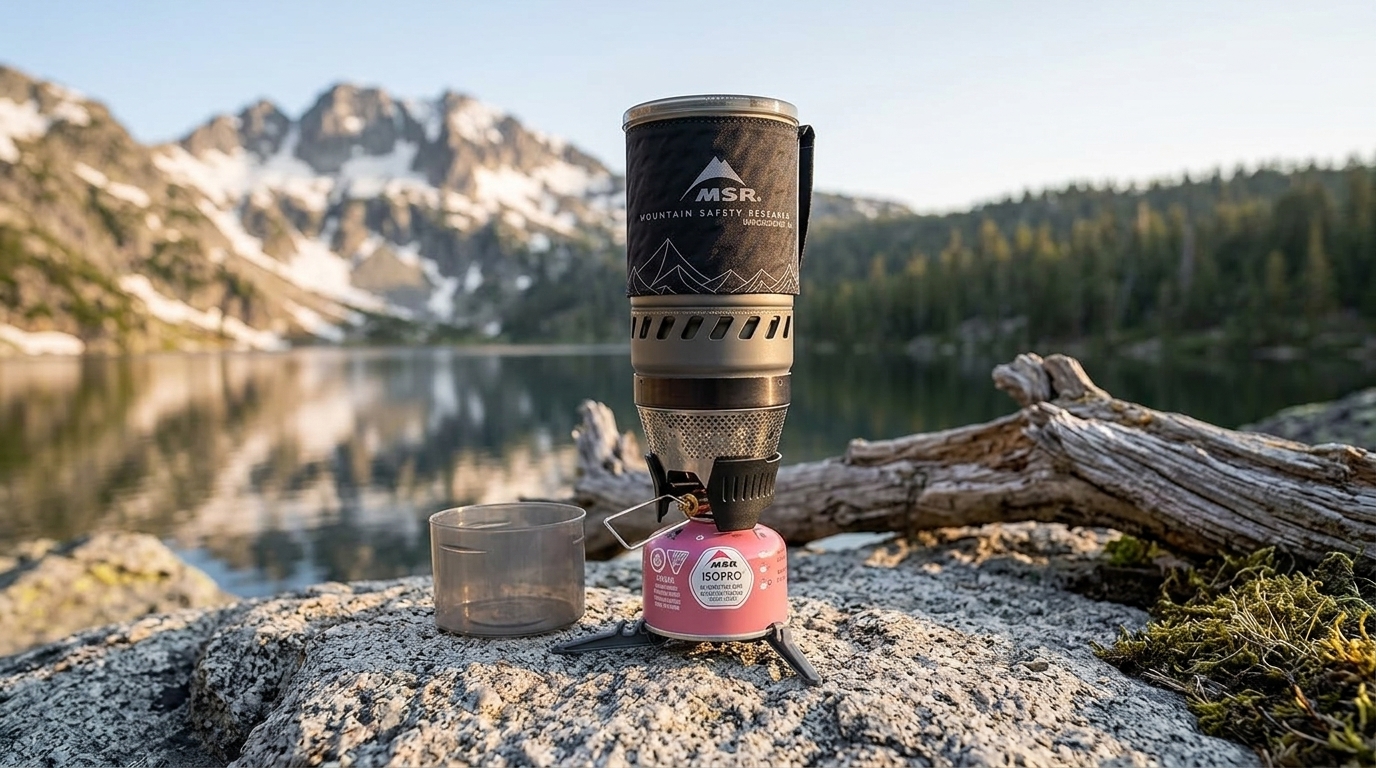
MSR WindBurner Personal Windproof Camping and Backpacking Stove System Review
REVIEW
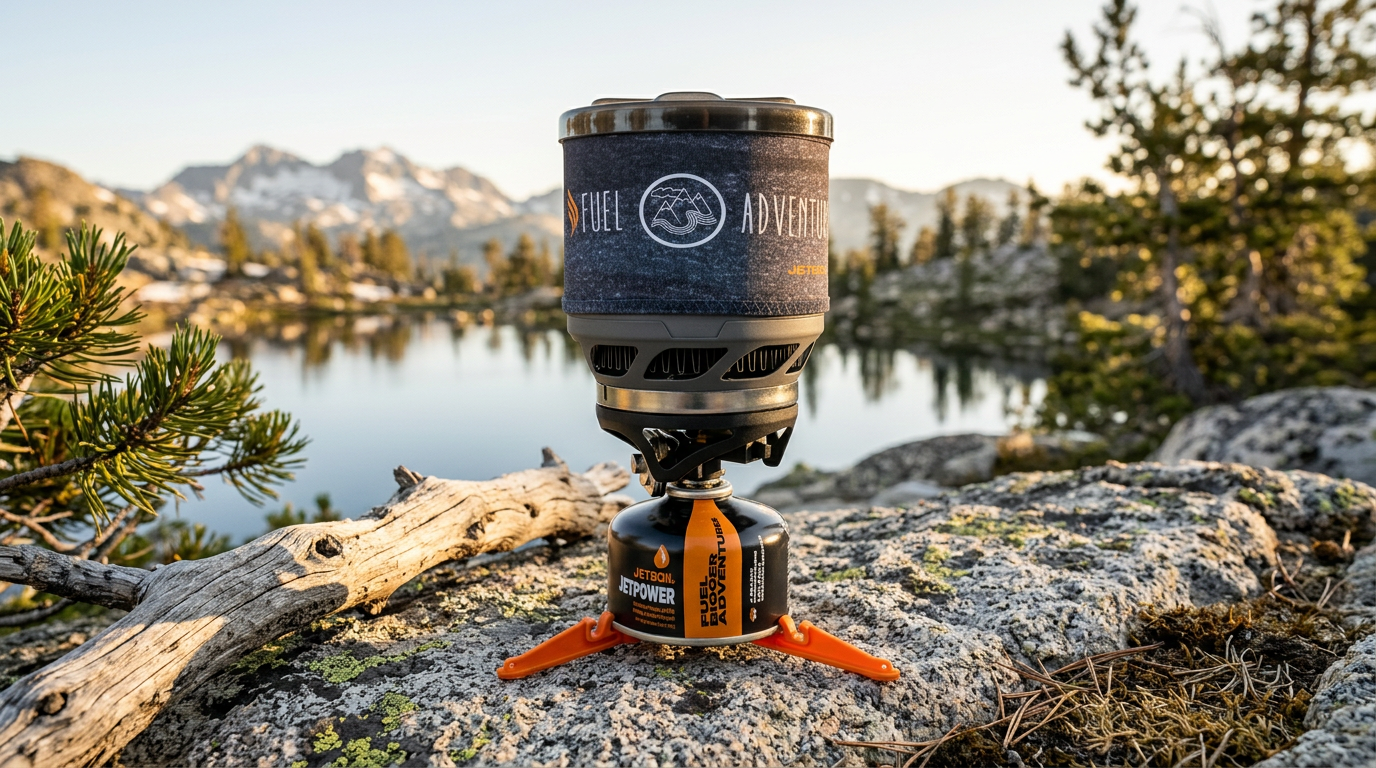
Jetboil MiniMo Camping and Backpacking Stove Cooking System with Adjustable Heat Control Review
REVIEW
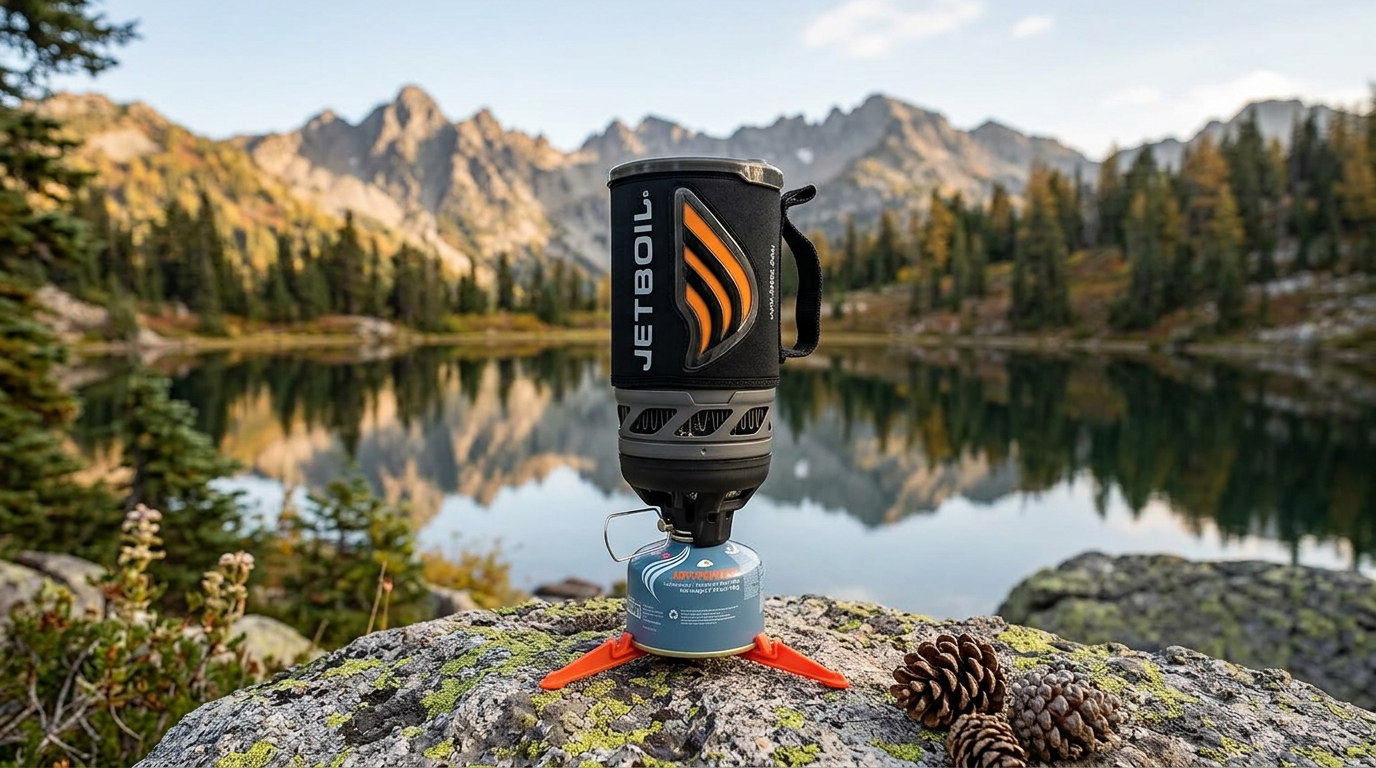
Jetboil Flash Camping and Backpacking Stove System Review
REVIEW
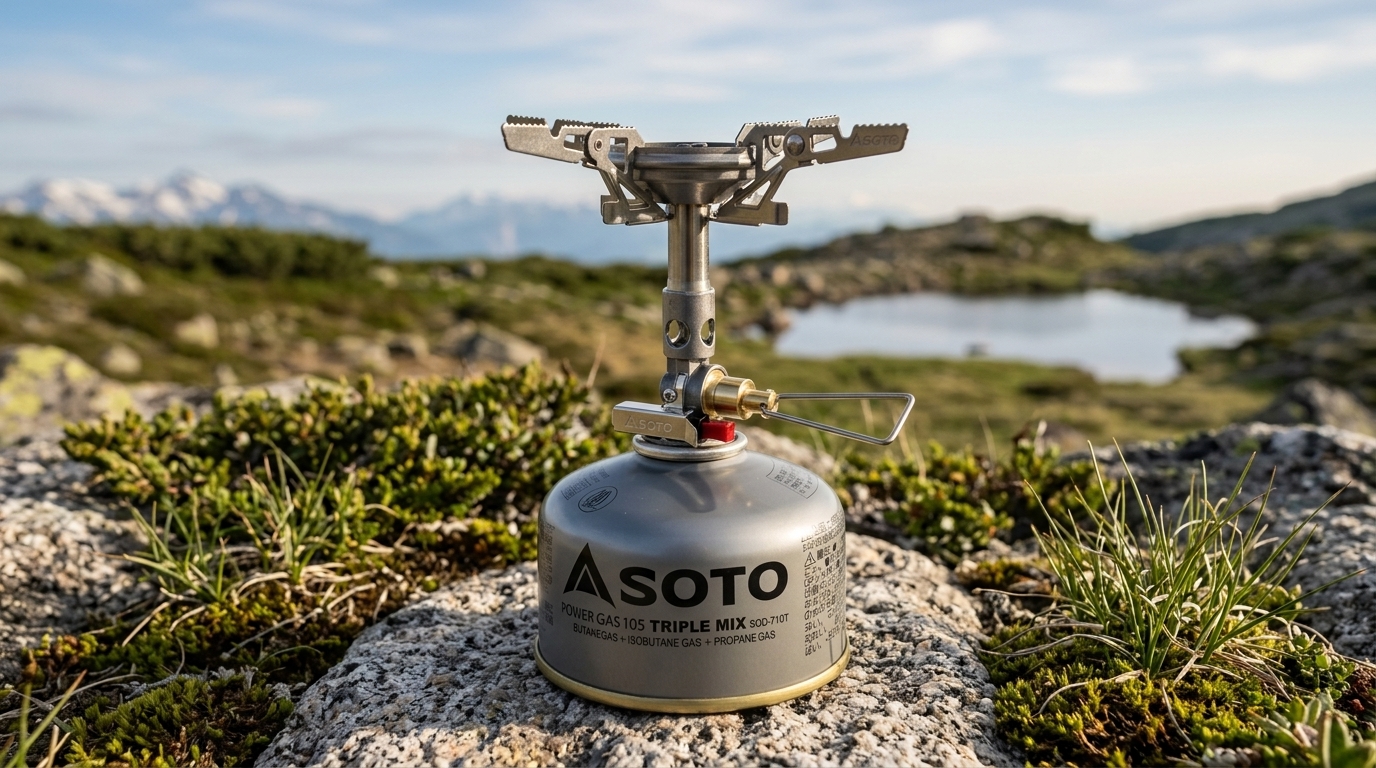
SOTO WindMaster Canister Stove with 4Flex Review
REVIEW