
Head-to-head
NEMO Hornet OSMO vs MSR Freelite 2: Ultralight Backpacking Tent Showdown
The NEMO Hornet OSMO wins this matchup for most three-season backpackers seeking the best balance of livability, weather protection, and sustainability at 2 lbs 2 oz trail weight. Its OSMO fabric delivers superior water resistance without PFC treatments, and the asymmetric design maximizes usable interior volume. However, the MSR Freelite 2 is the better choice for gram-counting thru-hikers and alpine climbers who prioritize absolute minimum weight (1 lb 15 oz trail weight) and need a proven design that's been field-tested across thousands of PCT and AT miles.
Disclosure: Four Seasons Gear is reader-supported. When you buy through links on our site, we may earn an affiliate commission at no extra cost to you. Prices and availability are accurate as of the time we last checked.
The ultralight two-person tent category has become intensely competitive, with manufacturers pushing the boundaries of weight reduction while maintaining livability. The NEMO Hornet OSMO and MSR Freelite 2 represent two distinct philosophies in this space: NEMO's approach emphasizes sustainable materials and interior volume optimization, while MSR focuses on proven minimalist architecture and shaving every possible gram. Both tents land in the premium ultralight segment at $479.95 and $499.95 respectively, targeting serious backpackers who understand that shelter weight directly impacts daily mileage and overall trip enjoyment.
Specifications Comparison
Specs
Weight and Packability: 85 Grams Separates Them
The MSR Freelite 2 holds a clear 85-gram advantage in trail weight (1 lb 15 oz vs 2 lbs 2 oz), which translates to roughly three ounces—the equivalent of a small fuel canister or two energy bars. For thru-hikers counting every gram across 2,000+ mile journeys, this difference compounds daily. The Freelite's minimum weight configuration (fly, poles, stakes only) drops to 1 lb 11 oz compared to the Hornet's 1 lb 14 oz, making it the lighter option for ultralight purists willing to forgo the inner tent on clear nights.
Packed dimensions favor the NEMO slightly at 18 x 5 inches versus MSR's 17 x 5.5 inches—the Hornet compresses into a narrower profile that fits more easily into pack side pockets or between other gear in the main compartment. Both tents pack small enough for modern 40-50L ultralight packs, but the NEMO's shape integrates better with cylindrical pack designs. In practical terms, neither tent will dictate your pack choice, but the MSR's weight advantage matters more than the NEMO's marginal packing efficiency for most backpackers.
Weather Protection and Fabric Technology
NEMO's OSMO fabric represents a significant material innovation in this comparison. The proprietary blend uses 100% recycled yarns with a PFC-free water repellent treatment, achieving 1200mm waterhead rating on the canopy and 3000mm on the floor. Critically, OSMO maintains water resistance without fluorinated chemicals while offering four times better water repellency than standard PU coatings and three times less stretch when wet. This means the Hornet maintains taut pitch geometry during prolonged rain, preventing the saggy fly syndrome that plagues many ultralight tents after 8+ hours of precipitation.
The MSR Freelite 2 uses conventional 15D ripstop nylon with Xtreme Shield coating on the canopy (1200mm) and 30D nylon floor (3000mm). While this proven fabric system delivers reliable weather protection, it lacks OSMO's low-stretch characteristics. The Freelite's fly requires more frequent adjustment during multi-day rain events to maintain proper tension. However, MSR's thicker 30D floor fabric offers superior abrasion resistance compared to NEMO's 15D OSMO floor—a meaningful advantage when pitching on rocky alpine sites or high-traffic established campsites where ground wear accelerates.
Interior Space and Livability
The NEMO Hornet OSMO employs an asymmetric floor plan that positions the peak height off-center, creating a larger usable volume on one side. This design delivers 28.5 square feet of floor area with a 39-inch peak height, and the geometry translates to noticeably more shoulder room for the person on the wide side. The dual vestibules measure 8.7 and 7.7 square feet—the larger vestibule accommodates a full backpack plus boots, while the smaller side fits a pack or cooking setup. Two interior mesh pockets and overhead gear loft loops provide organized storage for headlamps, phones, and small essentials.
The MSR Freelite 2 uses a symmetric design with 28 square feet of floor area and 38-inch peak height. The one-inch height difference is negligible, but the symmetric layout means both occupants get identical space—no negotiating who gets the wide side. The dual 8-square-foot vestibules offer equal storage capacity. MSR includes two interior pockets but omits gear loft attachment points. For solo users, both tents provide luxury; for couples or partners with different gear volumes, the NEMO's asymmetric vestibules offer more flexible organization options.
Buyers comparing these should also consider the Big Agnes Copper Spur HV UL Ultralight Bikepacking Tent, which offers slightly more interior volume at a comparable weight point and has become the benchmark for ultralight livability in this category.
Durability and Construction Quality
Both tents use premium pole sets—NEMO specifies DAC Featherlite NFL aluminum poles while MSR employs Easton Syclone poles. DAC poles are widely regarded as the gold standard for strength-to-weight ratio, offering slightly better flex characteristics and longevity than Easton's Syclone series. In real-world use, both pole sets handle typical three-season wind loads without issue, but the DAC poles in the Hornet inspire more confidence in sustained 25+ mph winds common in exposed alpine camps or coastal sites.
The MSR Freelite's 30D floor fabric doubles the denier count of the NEMO's 15D OSMO floor, providing measurably better puncture and abrasion resistance. This matters for backpackers who frequently camp on rocky terrain, established sites with compacted mineral soil, or desert environments where thorns and sharp vegetation pose constant threats. The NEMO's lighter floor requires more careful site selection and benefits from a footprint (sold separately) on abrasive surfaces. However, NEMO's OSMO fabric resists UV degradation better than conventional coated nylons, extending the tent's usable lifespan when stored in garages or sheds where sunlight exposure occurs.
Ventilation and Condensation Management
The NEMO Hornet OSMO features large mesh panels on the canopy doors and two triangular mesh vents at the head and foot ends. The fly includes adjustable vents that can be propped open with included struts, creating airflow channels that reduce condensation buildup during humid conditions. OSMO's breathability characteristics also help—the fabric allows more moisture vapor transmission than conventional coated nylons, reducing interior humidity when the fly is fully closed during rain.
The MSR Freelite 2 uses extensive mesh paneling on the canopy with two large mesh doors and mesh end panels. The fly design includes fixed vents at both ends, though these cannot be adjusted like the NEMO's strut-supported vents. In practice, both tents manage condensation adequately in typical three-season conditions, but the Hornet's adjustable vents provide more control in variable weather—you can increase ventilation during humid clear nights or batten down completely when wind-driven rain threatens.
Setup and Pitch Characteristics
Both tents use freestanding designs with hubbed pole systems that enable quick setup. The NEMO Hornet requires inserting two poles through sleeves and clips, then staking out corners and guy lines—a practiced user completes setup in 4-5 minutes. The color-coded pole ends and matching grommets eliminate confusion in fading light or during rushed setups in deteriorating weather. The fly attaches via plastic clips and tensioners, allowing adjustment without re-staking.
The MSR Freelite 2 employs a similar clip-and-sleeve system with two main poles. Setup time matches the NEMO at 4-5 minutes for experienced users. MSR's Easton Syclone poles use a unified hub design that simplifies pole assembly—there's only one way to connect the sections, reducing fumbling in the dark. Both tents pitch fly-first in rain (with practice), though neither design makes this as intuitive as some competitors. The Freelite's symmetric design means you don't need to orient the tent to terrain features, while the Hornet's asymmetric layout requires positioning the larger vestibule toward your preferred gear storage side.
Value and Long-Term Cost of Ownership
At $479.95, the NEMO Hornet OSMO costs $20 less than the MSR Freelite 2's $499.95 price point. This represents a 4% savings—essentially negligible in the context of premium ultralight gear. The value equation shifts when considering long-term durability and replacement costs. NEMO's OSMO fabric resists UV degradation and hydrolysis better than conventional coated fabrics, potentially extending the tent's usable life by 1-2 seasons. However, the thinner 15D floor may require earlier replacement or necessitate purchasing a footprint ($79.95) to protect the investment.
The MSR Freelite's 30D floor should outlast the NEMO's floor in abrasive environments, potentially avoiding mid-life floor replacement costs. MSR's established repair parts network and longer product lifecycle (the Freelite design has evolved over multiple generations) means finding replacement poles, stakes, or fly components remains easier 5+ years post-purchase. NEMO's newer OSMO technology hasn't yet proven decade-long durability in the field, though lab testing suggests excellent longevity. For buyers planning 500+ nights of use, the MSR's proven track record offers more certainty.
Decision Framework: Which Tent for Your Needs
Choose the NEMO Hornet OSMO if you prioritize sustainable materials, superior wet-weather pitch stability, and flexible interior organization. The OSMO fabric's PFC-free treatment and recycled content appeal to environmentally conscious backpackers, while the asymmetric design and adjustable vents provide tangible livability advantages during extended trips. The 85-gram weight penalty disappears in importance for weekend warriors and section hikers who value comfort over absolute minimalism. The Hornet excels in humid coastal environments, Pacific Northwest rainforests, and any conditions where sustained precipitation tests fabric performance.
Choose the MSR Freelite 2 if you're counting every gram for thru-hiking, fastpacking, or alpine climbing where weight directly impacts performance. The 1 lb 15 oz trail weight represents best-in-class for a true two-person ultralight shelter with dual doors and vestibules. The symmetric design and thicker floor fabric suit backpackers who frequently camp on established sites, rocky alpine zones, or desert terrain where abrasion resistance matters more than pitch stability. The Freelite's proven design and extensive field testing across thousands of PCT, AT, and CDT miles provide confidence for multi-month expeditions where gear failure has serious consequences.
Buy the NEMO Hornet OSMO if:
- You want PFC-free, sustainable fabric technology without compromising weather protection
- Wet-weather pitch stability and reduced stretch matter for your typical camping conditions
- You prefer asymmetric vestibule sizes for flexible gear organization
- You're willing to accept 85 grams additional weight for better livability features
- You primarily camp in humid environments where condensation management is critical
- You value adjustable ventilation control for variable weather conditions
Buy the MSR Freelite 2 if:
- You're thru-hiking or fastpacking where every ounce affects daily mileage and fatigue
- You need maximum abrasion resistance for rocky alpine or desert camping
- You prefer symmetric interior space with equal vestibule sizes
- You want proven field-tested design with extensive long-term durability data
- You frequently camp on established sites with compacted, abrasive ground surfaces
- You prioritize absolute minimum weight over material sustainability considerations
+How much does the 85-gram weight difference actually matter on the trail?
For thru-hikers covering 15-20 miles daily over months, 85 grams (3 ounces) compounds into measurable fatigue reduction—it's equivalent to carrying 6-7 fewer energy bars across a 2,000-mile journey. For weekend backpackers covering 5-8 miles per day, this weight difference is imperceptible and shouldn't drive the decision. Consider your typical daily mileage and trip duration: if you're averaging under 10 miles per day, prioritize livability features over the weight savings. If you're consistently pushing 15+ mile days, the MSR's lighter weight becomes increasingly valuable.
+Will the NEMO's thinner 15D floor hold up to rocky campsites?
The 15D OSMO floor requires more careful site selection than the MSR's 30D floor. On established dirt or grass sites, it performs adequately for hundreds of nights. On rocky alpine terrain, sharp desert vegetation, or high-traffic campsites with exposed roots and rocks, the thinner fabric shows wear faster. NEMO's OSMO material offers better tear resistance than conventional 15D fabrics due to its construction, but physics still favors thicker denier counts for abrasion resistance. Budget for a footprint ($79.95) if you frequently camp on abrasive surfaces, or accept that the floor may need replacement after 100-150 nights of hard use versus 200+ nights for the MSR's floor.
+Does OSMO fabric actually perform better in wet conditions than conventional coated nylon?
Yes, measurably. OSMO's polyester-nylon blend exhibits three times less stretch when saturated compared to standard coated nylon, maintaining taut pitch geometry during prolonged rain. In practical terms, this means fewer midnight guy-line adjustments during multi-day storms and reduced fly-to-canopy contact that causes interior dripping. The PFC-free water repellent treatment also resists saturation longer than conventional DWR coatings—water beads and rolls off rather than wetting out the fabric surface. However, OSMO's advantages appear primarily in sustained wet conditions (8+ hours of rain); in typical overnight showers, both fabrics perform similarly. The real-world benefit emerges during extended rainy periods common in coastal ranges, Pacific Northwest forests, or monsoon-season Southwest camping.

Read next
More comparisons + reviews
REVIEW
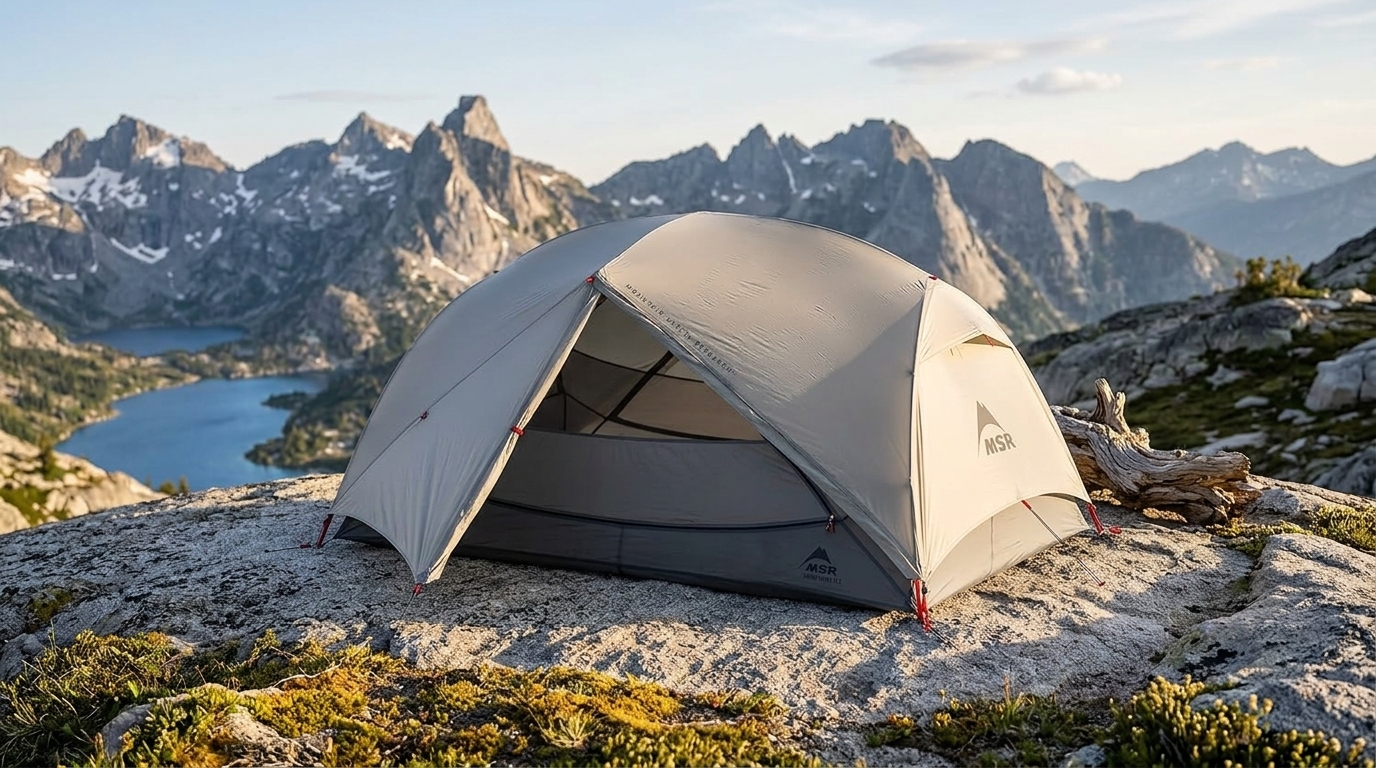
MSR Hubba Hubba LT 2-Person Lightweight Backpacking Tent Review
REVIEW
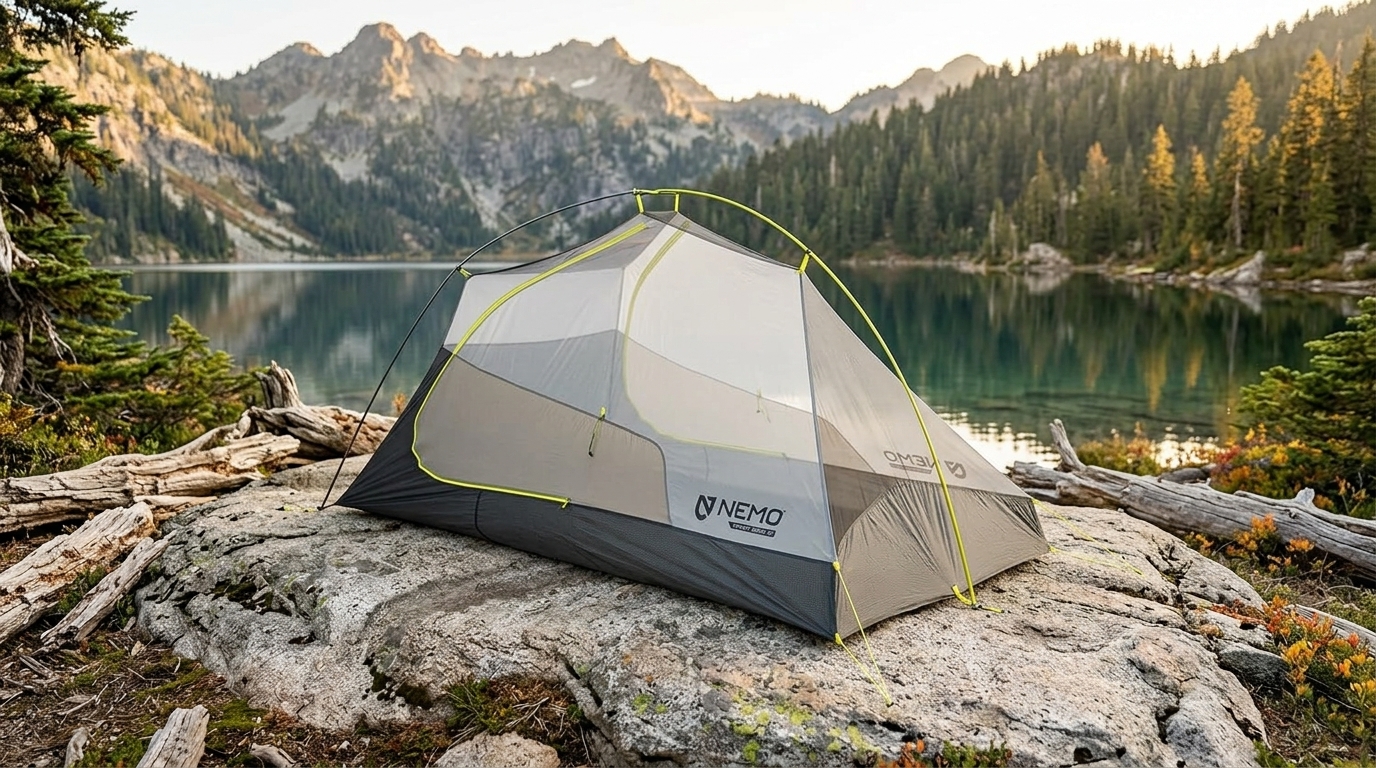
NEMO Equipment Hornet OSMO Ultralight Backpacking Tent Review
REVIEW
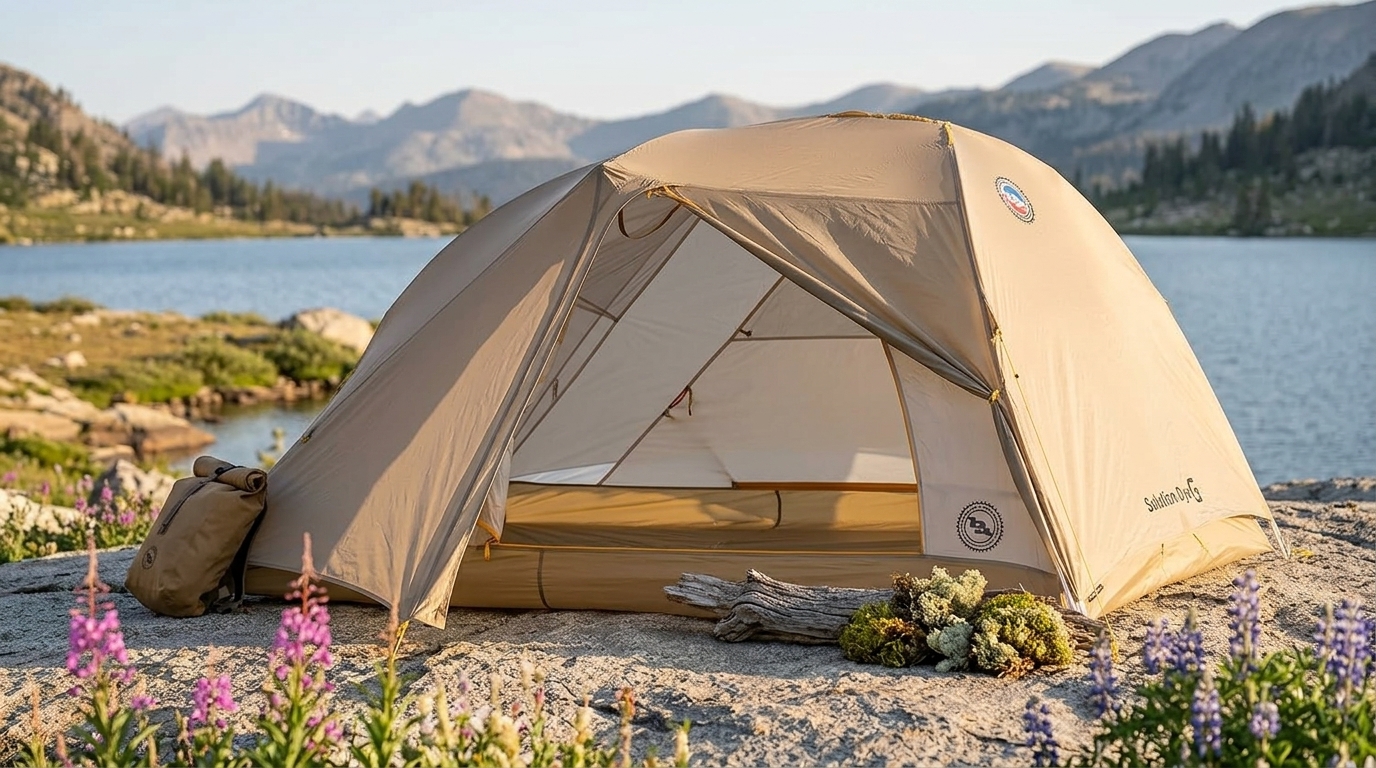
Big Agnes Tiger Wall UL Ultralight Bikepacking Tent with UV-Resistant Solution Dyed Fabric Review
REVIEW
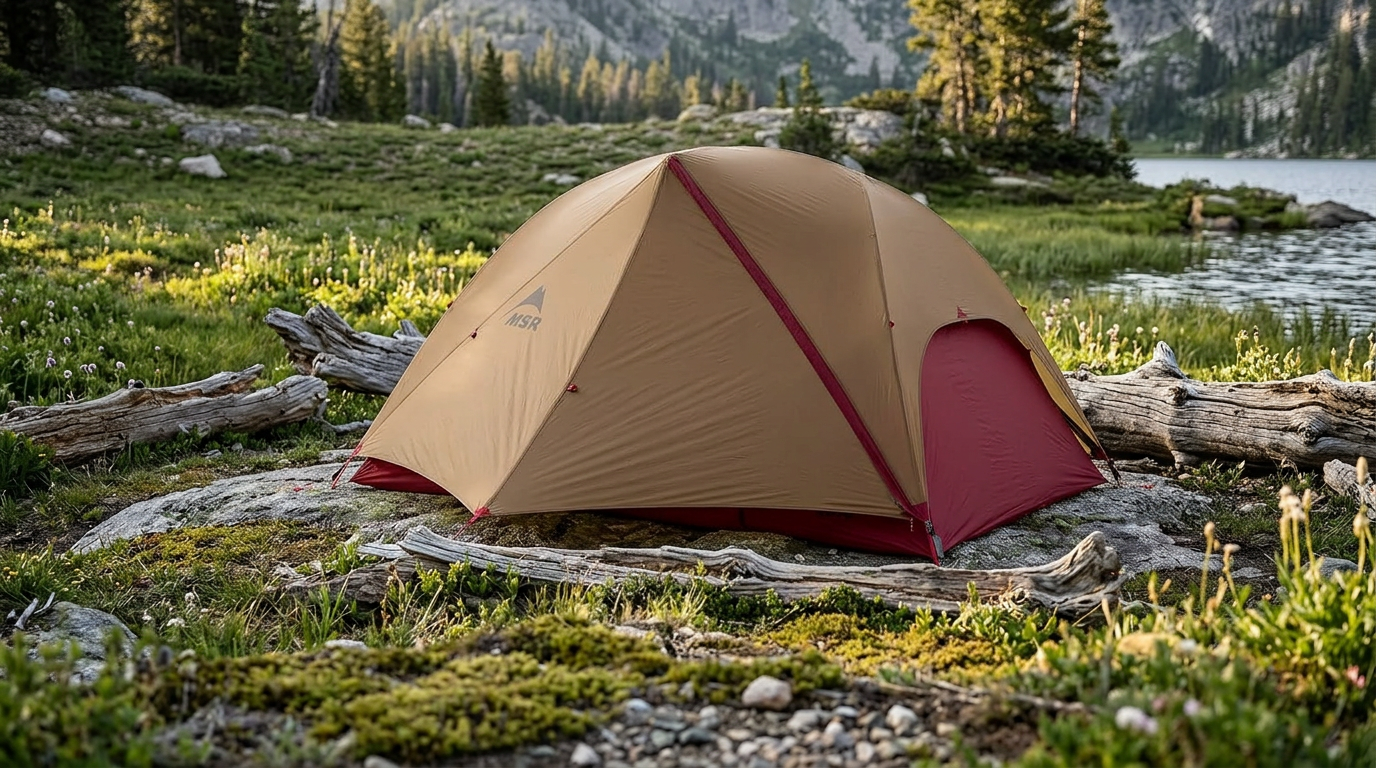
MSR Freelite 2-Person Ultralight Backpacking Tent Review
REVIEW
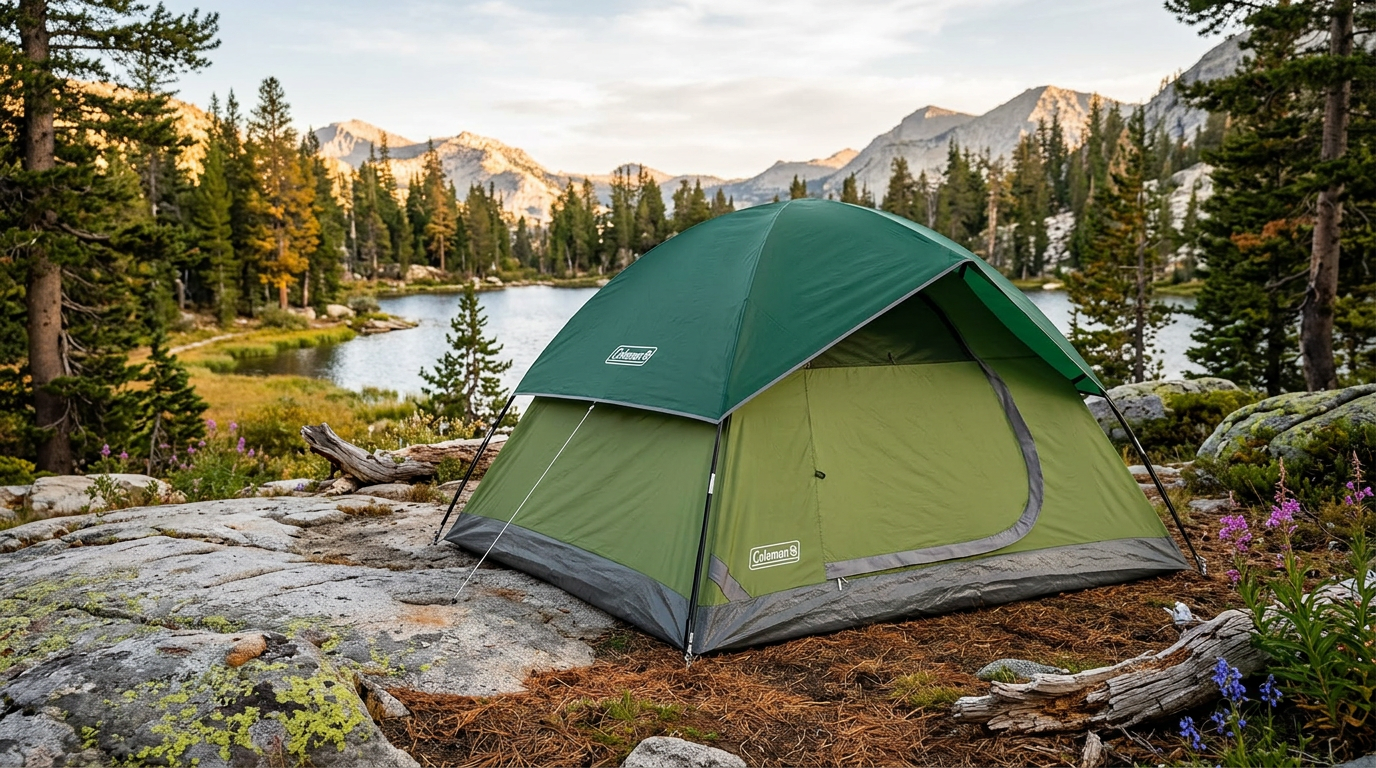
Coleman Sundome Camping Tent Review: Affordable 3-Season Shelter for Casual Campers
REVIEW