
Head-to-head
Therm-a-Rest NeoAir XTherm NXT vs Nemo Tensor Trail: Which Ultralight Sleeping Pad is Right for You?
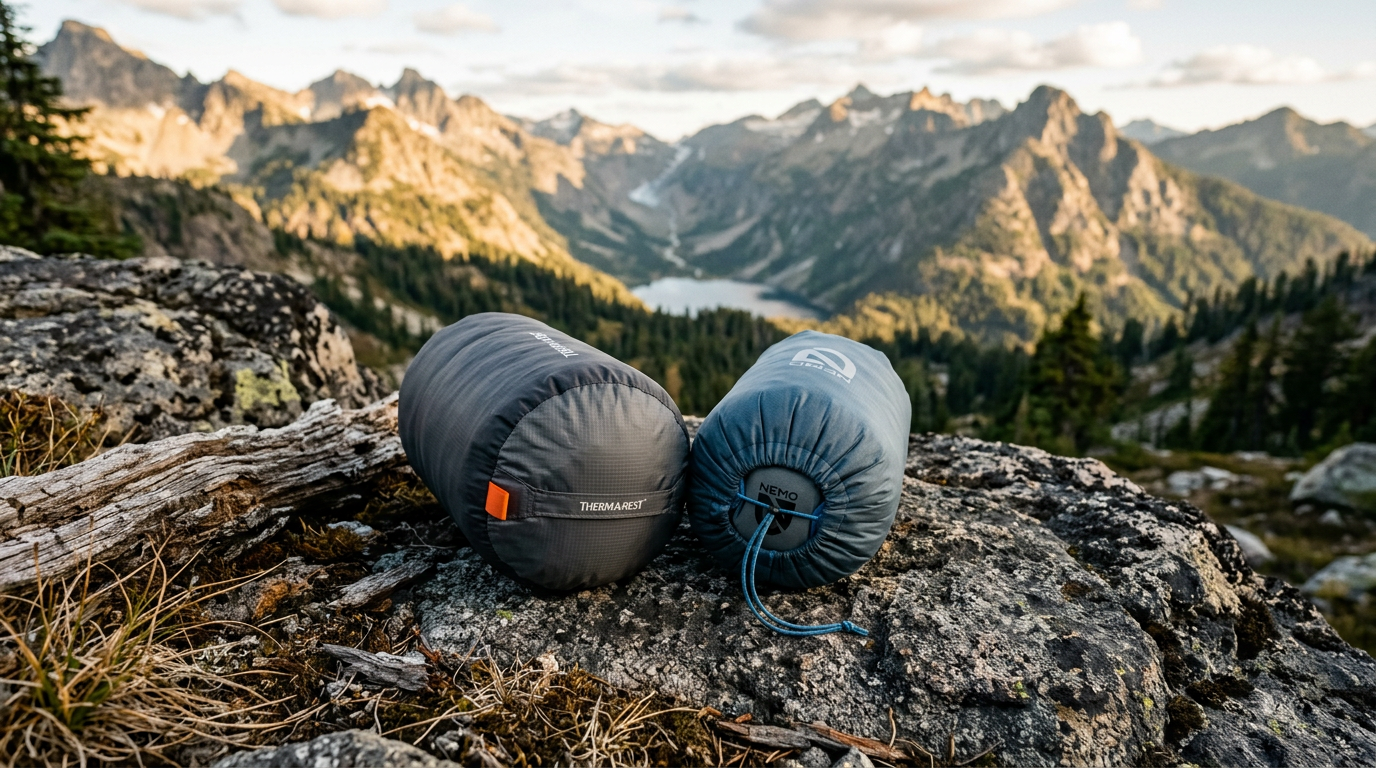
The Therm-a-Rest NeoAir XTherm NXT wins for winter camping and alpine expeditions where maximum warmth is non-negotiable, delivering an R-value of 7.3 that makes it the warmest pad in the ultralight category. However, the Nemo Tensor Trail is the smarter choice for three-season backpackers who prioritize value, quieter fabric, and a more generous sleeping surface—it costs $78 less while still providing an R-value of 4.2 that handles conditions down to the low 20s°F.
Disclosure: Four Seasons Gear is reader-supported. When you buy through links on our site, we may earn an affiliate commission at no extra cost to you. Prices and availability are accurate as of the time we last checked.
Choosing between the Therm-a-Rest NeoAir XTherm NXT and the Nemo Tensor Trail comes down to your temperature requirements and budget tolerance. Both pads occupy the ultralight category and use air-chamber insulation, but they target different segments of the backpacking market. The XTherm NXT represents Therm-a-Rest's flagship winter pad with proven four-season credentials, while the Tensor Trail positions itself as Nemo's value-oriented option for warmer-weather adventurers who still want legitimate insulation.
Specifications at a Glance
Specs
Warmth: The Defining Difference
The R-value gap between these pads is substantial and mission-critical. The XTherm NXT's R-value of 7.3 makes it suitable for winter camping, snow camping, and alpine mountaineering where overnight lows regularly drop below 0°F. Therm-a-Rest achieves this through a combination of their ThermaCapture radiant heat reflector and a Triangular Core Matrix baffle structure that traps warm air more effectively than traditional horizontal baffles. In contrast, the Tensor Trail's R-value of 4.2 targets three-season use—it will keep you comfortable down to approximately 20-25°F when paired with an appropriate sleeping bag, but it's not engineered for true winter conditions.
This 3.1-point R-value difference translates directly to usable temperature range. If your trips include snow camping, winter mountaineering, or shoulder-season alpine objectives, the XTherm NXT's additional insulation is not a luxury—it's a safety requirement. For backpackers whose seasons run April through October in temperate climates, the Tensor Trail's 4.2 R-value provides adequate protection without the weight or cost premium.
Weight and Packed Size: Minimal Difference, Meaningful Details
At 15 oz for the regular length, the XTherm NXT edges out the 16 oz Tensor Trail by a single ounce—a difference most backpackers won't notice on the trail. However, packed size tells a different story. The Tensor Trail compresses to 8x5 inches compared to the XTherm NXT's 11x5 inches, giving the Nemo pad a 27% advantage in packed volume. This matters when you're fitting gear into a 40-50L pack for multi-day trips.
The XTherm NXT's larger packed size stems from its thicker insulation layers and more robust baffle architecture. The Tensor Trail uses a simpler construction that allows tighter compression. For ultralight purists counting every cubic inch, the Tensor Trail's smaller stuff sack is a tangible benefit. For winter travelers carrying bulkier insulated clothing and four-season sleeping bags, the XTherm NXT's extra three inches of length in the stuff sack becomes a minor consideration.
Noise and Sleep Quality: Fabric Makes the Difference
The XTherm NXT uses a 30-denier ripstop nylon shell that produces the characteristic crinkle sound common to Therm-a-Rest's high-performance pads. This fabric is durable and puncture-resistant, but it generates audible noise with every position change. Light sleepers and side sleepers who shift frequently report this as a meaningful drawback. The Tensor Trail employs a 20-denier polyester face fabric that's significantly quieter—Nemo specifically engineered this material to reduce the rustling that plagues many air pads.
The trade-off is durability. The XTherm NXT's 30D nylon offers better abrasion resistance on rough ground, rocky campsites, and alpine terrain where sharp granite and ice are common. The Tensor Trail's 20D polyester is adequate for maintained trails and established campsites but requires more careful site selection. Backpackers who value uninterrupted sleep and camp primarily in forested or groomed sites will appreciate the Tensor Trail's quieter operation. Those venturing into exposed alpine zones or winter environments should prioritize the XTherm NXT's tougher shell.
Width Options and Sleeping Surface
Both pads offer regular (20-inch) and wide (25-inch) versions, but the Tensor Trail's wide option—as specified in this comparison at 72x25 inches—provides 25% more surface area than the standard width. This extra five inches makes a substantial difference for side sleepers, broad-shouldered users, and anyone who moves actively during sleep. The XTherm NXT also offers a wide version (not specified here), but at a higher price point that further widens the cost gap.
The Tensor Trail's 3.5-inch thickness versus the XTherm NXT's 3.0 inches gives the Nemo pad a slight edge in cushioning, though both provide adequate loft to keep pressure points off the ground. The half-inch difference is perceptible to side sleepers with bony hips and shoulders. For back sleepers and those under 180 pounds, both pads offer comparable comfort.
Value Proposition: $78 Buys You Warmth
The $78.57 price difference between these pads is significant in percentage terms—the Tensor Trail costs 33% less than the XTherm NXT. That savings could fund a quality stuff sack, repair kit, or contribute toward other gear upgrades. The question is whether the XTherm NXT's additional warmth justifies the premium for your specific use case.
For three-season backpackers camping between April and October in temperate zones, the Tensor Trail delivers 95% of the performance at 67% of the cost. The R-value of 4.2 handles the vast majority of backpacking conditions, and the quieter fabric and larger packed-size efficiency add real value. For winter campers, alpine climbers, and cold-weather adventurers, the XTherm NXT's R-value of 7.3 is irreplaceable—no amount of layering or sleeping bag upgrading can compensate for inadequate pad insulation when you're sleeping on snow.
Durability and Construction Quality
Therm-a-Rest's Triangular Core Matrix baffle system in the XTherm NXT creates internal structure that resists lateral air movement and provides more stable support across the pad's surface. This construction also contributes to long-term durability—the baffles are less prone to delamination than simpler horizontal designs. Nemo's Tensor Trail uses horizontal baffles with internal Stratofiber insulation, a proven architecture that's easier to manufacture and repair but potentially less stable under dynamic loads.
Both pads include repair kits and are field-repairable with standard patch adhesive. The XTherm NXT's thicker shell material gives it an edge in puncture resistance, particularly relevant when camping on snow platforms where ice crystals and frozen ground create abrasion hazards. The Tensor Trail's lighter fabric requires a groundsheet or footprint in rocky terrain to prevent premature wear.
Inflation and Setup
The XTherm NXT uses Therm-a-Rest's WingLock valve, a two-way design that allows rapid deflation and prevents accidental air loss during inflation. The Tensor Trail features Nemo's Laylow zero-profile valve, which sits flush with the pad surface to eliminate pressure points. Both valves are reliable and easy to operate with cold hands, though the WingLock's larger opening allows slightly faster inflation.
Inflation time for both pads is approximately 10-15 breaths to full firmness, depending on lung capacity and altitude. Neither pad includes an integrated pump, though both are compatible with aftermarket pump sacks that reduce moisture accumulation inside the air chambers—a consideration for winter use where condensation can freeze and compromise insulation.
Decision Framework: Buy the XTherm NXT If...
- You camp in winter conditions, on snow, or at high altitude where temperatures regularly drop below 20°F
- You're planning extended cold-weather expeditions where gear failure isn't an option
- You prioritize maximum warmth-to-weight ratio and need a four-season pad under one pound
- You camp on rough, rocky, or abrasive surfaces where durability is critical
- You're willing to pay a premium for proven cold-weather performance
Buy the Tensor Trail If...
- Your camping season runs April through October in temperate climates
- You're a light sleeper bothered by pad noise and want quieter fabric
- You value the $78 savings and can allocate it to other gear priorities
- You prefer a wider sleeping surface (25 inches) for side sleeping or active movement
- You need a smaller packed size to fit a compact backpack
- You camp primarily on established sites with soft ground where a lighter shell is adequate
Frequently Asked Questions
+Can I use the Tensor Trail for winter camping if I add extra insulation?
Not reliably. While you can supplement a pad with a closed-cell foam pad underneath, the Tensor Trail's R-value of 4.2 is fundamentally insufficient for winter conditions. Ground cold conducts through the pad regardless of your sleeping bag rating. In temperatures below 20°F, you risk cold-related injuries. If winter camping is in your plans, invest in a pad with an R-value of 5.0 or higher—the XTherm NXT's 7.3 provides appropriate margin for snow camping and alpine winter conditions.
+How much louder is the XTherm NXT compared to the Tensor Trail?
The difference is immediately noticeable. The XTherm NXT's 30D nylon produces a distinct crinkling sound with every movement—comparable to handling a mylar emergency blanket. The Tensor Trail's 20D polyester is approximately 60-70% quieter, producing a soft rustling that's less disruptive to sleep. If you're a light sleeper or share a tent with a partner, the Tensor Trail's quieter operation is a meaningful quality-of-life improvement. The XTherm NXT's noise is the price you pay for its superior warmth and durability.
+Which pad is better for side sleepers?
The Tensor Trail has two advantages for side sleepers: its 3.5-inch thickness provides slightly more cushioning than the XTherm NXT's 3.0 inches, and the wide version (25 inches) offers substantially more room to shift positions without rolling off the pad. The XTherm NXT also comes in a wide version, but at a higher price. If you're a side sleeper camping in three-season conditions, the Tensor Trail's combination of extra width, thickness, and lower cost makes it the better choice. Winter side sleepers will need to accept the XTherm NXT's narrower profile as the cost of adequate insulation.

Read next
More comparisons + reviews
REVIEW
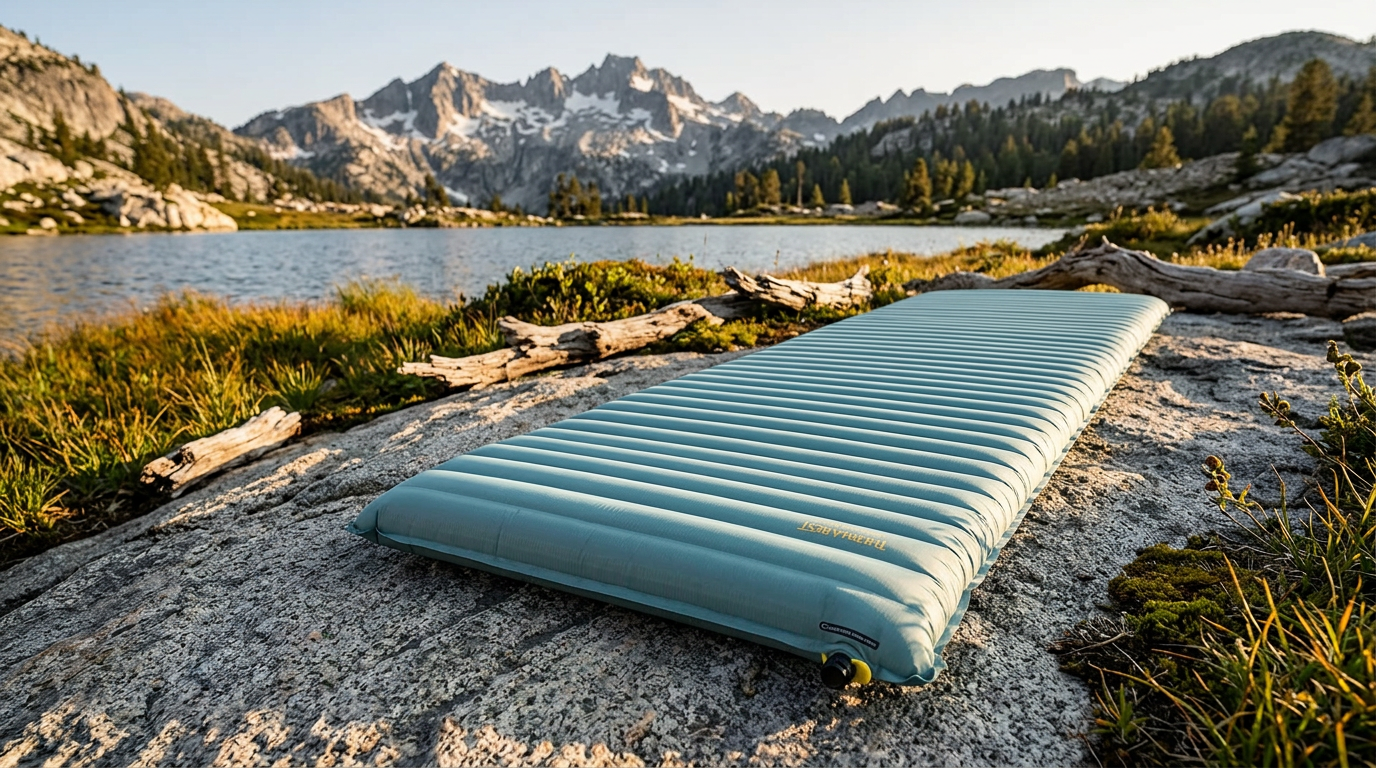
Therm-a-Rest NeoAir XTherm NXT MAX Review: 7.3 R-Value in 650 Grams
REVIEW
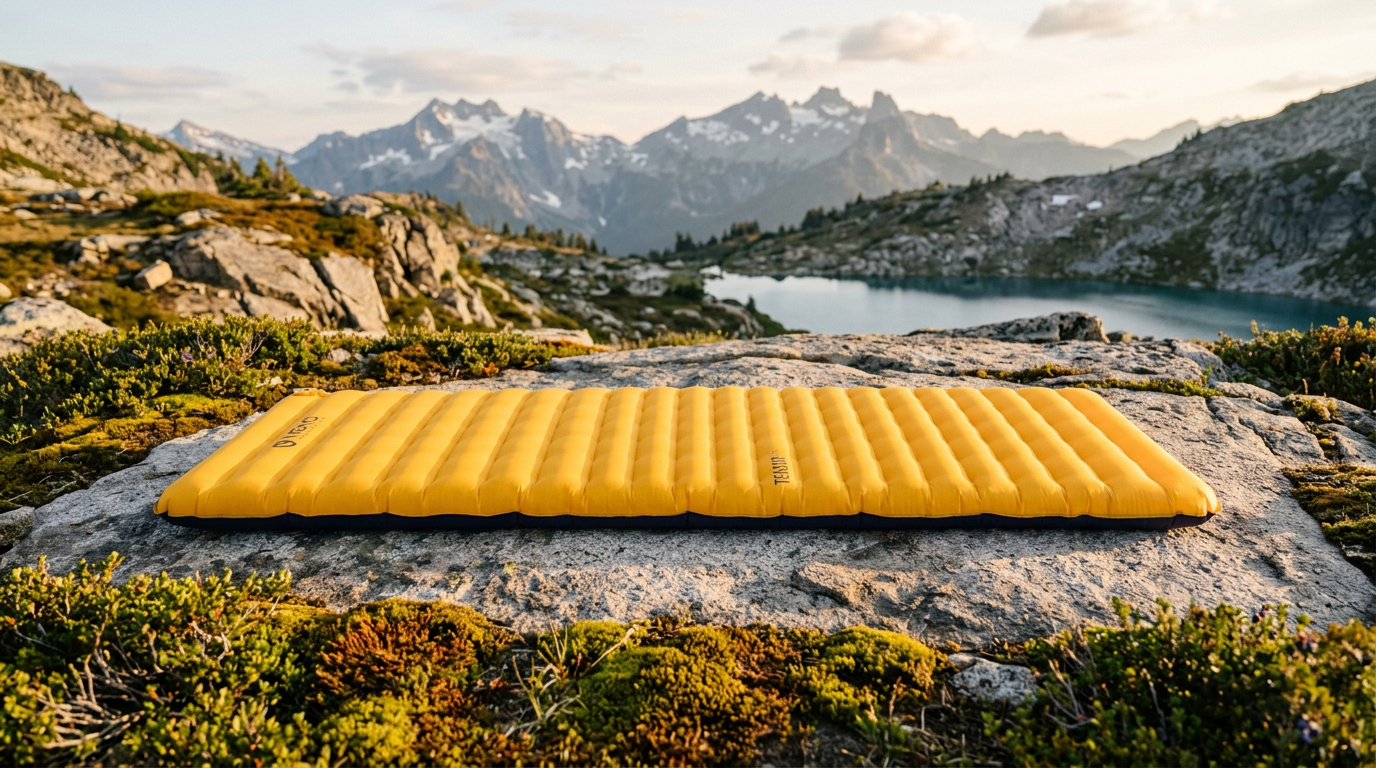
Nemo Tensor Trail Ultralight Insulated Sleeping Pad Review: Wide Comfort at 3.5-Inch Loft
REVIEW
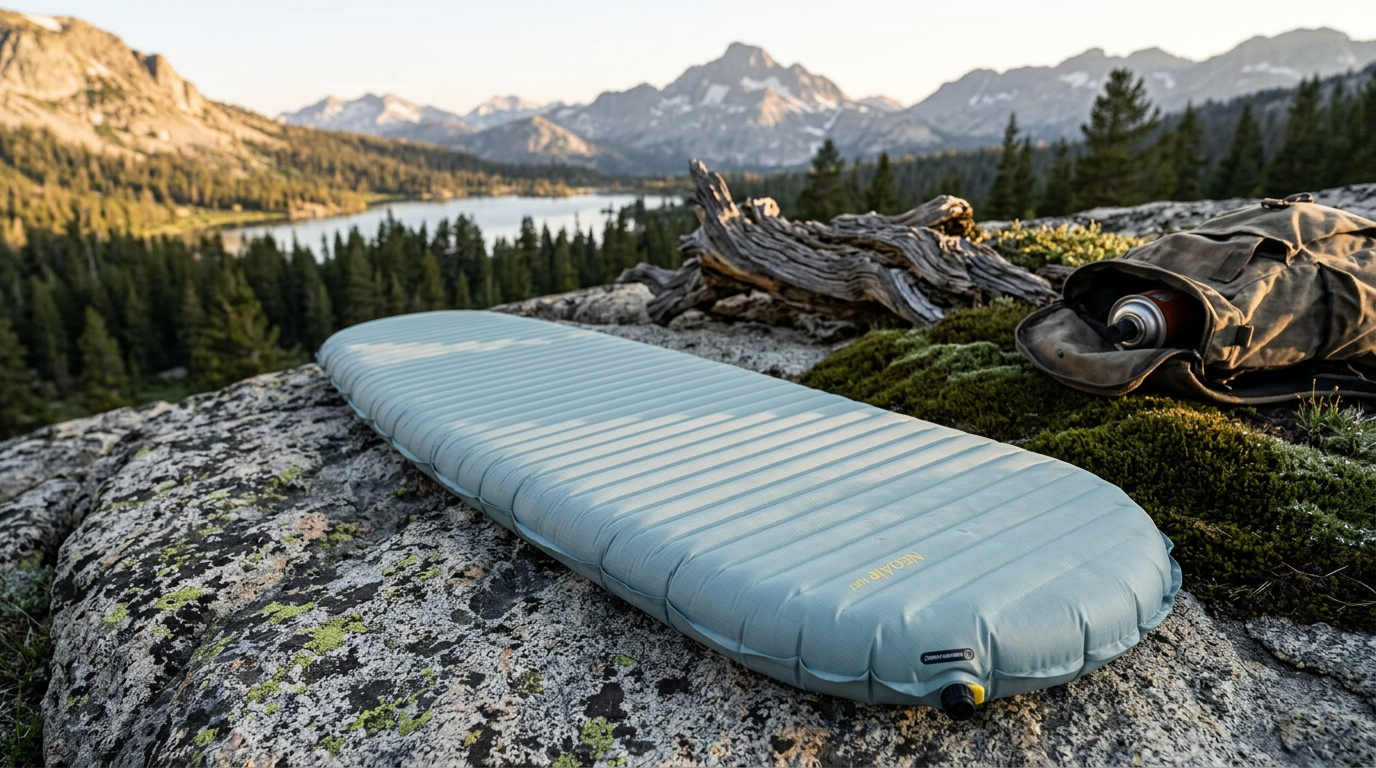
Therm-a-Rest NeoAir XTherm NXT Ultralight Camping and Backpacking Sleeping Pad Review
REVIEW
Klymit Insulated Static V Luxe Sleeping Pad Review
REVIEW
Klymit Static V Sleeping Pad Review: Budget-Friendly V-Chamber Design for Three-Season Backpackers
REVIEW