
Head-to-head
MSR Reactor vs MSR WindBurner: Which Windproof Stove System Wins?
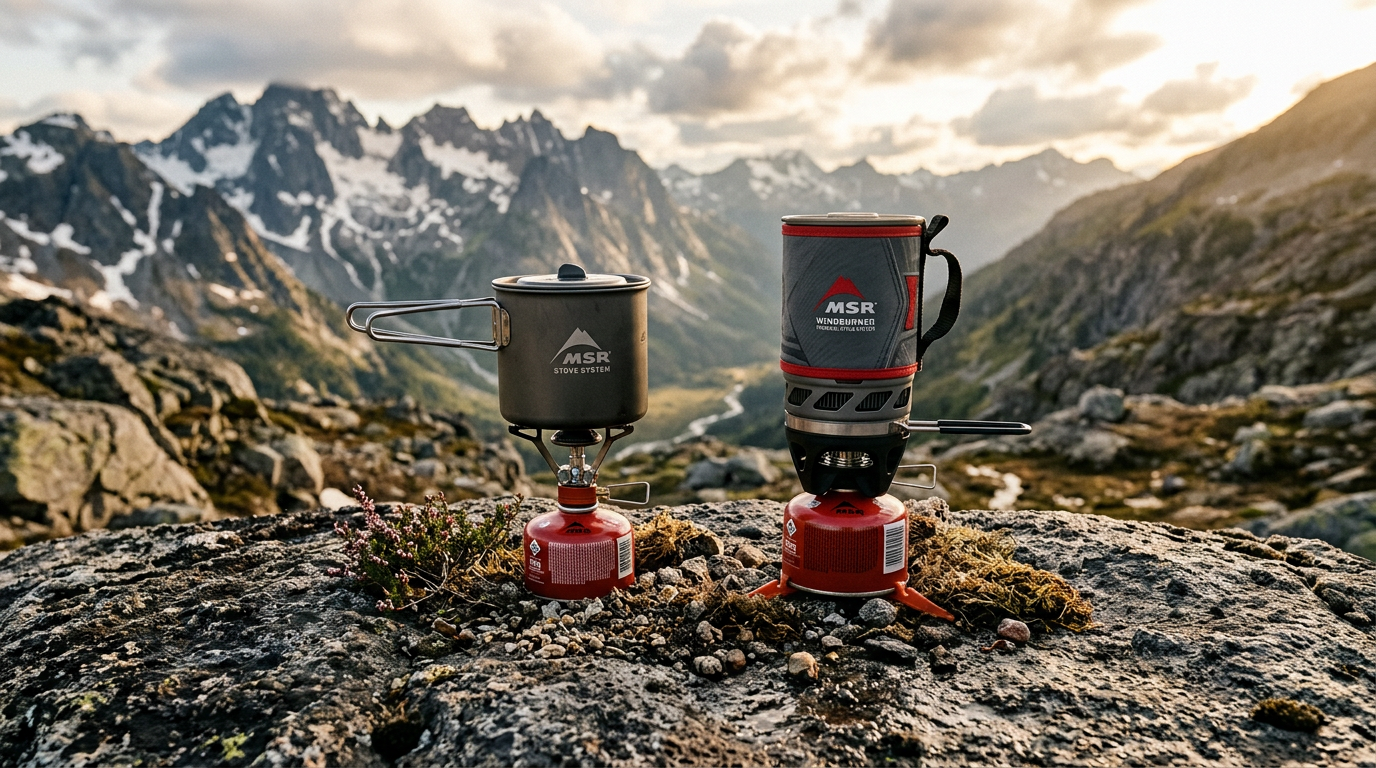
The MSR Reactor takes the win for alpine mountaineers and winter campers who need maximum heat output and the fastest boil times in brutal wind and cold. The WindBurner is the better choice for three-season backpackers prioritizing fuel efficiency, lighter weight, and a lower price point — it still handles wind admirably but sacrifices some raw power for better simmering control and everyday versatility.
Disclosure: Four Seasons Gear is reader-supported. When you buy through links on our site, we may earn an affiliate commission at no extra cost to you. Prices and availability are accurate as of the time we last checked.
MSR's two flagship windproof stove systems — the Reactor and the WindBurner — dominate the integrated canister stove category, but they're engineered for different missions. Both use radiant burner technology and heat exchangers to maintain performance in wind, but the Reactor prioritizes speed and power while the WindBurner balances efficiency with simmer control. At nearly identical price points ($198.92 vs $199.95), the decision hinges on your typical conditions and cooking style.
Spec Comparison
Specs
Heat Output and Boil Speed
The Reactor's 9,000 BTU burner delivers a 3-minute boil time for one liter of water, making it 33% faster than the WindBurner's 4.5-minute performance. This 1.5-minute difference becomes critical on alpine starts when you're melting snow at 14,000 feet or racing daylight on a winter summit push. The Reactor's radiant burner runs hotter and more aggressively — in sustained wind above 20 mph, it maintains near-full output while conventional stoves lose 50-70% efficiency. The WindBurner's 7,000 BTU output is still impressive for an integrated system and handles wind far better than canister stoves like the MSR PocketRocket 2 Stove, but it's noticeably slower when you're cooking for groups or melting large volumes of snow.
Simmer Control and Cooking Versatility
The WindBurner's valve design allows precise flame adjustment from full roar down to a gentle simmer — you can actually cook rice, rehydrate meals slowly, or warm soup without scorching. The Reactor's valve offers minimal modulation; it's essentially on or off, with a narrow middle range that's difficult to hold steady. For alpine mountaineering where you're only boiling water for freeze-dried meals and melting snow, this limitation doesn't matter. For backpackers who want to cook fresh ingredients or manage multiple dishes, the WindBurner's control is a significant advantage. The difference is most apparent when rehydrating meals that require 10-15 minutes of low heat — the Reactor tends to overheat and create hot spots, while the WindBurner maintains even, gentle warmth.
Weight and Packed Size
The WindBurner's 1.0L system weighs 14.5 oz versus the Reactor's 15 oz — a negligible 0.5 oz difference that won't influence most decisions. Both systems nest the burner and fuel canister inside the pot for efficient packing. The Reactor's pot is slightly taller and narrower, which some users find easier to pack in the main compartment of a backpack, while the WindBurner's wider profile fits better in side pockets. Neither system competes with ultralight setups like a canister stove and titanium pot (which can weigh under 6 oz total), but for windproof performance, both are remarkably compact. If you're counting every gram for a fastpacking trip, the WindBurner edges ahead, but the difference is marginal.
Fuel Efficiency and Operating Cost
The WindBurner's heat exchanger and lower BTU output combine to deliver superior fuel economy — MSR claims it boils 2.5 liters per 8 oz fuel canister in calm conditions, compared to the Reactor's 2.0 liters. Over a week-long trip, this translates to carrying one less canister, saving both weight and cost. The Reactor's aggressive burner consumes fuel faster, but its extreme wind resistance means it doesn't waste heat in exposed conditions where other stoves would hemorrhage efficiency. In practice, if you're camping above treeline or in consistent wind, the Reactor's real-world efficiency improves because it maintains performance while competitors struggle. For three-season use in moderate conditions, the WindBurner's efficiency advantage is clear and measurable.
Build Quality and Durability
Both systems use hard-anodized aluminum pots with integrated heat exchangers and stainless steel burner assemblies. The Reactor's pot features a slightly thicker gauge aluminum and reinforced rim, designed to withstand the abuse of expedition use and repeated snow melting. The WindBurner's construction is equally robust but optimized for lighter weight — the pot walls are fractionally thinner, which hasn't proven problematic in field use but theoretically offers less impact resistance. Both burners are built to MSR's expedition standards with brass valve components and sealed connections. The Reactor's igniter is slightly more protected within the burner housing, while the WindBurner's is more exposed but easier to replace. Neither system has a reputation for failure, and both carry MSR's limited lifetime warranty.
Decision Tree: Which System to Buy
Buy the Reactor if:
- You're mountaineering, winter camping, or operating consistently above treeline where wind is constant and severe
- Boil speed matters more than simmer control — you're primarily melting snow and boiling water for freeze-dried meals
- You need maximum heat output in extreme cold (below 20°F) where every BTU counts
- You're cooking for groups and need to process large volumes of water quickly
- You value the fastest possible boil time and are willing to sacrifice fuel efficiency and cooking versatility
Buy the WindBurner if:
- You're backpacking in three-season conditions where wind is intermittent rather than constant
- Simmer control matters — you want to cook real food, not just boil water
- Fuel efficiency is a priority for longer trips or resupply logistics
- You want windproof performance without the Reactor's aggressive, all-or-nothing heat output
- You're looking for a versatile system that handles both quick boils and gentle cooking tasks
Frequently Asked Questions
+Can I use the Reactor pot on the WindBurner burner or vice versa?
No. The pot-burner coupling systems are proprietary and not cross-compatible. Each system requires its specific pot design to achieve the windproof seal and heat exchanger performance. MSR sells accessory pots in various sizes for each platform, but you cannot mix components between Reactor and WindBurner systems.
+How do these compare to a traditional canister stove with a separate pot?
Both the Reactor and WindBurner sacrifice some flexibility (you can't use your own cookware) for dramatically better wind performance and faster boil times. A traditional canister stove setup weighs less and costs less, but loses 50-70% efficiency in wind. If you're camping in exposed terrain or alpine environments, the integrated systems are worth the investment. For sheltered forest camping, a lightweight canister stove may be adequate.
+Which system works better at high altitude?
Both systems perform well at altitude because they use standard isobutane-propane canisters and don't rely on liquid fuel vaporization. The Reactor has a slight edge above 12,000 feet due to its higher BTU output, which compensates for the reduced oxygen and lower atmospheric pressure. However, the WindBurner is still highly effective at altitude — the difference is incremental rather than categorical. For serious mountaineering above 18,000 feet, many climbers still prefer liquid fuel stoves for extreme cold performance.

Read next
More comparisons + reviews
REVIEW
MSR WhisperLite Universal Compact Hybrid Fuel Camping and Backpacking Stove Review
REVIEW
MSR WindBurner Personal Windproof Camping and Backpacking Stove System Review
REVIEW
Jetboil MiniMo Camping and Backpacking Stove Cooking System with Adjustable Heat Control Review
REVIEW
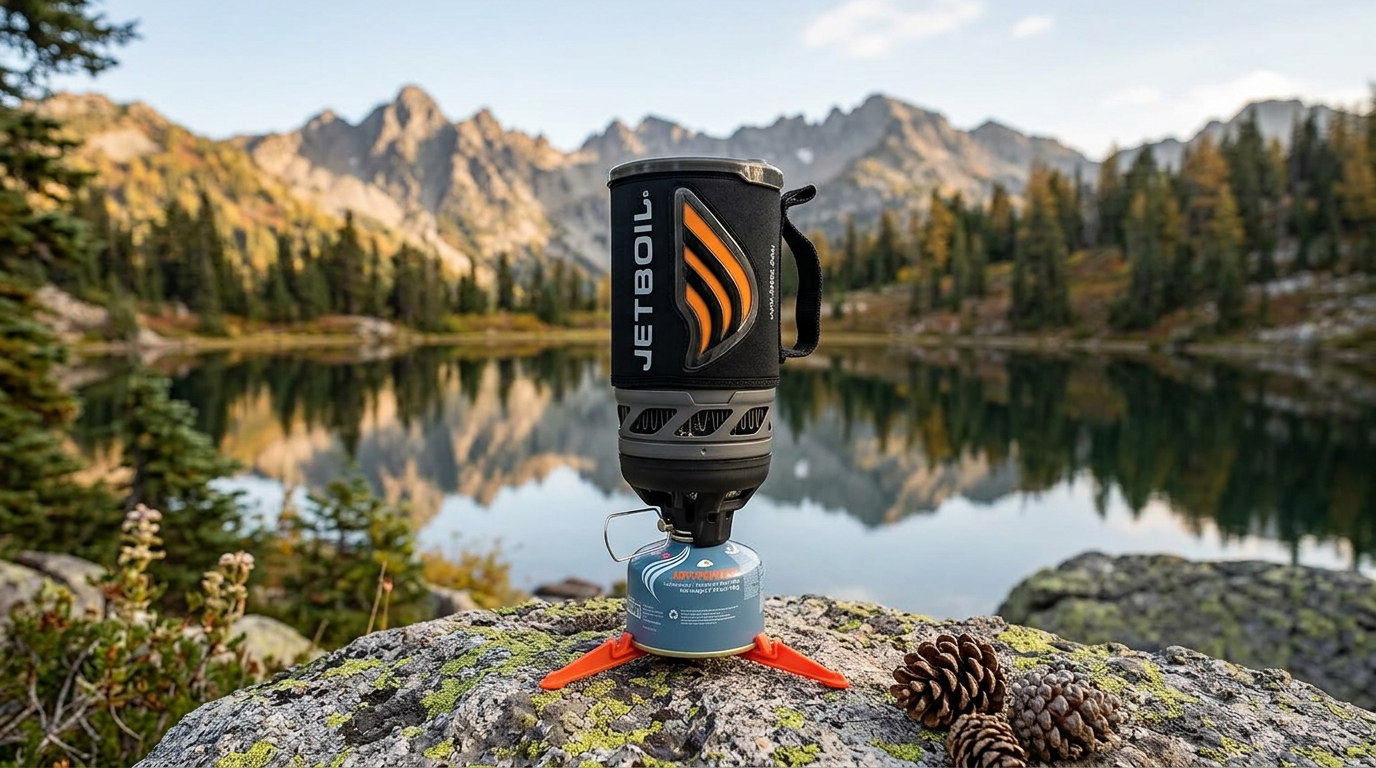
Jetboil Flash Camping and Backpacking Stove System Review
REVIEW
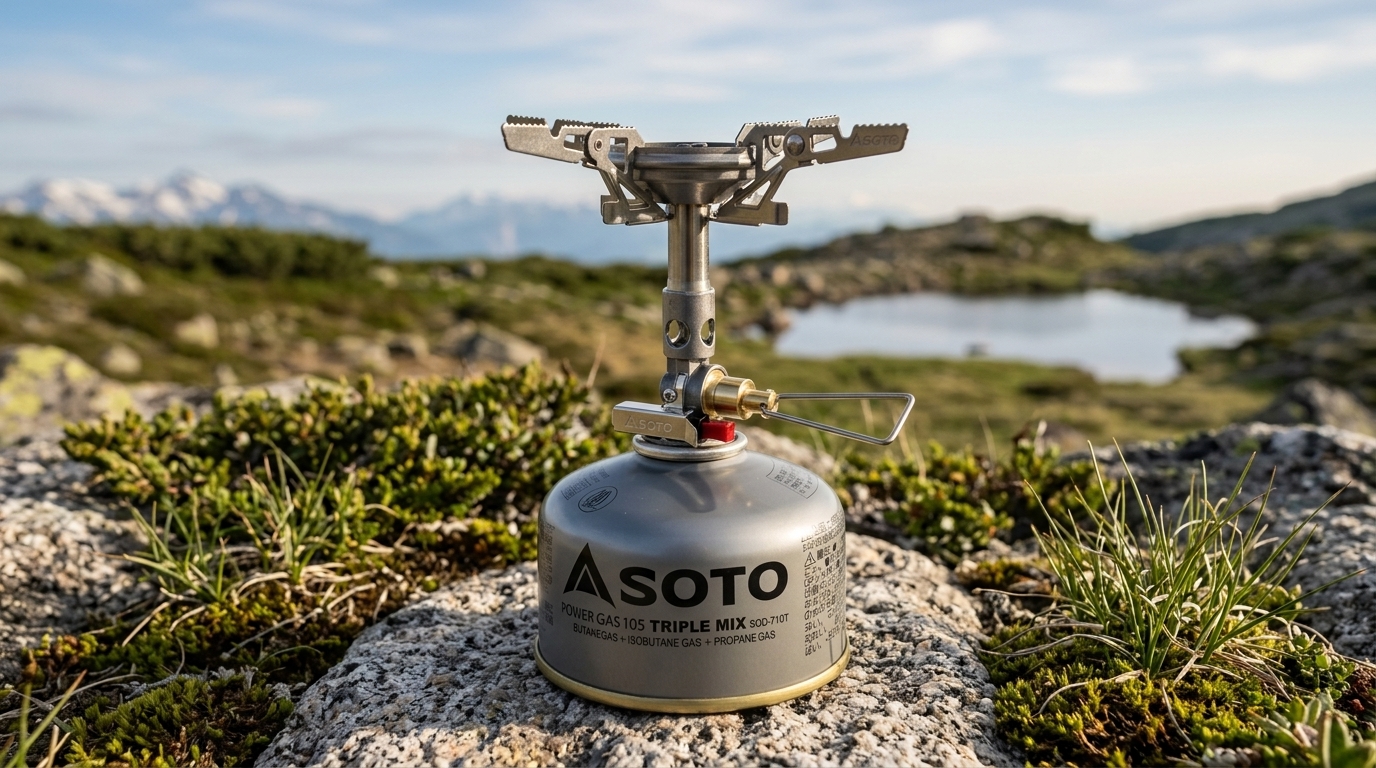
SOTO WindMaster Canister Stove with 4Flex Review
REVIEW