
Head-to-head
Petzl Actik Core vs Coast FL75R: Which Rechargeable Headlamp Wins?
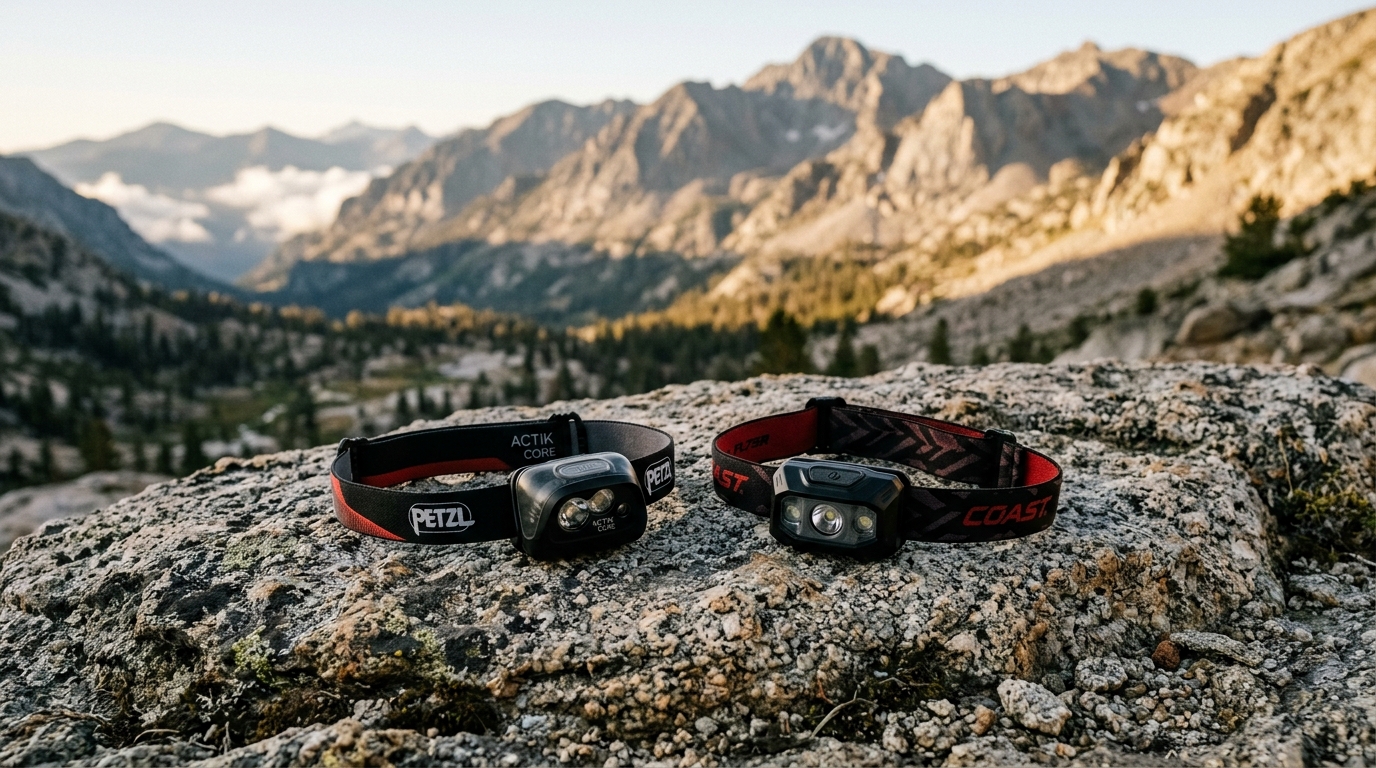
The Petzl Actik Core takes the win for backpackers and multi-day users who prioritize battery flexibility and proven durability in alpine conditions. Its 600-lumen output, hybrid power system (rechargeable plus AAA backup), and Petzl's reputation for bombproof construction justify the $20 premium. The Coast FL75R is the better pick for weekend campers and budget-conscious buyers who need solid output (530 lumens) and dual-color modes but can accept proprietary battery limitations and a bulkier form factor.
Disclosure: Four Seasons Gear is reader-supported. When you buy through links on our site, we may earn an affiliate commission at no extra cost to you. Prices and availability are accurate as of the time we last checked.
Rechargeable headlamps have become the standard for anyone spending consecutive nights outdoors, eliminating the cost and waste of disposable batteries. The Petzl Actik Core and Coast FL75R both deliver 500+ lumens and USB charging, but they diverge sharply on battery strategy, beam control, and build philosophy. After examining the specs and construction of both units, the differences matter most in extended trips and cold-weather reliability.
Spec Comparison
Specs
Output and Beam Quality: 600 vs 530 Lumens
The Petzl Actik Core delivers 600 lumens maximum versus the Coast FL75R's 530 lumens—a 13% advantage that translates to noticeably brighter illumination when navigating technical terrain or setting up camp in full darkness. More significant is the beam pattern: Petzl uses a mixed flood-spot configuration optimized for close-range tasks (cooking, reading maps) and mid-range trail visibility. The Coast employs its Twist Focus system, allowing you to rotate the bezel from flood to spot, which extends throw distance to 152 meters compared to Petzl's 100-meter rating.
In practice, the Coast's adjustable focus is useful for spotting trail markers at distance or scanning a wide campsite, but the mechanical twist mechanism adds a failure point and requires two-handed adjustment. The Petzl's fixed beam is less versatile but eliminates a moving part. For alpine starts and fast-paced hiking where you need reliable light without fiddling, the Petzl's simpler design wins. For stationary camp tasks where you're adjusting focus frequently, the Coast's flexibility has merit.
Battery Strategy: Hybrid vs Proprietary
This is the most consequential difference. The Petzl Actik Core ships with a 1250mAh rechargeable lithium-ion battery (Petzl Core) that slides into the rear housing, but the lamp also accepts three AAA alkaline or lithium batteries as backup. If your rechargeable dies mid-trip, you can swap in AAAs from your kit or a trailhead store. The Coast FL75R uses a proprietary rechargeable pack with no backup option—once it's dead, the lamp is dead until you find a USB port.
The Petzl's hybrid system adds 15 grams and $15 to the cost (AAA batteries weigh roughly 11g each, totaling 33g versus the 18g Core battery), but that redundancy is critical on trips longer than three days or in sub-freezing temperatures where lithium-ion capacity drops. The Coast's single-battery design is simpler and lighter if you're certain you can recharge every 2-3 days, but it's a non-starter for thru-hikers or winter campers who need backup power. The Petzl also supports standard USB-A charging, while the Coast uses micro-USB—a minor inconvenience as most modern gear has shifted to USB-C.
Weight and Packability: 75g vs 148g
The Petzl Actik Core weighs 75 grams with its rechargeable battery installed—nearly half the Coast FL75R's 148-gram heft. That 73-gram difference (2.6 ounces) is substantial in the headlamp category, where most rechargeable models cluster between 80-120 grams. The Coast's extra weight comes from its larger battery housing and the Twist Focus mechanism's additional lens assembly. On the head, the Coast feels noticeably front-heavy, especially when tilted downward for close tasks, while the Petzl balances better with its compact rear battery.
For fastpackers and ounce-counters, the Petzl's weight advantage is decisive. For car campers or casual users who aren't scrutinizing every gram, the Coast's bulk is tolerable. Neither lamp is truly ultralight—true gram-weenies will look at the Petzl Bindi (35g) or Nitecore NU25 (29g)—but the Actik Core is the lighter of these two 500+ lumen options by a wide margin.
Durability and Build Quality
Petzl headlamps are legendary for surviving years of alpine abuse—crampons dropped on them, stuffed wet into pack lids, frozen solid and thawed repeatedly. The Actik Core uses a polycarbonate shell with rubberized seals and a hinged battery door that locks with a quarter-turn. The IPX4 rating (splash-resistant) is conservative; these lamps routinely survive rain and snow beyond their official spec. The single button interface is recessed to prevent accidental activation in a pack.
The Coast FL75R has an IP54 rating (dust-protected, splash-resistant), slightly better on paper, but its Twist Focus bezel introduces a potential ingress point. Coast's construction is solid—thick ABS plastic housing, rubberized grips—but the brand lacks Petzl's decades-long track record in mountaineering. The Coast's rear battery compartment uses a sliding latch that feels less secure than Petzl's twist-lock. For weekend trips, either lamp will hold up fine. For multi-season backcountry use, Petzl's proven durability justifies the premium.
Value Proposition: $79 vs $60
At $79, the Petzl Actik Core costs $19 more than the $60 Coast FL75R—a 32% premium. You're paying for 70 lumens of extra output, 73 grams of weight savings, hybrid battery compatibility, and Petzl's reputation. The Coast offers 80 extra hours of low-mode runtime (50h vs 130h is misleading—the Petzl's 130h is on a dimmer 5-lumen setting versus Coast's 30-lumen low), adjustable focus, and a lower entry price.
For buyers who camp 3-5 nights per year near their vehicle and want a rechargeable lamp without spending Petzl money, the Coast delivers adequate performance. For anyone planning multi-day hikes, winter camping, or international travel where AAA batteries are easier to source than USB power, the Petzl's extra $19 is a bargain. The hybrid battery system alone is worth the upcharge for serious users.
Decision Tree: Which Headlamp to Buy
Buy the Petzl Actik Core if:
- You need battery backup options for trips longer than 3 days or in freezing temperatures
- Weight matters—you're counting grams for backpacking or fastpacking
- You want proven durability for alpine or expedition use
- You prioritize a balanced, comfortable fit over adjustable beam focus
- You're willing to pay $19 more for hybrid power and lighter weight
Buy the Coast FL75R if:
- You camp within 2-3 days of vehicle access and can recharge reliably
- You want adjustable beam focus for varied tasks (spotting, flood lighting)
- Budget is a primary concern—you need rechargeable capability under $60
- You don't camp in sub-freezing conditions where battery backup is critical
- Weight isn't a priority (car camping, casual use)
Frequently Asked Questions
+Can I use regular AAA batteries in the Petzl Actik Core without the rechargeable pack?
Yes. The Actik Core is designed to run on either the included 1250mAh rechargeable Core battery OR three AAA alkaline/lithium batteries. You simply remove the rechargeable pack and insert AAAs into the same compartment. This hybrid design is the Actik Core's key advantage for extended trips—if your rechargeable dies, you're not stranded. Performance is slightly reduced on AAAs (450 lumens vs 600 lumens), but runtime is comparable.
+Does the Coast FL75R's Twist Focus mechanism hold up in cold weather?
The Twist Focus bezel is a mechanical rotating collar that adjusts the lens position to change beam spread. In freezing temperatures, the plastic-on-plastic interface can stiffen, requiring more force to twist. Coast's IP54 rating suggests adequate sealing, but any moving part is a potential failure point compared to the Petzl's fixed optic. If you're winter camping, the simpler Petzl design is more reliable. For three-season use, the Coast's focus system is durable enough for recreational use.
+How do these headlamps compare to ultralight options like the Petzl Bindi?
The Petzl Bindi (35g, 200 lumens) and similar ultralight headlamps sacrifice output and runtime for weight savings. The Actik Core's 600 lumens and 130-hour low mode make it suitable for alpine starts, trail running, and extended camping where you need serious light. The Coast FL75R is even more output-focused with its 530 lumens and adjustable focus. If your priority is minimizing pack weight and you only need a lamp for brief tasks, an ultralight model makes sense. For general backpacking and camping, the Actik Core's 75-gram weight is light enough while delivering 3x the output of ultralight options.

Read next
More comparisons + reviews
REVIEW
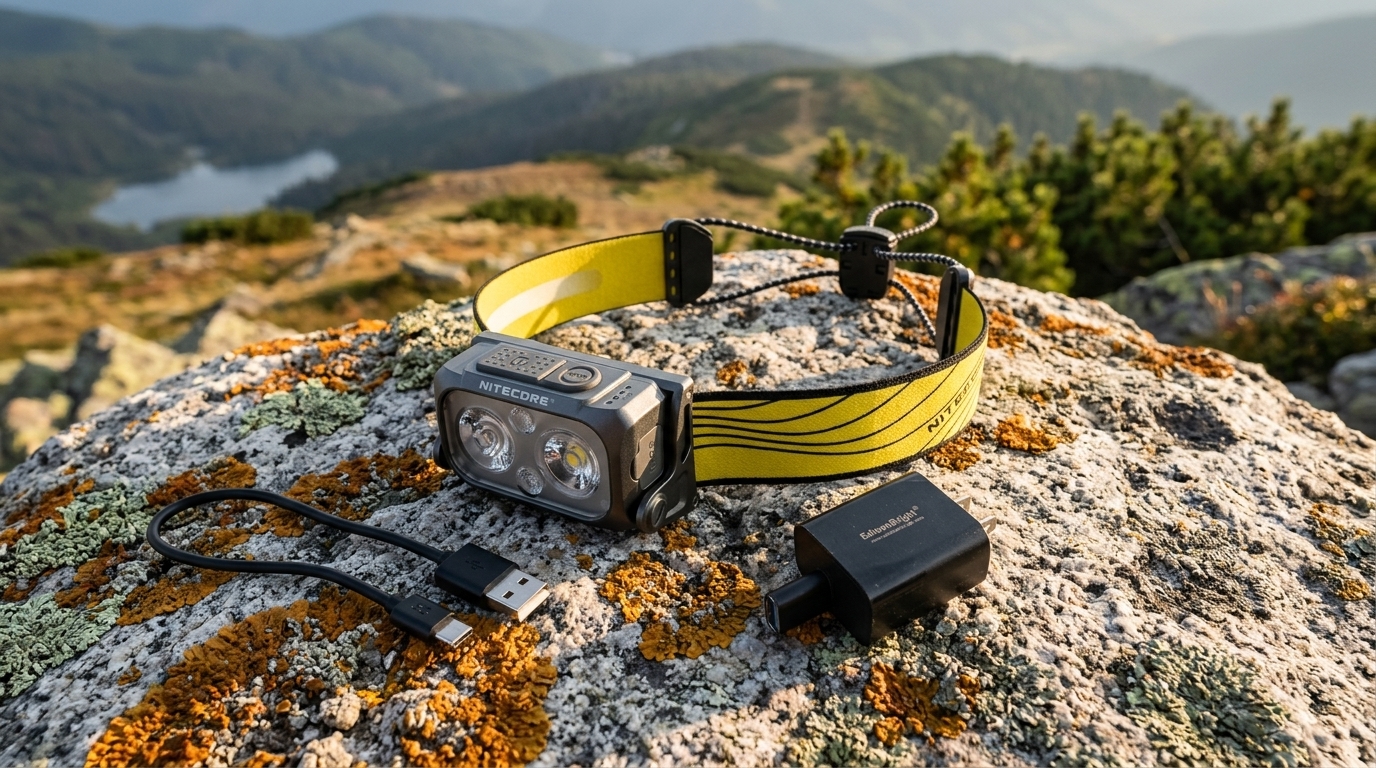
Nitecore NU25 400 USB-C Rechargeable Headlamp Review
REVIEW
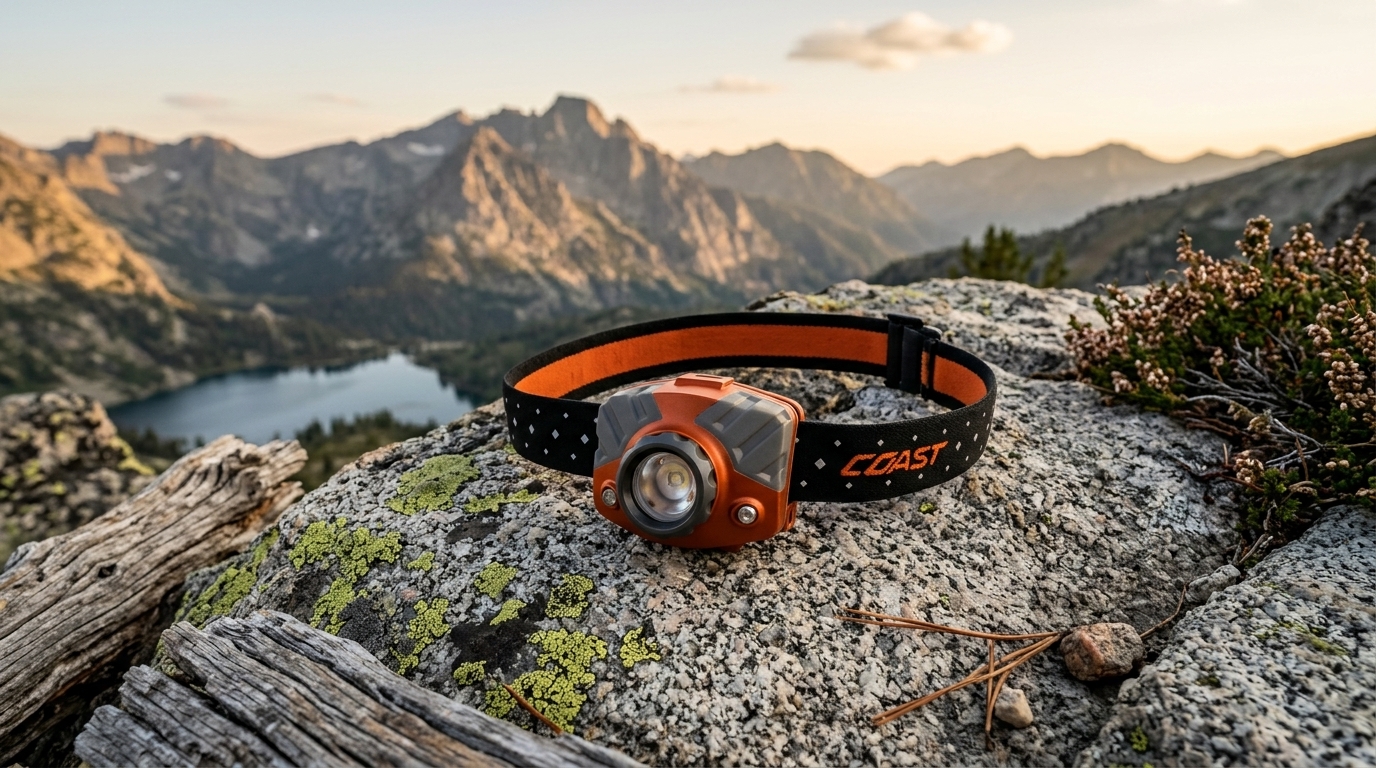
Coast FL75R Rechargeable Headlamp Review: 530 Lumens with Dual-Power Flexibility
REVIEW
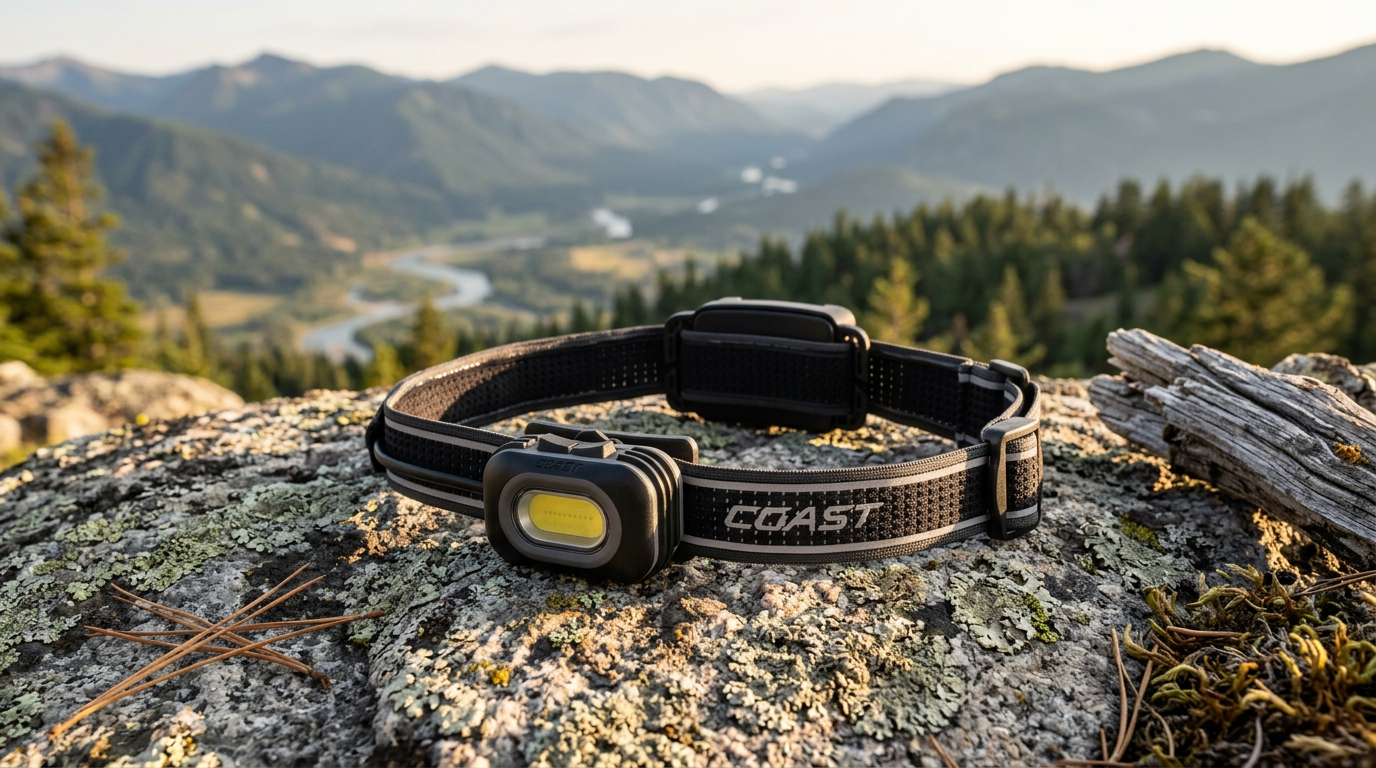
Coast RL10R 750 Lumen Rechargeable LED Headlamp with Variable Light Control and Rear Safety Signal
REVIEW
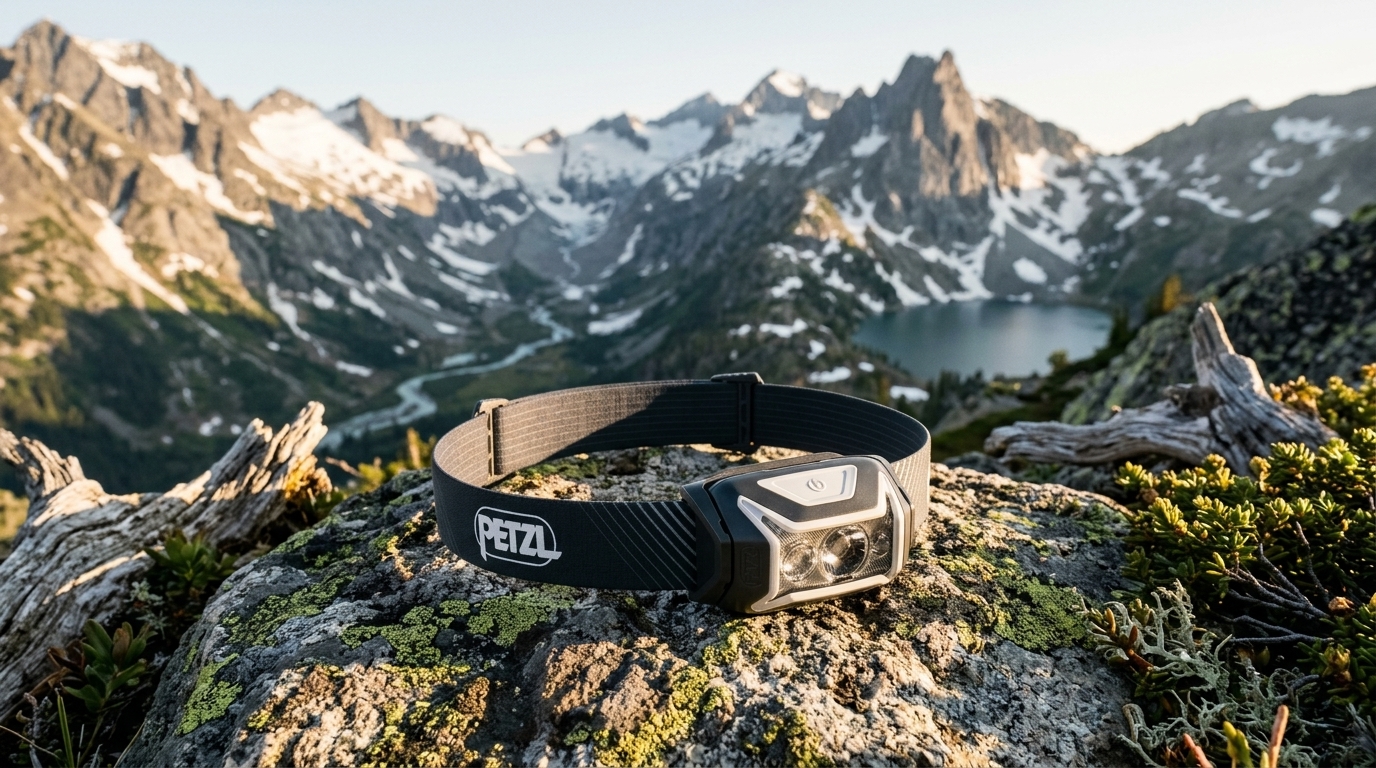
PETZL ACTIK CORE Rechargeable Headlamp Review: 600-Lumen Hybrid for Year-Round Use
REVIEW
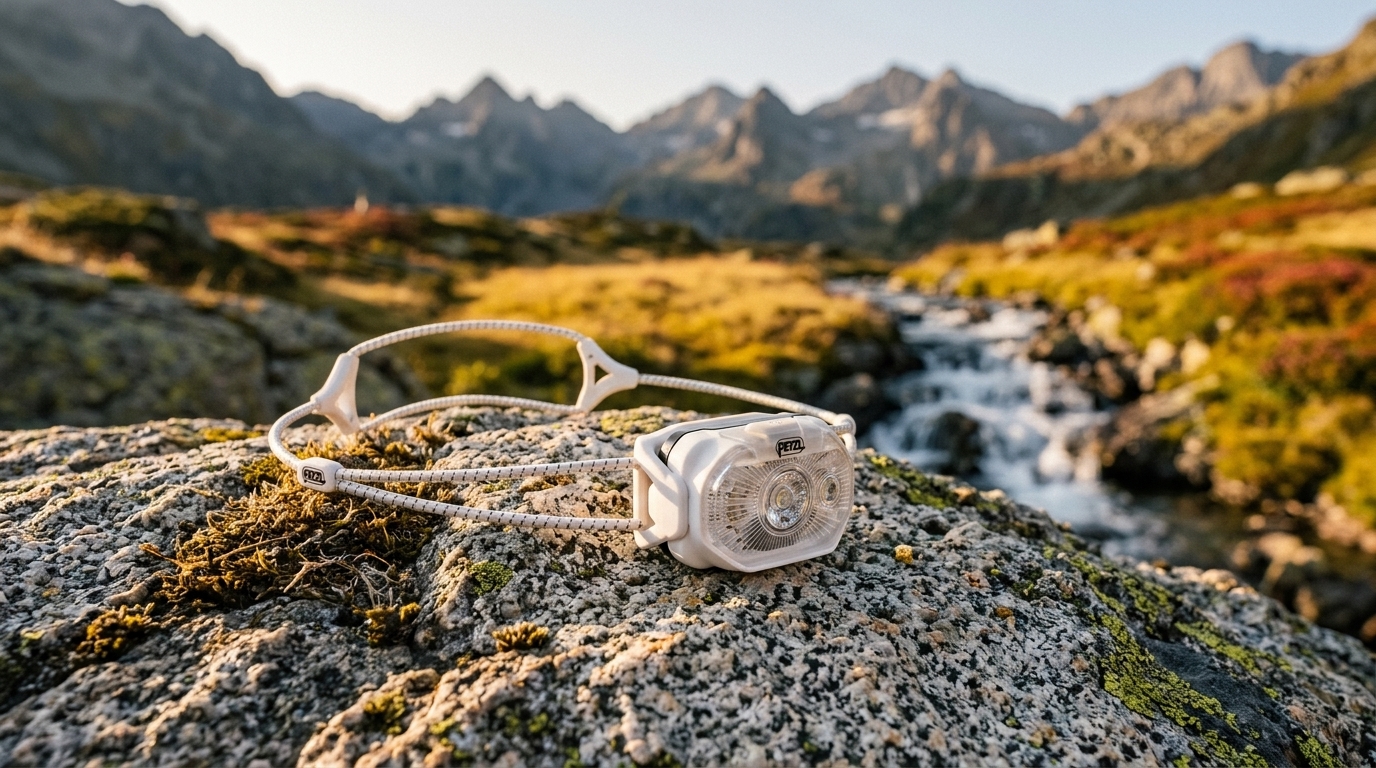
Petzl Swift LT Headlamp Review: 43-Gram Rechargeable with 380 Lumens
REVIEW