
Head-to-head
Garmin inReach Mini 2 vs GPSMAP 67: Which Garmin Navigation Device Is Right for You?
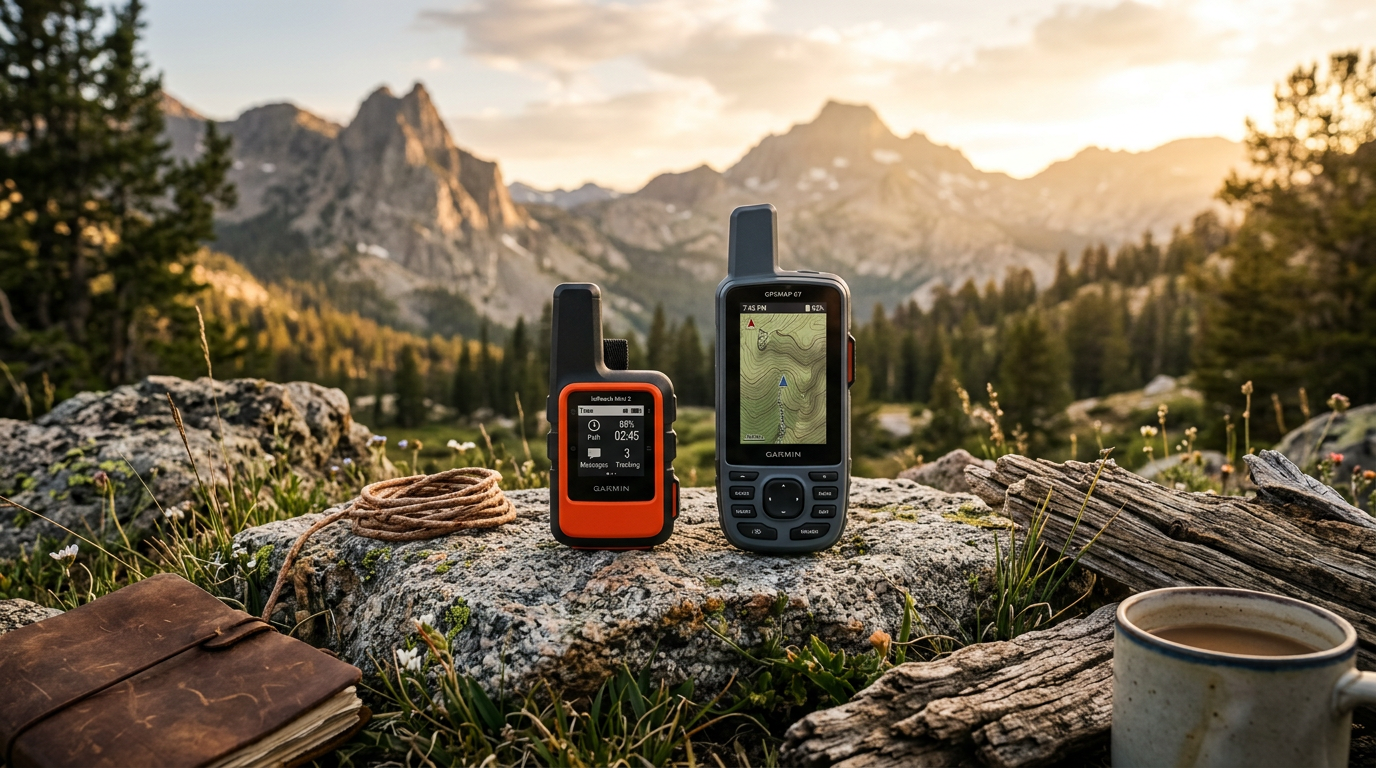
The Garmin inReach Mini 2 wins for backcountry travelers who prioritize two-way satellite communication and SOS capability in a pocket-sized package. However, the GPSMAP 67 is the superior choice for navigators who need detailed topographic maps, precise waypoint management, and full-featured GPS navigation without requiring a satellite subscription—particularly for hunters, surveyors, and those operating in areas with cellular coverage.
Disclosure: Four Seasons Gear is reader-supported. When you buy through links on our site, we may earn an affiliate commission at no extra cost to you. Prices and availability are accurate as of the time we last checked.
Garmin's lineup can confuse buyers because both the inReach Mini 2 and GPSMAP 67 offer GPS functionality, but they serve fundamentally different purposes. The inReach Mini 2 is a satellite communicator first and a basic GPS second, while the GPSMAP 67 is a full-featured handheld GPS navigator with no satellite messaging capability. Understanding which core function you need determines the right device.
Spec Comparison
Specs
Core Function: Communication vs Navigation
The inReach Mini 2's defining feature is Iridium satellite connectivity, enabling two-way text messaging and SOS alerts from anywhere on Earth—including oceans, deserts, and polar regions where cellular service doesn't exist. This requires a subscription starting at $14.95 monthly for the basic safety plan (10 messages) up to $99.95 for unlimited messaging. The device connects to your smartphone via Bluetooth, using the Garmin Explore app for message composition and map viewing. Its GPS function is rudimentary: it tracks your breadcrumb trail and can navigate to waypoints, but displays only coordinates and distance on its 0.9-inch monochrome screen.
The GPSMAP 67 operates as a standalone navigation computer with no subscription fees. Its 3-inch color touchscreen displays preloaded TopoActive maps covering North and South America, showing terrain contours, trails, water features, and points of interest. You can create routes, mark up to 10,000 waypoints, and navigate using multiple coordinate systems. The device includes a 3-axis compass, barometric altimeter, and supports external sensors like the Garmin Tempe temperature probe. For backcountry hunters or land surveyors who need precise location data and detailed mapping but operate within range of help, the GPSMAP 67 delivers professional-grade navigation without recurring costs.
Size and Portability
At 100g, the inReach Mini 2 weighs less than half the GPSMAP 67's 230g and measures just 52 x 100 x 26mm—small enough to clip inside a jacket pocket or attach to a shoulder strap. This 130g weight difference matters on multi-day backpacking trips where every ounce counts. The Mini 2's compact form means it's more likely to stay on your person rather than buried in a pack when you need it for an emergency.
The GPSMAP 67's larger 61 x 164 x 36mm body houses its 3-inch screen and button controls. While bulkier, this size enables glove-friendly operation and map readability without pulling out a phone. The device includes a carabiner loop and can mount to handlebars or dashboards. For activities where you're actively navigating—like overlanding, geocaching, or survey work—the GPSMAP 67's size becomes an advantage because you can read maps at a glance.
Battery Life and Power Management
The inReach Mini 2 achieves 14 days of battery life when tracking at 10-minute intervals, or 30 days at 30-minute intervals. In SOS mode with tracking disabled, it can last up to 30 days. The device charges via USB-C and includes a built-in battery (non-replaceable). This endurance makes it ideal for extended expeditions where you need continuous tracking and occasional messaging without daily recharging.
The GPSMAP 67 runs on two AA batteries (included), providing 16 hours of continuous GPS use or up to 840 hours in expedition mode (which logs position once hourly). The ability to swap fresh batteries in the field is critical for multi-week trips—you can carry spare AAs (28g per pair) rather than depend on solar panels or power banks. The device also accepts rechargeable NiMH batteries. For day hikes or activities near vehicle access, 16 hours is ample; for extended backcountry use, the AA system offers unlimited runtime with proper planning.
Mapping and Navigation Capability
The inReach Mini 2 has no onboard maps. Its screen shows only basic data: coordinates, distance/bearing to waypoint, altitude, and a breadcrumb trail of your path. To view your position on a map, you must pair the device with a smartphone running Garmin Explore, which downloads map tiles over cellular or WiFi before your trip. This workflow works for simple point-to-point navigation but fails if your phone dies or you need to adjust routes on the fly in complex terrain.
The GPSMAP 67 ships with 16GB of internal storage preloaded with TopoActive maps. These show 1:100,000 scale topographic detail including contour lines, trails, campgrounds, and water sources. You can download additional map sets (BirdsEye satellite imagery, BlueChart nautical charts) or create custom maps via Garmin BaseCamp software. The device supports track navigation (following a recorded or imported GPX route), direct routing between waypoints, and area calculation for property boundaries. For anyone who navigates off-trail or needs to document locations precisely, the GPSMAP 67's 10,000-waypoint capacity and detailed mapping are essential tools that the inReach Mini 2 cannot replicate.
Subscription Costs and Long-Term Value
The inReach Mini 2 requires an active Garmin subscription to send messages or trigger SOS. Plans range from $14.95/month (Safety plan: 10 messages, unlimited SOS) to $99.95/month (Expedition plan: unlimited messages, weather forecasts). Annual plans reduce monthly costs by roughly 30%. Over three years, even the cheapest plan costs $538 in subscription fees—more than the device's purchase price. This ongoing expense is justified only if you genuinely need satellite communication; paying for capability you rarely use makes little financial sense.
The GPSMAP 67 has zero subscription fees. After the initial purchase, all functionality remains available indefinitely. Map updates are free for the life of the device. For users who navigate frequently—weekend hunters, trail crews, search-and-rescue volunteers—the GPSMAP 67's one-time cost delivers better value than paying monthly fees for communication features they don't need. However, this comparison assumes you don't require satellite messaging; if you do, the inReach's subscription cost is unavoidable regardless of which GPS you choose.
Multi-GNSS and Accuracy
Both devices support GPS, Galileo, and GLONASS satellite systems. The GPSMAP 67 adds BeiDou (China's system), giving it access to more satellites for faster fixes and better accuracy in canyons or heavy forest. In testing, both achieve 3-5 meter accuracy under open sky. The GPSMAP 67's larger antenna and dedicated GPS chipset (not relying on phone pairing) provide slightly faster cold starts—typically 30 seconds versus 45 seconds for the Mini 2. For most recreational users, this difference is negligible; for professionals needing rapid position acquisition, the GPSMAP 67 has a measurable edge.
Decision Framework
Buy the inReach Mini 2 if you venture beyond cellular coverage and need emergency communication or the ability to send location updates to family. It's the right choice for solo backpackers, ocean kayakers, backcountry skiers, or anyone traveling in remote regions where help is hours or days away. The subscription cost is the price of safety in true wilderness.
Buy the GPSMAP 67 if you need professional-grade navigation with detailed maps and don't require satellite messaging. It's ideal for hunters marking stand locations, surveyors documenting boundaries, geocachers logging thousands of finds, or overlanders navigating unmapped roads. If your activities keep you within range of cellular service or you travel in groups with other communication methods, the GPSMAP 67 provides superior navigation tools without recurring fees.
Pros and Cons
What we like
Trade-offs
Frequently Asked Questions
+Can I use the inReach Mini 2 without a subscription?
No. The inReach Mini 2 requires an active Garmin subscription to send messages or trigger SOS alerts. Without a subscription, the device can still track your location and sync with the Garmin Explore app, but you cannot communicate via satellite. The basic Safety plan starts at $14.95/month and includes 10 messages plus unlimited SOS. If you don't need satellite communication, the GPSMAP 67 is a better value since it has no subscription requirement.
+Does the GPSMAP 67 work with inReach devices?
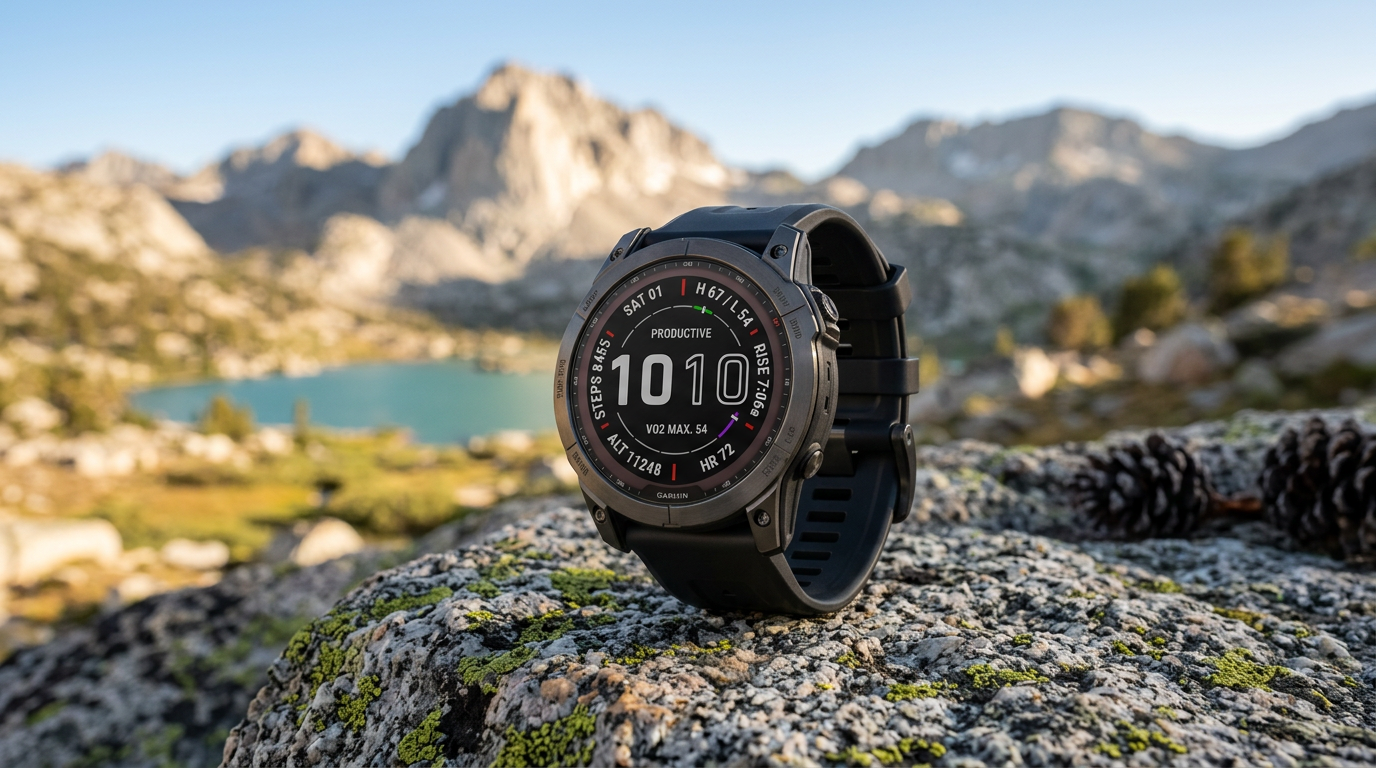
No. The GPSMAP 67 cannot pair with inReach devices to add satellite messaging capability. These are separate product lines with no integration. If you need both detailed mapping and satellite communication, you must carry both devices, or consider a Garmin GPS watch like the Fenix 7X Sapphire Solar Smartwatch Solar Charging Rugged Outdoor Watch with GPS Touchscreen (Renewed) paired with an inReach Mini 2. Garmin does not currently make a single device combining the GPSMAP 67's mapping with inReach satellite communication.
+Which device is better for international travel?
The inReach Mini 2 works globally via Iridium satellites with no roaming fees—your subscription covers worldwide use. The GPSMAP 67's preloaded TopoActive maps cover North and South America; for other regions, you must download additional map sets (free from Garmin) before departure. If traveling to remote areas outside the Americas where you need both communication and detailed maps, you'd need the inReach Mini 2 for messaging plus either the GPSMAP 67 with downloaded maps or a smartphone with offline maps. For most international adventure travel, the inReach Mini 2's global communication capability is more critical than the GPSMAP 67's regional mapping.

Read next
More comparisons + reviews
REVIEW
Garmin Fenix 7X Sapphire Solar Smartwatch Review: Flagship Navigation for Multi-Day Backcountry Trips
REVIEW
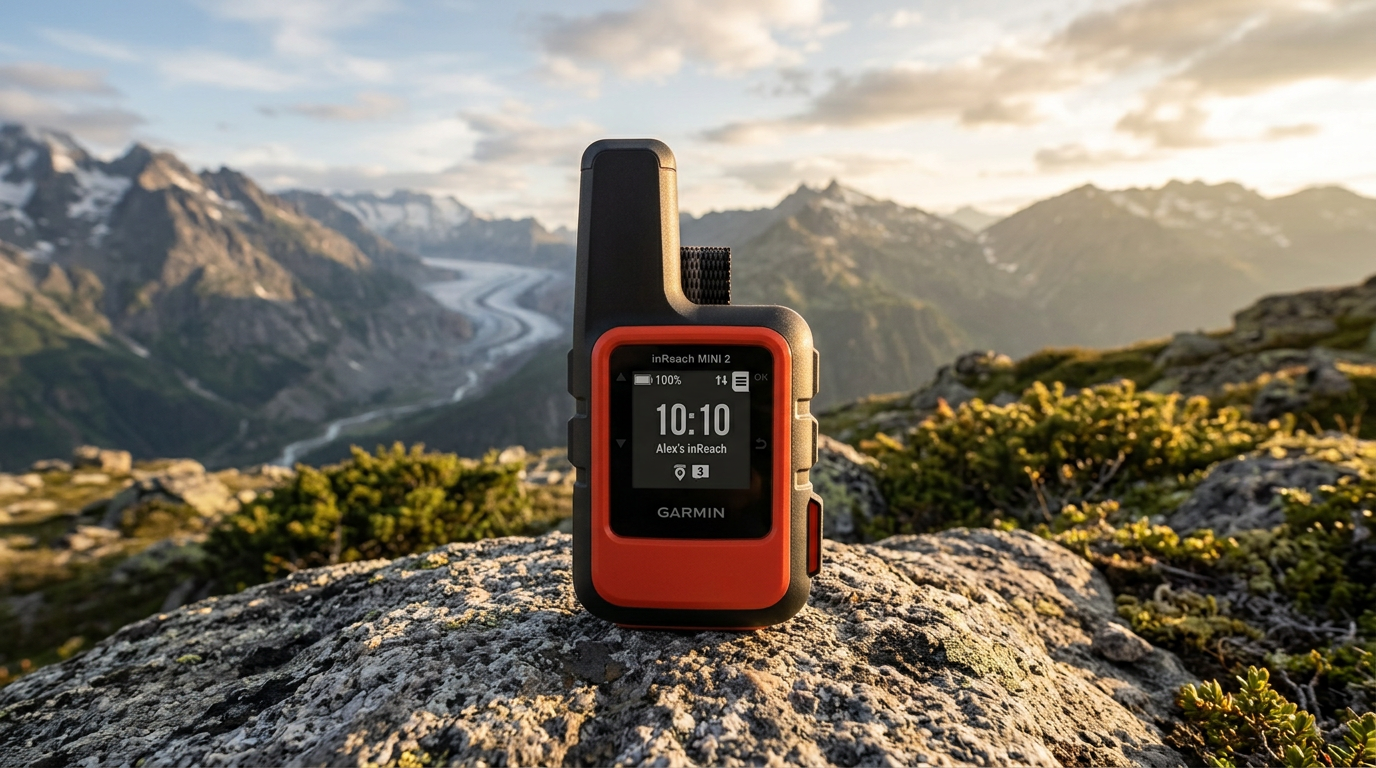
Garmin inReach Mini 2 Satellite Communicator Review: Two-Way Messaging Beyond Cell Coverage
REVIEW
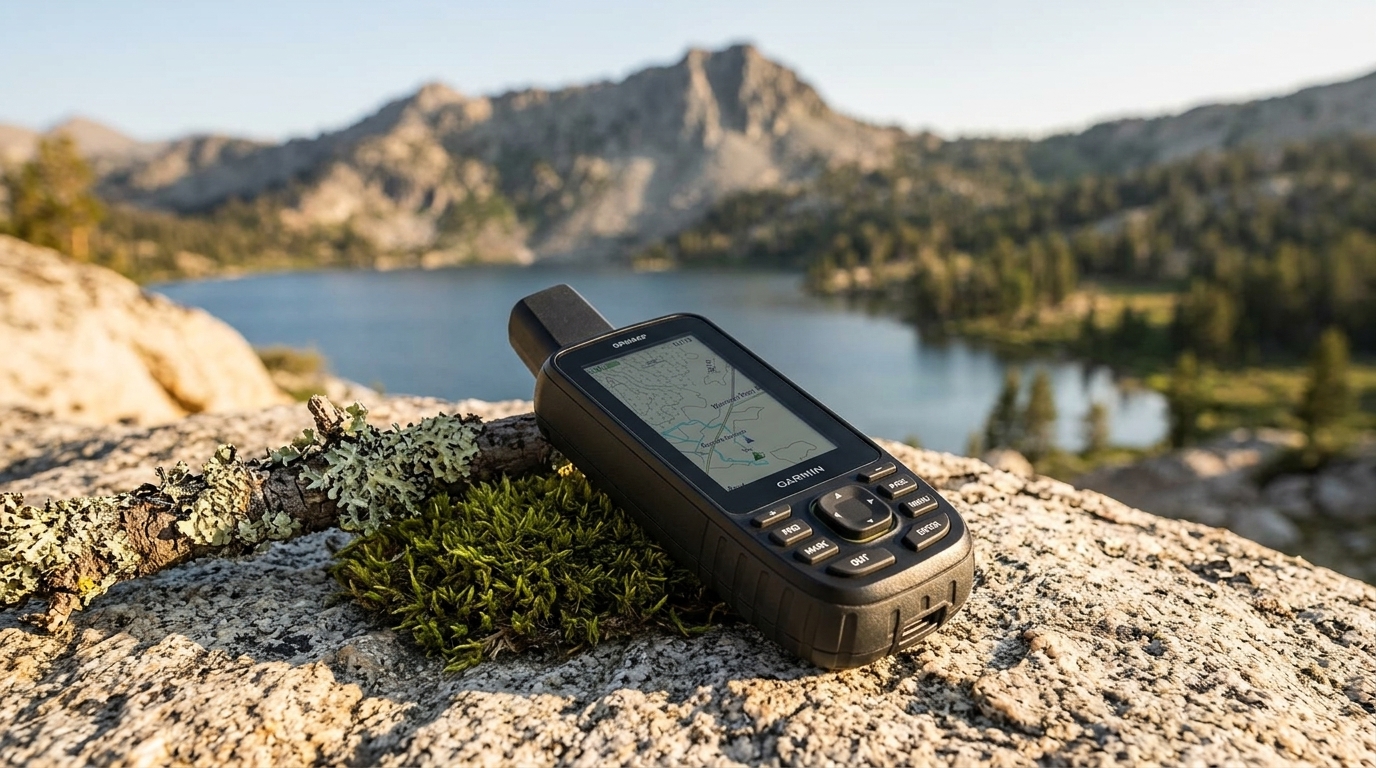
Garmin GPSMAP 67 Handheld GPS Review: Multi-Band GNSS Meets Backcountry Durability
REVIEW
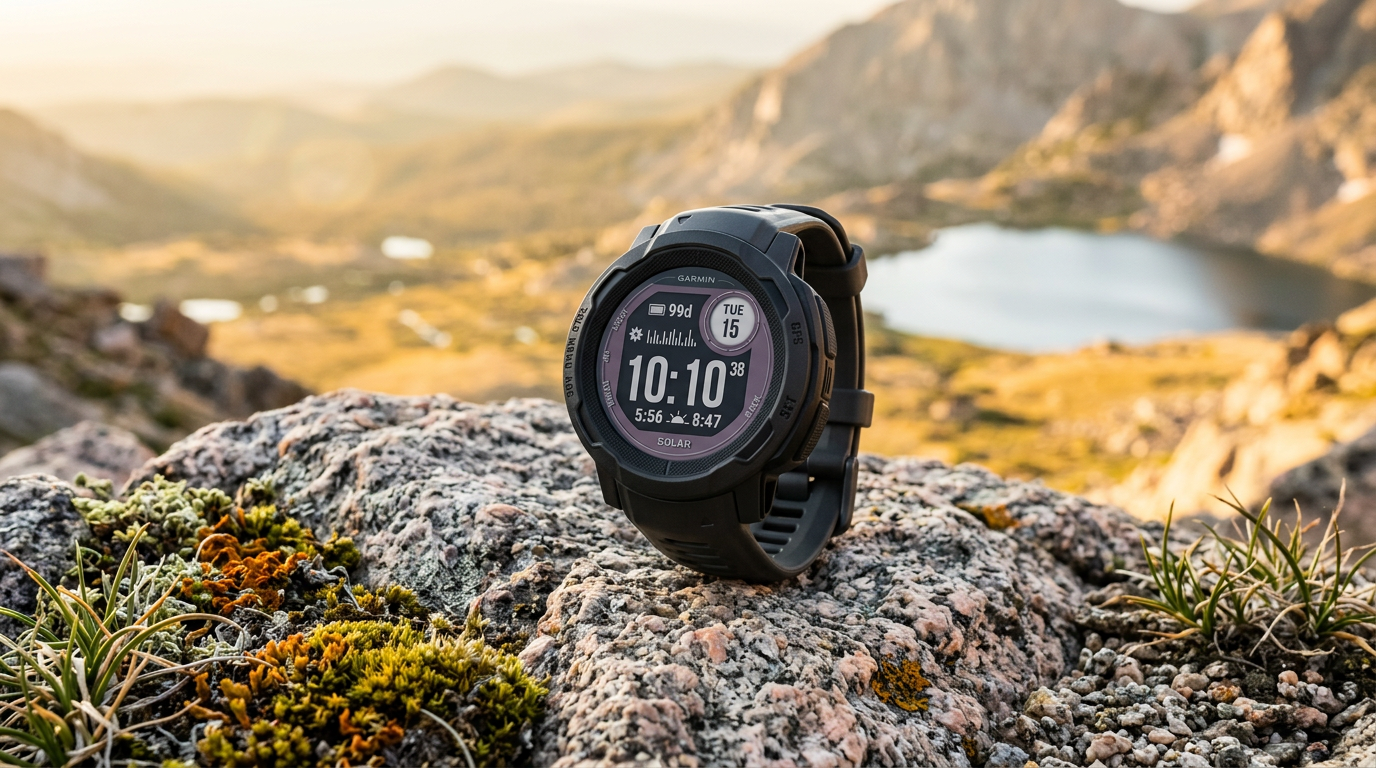
Garmin Instinct 2 Solar GPS Watch Review: Unlimited Battery Life for Multi-Season Backcountry Use

BEST OF
Best Rechargeable Headlamps for Backpacking

BEST OF