
Review · spring · summer · fall
Big Agnes Copper Spur HV UL Ultralight Bikepacking Tent Review
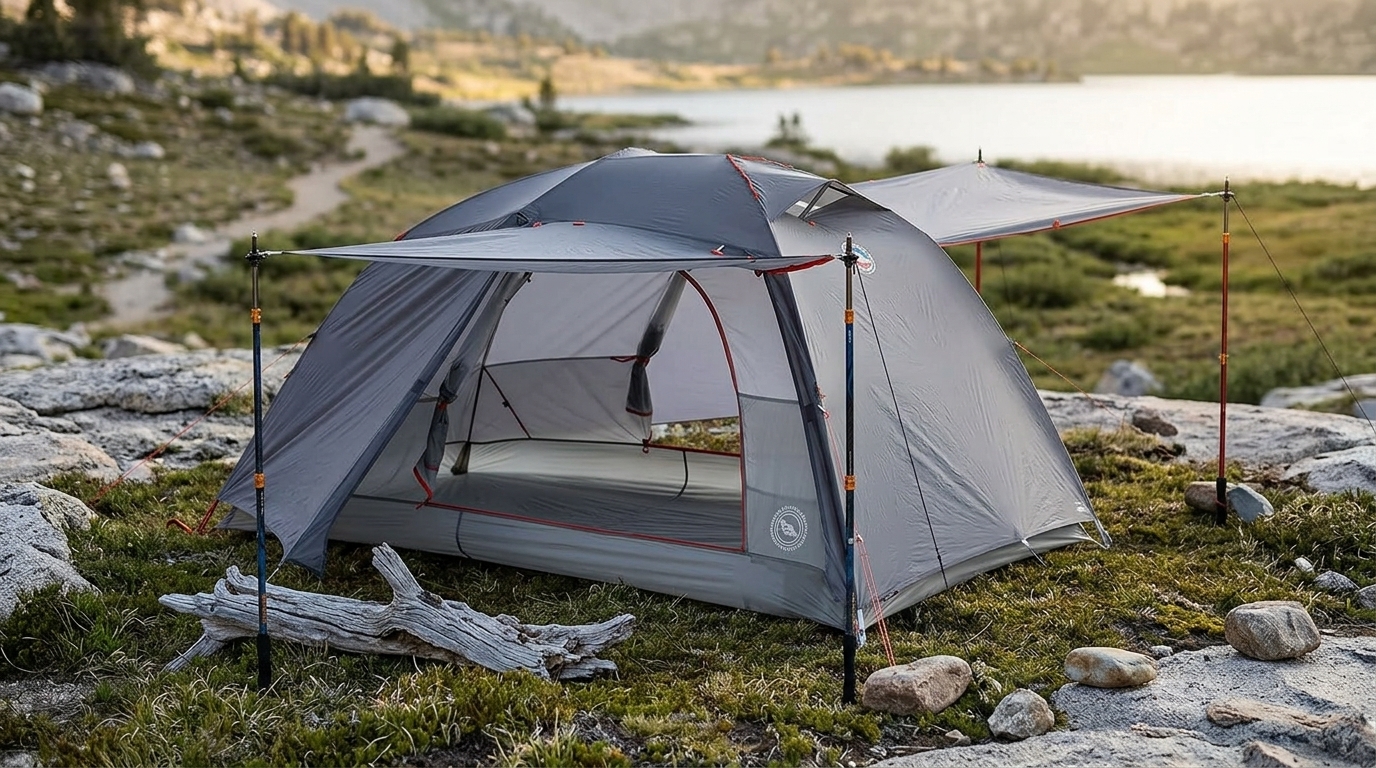
The Big Agnes Copper Spur HV UL Bikepack is a purpose-built ultralight shelter for cyclists who demand the livability of a freestanding double-wall tent without sacrificing packability on a bike frame. With a 2 lb. 15 oz. trail weight, dual vestibules, and a 12-inch Shortstik pole set designed to strap onto handlebars or panniers, it trades the absolute minimum weight of trekking-pole shelters for the convenience of fast setup and generous interior volume—a worthwhile tradeoff for riders who prioritize comfort after long days in the saddle.
Disclosure: Four Seasons Gear is reader-supported. When you buy through links on our site, we may earn an affiliate commission at no extra cost to you. Prices and availability are accurate as of the time we last checked.
Construction and Materials
The Copper Spur HV UL Bikepack employs Big Agnes's proprietary ultralight nylon double ripstop fabric in a mixed-denier construction—heavier thread counts in high-stress zones, lighter weaves elsewhere—to balance tear resistance against weight. The DAC Featherlite NSL pole system uses pre-bent aluminum segments that create the tent's signature steep walls and four-way hub architecture, which Big Agnes claims increases structural strength by 25% over previous non-HV (high-volume) models. The floor and fly fabrics carry polyurethane coatings rated to approximately 1200-1500 mm hydrostatic head (manufacturer spec, verify before purchase), standard for three-season backpacking tents.
The bikepacking-specific features include a burly compression stuff sack with daisy-chain webbing for frame attachment, a shortened 12-inch pole set that fits panniers and handlebar bags, and elastic webbing loops on the tent body designed to secure a cycling helmet. The proprietary TipLok Tent Buckle consolidates pole-tip capture, rainfly tensioning, and stake-out loop into a single junction, reducing setup steps. Color-coded webbing and buckles follow Big Agnes's standard system: matching colors indicate which pole segment connects where.
Specs
Intended Use and Performance Context
This tent targets bike-touring and bikepacking trips where you're carrying shelter on a frame rather than in a backpack, and where daily mileage makes fast setup and takedown non-negotiable. The 2 lb. 15 oz. trail weight sits in the middle of the ultralight spectrum—heavier than single-wall shelters or trekking-pole tents like those from Zpacks or Tarptent, but lighter than budget freestanding options like the ALPS Mountaineering Lynx 2-Person Tent (approximately 5 lb. 5 oz. packed weight). The Copper Spur's advantage is livability: dual doors eliminate the need to crawl over your partner, and the high-volume hub design creates near-vertical walls that maximize usable floor space.
The shortened pole set is the defining bikepacking feature. Standard tent poles (16-18 inches collapsed) don't fit well in handlebar rolls or frame bags; the 12-inch Shortstik segments solve that problem. The daisy-chain stuff sack lets you lash the tent to top tubes, seat tubes, or rear racks without dedicated bikepacking bags. Riders who've moved from the Naturehike Cloud-Up 2 Ultralight Tent (approximately 1.8 kg packed) will notice the Copper Spur's superior ventilation—the fly vent and low vestibule vents reduce condensation on humid nights—but will pay a $300+ premium for that refinement.
Durability Considerations
The mixed-denier ripstop construction places heavier 20D or 30D fabric at pole sleeves, stake-out points, and floor corners where abrasion is highest, while using 15D or lighter fabric on the fly canopy and tent body to save weight. This is a proven strategy in ultralight shelters, but it means the tent requires careful site selection—avoid sharp rocks under the floor, and don't pitch on abrasive surfaces like decomposed granite without a footprint. The included Dirt Dagger UL stakes use I-beam aluminum construction for improved strength-to-weight, but aluminum stakes bend more easily than steel; carry spares for rocky or frozen ground.
The DAC Featherlite poles are among the most reliable in the backpacking category, but the four-way hub introduces a single point of failure. If the hub cracks (rare, but possible in high winds or mishandling), the tent loses structural integrity. Big Agnes includes a pole repair sleeve in the stuff sack; DAC also offers field-replaceable hub components. The polyurethane floor and fly coatings degrade with UV exposure and repeated packing while damp—store the tent dry and loosely packed between trips to extend fabric life beyond 100 nights of use.
Value and Category Position
At $437.69 (current retail), the Copper Spur HV UL Bikepack commands a significant premium over entry-level freestanding tents and even some ultralight competitors. You're paying for the bikepacking-specific features (Shortstik poles, daisy-chain sack, helmet storage), the high-volume hub design, and Big Agnes's reputation for quality control and warranty support. Riders who don't need the bikepacking features can save $50-$100 by choosing the standard Copper Spur HV UL with full-length poles.
The tent sits well above budget options like the Coleman Sundome Tent (approximately $70-$100, but 9+ lb. packed weight and minimal ventilation) and competes instead with other premium ultralight shelters: the MSR Hubba Hubba NX (similar weight, slightly less interior volume), the Nemo Hornet (lighter but less durable fabric), and the REI Co-op Quarter Dome SL (comparable specs, $50-$80 less). The bikepacking-specific features justify the cost only if you actually ride with the tent; backpackers should consider the standard Copper Spur or competitors without the Shortstik upcharge.
Pros and Cons
What we like
Trade-offs
Best For and Not For
- **Best for:** Bike-touring and bikepacking cyclists who prioritize livability and fast setup after long riding days
- **Best for:** Two-person teams sharing a freestanding shelter on multi-day bike trips
- **Best for:** Riders with handlebar bags, frame bags, or panniers who need a tent that packs short
- **Best for:** Three-season use in regions with moderate to high condensation risk (coastal, humid climates)
- **Best for:** Cyclists transitioning from heavier car-camping tents who want ultralight performance without trekking-pole complexity
- **Not for:** Backpackers who don't need bikepacking-specific features (standard Copper Spur HV UL is a better value)
- **Not for:** Solo riders or weight-obsessed gram counters (single-wall or trekking-pole shelters save 8-16 oz.)
- **Not for:** Winter or four-season use (three-season fly and floor ratings insufficient for snow loading)
- **Not for:** Riders on gravel or rough terrain without a footprint (floor fabric vulnerable to abrasion)
- **Not for:** Budget-conscious buyers (ALPS Mountaineering Lynx 2-Person Tent or Naturehike Cloud-Up 2 Ultralight Tent offer freestanding shelter at $150-$200)
Frequently Asked Questions
+What's the difference between the Copper Spur HV UL Bikepack and the standard Copper Spur HV UL?
The Bikepack variant includes a 12-inch Shortstik pole set (versus 16-18 inch standard poles), a burly compression stuff sack with daisy-chain webbing for frame mounting, and elastic loops on the tent body for helmet storage. The tent body, fly, and floor fabrics are identical. If you don't ride with the tent, the standard Copper Spur HV UL saves $50-$100 and comes with full-length poles that are easier to handle during setup.
+Do I need the footprint, or can I skip it to save weight?
The footprint is sold separately and adds approximately 6-8 oz., but it significantly extends floor fabric life on abrasive surfaces (gravel, decomposed granite, rocky campsites). If you're riding established bike-touring routes with grassy or soft campsites, you can skip it. If you're bikepacking on rough terrain or frequently camp on hard-packed dirt, the footprint is worth the weight—replacing a punctured floor costs more than the footprint itself. The footprint also creates a vestibule floor when extended beyond the tent body, keeping gear dry and clean.
+How does the Copper Spur's packed size compare to a typical backpacking tent?
At 13.5 × 7 inches, the Copper Spur Bikepack's stuff sack is slightly longer than most backpacking tents (which typically pack to 18-20 inches with full-length poles), but the 12-inch Shortstik poles make the overall package more compact for bike-frame mounting. The tent body and fly compress to roughly the diameter of a 1-liter water bottle. For comparison, the ALPS Mountaineering Lynx 2-Person Tent packs to approximately 19 × 7 inches and weighs nearly twice as much.
+Can I use trekking poles instead of the included poles to save weight?
No. The Copper Spur HV UL uses a freestanding hub-and-pole architecture that requires the included DAC Featherlite poles. The tent body has pole sleeves and clips designed for the specific pole geometry; trekking poles won't provide the necessary structure or tension. If you want a trekking-pole shelter for bikepacking, consider a non-freestanding option like the Zpacks Duplex or a flat tarp, but expect a steeper learning curve and less livable interior space.
+How well does the tent handle wind and rain?
The four-way hub design and DAC Featherlite poles provide good structural stability in moderate winds (15-25 mph sustained), and the tent's low profile reduces wind loading. The fly's 1200-1500 mm polyurethane coating and taped seams handle sustained rain well, though the dual vestibule vents mean some mist can enter in driving rain if vents are left open. Treeline Review's field testing of the standard Copper Spur HV UL notes that the tent performs well in exposed alpine campsites, but recommends staking out all guy-out points in high winds to prevent fly flapping and pole stress.
+Is the tent wide enough for two people with sleeping pads?
The Copper Spur HV UL2 (two-person variant) offers approximately 28-29 inches of width per person when two 20-inch sleeping pads are placed side-by-side, which is adequate but not luxurious. The high-volume hub design creates near-vertical walls, so the usable floor space extends closer to the tent edges than in dome tents with sloped walls. Two people with 25-inch wide pads (like the Therm-a-Rest NeoAir XLite NXT Sleeping Pad Regular) will have minimal shoulder clearance. If you prioritize elbow room, consider the HV UL3 (three-person variant), which adds approximately 10-12 oz. but provides 40+ inches of width per person when used by two occupants.

Read next
More from this category
REVIEW
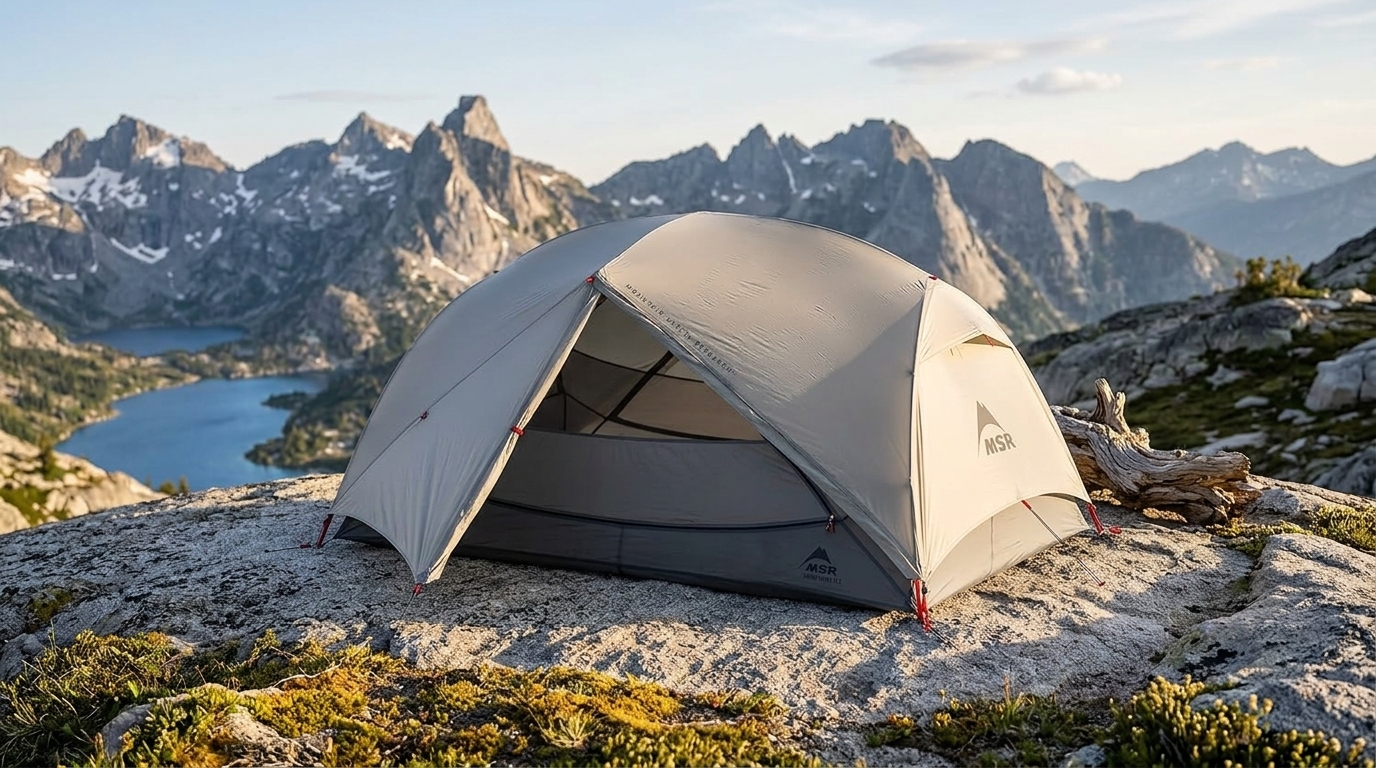
MSR Hubba Hubba LT 2-Person Lightweight Backpacking Tent Review
REVIEW
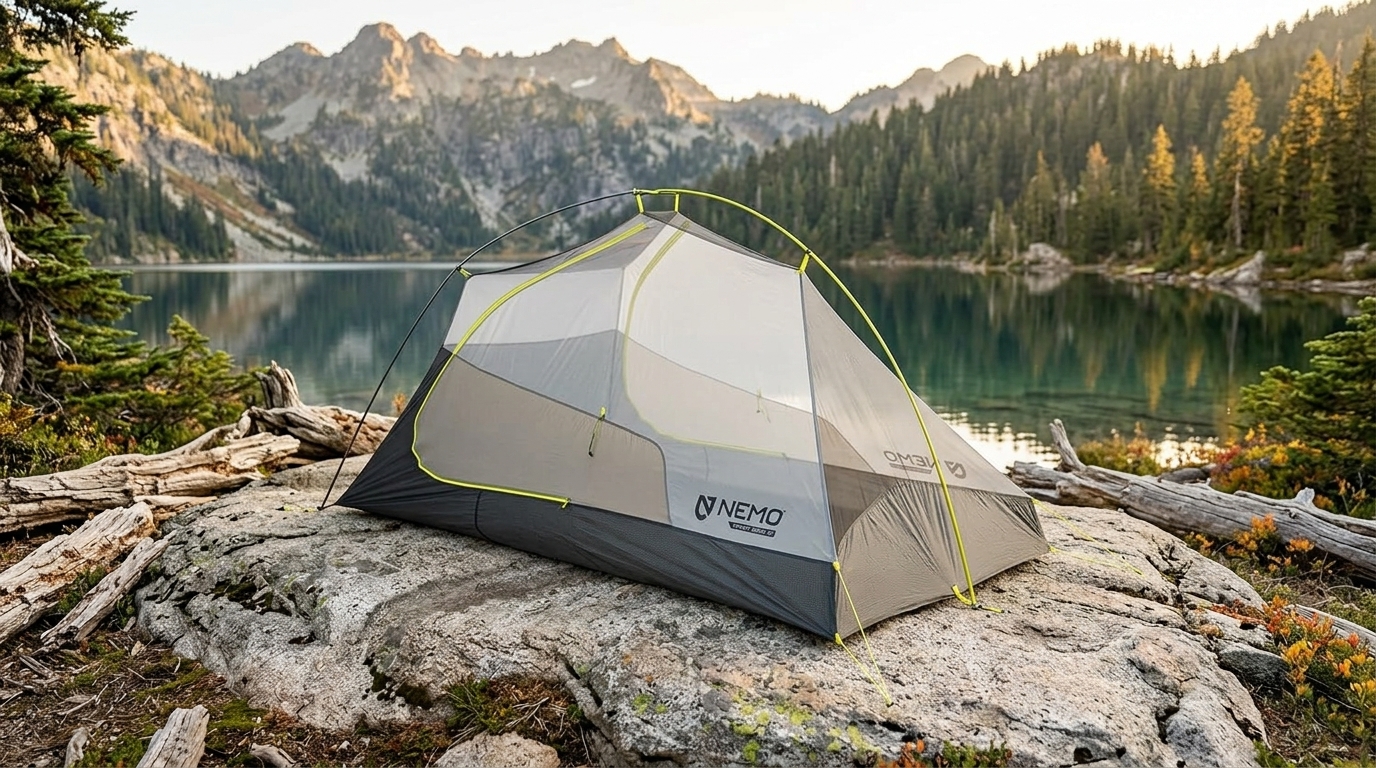
NEMO Equipment Hornet OSMO Ultralight Backpacking Tent Review
REVIEW
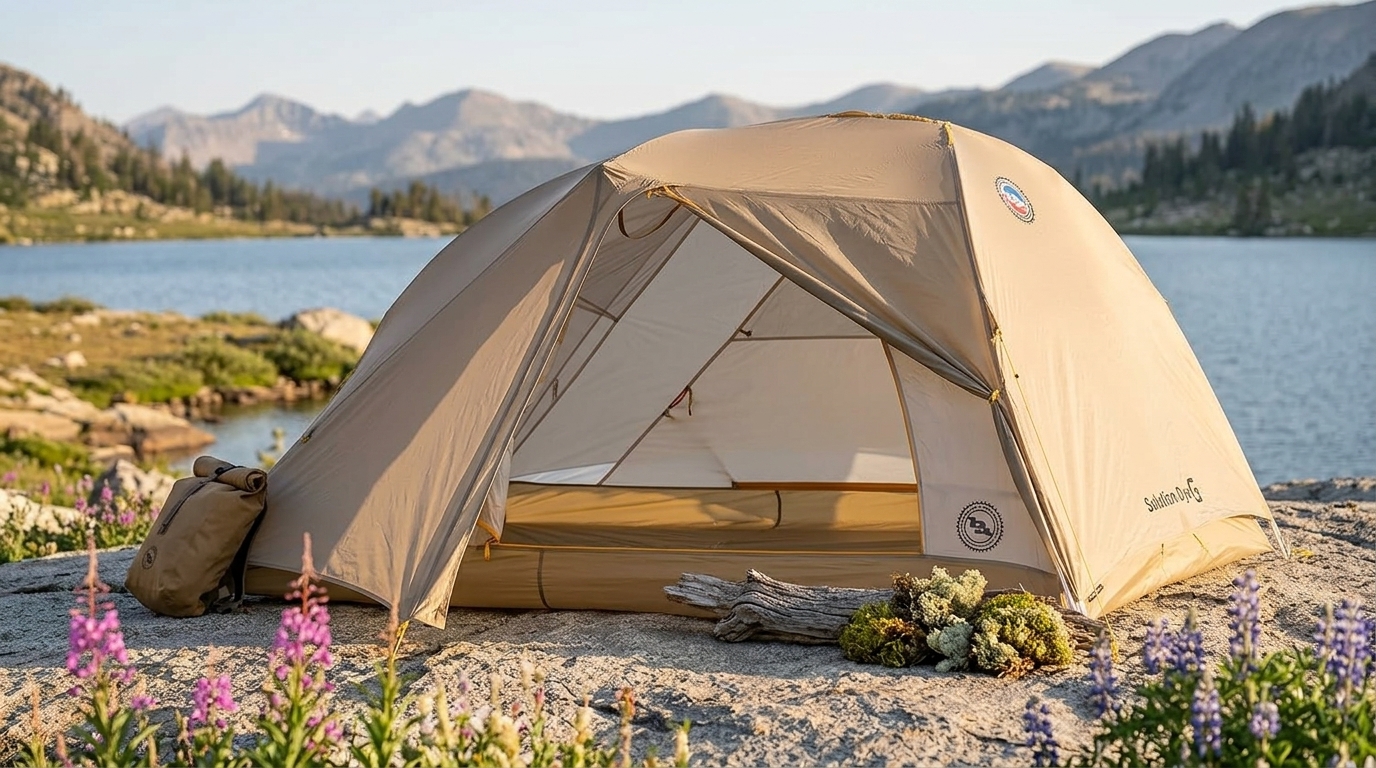
Big Agnes Tiger Wall UL Ultralight Bikepacking Tent with UV-Resistant Solution Dyed Fabric Review
REVIEW
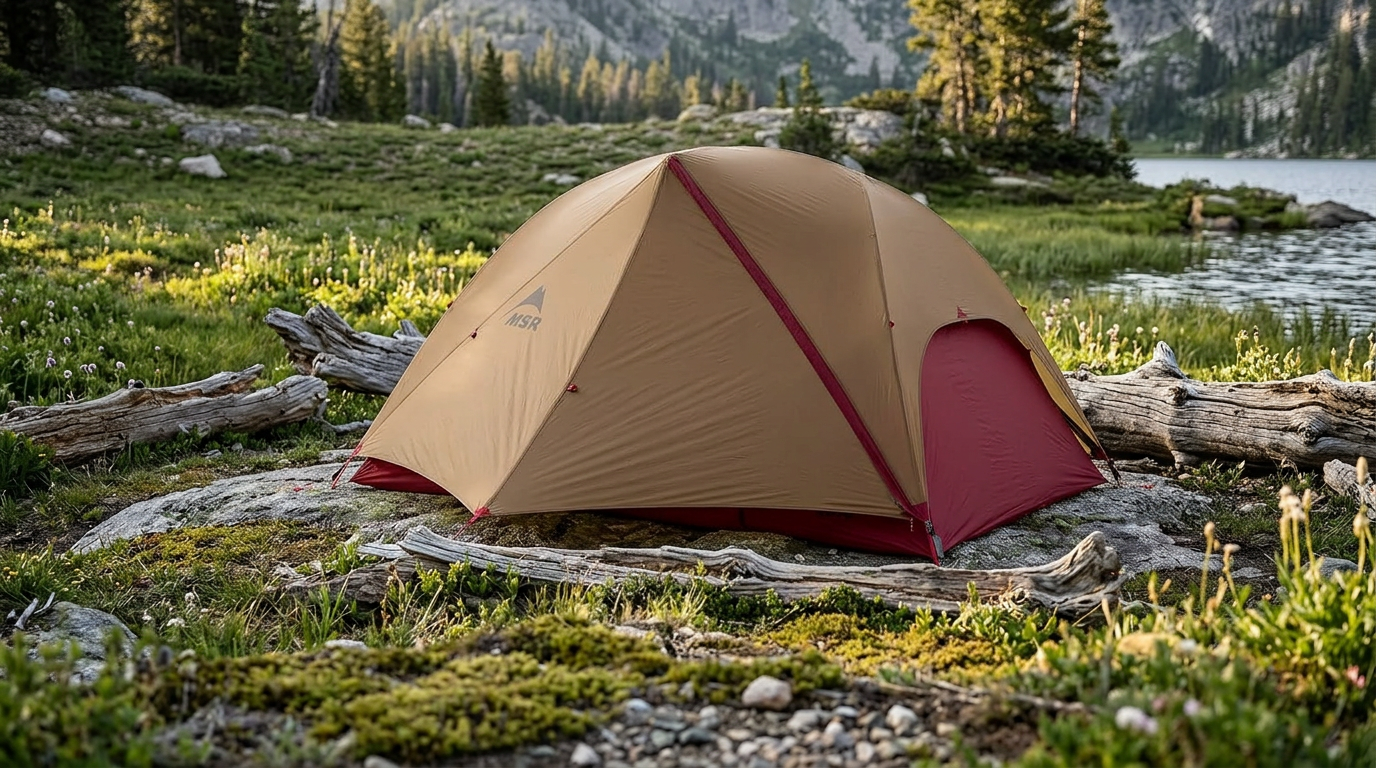
MSR Freelite 2-Person Ultralight Backpacking Tent Review
REVIEW
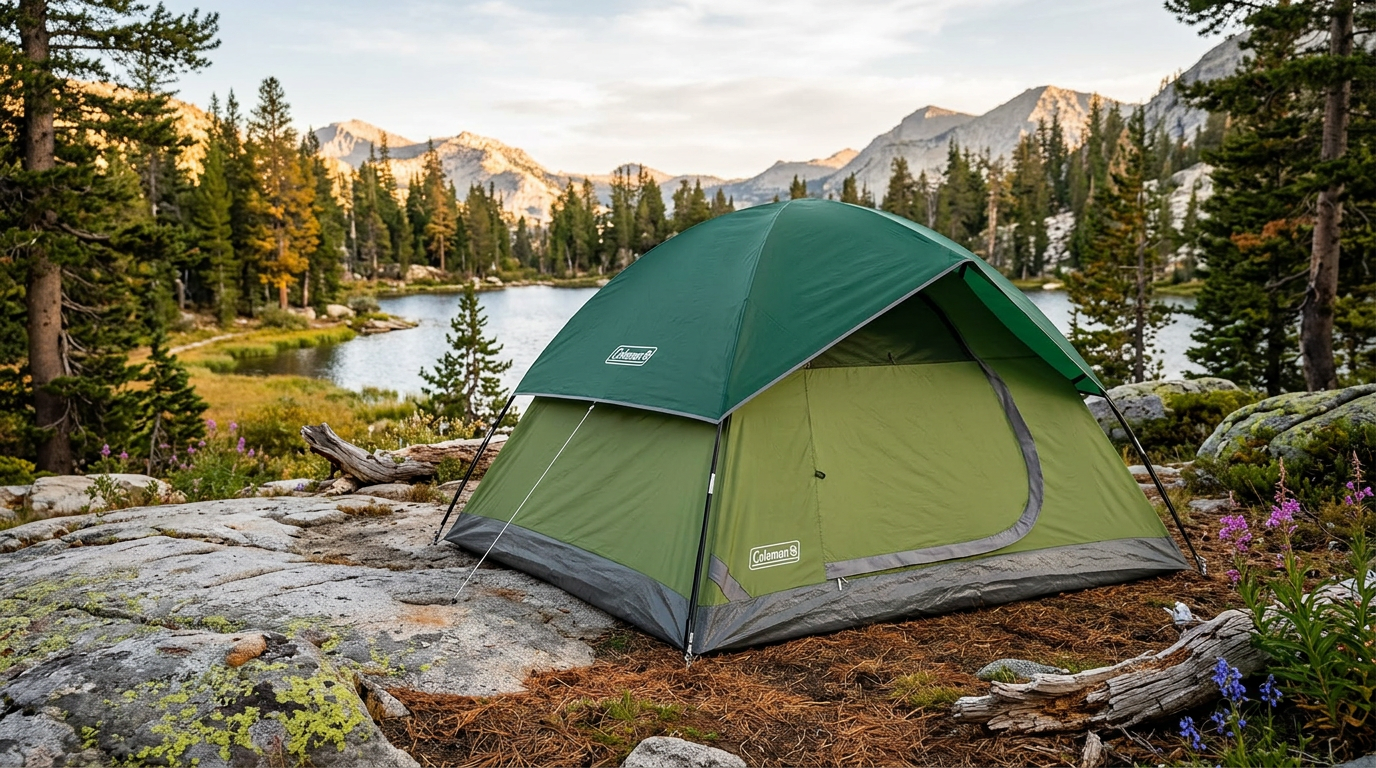
Coleman Sundome Camping Tent Review: Affordable 3-Season Shelter for Casual Campers
REVIEW