
Review · spring · summer · fall
MSR Freelite 2-Person Ultralight Backpacking Tent Review
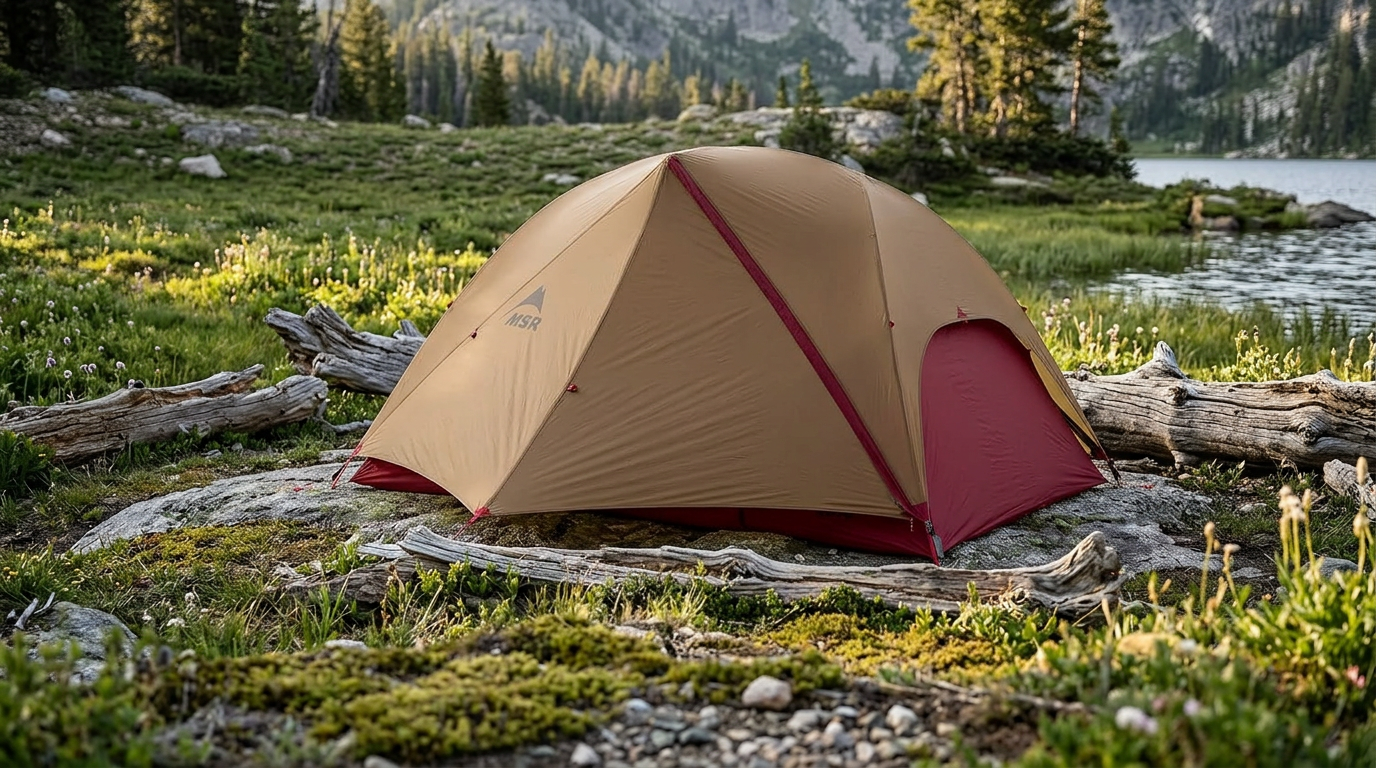
The MSR Freelite 2 is a semi-freestanding ultralight tent designed for backpackers who prioritize weight savings without sacrificing livable interior space. At a minimum weight of 2 lbs (907 g), it competes directly with premium ultralight shelters while offering a rectangular floor plan, 39 inches of headroom, dual vestibules, and DAC NFL aluminum poles. The semi-freestanding design requires staking the foot end for full pitch, which reduces packed pole length but adds setup steps compared to fully freestanding alternatives. This tent suits experienced backpackers who understand the tradeoffs of ultralight construction and value MSR's proven weather protection in a sub-2-pound package.
Disclosure: Four Seasons Gear is reader-supported. When you buy through links on our site, we may earn an affiliate commission at no extra cost to you. Prices and availability are accurate as of the time we last checked.
Construction and Materials
The Freelite 2 employs 100% ripstop nylon throughout, with DuraShield polyurethane coating on both the rainfly and floor. MSR specifies this coating is PFAS-free, addressing environmental and health concerns around per- and polyfluoroalkyl substances while maintaining waterproof performance. All seams are factory-taped. The canopy uses ripstop nylon mesh panels for ventilation, and the tent body attaches to DAC NFL (New Featherlite) aluminum poles—a proprietary alloy known for high strength-to-weight ratios in the 7000-series aluminum family.
The semi-freestanding architecture uses a unified hub-and-pole system at the head end. Two main poles create the living space, but the foot end requires staking to achieve full pitch. This design choice reduces the packed pole length (easier to fit in or strap to a pack) and shaves grams compared to a full crossover pole structure, but it means you need stakeable ground or creative anchoring solutions on rock slabs or snow.
Specs
Interior Space and Livability
The rectangular floor plan is a deliberate departure from the tapered foot boxes common in ultralight tents. This geometry provides more usable floor area for two sleepers and their pads, reducing the Tetris puzzle of fitting gear inside. The 39-inch peak height sits at the higher end of the ultralight spectrum—enough to sit upright at the head end for dressing or reading, though not quite tall enough for kneeling while putting on boots.
Clever Hiker's review and Section Hiker's field test both highlight the dual side-entry vestibules as a practical feature for two occupants, allowing each person to manage their own gear without crawling over a partner. Interior pockets line the sidewalls, and overhead gear lofts provide additional storage. MSR includes tech-friendly pockets with cable ports on all pockets, a detail that acknowledges modern backpackers carry phones, GPS units, and battery packs that need charging overnight.
Comparison Context
At 2 lbs minimum weight, the Freelite 2 sits in the premium ultralight category alongside the Big Agnes Copper Spur HV UL Ultralight Bikepacking Tent (which offers a fully freestanding design at a similar weight) and the Nemo Hornet Elite OSMO 2P. Switchback Travel's comparison notes the Freelite 2 is slightly heavier than MSR's own Hubba Hubba NX but offers a more spacious interior and simpler setup due to the unified hub system.
The semi-freestanding design is the primary tradeoff. Fully freestanding tents like the Big Agnes Copper Spur HV UL Ultralight Bikepacking Tent can be picked up and moved after pitching, and they pitch reliably on any surface. The Freelite 2 requires stakeable ground at the foot end, which can be limiting on rock, hardpan, or deep snow. However, the semi-freestanding architecture allows MSR to use shorter poles (easier packing) and reduce overall weight without resorting to trekking-pole-supported designs that require carrying poles.
Weather Protection and Ventilation
MSR rates the Freelite 2 for 3-season use. The DuraShield-coated rainfly and floor provide waterproof protection, and taped seams prevent seepage at stitch lines. Section Hiker's review mentions the fly provides good coverage over the vestibules, keeping gear dry during rain. The mesh canopy panels promote airflow, and the dual vestibule doors can be partially opened for cross-ventilation while maintaining rain protection.
The tent is not designed for winter mountaineering or sustained high winds. The semi-freestanding structure relies on guylines and stakes for stability in wind, and the mesh canopy panels (while excellent for ventilation) do not provide the warmth retention of a 4-season double-wall tent. Reinforced patches and stitching at guy points, plus locking anodized stake loop grommets, add durability at high-stress attachment points.
Durability Considerations
Ripstop nylon with polyurethane coating is a proven tent fabric, offering a balance of tear resistance, waterproofing, and weight. The ripstop weave limits tear propagation if the fabric is punctured. DAC NFL poles are among the most reliable aluminum tent poles in the industry, with a track record across MSR's tent line and other premium brands. The unified hub-and-pole system reduces the number of pole joints (fewer failure points) and simplifies field repairs if a pole section does break.
Ultralight fabrics inherently trade some abrasion resistance for weight savings. The floor fabric will show wear faster than heavier-denier materials if you pitch on rough ground without a footprint. MSR does not include a footprint in the base package (it's sold separately), which is standard practice in the ultralight category but worth noting for budget planning. The reinforced patches at stake loops and guy points address the most common wear areas, and the locking grommets prevent stakes from tearing out under tension.
Setup and Packability
The unified hub-and-pole system and symmetrical design streamline setup. The poles attach at a central hub at the head end, and the tent body clips to the poles. Stake out the foot end, drape the rainfly, and tension the guylines. Section Hiker's review notes the symmetrical design means you can't pitch the tent backward—a small but appreciated detail when you're setting up in fading light or rain.
The tent packs into an ultra-compact stuff sack. Exact packed dimensions are not published, but the shorter pole sections (a benefit of the semi-freestanding design) fit more easily inside or alongside a backpack compared to longer crossover poles. For backpackers who carry their shelter inside the pack rather than strapped externally, this is a meaningful advantage.
Value Proposition
At an MSRP of $499.95, the Freelite 2 is priced in line with other premium ultralight 2-person tents. You're paying for sub-2-pound weight, DAC poles, PFAS-free waterproof coatings, and MSR's reputation for durable construction and customer support. The rectangular floor and dual vestibules add livability that some lighter (and similarly priced) cottage-brand shelters sacrifice.
The semi-freestanding design is a cost-saver in terms of weight and packed size, but it's a feature that requires understanding. If you frequently camp on rock slabs, alpine platforms, or other non-stakeable surfaces, a fully freestanding tent or a trekking-pole shelter with creative pitching options may serve you better. For backpackers who camp primarily on soil, forest duff, or snow (where staking is straightforward), the Freelite 2 delivers a compelling mix of weight, space, and weather protection.
What we like
Trade-offs
Best For
- Experienced backpackers prioritizing weight savings without sacrificing interior space
- Two-person teams who value dual vestibules and side-entry convenience
- Thru-hikers and long-distance trekkers seeking a sub-2-pound shelter with proven weather protection
- Backpackers who camp primarily on soil, forest floors, or snow where staking is straightforward
- Users who appreciate MSR's reputation for durable construction and customer support
Not For
- Backpackers who frequently camp on rock slabs, alpine platforms, or other non-stakeable surfaces (consider fully freestanding or trekking-pole designs)
- Winter mountaineers or 4-season users (this is a 3-season tent)
- Budget-conscious buyers seeking an entry-level ultralight option under $300
- Users who prefer trekking-pole-supported shelters to eliminate pole weight entirely
Frequently Asked Questions
+What is the difference between minimum weight and packed weight?
Minimum weight (2 lbs / 907 g) includes only the tent body, rainfly, and poles—the essentials needed to pitch the shelter. Packed weight (approximately 2 lbs 4 oz / 1.02 kg) includes stakes, guylines, stuff sack, and any other items that ship in the package. Ultralight backpackers often leave behind some stakes or the stuff sack to approach minimum weight, but packed weight is the realistic number for most users.
+Do I need to buy a footprint for the Freelite 2?
A footprint is not required, but it extends the life of the tent floor by protecting it from abrasion and punctures. MSR sells a fitted footprint separately. Many backpackers use a piece of Tyvek or Polycro cut to size as a lighter and cheaper alternative. If you camp frequently on rocky or abrasive ground, a footprint is a worthwhile investment.
+How does the Freelite 2 compare to the MSR Hubba Hubba NX?
The Freelite 2 is lighter (2 lbs vs. approximately 3 lbs 8 oz for the Hubba Hubba NX) and uses a semi-freestanding design, while the Hubba Hubba NX is fully freestanding. The Freelite 2 offers a more spacious rectangular floor plan and simpler unified hub setup. The Hubba Hubba NX can be picked up and moved after pitching and is slightly more versatile on non-stakeable surfaces. Both are 3-season tents with similar weather protection.
+Can I pitch the Freelite 2 without stakes?
No. The semi-freestanding design requires staking the foot end to achieve a full pitch. You can use rocks, logs, or snow anchors as substitutes for stakes if the ground is not stakeable, but you cannot pitch the tent freestanding like a fully crossover-pole design.
+Is the Freelite 2 suitable for tall backpackers?
The rectangular floor plan is more accommodating for tall sleepers than tapered ultralight tents, and the 39-inch peak height provides sitting headroom at the head end. However, the manufacturer does not publish exact floor length. Backpackers over 6'2" (188 cm) should verify interior dimensions fit their sleeping pad and body length before purchasing.
+What does PFAS-free coating mean?
PFAS (per- and polyfluoroalkyl substances) are a class of synthetic chemicals used in some waterproof coatings. They persist in the environment and have raised health and ecological concerns. MSR's PFAS-free DuraShield coating provides waterproof performance using polyurethane chemistry without PFAS compounds, addressing these concerns while maintaining the tent's weather protection.

Read next
More from this category
REVIEW
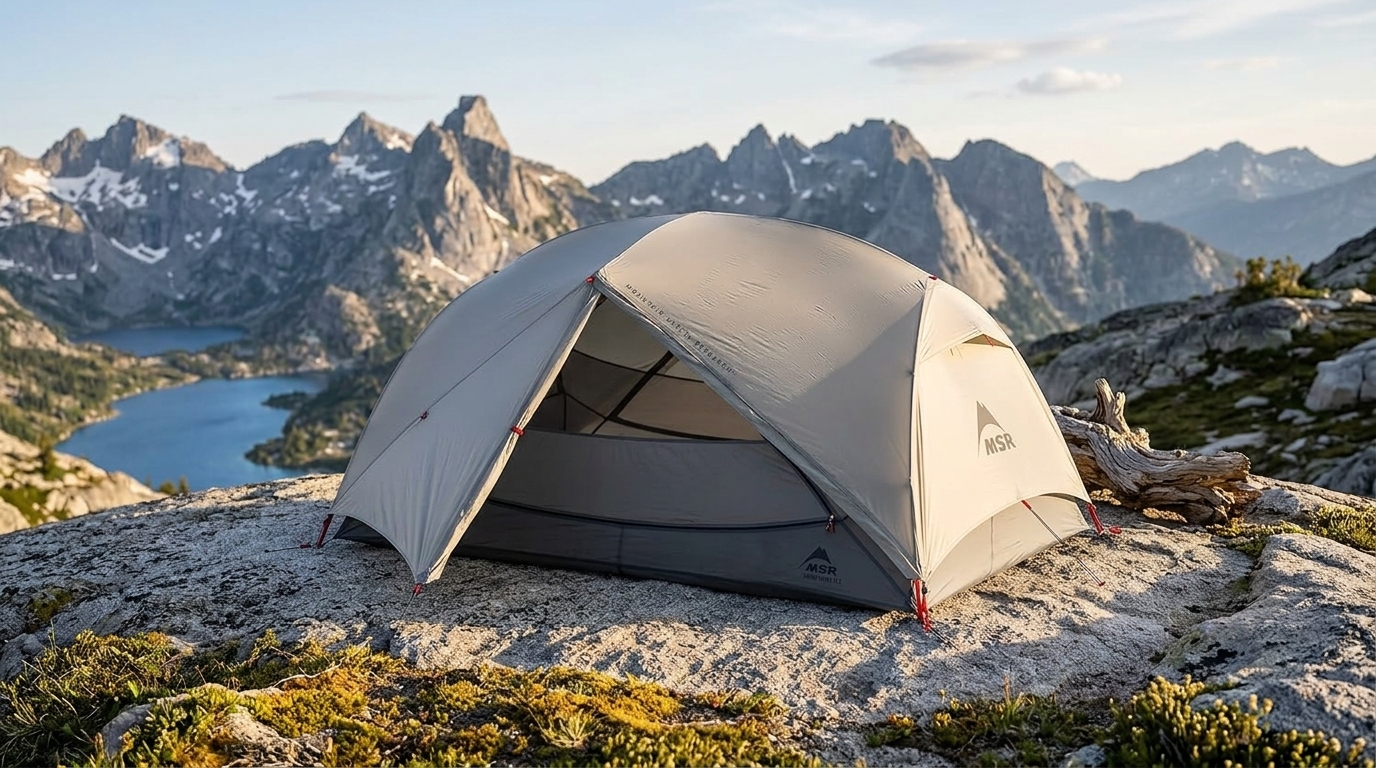
MSR Hubba Hubba LT 2-Person Lightweight Backpacking Tent Review
REVIEW
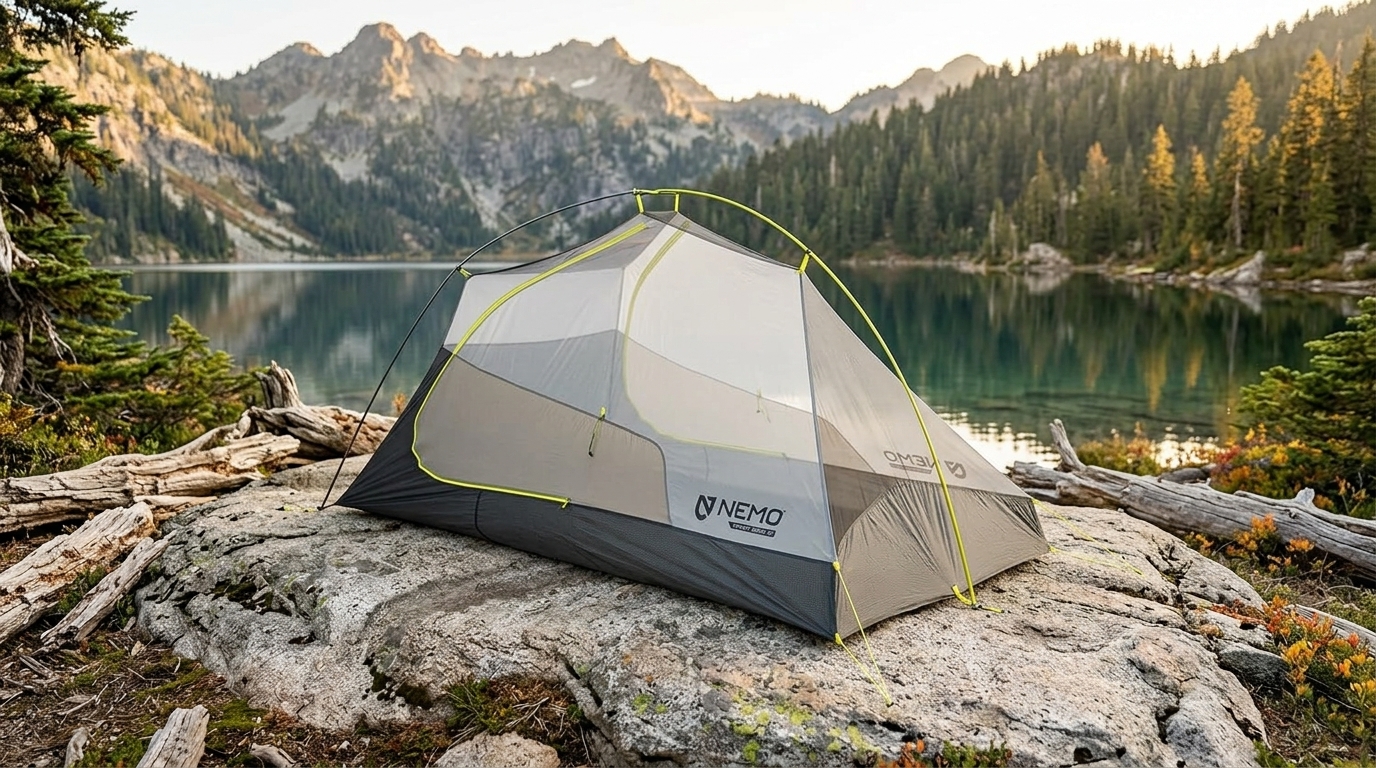
NEMO Equipment Hornet OSMO Ultralight Backpacking Tent Review
REVIEW
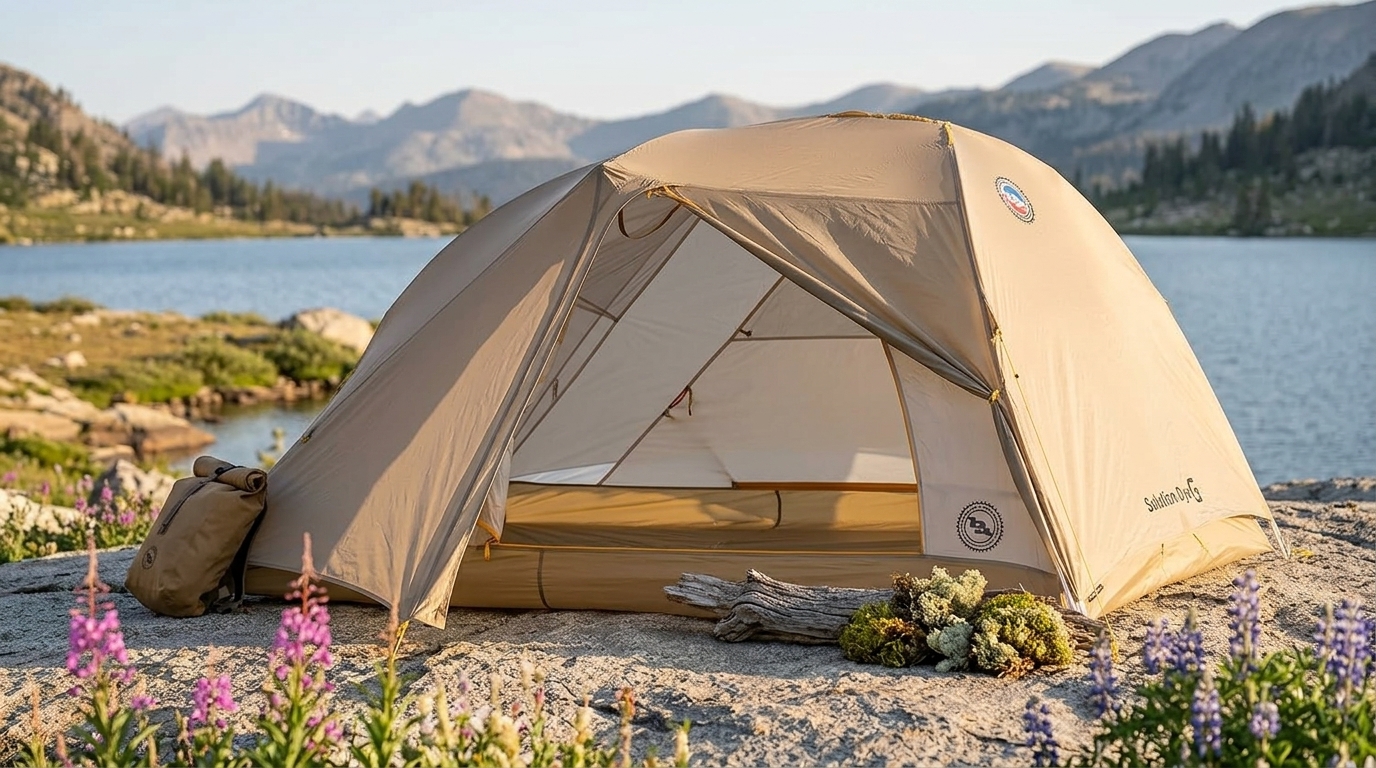
Big Agnes Tiger Wall UL Ultralight Bikepacking Tent with UV-Resistant Solution Dyed Fabric Review
REVIEW
Coleman Sundome Camping Tent Review: Affordable 3-Season Shelter for Casual Campers
REVIEW
The North Face Wawona 6 Footprint Review: Purpose-Built Protection for Family Base Camping
REVIEW