
Review · spring · summer · fall
Big Agnes Tiger Wall UL Ultralight Bikepacking Tent with UV-Resistant Solution Dyed Fabric Review
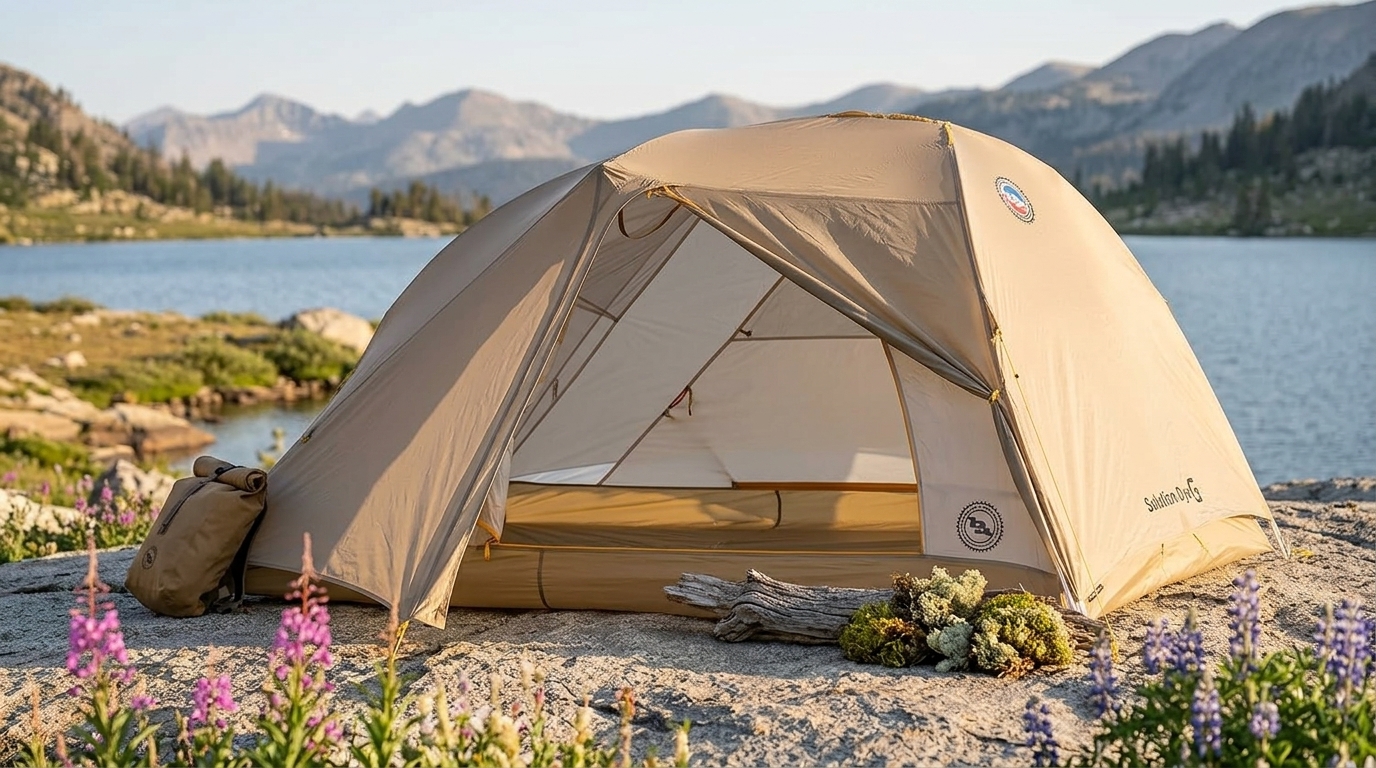
The Big Agnes Tiger Wall UL Bikepack is a purpose-built shelter for cyclists who demand dual-vestibule convenience and ultralight performance without sacrificing livability. Its solution-dyed ripstop fabric, compression stuff sack with daisy-chain webbing, and bike-specific features like helmet storage and a 3D gear shelf make it a standout for multi-day bike tours. The tradeoff is cost—at $373.95 MSRP, you're paying a premium for specialized features and sustainable manufacturing that may not justify the expense if you're primarily a foot-based backpacker.
Disclosure: Four Seasons Gear is reader-supported. When you buy through links on our site, we may earn an affiliate commission at no extra cost to you. Prices and availability are accurate as of the time we last checked.
The Tiger Wall UL Bikepack series represents Big Agnes's focused answer to the bikepacking tent question: how do you optimize a shelter for frame-mounted carry and roadside camps without abandoning the weight discipline that defines modern ultralight design? This tent uses solution-dyed 6-denier ripstop nylon for the canopy and fly—a manufacturing process that integrates pigment during fiber production rather than dyeing finished fabric, yielding better UV resistance and lower environmental impact. The compression stuff sack features external daisy-chain webbing engineered for multiple bike-frame attachment points, addressing the bikepacker's need to distribute gear across a frame rather than stuff everything into a backpack.
Construction and Materials
The tent body employs solution-dyed 6-denier ripstop nylon, a fabric weight that sits at the aggressive end of the ultralight spectrum. For context, most budget three-season tents use 20D to 40D fabrics; the Tiger Wall's 6D construction prioritizes pack weight over abrasion resistance. The rainfly uses the same solution-dyed material with a polyurethane coating (manufacturer doesn't publish hydrostatic head rating, verify before purchase). Floor fabric is typically a heavier-denier nylon with a higher waterproof rating, though Big Agnes doesn't specify the exact denier or coating specs in available product data.
The pole architecture uses DAC Featherlite aluminum poles—a premium alloy known for strength-to-weight efficiency in the ultralight tent category. The two-door, two-vestibule layout provides symmetrical entry and gear storage, a feature OutdoorGearLab's review highlighted as particularly valuable for bikepacking pairs who need independent access without crawling over each other after long ride days.
Specs
Bikepacking-Specific Features
The Tiger Wall Bikepack edition differentiates itself from the standard Tiger Wall UL through deliberate design choices for two-wheeled travel. The compression stuff sack's daisy-chain webbing allows you to lash the tent to frame bags, top tubes, or fork cages using multiple strap configurations—Treeline Review's bikepacking tent roundup noted this as a practical advantage over generic stuff sacks that require improvised attachment solutions. The 3D gear shelf exploits dead space above your feet to store bulky items like shoes or panniers off the tent floor, and elastic webbing on the tent body exterior provides a dedicated helmet perch (a small detail that prevents your helmet from rolling into the fire ring or collecting dew overnight).
These features add negligible weight but meaningful utility for cyclists who camp in roadside sites, gravel pull-offs, or hiker-biker campgrounds where gear organization matters more than it does on remote backpacking trips with established tent platforms.
Comparison Context: Tiger Wall vs. Copper Spur
Within Big Agnes's own lineup, the Tiger Wall sits below the Big Agnes Copper Spur HV UL Ultralight Bikepacking Tent in terms of interior volume and vertical wall design. The Copper Spur HV (High Volume) uses a more aggressive pole geometry to maximize headroom and floor space, making it the better choice for taller users or those who prioritize interior livability. The Tiger Wall accepts the volume tradeoff in exchange for slightly lower packed weight and a lower retail price (the Copper Spur typically commands a $50–$75 premium, check current pricing). Both tents use similar fabric weights and pole materials, so the decision hinges on whether you value space or grams.
Switchback Travel's Tiger Wall UL3 review emphasized that the non-freestanding pitch requires careful site selection and good staking—a consideration for bikepackers who may encounter hard-packed gravel or sandy roadside sites where standard stakes don't hold well. Carrying a few extra V-stakes or MSR Groundhog stakes adds 50–80 g but solves this problem.
Durability Considerations
The 6-denier ripstop fabric represents a calculated durability risk. Ripstop weave construction embeds heavier reinforcement threads at regular intervals to prevent tear propagation, but the base fabric remains thin enough that sharp objects (stick ends, rock edges, crampon points) can puncture it more easily than 20D or 30D alternatives. The solution-dyed process improves UV resistance compared to conventionally dyed fabrics, which matters for bikepackers who may leave the tent pitched for multiple nights in exposed roadside sites or high-altitude environments with intense solar radiation.
The DAC Featherlite poles are less of a concern—this alloy has a strong track record in the ultralight tent category, and Big Agnes's warranty covers manufacturing defects. The floor fabric's durability depends on its denier rating (not published in available specs), but most Big Agnes tents use 20D or heavier for the bathtub floor, which provides reasonable puncture resistance on groomed campground sites. Carrying a small groundsheet or Tyvek footprint adds 100–150 g but extends floor lifespan significantly if you camp on abrasive surfaces.
Value Assessment
At $373.95, the Tiger Wall Bikepack competes in the premium ultralight tent segment where you're paying for sub-1200 g packed weight, solution-dyed sustainability credentials, and specialized features. For comparison, a two-person tent from brands like Naturehike or 3F UL Gear delivers similar packed weight for $150–$200, but you sacrifice the dual vestibules, bikepacking-specific features, and Big Agnes's warranty and customer service reputation. OutdoorGearLab's testing noted that the Tiger Wall's livability—particularly the dual-door access and vestibule space—justifies the premium for users who camp frequently enough to appreciate the convenience over hundreds of nights.
The solution-dyed fabric adds $30–$50 to manufacturing cost compared to conventional dyeing, so part of the price reflects Big Agnes's environmental positioning. Whether that matters depends on your values and budget.
Pros and Cons
What we like
Trade-offs
Best For
- Bikepackers who prioritize dual-vestibule convenience and frame-mounting optimization
- Ultralight backpackers who value livability and don't mind paying for premium features
- Cyclists on multi-day tours who camp in established sites with groomed tent pads
- Users who appreciate sustainable manufacturing and UV-resistant fabrics
- Pairs who need independent entry/exit without disturbing each other
Not For
- Budget-conscious buyers who can accept fewer features for $150–$200 savings
- Backpackers who camp primarily on rocky, abrasive, or thorny terrain
- Users who prefer freestanding tents for flexibility on hard-packed or sandy sites
- Taller individuals who need maximum headroom (consider the Copper Spur HV instead)
- Casual campers who won't use the tent enough to justify premium pricing
Frequently Asked Questions
+How does the Tiger Wall compare to the Copper Spur for bikepacking?
The Tiger Wall prioritizes lower weight and cost, while the Copper Spur HV offers more interior volume through aggressive pole geometry. Both have bikepacking editions with compression stuff sacks and daisy-chain webbing. Choose the Tiger Wall if you're weight-focused and don't need maximum headroom; choose the Copper Spur if you're taller than 6 feet or prioritize interior space for gear organization.
+Can I use this tent for winter or four-season camping?
No. The Tiger Wall UL is a three-season tent designed for spring, summer, and fall use. The single-wall mesh panels and moderate fly coverage don't provide adequate protection or warmth retention for winter conditions with heavy snow loads or sustained below-freezing temperatures. For winter camping, consider a true four-season tent with full-coverage fly and reinforced pole structure.
+Is the 6-denier fabric durable enough for regular use?
The 6D ripstop fabric is durable enough for careful users who camp on groomed sites and avoid contact with sharp objects. The ripstop weave prevents small punctures from propagating into large tears, and the solution-dyed process improves UV resistance. However, this fabric is more puncture-prone than 20D or 30D alternatives. Using a groundsheet and avoiding abrasive surfaces extends lifespan. If you regularly camp off-trail on rocky terrain, consider a heavier-denier tent.
+What's the difference between the standard Tiger Wall and the Bikepack edition?
The Bikepack edition includes a compression stuff sack with external daisy-chain webbing for bike-frame attachment, a 3D gear shelf above the foot box, and elastic helmet webbing on the tent body exterior. The standard Tiger Wall uses a basic stuff sack and omits these features. The tent body, fly, and pole architecture are otherwise identical. If you're primarily a foot-based backpacker, the standard edition saves $20–$30.
+Does this tent require a footprint?
A footprint is not required but recommended to extend floor fabric lifespan, particularly given the ultralight fabric construction. Big Agnes sells a fitted footprint for approximately $50–$60, or you can cut a custom footprint from Tyvek or Polycro sheeting for $10–$15. A footprint adds 100–150 g but provides insurance against punctures and abrasion on rough sites.
Final Verdict
The Big Agnes Tiger Wall UL Bikepack delivers on its promise: a sub-1200 g shelter with dual vestibules, sustainable fabric, and thoughtful features for cyclists who mount gear on frames rather than backs. The solution-dyed ripstop, compression stuff sack, and bike-specific details justify the premium for frequent bikepackers who value convenience and environmental credentials. The 6D fabric demands careful handling, and the non-freestanding pitch requires good staking, but these are acceptable tradeoffs for users who prioritize weight and livability. If you're committed to bikepacking or ultralight backpacking and can afford the investment, the Tiger Wall UL Bikepack earns its place as a category standout.

Read next
More from this category
REVIEW
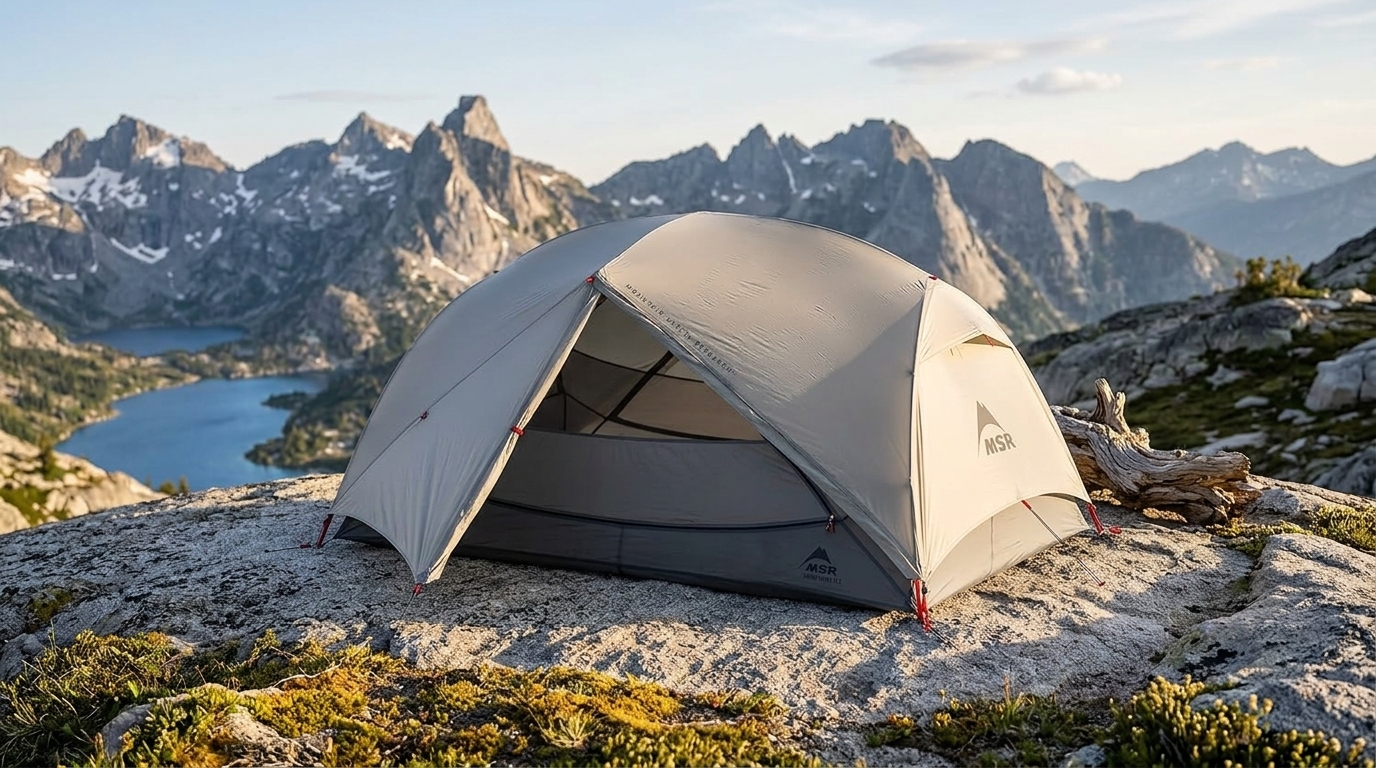
MSR Hubba Hubba LT 2-Person Lightweight Backpacking Tent Review
REVIEW
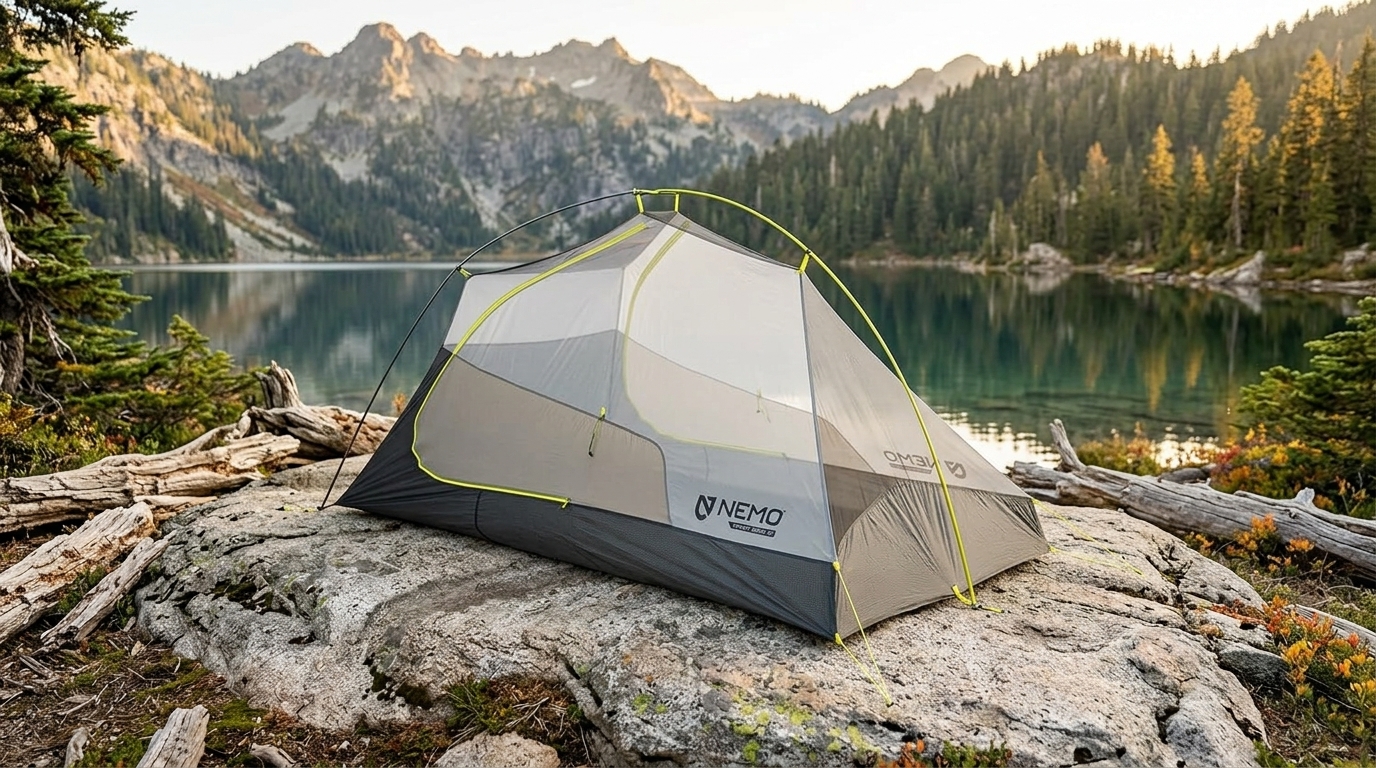
NEMO Equipment Hornet OSMO Ultralight Backpacking Tent Review
REVIEW
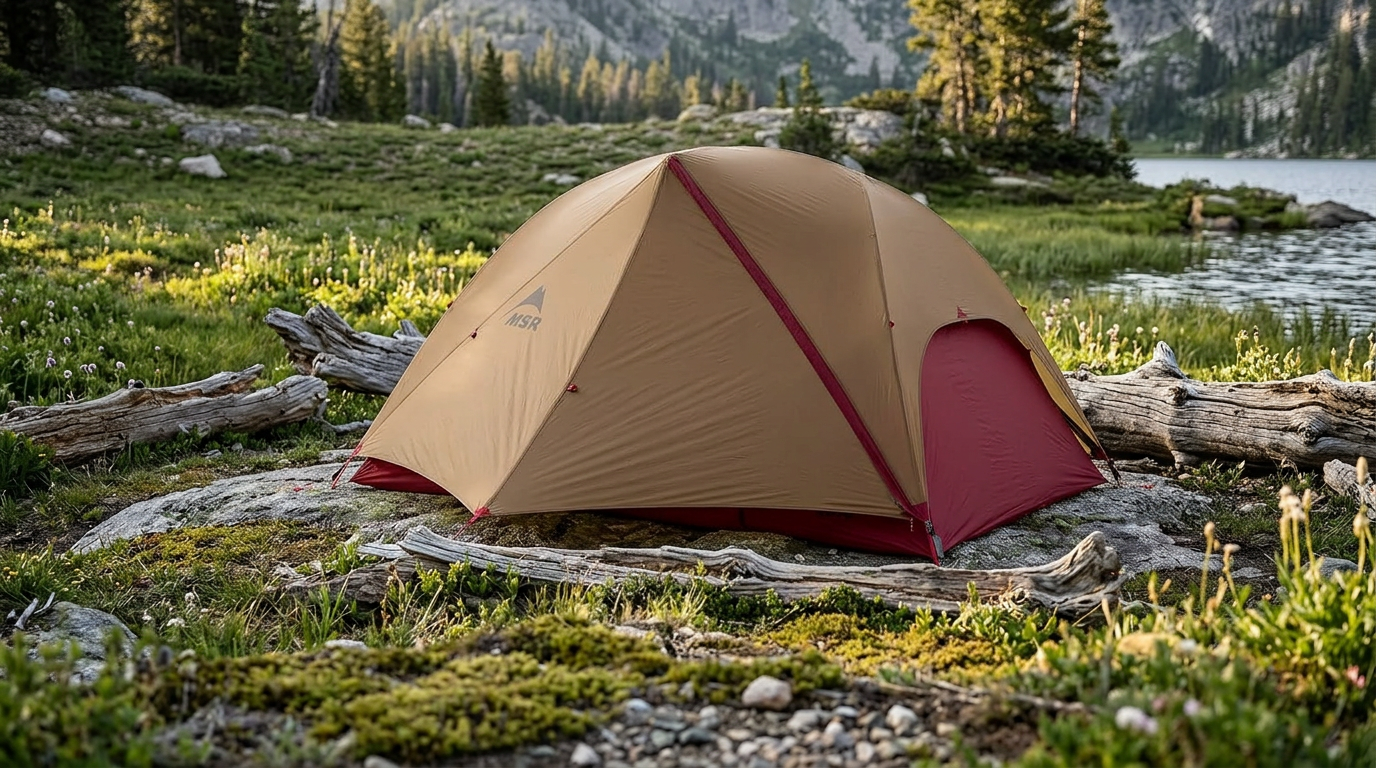
MSR Freelite 2-Person Ultralight Backpacking Tent Review
REVIEW
Coleman Sundome Camping Tent Review: Affordable 3-Season Shelter for Casual Campers
REVIEW
The North Face Wawona 6 Footprint Review: Purpose-Built Protection for Family Base Camping
REVIEW