
Review · spring · summer · fall
Sea to Summit Alto TR2 Plus Tent Review: Tension Ridge Architecture for Shoulder Room
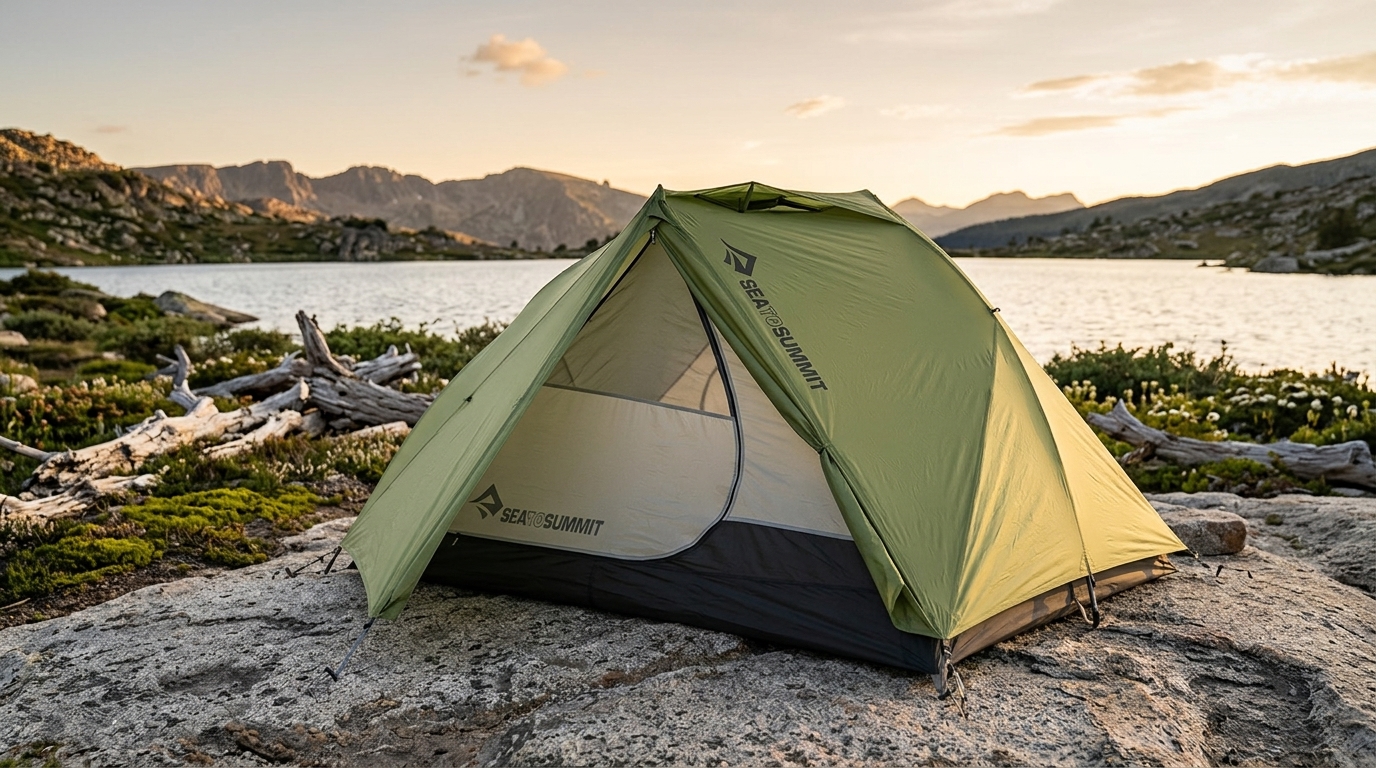
The Sea to Summit Alto TR2 Plus is a 3-season, 2-person backpacking tent built around the brand's Tension Ridge pole architecture, which lifts the ceiling profile to create more usable head-and-shoulder space than traditional dome designs. At approximately $489 MSRP (verify current price), it targets backpackers who prioritize livability and premium materials over absolute gram-counting, trading a bit of extra packed weight for better interior volume and DAC NSL aluminum poles that balance strength with reasonable mass.
Disclosure: Four Seasons Gear is reader-supported. When you buy through links on our site, we may earn an affiliate commission at no extra cost to you. Prices and availability are accurate as of the time we last checked.
Construction and Materials
The Alto TR2 Plus uses Sea to Summit's Tension Ridge pole configuration: a central ridgeline pole runs longitudinally and pulls the tent's peak upward, creating a more rectangular floor plan and vertical sidewalls compared to conventional cross-pole domes. The poleset is color-coded DAC NSL aluminum with quick-connect pole feet that snap into grommets, reducing setup fumbling. The manufacturer specifies a fabric inner tent (material denier not published on the product page; typical Sea to Summit backpacking tents use 20D ripstop nylon) and markets the tent as waterproof using premium materials, though exact hydrostatic head ratings for the fly and floor are not listed. The fly is described as suitable for 3+ seasons, and the full-coverage design with a fabric inner suggests this is a double-wall tent optimized for spring through fall conditions with occasional cold-weather use.
Specs
Livability and Interior Space
The Tension Ridge architecture is the Alto's defining feature. By pulling the tent's ridgeline upward, Sea to Summit creates more usable volume in the head and shoulder zones where occupants sit up, dress, and move around. This contrasts with traditional dome tents, which taper steeply from a central peak. Switchback Travel's review of the Alto TR2 notes that the Tension Ridge design delivers noticeably better headroom and elbow space for two adults compared to similarly marketed 2-person tents. The trade-off is slightly more complex pole geometry (three poles instead of two in a basic dome), which adds a small amount of setup time and packed bulk. The fabric inner tent provides full insect protection and reduces drafts in cooler conditions, making this a true 3-season shelter rather than a summer-only mesh design.
Comparison Context: Alto vs. Ultralight Alternatives
The Alto TR2 Plus sits in the premium backpacking tent segment, prioritizing livability and material quality over minimum weight. For context, the Big Agnes Copper Spur HV UL Ultralight Bikepacking Tent uses a similar high-volume pole architecture and DAC Featherlite poles, but targets a lower packed weight (around 1.36 kg for the 2-person model) by using thinner fabrics and a more aggressive taper. The Alto's fabric inner and Tension Ridge geometry suggest a slightly heavier build (manufacturer does not publish trail weight or minimum weight; verify before purchase), but the full-coverage inner and quick-connect pole feet may appeal to backpackers who value ease of setup and better draft protection over shaving the last 100 grams. OutdoorGearLab's review of Sea to Summit's related Telos TR2 (which shares the Tension Ridge architecture) measured a trail weight around 1.47 kg, suggesting the Alto TR2 Plus likely falls in a similar range.
Durability Considerations
The Alto TR2 Plus is marketed as 'made for longevity' with premium materials. DAC NSL aluminum poles are a known quantity in the backpacking world: they offer excellent strength-to-weight and resist permanent deformation better than generic aluminum alloys, though they will eventually fatigue with repeated flexing (typical lifespan is several hundred pitch cycles under normal use). The quick-connect pole feet reduce stress on fabric grommets during setup, which should extend the life of high-wear connection points. The fabric inner tent (vs. all-mesh) adds a small amount of abrasion resistance and reduces UV exposure to the floor when the fly is off, but the exact denier and coating durability depend on unpublished specs. The waterproof claim suggests a polyurethane or silicone coating on the fly and floor; these coatings will degrade over years of UV exposure and require periodic reapplication of seam sealer or aftermarket waterproofing treatments.
Value and Intended Use
At approximately $489, the Alto TR2 Plus competes with other premium 2-person backpacking tents like the Big Agnes Copper Spur HV UL (around $500) and MSR Hubba Hubba NX (around $480). The Tension Ridge architecture is the value proposition: if you've felt cramped in traditional dome tents and prioritize interior volume for two adults or solo use with gear storage, the Alto's geometry delivers measurable shoulder room. The color-coded poles and quick-connect feet also streamline setup in fading light or bad weather. The trade-off is that ultralight purists chasing sub-1 kg shelter systems will find lighter options (though often with less livability). This tent makes sense for backpackers doing multi-day trips where comfort at camp justifies carrying an extra 200–300 g compared to a stripped-down ultralight shelter.
What we like
Trade-offs
Frequently Asked Questions
+What is the packed weight of the Alto TR2 Plus?
Sea to Summit does not publish the packed weight or trail weight on the Amazon product page. Based on the Tension Ridge architecture and fabric inner tent, expect a trail weight in the range of 1.4–1.6 kg (verify on the manufacturer's website or retailer specs before purchase). This is heavier than ultralight tents like the Big Agnes Copper Spur HV UL but typical for premium 3-season shelters prioritizing livability.
+How does the Tension Ridge design compare to a traditional dome tent?
The Tension Ridge uses a longitudinal ridgeline pole that lifts the tent's peak upward, creating more vertical sidewalls and usable volume in the head and shoulder zones. Traditional cross-pole domes taper steeply from a central peak, which reduces sitting headroom. Switchback Travel's review notes the Alto TR2 delivers noticeably better elbow space for two adults. The trade-off is slightly more complex pole geometry (three poles vs. two) and a small increase in packed bulk.
+Is the Alto TR2 Plus suitable for winter camping?
The Alto TR2 Plus is marketed as a 3+ season tent (spring, summer, fall) with a fabric inner that reduces cold drafts. However, it is not a true 4-season tent: the fly design and pole structure are not optimized for heavy snow loads or extreme wind. For occasional late-fall or early-spring trips with light snow, the Alto will perform adequately. For dedicated winter mountaineering, consider a geodesic 4-season tent with more robust pole architecture.
+Can I pitch the fly alone as a fast-pitch shelter?
The manufacturer does not specify whether the Alto TR2 Plus supports a fly-only pitch. Sea to Summit's related Telos series does offer a fast-pitch option using just the fly and poles. Check the included setup instructions or contact Sea to Summit directly to confirm whether the Alto TR2 Plus includes a fast-pitch configuration.

Read next
More from this category
REVIEW
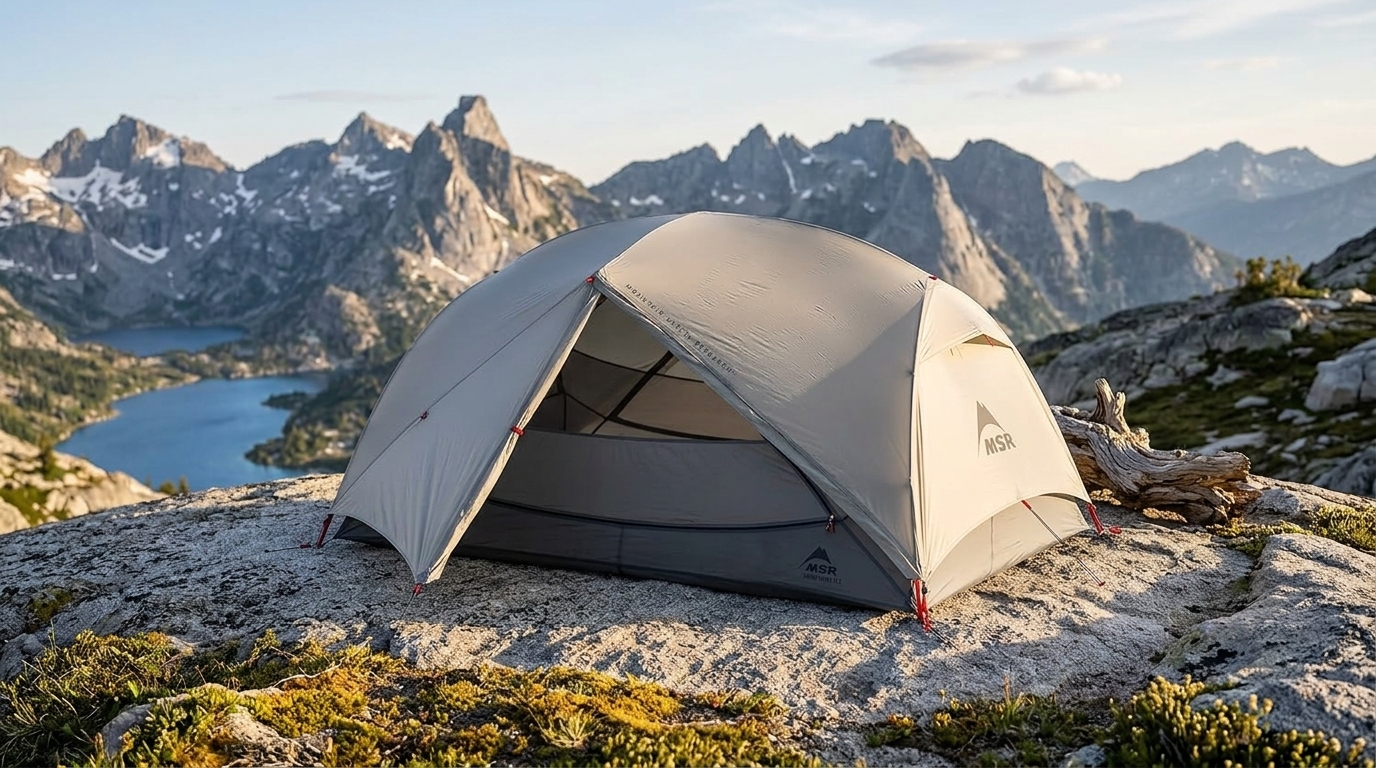
MSR Hubba Hubba LT 2-Person Lightweight Backpacking Tent Review
REVIEW
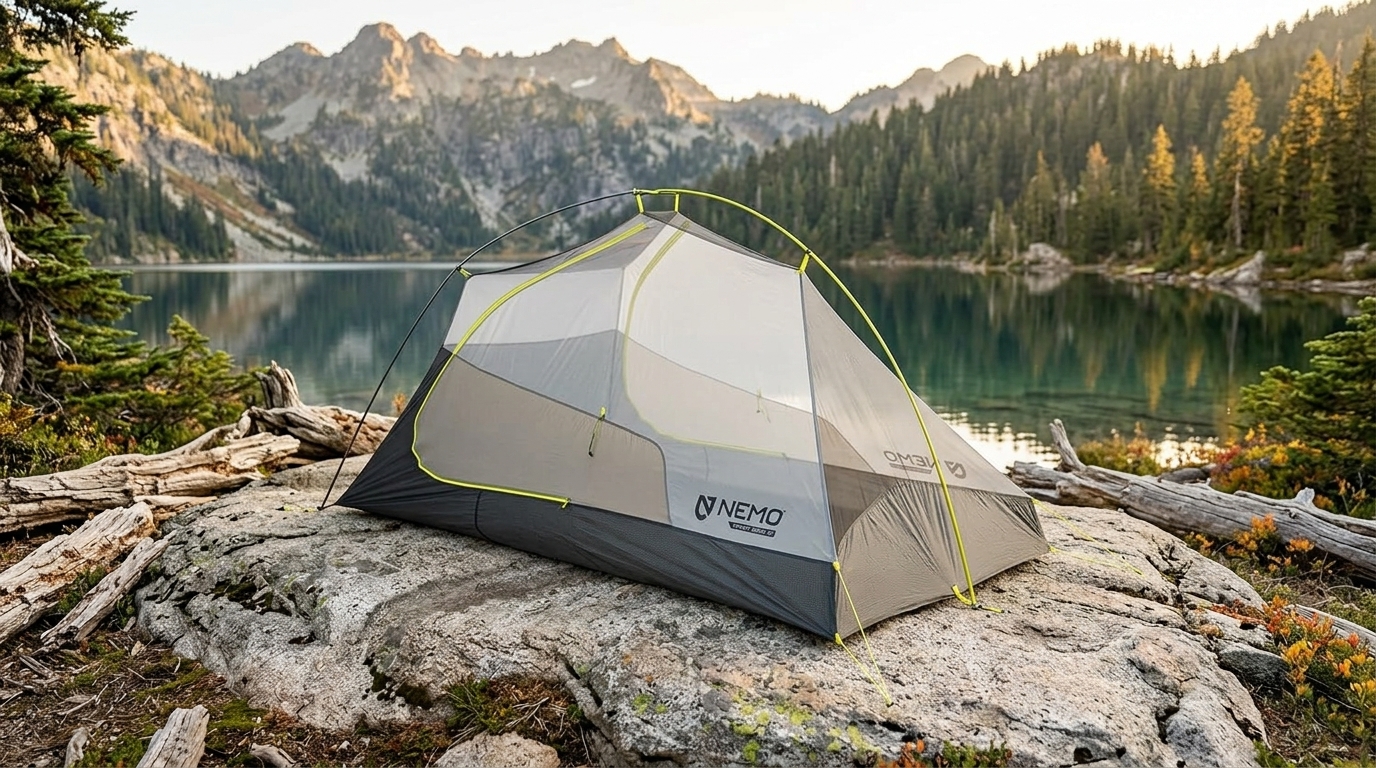
NEMO Equipment Hornet OSMO Ultralight Backpacking Tent Review
REVIEW
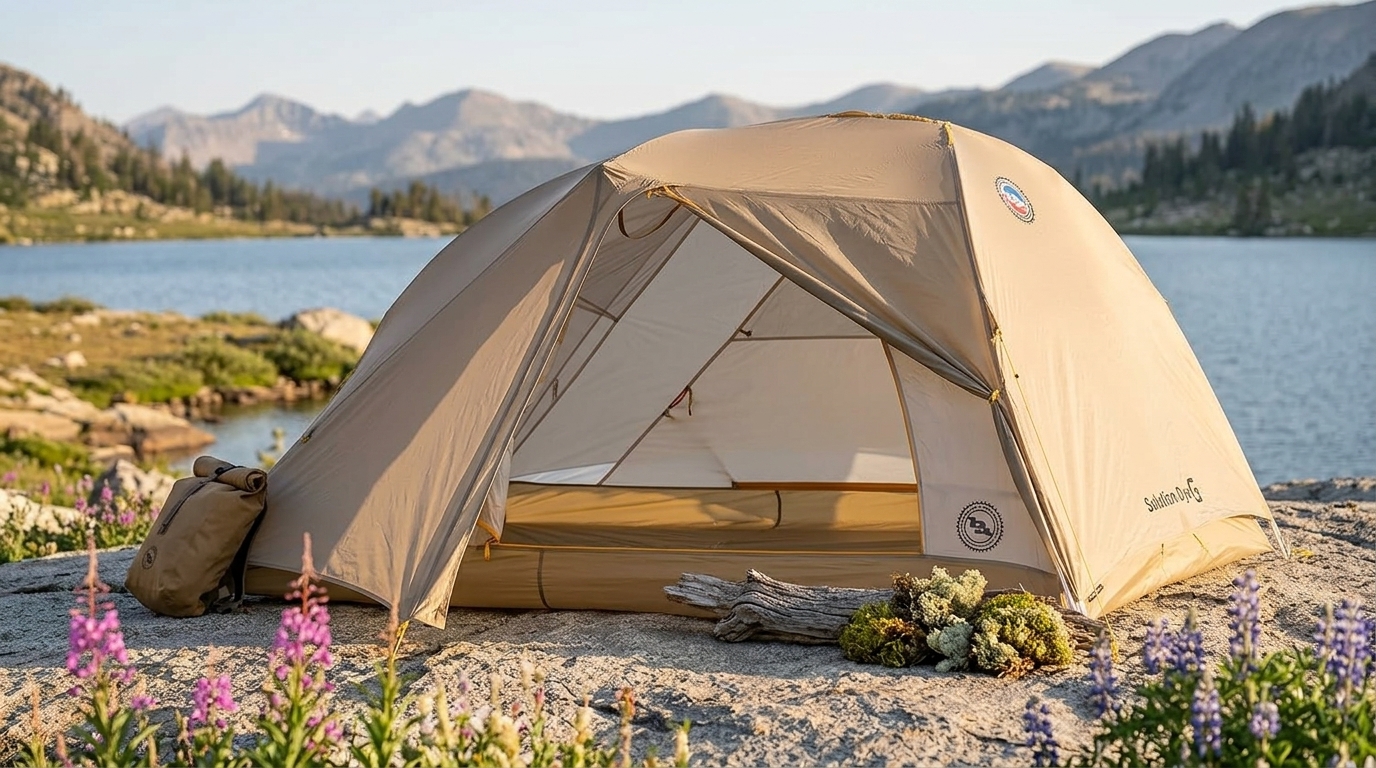
Big Agnes Tiger Wall UL Ultralight Bikepacking Tent with UV-Resistant Solution Dyed Fabric Review
REVIEW
MSR Freelite 2-Person Ultralight Backpacking Tent Review
REVIEW
Coleman Sundome Camping Tent Review: Affordable 3-Season Shelter for Casual Campers
REVIEW