
Review · spring · summer · fall
NEMO Dagger OSMO 2P Review: Spacious Freestanding Tent with Eco-Conscious Fabric
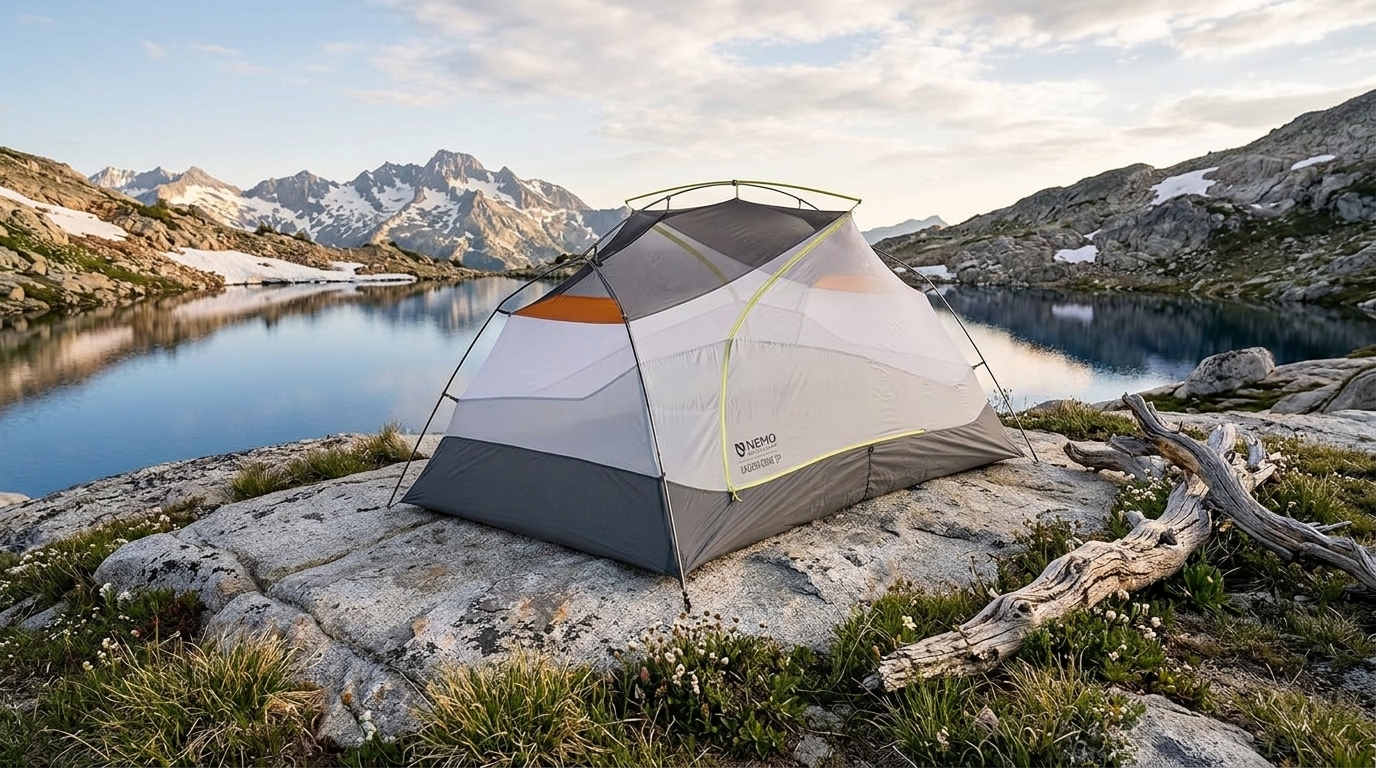
The NEMO Dagger OSMO 2P targets backpackers who prioritize livable interior space and vestibule storage over absolute minimum weight. With increased peak and shoulder heights, volumizing vestibule struts, and NEMO's proprietary OSMO fabric (a solution-dyed poly-nylon ripstop with 4x longer-lasting DWR and 3x less wet stretch), this freestanding double-wall tent trades a few ounces for comfort and durability. It's the first bluesign-certified backpacking tent in NEMO's lineup, appealing to buyers who value ecological manufacturing standards alongside field performance.
Disclosure: Four Seasons Gear is reader-supported. When you buy through links on our site, we may earn an affiliate commission at no extra cost to you. Prices and availability are accurate as of the time we last checked.
Construction and Materials
The Dagger OSMO employs NEMO's OSMO poly-nylon ripstop fabric across the fly and floor. OSMO is a solution-dyed composite that integrates polyester and nylon fibers, yielding a fabric with notably reduced water absorption (3x less stretch when wet compared to standard nylon) and a PFC-free DWR treatment that NEMO claims lasts 4x longer than conventional coatings. Solution dyeing embeds pigment during fiber extrusion rather than applying it afterward, which reduces water and energy consumption during manufacturing. The tent meets bluesign system partner criteria, meaning the fabric supply chain adheres to strict chemical, resource, and worker-safety standards—a rarity in the backpacking tent category.
The tent uses a freestanding pole architecture with DAC Featherlite NSL aluminum poles (manufacturer does not publish exact diameter or alloy spec, verify before purchase). The fly attaches via color-coded clips and a perimeter stake-out system. NEMO's Volumizing Stash strut—a short, pre-bent pole segment integrated into the vestibule structure—props the fly away from the tent body, increasing vestibule volume by approximately 22% over the previous Dagger generation. This strut is a fixed part of the pole set, not an optional accessory.
Specs
Intended Use and Fit
The Dagger OSMO is engineered for backpackers who spend multiple nights in the tent and value the ability to sit upright, change clothes without contorting, and store gear in spacious vestibules. The increased peak height (approximately 107 cm) and shoulder room make it one of the more livable 2-person tents in the 1.75 kg class. Two wide doors and two vestibules allow each occupant independent entry/exit and dedicated gear storage, reducing the midnight shuffle common in single-door designs.
The tent's freestanding architecture simplifies setup on hard-packed dirt, sand, or rocky ground where stakes don't bite well. You can pitch the tent, move it to fine-tune placement, then stake it out for storm stability. The fly-first pitch option (body remains packed) is useful for quick rain shelter or when you need to break camp in wet conditions without soaking the inner tent.
Category Context and Comparisons
In the freestanding 2-person tent category, the Dagger OSMO sits between ultralight minimalist shelters and car-camping tents. At approximately 1.76 kg packed weight, it's heavier than the Big Agnes Copper Spur HV UL Ultralight Bikepacking Tent (around 1.47 kg for the 2-person model), but the Dagger offers more interior headroom and vestibule space. The Copper Spur prioritizes gram-shaving; the Dagger prioritizes livability.
The OSMO fabric differentiates the Dagger from silnylon competitors. Silnylon stretches significantly when wet, requiring mid-storm re-tensioning of guy lines. OSMO's 3x reduction in wet stretch means the fly maintains tautness through rain events, reducing flapping noise and preserving clearance between fly and mesh body. OutdoorGearLab's testing confirmed this behavior, noting that the OSMO fly required fewer adjustments during prolonged rain compared to silnylon tents in the same weight class.
The bluesign certification appeals to buyers who scrutinize supply-chain practices. Most backpacking tents use fabrics treated with PFC-based DWRs and dyed via conventional methods that generate significant wastewater. NEMO's solution-dyed, PFC-free approach addresses both concerns, though the fabric itself costs more to produce, reflected in the tent's $599.95 MSRP.
Durability Considerations
The OSMO ripstop's poly-nylon blend should resist UV degradation better than pure nylon (polyester fibers handle UV exposure more gracefully) while maintaining nylon's tear strength. The PFC-free DWR's 4x longevity claim suggests fewer re-treatments over the tent's lifespan, though all DWRs eventually wear off and require reapplication with aftermarket products like Nikwax Tent & Gear SolarProof.
The DAC Featherlite NSL poles are a proven alloy in the backpacking tent market, known for high strength-to-weight ratios and elastic deformation under load (they bend rather than kink in high winds). NEMO does not publish the pole diameter, but typical Featherlite NSL poles in this tent class run 8.5 to 9.0 mm. The Volumizing Stash strut introduces an additional pole segment, which is a potential failure point, though the strut is a low-stress component (it props the fly, not the primary structure).
The floor fabric is the same OSMO ripstop as the fly. NEMO does not specify a separate denier or waterproof rating for the floor, which is unusual—most manufacturers list floor fabric separately (e.g., 30D vs. 20D fly). Buyers should verify floor durability specs before committing if they frequently camp on abrasive surfaces like decomposed granite or lava rock.
Value and Market Position
At $599.95 MSRP, the Dagger OSMO commands a premium over budget freestanding tents (e.g., REI Co-op Half Dome SL 2+ at around $349) but aligns with other high-performance 2-person shelters like the Big Agnes Copper Spur HV UL (around $529 to $579 depending on configuration). The price reflects the OSMO fabric's R&D costs, bluesign certification overhead, and NEMO's focus on interior volume over absolute minimum weight.
For backpackers who log 20+ nights per year and value the ability to comfortably wait out storms inside the tent, the Dagger OSMO's livability and reduced wet-sag justify the cost. For fastpackers or solo hikers splitting a 2-person tent to save grams, lighter options exist. The tent's ecological credentials add value for buyers who factor manufacturing impact into purchasing decisions, though that value is harder to quantify in dollars per gram.
What we like
Trade-offs
Best For
- Backpackers prioritizing interior livability over absolute minimum weight
- Couples or partners who value independent doors and vestibules
- Multi-night trips where tent comfort directly impacts sleep quality
- Buyers seeking PFC-free, bluesign-certified gear with lower environmental impact
- Campers in humid or rainy climates where wet-stretch causes fly sag
- Users who frequently pitch on hard-packed or rocky ground (freestanding advantage)
Not For
- Ultralight fastpackers targeting sub-1.5 kg shelter systems
- Solo hikers who need a true 1-person footprint to save weight and bulk
- Budget-conscious buyers with a hard $400 ceiling
- Winter campers (3-season rating, insufficient snow load capacity)
- Buyers who prioritize proven long-term durability data over newer fabric technologies
Frequently Asked Questions
+How does the Dagger OSMO's weight compare to the Big Agnes Copper Spur HV UL?
The Dagger OSMO 2P has a packed weight of approximately 1.76 kg (3 lb 14 oz), while the Big Agnes Copper Spur HV UL Ultralight Bikepacking Tent 2-person model weighs around 1.47 kg (3 lb 4 oz). The Dagger trades roughly 290 g for increased peak height, shoulder room, and vestibule volume via the Volumizing Stash strut. If you prioritize interior space for sitting upright and gear storage, the Dagger's extra weight is a reasonable tradeoff. If you're counting every gram for long-distance thru-hiking, the Copper Spur's lighter pack weight may be more compelling.
+Does the OSMO fabric require special care or re-treatment?
OSMO's PFC-free DWR is claimed to last 4x longer than conventional treatments, but all DWRs eventually wear off with UV exposure, abrasion, and dirt accumulation. When water stops beading on the fly, clean the fabric with a non-detergent soap (detergent residues interfere with DWR), then reapply a PFC-free DWR spray like Nikwax Tent & Gear SolarProof. NEMO recommends storing the tent dry and loosely packed (not compressed in its stuff sack) to prolong fabric and coating life. The OSMO fabric itself does not require special washing—standard tent-cleaning protocols apply.
+Can I pitch the fly alone without the tent body?
Yes, the Dagger OSMO supports a fly-first pitch mode. You can set up the fly with poles and footprint (sold separately) to create a lightweight rain shelter, leaving the mesh body packed. This is useful for quick lunch stops in rain, ultralight configurations where you're willing to sacrifice bug protection, or breaking camp in wet conditions without soaking the inner tent. The fly-first setup requires the footprint to protect the floor and provide a clean surface for gear.
+What is the floor's waterproof rating?
NEMO does not publish a separate hydrostatic head rating or denier specification for the Dagger OSMO's floor fabric. The floor uses the same OSMO poly-nylon ripstop as the fly, but the manufacturer does not clarify whether it's a heavier denier or has additional waterproof coatings. Most backpacking tent floors are rated 1200 to 3000 mm hydrostatic head; without published specs, verify with NEMO customer service if you camp frequently on saturated ground or need a specific waterproof threshold.
+Is the Dagger OSMO suitable for winter camping?
No. The Dagger OSMO is a 3-season tent (spring, summer, fall) with a single-wall mesh body and a fly designed for rain and moderate wind, not snow loading. The tent lacks the structural reinforcements, snow skirts, and reduced mesh area required for winter conditions. For snow camping, consider a 4-season tent with a more robust pole structure and a fly that extends closer to the ground to block spindrift.
+How does the bluesign certification affect the tent's performance?
The bluesign certification addresses the manufacturing process—chemical inputs, water usage, worker safety—not field performance. It ensures the OSMO fabric was produced according to strict ecological and toxicological standards. From a performance standpoint, the certification itself doesn't make the tent lighter, stronger, or more waterproof, but it signals that NEMO prioritized supply-chain responsibility. Buyers who value environmental impact alongside gear specs will find this meaningful; buyers focused solely on weight and weather resistance can evaluate the tent on those merits independently.

Read next
More from this category
REVIEW
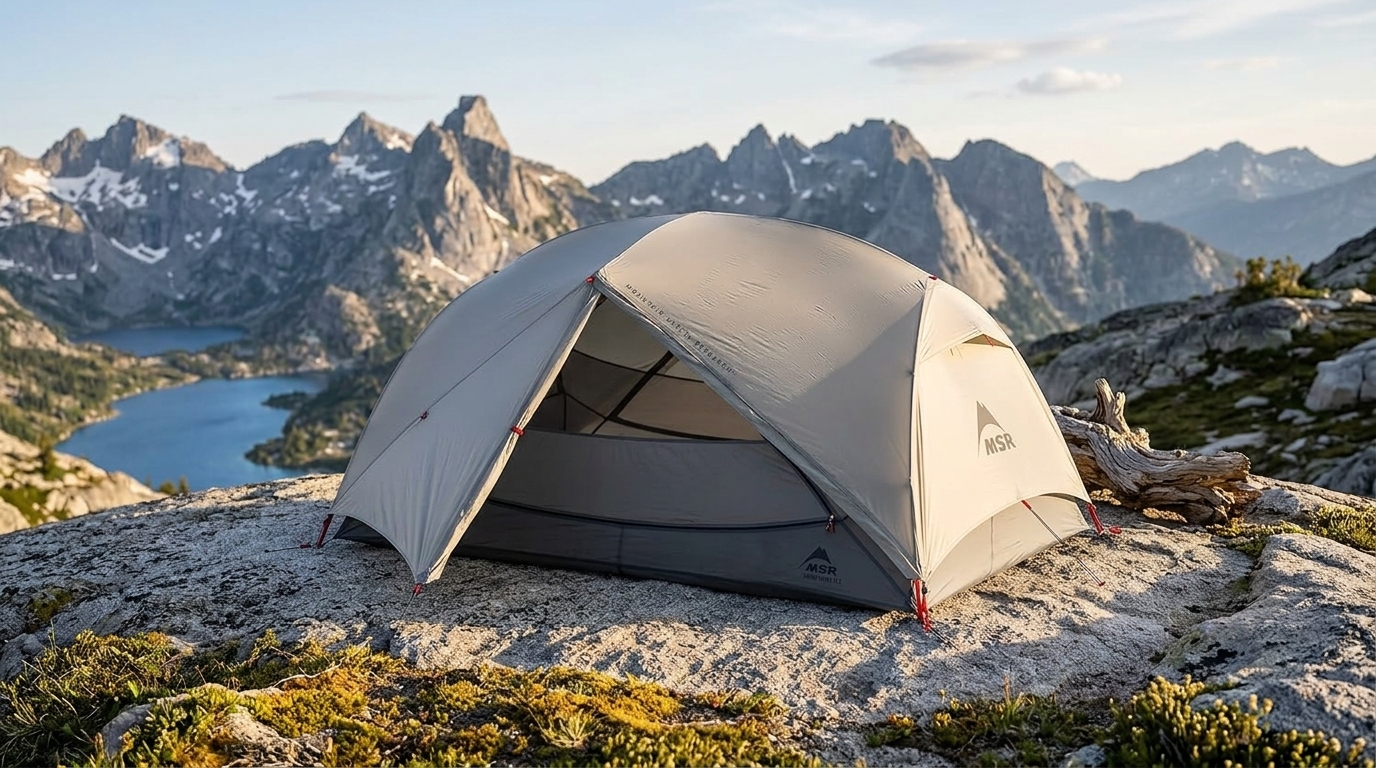
MSR Hubba Hubba LT 2-Person Lightweight Backpacking Tent Review
REVIEW
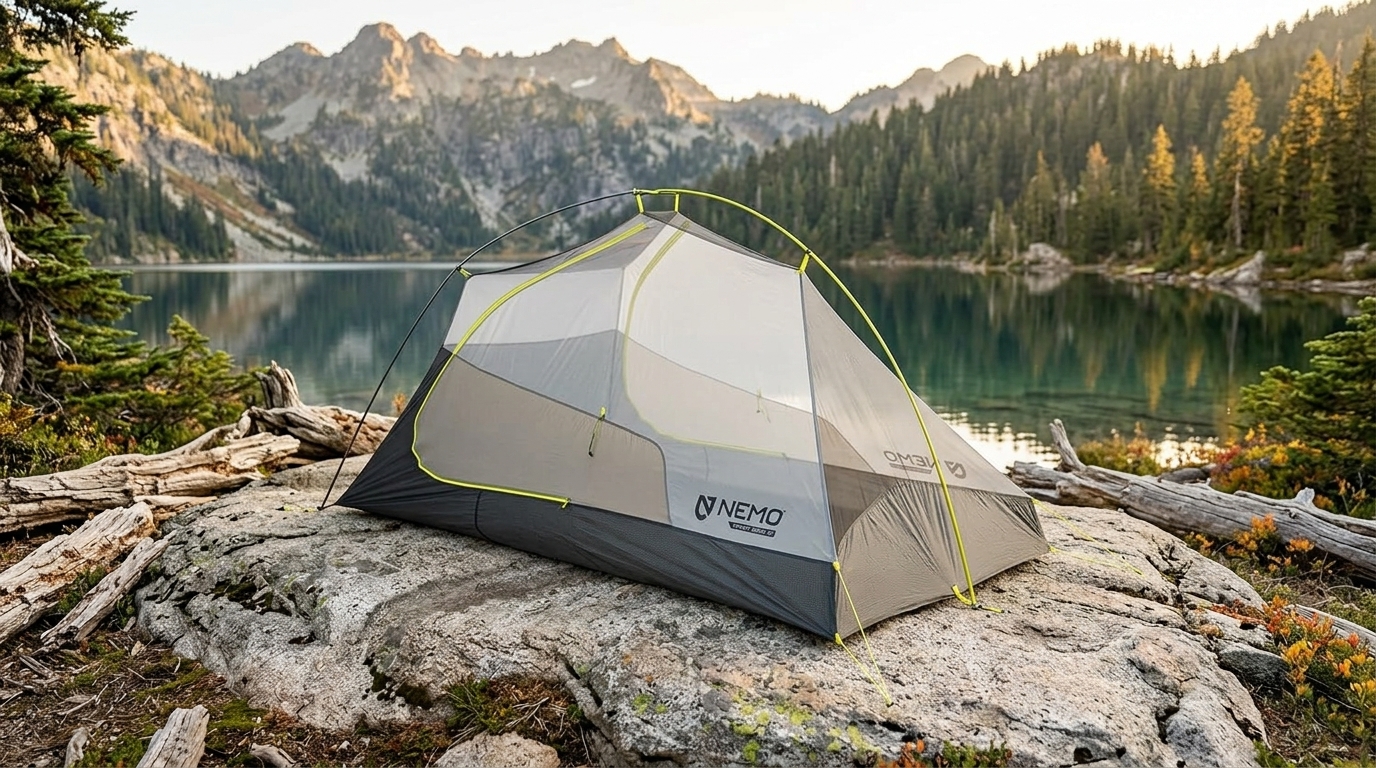
NEMO Equipment Hornet OSMO Ultralight Backpacking Tent Review
REVIEW
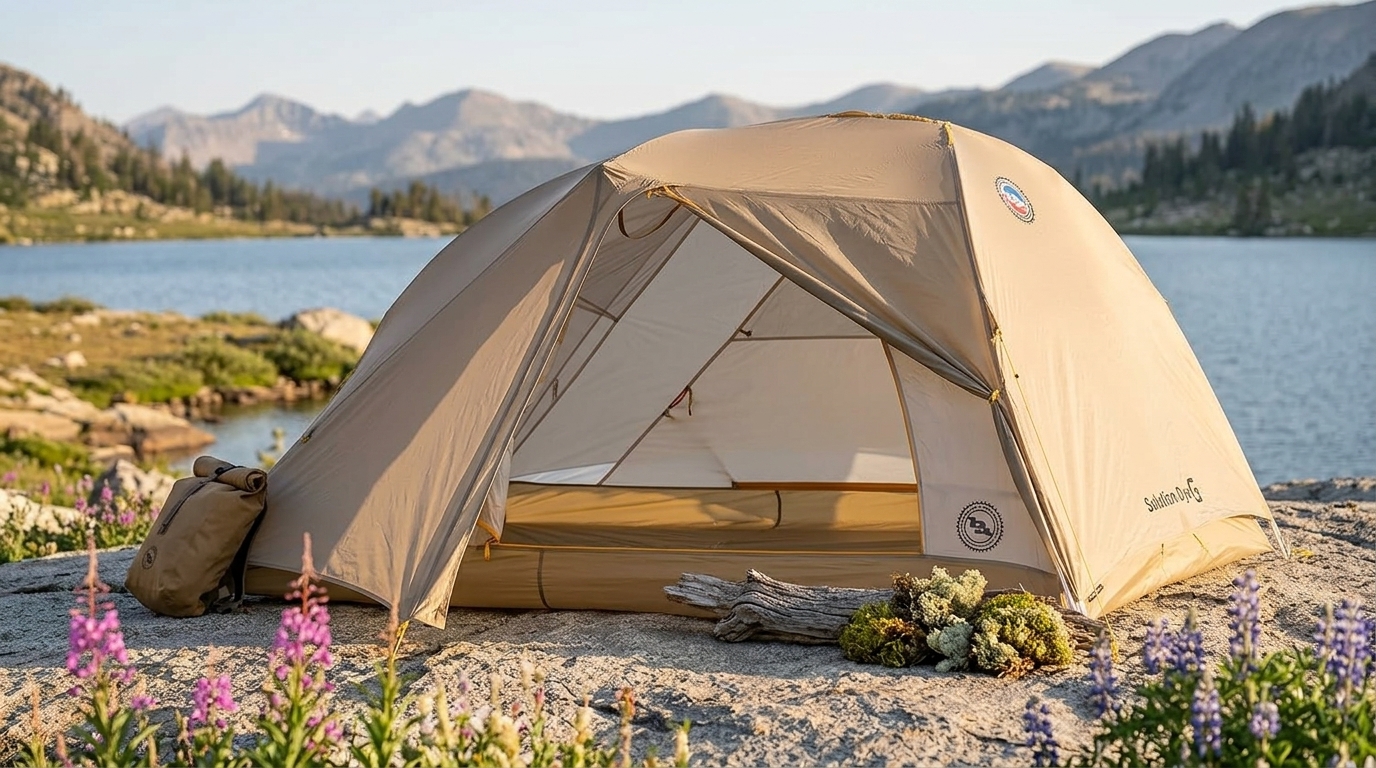
Big Agnes Tiger Wall UL Ultralight Bikepacking Tent with UV-Resistant Solution Dyed Fabric Review
REVIEW
MSR Freelite 2-Person Ultralight Backpacking Tent Review
REVIEW
Coleman Sundome Camping Tent Review: Affordable 3-Season Shelter for Casual Campers
REVIEW