
Review · spring · summer · fall
MSR Elixir 3-Person Lightweight Backpacking Tent Review
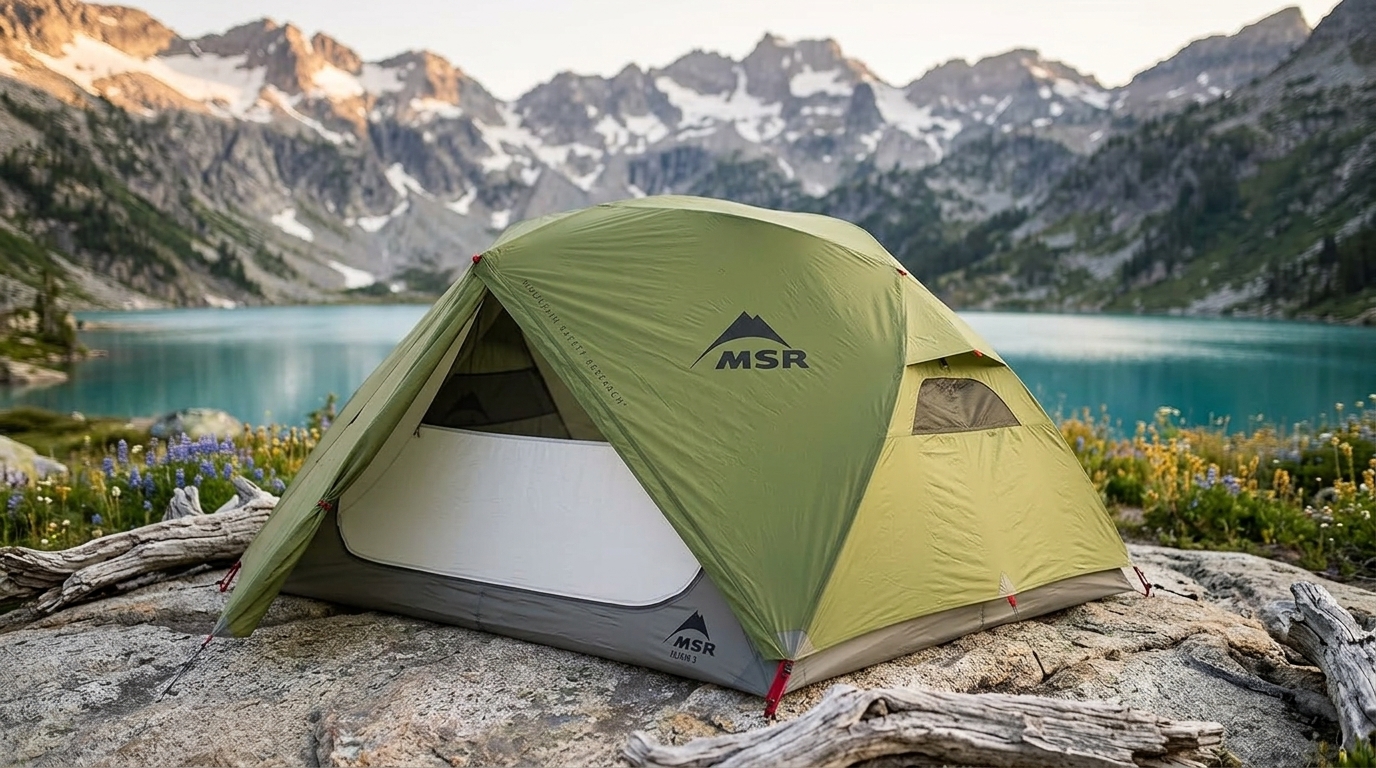
The MSR Elixir 3 is a three-season freestanding shelter that prioritizes livability and durability over ultralight weight, making it ideal for car camping, family backpacking trips, and weekend warriors who value interior space and straightforward setup. At 2.75 kg minimum trail weight (approximately 6 lbs 1 oz), it sits firmly in the "lightweight" rather than "ultralight" category, trading grams for a true rectangular floor plan, nearly vertical walls, and updated all-metal corner hardware that should outlast the plastic clips common in budget tents.
Disclosure: Four Seasons Gear is reader-supported. When you buy through links on our site, we may earn an affiliate commission at no extra cost to you. Prices and availability are accurate as of the time we last checked.
Construction and Materials
The Elixir 3 uses a 75% polyester, 25% nylon blend for the tent body and fly, a material mix that balances UV resistance (polyester's strength) with tear resistance (nylon's contribution). MSR has updated the waterproofing treatments to PFAS-free formulations, addressing environmental concerns without sacrificing weather protection. The fly fabric is more durable than previous generations, though the manufacturer doesn't publish specific denier ratings or hydrostatic head measurements for independent verification.
The tent body incorporates strategically placed mesh panels designed to maximize airflow while retaining some heat—a balance useful in shoulder-season conditions. The mesh isn't full-coverage like pure summer shelters, which helps in cooler spring and fall nights but may feel warmer in July. Straight-pull zippers replace the curved designs of older MSR tents; these run along straighter seam lines, reducing stress concentration points and making the zipper pull easier to locate by headlamp.
Specs
Interior Space and Livability
The true rectangular floor plan measures 1.78 x 2.13 m, which translates to roughly 56 cm (22 in) of width per person in a three-person configuration. That's adequate for standard 51 cm (20 in) wide sleeping pads with a few centimeters of buffer, though three wide 64 cm (25 in) pads will touch. The nearly vertical sidewalls maximize usable floor space, a geometry that matters more than raw square footage when you're sitting up to change clothes or organize gear.
Peak height of 1.09 m (43 in) allows most adults to sit upright near the tent's center, though you'll be hunched when moving toward the perimeter. The included gear loft and end pockets with cable ports add organization options; the cable ports are particularly useful for running headlamp cords or charging cables from a battery bank stored in a vestibule. MSR doesn't publish vestibule square footage, but the dual-door, dual-vestibule configuration provides separate entry points and gear storage zones—useful when three people need to enter/exit without coordinating.
Comparison Context
At 2.75 kg minimum trail weight, the Elixir 3 weighs approximately 917 g per person in a three-person load split. For context, the Big Agnes Copper Spur HV UL Ultralight Bikepacking Tent (in its 3-person configuration) weighs around 1.53 kg total, or roughly 510 g per person—nearly half the per-person weight. The Copper Spur achieves that through lighter fabrics, simplified hardware, and tighter interior dimensions. The Elixir trades those grams for more durable materials, easier setup (freestanding with color-coded poles), and a more forgiving interior that accommodates wider pads and less-experienced campers.
Within MSR's own lineup, the Elixir sits below the Hubba series in weight and price, but above true budget options in durability and feature set. It's positioned for backpackers who want a reliable three-season shelter without the premium cost or fragility concerns of ultralight designs. The dedicated footprint (sold separately) and compatibility with the MSR Gear Shed accessory extend the system's versatility for longer trips or gear-intensive activities.
Durability Considerations
The updated all-metal corner hardware replaces plastic clips that can crack under UV exposure or cold-weather brittleness. Metal hardware adds a few grams but should outlast the tent fabric itself, particularly relevant for users who leave tents set up for extended periods or camp in high-UV alpine environments. The straight-pull zippers reduce the mechanical stress that causes zipper failures on curved designs, though the manufacturer doesn't specify whether these are YKK or proprietary coils.
The polyester-heavy fabric blend resists UV degradation better than pure nylon, which matters for tents stored in garages or used in high-altitude sun. However, polyester stretches more when wet, so expect some sag in prolonged rain—standard for this material class. The PFAS-free waterproofing is an environmental win, though field longevity compared to legacy DWR treatments remains to be documented across multiple seasons. Plan to re-treat the fly after approximately 30-50 nights of use, depending on weather exposure.
Value Proposition
At $389.95 MSRP, the Elixir 3 costs roughly $130 per person in a three-person group, competitive with other lightweight three-season shelters in the 2.5-3 kg range. You're paying for MSR's reputation for durability, the metal hardware upgrade, and a design that prioritizes ease of use over gram-shaving. For groups splitting the cost and weight, this represents solid value. For solo backpackers occasionally bringing partners, the per-trip cost calculation shifts less favorably compared to a lighter two-person tent used solo.
The tent's versatility across car camping, short backpacking trips, and family outings broadens its use case, improving cost-per-night economics for users who don't specialize in ultralight thru-hiking. The compatibility with MSR's accessory ecosystem (footprint, gear shed) adds long-term value if you invest in the system, though those accessories increase the upfront cost.
What we like
Trade-offs
Frequently Asked Questions
+Can two people comfortably use the Elixir 3 with extra gear inside?
Yes. The 1.78 x 2.13 m floor provides roughly 84 cm (33 in) of width per person in a two-person configuration, enough for two wide 64 cm (25 in) pads with 20 cm of center space for gear, boots, or a dog. The extra headroom and vertical walls make the interior feel less cramped than a true two-person tent used by two people.
+How does the Elixir 3 perform in wind?
The freestanding design with multiple stake points provides good wind stability when properly guyed out, though the taller sidewalls catch more wind than low-profile ultralight tents. The manufacturer doesn't publish wind-tunnel test data. For exposed alpine or coastal camping, expect to use all guyout points and consider the optional footprint to protect the floor from abrasion when staking aggressively.
+Is the minimum trail weight the packed weight or just tent body and fly?
MSR's "minimum trail weight" typically includes tent body, fly, and poles—the components needed for a functional shelter. It excludes stakes, guylines, stuff sacks, and the footprint. Expect the full packed weight (everything in the bag) to be approximately 3.2-3.4 kg, though MSR doesn't publish this figure for the Elixir 3 specifically. Verify before purchase if packed weight matters for your load planning.
+Will the Elixir 3 handle early-season snow or late-fall storms?
The three-season rating and partial-mesh body make this a marginal choice for snow camping. The fly provides full coverage, but snow loading on the lower-angle fly sections and moisture infiltration through mesh panels limit its utility below freezing. For occasional spring/fall snow flurries, it's adequate with careful site selection (sheltered, well-drained). For dedicated winter camping, consider a four-season tent with a solid-fabric body.

Read next
More from this category
REVIEW
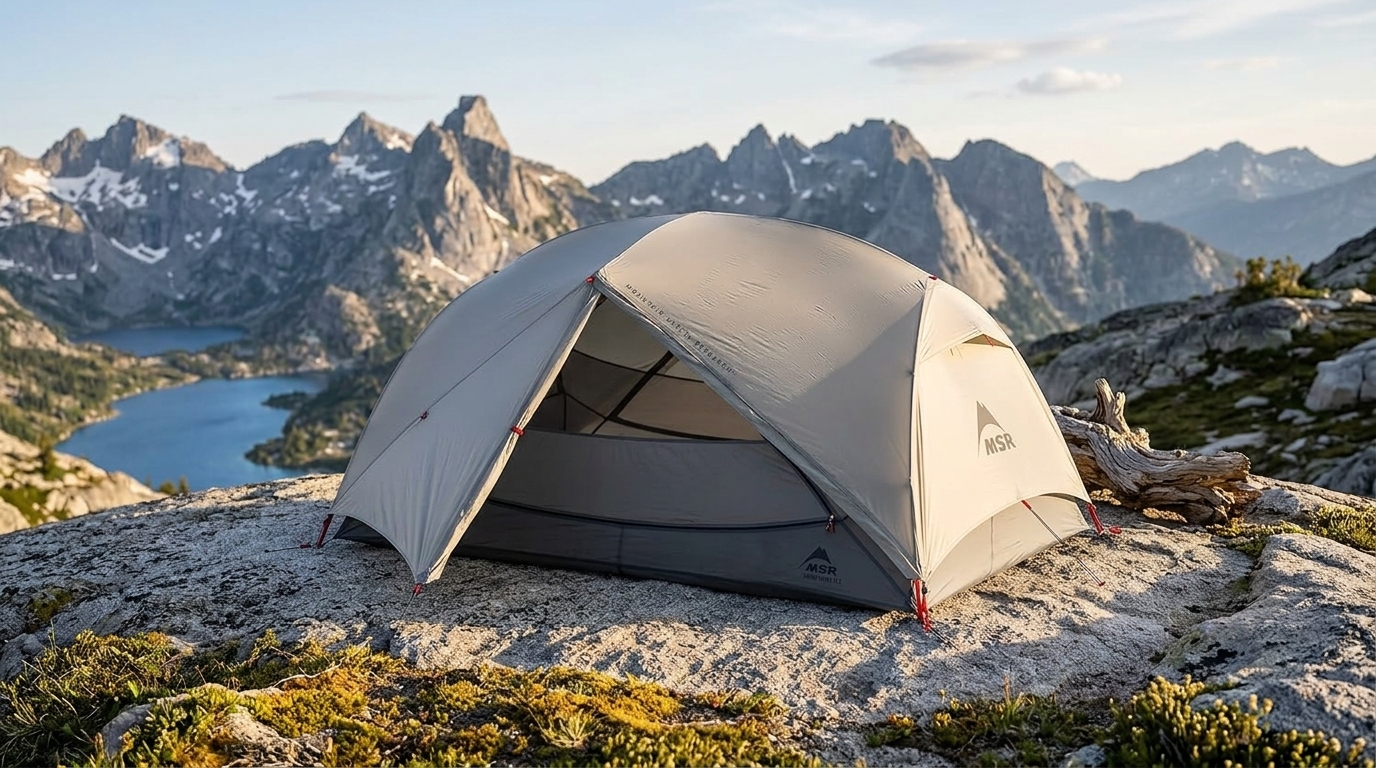
MSR Hubba Hubba LT 2-Person Lightweight Backpacking Tent Review
REVIEW
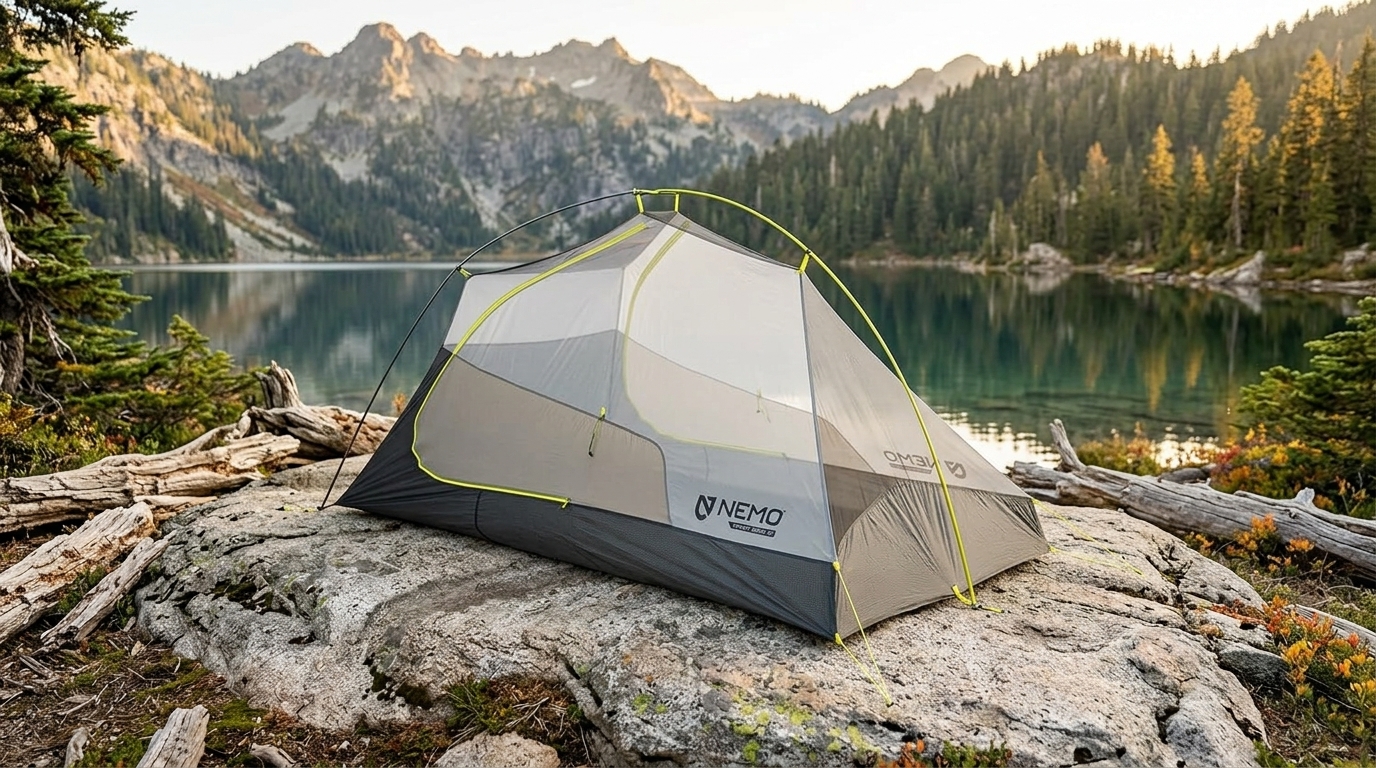
NEMO Equipment Hornet OSMO Ultralight Backpacking Tent Review
REVIEW
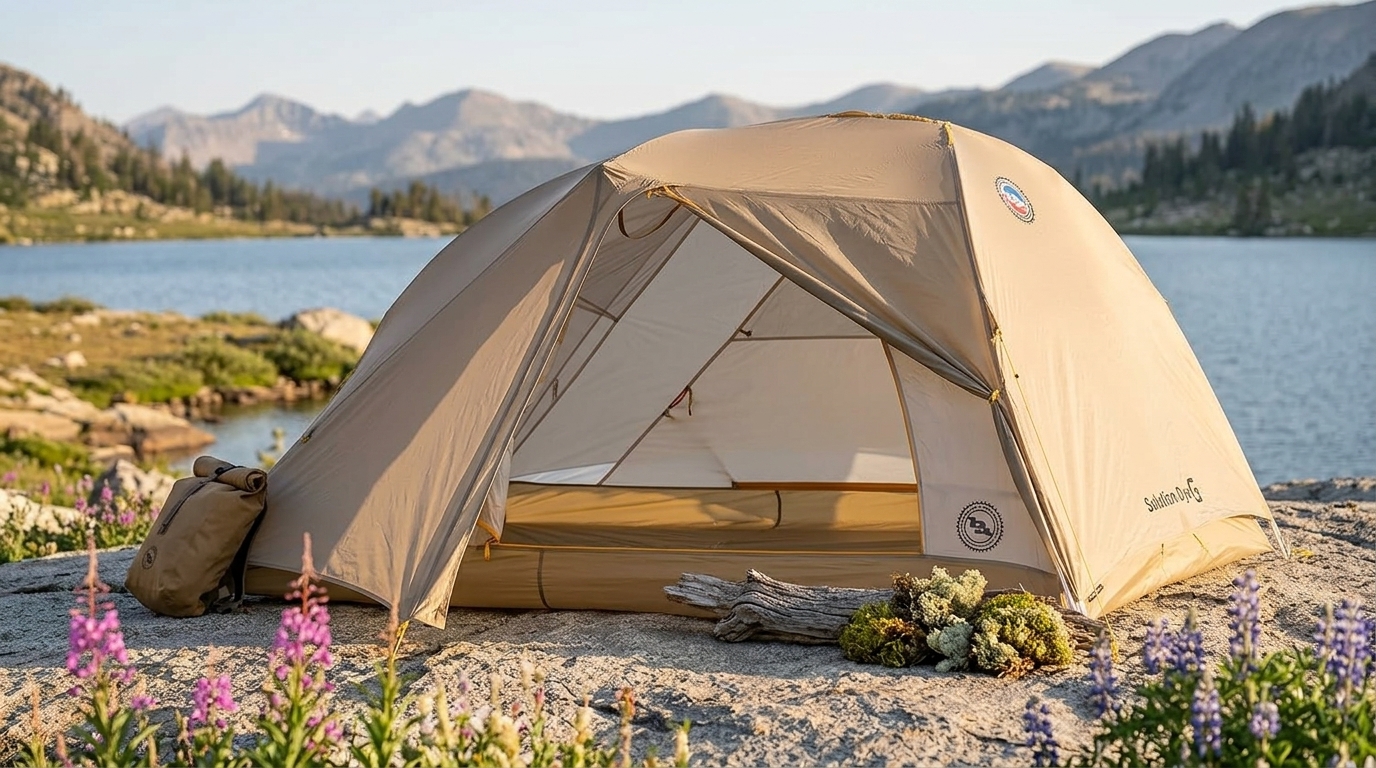
Big Agnes Tiger Wall UL Ultralight Bikepacking Tent with UV-Resistant Solution Dyed Fabric Review
REVIEW
MSR Freelite 2-Person Ultralight Backpacking Tent Review
REVIEW
Coleman Sundome Camping Tent Review: Affordable 3-Season Shelter for Casual Campers
REVIEW