
Review · spring · summer · fall · winter
Therm-a-Rest NeoAir XTherm NXT Ultralight Camping and Backpacking Sleeping Pad Review
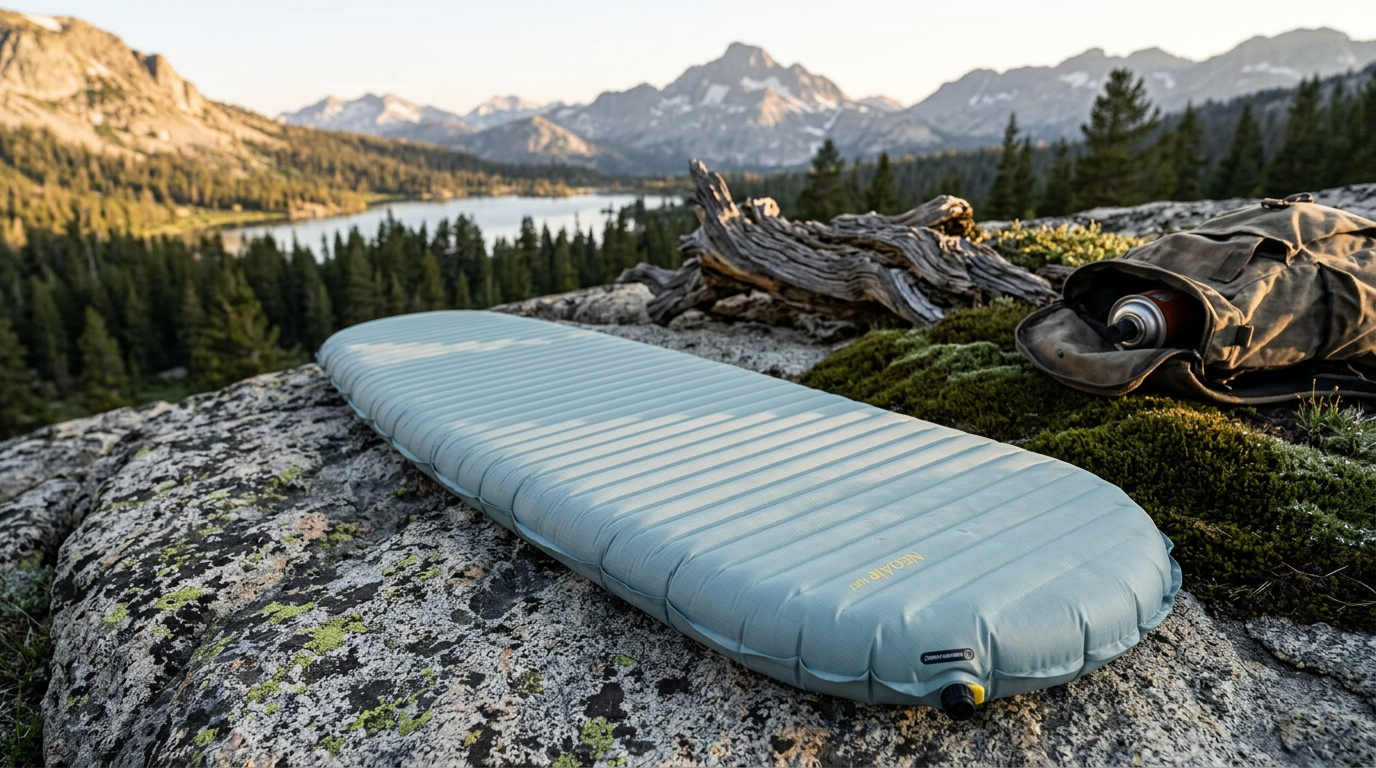
The Therm-a-Rest NeoAir XTherm NXT is engineered for winter mountaineers and four-season backpackers who need maximum warmth without carrying excessive weight. With a 7.3 R-value and 440 g packed weight (Regular size), it delivers the highest warmth-to-weight ratio in the insulated air pad category, though you'll pay a premium price and accept the characteristic crinkle noise of air-chamber construction.
Disclosure: Four Seasons Gear is reader-supported. When you buy through links on our site, we may earn an affiliate commission at no extra cost to you. Prices and availability are accurate as of the time we last checked.
Construction and Materials
The XTherm NXT uses Therm-a-Rest's Triangular Core Matrix construction—an internal baffle system that creates hundreds of triangular cells throughout the 3-inch (7.6 cm) air chamber. This geometry minimizes convective heat transfer between the top and bottom surfaces while maintaining lateral stability. The top fabric is 30-denier ripstop nylon; the bottom is reinforced 70-denier ripstop nylon, approximately 2.3× thicker to resist punctures from rough ground. ThermaCapture technology consists of a reflective metallized layer laminated inside the pad that redirects radiant body heat back toward the sleeper—similar in principle to reflective emergency blankets but integrated into the air chamber walls.
The WingLock valve is a two-way system: a large-diameter opening for rapid inflation (approximately 10–15 breaths for a Regular pad) and a one-way flapper valve that prevents air backflow during inflation. Deflation requires twisting the valve body 90 degrees to lock it open, allowing the pad to compress flat in under 30 seconds. The valve body is constructed from a harder plastic compound designed to remain pliable in sub-freezing temperatures, addressing a common failure mode in older-generation valves that became brittle and cracked in alpine conditions.
Specs
Intended Use and Performance Context
The 7.3 R-value positions the XTherm NXT at the top of the four-season air pad category. For reference, R-values above 6.0 are generally considered suitable for winter camping on snow; the XTherm NXT exceeds this threshold by a meaningful margin. Mountaineers sleeping on glaciers, winter backpackers on multi-day trips, and cold sleepers who camp in shoulder seasons will find this level of insulation appropriate. The 440 g weight (Regular) makes it competitive with closed-cell foam pads (typically 350–450 g) but with dramatically better comfort and packability—the XTherm NXT rolls to approximately 1-liter volume versus the bulky, non-compressible nature of foam.
OutdoorGearLab's testing confirmed the pad's warmth in sub-freezing conditions, and Section Hiker's review noted stable performance on snow platforms during winter trips in the White Mountains. The 3-inch loft provides sufficient cushioning for side sleepers and those with bony pressure points, though the firmness is noticeably higher than summer-weight pads due to the internal baffle density required for the R-value.
Durability Considerations
The 70-denier bottom fabric is among the most abrasion-resistant in the ultralight air pad category—approximately 40% heavier than the 50D fabrics used on summer pads. This makes the XTherm NXT more suitable for extended expeditions on rocky terrain, though no air pad is puncture-proof. The seam welds are ultrasonically bonded rather than sewn, eliminating needle holes as potential failure points. The internal baffle structure means a single puncture affects only the immediate chamber rather than the entire pad, though this also means repairs require locating the specific damaged cell.
Therm-a-Rest includes a repair kit with the pad. The metallized ThermaCapture layer is bonded to the fabric during manufacturing; delamination is theoretically possible with repeated folding stress over hundreds of pack cycles, though this is not a commonly reported failure mode in the first several seasons of use. The WingLock valve's harder plastic compound trades some tactile softness for cold-weather reliability, and Treeline Review's testing confirmed the valve remained functional after freeze-thaw cycles.
Comparison Context
Within the four-season air pad category, the XTherm NXT competes primarily with the Sea to Summit Ether Light XT Extreme (R-6.2, 475 g Regular) and the Exped DownMat XT Winter (R-7.8, 730 g Regular). The XTherm NXT offers the best warmth-to-weight ratio of this group, though the Exped provides slightly higher insulation at the cost of 290 g additional weight. The Sea to Summit is quieter due to different baffle construction but sacrifices 1.1 R-value points.
For three-season use, the XTherm NXT is thermally over-specified—backpackers camping above freezing would save approximately 150 g and $80 by choosing the NeoAir XLite NXT (R-4.5, 340 g Regular). The weight savings would be better allocated to other gear categories unless the user expects consistent sub-freezing nights. Unlike the Big Agnes Copper Spur HV UL Ultralight Bikepacking Tent, which offers versatility across three seasons, the XTherm NXT is purpose-built for cold and pays a weight penalty in warmer conditions due to its insulation overkill.
Noise and Comfort Trade-offs
The Triangular Core Matrix construction produces a characteristic crinkle sound when the sleeper shifts position—similar to the noise of a mylar emergency blanket but somewhat muted. CleverHiker's review noted this is more pronounced than foam-insulated pads (like the Exped DownMat series) but consistent with other reflective-layer air pads. Light sleepers and those sharing shelters should consider this factor. The noise decreases slightly after the first dozen uses as the materials settle, but it never fully disappears.
The 51 cm (20-inch) width in Regular size is standard for ultralight pads but noticeably narrower than car-camping pads (typically 63–76 cm). Side sleepers with broad shoulders may find their elbows contacting the ground if they shift near the pad edges. Therm-a-Rest offers a Wide version (63 cm, 570 g) for an additional 130 g, which addresses this concern at the cost of packability.
Value Assessment
At $239.95 MSRP, the XTherm NXT is among the most expensive sleeping pads in the category. This price reflects the specialized engineering required to achieve 7.3 R-value at 440 g—a performance combination that requires precise manufacturing tolerances and premium materials. For mountaineers and winter backpackers who regularly camp in sub-freezing conditions, the warmth-to-weight ratio justifies the cost; the pad directly enables trips that would be impractical with heavier or less-insulating alternatives.
For casual three-season backpackers, the value proposition is weaker—the thermal performance exceeds typical needs, and the price premium over mid-range pads (like the REI Flash Insulated at $140) is difficult to justify. The XTherm NXT is a specialist tool for cold environments, similar to how the MSR PocketRocket 2 Stove is optimized for fast-and-light backpacking rather than basecamp cooking. Buyers should match the tool to the mission: if your trips consistently involve snow camping or high-altitude alpine starts, the XTherm NXT is appropriately specified; if you camp primarily in summer, it's over-engineered.
What we like
Trade-offs
Pros and Cons
- Best-in-class warmth-to-weight ratio for four-season backpacking
- Durable 70D bottom fabric withstands rocky and abrasive terrain
- Compact pack size enables ultralight winter load optimization
- Premium price limits accessibility for budget-conscious buyers
- Crinkle noise is inherent to the reflective insulation design
- Narrow width may not suit all sleeping styles without sizing up
Best For
- Winter backpackers camping on snow in sub-freezing temperatures
- Mountaineers and alpinists sleeping at high altitude or on glaciers
- Four-season thru-hikers who need one pad for all conditions
- Cold sleepers who prioritize warmth over weight in three-season use
- Expedition users who need maximum durability in a lightweight package
Not For
- Summer backpackers who camp primarily above freezing (over-insulated and overpriced)
- Car campers who can carry heavier, more comfortable pads without weight penalty
- Budget-conscious buyers who need adequate performance at lower cost
- Light sleepers sensitive to pad noise in shared shelters
- Users who prefer self-inflating foam pads over manual inflation
Frequently Asked Questions
+How does the XTherm NXT compare to the previous XTherm model?
The NXT generation adds approximately 0.5 R-value (7.3 vs. 6.9 in the previous XTherm) while maintaining the same 440 g weight in Regular size. The WingLock valve was redesigned with a harder plastic compound for improved cold-weather function, and the internal baffle structure was refined to reduce dead air spaces. The fabric denier specifications remain unchanged (30D top, 70D bottom). The performance improvement is incremental rather than revolutionary—existing XTherm owners have limited reason to upgrade unless they need the absolute maximum R-value.
+Can I use this pad in summer without overheating?
Yes, though it's thermally over-specified for warm conditions. The R-7.3 insulation works in both directions—it prevents heat loss in winter but also reduces heat dissipation in summer. Users sleeping in temperatures above 15°C (60°F) may find the pad retains too much body heat, leading to sweaty backs and disrupted sleep. For three-season use, the NeoAir XLite NXT (R-4.5) provides better thermal regulation and saves 100 g. The XTherm NXT makes sense for summer use only if you're a chronically cold sleeper or need one pad for year-round trips including winter.
+What's the expected lifespan of the pad with regular use?
With proper care—using a groundsheet, avoiding sharp objects, and storing uncompressed—the XTherm NXT should provide 200–300 nights of use before the fabric shows significant wear or the seams develop slow leaks. The metallized ThermaCapture layer is the most vulnerable component over very long timescales (500+ nights), as repeated folding can eventually cause delamination, though this is uncommon in the first 5–7 years of seasonal use. The WingLock valve is user-replaceable if it fails, and Therm-a-Rest's warranty covers manufacturing defects for the pad's lifetime. Punctures from sharp objects are the most common failure mode and are field-repairable with the included patch kit.
+Do I need to use a sleeping pad cover or liner with this pad?
A sleeping pad cover is not required but can extend the pad's lifespan by protecting the 30D top fabric from abrasion and body oils. A thin groundsheet (like Tyvek or polycryo) under the pad is recommended for winter camping on snow or rough terrain to prevent punctures—the 70D bottom is durable but not invincible against sharp ice crystals or buried sticks. Some users add a closed-cell foam pad (like a Therm-a-Rest Z Lite Sol) underneath for additional puncture insurance and a small R-value boost, though this adds 300–400 g to the sleep system.
+How do I repair a puncture in the field?
The included repair kit contains adhesive-backed patches. Clean and dry the punctured area, apply the patch with firm pressure, and wait 5–10 minutes before re-inflating. For emergency repairs without the kit, duct tape or Tenacious Tape works temporarily. The Triangular Core Matrix construction isolates punctures to individual cells, so a single hole typically causes partial deflation rather than complete failure—you'll still have some cushioning and insulation. For persistent slow leaks that are difficult to locate, submerge the inflated pad in water (or spray with soapy water) and look for bubbles. The pad's compact size makes it practical to carry a backup foam pad on extended expeditions where repair materials might be insufficient.

Read next
More from this category
REVIEW
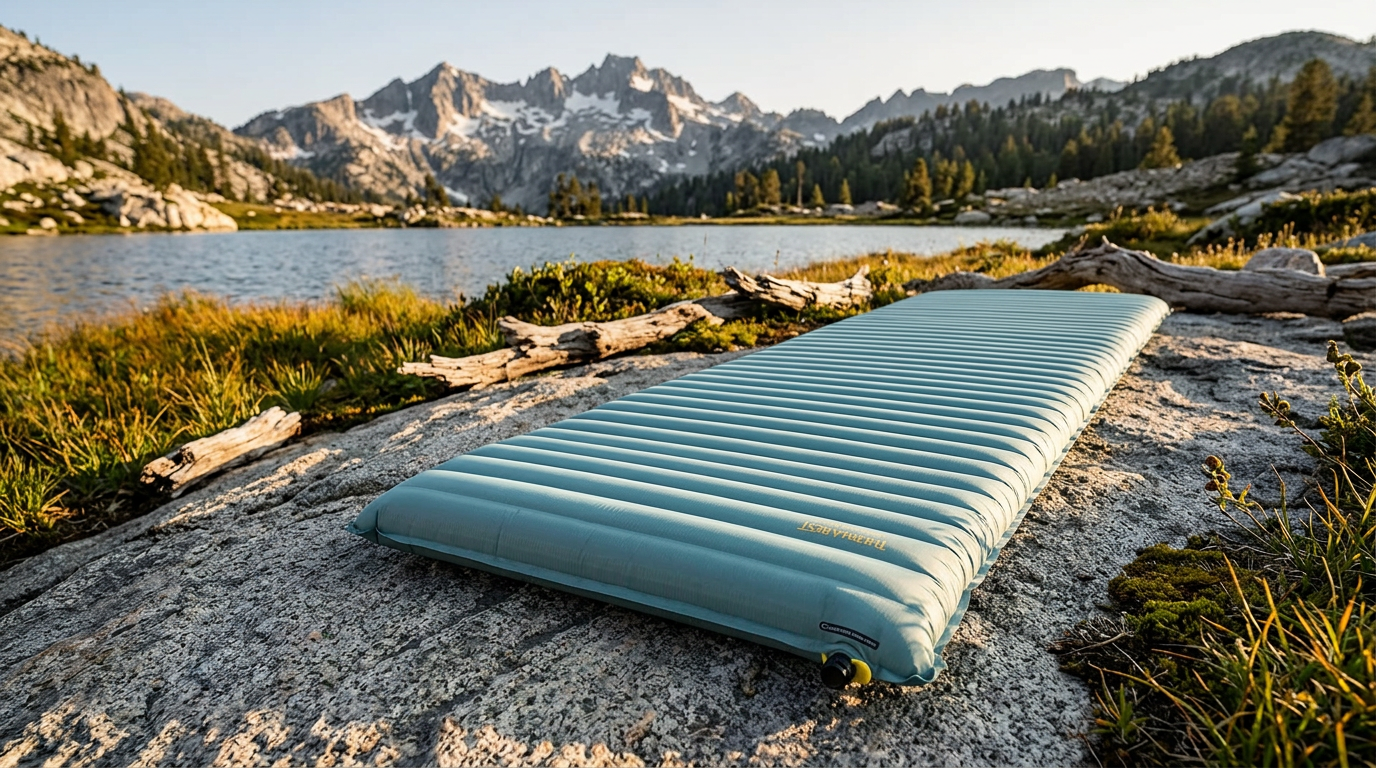
Therm-a-Rest NeoAir XTherm NXT MAX Review: 7.3 R-Value in 650 Grams
REVIEW
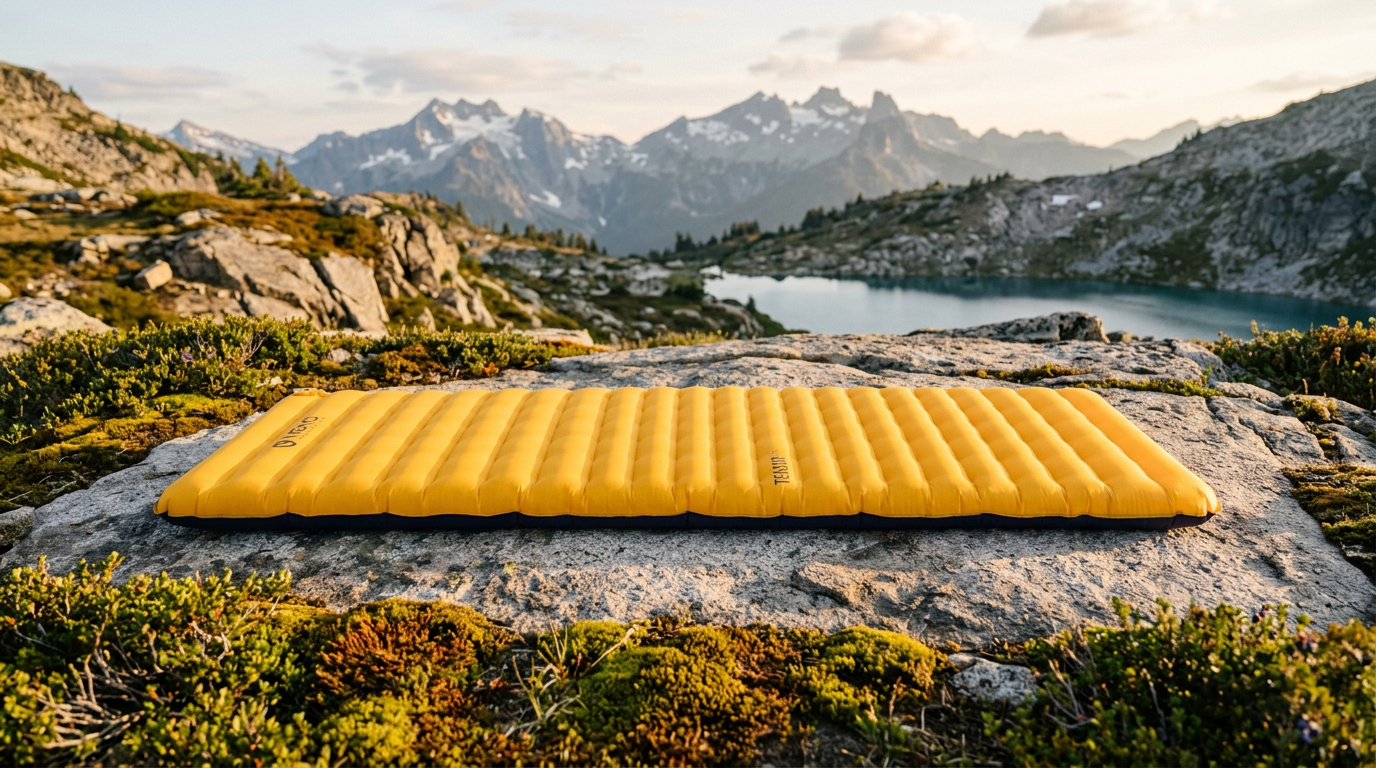
Nemo Tensor Trail Ultralight Insulated Sleeping Pad Review: Wide Comfort at 3.5-Inch Loft
REVIEW
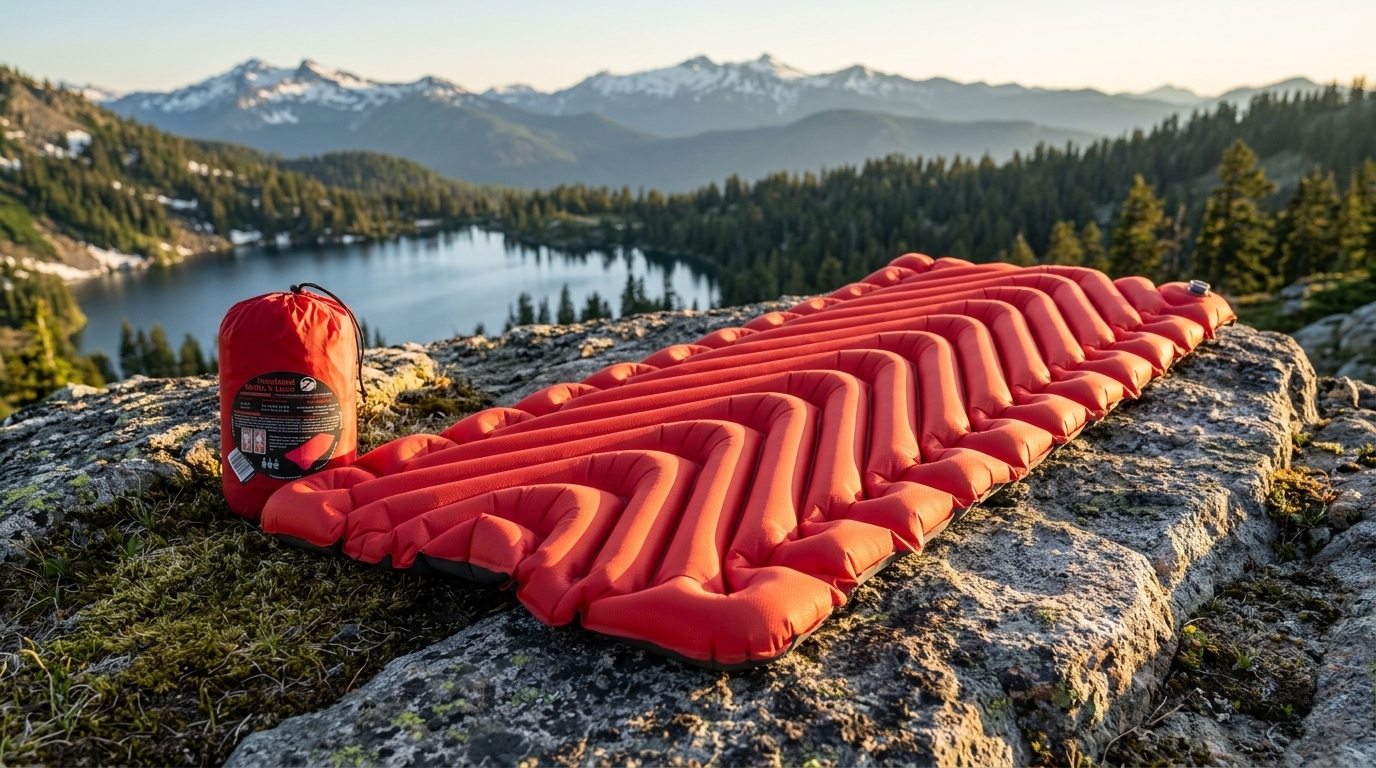
Klymit Insulated Static V Luxe Sleeping Pad Review
REVIEW
Klymit Static V Sleeping Pad Review: Budget-Friendly V-Chamber Design for Three-Season Backpackers
REVIEW
Therm-a-Rest ProLite Plus WR Sleeping Pad Review
REVIEW