
Review · spring · summer · fall
Jetboil Flash Camping and Backpacking Stove System Review
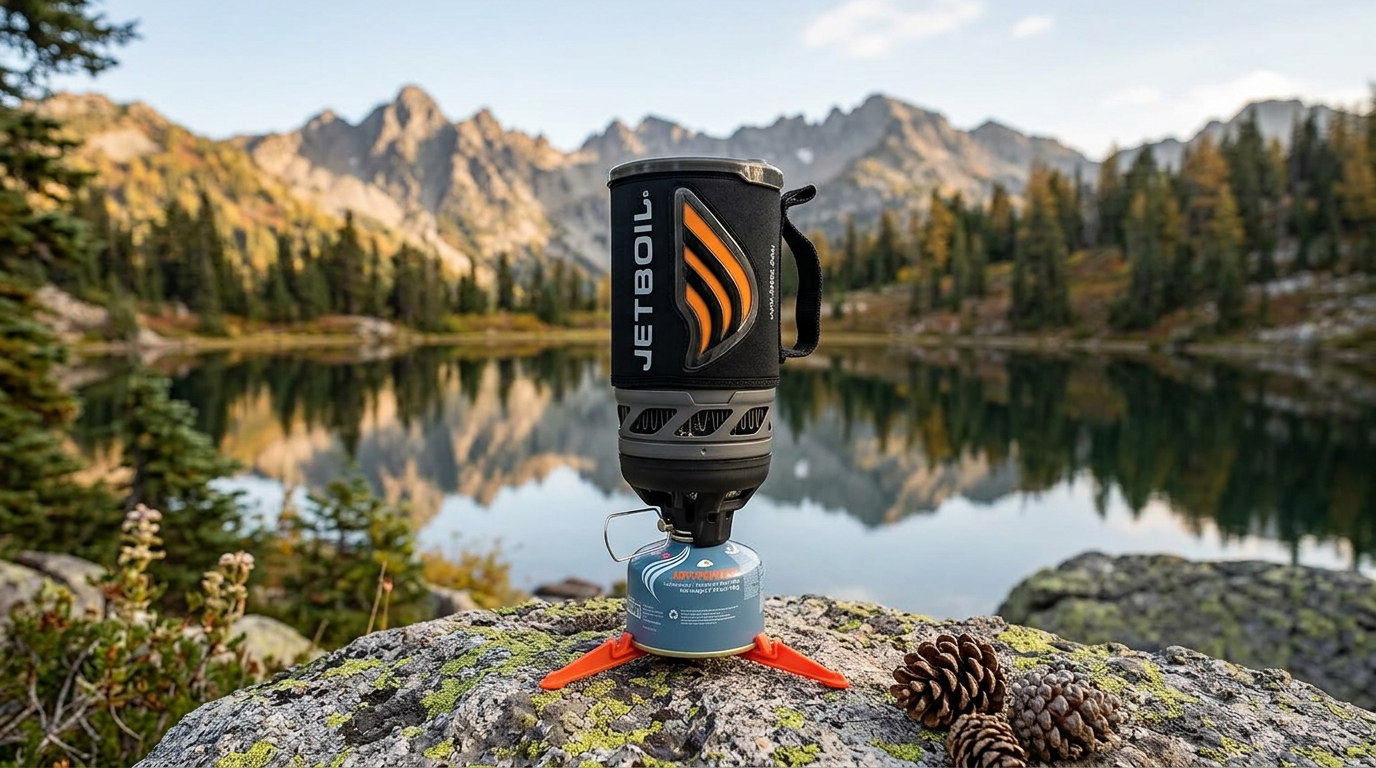
The Jetboil Flash is an integrated canister stove system optimized for one task: boiling water fast. Its 100-second boil time, insulated 1-liter FluxRing cooking cup, and pushbutton igniter make it the default choice for backpackers and alpinists who prioritize speed and fuel efficiency over cooking versatility. You trade the ability to simmer or use your own cookware for a system that excels at rehydrating freeze-dried meals, brewing coffee, and melting snow.
Disclosure: Four Seasons Gear is reader-supported. When you buy through links on our site, we may earn an affiliate commission at no extra cost to you. Prices and availability are accurate as of the time we last checked.
Specifications
Specs
Construction and Heat Efficiency
The Flash's defining feature is its FluxRing heat exchanger: a corrugated metal ring bonded to the bottom of the cooking cup that increases surface area in contact with the burner flame. This design, combined with the integrated neoprene insulating cozy, channels nearly all combustion heat into the water rather than the surrounding air. The result is a boil time around 100 seconds for 0.5 liters and fuel consumption roughly 50% lower than traditional canister stoves with separate pots.
The burner head threads directly onto standard threaded isobutane-propane canisters (EN417). The included stabilizer tripod clips onto the canister base, widening the footprint to reduce tip-over risk on uneven ground. The cooking cup nests over the burner and canister for transport, with the bottom cup doubling as a measuring cup (graduated markings) and a small bowl.
The pushbutton piezo igniter is mounted on the burner valve. Jetboil's igniter design is generally reliable in dry conditions, though piezo systems can fail in prolonged wet or cold environments. Carrying waterproof matches or a mini lighter as backup is standard practice. The thermochromatic heat indicator on the cup exterior changes color when contents reach approximately 100°C, a useful visual cue in low-light conditions.
Intended Use and Category Context
The Flash is purpose-built for boiling water, not simmering pasta or sautéing vegetables. The burner's flame pattern and the cup's narrow opening make low-heat cooking difficult. If your backcountry menu consists of freeze-dried meals, instant oatmeal, ramen, coffee, and tea, the Flash's speed and fuel efficiency are hard to beat. Section Hiker's review flagged the Flash as ideal for alpine starts and cold-weather trips where melting snow quickly matters more than culinary flexibility.
Compared to minimalist canister stoves like the MSR PocketRocket 2 Stove (which weighs 2.6 oz but requires a separate pot), the Flash is heavier but faster and more fuel-efficient per boil. The integrated system means you're not juggling a hot pot with a separate stove. For car camping or group cooking, the Coleman Classic Propane Camping Stove offers two burners and better simmer control, but it's a 10+ pound basecamp stove, not a backpacking tool.
The 1-liter cup capacity suits solo hikers or couples sharing meals. For larger groups, Jetboil offers the MiniMo (1 liter, better simmer control) and the Sumo (1.8 liters). The Flash sits in the middle of Jetboil's lineup: faster than the Zip, lighter than the MiniMo, and less expensive than the MicroMo.
Durability Considerations
The cooking cup is hard-anodized aluminum with a FluxRing heat exchanger permanently bonded to the base. Hard-anodized aluminum resists scratching and corrosion better than bare aluminum, but the FluxRing's thin fins can bend if the cup is dropped onto rock or packed carelessly. The neoprene cozy protects the cup exterior and provides insulation, but neoprene degrades with prolonged UV exposure and can absorb odors over time.
The burner head is brass, and the valve assembly is stainless steel. These materials handle hundreds of boils without significant wear, though the O-rings in the canister connection should be inspected periodically for cracks or compression set. The pushbutton igniter is the most failure-prone component; piezo igniters rely on a spring-loaded striker and can stop sparking after 1,000–2,000 cycles or if moisture infiltrates the mechanism.
The plastic lid and bottom cup are polypropylene, which is lightweight and heat-resistant but can crack in freezing temperatures if dropped. The fuel canister stabilizer is molded plastic; its clip mechanism can fatigue with repeated use, though it's not load-bearing during cooking.
Accessories and Ecosystem
Jetboil sells a range of accessories that attach to the Flash's cooking cup: a coffee press lid, a pot support (for using a frying pan on top of the burner), a hanging kit, and a 5-liter FluxPot for group cooking. The coffee press is popular among backpackers who want fresh-ground coffee without carrying a separate French press. The pot support allows you to balance a small skillet over the burner, though this defeats the integrated system's efficiency advantage.
The Flash is compatible with Jetboil's Jetpower fuel canisters, which use an isobutane-propane blend optimized for cold-weather performance. Standard EN417 canisters from other brands (MSR IsoPro, Primus, Coleman) also work, though Jetboil's warranty technically requires Jetpower fuel.
Value and Competitive Landscape
At $79.99 MSRP, the Flash costs roughly 3–4 times more than a basic canister stove like the MSR PocketRocket 2 Stove. You're paying for the integrated system's speed and fuel efficiency. Over a thru-hike or a season of weekend trips, the Flash's lower fuel consumption can offset the upfront cost, especially in regions where canister fuel is expensive or heavy to resupply.
The Flash competes directly with the MSR WindBurner and the Soto Amicus Stove Combo. The WindBurner has better wind resistance (fully enclosed burner) but is heavier and more expensive. The Soto Amicus is lighter and cheaper but lacks the Flash's integrated cup and heat indicator. OutdoorGearLab's comparison ranked the Flash as the best balance of speed, efficiency, and price in the integrated stove category.
Pros and Cons
What we like
Trade-offs
Best For and Not For
- Solo backpackers and couples who eat freeze-dried meals and instant foods
- Alpine climbers and winter campers who need to melt snow quickly
- Thru-hikers prioritizing fuel efficiency on long resupply legs
- Weekend warriors who want fast morning coffee without fuss
- Backpackers new to canister stoves who value an integrated, foolproof system
**Not for:**
- Ultralight hikers counting every gram (the MSR PocketRocket 2 Stove is 10+ oz lighter)
- Cooks who want to simmer sauces or sauté fresh ingredients
- Groups larger than two (1-liter capacity is limiting)
- Backpackers who already own quality cookware and prefer a separate stove
- Budget-conscious beginners (basic canister stoves cost $20–30)
Frequently Asked Questions
+Can I use the Jetboil Flash with fuels other than Jetboil Jetpower?
Yes. The Flash works with any standard EN417 threaded isobutane-propane canister, including MSR IsoPro, Primus, and Coleman brands. Jetboil's warranty technically requires Jetpower fuel, but the burner design is compatible with all EN417 canisters. In cold weather (below 20°F), isobutane-heavy blends perform better than propane-heavy blends.
+How long does a 100-gram fuel canister last with the Flash?
A 100-gram canister boils approximately 10 liters of water with the Flash under ideal conditions (20°C ambient temperature, no wind). In cold weather or wind, expect 7–8 liters. For comparison, a traditional canister stove with a separate pot typically boils 6–7 liters per 100-gram canister. Plan on one 100-gram canister per person per 3–4 days of backpacking if you're boiling water twice daily.
+Can I simmer food in the Jetboil Flash?
Barely. The Flash's burner is optimized for high heat output, and the valve's lowest setting still produces a relatively strong flame. You can reduce heat by partially unscrewing the canister (not recommended due to safety concerns) or by pulsing the burner on and off. For true simmer control, consider the Jetboil MiniMo, which has a wider burner and a regulator valve designed for low-heat cooking.
+What happens if the pushbutton igniter fails?
Carry waterproof matches or a mini lighter as backup. The burner operates normally without the igniter; you simply light the gas manually. Piezo igniters can fail after 1,000–2,000 ignitions, in wet conditions, or if moisture infiltrates the mechanism. Some users disable the igniter entirely and rely on a lighter to save weight and eliminate a failure point.
+Is the Jetboil Flash safe to use inside a tent vestibule?
No. Never operate any fuel-burning stove inside a tent or enclosed vestibule. Canister stoves produce carbon monoxide, which is odorless and deadly in confined spaces. They also pose a fire hazard to flammable tent fabrics. Cook outside in a well-ventilated area, at least 3 feet from tent walls. In extreme weather, consider a hanging kit to suspend the stove in a sheltered spot outside the tent.
Final Verdict
The Jetboil Flash delivers on its core promise: boiling water faster and more efficiently than nearly any other backpacking stove system. Its 100-second boil time, integrated insulated cup, and foolproof operation make it the go-to choice for backpackers, alpinists, and weekend campers who prioritize speed over cooking versatility. You sacrifice simmer control and the ability to use your own cookware, but if your backcountry menu revolves around boiling water, the Flash's fuel savings and simplicity justify the $79.99 investment. Treeline Review and CleverHiker both highlight the Flash as a top pick for fast-and-light backpackers who eat freeze-dried meals, and Section Hiker notes its reliability in alpine and winter conditions where melting snow quickly is critical.
For ultralight purists willing to sacrifice efficiency for weight savings, the MSR PocketRocket 2 Stove remains the lighter option. For car campers or groups needing two burners and better heat control, the Coleman Classic Propane Camping Stove is a better fit. But for solo and duo backpackers who want a stove that just works—fast—the Flash is hard to beat.

Read next
More from this category
REVIEW
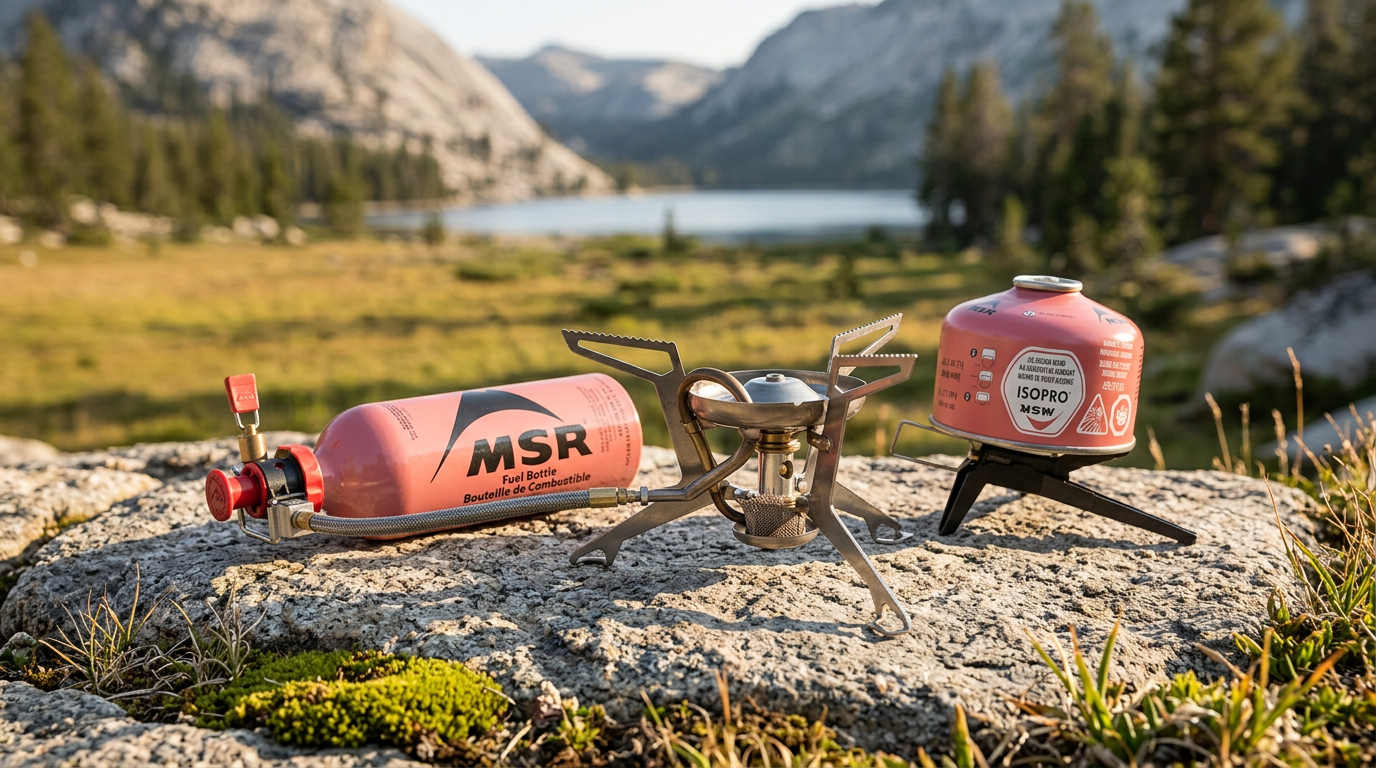
MSR WhisperLite Universal Compact Hybrid Fuel Camping and Backpacking Stove Review
REVIEW
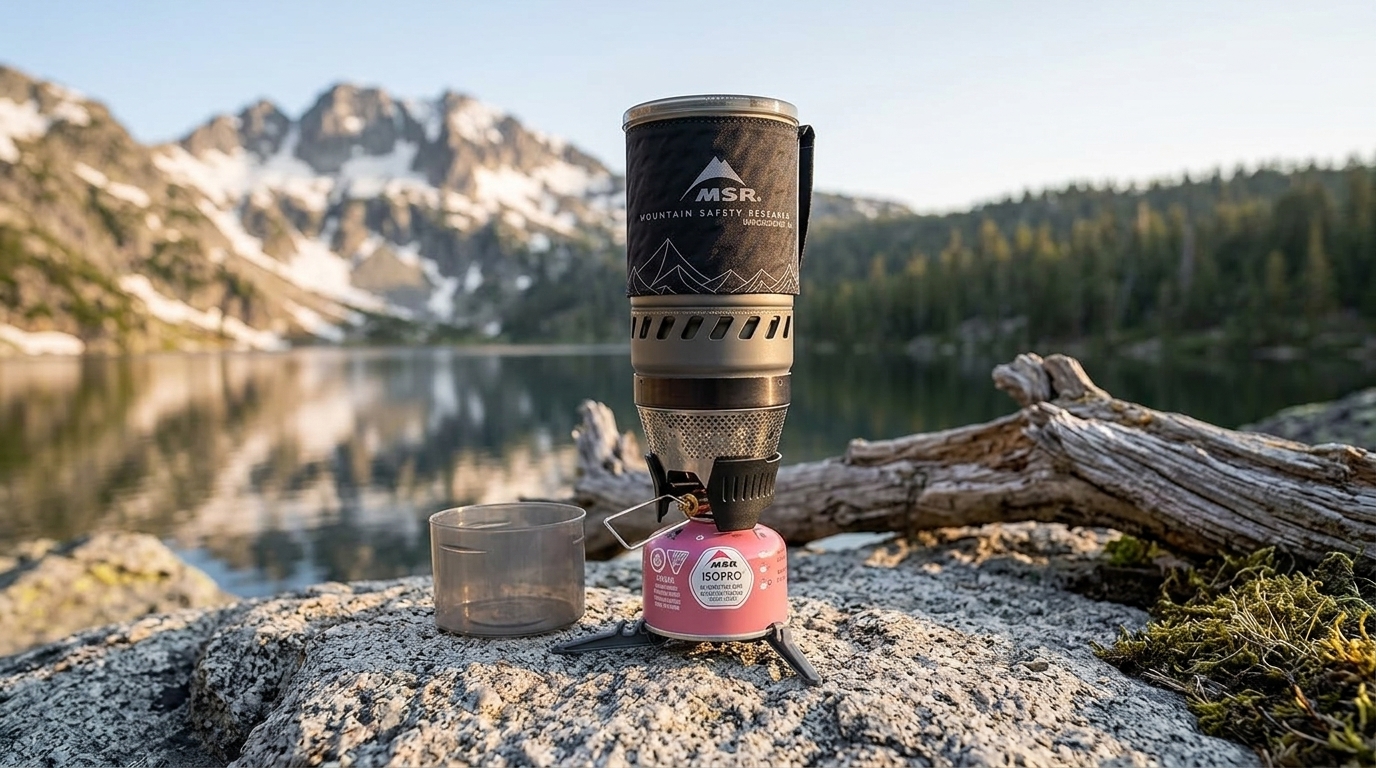
MSR WindBurner Personal Windproof Camping and Backpacking Stove System Review
REVIEW
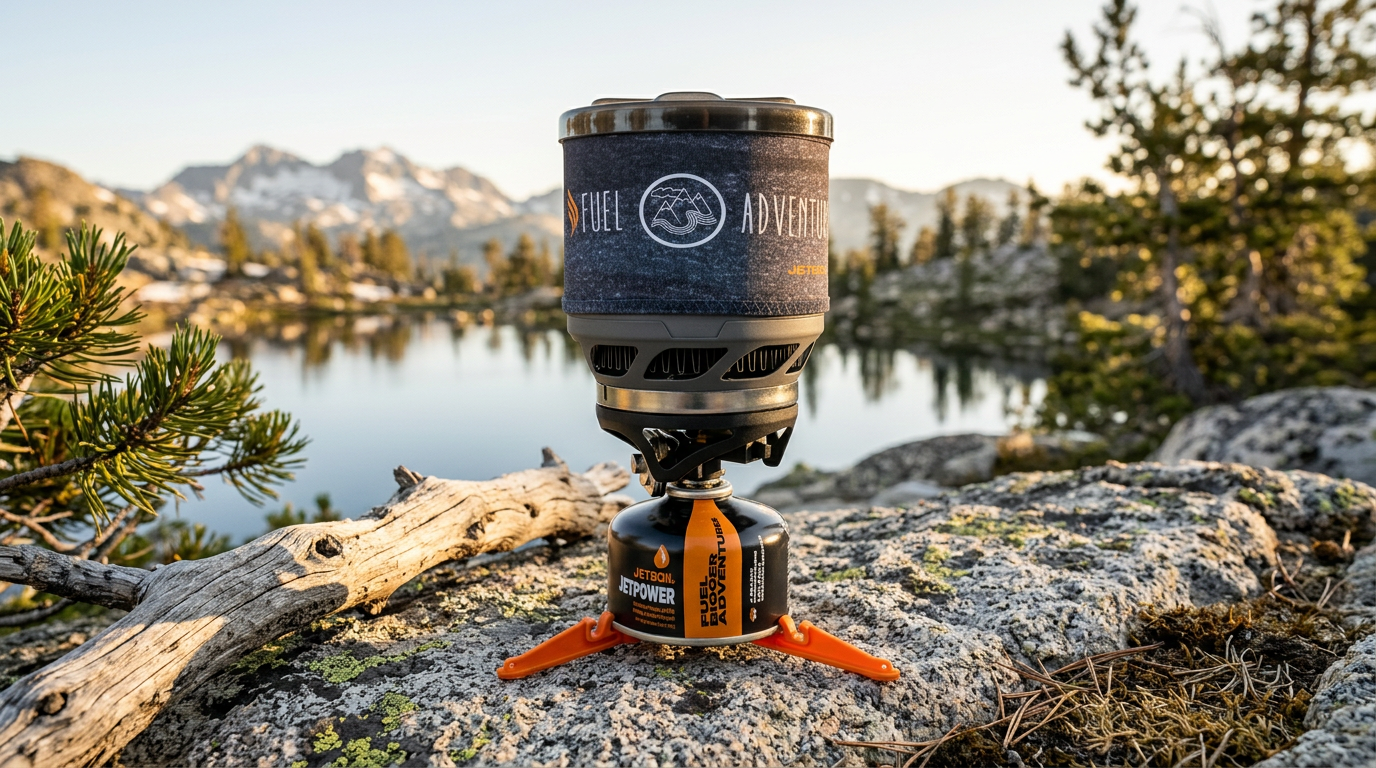
Jetboil MiniMo Camping and Backpacking Stove Cooking System with Adjustable Heat Control Review
REVIEW
SOTO WindMaster Canister Stove with 4Flex Review
REVIEW
Primus Lite Plus Stove System Review: Integrated Pot-Burner for Fast Solo Meals
REVIEW