
Review · spring · summer · fall
Snow Peak LiteMax Titanium Ultralight Backpackers Stove Review
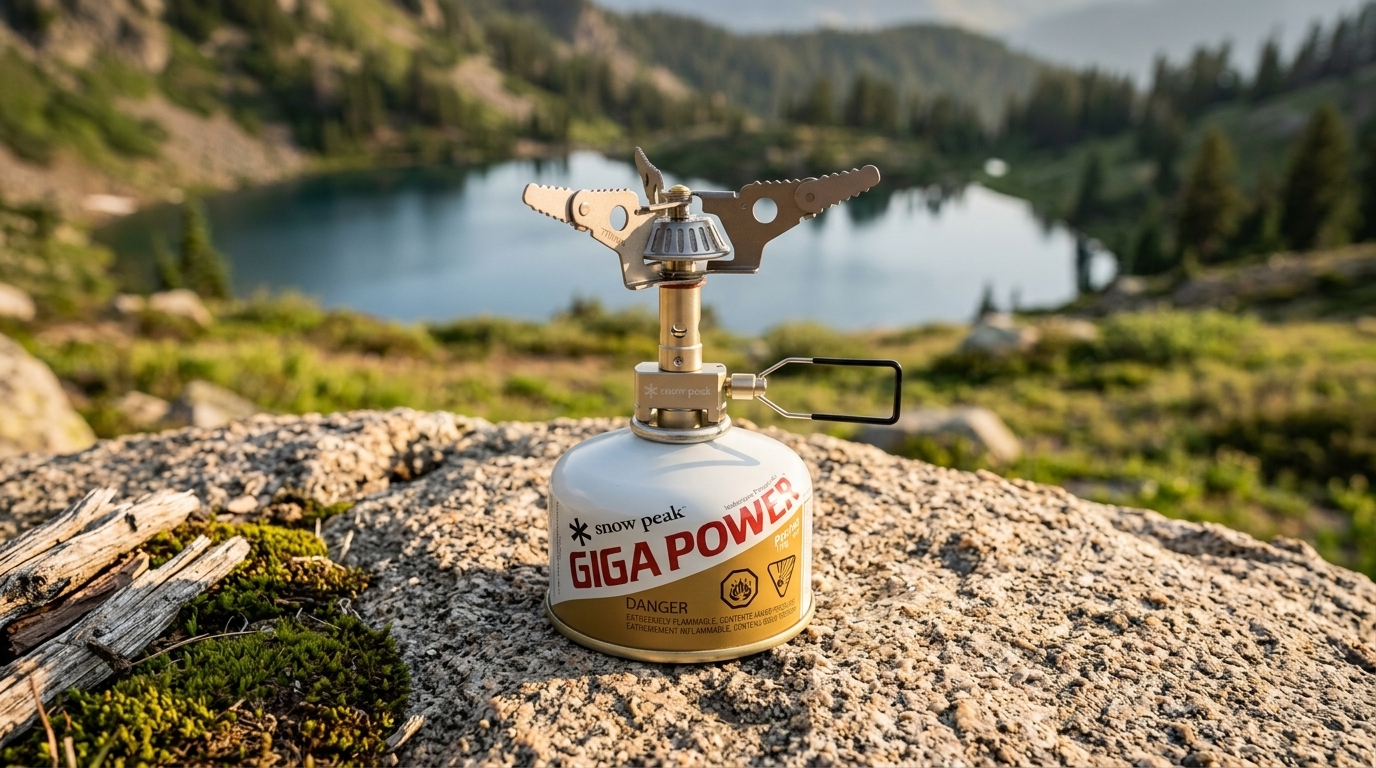
The Snow Peak LiteMax is a 56 g (2.0 oz) titanium canister stove built for gram-counting backpackers who prioritize pack weight over simmer control and wind performance. Its folding pot supports double as modest windscreens, and the large valve knob offers better flame adjustment than many ultralight competitors, but this stove trades robustness and all-conditions reliability for its featherweight titanium construction. Best suited for solo fastpackers and thru-hikers cooking simple boil-only meals in protected campsites during three-season conditions.
Disclosure: Four Seasons Gear is reader-supported. When you buy through links on our site, we may earn an affiliate commission at no extra cost to you. Prices and availability are accurate as of the time we last checked.
Specifications
Specs
Construction and Materials
The LiteMax uses a titanium burner head and four-arm pot support system to achieve its 56 g weight—roughly 30% lighter than the aluminum MSR PocketRocket 2 Stove. Titanium's high strength-to-weight ratio allows Snow Peak to use thinner gauge material without structural compromise under the stove's rated 0.9 kg pot capacity. The four folding pot supports are wide-set and triangular in profile, providing a stable platform that accommodates cookware from 10 cm solo cups to 14 cm pots. When deployed, these arms angle slightly upward to create a shallow bowl that helps contain the flame in light wind.
The valve assembly is aluminum with a large knurled control knob—approximately 2.5 cm diameter—that's easier to manipulate with gloved or cold fingers than the tiny knobs on some budget ultralight stoves. The burner ring features 24 flame ports arranged in a single circle, a simpler design than the concentric dual-ring burners found on stoves optimized for simmering. The canister attachment thread is brass, standard Lindal valve compatible with most isobutane-propane canisters sold in North America, Europe, and Asia.
Performance and Intended Use
This stove excels at one task: boiling water quickly in calm to moderate conditions. OutdoorGearLab's testing recorded boil times around 4 minutes 30 seconds for 1 liter of water, competitive with other canister stoves in the 50-80 g class. The single-ring burner produces a focused, high-output flame suitable for freeze-dried meal rehydration, instant coffee, and oatmeal—the typical thru-hiker menu. Flame adjustment is functional across a wider range than many ultralight competitors; you can reduce output to a low simmer, though the flame doesn't spread evenly at minimum settings, creating hot spots that can scorch delicate sauces or rice.
The folding pot supports provide modest wind protection by creating a partial barrier around the burner, but this is not a true windscreen. Backpacker's field review noted efficiency drops noticeably in sustained winds above 15 km/h (10 mph), and boil times can double in exposed alpine campsites. CleverHiker's testing confirmed that pairing the LiteMax with an aftermarket aluminum windscreen (not included) significantly improves fuel economy in breezy conditions, though this adds 30-60 g to your kit. For protected forest campsites and below-treeline use during spring through fall, the built-in wind protection is adequate.
Comparison Context
At 56 g and approximately $45 MSRP (verify current price), the LiteMax sits in the premium ultralight canister stove category. The MSR PocketRocket 2 Stove weighs 73 g but costs about $50 and offers slightly better wind performance thanks to its recessed burner design. The BRS-3000T titanium stove undercuts both at 25 g and under $20, but sacrifices pot stability and valve durability. The Soto WindMaster (67 g, $65) provides superior wind resistance with its concave burner head and optional pot support configurations, making it a better choice for exposed terrain despite the weight penalty.
The LiteMax's value proposition is straightforward: it's one of the lightest stoves that maintains reasonable pot stability and flame control. If your priority is shaving grams for a thru-hike or fastpacking trip where you'll cook simple boil-only meals in sheltered sites, the 17 g savings over the PocketRocket 2 is meaningful. If you cook more varied meals, camp in exposed locations, or want a single stove for year-round use, the Coleman Classic Propane Camping Stove offers a different tradeoff—far heavier and bulkier, but with dual burners, excellent simmer control, and wind resistance for car camping and base camp cooking.
Durability Considerations
Titanium's corrosion resistance and high melting point (1,668°C) make the burner head and pot supports highly durable against the elements and repeated heating cycles. The material is less prone to deformation from over-tightening onto fuel canisters compared to aluminum threads. However, titanium's hardness makes it more brittle under impact than aluminum; dropping the stove onto rock can crack the thin pot support arms, whereas aluminum would dent but remain functional. The folding hinge points are potential wear areas—repeated folding and unfolding over hundreds of cook sessions can loosen the friction fit, though this is typical of all folding stove designs.
The aluminum valve assembly is the stove's most vulnerable component. The O-ring seal requires occasional inspection and replacement (Snow Peak sells service kits) to prevent gas leaks, and the valve stem can wear if debris enters the mechanism. Always store the stove in its included mesh bag to prevent grit accumulation, and avoid cross-threading when attaching to canisters—the brass threads are softer than the steel canister valve and can strip if forced. REI's product page notes that Snow Peak offers repair service for damaged valves, though shipping costs and turnaround time may exceed the stove's replacement cost for budget-conscious users.
Value Assessment
At $45 for 56 g, the LiteMax costs approximately $0.80 per gram—premium pricing in the canister stove market. This positions it as a specialty tool for weight-focused users rather than a general-purpose value pick. The included mesh storage bag is a nice touch (many competitors ship in plastic clamshells), and Snow Peak's reputation for quality control and customer service adds intangible value. The stove's simplicity—no moving parts beyond the valve, no complex assembly—reduces field failure risk, which matters on long-distance hikes where gear replacement isn't an option.
For weekend backpackers or casual users, the MSR PocketRocket 2 Stove offers better all-around performance for similar money, and the weight difference (17 g) is negligible in a 10 kg base weight kit. For thru-hikers targeting sub-4 kg base weights, every gram counts, and the LiteMax's combination of low weight, adequate stability, and decent flame control justifies the premium. If you're already investing in a cuben fiber shelter, a frameless pack, and a quilt instead of a sleeping bag, this stove aligns with that philosophy.
Pros and Cons
What we like
Trade-offs
Best For
- Thru-hikers and fastpackers prioritizing sub-4 kg base weights
- Solo backpackers cooking simple boil-only meals (freeze-dried, instant)
- Ultralight enthusiasts willing to pay premium for gram savings
- Three-season users in forested or below-treeline terrain
- Minimalists who value simplicity and low failure risk
Not For
- Winter campers or high-altitude users needing cold-weather performance
- Cooks who simmer sauces, rice, or delicate meals regularly
- Groups sharing a stove (limited pot capacity and output)
- Exposed alpine or desert users without supplemental windscreen
- Budget-conscious buyers seeking maximum value per dollar
Frequently Asked Questions
+Can the Snow Peak LiteMax simmer effectively for cooking rice or sauces?
The LiteMax can reduce flame output to a low setting, but the single-ring burner creates uneven heat distribution at minimum output, producing hot spots that can scorch rice or delicate sauces. It's adequate for simmering oatmeal or keeping water warm, but not ideal for recipes requiring precise, even low heat. Stoves with concentric dual-ring burners (like the MSR WindPro II) perform better for true simmering tasks.
+How does the LiteMax perform in wind compared to the MSR PocketRocket 2?
The LiteMax's folding pot supports provide modest wind protection, but the MSR PocketRocket 2 Stove's recessed burner design offers slightly better wind resistance in side winds. Both stoves benefit significantly from an aftermarket windscreen in sustained winds above 15 km/h. If you frequently camp in exposed locations, consider the Soto WindMaster, which is purpose-built for windy conditions with its concave burner head.
+Is the 17 g weight savings over the MSR PocketRocket 2 worth the extra cost?
This depends on your base weight goals. For thru-hikers targeting ultralight base weights (under 4 kg), every gram matters, and the LiteMax's 56 g vs. the PocketRocket 2's 73 g is a meaningful 17 g reduction. For weekend backpackers with 8-10 kg base weights, that difference is negligible, and the PocketRocket 2 offers better all-around performance (wind resistance, simmer control) for similar money. Evaluate your total kit weight and priorities.
+What fuel canisters are compatible with the Snow Peak LiteMax?
The LiteMax uses the standard Lindal valve thread, making it compatible with most isobutane-propane blend canisters sold globally, including Snow Peak GigaPower, MSR IsoPro, Jetboil Jetpower, Primus Power Gas, and Coleman Xtreme. Use blends with at least 20% propane for better cold-weather performance (though this stove is still not recommended below freezing). Avoid pure butane canisters, which perform poorly below 10°C (50°F).
+Can I use the LiteMax with a windscreen, and will it damage the stove?
You can use an aftermarket aluminum windscreen with the LiteMax to improve efficiency in windy conditions, and many ultralight backpackers do. Position the windscreen around the pot, not tightly encircling the canister, to allow adequate ventilation and prevent canister overheating. Never fully enclose the canister and stove—this can cause dangerous pressure buildup. A properly positioned windscreen (leaving gaps for airflow) will not damage the titanium burner head, which tolerates high temperatures.
Final Recommendation
The Snow Peak LiteMax Titanium Ultralight Backpackers Stove is a specialist tool that excels in its niche: ultralight backpacking where every gram counts and cooking needs are simple. Its 56 g weight, stable pot supports, and adequate flame control make it a solid choice for thru-hikers and fastpackers willing to accept trade-offs in wind performance and simmer precision. If you're building an ultralight kit and primarily boil water for freeze-dried meals in protected three-season conditions, the LiteMax delivers on its promise. If you need versatility, cold-weather capability, or better cooking performance, consider heavier alternatives with more robust feature sets.

Read next
More from this category
REVIEW
MSR WhisperLite Universal Compact Hybrid Fuel Camping and Backpacking Stove Review
REVIEW
MSR WindBurner Personal Windproof Camping and Backpacking Stove System Review
REVIEW
Jetboil MiniMo Camping and Backpacking Stove Cooking System with Adjustable Heat Control Review
REVIEW
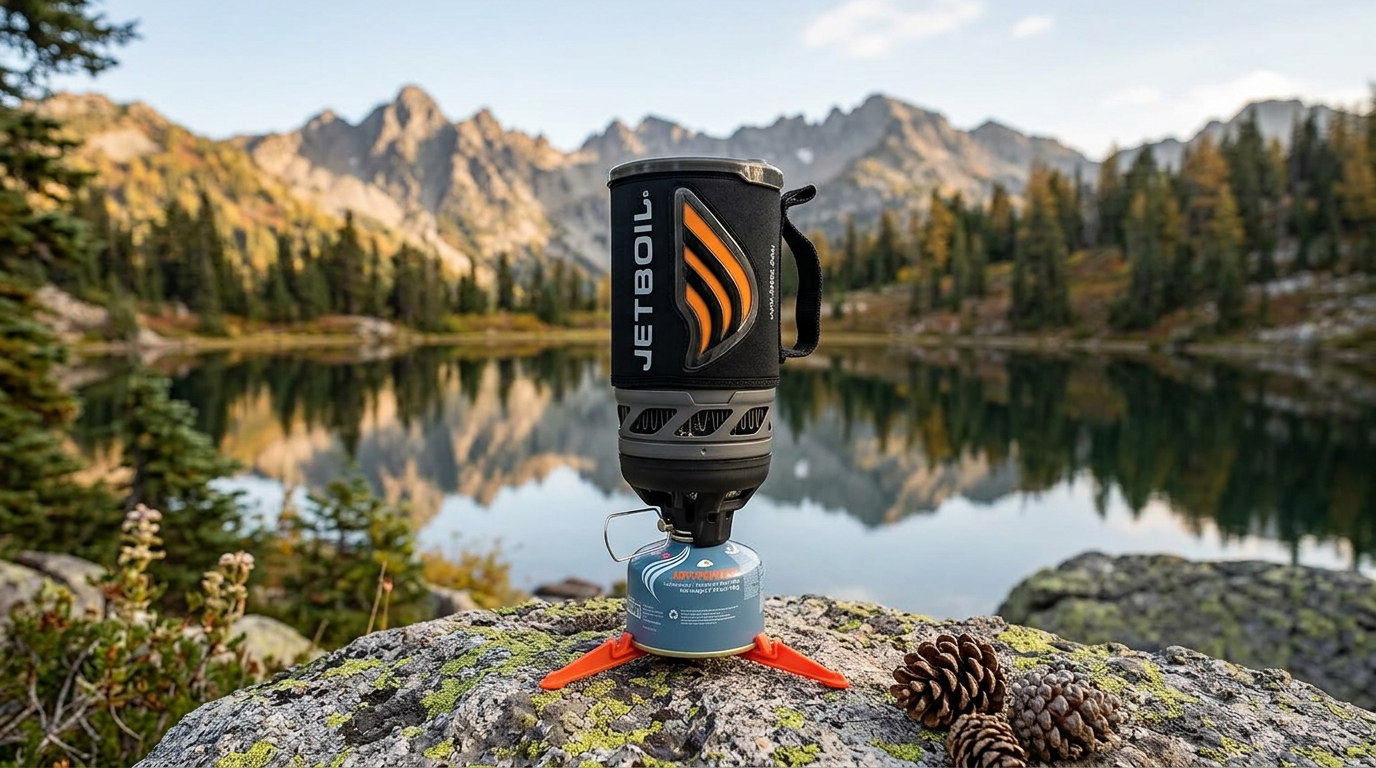
Jetboil Flash Camping and Backpacking Stove System Review
REVIEW
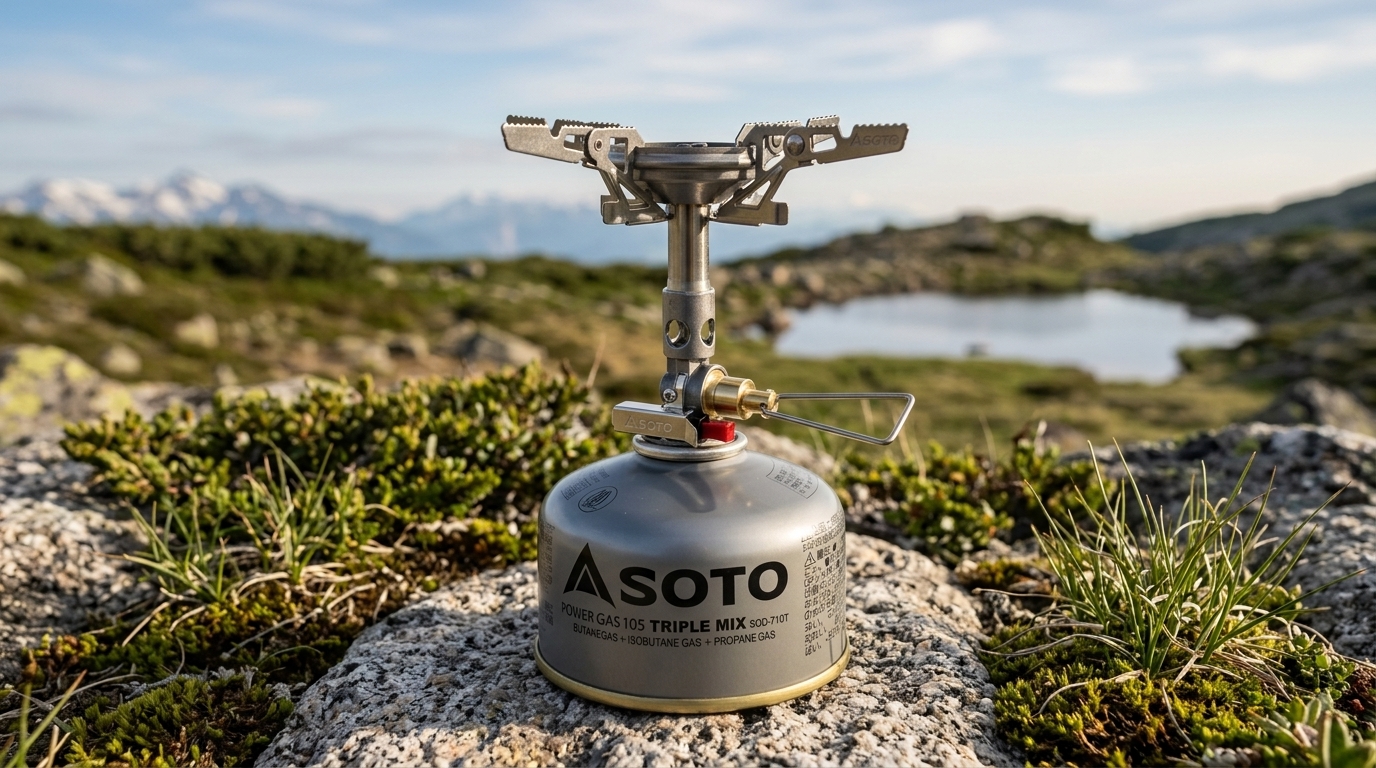
SOTO WindMaster Canister Stove with 4Flex Review
REVIEW