
Review · spring · summer · fall
SOTO WindMaster Canister Stove with 4Flex Review
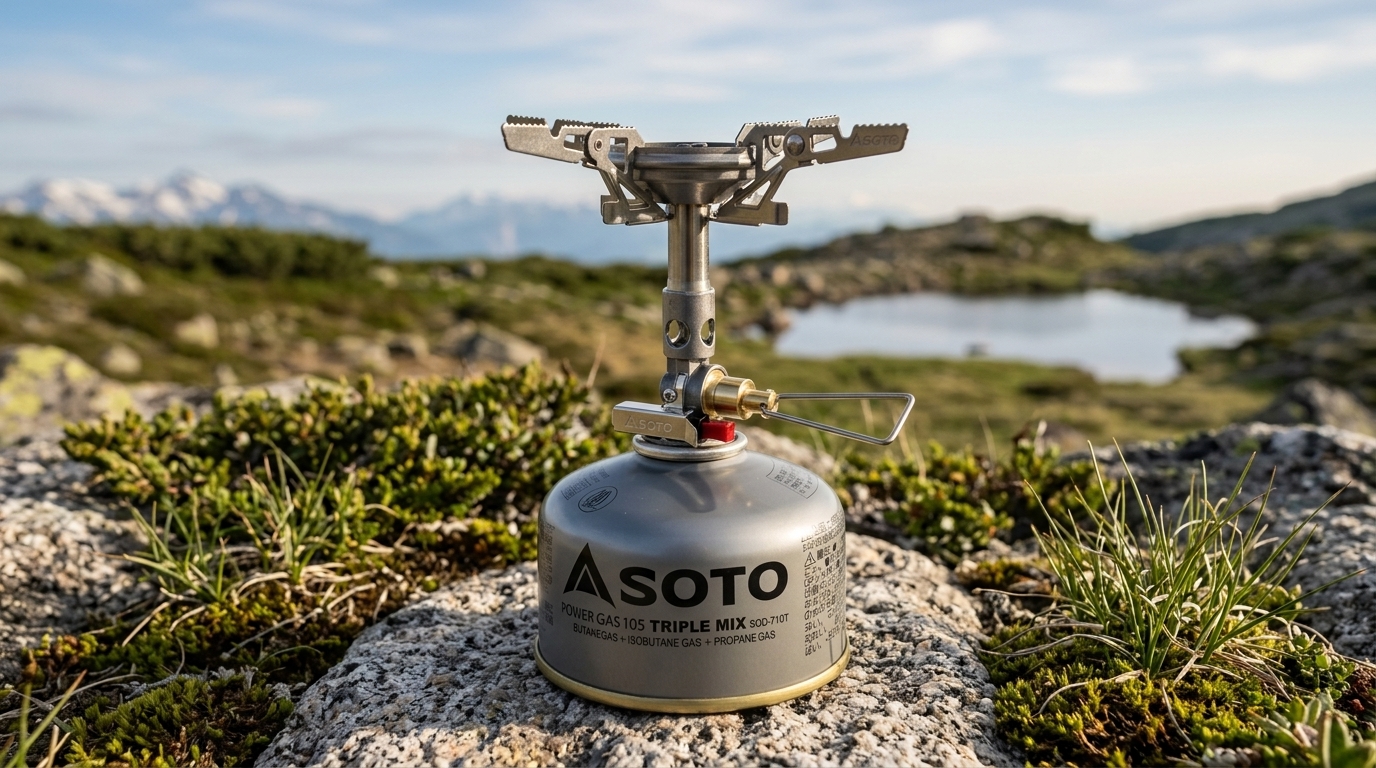
The SOTO WindMaster with 4Flex is a precision-engineered canister stove built for exposed ridge camps and alpine starts where wind consistently defeats simpler burners. Its pressure regulator maintains 11,000 BTU output across temperature swings and fuel depletion, while the concave burner head and four-arm pot support stabilize cookware without adding a separate windscreen. At approximately 87 g for the stove body (67 g without 4Flex), it occupies the premium end of the ultralight canister category—lighter than the MSR PocketRocket 2 Stove when you account for not needing a windscreen, but costlier and more complex than non-regulated alternatives.
Disclosure: Four Seasons Gear is reader-supported. When you buy through links on our site, we may earn an affiliate commission at no extra cost to you. Prices and availability are accurate as of the time we last checked.
Technical Specifications
Specs
Construction and Materials
The WindMaster's defining feature is its micro-regulator—a mechanical valve that compensates for dropping canister pressure as fuel depletes or ambient temperature falls. This maintains consistent flame intensity across the usable range of the canister, preventing the simmering frustration of weak output on cold mornings or near-empty fuel. The burner head is machined from brass with a concave profile that cups the flame inward, creating a natural wind-blocking effect without external panels. The piezo igniter is embedded in the burner post rather than mounted externally, reducing breakage risk when the stove rattles inside a pack.
The 4Flex pot support uses four folding stainless steel arms that extend to approximately 125 mm diameter, accommodating pots from 900 ml solo cups to 2-liter group cookware. The arms lock into position with spring tension—no fiddly clips or pins—and fold flat against the burner for packing. The canister coupling is a standard threaded EN417 valve with a rubberized seal. Total stove height when assembled is approximately 80 mm, low enough to fit under most windscreens if you're layering wind protection in severe conditions.
Intended Use and Performance Context
This stove addresses a specific pain point: wind. Unregulated canister stoves lose 30-50% efficiency in even moderate breezes, forcing you to carry extra fuel or huddle over the burner with your body as a windbreak. The WindMaster's concave burner and low flame profile reduce that penalty to approximately 10-20%, and the regulator ensures you're not nursing a weak flame when the canister cools below 40°F. OutdoorGearLab's testing confirmed the regulator maintains output consistency that simpler stoves can't match, particularly valuable for alpine starts or shoulder-season trips where morning temperatures hover near freezing.
The 11,000 BTU output boils 1 liter of water in approximately 3 minutes under ideal conditions—not the fastest in the category (some jet-boil systems hit 2.5 minutes), but respectable for a stove this light. The real advantage emerges in adverse conditions: where the MSR PocketRocket 2 Stove might take 5-6 minutes in wind, the WindMaster holds closer to 3.5 minutes. Fuel efficiency follows the same pattern—the manufacturer's 1.5-hour burn time per 250 g canister assumes moderate use, but field reports suggest you'll stretch that further than unregulated stoves because you're not cranking the valve to compensate for weak output.
The 4Flex pot support is notably more stable than three-arm designs, especially with larger cookware. A 2-liter pot filled with water sits securely without tipping, which matters when you're cooking for a group on uneven ground. The wider support also positions the pot closer to the flame—approximately 15 mm gap versus 20-25 mm on some competitors—improving heat transfer and reducing side-wind interference.
Durability Considerations
The brass burner head and stainless steel pot support are mechanically simple and resistant to corrosion, but the regulator introduces complexity. The internal valve uses a spring and diaphragm that can accumulate debris if you don't keep the canister threads clean. The manufacturer recommends periodic cleaning with compressed air—not a field repair, but worth noting for multi-week trips. The embedded piezo igniter is more protected than external designs, but piezo systems universally degrade over hundreds of ignitions; carry a backup lighter.
The 4Flex arms are thin-gauge stainless to save weight, which means they can bend if you overtighten them or drop the stove onto rock. They're replaceable (SOTO sells the 4Flex separately), but that's an extra $25-30 part. The folding mechanism uses spring tension rather than detents, so there's no wear point to fail, but the arms can loosen slightly over time. The canister coupling threads are robust—brass on brass—and should outlast the stove body if you avoid cross-threading.
Value and Category Position
At approximately $70 MSRP (check current price), the WindMaster sits in the premium tier of ultralight canister stoves. The MSR PocketRocket 2 Stove costs roughly half as much and weighs slightly less (73 g), but lacks the regulator and requires a separate windscreen for exposed conditions—adding 30-50 g and $15-25. The Coleman Classic Propane Camping Stove offers a different tradeoff entirely: car-camping convenience and two burners for $40, but at 2,400 g it's not a backpacking option.
The value proposition hinges on your typical conditions. If you camp below treeline in summer, the regulator's benefits are marginal—you're paying for engineering you won't use. If you're routinely above 10,000 feet, starting before dawn, or cooking in spring/fall shoulder seasons, the WindMaster's consistency justifies the premium. The fuel savings alone—perhaps 10-15% over an unregulated stove across a week-long trip—offset part of the cost difference.
Pros and Cons
What we like
Trade-offs
Best For
- Alpine backpackers cooking above treeline where wind is constant
- Shoulder-season hikers dealing with sub-40°F morning temperatures
- Gram-counting ultralight enthusiasts who want regulated performance without windscreen weight
- Solo to duo backpackers using 900 ml to 1.5 L cookware
- Multi-day trips where fuel efficiency meaningfully reduces pack weight
Not For
- Budget-conscious beginners who camp below treeline in summer
- Car campers needing multi-burner capacity or simmer control for elaborate meals
- Groups larger than 3-4 people (single burner limits throughput)
- Users who prefer liquid-fuel stoves for winter or international travel
- Anyone unwilling to carry backup ignition or perform occasional regulator maintenance
Frequently Asked Questions
+How does the regulator improve performance compared to non-regulated stoves?
The micro-regulator compensates for dropping canister pressure as fuel depletes or temperature falls, maintaining consistent 11,000 BTU output across the usable range. Non-regulated stoves lose 30-50% output when the canister cools below 40°F or drops below half-full, forcing you to crank the valve and waste fuel. In field conditions—alpine starts, windy ridges, near-empty canisters—the WindMaster maintains flame intensity that simpler stoves can't match, translating to faster boil times and better fuel efficiency when conditions deteriorate.
+Can I use this stove with any canister brand?
Yes, the WindMaster uses the standard EN417 threaded valve compatible with MSR, Jetboil, Primus, SOTO, and most other backpacking canister brands. The regulator works with butane, isobutane, and propane mixtures (the typical blend in 4-season canisters). Do NOT use 100% propane canisters—the higher pressure can damage the regulator valve. Stick with standard backpacking fuel blends and you'll have no compatibility issues.
+Is the 4Flex pot support necessary, or can I use the stove without it?
The stove functions without the 4Flex, but the bare burner only supports very small pots (under 700 ml) directly on the burner head rim. The 4Flex extends support to approximately 125 mm diameter, accommodating 900 ml to 2+ liter cookware. For solo use with a small titanium cup, you could save the 20 g by leaving the 4Flex home, but most users will want the stability and versatility it provides. The 4Flex is also sold separately if you need a replacement.
+How long does the piezo igniter last?
Piezo igniters typically provide hundreds to low thousands of ignitions before the spark weakens or fails. The WindMaster's embedded design protects it better than external piezo buttons, but all piezo systems eventually degrade. For a stove you'll use 50-100 times per year, expect 3-5 years of reliable ignition. Always carry a backup lighter—even when the piezo works, it can fail to light in wet conditions or at altitude where oxygen is thin. The stove lights easily with a match or lighter if the piezo quits.
+Does this stove simmer well, or is it just for boiling water?
The WindMaster can simmer, but it's not optimized for low-heat cooking. The regulator maintains consistent output across the valve range, so you can dial down to a gentle flame for rehydrating meals or melting snow without the flame sputtering out (a common problem with unregulated stoves at low settings). However, the 11,000 BTU max output and open burner design make it less precise than integrated canister systems with heat exchangers. If you're mostly boiling water and rehydrating freeze-dried meals, it's excellent. If you're sautéing vegetables or simmering sauces, a stove with finer flame control would serve better.
The SOTO WindMaster with 4Flex delivers regulated, wind-resistant performance in a package light enough for ultralight packing lists. It's a specialist tool for exposed conditions and cold-weather efficiency, not a universal budget pick, but for backpackers who routinely cook above treeline or in shoulder seasons, the engineering pays tangible dividends in boil times and fuel consumption.

Read next
More from this category
REVIEW
MSR WhisperLite Universal Compact Hybrid Fuel Camping and Backpacking Stove Review
REVIEW
MSR WindBurner Personal Windproof Camping and Backpacking Stove System Review
REVIEW
Jetboil MiniMo Camping and Backpacking Stove Cooking System with Adjustable Heat Control Review
REVIEW
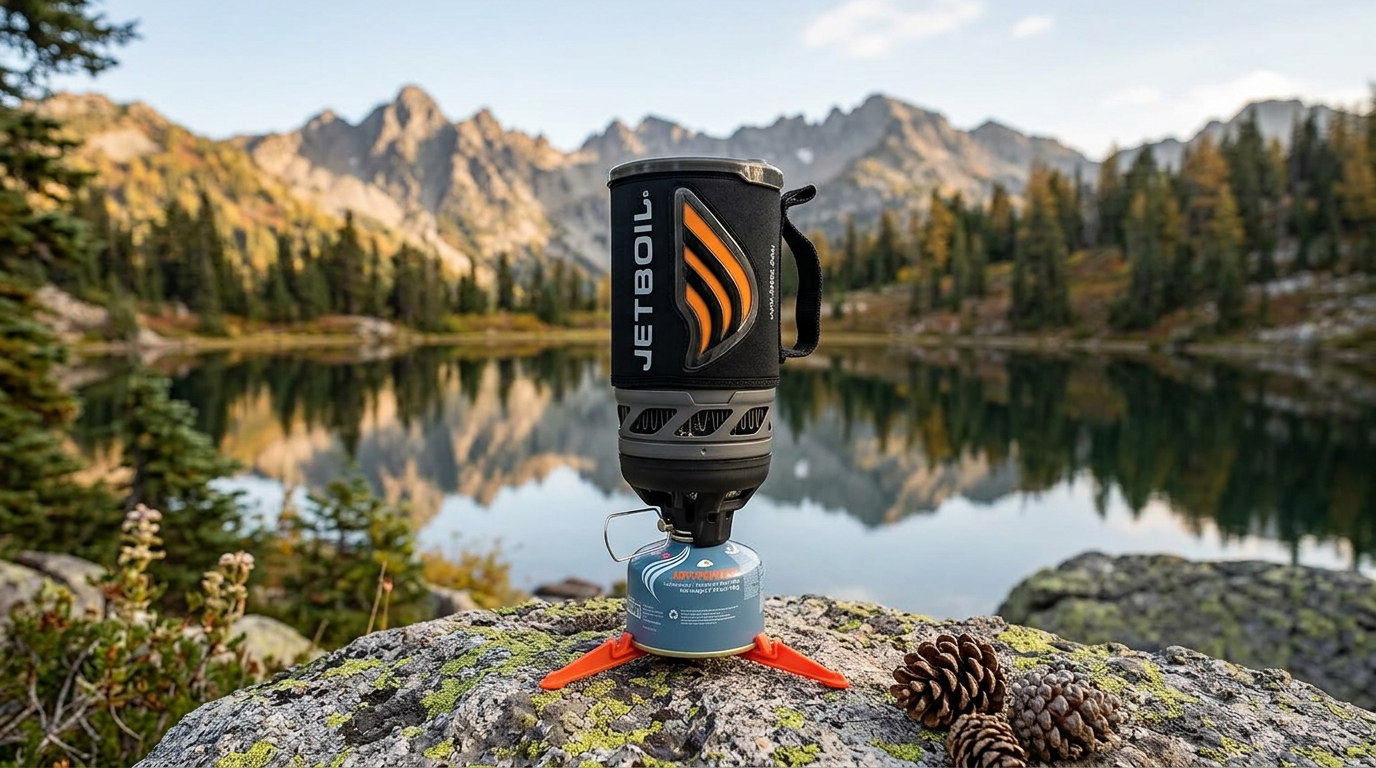
Jetboil Flash Camping and Backpacking Stove System Review
REVIEW
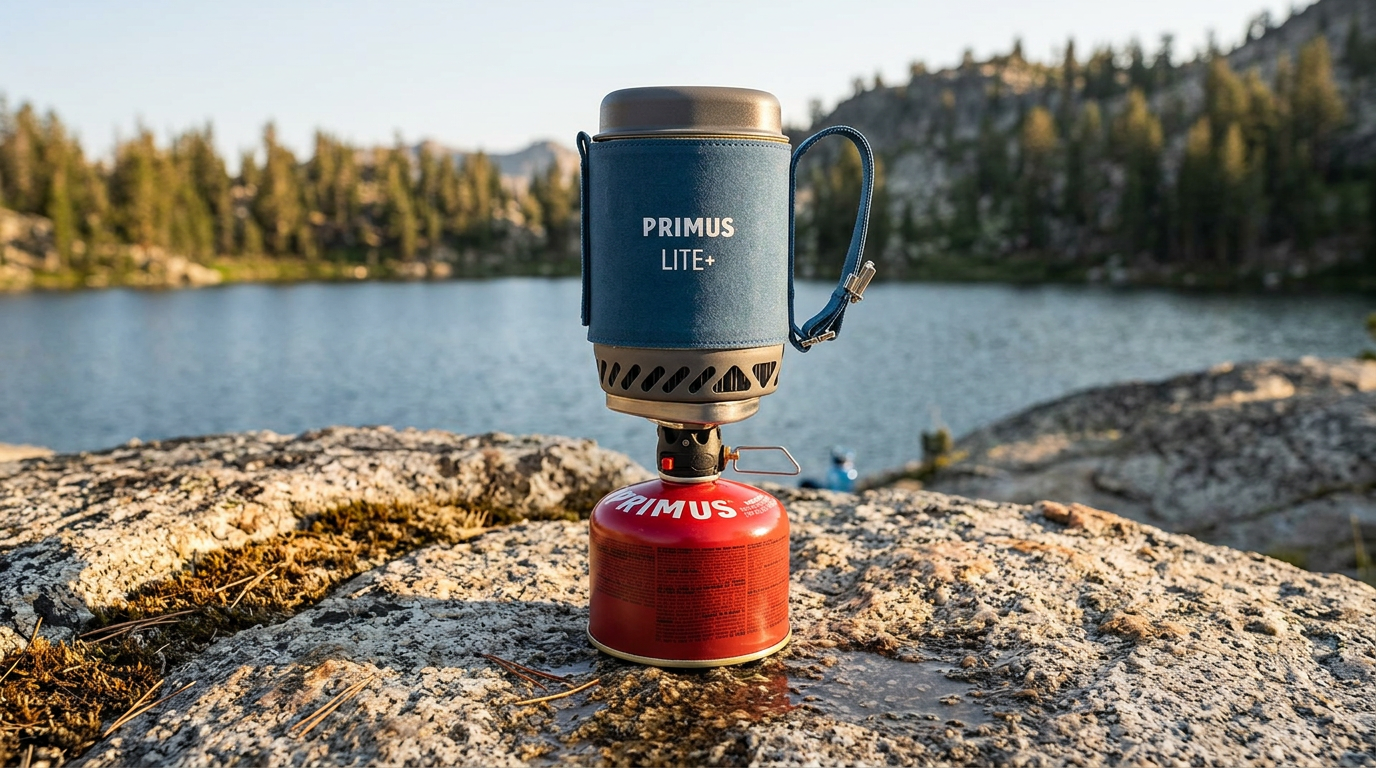
Primus Lite Plus Stove System Review: Integrated Pot-Burner for Fast Solo Meals
REVIEW