
Review · spring · summer · fall
Optimus Crux Lite Review: 72-Gram Canister Stove Balances Power and Pack Weight
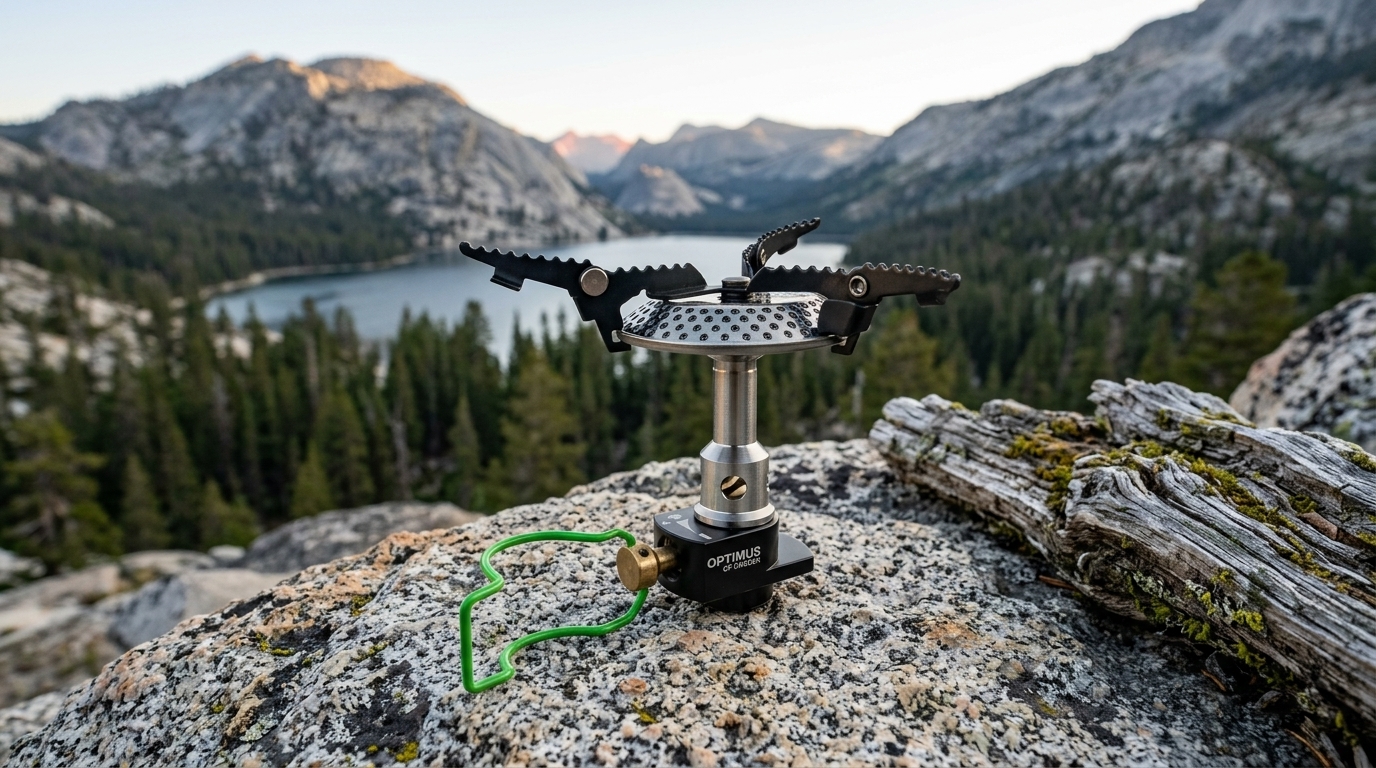
The Optimus Crux Lite targets gram-counting backpackers who refuse to compromise boil speed for weight savings. At 72 g (2.5 oz) and 3000 W output, it sits in the ultralight tier alongside the MSR PocketRocket 2 Stove while delivering 10,200 BTU—enough to boil a liter in under 3.5 minutes in calm conditions. The wide burner head spreads heat more evenly than narrower jets, reducing hotspots on titanium cookware, though the design trades some wind resistance for that broader flame pattern. Best suited for solo and duo fast-packers prioritizing speed over simmering finesse, less ideal for alpine exposed ridges or group meal prep where a broader base stove excels.
Disclosure: Four Seasons Gear is reader-supported. When you buy through links on our site, we may earn an affiliate commission at no extra cost to you. Prices and availability are accurate as of the time we last checked.
Construction and Materials
The Crux Lite uses a stainless steel burner assembly with an aluminum pot support ring, keeping the entire unit to 72 g without resorting to titanium. The burner head measures approximately 75 mm across—wider than many ultralight competitors—with a radial flame pattern that distributes heat across the pot bottom rather than concentrating it in a single point. The pot supports fold flat against the burner for packing and lock into position with a friction hinge; when deployed they form a stable triangle roughly 115 mm across, accommodating pots from 0.6 L to 1.5 L diameter. The valve assembly uses a brass needle valve with a knurled aluminum control knob, offering approximately 270 degrees of rotation from pilot flame to full output.
Specs
Intended Use and Performance Context
The Crux Lite occupies the sweet spot for spring-through-fall backpackers who measure pack weight in grams but still want sub-4-minute boil times. The 3000 W output matches or exceeds most ultralight canister stoves, making it effective for morning coffee, freeze-dried dinners, and rapid water purification boils. The wide burner head reduces the risk of scorching titanium pots—a common issue with pinpoint flame stoves—though it also means the flame sits closer to the pot bottom, which can reduce efficiency in wind. Unlike the Coleman Classic Propane Camping Stove, which prioritizes stable simmering and wind protection for car camping, the Crux Lite assumes you'll use a windscreen (not included) and accept limited simmer control in exchange for the 72 g weight.
The manufacturer's 90-minute burn time on a 220 g canister assumes full-throttle operation; real-world efficiency varies with altitude, temperature, and pot type. Expect 15-20 boils per canister in temperate conditions when heating 500 mL at a time. The stove threads directly onto EN417 canisters (the standard threaded interface used by MSR, Jetboil, Primus, and other brands), and the included stuff sack allows the stove to nest underneath the canister for compact packing.
Durability Considerations
Stainless steel burner components resist corrosion better than bare aluminum, and the brass valve core should outlast hundreds of lighting cycles if kept clean. The aluminum pot supports are the most vulnerable element—repeated folding can fatigue the hinge points over seasons of use, and the thin cross-section means a careless step in a crowded tent vestibule could bend them permanently. The valve control knob, being aluminum, can cross-thread if forced onto the brass stem; hand-tighten only. The wide burner head's open design makes it easier to clear debris (pine needles, spilled food) than enclosed burners, but also exposes the flame ring to impact if the stove tips over.
Comparison Context
The Crux Lite competes directly with the MSR PocketRocket 2 Stove (73 g, 8,200 BTU) and the Soto WindMaster (67 g, 2,800 W). The Optimus delivers higher output than the PocketRocket 2 at nearly identical weight, making it faster in calm conditions. The Soto WindMaster, however, uses a concave burner head with built-in wind baffles, giving it an edge in exposed terrain despite similar wattage. The Crux Lite's wider flame pattern suits titanium cookware better than the PocketRocket's concentrated jet, but it requires a separate windscreen for reliable performance above treeline. For car campers or groups prioritizing simmer control, the Coleman Classic Propane Camping Stove offers dual burners and adjustable heat at 4+ pounds—a different category entirely.
Value Assessment
At approximately $47 MSRP (check current price), the Crux Lite costs slightly less than the MSR PocketRocket 2 while delivering more BTUs. The included stuff sack is a minor but appreciated touch—many competitors charge separately for storage bags. The stove doesn't include a windscreen or piezo igniter, so budget an additional $10-15 for a foil windscreen and carry waterproof matches or a lighter. Over a season of weekend trips, the stove's efficiency (90 minutes per 220 g canister at max output) translates to lower fuel costs than less powerful ultralight models that require longer burn times per boil.
What we like
Trade-offs
Frequently Asked Questions
+Does the Crux Lite work with all canister brands?
Yes, the stove uses the standard EN417 threaded interface compatible with MSR, Jetboil, Primus, Snow Peak, and other major canister brands sold in North America and Europe. Avoid older Campingaz-style valve-and-cartridge systems, which use a different connection.
+How does the wide burner head affect wind performance?
The broader flame pattern catches crosswinds more readily than narrow-jet designs, reducing efficiency and increasing boil times in exposed conditions. Always use a windscreen (foil or dedicated aluminum) to maintain performance. In calm or sheltered sites, the wide burner excels at even heating.
+Can I simmer sauces or cook rice with this stove?
The valve offers some throttle range, but the Crux Lite is optimized for high output rather than low-flame stability. You can achieve a gentle boil by turning the valve to its lowest setting, but precise simmering (e.g., for risotto or delicate sauces) is easier on stoves with broader valve adjustment ranges or built-in flame spreaders.
+What size pots work best on the 115 mm pot supports?
Pots from 0.6 L to 1.5 L diameter (roughly 100-140 mm base) sit stably on the three-point supports. Smaller pots (under 0.6 L) may wobble; larger pots (over 1.5 L) overhang the supports but remain usable if you keep the center of gravity low. Avoid using pots wider than 160 mm, as they can tip during stirring.
Bottom Line
The Optimus Crux Lite delivers 3000 W of output in a 72 g package, making it a practical choice for backpackers who count grams but refuse to wait five minutes for water to boil. The wide burner head suits titanium cookware and reduces scorching, though it demands a windscreen in anything beyond light breeze. If you're comparing ultralight canister stoves and prioritize speed over simmer finesse, the Crux Lite offers measurably faster boil times than the MSR PocketRocket 2 Stove at nearly identical weight. Pair it with a foil windscreen, a reliable lighter, and a pot in the 0.8-1.2 L range for a sub-200-gram cook system that handles spring-through-fall backpacking without compromise.

Read next
More from this category
REVIEW
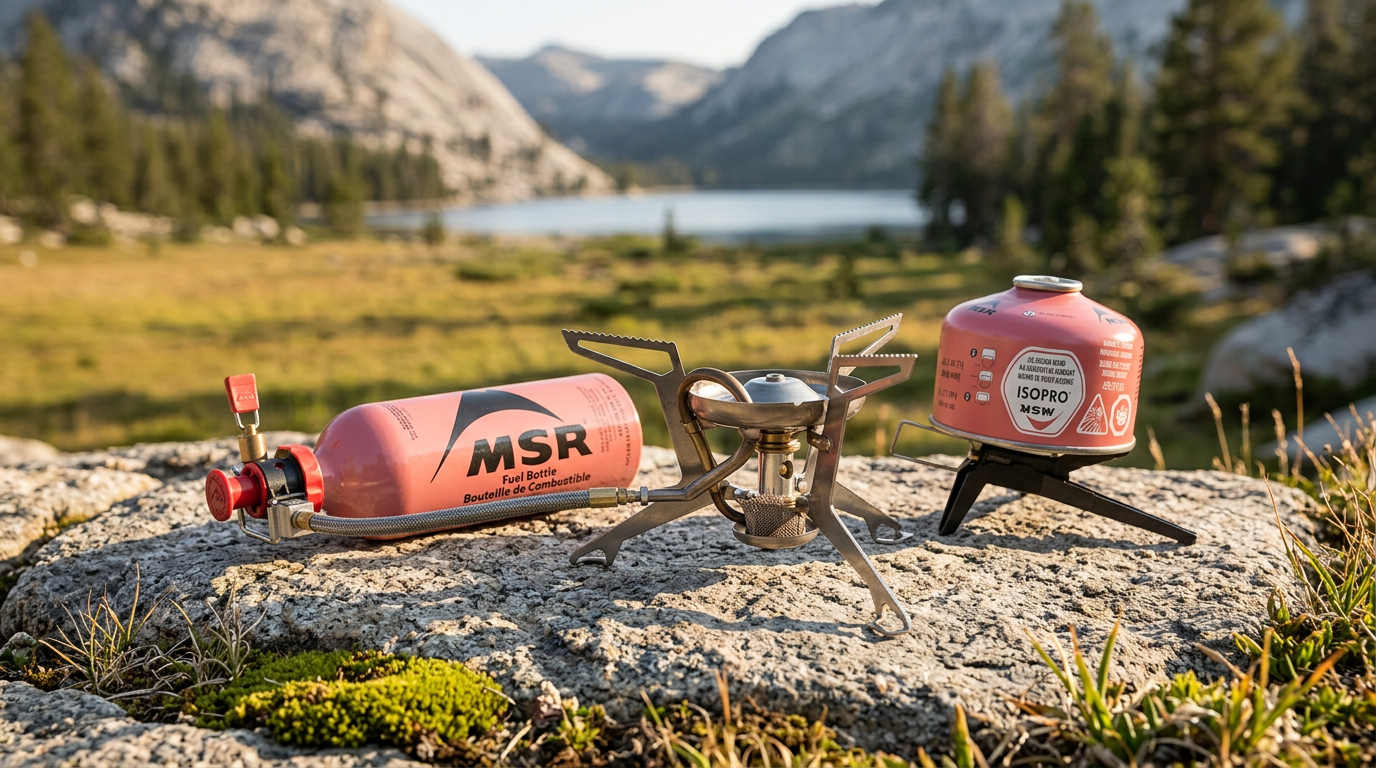
MSR WhisperLite Universal Compact Hybrid Fuel Camping and Backpacking Stove Review
REVIEW
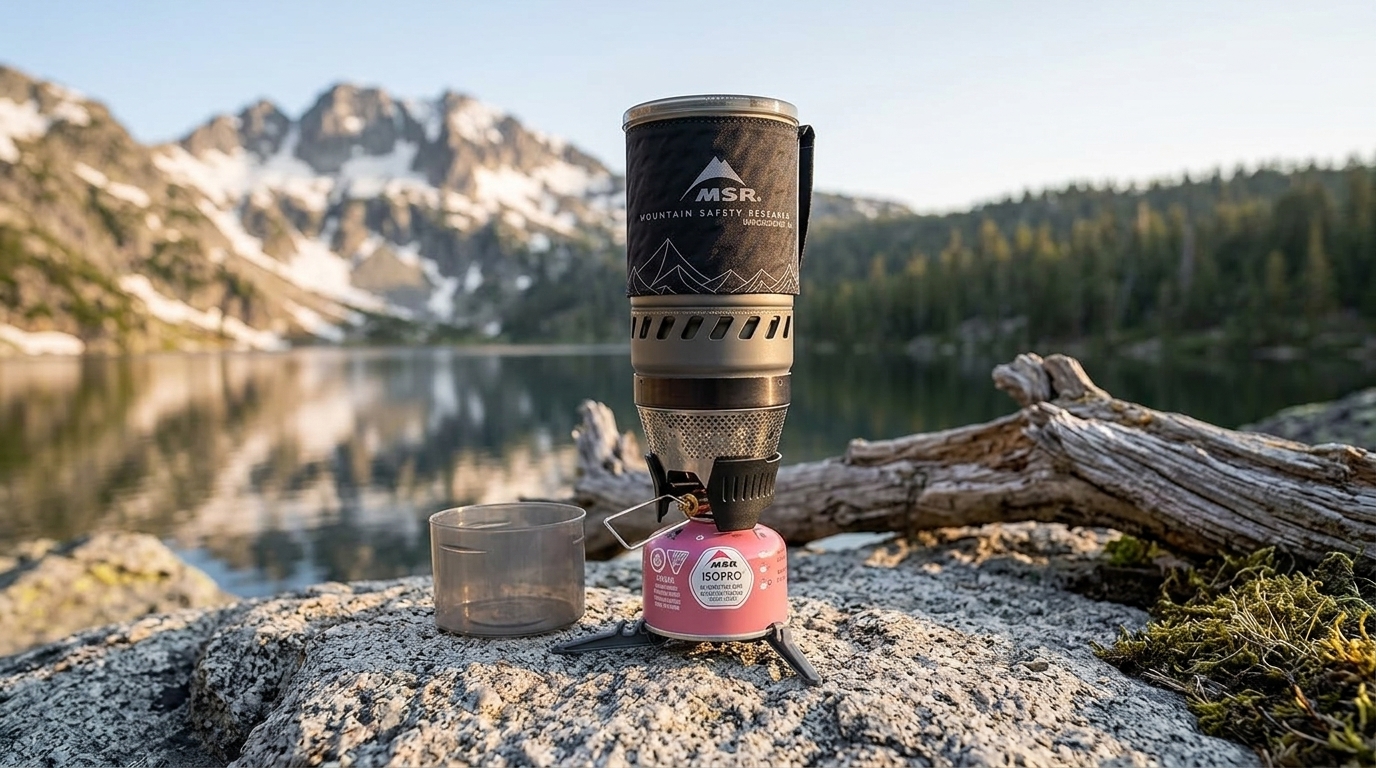
MSR WindBurner Personal Windproof Camping and Backpacking Stove System Review
REVIEW
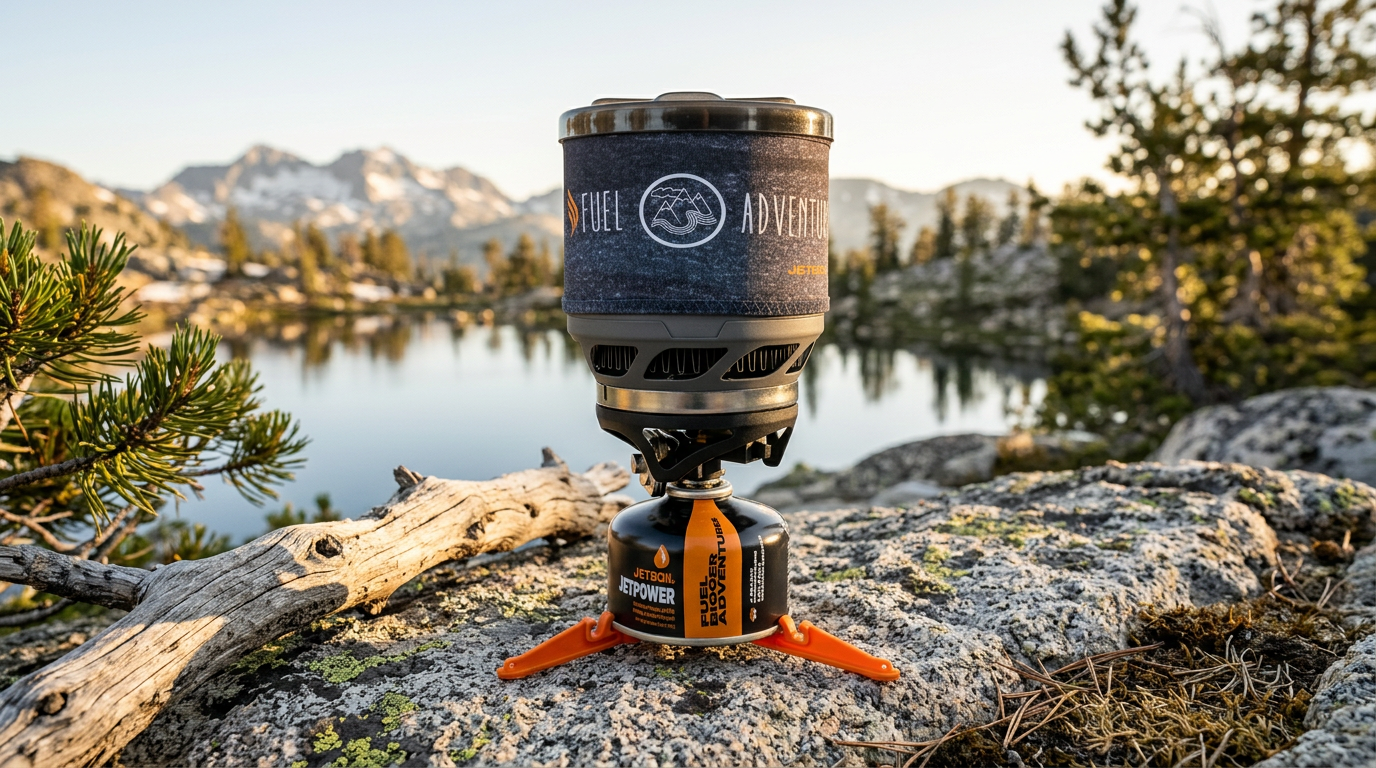
Jetboil MiniMo Camping and Backpacking Stove Cooking System with Adjustable Heat Control Review
REVIEW
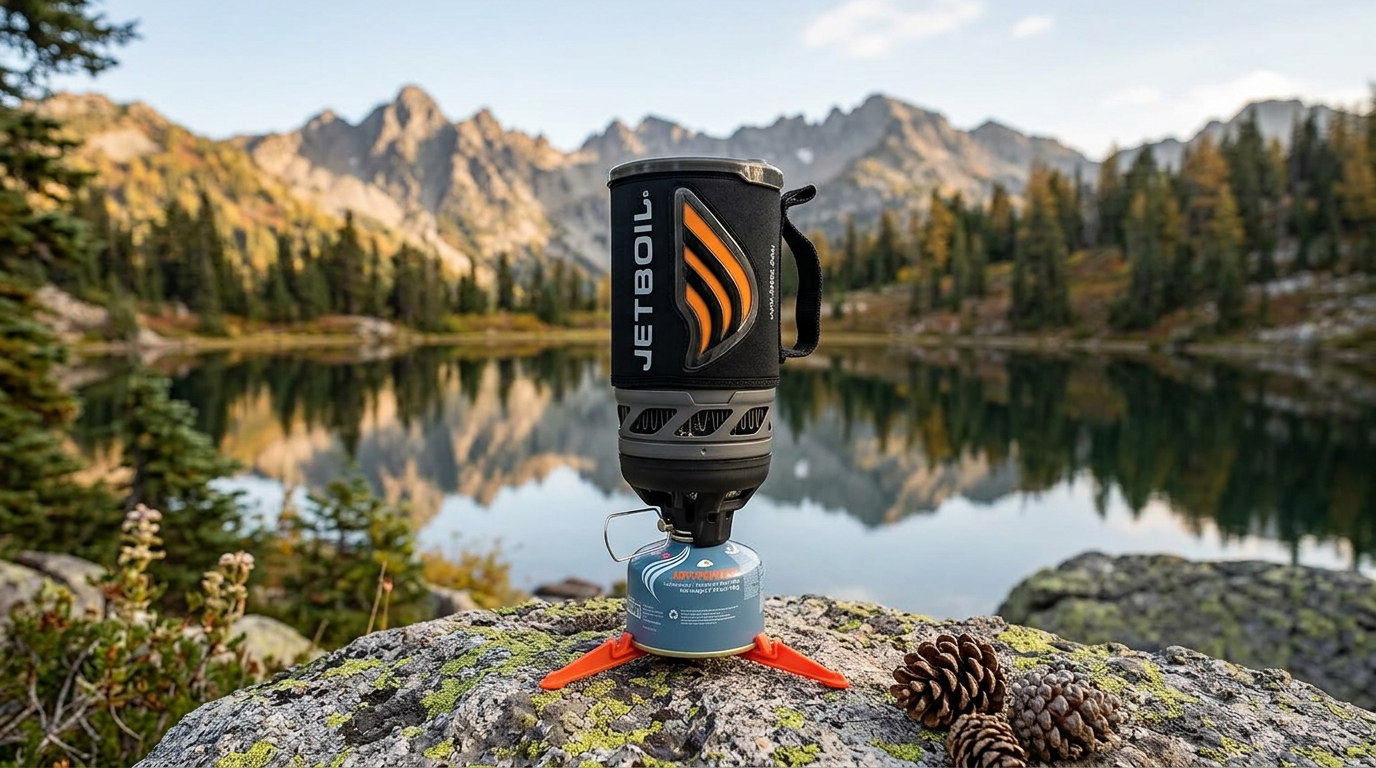
Jetboil Flash Camping and Backpacking Stove System Review
REVIEW
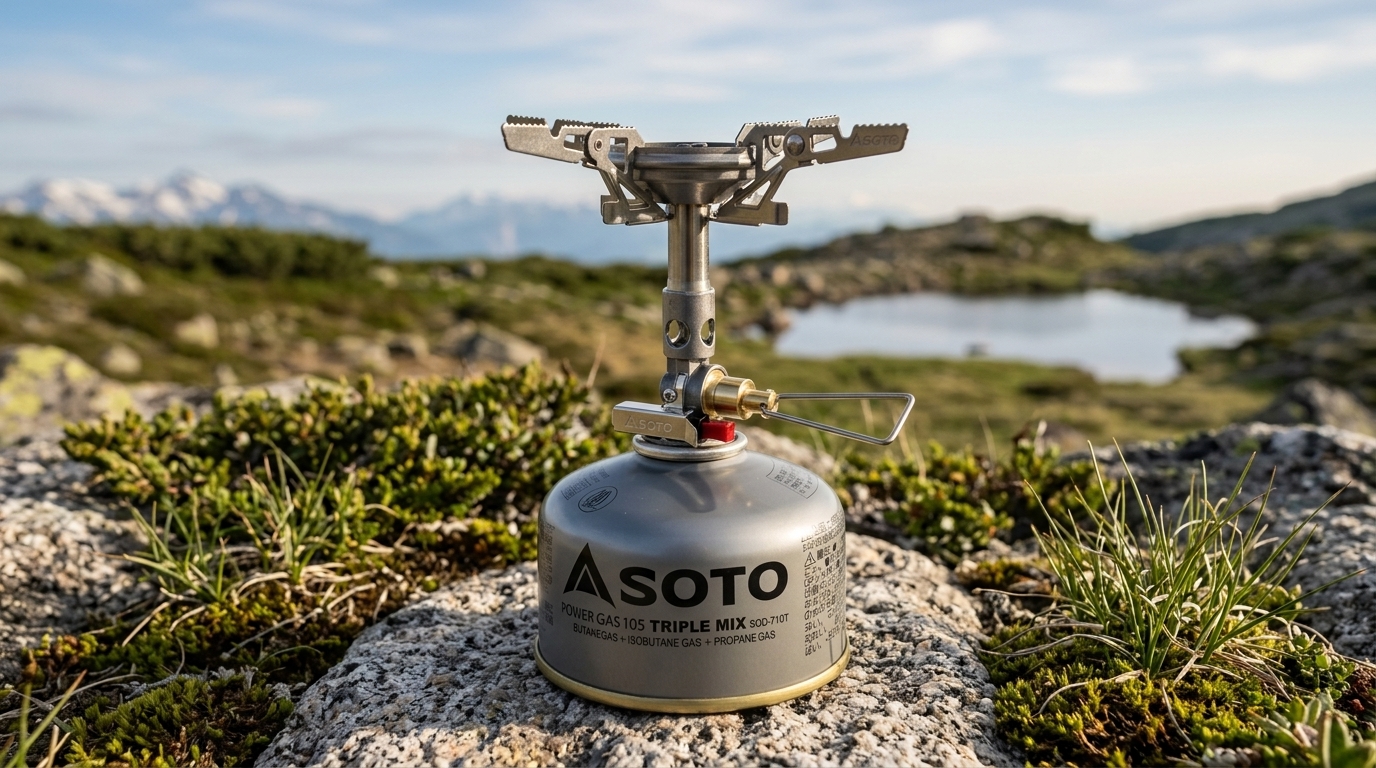
SOTO WindMaster Canister Stove with 4Flex Review
REVIEW