
Review · spring · summer · fall
KATADYN Steripen Classic 3 UV Water Purifier Review: Battery-Powered Pathogen Control for Clear Water
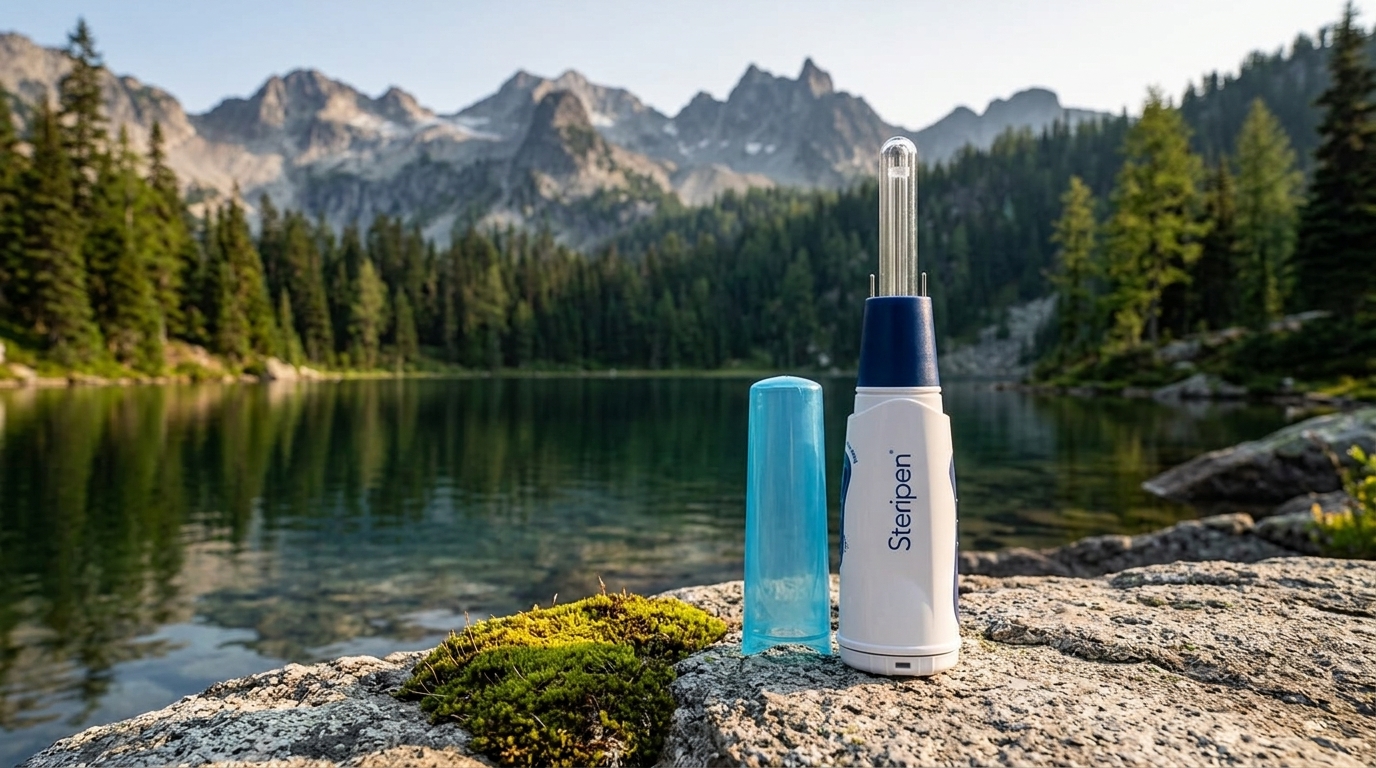
The KATADYN Steripen Classic 3 uses UV-C light to inactivate over 99.9% of bacteria, viruses, and protozoa in clear water—a treatment method that works where mechanical filters struggle with viruses. Best for travelers, hunters, and car campers who prioritize pathogen coverage and can carry spare batteries, this device requires optically clear water and offers no sediment removal, making it a complement rather than replacement for mechanical filtration in backcountry applications.
Disclosure: Four Seasons Gear is reader-supported. When you buy through links on our site, we may earn an affiliate commission at no extra cost to you. Prices and availability are accurate as of the time we last checked.
UV purification occupies a distinct niche in backcountry water treatment. Where squeeze filters like the Sawyer Squeeze Water Filter System excel at removing protozoa and bacteria through mechanical filtration, UV devices target the full pathogen spectrum—including viruses that pass through 0.1-micron pores. The Steripen Classic 3 delivers germicidal UV-C radiation (approximately 254 nm wavelength) to disrupt microbial DNA, rendering organisms unable to reproduce. The manufacturer claims >99.9% reduction of E. coli, MS2 bacteriophage (a viral surrogate), and Cryptosporidium parvum oocysts in clear water.
Construction and Power System
The Classic 3 houses a mercury-vapor UV lamp in a quartz glass sleeve, powered by four AA batteries in a separate compartment. An LED indicator panel displays treatment size selection (0.5 L or 1 L), battery status, and lamp condition. The manufacturer rates lamp life at approximately 8,000 treatments before replacement. Battery chemistry significantly affects capacity: alkaline cells yield roughly 25 treatments, lithium primaries extend that to 150, and rechargeable NiMH cells provide around 100 treatments per charge. Weight depends on battery choice—approximately 150 g for the device plus 90 g for four AA alkalines, totaling 240 g ready-to-use.
Specs
Operational Requirements and Limitations
UV purification demands optically clear water—suspended sediment, tannins, or organic matter scatter UV rays and shield microorganisms from lethal doses. Users must pre-filter turbid sources through a bandana, coffee filter, or mechanical pre-filter before treatment. The device requires stirring throughout the treatment cycle (LED indicators flash when complete) to ensure even exposure. Cold water (<5°C) may reduce efficacy, and the quartz sleeve must remain clean for consistent transmission. Unlike the LifeStraw Personal Water Filter or Sawyer Mini Water Filter, the Steripen adds no physical barrier—it leaves dead but intact pathogens, sediment, and chemical contaminants in the water.
Use Case Positioning
The Steripen Classic 3 fits international travel (where viral contamination is a concern), car camping with access to battery resupply, and hunting camps where weight is secondary to broad-spectrum protection. Its 90-second treatment time for 1 L is faster than gravity filters but slower than squeeze systems. The device works well for groups treating water in a wide-mouth bottle (Nalgene 32 oz Wide Mouth Water Bottle compatibility is common), but the battery dependency and clear-water requirement make it less versatile than dual-function systems. Backpackers often pair a Steripen with a mechanical pre-filter for alpine streams or carry it as a backup for suspect water sources in developed areas.
Durability Considerations
The quartz sleeve is impact-sensitive—dropping the device on rock can crack the tube and render it inoperable. The mercury-vapor lamp has a finite lifespan (8,000 treatments equals roughly 8,000 L at 1 L per cycle, or 2,000 uses at 4 L/day for 500 days). Battery contacts can corrode if alkaline cells leak, and the LED panel is vulnerable to moisture ingress if the battery compartment seal fails. The manufacturer does not publish an IP rating. Users should carry the device in a padded case and inspect the quartz sleeve before each trip. Lamp replacement parts are available but add to long-term cost.
Value and Category Context
At $99.95 MSRP, the Steripen Classic 3 costs more than the Sawyer Squeeze Water Filter System (~$40) or LifeStraw Personal Water Filter (~$20) but less than pump-style purifiers with activated carbon stages. The ongoing cost of batteries (or NiMH cells plus charger) and eventual lamp replacement (~$50–70) shifts the total cost of ownership higher than mechanical filters with cleanable elements. The device's value proposition rests on viral protection—critical in regions where Hepatitis A, Norovirus, or Rotavirus are endemic. For North American backcountry use, where Giardia and Cryptosporidium are the primary threats, mechanical filters often suffice at lower cost and complexity.
What we like
Trade-offs
Best For and Not For
- International travelers concerned with viral contamination in municipal water supplies
- Car campers and RV users with access to battery resupply
- Hunters and anglers treating clear alpine lakes or spring sources
- Emergency preparedness kits where broad-spectrum pathogen control is prioritized
- Group leaders treating water in shared containers
This device is not ideal for solo ultralight backpackers counting grams, users treating turbid river water without pre-filtration, or those seeking a single-device solution for sediment and pathogens. Thru-hikers on long trails may find battery logistics and lamp lifespan limiting compared to field-maintainable squeeze filters.
Frequently Asked Questions
+Can the Steripen Classic 3 treat cloudy or silty water?
No. UV light requires optical clarity to reach microorganisms. Suspended sediment scatters UV rays and creates shadows where pathogens survive. Pre-filter turbid water through a bandana, coffee filter, or mechanical filter before UV treatment.
+How do I know when the UV lamp needs replacement?
The manufacturer rates lamp life at approximately 8,000 treatments. The LED panel may indicate lamp failure, but users should track treatment count manually. Replacement lamps cost $50–70 and are available through KATADYN dealers.
+Does UV treatment remove chemicals or improve taste?
No. UV radiation inactivates living microorganisms by damaging their DNA but does not remove dissolved chemicals, heavy metals, pesticides, or organic compounds that affect taste. Pair with activated carbon if chemical removal is needed.
+What battery type offers the best performance?
Lithium AA batteries provide the highest treatment count (~150 per set) and perform better in cold temperatures than alkaline cells (~25 treatments). Rechargeable NiMH cells offer a middle ground (~100 treatments) with lower long-term cost if you have charging access.
+Can I use the Steripen in freezing conditions?
UV efficacy decreases in very cold water (<5°C), and lithium batteries perform better than alkaline in freezing air temperatures. Keep the device insulated in an inner jacket pocket and treat water inside a shelter when possible.
Final Recommendation
The KATADYN Steripen Classic 3 delivers broad-spectrum pathogen inactivation for users who need viral protection and can manage its clear-water requirement and battery logistics. It complements mechanical filters in a layered treatment strategy and suits travel, car camping, and emergency preparedness better than ultralight backpacking. The device's fragility and ongoing costs demand careful handling and budgeting, but its 90-second treatment speed and hands-off operation appeal to groups and users treating large volumes from clear sources.

Read next
More from this category
REVIEW
MSR Guardian Water Purifier Annual Maintenance Kit Review
REVIEW
GRAYL GeoPress 24 oz Water Purifier Bottle Review: Press-Filter Speed for Backcountry and Travel
REVIEW
Platypus GravityWorks Group Camping Water Filter System Review
REVIEW
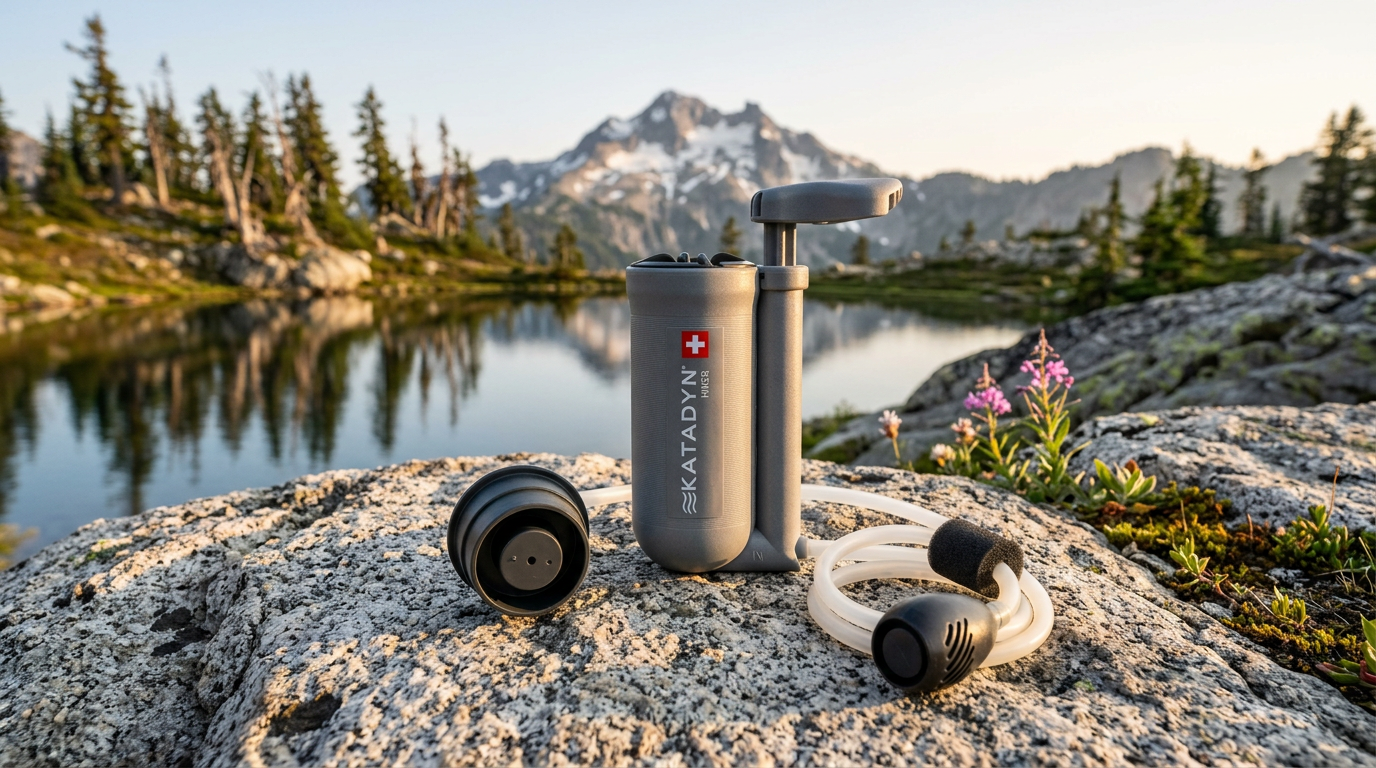
Katadyn Hiker Microfilter Review: Pump-Action Reliability for Group Trips
REVIEW
MSR HyperFlow Microfilter Maintenance Kit Review
REVIEW