
Review · spring · summer · fall
Nalgene 32 oz Wide Mouth Water Bottle Review: The Indestructible Standard
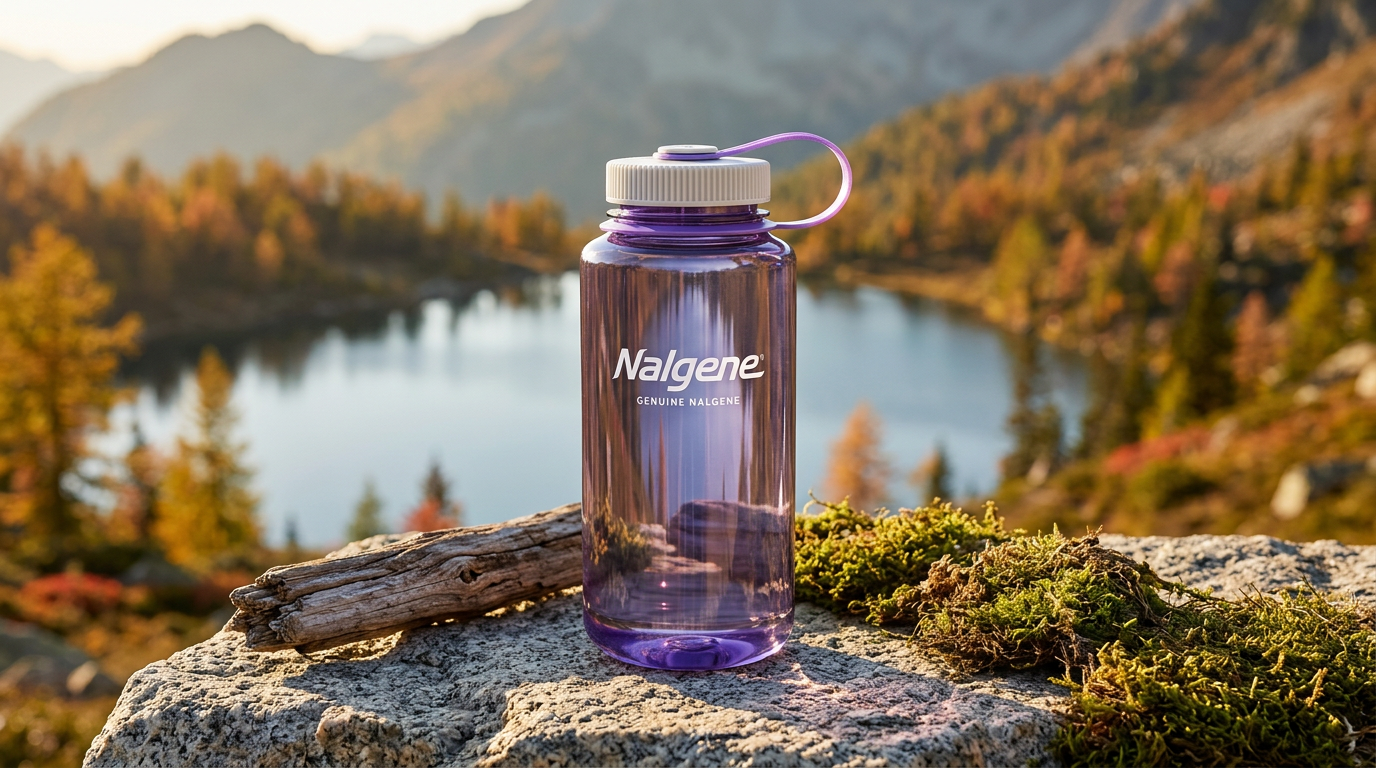
The Nalgene 32 oz Wide Mouth remains the benchmark for bombproof hydration—a 170-gram polycarbonate or Tritan vessel that survives drops, freezes, and decades of trail abuse. It's for hikers and backpackers who prioritize durability and simplicity over weight savings, don't mind the rigid form factor, and value a bottle that outlasts gear cycles.
Disclosure: Four Seasons Gear is reader-supported. When you buy through links on our site, we may earn an affiliate commission at no extra cost to you. Prices and availability are accurate as of the time we last checked.
The Nalgene 32 oz Wide Mouth has occupied packs since 1970, earning its reputation through sheer indestructibility rather than innovation. This is a single-wall rigid bottle with a 63mm opening, loop-top cap, and graduated volume markings molded into translucent copolyester or Tritan plastic. It doesn't insulate, doesn't collapse, and weighs more than ultralight alternatives—but it also doesn't dent, puncture, or fail when dropped on granite.
Specifications
Specs
Construction and Materials
Nalgene manufactures these bottles from either Eastman Tritan copolyester (newer models) or polycarbonate (legacy versions), both injection-molded in a single piece with no seams below the threads. The 63mm wide-mouth opening accommodates ice cubes, water filters, and cleaning brushes without obstruction. The loop-top cap uses a tethered design with a silicone O-ring gasket—replaceable when worn—and threads that engage across 2.5 turns for secure closure.
The bottle walls measure approximately 2mm thick, providing rigidity that prevents collapse under vacuum or external pressure. Graduated markings in ounces and milliliters are molded into the plastic rather than printed, so they won't abrade away. The translucent body allows visual monitoring of water levels and cleanliness, though this also means the contents are exposed to UV light during extended sun exposure.
Intended Use and Trail Performance
This bottle excels in three-season hiking and backpacking where durability outweighs gram-counting. The 32 oz capacity suits day hikes with infrequent water sources or overnight trips where you're treating water at camp. The wide mouth accepts most pump and gravity filter outputs directly, and the opening is large enough to scoop from shallow streams when necessary.
The rigid form factor means it doesn't pack efficiently in side pockets designed for soft flasks, and the single-wall construction offers zero insulation—water reaches ambient temperature within 90 minutes in summer heat. The loop-top cap is convenient for clipping to pack straps but adds bulk compared to screw-only designs. For winter use, the bottle tolerates freezing without cracking, though ice expansion can stress the threads if filled beyond 80% capacity.
Category Context and Alternatives
At 170 grams empty, the Nalgene weighs 2.5× more than a 1-liter Platypus SoftBottle (43g) and offers no weight advantage over insulated options like the Hydro Flask 32 oz (342g with vacuum insulation). Where it differentiates is impact resistance and longevity—soft bottles puncture on sharp pack contents, and stainless steel bottles dent when dropped on rock.
The wide mouth is easier to clean than narrow-mouth Nalgenes (53mm opening) but harder to drink from while moving—liquid sloshes out if you don't slow your pace. Competitors like the CamelBak Chute Mag offer similar capacity with magnetic cap retention, while ultralight alternatives like the CNOC Vecto (28g) collapse for packability but lack the Nalgene's structural integrity for hanging bear bags or improvising gear repairs.
Durability Considerations
Tritan copolyester resists stress cracking and maintains clarity through hundreds of dishwasher cycles, unlike polycarbonate which can cloud with repeated thermal cycling. The threads are the primary wear point—cross-threading during rushed refills can strip the plastic over years of use, though this typically requires significant force. The O-ring gasket degrades with UV exposure and should be replaced every 2-3 years if the bottle is frequently left in direct sun.
The bottle body itself is nearly indestructible under normal trail conditions. Tritan tolerates drops onto rock, compression under pack weight, and temperature swings from freezing to boiling without structural failure. The loop-top cap hinge is the most fragile component—repeated flexing can fatigue the plastic, leading to detachment after 5-10 years of heavy use. Replacement caps are available separately for under $5.
Value and Long-Term Cost
Nalgene bottles typically retail between $10-15, positioning them in the budget-to-midrange tier for reusable hydration. The value proposition rests on longevity—a single bottle can outlast a dozen disposable alternatives and multiple generations of soft flasks. The lack of proprietary parts (beyond the O-ring) means maintenance costs are negligible, and the bottle's simplicity eliminates failure modes like valve clogs or vacuum seal degradation.
For backpackers who replace gear infrequently and prioritize function over weight optimization, the Nalgene delivers decades of service for the cost of two lattes. For ultralight enthusiasts counting every gram, the 127-gram penalty versus a soft bottle represents a poor value unless you specifically need the structural rigidity for bear-bagging or water treatment compatibility.
What we like
Trade-offs
Best For
- Three-season hikers who prioritize durability over weight savings
- Backpackers using pump or gravity filters requiring wide-mouth compatibility
- Campers who need a vessel for both cold water and hot beverages
- Budget-conscious users seeking a bottle that lasts decades
- Bear-country travelers hanging food bags with rigid bottle support
- Day hikers carrying 32 oz for 6-10 mile outings with limited refill options
Not For
- Ultralight backpackers optimizing base weight below 10 lbs
- Trail runners needing soft flasks that conform to vest pockets
- Users requiring insulation to keep water cold beyond 90 minutes
- Minimalist packers with limited space for rigid containers
- Anyone who drinks frequently while moving at speed
Frequently Asked Questions
+Can I pour boiling water directly into this bottle?
Yes—Tritan copolyester and polycarbonate both tolerate temperatures up to 212°F (100°C). However, the exterior will become hot to touch within seconds, and you should loosen the cap slightly to vent steam pressure as the water cools to prevent vacuum formation. Do not pour boiling water into a completely sealed bottle and immediately tighten the cap.
+How do I prevent the bottle from developing odors or cloudiness?
Wash with warm soapy water after each trip and allow to air-dry completely with the cap removed. For persistent odors, fill with a solution of 1 tablespoon baking soda per liter of water and let sit overnight, then scrub with a bottle brush. Cloudiness in older polycarbonate models results from micro-abrasion and UV exposure—Tritan models resist this better but will still show wear after years of dishwasher use.
+Will this bottle fit in standard backpack side pockets?
The 3.5-inch diameter fits most external side pockets designed for 1-liter bottles, but the rigid walls mean it won't compress to accommodate other gear. Packs with elastic mesh pockets hold it securely; pockets with drawstring closures may struggle with the wide-mouth cap's loop adding bulk. Measure your pocket depth—the 8.25-inch height can protrude above shallow pockets.
+How often should I replace the O-ring gasket?
Inspect the O-ring every 6 months for compression set (permanent flattening), cracking, or loss of elasticity. Replace immediately if you notice leaking during normal use. With typical 3-season use and minimal UV exposure, expect 2-3 years of service. Replacement O-rings are available from Nalgene for under $3 and install by stretching over the cap's inner rim.

Read next
More from this category
REVIEW
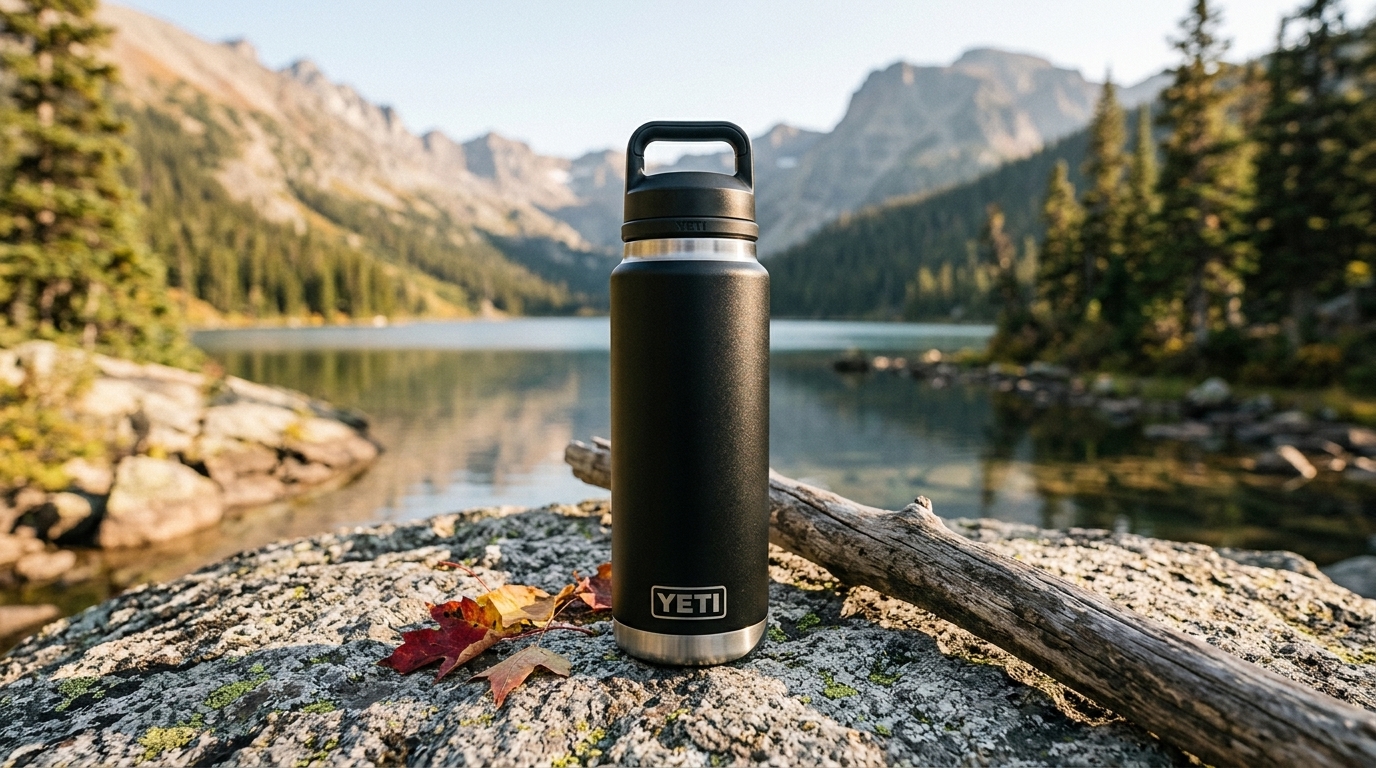
YETI Rambler 26 oz Bottle with Chug Cap Review: Premium Insulation at a Premium Price
REVIEW
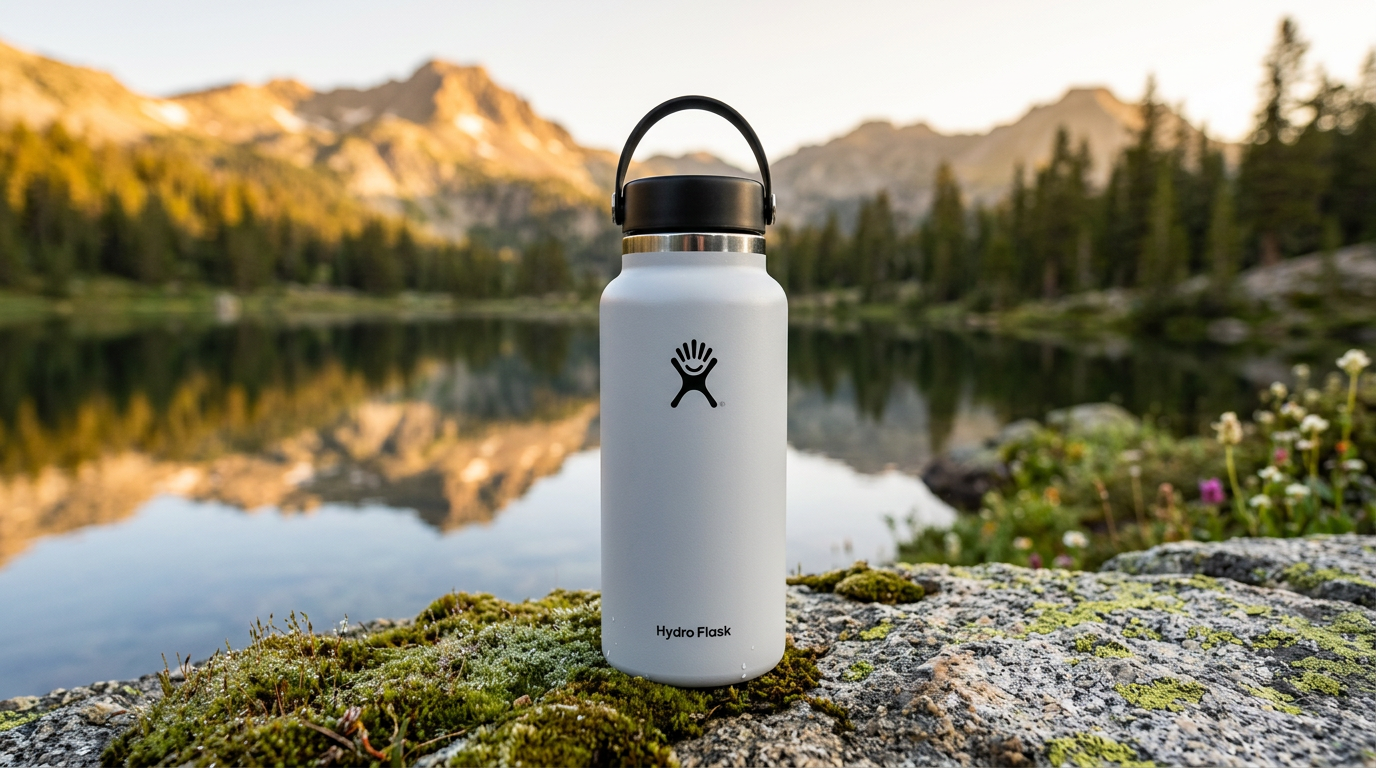
Hydro Flask 32 oz Wide Mouth Review: The Benchmark Insulated Bottle
BEST OF
Best Rechargeable Headlamps for Backpacking
BEST OF
Best Beginner Binoculars for Hiking and Bird Watching

GUIDE
How to Choose a Backpacking Tent: The 5 Specs That Matter

GUIDE