
Review · spring · summer · fall
GRAYL GeoPress 24 oz Water Purifier Bottle Review: Press-Filter Speed for Backcountry and Travel
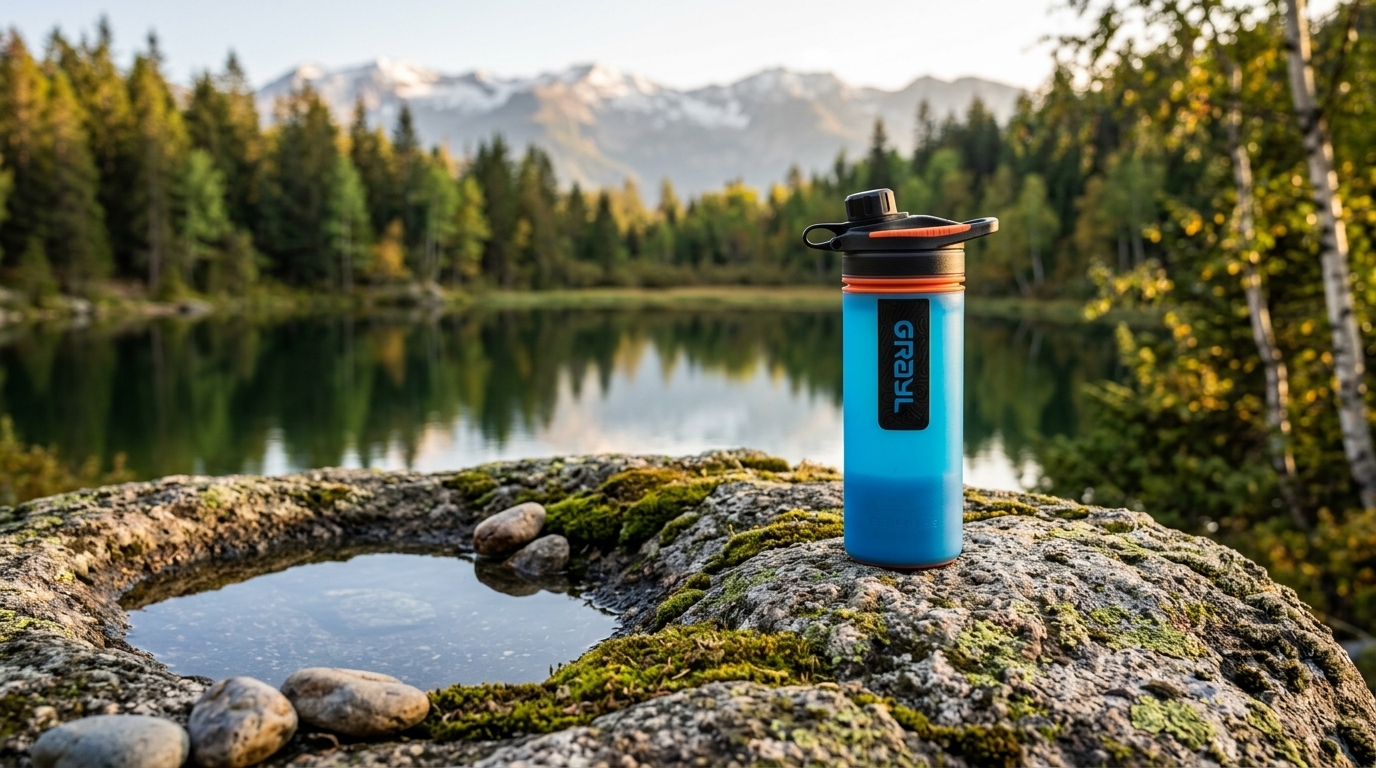
The GRAYL GeoPress 24 oz Water Purifier Bottle is built for hikers, backpackers, and international travelers who prioritize speed and virus protection over ultralight weight. Unlike squeeze filters such as the Sawyer Squeeze Water Filter System or straw designs like the LifeStraw Personal Water Filter, the GeoPress uses a press-plunger mechanism to force water through a replaceable cartridge that removes viruses, bacteria, protozoa, particulates, and chemical contaminants in approximately 8 seconds per 24 oz cycle. At an estimated 450 g loaded (approximately 165 g empty bottle plus 85 g cartridge, verify before purchase), it's heavier than hollow-fiber squeeze systems, but the tradeoff buys you one-handed operation, no backflushing, and protection against waterborne viruses—critical for developing-world travel or suspect municipal sources where the Sawyer Mini Water Filter would fall short.
Disclosure: Four Seasons Gear is reader-supported. When you buy through links on our site, we may earn an affiliate commission at no extra cost to you. Prices and availability are accurate as of the time we last checked.
Construction and Filtration Technology
The GeoPress employs a two-part design: an outer bottle shell (food-grade polypropylene #5) and an inner press assembly housing the replaceable OnePress cartridge. The cartridge combines an electroadsorptive media layer, activated carbon, and a 0.2-micron hollow-fiber membrane. This triple-barrier approach physically blocks protozoan cysts (≥1 µm) and bacteria (≥0.2 µm), electrostatically captures viruses (as small as 0.02 µm), and adsorbs volatile organic compounds, PFAS, heavy metals, and taste/odor compounds. The manufacturer rates the cartridge for 250 liters (65 gallons) before replacement, translating to roughly 350 full presses at 710 ml per cycle.
The press mechanism uses a SimpleVent filter cap that vents air during the downstroke, preventing back-pressure and enabling a full 24 oz purification in approximately 8 seconds with moderate hand pressure (manufacturer spec). The outer bottle features a soft-touch grip zone and a TopoLid with integrated carry loop. Build quality is robust—thicker walls than typical single-wall Nalgene bottles—to withstand the repeated compression forces of the plunger system.
Specs
Intended Use Cases and Category Position
The GeoPress occupies a distinct niche between lightweight squeeze filters and chemical treatments. It excels in scenarios where virus removal is non-negotiable: international trekking in regions with questionable sanitation, urban travel through developing countries, or emergency preparedness for municipal water failures. The press-plunger design requires no setup, no gravity hang time, and no sucking effort—fill from any source (river, hotel tap, livestock trough), press, and drink immediately. This makes it faster and more convenient than the Sawyer Squeeze Water Filter System for single-person use, though the Sawyer remains lighter (approximately 85 g) and better suited to group filtering via inline or gravity configurations.
For North American backcountry where Giardia and Cryptosporidium are the primary threats and viruses are rare, the LifeStraw Personal Water Filter or Sawyer Mini Water Filter offer lighter, more packable alternatives. The GeoPress's weight penalty (roughly 2.5× a Sawyer Squeeze) and bulk (won't nest inside a cook pot) make it less appealing for gram-counting thru-hikers on the PCT or CDT. Its sweet spot is the traveler-backpacker who values one-handed operation, broad-spectrum protection, and the ability to fill from a hostel sink as easily as a glacial stream.
Durability and Maintenance Considerations
The polypropylene shell is impact-resistant and less prone to cracking than rigid Tritan or polycarbonate under freeze-thaw cycles, though the manufacturer advises against freezing the cartridge (ice expansion can rupture the hollow fibers). The press assembly's o-rings and seals are the primary wear points; GRAYL publishes a maintenance guide recommending periodic lubrication with food-grade silicone grease. The OnePress cartridge is not backflushable or field-serviceable—once flow rate degrades or the 250-liter limit is reached, replacement is mandatory (cartridges retail around $30 USD, verify current price). This consumable cost is higher than the indefinite lifespan of a backflushed Sawyer Squeeze, but lower than the per-liter cost of iodine tablets or SteriPEN battery replacements.
The soft-touch grip zone can accumulate grime in sandy or muddy environments; a quick rinse after each trip prevents abrasive buildup. The TopoLid's integrated loop is a molded-in feature rather than a sewn attachment, reducing the risk of loop failure under load. Anecdotal reports from multi-month travelers suggest the press mechanism remains smooth through hundreds of cycles, though cartridge clogging accelerates in highly turbid sources (pre-filtering through a bandana or coffee filter extends cartridge life in silty rivers).
Value Proposition and Competitive Context
At approximately $90 MSRP (check current price), the GeoPress sits in the premium tier of personal water purifiers, roughly 3× the cost of a Sawyer Squeeze Water Filter System and 6× a LifeStraw Personal Water Filter. The price premium buys virus protection, faster throughput, and zero-setup convenience. For weekend backpackers in North America, the value case is weak—Giardia and Crypto are adequately addressed by cheaper hollow-fiber filters. For international travelers or those preparing emergency kits for urban disasters (where municipal systems may be compromised by sewage overflow), the GeoPress's broad-spectrum capability justifies the cost. The 250-liter cartridge lifespan translates to roughly 350 uses for a solo traveler drinking 2 liters per day, or about 6 months of daily use—comparable per-liter cost to mid-tier chemical treatments but without the 30-minute wait time.
Compared to UV purifiers like the SteriPEN, the GeoPress eliminates battery dependency and works in turbid water (UV requires clarity to be effective). Compared to gravity filters like the Platypus GravityWorks, the GeoPress is faster for single servings but impractical for filtering large volumes for group cooking—a 6-liter gravity bag processes more water per minute of active effort.
What we like
Trade-offs
Best For and Not For
- International backpackers trekking in regions with viral waterborne disease risk (South Asia, Latin America, Africa)
- Solo hikers and campers who prioritize convenience and one-handed operation over ultralight weight
- Urban travelers needing safe drinking water from hotel taps, public fountains, or questionable municipal sources
- Emergency preppers building home or vehicle kits for natural disasters or water system failures
- Adventure travelers on multi-week trips where battery-free, chemical-free purification is critical
- Ultralight thru-hikers counting every gram on long-distance trails (PCT, AT, CDT)
- Group camping scenarios requiring high-volume water processing (gravity systems are faster)
- Winter campers in sub-freezing conditions (cartridge cannot be frozen)
- Budget-conscious weekend backpackers in North America where Giardia/Crypto are the only threats
- Users seeking indefinite filter lifespan without consumable replacement costs
Frequently Asked Questions
+How does the GeoPress compare to the Sawyer Squeeze for North American backpacking?
The Sawyer Squeeze Water Filter System is lighter (approximately 85 g vs. 250 g for the GeoPress), more packable, and backflushable for indefinite use. However, it lacks virus protection and requires squeezing effort or gravity setup. The GeoPress is faster per cycle (8 seconds vs. 1-2 minutes for a liter through the Sawyer) and removes viruses, but costs more and has a finite 250-liter cartridge lifespan. For most North American trails where viruses are not a concern, the Sawyer Squeeze offers better weight and value. Choose the GeoPress if you're traveling internationally or want emergency prep that covers municipal water failures.
+Can I use the GeoPress in freezing temperatures?
No. The manufacturer explicitly warns against freezing the OnePress cartridge, as ice expansion can rupture the hollow-fiber membrane and compromise filtration integrity. If you're winter camping, store the GeoPress in your sleeping bag at night or use chemical treatments (iodine, chlorine dioxide) that tolerate freezing. For sub-freezing conditions, consider melting snow or carrying insulated bottle sleeves to prevent cartridge freeze damage.
+How long does a replacement cartridge last, and what's the cost?
The OnePress cartridge is rated for 250 liters (65 gallons), which translates to approximately 350 full 24 oz presses. For a solo traveler drinking 2 liters per day, that's roughly 4-6 months of daily use. Replacement cartridges retail around $30 USD (verify current price). Flow rate degradation or visible sediment buildup signals the need for replacement. Unlike the Sawyer Squeeze, the GeoPress cartridge cannot be backflushed—once it clogs or reaches capacity, you must replace it.
+Does the GeoPress remove chemicals like PFAS and heavy metals?
Yes. The OnePress cartridge includes an activated carbon and electroadsorptive media layer that adsorbs volatile organic compounds (VOCs), PFAS (per- and polyfluoroalkyl substances), heavy metals (lead, arsenic), pesticides, herbicides, and taste/odor compounds. This makes it more comprehensive than hollow-fiber-only filters like the Sawyer Mini Water Filter or LifeStraw Personal Water Filter, which primarily address biological contaminants. For agricultural runoff or industrial pollution concerns, the GeoPress provides an extra margin of safety.
+Can I filter highly turbid or muddy water with the GeoPress?
Yes, but pre-filtering extends cartridge life. The 0.2-micron hollow-fiber membrane will block sediment and particulates, but heavy silt loads accelerate clogging and reduce the effective lifespan below the rated 250 liters. For glacial melt, muddy rivers, or livestock-trampled sources, pre-filter through a bandana, coffee filter, or let sediment settle before pressing. This simple step can double cartridge longevity in turbid environments.
+Is the GeoPress suitable for group camping or base camp use?
Not ideal. The 24 oz capacity and 8-second press cycle are optimized for solo or two-person use. Filtering 6 liters for a group of four requires 8-9 presses and several minutes of active effort. Gravity systems like the Platypus GravityWorks or MSR AutoFlow process larger volumes with less hands-on time. The GeoPress excels for personal hydration on the move—fill your bottle at a stream crossing, press, and keep hiking—but it's inefficient for bulk water processing at camp.

Read next
More from this category
REVIEW
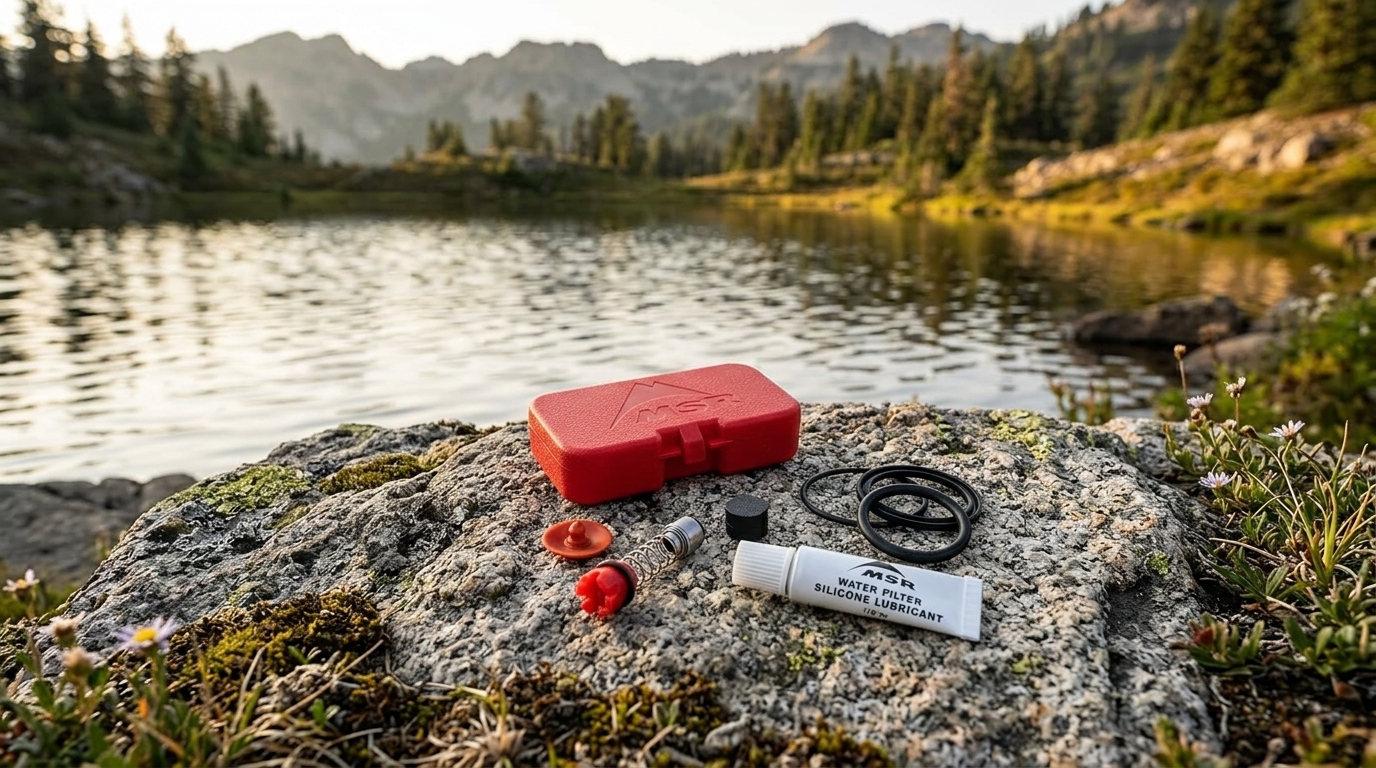
MSR Guardian Water Purifier Annual Maintenance Kit Review
REVIEW
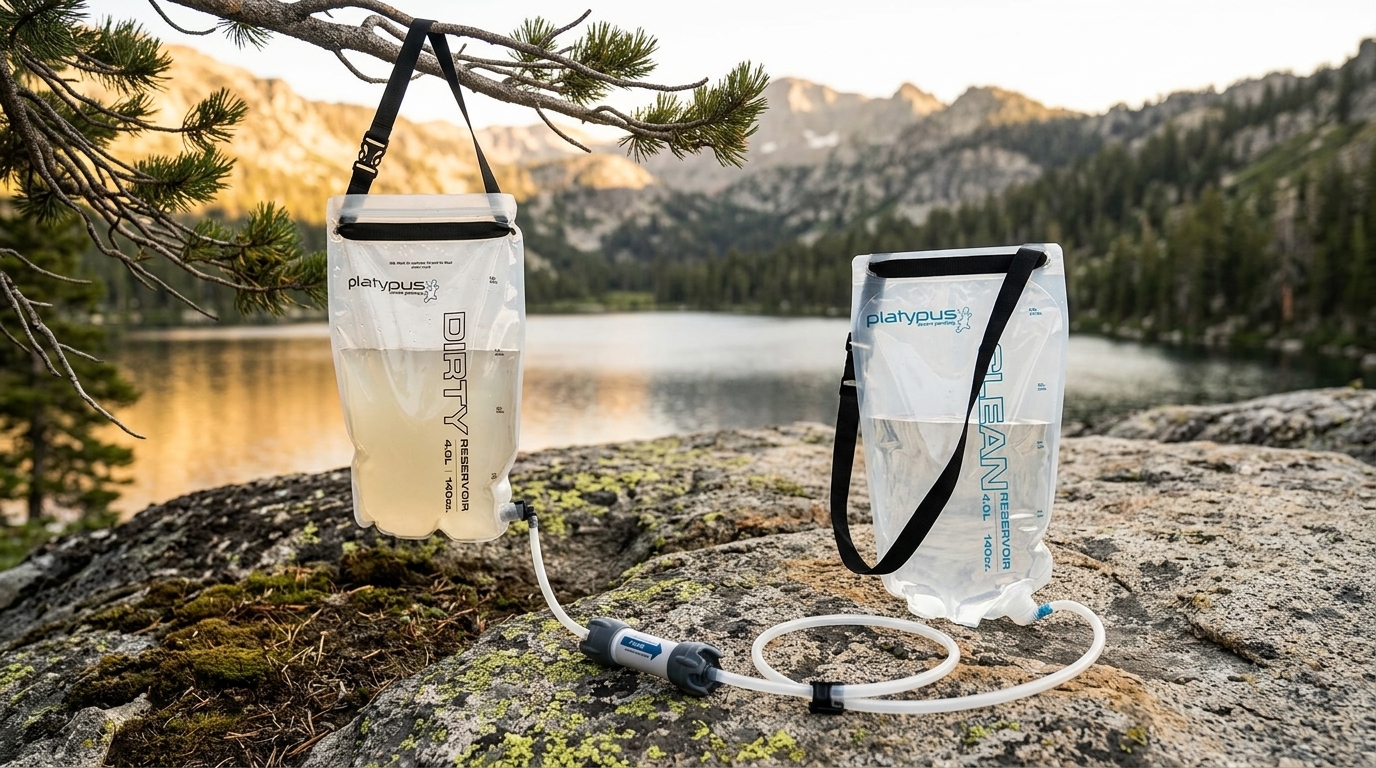
Platypus GravityWorks Group Camping Water Filter System Review
REVIEW
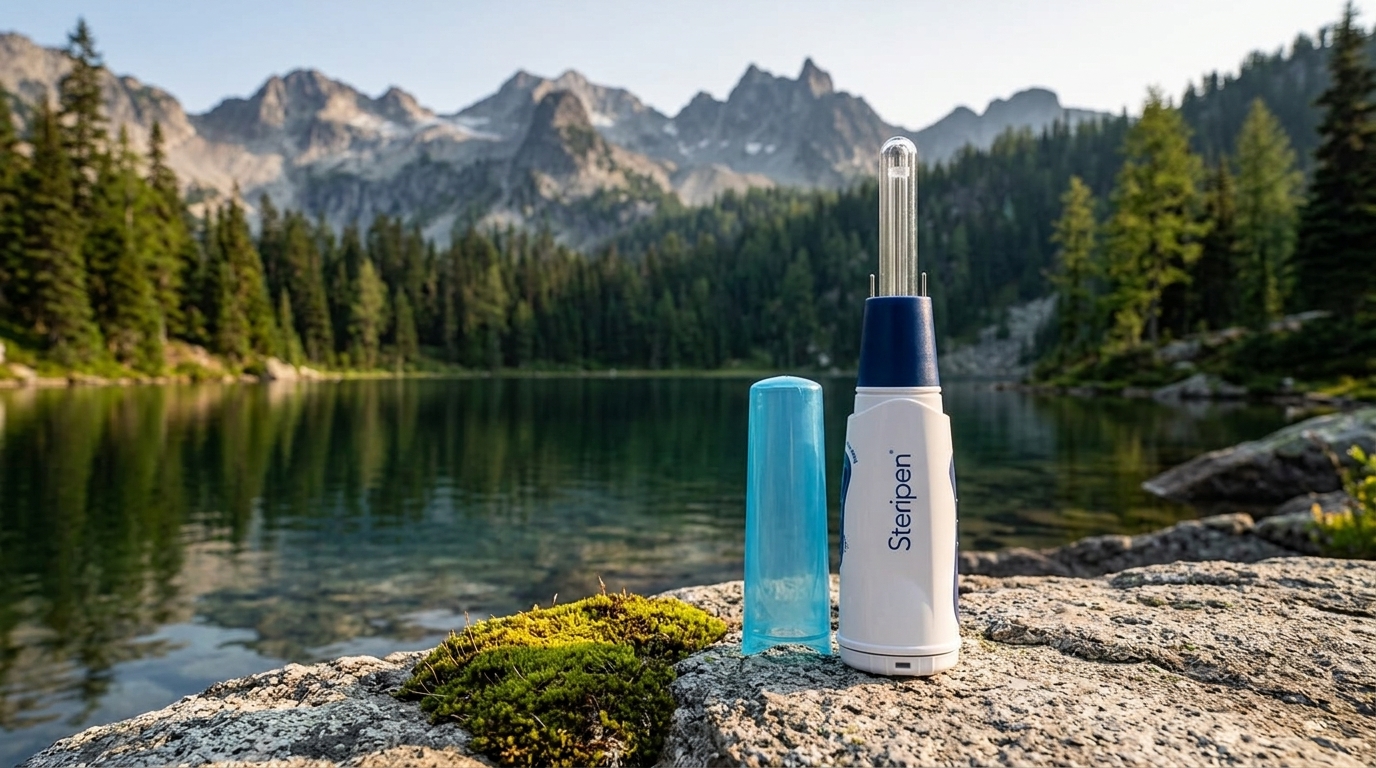
KATADYN Steripen Classic 3 UV Water Purifier Review: Battery-Powered Pathogen Control for Clear Water
REVIEW
Katadyn Hiker Microfilter Review: Pump-Action Reliability for Group Trips
REVIEW
MSR HyperFlow Microfilter Maintenance Kit Review
REVIEW