
Review · spring · summer · fall · winter
Petzl Swift LT Headlamp Review: 43-Gram Rechargeable with 380 Lumens
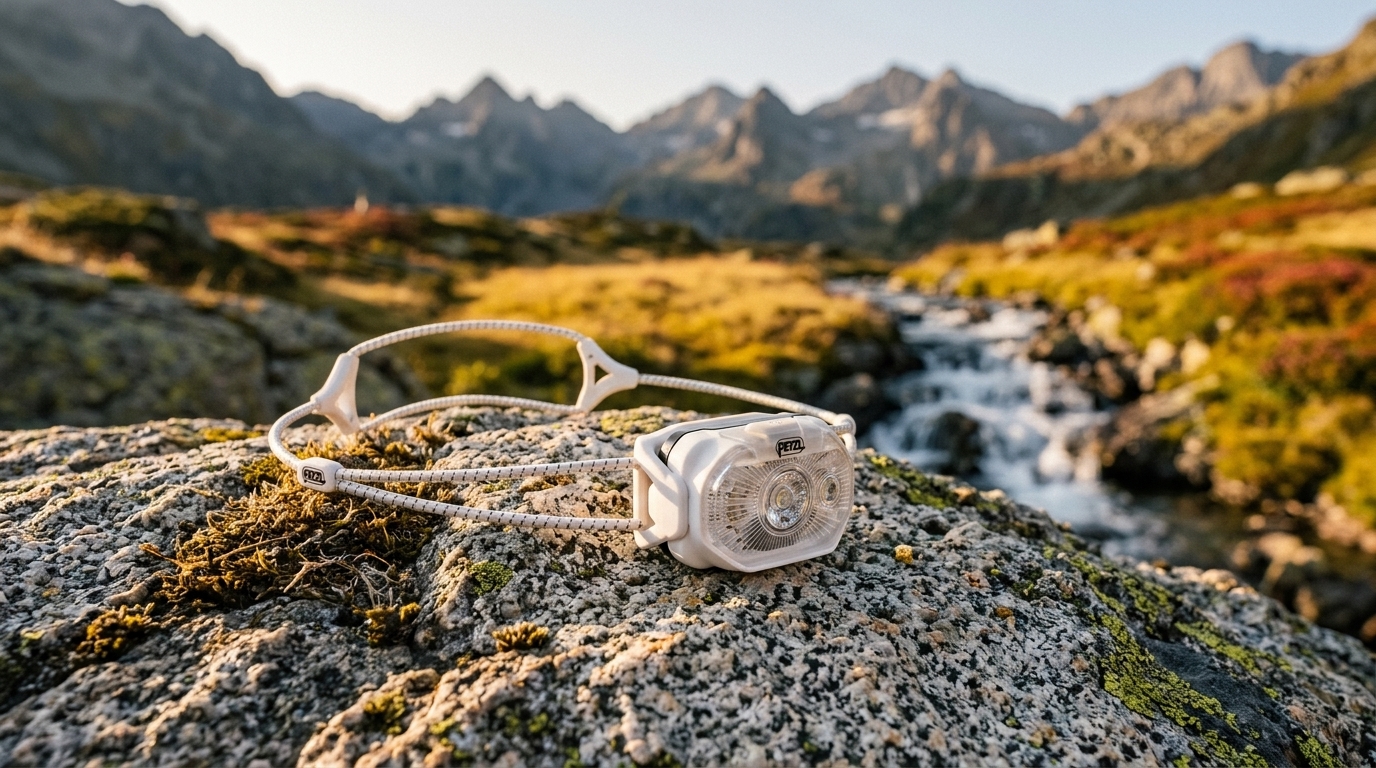
The Petzl Swift LT targets gram-counting fastpackers, ultralight backpackers, and alpine climbers who need meaningful output (380 lumens) without carrying a 100+ gram headlamp. At 43 g, it's one of the lightest rechargeable headlamps delivering this brightness, but you trade battery capacity for that weight savings—expect shorter burn times than heavier competitors. If you prioritize packability and weight over all-night runtime, the Swift LT delivers Petzl's typical build quality in a palm-sized package.
Disclosure: Four Seasons Gear is reader-supported. When you buy through links on our site, we may earn an affiliate commission at no extra cost to you. Prices and availability are accurate as of the time we last checked.
Construction and Materials
The Swift LT uses a compact ABS plastic housing with an integrated rechargeable lithium-ion battery. The headband is a minimalist elastic design with reflective threading woven throughout—functional for visibility when the lamp is off or stowed. Petzl rates the housing IPX4, meaning it handles rain and splashes but not submersion. The USB-C charging port sits behind a rubber cover on the rear battery compartment. At 43 g, the Swift LT achieves its weight by using a smaller battery cell and eliminating adjustable tilt mechanisms found on heavier Petzl models like the Actik Core (75 g). The LED assembly is fixed-angle, aimed slightly downward for trail use.
Specs
Intended Use and Performance Context
Petzl designed the Swift LT for fast-and-light missions where every gram matters: alpine starts, ultralight thru-hikes, fastpacking, and minimalist camping. The 380-lumen max output is sufficient for trail navigation, camp tasks, and short technical sections, though it won't match the throw or sustained brightness of larger headlamps like the Black Diamond Spot 400 (86 g, removable AAA batteries). The three white modes let you balance output and runtime—manufacturer specs aren't published for burn time at each level, but typical lithium-ion cells of this size (estimated 700–900 mAh based on weight and volume) suggest approximately 2–3 hours on high, 6–10 hours on medium, and 20+ hours on low (verify before purchase). The red mode preserves night vision and reduces glare in shared campsites.
CleverHiker's review noted the Swift LT's compact form factor makes it easy to stash in a jacket pocket or hip belt pocket, a practical advantage over bulkier rechargeable models. REI's product page highlights the USB-C charging as a convenience for users already carrying USB-C cables for phones or GPS devices like the Garmin inReach Mini 2 Satellite Communicator, reducing redundant charging gear.
Comparison Context: Where It Sits in the Category
The Swift LT occupies the ultralight rechargeable niche. At 43 g, it undercuts most rechargeable competitors: the Petzl Actik Core (75 g, 600 lumens, removable battery) offers more output and swappable power but weighs nearly double. The BioLite HeadLamp 330 (69 g, 330 lumens) is another rechargeable option with slightly less output and more weight. For gram counters willing to sacrifice rechargeability, the Nitecore NU25 (28 g, 360 lumens) is lighter still but uses a micro-USB port and has a reputation for shorter lifespan due to its non-replaceable battery and thinner construction.
Compared to disposable-battery ultralight options like the Petzl e+Lite (26 g, 50 lumens), the Swift LT provides dramatically more output at the cost of 17 g. For users who need both light weight and meaningful brightness, the Swift LT splits the difference effectively. It's not a basecamp workhorse—the Coleman Classic Propane Camping Stove offers a different tradeoff in the stove category, prioritizing capacity over weight, and the same logic applies here: if you're car camping or need all-night runtime, a heavier headlamp with removable batteries makes more sense.
Durability Considerations
The ABS housing is impact-resistant but not indestructible—drops onto rock are a risk for any ultralight headlamp. The IPX4 rating means the Swift LT handles rain and sweat but should not be submerged or exposed to high-pressure water (e.g., dunking in a stream). The integrated battery is non-removable, which simplifies the design but means the headlamp's lifespan is tied to the battery's charge cycle durability—lithium-ion cells typically retain 80% capacity after 300–500 cycles, translating to roughly 2–4 years of regular use before noticeable degradation. The USB-C port cover is a potential wear point; keep it clean and ensure it seals fully after charging to maintain water resistance.
The reflective headband is a nice touch for visibility, but elastic bands stretch over time with repeated use and sweat exposure. Petzl headbands are generally replaceable (check with Petzl for Swift LT compatibility), extending the product's usable life. The fixed-angle beam eliminates a common failure point (the tilt mechanism hinge) found on adjustable models, which should improve long-term reliability.
Value and Tradeoffs
At approximately $55 MSRP (check current price), the Swift LT sits in the mid-range for rechargeable headlamps. You're paying for Petzl's build quality, the 43 g weight, and the convenience of USB-C charging. The primary tradeoff is battery capacity: lighter weight means less runtime per charge. Users planning multi-day trips without resupply will need a backup power bank or a second headlamp, adding system weight back in. For weekend trips, fastpacking, or users already carrying USB power for other devices, the Swift LT's weight savings justify the shorter runtime.
The non-removable battery is a double-edged sword: it simplifies the design and saves weight, but you can't swap in fresh cells mid-trip like you can with the Black Diamond Spot or Petzl Actik Core. This makes the Swift LT less versatile for extended backcountry use without charging access.
What we like
Trade-offs
Best For and Not For
- Ultralight backpackers and thru-hikers counting every gram
- Fastpackers and trail runners needing compact, rechargeable lighting
- Alpine climbers prioritizing weight for pre-dawn starts
- Weekend campers with USB charging access who want minimal pack weight
- Users already carrying USB-C devices (GPS, phone, power bank) seeking charging simplicity
Not ideal for:
- Multi-day trips without resupply or charging access (short runtime per charge)
- Users needing all-night runtime for night hiking or extended camp tasks
- Cold-weather expeditions where battery performance degrades significantly
- Activities requiring adjustable beam angle for close-up or distance tasks
- Buyers prioritizing maximum output over weight (heavier models offer 500+ lumens)
Frequently Asked Questions
+What is the actual burn time on high and low modes?
Petzl does not publish specific burn times for the Swift LT's modes. Based on the 43 g weight and typical lithium-ion cell capacity for this size (estimated 700–900 mAh), expect approximately 2–3 hours on the 380-lumen high mode, 6–10 hours on medium, and 20+ hours on low. Verify with Petzl or independent testing before relying on these estimates for trip planning.
+Can I replace the battery when it degrades?
No, the Swift LT uses an integrated non-removable lithium-ion battery. When the battery reaches end-of-life (typically after 300–500 charge cycles or 2–4 years of regular use), the entire headlamp must be replaced or sent to Petzl for service (contact Petzl for repair options).
+How does the Swift LT compare to the Petzl Actik Core?
The Actik Core weighs 75 g (32 g heavier), outputs 600 lumens (220 more), and uses a removable rechargeable battery that can be swapped with AAA batteries as a backup. The Swift LT prioritizes weight savings and compactness over output and runtime flexibility. Choose the Swift LT for ultralight missions; choose the Actik Core for longer trips or when you need more brightness.
+Is the IPX4 rating sufficient for backpacking in rain?
Yes, IPX4 handles rain, drizzle, and splashes from any direction. It's adequate for typical trail use in wet weather. However, IPX4 does not protect against submersion or high-pressure water jets—don't dunk the Swift LT in a stream or leave it exposed to heavy downpours for extended periods without additional protection.
+Does the red light mode help preserve night vision?
Yes, red light preserves night-adapted vision better than white light, making it useful for checking maps, organizing gear, or moving around camp without disrupting your or others' night vision. The red mode also reduces glare for tentmates in shared shelters.
+Can I charge the Swift LT with a portable power bank?
Yes, the USB-C port accepts standard USB power sources, including portable power banks. This is convenient for multi-day trips where you're already carrying a power bank for a phone, GPS watch, or satellite communicator like the Garmin inReach Mini 2 Satellite Communicator.

Read next
More from this category
REVIEW
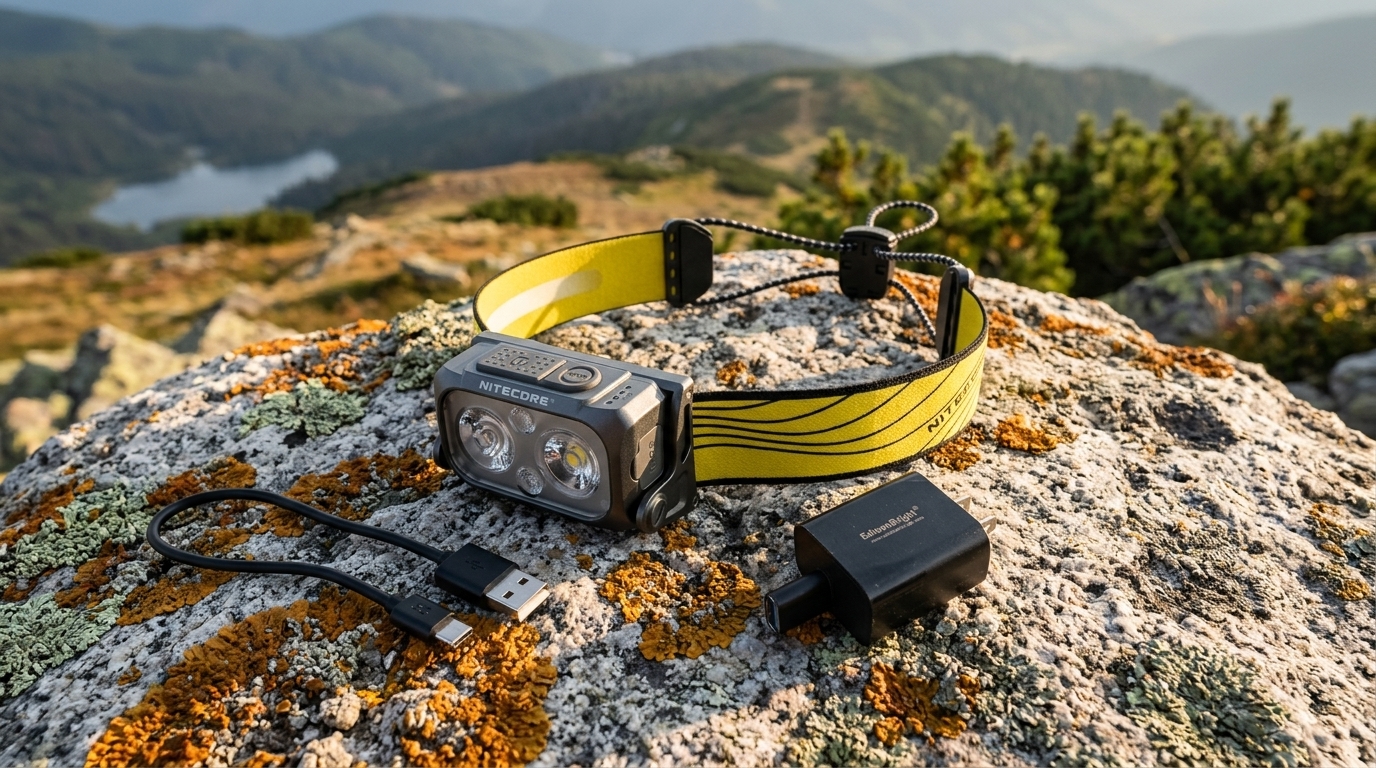
Nitecore NU25 400 USB-C Rechargeable Headlamp Review
REVIEW
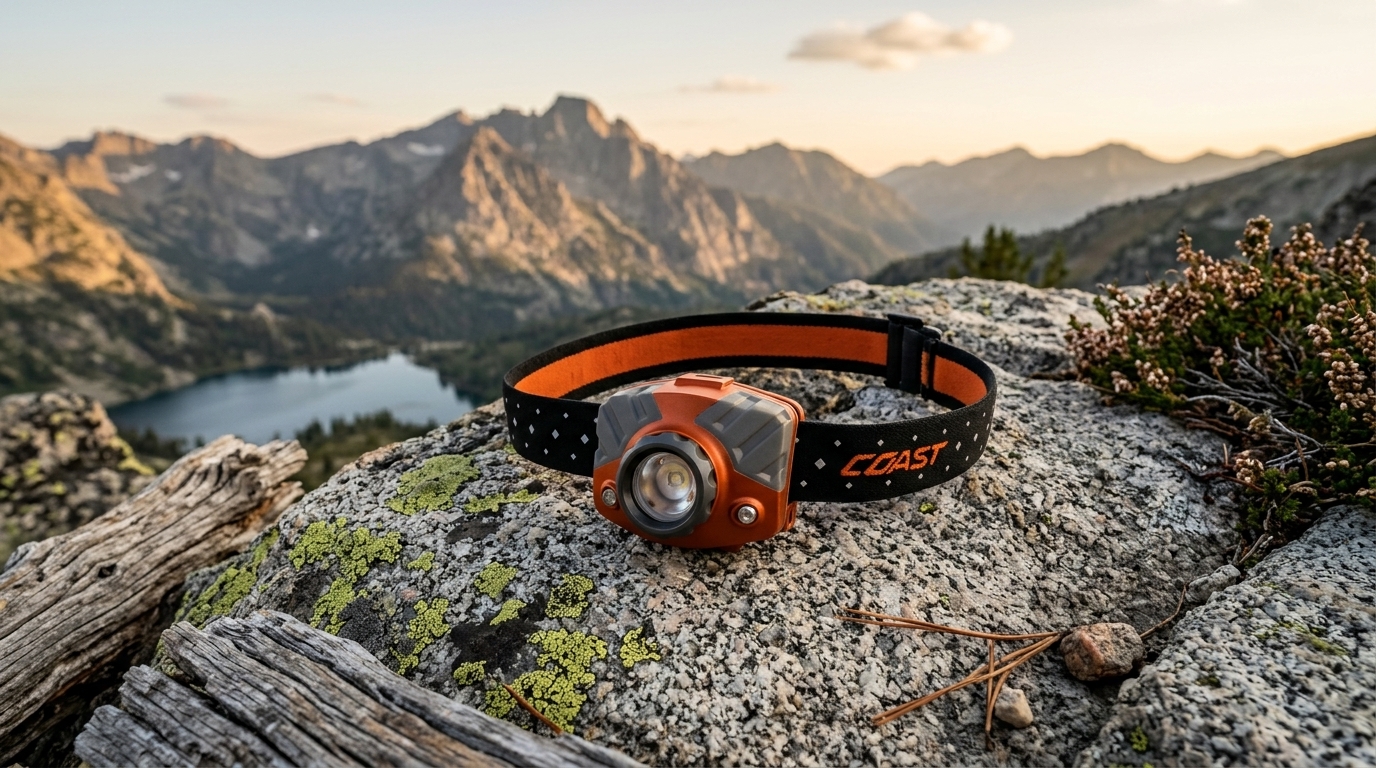
Coast FL75R Rechargeable Headlamp Review: 530 Lumens with Dual-Power Flexibility
REVIEW
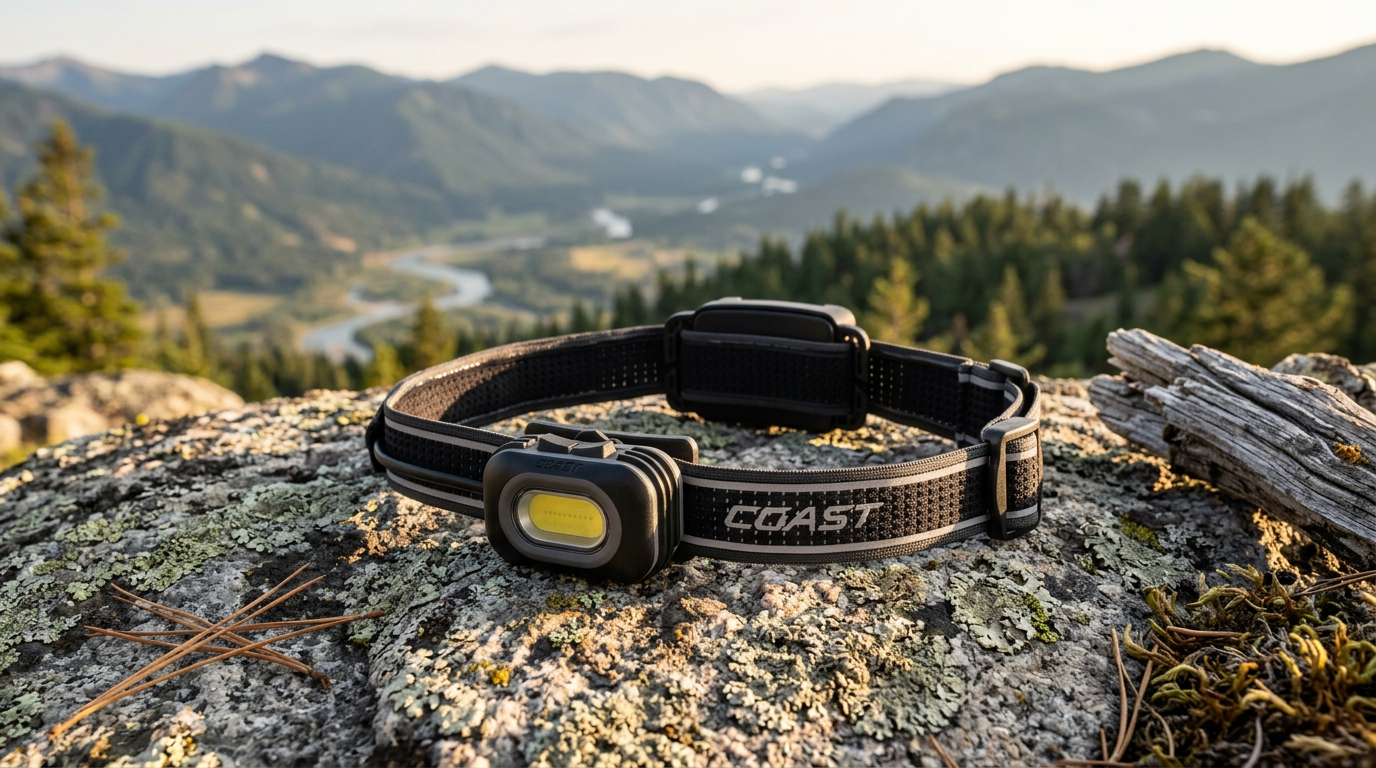
Coast RL10R 750 Lumen Rechargeable LED Headlamp with Variable Light Control and Rear Safety Signal
REVIEW
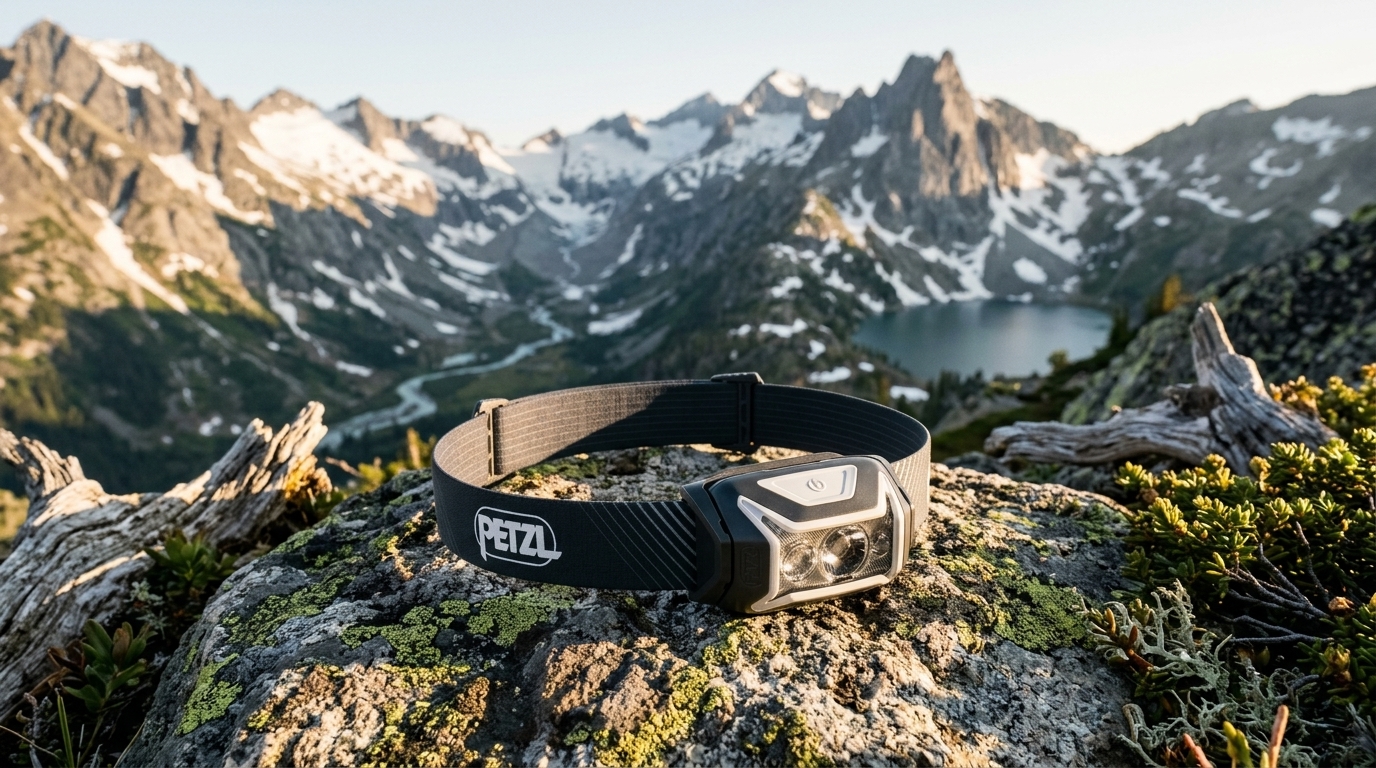
PETZL ACTIK CORE Rechargeable Headlamp Review: 600-Lumen Hybrid for Year-Round Use
REVIEW
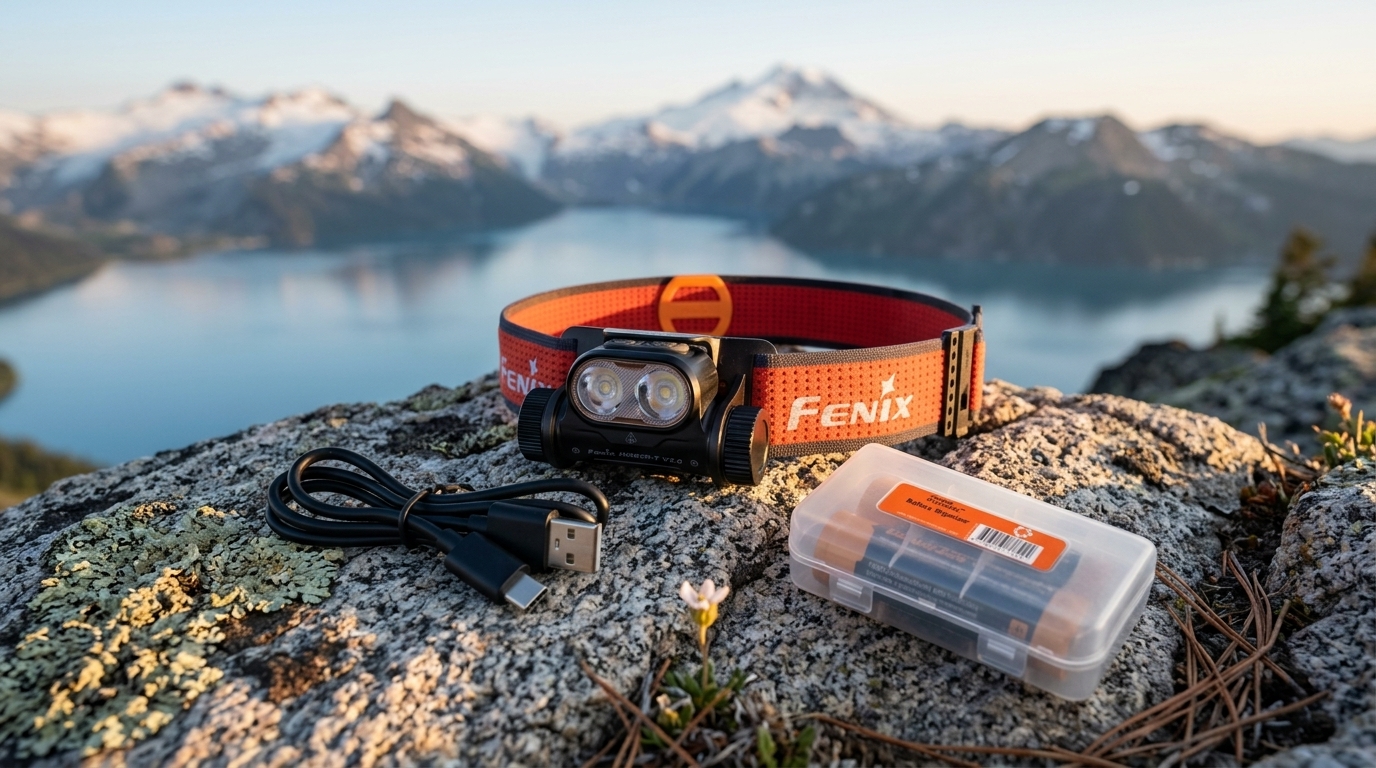
Fenix HM65R-T V2.0 Running Headlamp Review
REVIEW