
Review · spring · summer · fall · winter
Fenix HM65R-T V2.0 Running Headlamp Review
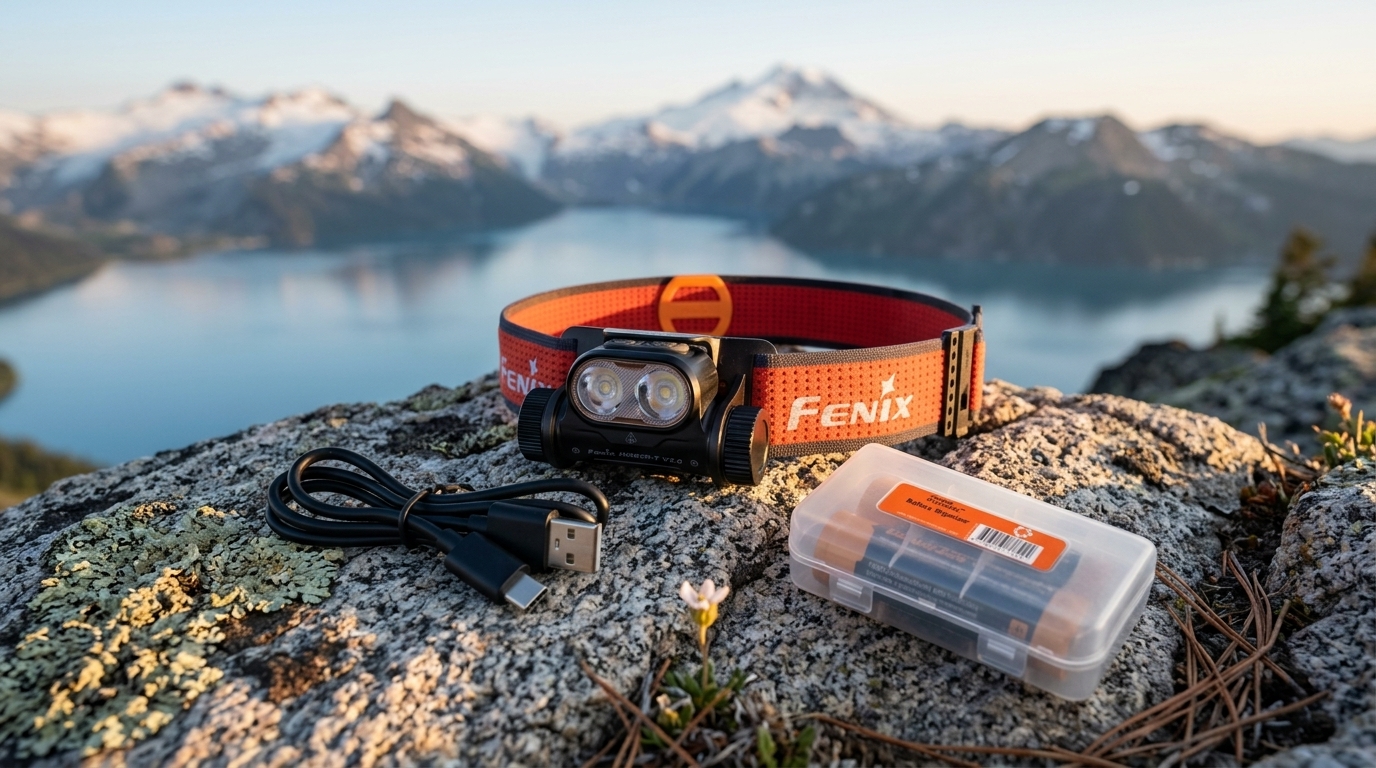
The Fenix HM65R-T V2.0 is a high-output running headlamp designed for trail runners who need both distance visibility and close-range comfort. Its dual-beam system—1600 lumens of white light paired with warm white—addresses the specific challenge of maintaining depth perception and reducing glare in variable conditions. The magnesium alloy frame keeps weight competitive while the USB-C rechargeable battery eliminates disposable cell logistics. This is a purpose-built tool for fast-moving night efforts where a bouncing beam, extended runtime, and quick single-hand adjustments matter more than ultralight minimalism.
Disclosure: Four Seasons Gear is reader-supported. When you buy through links on our site, we may earn an affiliate commission at no extra cost to you. Prices and availability are accurate as of the time we last checked.
Specifications
Specs
Dual-Beam System and Output
The defining feature here is the dual-beam architecture: a white LED for distance visibility (1600 lumens max, 185-yard throw) and a warm white LED for close-range work and reduced eye strain in fog or rain. Trail runners often toggle between these modes—white light for scanning the trail ahead at speed, warm white for navigating technical sections where glare off moisture or vegetation disrupts depth perception. The manufacturer doesn't publish candela or beam profile data, but 185 yards of throw suggests a moderately focused hotspot suitable for sustained running pace on singletrack.
Fenix rates the maximum runtime at 600+ hours, which corresponds to the lowest output mode (likely under 10 lumens). Real-world trail running typically demands 200–600 lumens for 2–6 hours depending on terrain and pace. The built-in rechargeable battery eliminates the need to carry spare AAA or 18650 cells, but it also means you can't hot-swap batteries mid-run—plan charging logistics accordingly for multi-day efforts or races without crew access.
Construction and Weight
The magnesium alloy frame is the structural differentiator. Fenix claims it's 30% lighter than aluminum while maintaining equivalent durability—a meaningful reduction for a head-mounted light where every gram contributes to neck fatigue over hours of vertical gain. The manufacturer doesn't publish an exact weight, but magnesium-framed running headlamps in this output class typically land between 110 and 130 grams with battery. That's heavier than minimalist 50-gram models (which sacrifice output and runtime) but lighter than many 200+ lumen dual-beam designs that use aluminum or polycarbonate housings.
The IP68 rating indicates submersion resistance beyond 1 meter for 30+ minutes—overkill for trail running but useful insurance against stream crossings, downpours, and the occasional pack-dump into a creek. The 2-meter impact resistance spec suggests the housing can survive a head-height tumble onto rock or hardpack, though magnesium alloy can develop surface oxidation if the anodization is compromised by repeated abrasion.
Fit System and Wearing Comfort
Fenix highlights the SPORT fit system—a two-way fastener that allows single-hand adjustment while running. This addresses a common frustration: headlamps that require two hands to tighten or that loosen progressively during descents. The wide, reflective headband distributes pressure across a larger surface area, reducing hotspots during long efforts. Reflectivity is a secondary safety feature for road sections or aid stations where vehicle traffic is present.
The manufacturer doesn't specify headband width or elasticity modulus, but wide bands (30+ mm) generally reduce bounce compared to narrow straps. Bounce control matters more in trail running than hiking—each footstrike transmits vertical acceleration to the headlamp, and a poorly damped system creates a strobing effect that disrupts depth perception and accelerates fatigue.
Comparison Context
The HM65R-T V2.0 sits in the high-output running headlamp segment, competing with models like the Petzl NAO+ (750 lumens, reactive lighting, 135 g) and the Black Diamond Sprinter 500 (500 lumens, rear red LED, 95 g). The Fenix offers higher peak output and longer throw than the Sprinter but weighs more. Against the NAO+, the Fenix trades reactive dimming for dual-beam color temperature control—a different approach to managing glare and battery life.
For ultrarunners who also navigate with GPS, pairing this headlamp with the Garmin Instinct 2 Solar GPS Watch provides complementary night-navigation capability—the watch handles route tracking while the headlamp handles illumination. The magnesium frame and IP68 rating also make this headlamp suitable for alpine starts on climbing objectives where a single light needs to handle both the approach and the technical sections.
Durability Considerations
Magnesium alloy offers excellent strength-to-weight but requires anodization or coating to prevent oxidation. Fenix doesn't specify the surface treatment, but any scratches or chips that penetrate the coating can initiate corrosion in humid or saline environments. The IP68 seal protects internal electronics from moisture ingress, but the USB-C port cover is a common failure point on rechargeable headlamps—repeated opening/closing degrades the rubber gasket, eventually compromising the waterproof rating.
The built-in battery is a long-term durability trade-off. Lithium-ion cells degrade with charge cycles (typically 300–500 cycles to 80% capacity), and a non-replaceable battery means the headlamp's useful life is capped by battery chemistry rather than LED or housing longevity. Fenix doesn't publish cycle life data, but users should expect 2–4 years of regular use before runtime noticeably degrades.
Value and Use Case
At $104.95, the HM65R-T V2.0 is priced in the mid-to-high range for running headlamps. The dual-beam system and magnesium frame justify the premium over single-beam models in the $60–80 range, but this is not a budget option. The value proposition depends on how often you run in conditions where warm white light provides a tangible advantage—foggy coastal trails, humid forests, or rainy alpine approaches. If you primarily run in dry, clear conditions, a simpler single-beam headlamp may suffice.
The included organizer (a storage case) is a minor convenience feature—it protects the headlamp during transport and prevents the power button from accidentally activating inside a pack. This is more useful for travel to races or multi-day trips than for local training runs.
Pros and Cons
What we like
Trade-offs
Frequently Asked Questions
+Can I replace the battery when it degrades?
No. The Fenix HM65R-T V2.0 uses a built-in rechargeable battery that is not user-replaceable. Lithium-ion cells typically degrade to 80% capacity after 300–500 charge cycles, which translates to 2–4 years of regular use. After that point, runtime will noticeably decrease, and the headlamp will eventually need replacement.
+How long does the battery last at typical trail running brightness?
The manufacturer's 600+ hour claim applies only to the lowest output mode (under 10 lumens). At 200–600 lumens—the range most trail runners use—expect 2–6 hours of runtime depending on mode selection and terrain. Plan to recharge after each long run or carry a USB power bank for multi-day efforts.
+When should I use warm white instead of white light?
Warm white reduces glare and improves depth perception in fog, rain, or humid forest environments where moisture droplets reflect white light back into your eyes. Use white light for dry, clear conditions where maximum distance visibility matters. Many runners toggle between modes as conditions change during a single run.
+Is the magnesium frame more fragile than aluminum?
No. Fenix claims the magnesium alloy frame is as durable as aluminum while being 30% lighter. The 2-meter impact resistance spec suggests it can survive typical trail-running falls. However, magnesium requires a protective coating (anodization) to prevent oxidation—any scratches that penetrate this coating can initiate corrosion in humid or saline environments.
+Will this headlamp work for activities other than trail running?
Yes. The high output (1600 lumens), long throw (185 yards), and IP68 waterproofing make this suitable for backpacking, camping, alpine climbing approaches, and any activity requiring hands-free illumination in variable conditions. The wide headband and magnesium frame are optimized for running but don't compromise utility for other uses.
The Bottom Line
The Fenix HM65R-T V2.0 is a well-engineered running headlamp for athletes who prioritize output, throw, and dual-beam versatility over absolute weight minimalism. The magnesium frame delivers a favorable strength-to-weight ratio, and the USB-C rechargeable battery simplifies logistics for regular training. The dual-beam system is the key differentiator—if you frequently run in fog, rain, or humid forests where glare disrupts depth perception, the warm white mode provides a tangible advantage. If you primarily run in dry, clear conditions, simpler single-beam models may offer better value. The non-replaceable battery is the long-term limitation, but for runners who upgrade gear every 2–4 years, this is a capable tool for fast-moving night efforts across all four seasons.

Read next
More from this category
REVIEW
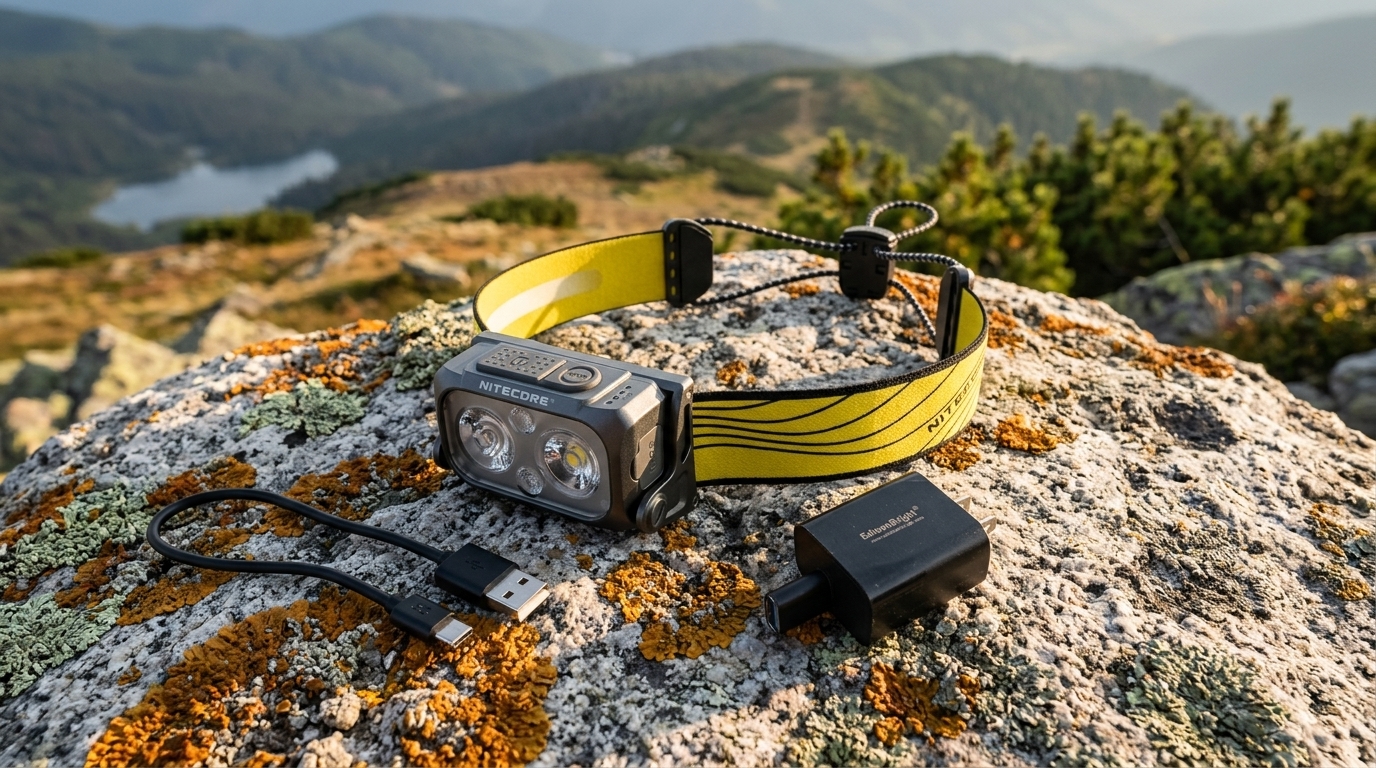
Nitecore NU25 400 USB-C Rechargeable Headlamp Review
REVIEW
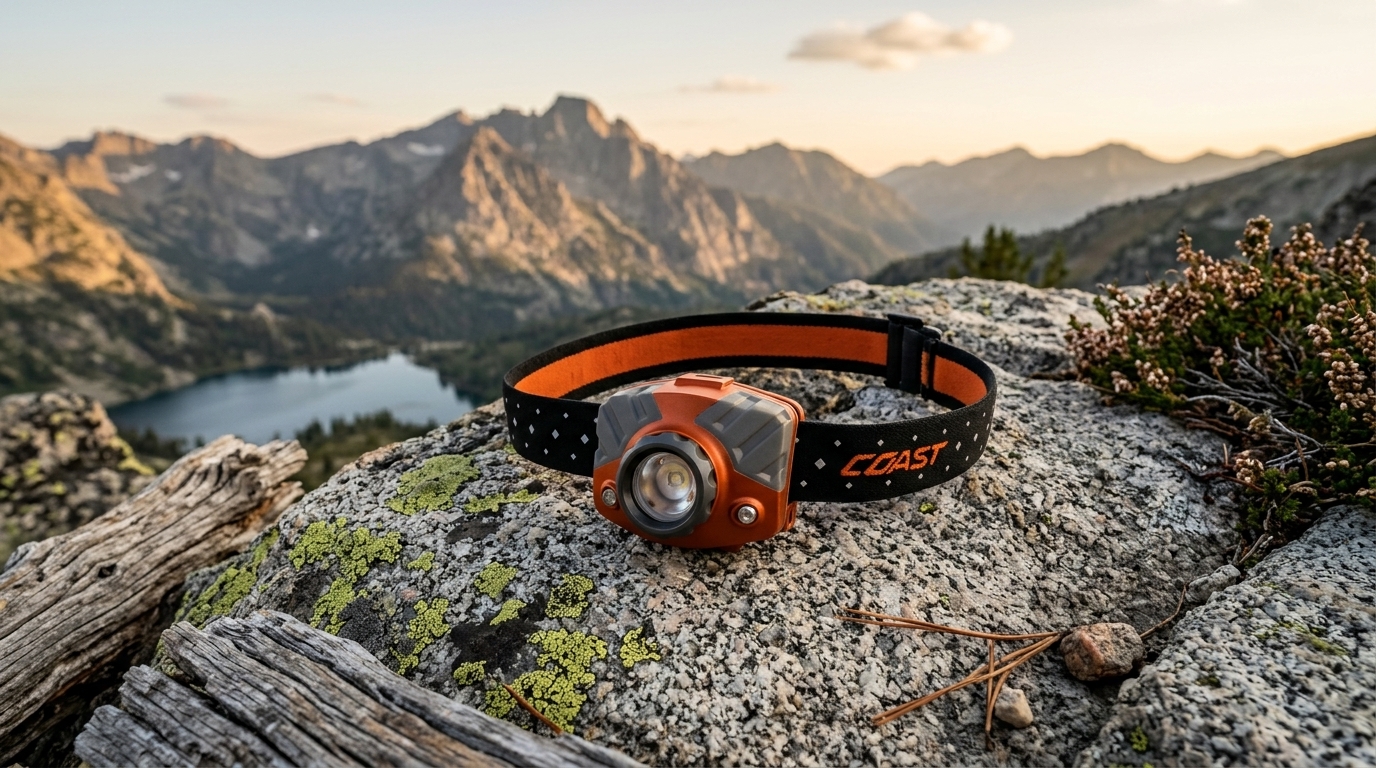
Coast FL75R Rechargeable Headlamp Review: 530 Lumens with Dual-Power Flexibility
REVIEW
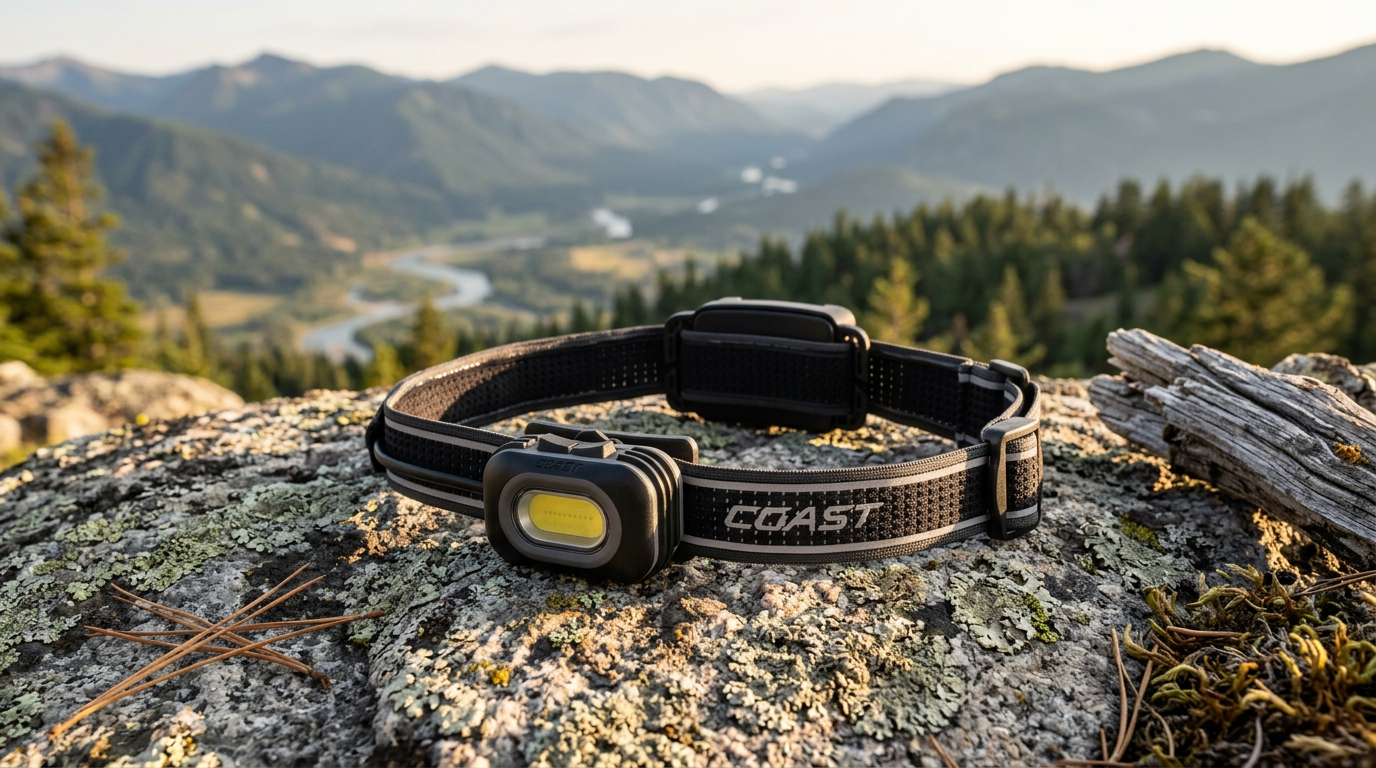
Coast RL10R 750 Lumen Rechargeable LED Headlamp with Variable Light Control and Rear Safety Signal
REVIEW
PETZL ACTIK CORE Rechargeable Headlamp Review: 600-Lumen Hybrid for Year-Round Use
REVIEW
Petzl Swift LT Headlamp Review: 43-Gram Rechargeable with 380 Lumens
REVIEW