
Review · spring · summer · fall
FROGG TOGGS Men's Ultra-Lite2 Rain Suit Review: Budget Emergency Rain Protection
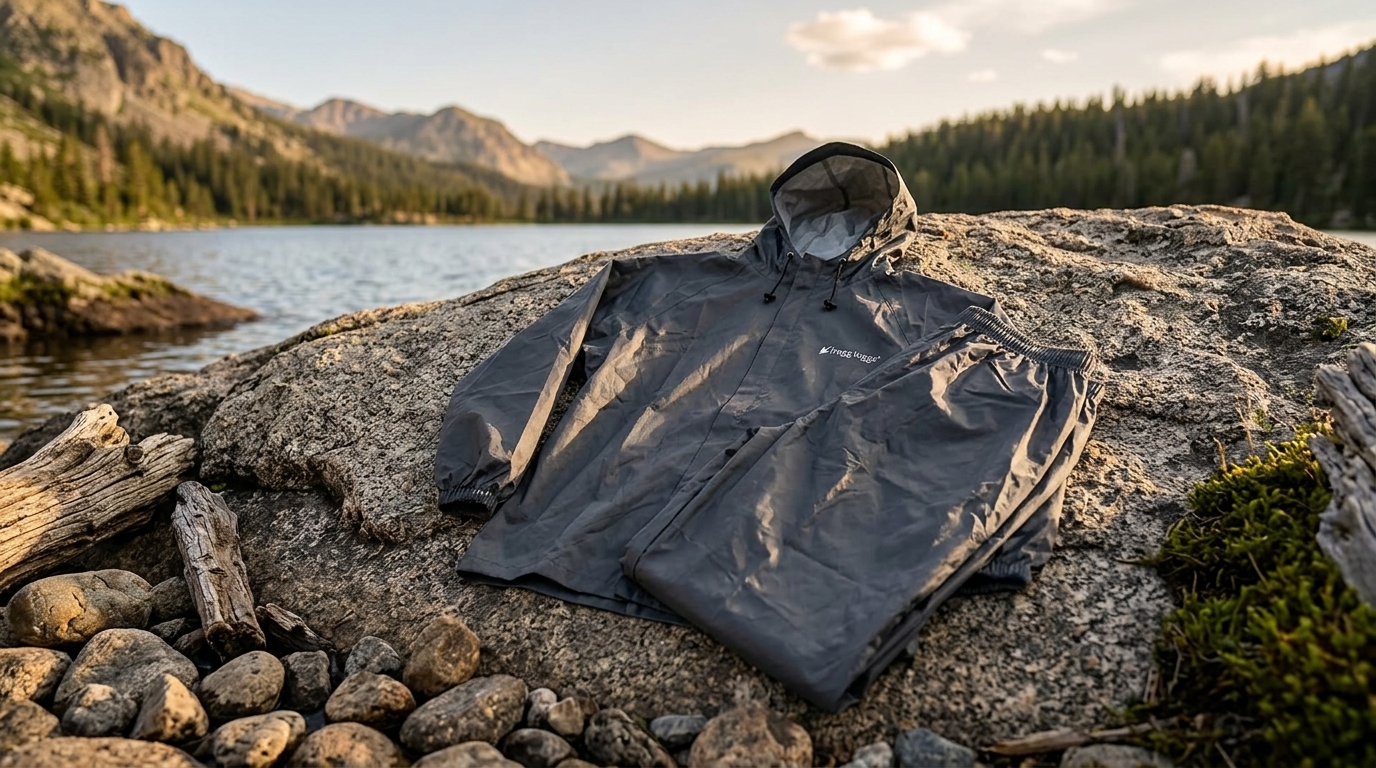
The FROGG TOGGS Ultra-Lite2 is a sub-$30 emergency rain suit built for occasional downpours, not extended backcountry use. Its non-woven polypropylene fabric delivers ASTM F1695-rated waterproofing at approximately 13 oz for the jacket-and-pant set, making it one of the lightest and most affordable full rain suits available. This is strictly a fair-weather insurance policy: acceptable for day hikes, stadium seats, or golf bag stowage, but not for bushwhacking, multi-day trips, or any scenario involving abrasion or repeated packing cycles.
Disclosure: Four Seasons Gear is reader-supported. When you buy through links on our site, we may earn an affiliate commission at no extra cost to you. Prices and availability are accurate as of the time we last checked.
Construction and Materials
The Ultra-Lite2 uses FROGG TOGGS' proprietary non-woven polypropylene laminate—a 2-layer construction that achieves waterproofing without a traditional coated nylon shell. The manufacturer rates this fabric to ASTM F1695 standards for liquid barrier performance, the same spec used for surgical gowns. Unlike coated fabrics that rely on a DWR finish over woven nylon, the polypropylene material is inherently hydrophobic, so there's no finish to wear off over time. The tradeoff: non-woven fabrics lack the tear strength and abrasion resistance of ripstop nylon. Sharp branches, pack hip belts, and repeated stuffing into the included stuff sack all accelerate fabric failure.
The jacket features a full-length front zipper with a storm flap, an adjustable hood with cord locks, and elastic cuffs. The pant uses an elastic waistband and straight-leg cut with no ankle zippers or gaiters. Both pieces compress into a single stuff sack roughly the size of a grapefruit. Total weight for the suit is approximately 13 oz (370 g) across men's sizes, though the manufacturer doesn't publish size-specific weights. For context, a typical coated-nylon rain jacket alone weighs 8–12 oz, making this jacket-and-pant combination exceptionally light for the coverage.
Specs
Intended Use and Performance Context
FROGG TOGGS explicitly markets the Ultra-Lite2 for "light use when reliable waterproof protection is necessary" and cautions against "rugged use, wandering through brambles or areas where sharp objects could tear." This positions the suit squarely in the emergency-backup category: acceptable for a surprise thunderstorm on a day hike, a wet fishing trip, or spectator duty at a youth soccer game, but not for sustained trail miles or off-trail scrambling. Section Hiker's review of the related Xtreme Lite jacket noted the fabric's vulnerability to pack straps and branch snags, a concern that applies equally to the Ultra-Lite2's thinner construction.
Breathability is a known limitation. The manufacturer claims the microporous polypropylene allows vapor transmission, but doesn't publish an MVTR (moisture vapor transmission rate). In practice, expect condensation during aerobic activity—this is a waterproof shell, not a breathable softshell. Pit zips are absent, so ventilation relies on unzipping the front or rolling up sleeves. For low-exertion activities (fishing, car camping, short walks), internal moisture is manageable. For sustained hiking with a loaded pack, you'll likely end up damp from sweat rather than rain.
Durability Considerations
Non-woven polypropylene is fundamentally less durable than woven nylon. The fabric doesn't rip along a grain (because there's no weave), but it tears easily once punctured. Seams are taped rather than sewn-and-sealed, which keeps water out but provides minimal reinforcement. The elastic cuffs and waistband are the most likely failure points after 10–20 uses, as the elastic degrades faster than the shell fabric. FROGG TOGGS includes a stuff sack, but repeatedly cramming the suit into a small volume accelerates creasing and eventual delamination at fold lines.
Realistic lifespan depends on use frequency and care. Stored flat in a gear closet and deployed 3–5 times per season for short outings, the suit should last 2–3 years. Used weekly for fishing or worn under a pack with hip belt friction, expect 6–12 months before tears or delamination compromise waterproofing. At $23, this translates to roughly $0.50–$2 per outing—acceptable economics for emergency rain gear, poor value for a primary shell.
Comparison Context
The Ultra-Lite2 occupies the extreme budget end of the rain-suit spectrum. A Marmot PreCip Eco jacket alone costs $100 and weighs 10 oz, offering superior breathability (10,000 mm/10,000 g MVTR) and abrasion resistance, but no pant. A full 2-piece suit from brands like Outdoor Research or REI Co-op typically runs $150–$250 with 2.5-layer or 3-layer Gore-Tex or proprietary membranes. The FROGG TOGGS undercuts all of these by 75–90% while adding a pant, but sacrifices durability, breathability, and packability (the stuff sack is bulkier than a compressible nylon shell).
For ultralight backpackers, the weight-to-cost ratio is compelling: 13 oz for jacket and pant is lighter than most standalone rain jackets. However, the bulk and fragility make it a poor choice for thru-hikers or anyone planning to wear rain gear frequently. The suit makes more sense as a car-camping or day-hiking backup—something you hope not to use, but carry for peace of mind. In that role, it competes favorably with disposable ponchos (heavier, less coverage) or no rain gear at all (risky in shoulder seasons).
Value Proposition
At $22.74, the Ultra-Lite2 delivers exceptional value for its intended use case. No other jacket-and-pant combination approaches this price point with legitimate waterproofing. The ASTM F1695 rating isn't marketing fluff—it's a measurable standard for liquid barrier performance. For anglers who need rain protection a few times per season, parents keeping emergency gear in the car, or budget-conscious hikers building a starter kit, the economics are hard to argue with. You're buying disposable-grade protection at a disposable price, and FROGG TOGGS doesn't pretend otherwise.
The value calculation shifts if you need rain gear more than occasionally. A $100 jacket with a 5-year lifespan costs $20 per year; the Ultra-Lite2 at $23 with a 1-year lifespan costs $23 per year, with the added hassle of replacement. For serious backpackers or year-round hikers, investing in a durable shell makes financial sense. For everyone else, the Ultra-Lite2 is a rational choice: lightweight, waterproof, and cheap enough to replace without regret when it eventually fails.
What we like
Trade-offs
Frequently Asked Questions
+How does the Ultra-Lite2 sizing run?
FROGG TOGGS recommends ordering your normal size for a loose fit over layers. The elastic waist on the pant accommodates a range of waist sizes within each size bracket. The jacket's elastic cuffs and adjustable hood provide some fit flexibility, but the torso runs generous—size down if you prefer a trim fit or plan to wear it over a t-shirt only. The manufacturer doesn't publish detailed size charts with chest/waist measurements, so verify dimensions before purchasing if fit is critical.
+Can I use this for backpacking?
Only as emergency backup gear, not as a primary rain shell. The non-woven fabric doesn't tolerate friction from pack hip belts, shoulder straps, or repeated stuffing into a pack's lid pocket. If you're caught in a sudden storm on a day hike, the Ultra-Lite2 will keep you dry for a few hours. For multi-day trips or thru-hiking, invest in a more durable shell with better breathability and abrasion resistance. Section Hiker's review of the related Xtreme Lite jacket flagged similar durability concerns for extended backcountry use.
+How do I care for and store the suit?
Rinse with cold water after use to remove dirt and salt (especially important for fishing applications). Air-dry completely before storing—trapped moisture accelerates delamination. Store flat or loosely rolled, not compressed in the stuff sack for months at a time. Avoid washing machines and dryers; the agitation and heat damage the non-woven laminate. With proper care, expect 2–3 seasons of occasional use. Once the fabric develops tears or the seams start leaking, replace the suit—field repairs with tape are temporary at best.
+Is the Ultra-Lite2 breathable enough for hiking?
Marginally, for low-intensity hiking in cool conditions. The microporous polypropylene allows some vapor transmission, but far less than coated-nylon shells with published MVTR ratings (typically 10,000–20,000 g/m²/24hr). Expect condensation on the inside during aerobic activity. For stop-and-go hiking (frequent breaks, moderate pace), internal moisture is tolerable. For sustained climbs or warm-weather use, you'll likely prefer getting wet from sweat rather than rain. The lack of pit zips limits ventilation options—your only recourse is unzipping the front or removing the jacket entirely.
The Bottom Line
The FROGG TOGGS Ultra-Lite2 is emergency rain protection distilled to its essentials: waterproof, lightweight, and inexpensive. It won't survive a season of hard use, won't breathe well during exertion, and won't tolerate bushwhacking or pack abrasion. But for anglers, car campers, day hikers, and anyone needing occasional rain coverage on a tight budget, it delivers legitimate ASTM-rated waterproofing at a price point that makes replacement painless. Know its limits, use it within them, and the Ultra-Lite2 is a rational addition to your gear closet or vehicle emergency kit.

Read next
More from this category
REVIEW
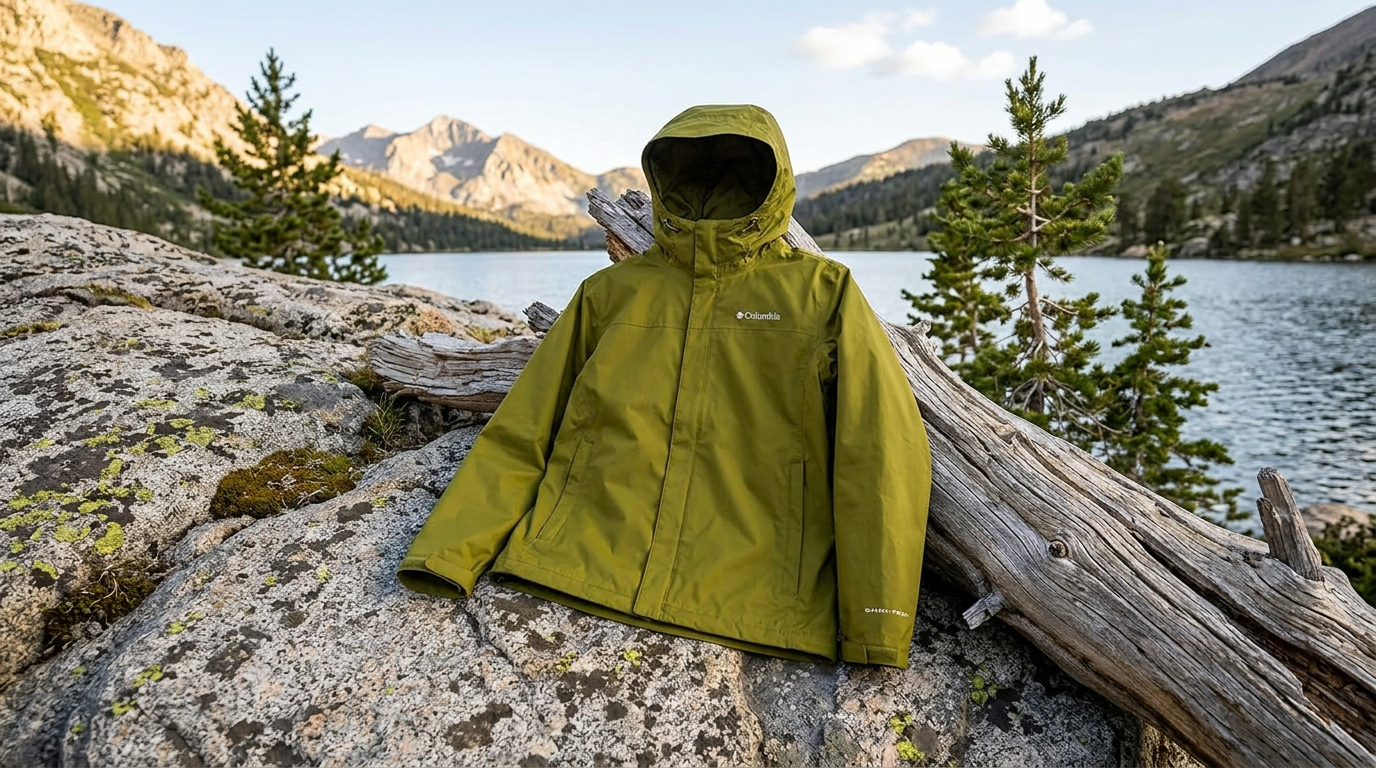
Columbia Men's Watertight II Waterproof Rain Jacket Review
REVIEW
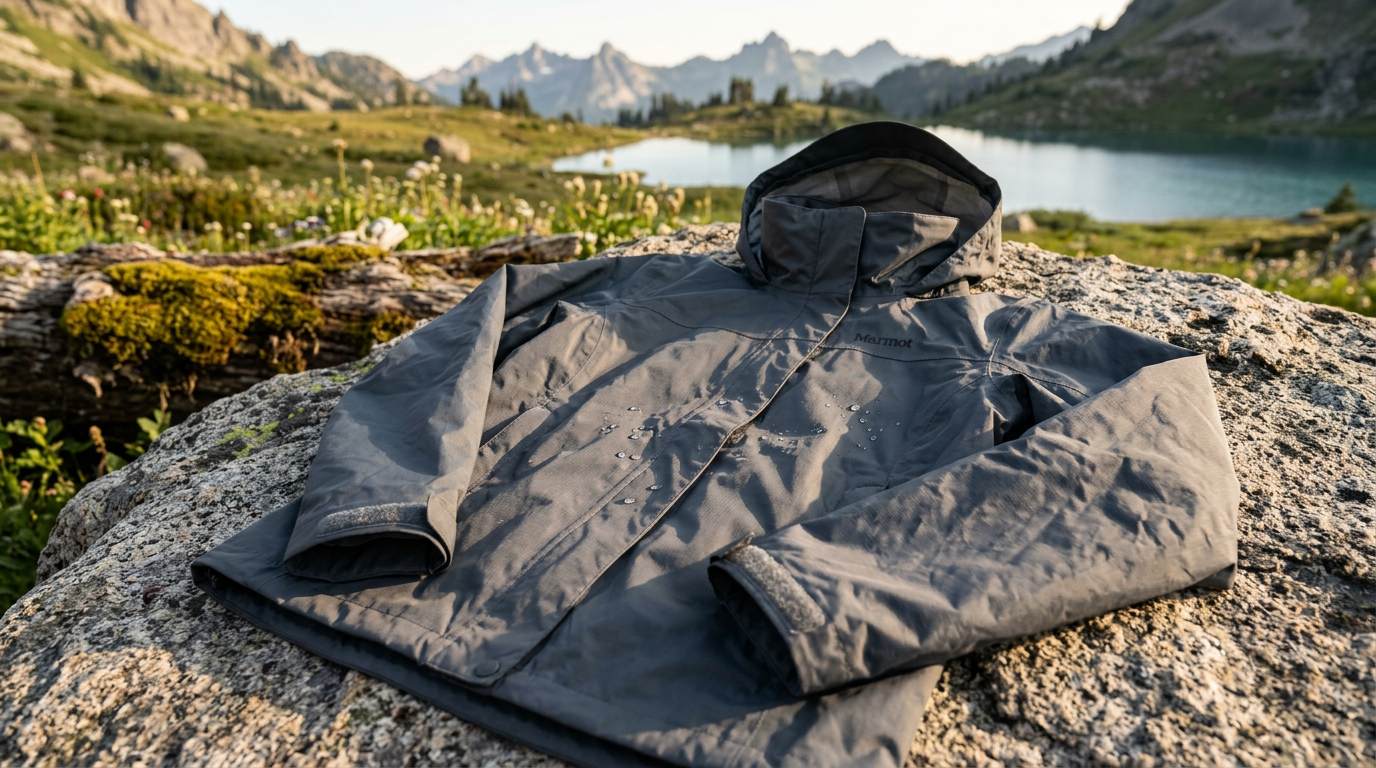
Marmot Women's Precip Eco Rain Jacket Review: Budget-Friendly 2.5-Layer Shell
REVIEW
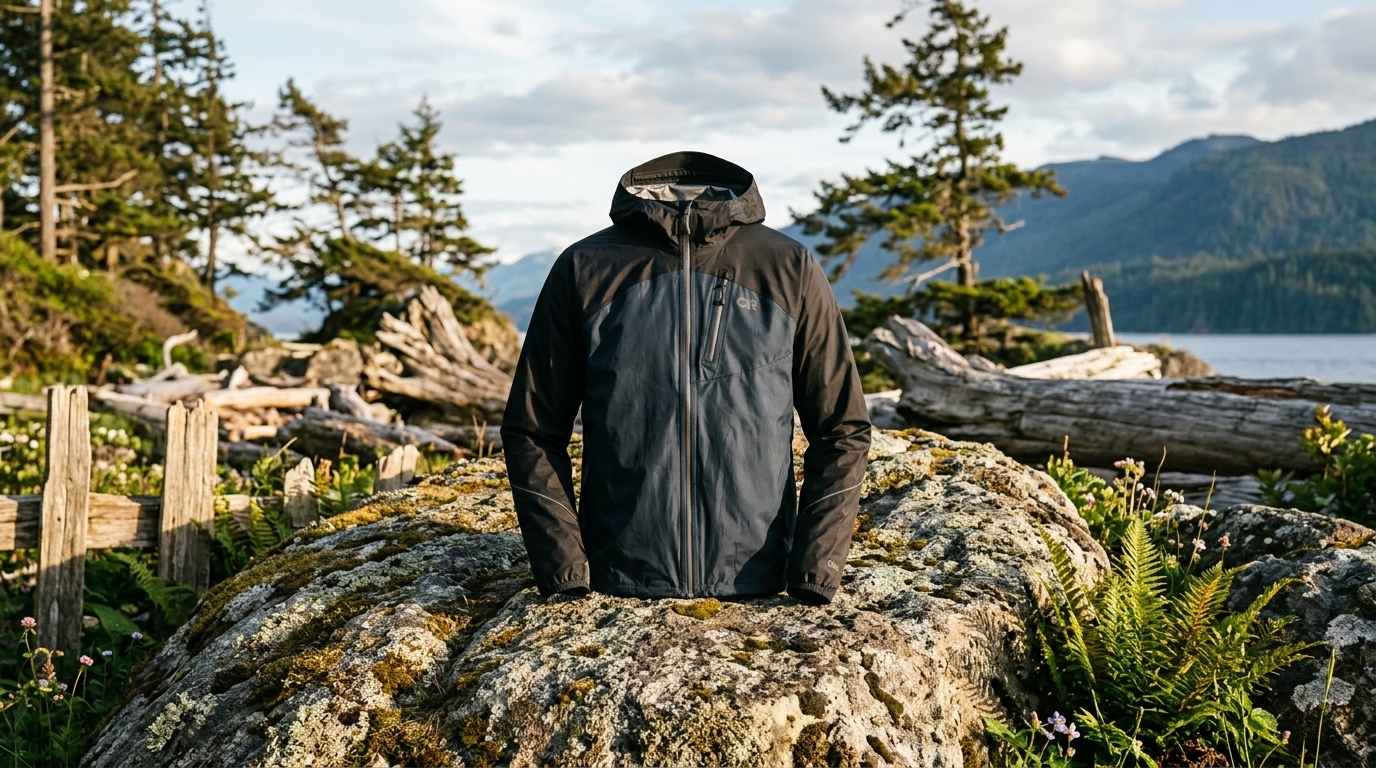
Outdoor Research Men's Helium Rain Jacket Review
BEST OF
Best Rechargeable Headlamps for Backpacking
BEST OF
Best Beginner Binoculars for Hiking and Bird Watching
GUIDE