
Review · spring · summer · fall
Columbia Men's Watertight II Waterproof Rain Jacket Review
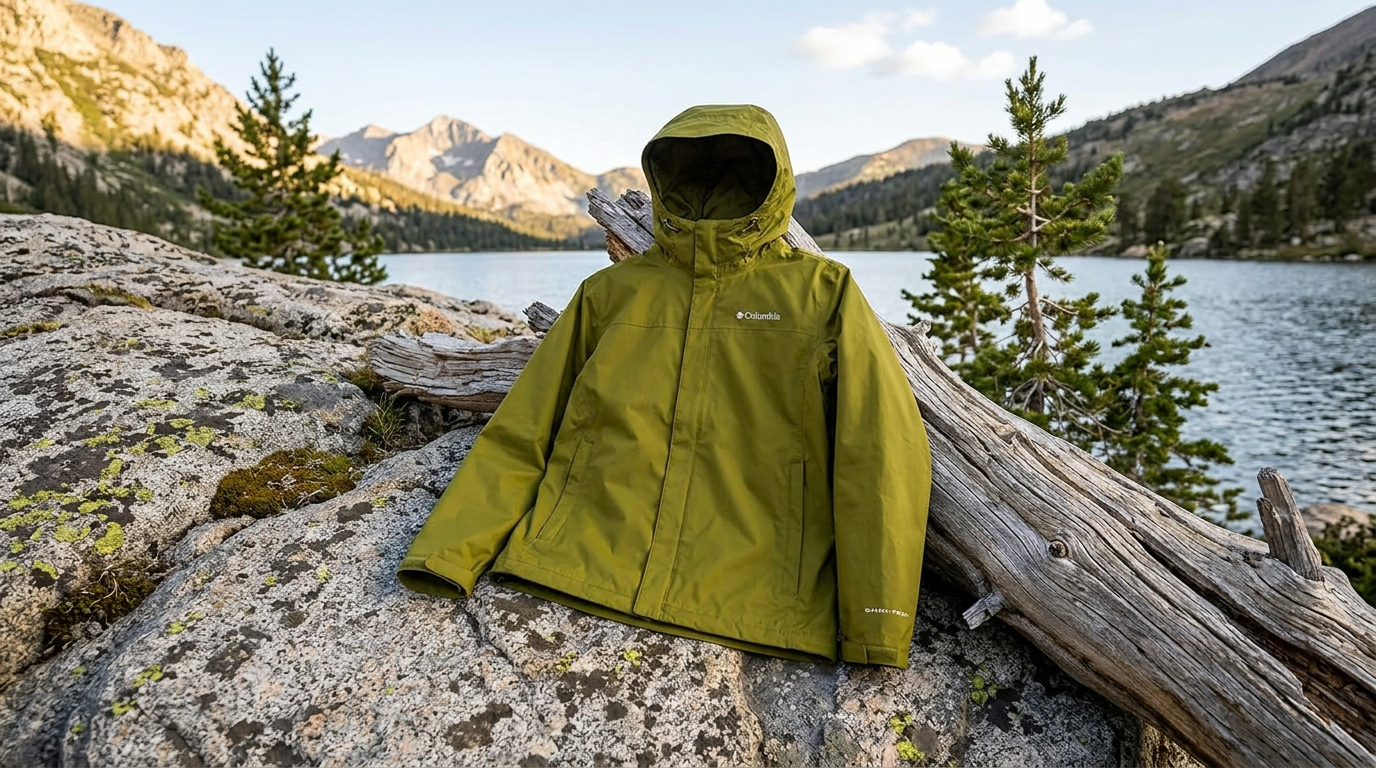
The Columbia Watertight II is a budget-oriented waterproof shell for day hikers and casual outdoor users who prioritize packability and basic weather protection over breathability and long-term durability. Its 100% nylon construction with Omni-Shield DWR and packable design makes it a practical choice for spring through fall conditions when you need reliable rain coverage without investing in technical hardshell performance.
Disclosure: Four Seasons Gear is reader-supported. When you buy through links on our site, we may earn an affiliate commission at no extra cost to you. Prices and availability are accurate as of the time we last checked.
Columbia positions the Watertight II as an accessible entry point into waterproof rain protection, targeting hikers and outdoor enthusiasts who need dependable coverage for sudden weather changes without the price tag of premium three-layer Gore-Tex shells. At approximately $60 MSRP (verify current price), this jacket competes in the value segment where packability and basic waterproofing matter more than breathability metrics or alpine-grade construction.
Construction and Materials
The Watertight II uses a 100% nylon shell with Columbia's proprietary Omni-Shield water and stain repellent treatment. This is a 2-layer construction—waterproof coating bonded to the face fabric with a mesh or taffeta liner hanging inside—which differs from the 2.5-layer and 3-layer laminates found in technical shells. The manufacturer doesn't publish fabric weight (typically 70-100 denier for this price point) or specific waterproof rating, but Columbia's marketing materials indicate the coating handles sustained rain from drizzle to downpour.
Omni-Shield is Columbia's DWR (durable water repellent) finish that causes water to bead and roll off the fabric surface rather than saturating the face fabric. This treatment degrades with UV exposure, abrasion, and repeated washing—expect to reapply aftermarket DWR spray after 20-40 days of field use to maintain optimal shedding performance. The elastic cuffs and hem provide adjustability without adding weight from drawcords and cordlocks.
Specs
Intended Use and Performance Context
This jacket targets day hikers, dog walkers, and casual outdoor users who need packable rain protection for 2-6 hour outings in spring, summer, and fall conditions. The pack-into-pocket design makes it practical for tossing in a daypack or leaving in your vehicle for unexpected weather. OutdoorGearLab's review notes the Watertight II performs well in light to moderate rain but lacks the breathability for high-output activities like trail running or steep ascents with a loaded pack.
The 2-layer construction and lack of pit zips limit ventilation compared to shells with underarm venting or 2.5-layer membranes. Expect interior condensation during aerobic activity—this is a tradeoff inherent to budget waterproof shells. For static use (standing at a trailhead, waiting for a shuttle, setting up camp), the jacket provides adequate protection. For continuous movement, you'll want to layer conservatively underneath to manage moisture buildup.
Fit and Sizing Considerations
Columbia's sizing for the Watertight II runs true to their standard men's fit, which accommodates a mid-layer underneath but doesn't provide the articulated cut or extended torso length found in technical alpine shells. The elastic cuffs and hem create a snug seal without adjustment hardware, which reduces weight but limits customization for different layering systems or glove compatibility. Backcountry user notes indicate the jacket fits close to the body in the shoulders and chest—size up if you plan to layer a fleece or puffy underneath.
The Small size reviewed here typically fits chest measurements of 35-37 inches based on Columbia's published size chart (verify current specifications). The elastic details provide some accommodation for movement, but the overall cut prioritizes packability over mobility—this isn't a shell designed for rock scrambling or technical terrain where arm articulation matters.
Durability Expectations from Materials and Construction
The 100% nylon shell fabric with waterproof coating represents a compromise between weight, packability, and abrasion resistance. Nylon shells in this price range typically use 70-100 denier face fabrics, which handle light brush contact and pack abrasion but show wear faster than the 40-70 denier ripstop nylons with reinforced weaves found in premium shells. The two zippered hand pockets use standard coil zippers rather than water-resistant YKK AquaGuard zippers, which means moisture can wick through the zipper tape during heavy rain.
The waterproof coating bonded to the nylon will degrade with UV exposure, repeated compression in a pack, and abrasion from pack straps or hip belts. Expect the coating to begin delaminating (visible as flaking or peeling on the interior) after 50-100 days of field use, depending on storage conditions and care. Storing the jacket loosely rather than compressed extends coating life. The Omni-Shield DWR treatment requires periodic reapplication—when the face fabric begins wetting out (darkening when water contacts it rather than beading), it's time to wash and retreat with aftermarket DWR spray.
Value Positioning and Category Context
At approximately $60, the Watertight II occupies the budget tier of waterproof shells, competing with offerings from Frogg Toggs, Marmot's PreCip line, and REI Co-op's house brand rain jackets. This price point delivers basic waterproof protection and packability but sacrifices breathability, durability, and technical features like pit zips, helmet-compatible hoods, and water-resistant zippers. For casual users who need rain coverage 10-20 days per year, the value proposition makes sense. For frequent hikers logging 50+ trail days annually, investing in a 2.5-layer shell with better breathability (Marmot PreCip Eco, Outdoor Research Apollo) or a three-layer hardshell (Arc'teryx Beta AR, Patagonia Torrentshell 3L) provides better long-term cost per wear.
The pack-into-pocket feature adds practical value for users who want a jacket that lives in a daypack or car without requiring a separate stuff sack. This convenience factor differentiates the Watertight II from shells that pack smaller but need external storage.
What we like
Trade-offs
Best For
- Day hikers needing packable rain protection for 2-6 hour outings
- Dog walkers and casual outdoor users in spring through fall conditions
- Budget-conscious buyers prioritizing basic waterproofing over breathability
- Users who want a jacket that lives in a daypack or vehicle without a stuff sack
- Static activities where ventilation demands are low (standing at trailheads, camp setup)
Not For
- Trail runners or high-output activities requiring ventilation
- Multi-day backpacking where durability and breathability matter
- Users needing helmet-compatible hoods for alpine or climbing use
- Frequent hikers logging 50+ trail days annually (cost per wear favors more durable shells)
- Technical terrain requiring articulated cut and mobility
- Cold-weather layering systems (limited room for insulation underneath)
Frequently Asked Questions
+Does the Watertight II have pit zips for ventilation?
No, this jacket does not include underarm pit zips. The 2-layer construction and lack of ventilation options limit breathability during aerobic activity. For high-output use, consider shells with pit zips or 2.5-layer membranes that manage moisture buildup more effectively.
+How does the Watertight II compare to the Marmot PreCip for packability?
Both jackets pack into their own pockets, but the PreCip uses a 2.5-layer NanoPro membrane that typically packs slightly smaller and offers better breathability. The Watertight II's 2-layer construction with mesh liner takes up more packed volume but often costs $10-20 less at retail. Choose based on whether breathability or budget matters more for your use case.
+Can I layer a fleece or puffy jacket underneath the Watertight II?
The fit runs close to the body in the shoulders and chest, limiting layering room. A lightweight fleece (Patagonia R1, Arc'teryx Delta LT) will fit underneath, but bulkier insulation layers may feel restrictive. Size up one size if you plan to layer regularly, though this will reduce the snug fit that helps seal out wind and rain.
+How long does the Omni-Shield DWR treatment last?
Expect the factory DWR treatment to shed water effectively for 20-40 days of field use, depending on UV exposure, abrasion, and washing frequency. When the face fabric begins wetting out (darkening when water contacts it), wash the jacket with technical detergent and reapply aftermarket DWR spray (Nikwax TX.Direct, Grangers Performance Repel). Proper care extends the treatment's effectiveness significantly.
+Is the Watertight II suitable for winter hiking?
The jacket's 100% nylon shell provides wind protection, but the close fit limits room for insulation layers needed in cold conditions. It works as an outer shell over a base layer and fleece in mild winter weather (35-45°F), but for sustained cold exposure or winter backpacking, you'll want a shell with a roomier cut designed for layering systems.
+What's the difference between 2-layer and 2.5-layer rain jacket construction?
The Watertight II uses 2-layer construction: waterproof coating bonded to the face fabric with a separate mesh or taffeta liner hanging inside. This adds weight and packed volume but costs less to manufacture. A 2.5-layer shell (Marmot PreCip Eco, Outdoor Research Apollo) bonds the waterproof membrane to the face fabric and uses a thin protective print or coating on the inside instead of a full liner—this reduces weight and packed size while improving breathability, but typically costs $20-40 more.

Read next
More from this category
REVIEW
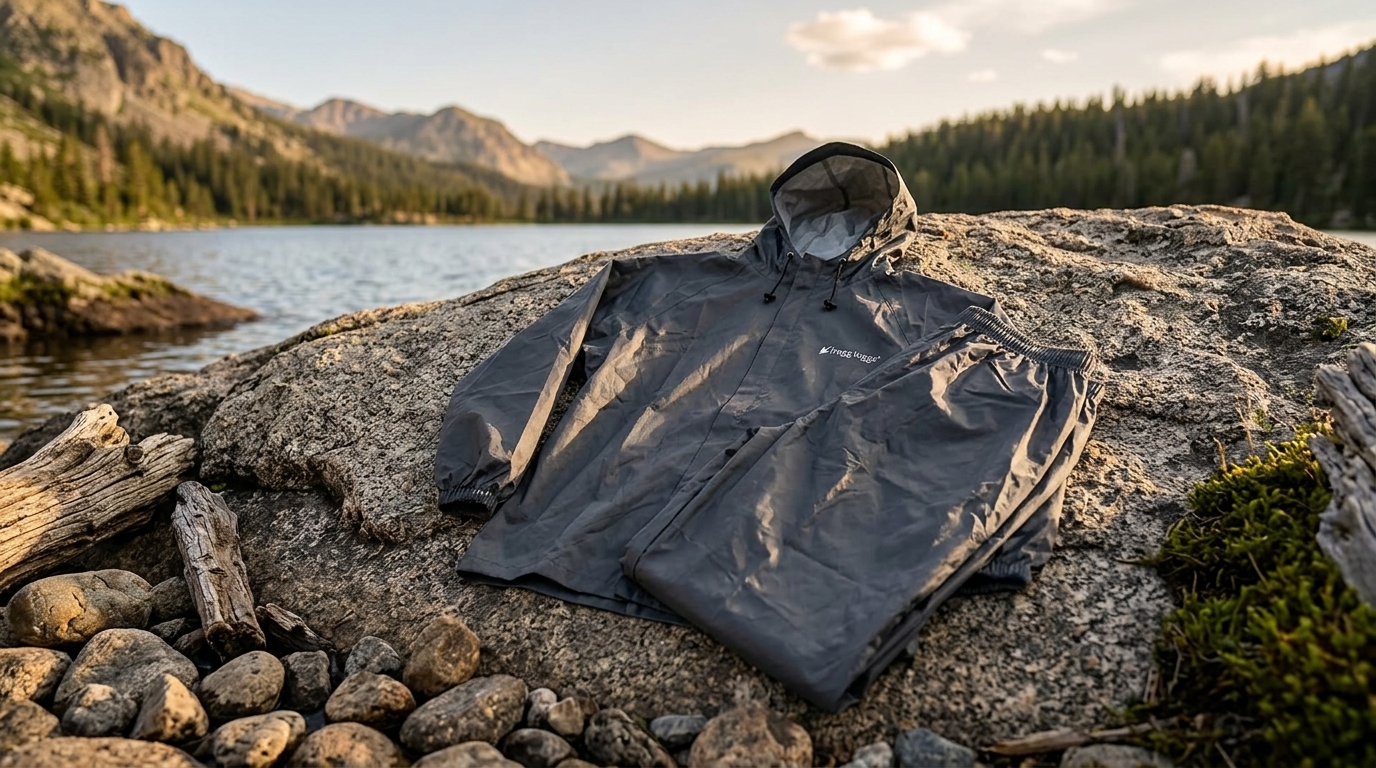
FROGG TOGGS Men's Ultra-Lite2 Rain Suit Review: Budget Emergency Rain Protection
REVIEW
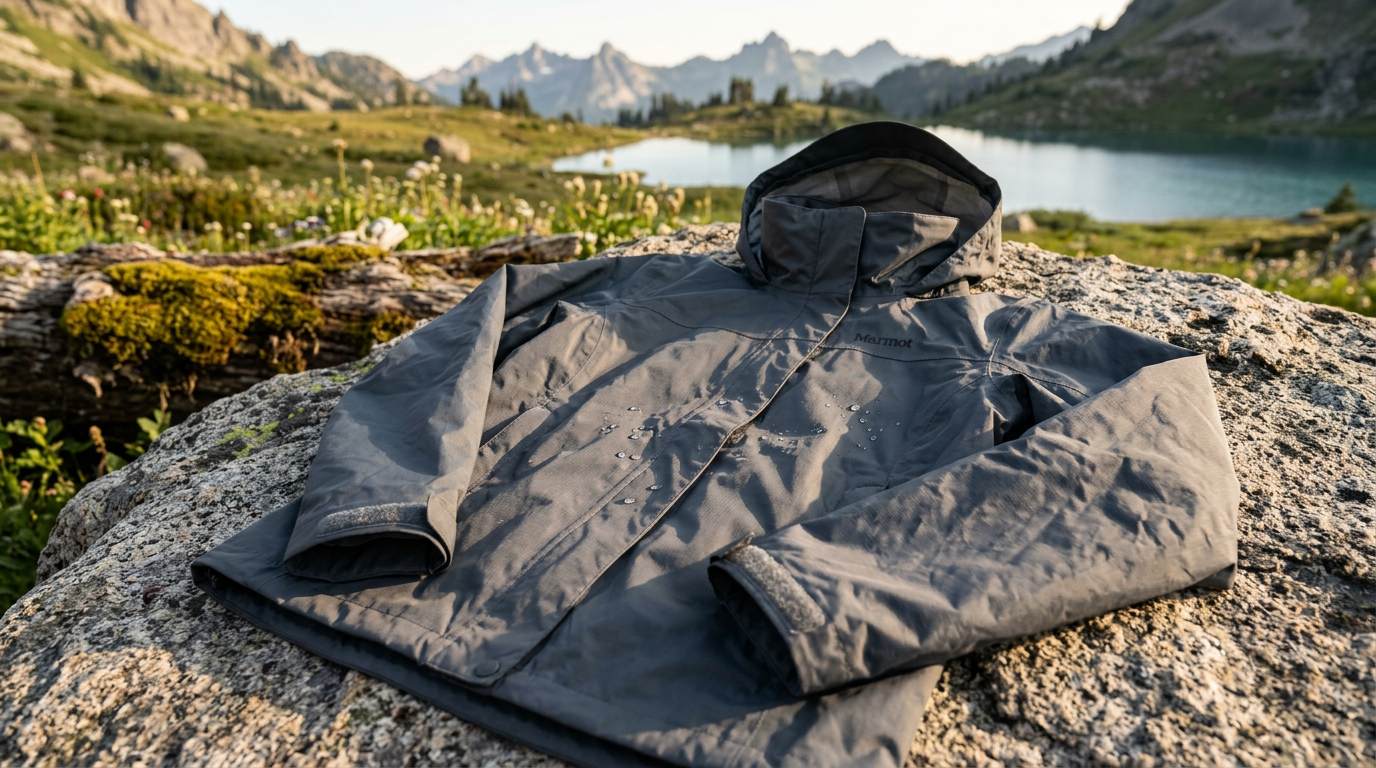
Marmot Women's Precip Eco Rain Jacket Review: Budget-Friendly 2.5-Layer Shell
REVIEW
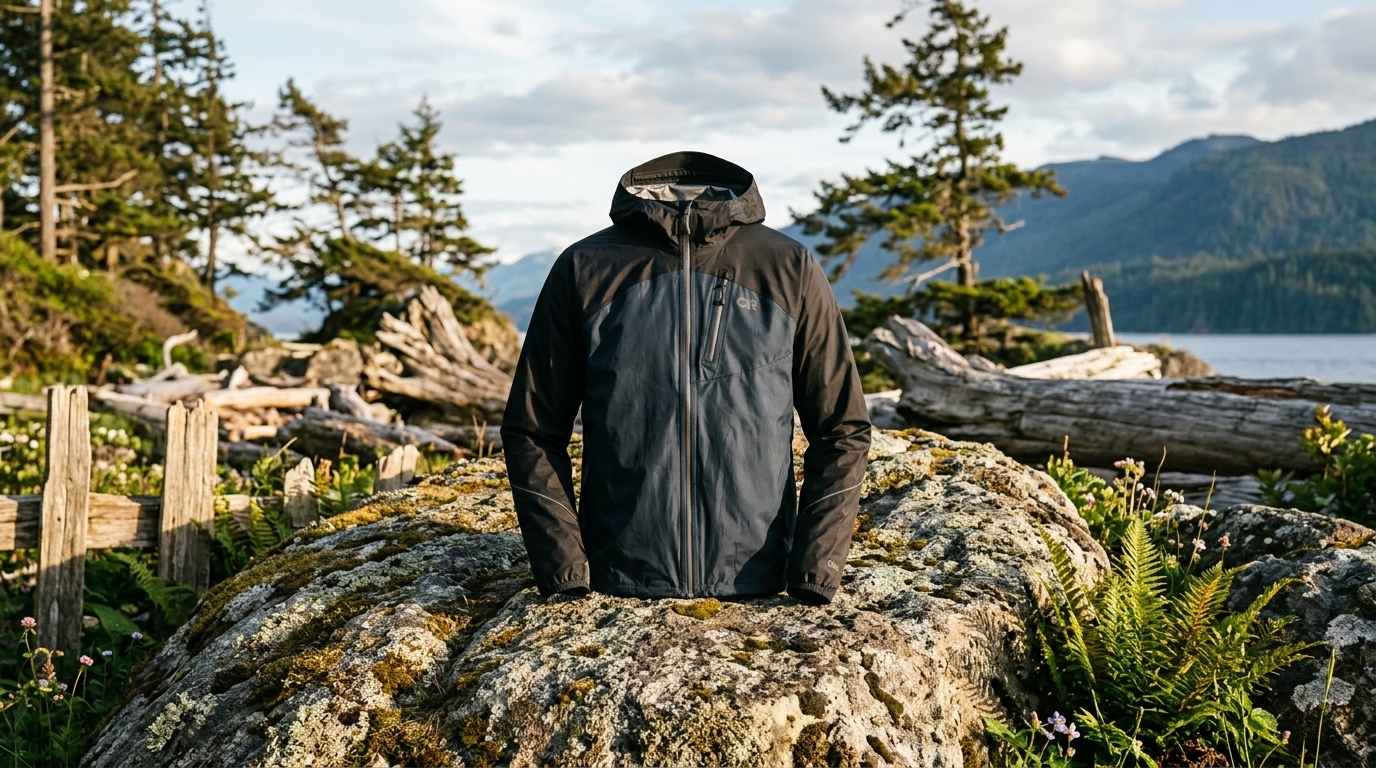
Outdoor Research Men's Helium Rain Jacket Review
BEST OF
Best Rechargeable Headlamps for Backpacking
BEST OF
Best Beginner Binoculars for Hiking and Bird Watching
GUIDE