
Review · spring · summer · fall
MSR Reactor Windproof Camping and Backpacking Stove System Review
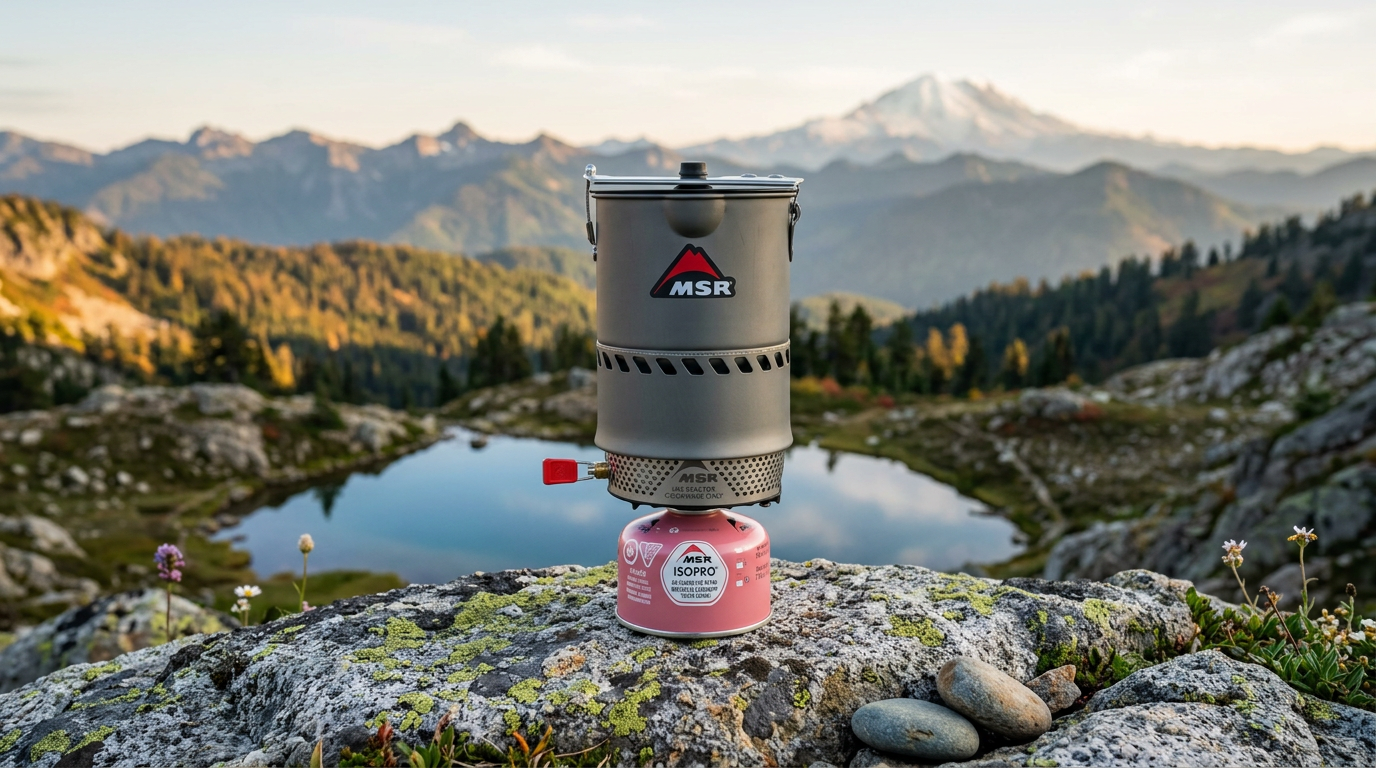
The MSR Reactor is a radiant-burner integrated canister system engineered for speed and wind resistance in exposed alpine and shoulder-season conditions. Its fully enclosed heat exchanger delivers 0.5 L boil times around 1.5 minutes in calm air and maintains efficiency in wind that would cripple open-flame stoves like the MSR PocketRocket 2 Stove, but you pay for that performance with 417 g minimum weight and a pot-stove pairing that locks you into the Reactor cookware ecosystem. Best for alpinists, winter campers, and expedition users who prioritize reliability over packability.
Disclosure: Four Seasons Gear is reader-supported. When you buy through links on our site, we may earn an affiliate commission at no extra cost to you. Prices and availability are accurate as of the time we last checked.
Construction and Heat Exchanger Design
The Reactor's defining feature is its patent-pending radiant burner enclosed within an aluminum heat exchanger pot. Unlike conventional open-flame canister stoves, the burner sits inside a mesh screen that radiates heat 360° into the pot's finned exchanger walls. This architecture creates a sealed combustion chamber that blocks wind entirely—no separate windscreen required. The internal pressure regulator maintains consistent output across fuel canister pressures, and the pot locks onto the stove via a twist-lock mechanism that ensures alignment between burner and exchanger.
The 1.7 L hard-anodized aluminum pot includes a BPA-free strainer lid, folding/locking wire handle, and a PackTowl pot protector that doubles as a cleaning cloth. The stove and an 8 oz fuel canister nest inside the pot for transport, achieving a packed size of 4.75 in × 6.1 in (12 cm × 15.5 cm). Build quality reflects MSR's USA manufacturing standards—tight tolerances on the twist-lock interface, cleanly welded pot seams, and a burner assembly that shows no obvious weak points in the valve stem or feed tube connections.
Specs
Boil Performance and Wind Resistance
MSR claims 1.5-minute boil times for 0.5 L in calm air, and OutdoorGearLab's lab testing confirms the Reactor outperforms competitors in head-to-head speed trials. The radiant burner's enclosed design means wind has negligible impact on boil times—Section Hiker's field reviews note consistent performance in conditions that would double or triple the boil time of open-flame stoves. This makes the Reactor particularly valuable above treeline, on exposed ridges, or in winter when setting up a full windscreen is impractical.
Fuel efficiency benefits from the same heat exchanger design. The finned pot captures radiant energy that would otherwise escape into the air, and the pressure regulator prevents the flame-out issues common with non-regulated stoves as canister pressure drops in cold weather. MSR doesn't publish a grams-per-liter fuel consumption figure, but the Reactor's efficiency advantage over traditional stoves becomes more pronounced as conditions worsen—a critical consideration for multi-day trips where fuel weight compounds.
Category Context and Tradeoffs
At 417 g minimum weight, the Reactor sits at the heavy end of the canister stove spectrum. The MSR PocketRocket 2 Stove weighs 73 g and offers modular pot compatibility, making it the default choice for gram-counting backpackers in mild conditions. The Reactor makes sense when wind resistance and boil speed justify the weight penalty—think alpine starts, winter camping, or expedition basecamp duty where reliability trumps packability.
The Coleman Classic Propane Camping Stove offers a different tradeoff entirely: car-camping convenience with dual burners and simmer control, but zero portability for backpacking. The Reactor occupies the middle ground—backpackable for serious trips, but not the tool for ultralight summer thru-hikes where a titanium alcohol stove might suffice.
MSR's own WindBurner system (reviewed by OutdoorGearLab and Treeline Review) uses a similar enclosed burner concept but with a personal-sized pot and slightly different heat exchanger geometry. The Reactor's 1.7 L capacity makes it better suited for group cooking or melting snow for water, while the WindBurner targets solo users prioritizing minimal pack volume.
Durability Considerations
The hard-anodized aluminum pot resists scratching and corrosion better than bare aluminum, and the heat exchanger fins show no obvious vulnerability to impact damage in the photos—they're recessed enough to avoid contact when the pot is inverted or packed. The radiant burner mesh is a wear item over hundreds of burn cycles, but MSR's reputation suggests replacement parts will remain available for years. The twist-lock pot interface uses molded plastic tabs that could theoretically crack under repeated thermal cycling or impact, though the design appears robust and the tabs are not load-bearing during cooking.
The internal pressure regulator adds a failure point compared to non-regulated stoves, but it's a sealed component with no user-serviceable parts—either it works or it doesn't. The valve stem and O-rings are standard canister stove consumables; carry a spare O-ring on extended trips. The PackTowl pot protector prevents the pot from marring other gear, and the folding handle's wire construction should outlast the pot itself.
Value and Use Case Fit
At approximately $199 MSRP (verify current price), the Reactor costs 4-5× more than a basic canister stove like the PocketRocket 2. You're paying for the integrated heat exchanger system, the pressure regulator, and the windproof performance that comes with full enclosure. For weekend backpackers in mild conditions, that premium is hard to justify. For alpinists, winter campers, or anyone who's watched a pot of water take 15 minutes to boil in wind, the Reactor's speed and reliability represent genuine value.
The pot-stove lock-in is the biggest constraint. If you already own a set of titanium cookware or prefer a specific pot size, the Reactor forces you into MSR's ecosystem. Section Hiker's reviews note that additional Reactor pots (2.5 L and other sizes) are available separately, but you're still limited to MSR's offerings. This matters less if you're outfitting from scratch or if you view the stove and pot as a single tool rather than separate components.
What we like
Trade-offs
Best For and Not For
- Alpine climbers who need fast boils above treeline in wind
- Winter campers melting snow for water in subzero temps
- Expedition users prioritizing reliability over weight
- Group backpackers cooking for 2-3 people with the 1.7 L pot
- Shoulder-season campers facing unpredictable weather
- Anyone who's lost patience waiting for water to boil in wind
This stove is not for ultralight thru-hikers counting every gram, fair-weather weekend backpackers who can get by with a 73 g burner, car campers who need simmer control and multiple burners, or anyone committed to a specific non-MSR cookware setup. If you rarely encounter wind or cold, the Reactor's advantages don't justify its weight and cost.
Frequently Asked Questions
+Can I use non-MSR pots with the Reactor stove?
No. The Reactor is an integrated system that requires MSR Reactor pots with the matching heat exchanger geometry and twist-lock interface. The radiant burner will not function efficiently (or safely) with standard cookware. MSR offers Reactor pots in multiple sizes (1.0 L, 1.7 L, 2.5 L) if you need capacity options, but you're locked into their ecosystem.
+How does the Reactor perform in temperatures below freezing?
The internal pressure regulator maintains consistent output as canister pressure drops in cold weather, and the enclosed burner design prevents wind chill from affecting the flame. Use an isobutane-propane blend canister (standard MSR recommendation) and keep the canister warm in your sleeping bag overnight. For extreme cold (below 0°F / -18°C), consider MSR's IsoPro fuel or a liquid-feed stove like the MSR WhisperLite, but the Reactor handles typical winter backpacking temps (10-30°F / -12 to -1°C) reliably.
+What's the fuel consumption per liter of boiled water?
MSR doesn't publish a grams-per-liter figure for the Reactor, but the heat exchanger design makes it significantly more fuel-efficient than open-flame stoves—especially in wind. Expect to boil roughly 10-12 L of water per 8 oz (227 g) canister in calm conditions, with efficiency improving relative to non-heat-exchanger stoves as wind speed increases. Actual consumption varies with altitude, temperature, and starting water temp.
+Is the Reactor pot compatible with the MSR WindBurner stove?
No. Reactor and WindBurner pots use different heat exchanger geometries and are not cross-compatible, despite both being MSR integrated systems with enclosed burners. Each stove requires its own pot line. If you own both systems, you'll need separate pots for each.
+Can I simmer with the Reactor or is it boil-only?
The Reactor's valve offers flame adjustment from full output down to a low simmer, but the radiant burner design and heat exchanger make it less precise for low-heat cooking than a traditional open-flame stove. It's optimized for boiling water and rehydrating meals, not for sautéing or simmering sauces. If simmer control is critical, consider a stove with a wider flame adjustment range.
Final Verdict
The MSR Reactor trades weight and modularity for windproof performance and boil speed that few canister stoves can match. Its fully enclosed radiant burner and heat exchanger deliver 1.5-minute boil times in calm air and maintain efficiency in wind that would cripple open-flame designs, making it the tool of choice for alpine climbers, winter campers, and expedition users who need reliability in harsh conditions. The 417 g weight and proprietary pot requirement mean it's overkill for mild-weather backpacking, but if you've ever watched a pot refuse to boil on an exposed ridge, the Reactor's premium is easy to justify. It's a specialist tool for serious users—not a do-everything stove, but unmatched in its niche.

Read next
More from this category
REVIEW
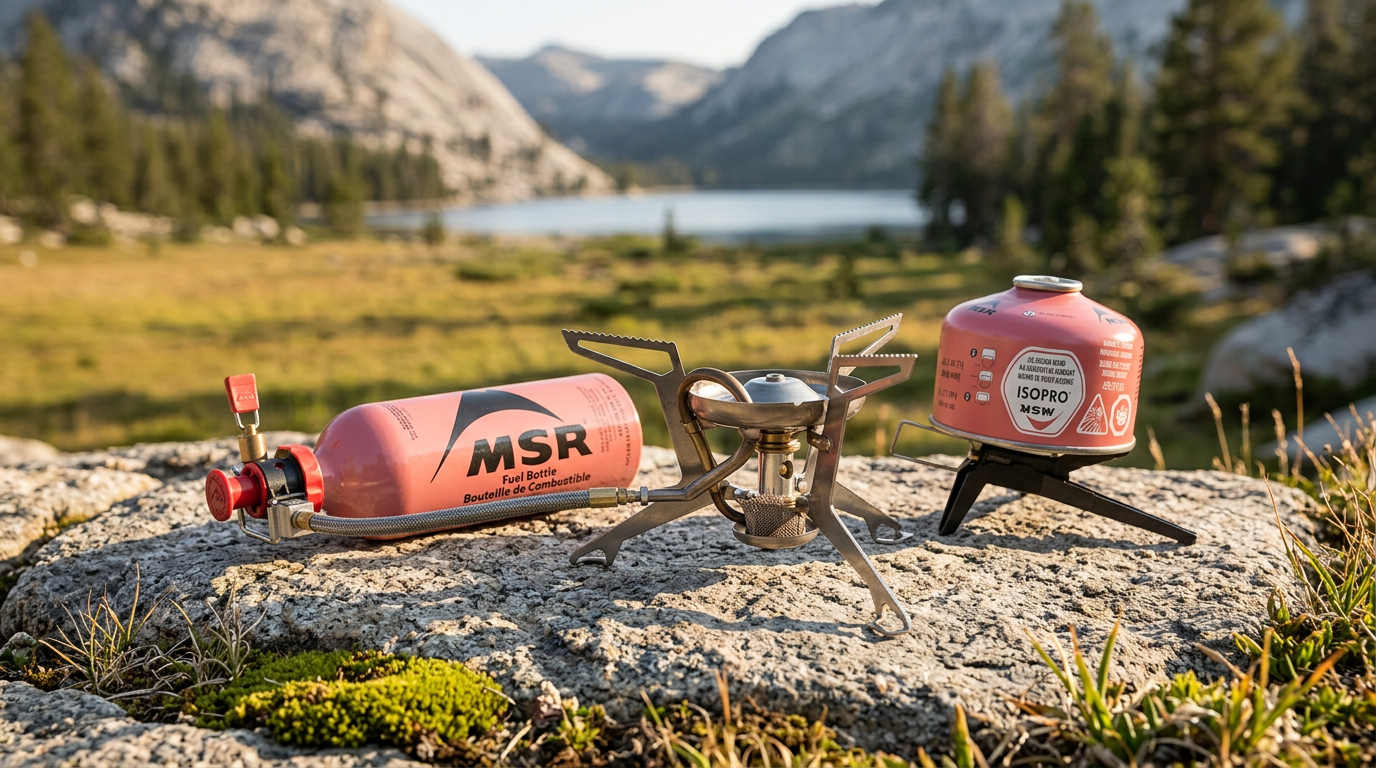
MSR WhisperLite Universal Compact Hybrid Fuel Camping and Backpacking Stove Review
REVIEW
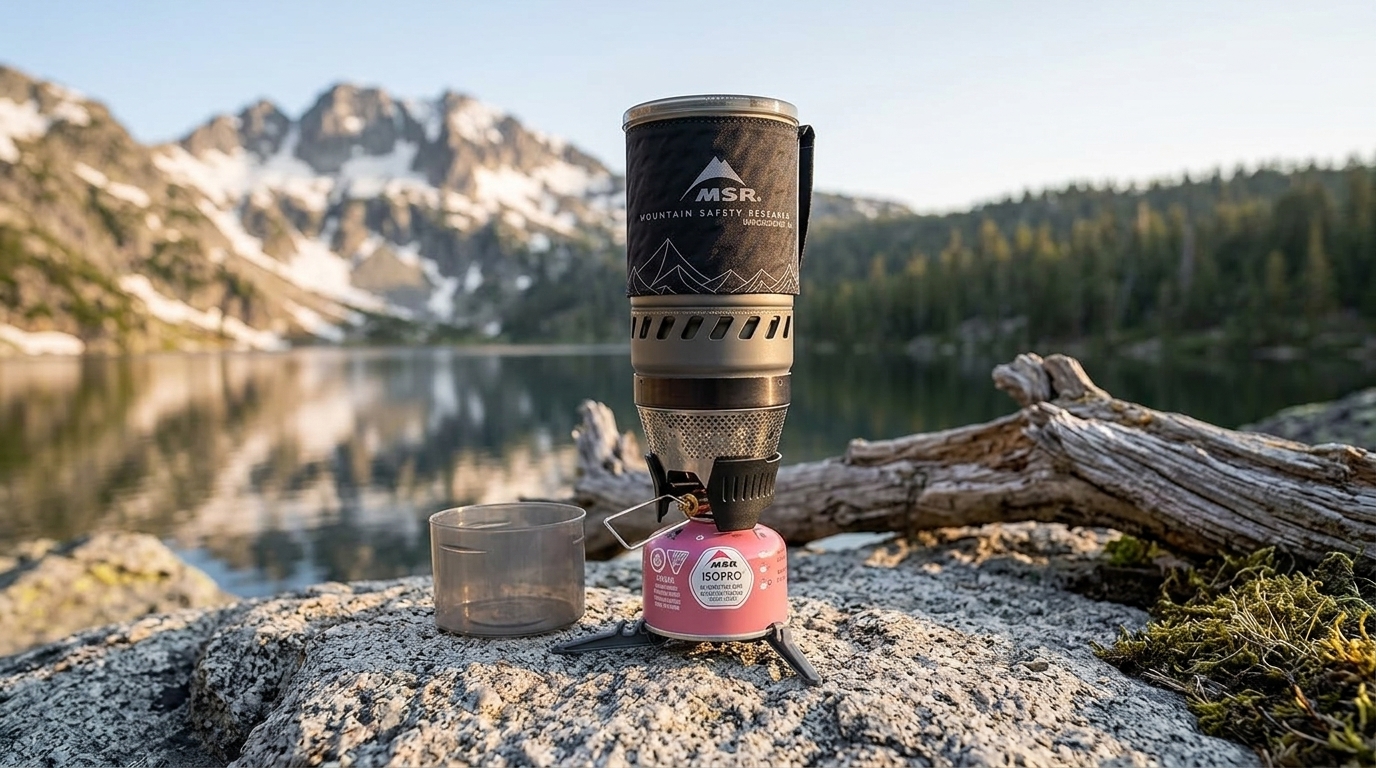
MSR WindBurner Personal Windproof Camping and Backpacking Stove System Review
REVIEW
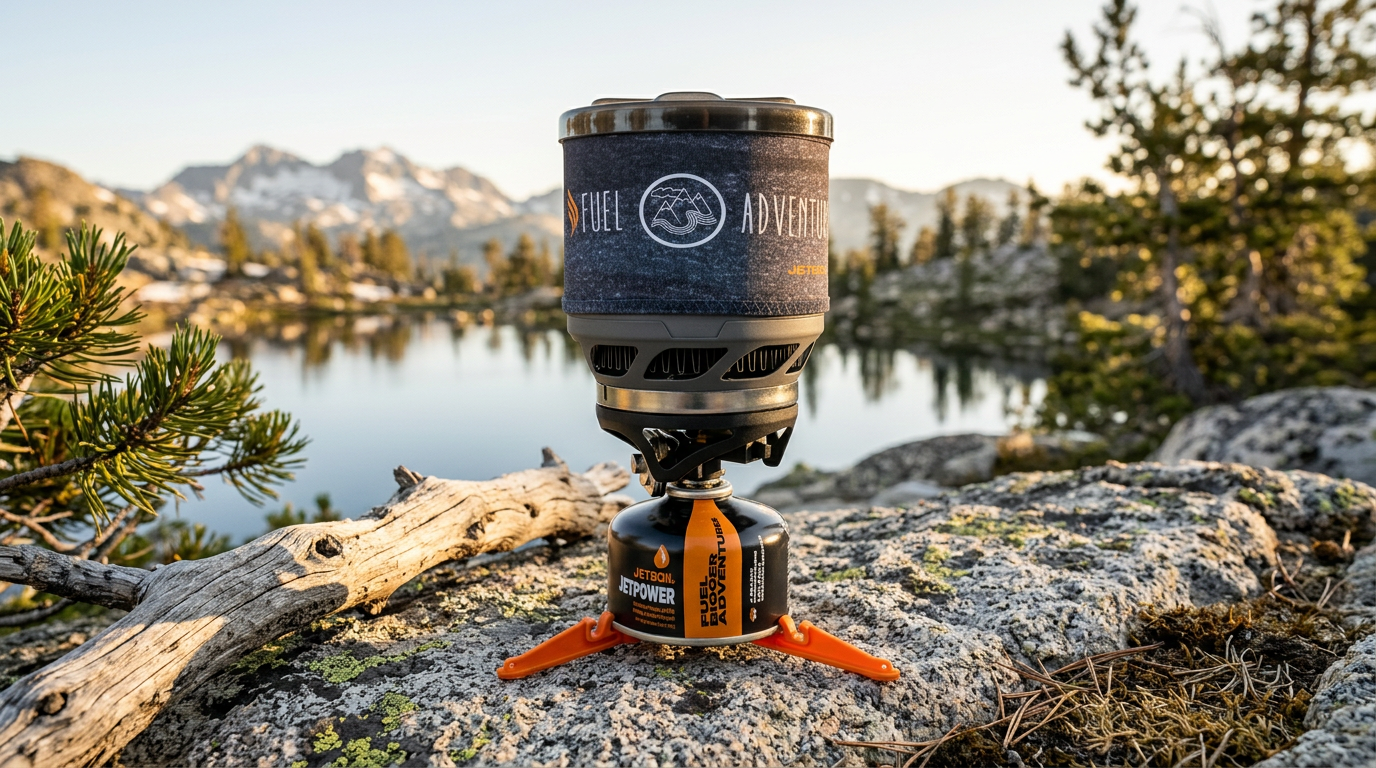
Jetboil MiniMo Camping and Backpacking Stove Cooking System with Adjustable Heat Control Review
REVIEW
Jetboil Flash Camping and Backpacking Stove System Review
REVIEW
SOTO WindMaster Canister Stove with 4Flex Review
REVIEW