
Review · spring · summer · fall
GSI Outdoors Pinnacle Ceramic Camper Cookware Set Review: Hard-Anodized 4-Person System with Modular Nesting
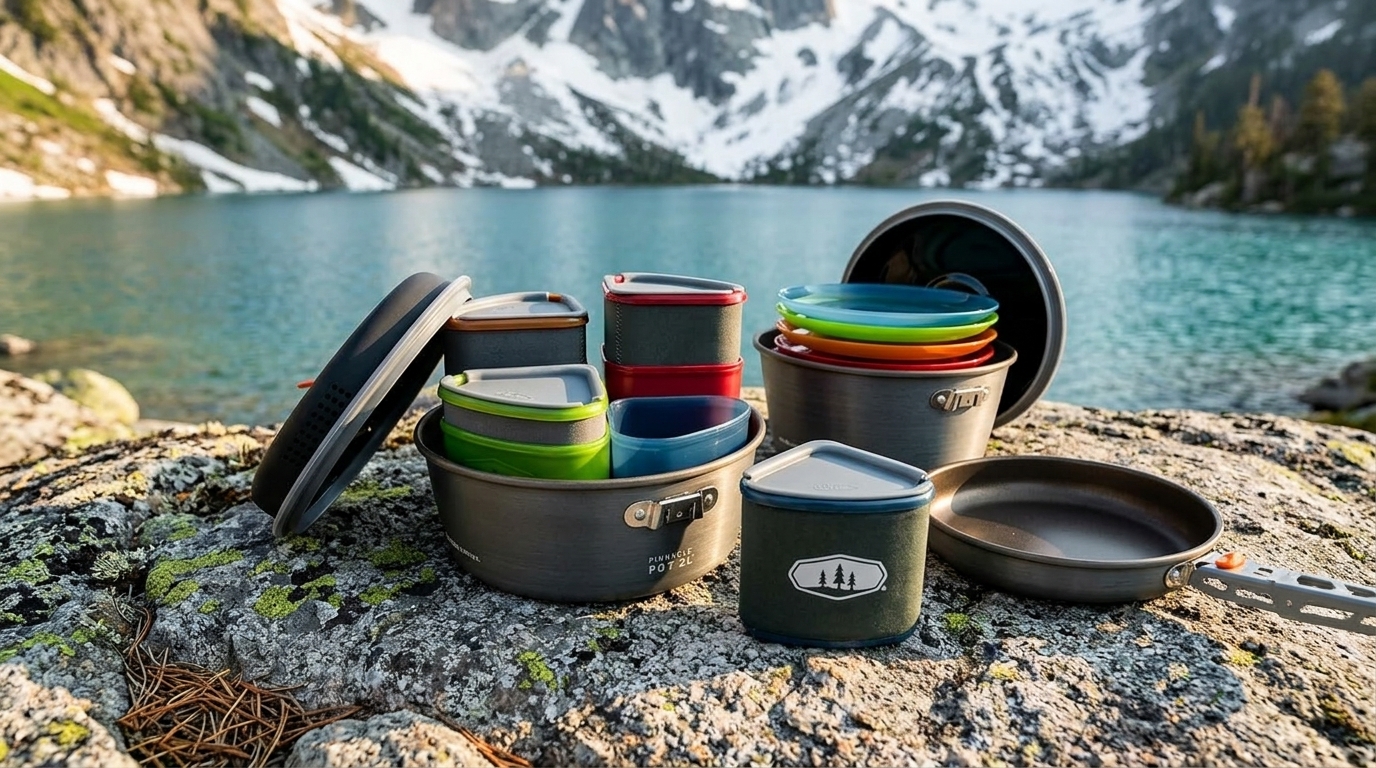
The GSI Outdoors Pinnacle Ceramic Camper is a hard-anodized aluminum cookset built for car camping and frontcountry groups who prioritize durability and complete tableware over ultralight minimalism. At 1.64 kg (3 lbs 10 oz) packed, it delivers ceramic-coated non-stick pots, a frypan, and color-coded mugs, bowls, and plates for four diners in a nesting package that measures 23 × 23 × 14.7 cm. The ceramic coating offers scratch resistance superior to traditional Teflon-type surfaces, and the hard-anodized construction provides faster heat transfer than bare aluminum while resisting corrosion. This set trades weight for convenience—it's not a backpacking choice, but for families or groups driving to established campsites who want real plates and bowls rather than eating from pots, the Pinnacle Ceramic delivers a complete kitchen in one welded stuff sack.
Disclosure: Four Seasons Gear is reader-supported. When you buy through links on our site, we may earn an affiliate commission at no extra cost to you. Prices and availability are accurate as of the time we last checked.
Construction and Materials
GSI builds the Pinnacle Ceramic Camper around hard-anodized aluminum pots and frypan, a manufacturing process that electrochemically hardens the aluminum surface to approximately twice the hardness of stainless steel. The ceramic coating applied over this anodized base provides non-stick performance without PFOA or PTFE, and GSI claims 25% faster heat transfer compared to bare aluminum due to the dark surface's improved thermal absorption. The hard-anodized layer resists corrosion from acidic foods and salt exposure better than bare or standard anodized aluminum.
The tableware—four mugs, four bowls, and four plates—uses polypropylene construction with color-coded rims (red, blue, green, yellow) for personal identification. The mugs include insulated sleeves and sip-through lids, a feature borrowed from GSI's Infinity line that reduces heat transfer to hands and keeps debris out of beverages. The folding pot gripper uses stainless steel with silicone-padded jaws, and the strainer lid incorporates a heat-resistant polymer rim with integrated drainage holes.
Specs
Intended Use and Nesting System
GSI positions the Pinnacle Ceramic Camper for car camping, frontcountry basecamp cooking, and group trips where vehicle access allows carrying 1.64 kg of cookware. The nesting design accommodates two configurations: the full 4-person setup with all tableware, or a stripped-down 2-person arrangement that removes excess bowls and plates to reduce packed volume. All components nest inside the large pot, with the welded stuff sack providing structure and preventing rattling during transport.
The color-coded tableware solves a common group camping problem—identifying whose mug or bowl belongs to whom after a meal. Each person claims a color at the start of the trip, reducing cross-contamination and the need to wash items between uses when the same person continues using their designated set. The insulated mug sleeves maintain drinkable coffee or tea temperatures longer than bare polypropylene, a meaningful advantage during cold morning camp routines.
OutdoorGearLab's testing of the Pinnacle Camper line notes the ceramic coating's scratch resistance when metal utensils contact the surface, and Section Hiker's review highlights the even heat distribution across the pot base compared to thinner aluminum alternatives. The strainer lid's dual function—as both a pot cover and a colander for draining pasta or vegetables—eliminates the need to pack a separate straining tool.
Comparison Context: Ceramic vs. Traditional Non-Stick
The Pinnacle Ceramic Camper sits in GSI's mid-tier cookware range, above the budget Bugaboo line (which uses traditional PTFE non-stick) and below the titanium Pinnacle Soloist. Ceramic coatings generally tolerate higher temperatures than PTFE (up to approximately 450°C vs. 260°C for Teflon), making them safer for high-heat searing or accidental overheating on a camp stove. The ceramic surface also resists scratching from metal utensils better than soft PTFE coatings, though it's not invincible—sharp impacts or abrasive scouring will still damage the finish over time.
Compared to stainless steel cooksets, the Pinnacle Ceramic offers lighter weight and superior non-stick performance, but stainless steel provides effectively unlimited durability and no coating to wear off. Titanium alternatives like the Snow Peak Trek series reduce weight further (often by 40-50%) but cost 2-3× more and lack the complete tableware suite. For groups who don't need ultralight performance, the Pinnacle Ceramic's combination of hard-anodized durability, ceramic non-stick, and full dining kit delivers better value than piecing together individual pots and plates.
Durability Considerations
Hard-anodized aluminum provides excellent corrosion resistance and surface hardness, but the ceramic coating remains the wear-limiting factor. Ceramic non-stick coatings typically last 2-5 years of regular use before showing degraded non-stick performance, depending on care. Avoid metal scouring pads, which will abrade the coating faster than normal use. The manufacturer recommends hand-washing rather than dishwasher cycles, as high-temperature detergents and mechanical spray can accelerate coating breakdown.
The polypropylene tableware tolerates repeated freeze-thaw cycles and UV exposure better than polycarbonate alternatives, but prolonged sun exposure will eventually cause brittleness. The insulated mug sleeves use a foam material that compresses over time, reducing insulation effectiveness after 50-100 uses. The stainless steel pot gripper represents the most durable component—expect indefinite service life unless the silicone pads tear or the folding mechanism fatigues.
The welded stuff sack uses a PVC-coated fabric that resists punctures and moisture but will crack along fold lines after several seasons of compression. This is a consumable component; replacement stuff sacks are available separately from GSI or can be substituted with any appropriately-sized dry bag.
Value and Category Positioning
At $199.95 MSRP, the Pinnacle Ceramic Camper costs approximately $50 per person for a complete cooking and dining setup. This represents good value for groups who would otherwise purchase separate pots, plates, bowls, and mugs—the component cost typically exceeds $250 when bought individually. The ceramic coating justifies the premium over GSI's $130 Bugaboo Camper (which uses traditional non-stick) for buyers who prioritize scratch resistance and PFOA-free materials.
For comparison, a basic stainless steel pot set costs $80-120 but requires separate tableware purchases, while titanium alternatives like the Snow Peak Multi Compact Cookset start at $300 without plates or bowls. The Pinnacle Ceramic occupies a sweet spot for car campers who want durable, complete kitchen functionality without ultralight pricing or weight constraints.
The modular 2-person configuration extends the set's utility for couples or small groups who occasionally need the full 4-person capacity. This flexibility prevents the need to own separate 2-person and 4-person cooksets, improving the cost-per-use ratio for buyers who camp with varying group sizes.
What we like
Trade-offs
Best For and Not For
- Car camping families who want complete tableware without packing individual dishes
- Frontcountry groups prioritizing durability and non-stick convenience over ultralight weight
- Campers who frequently cook pasta, rice, or other foods requiring straining
- Buyers seeking PFOA-free and PTFE-free cookware with scratch-resistant coating
- Groups with 2-4 people who need flexible configuration options
- Basecamp cooks who value color-coded identification for shared gear
- Backpackers or thru-hikers needing sub-500 g cookware
- Solo campers who don't need 4-person tableware capacity
- Buyers wanting dishwasher-safe cookware for minimal maintenance
- Minimalists who prefer eating directly from pots rather than using plates
- Expeditions requiring stainless steel durability for extreme conditions
- Budget-conscious buyers who can accept traditional non-stick coatings
Frequently Asked Questions
+Can I use metal utensils with the ceramic coating?
The ceramic coating tolerates metal utensils better than traditional PTFE non-stick, but repeated scraping with sharp edges will still cause gradual wear. Silicone or wooden utensils extend coating life. Avoid cutting directly in the pots or using metal whisks that drag across the surface under pressure.
+How does the 2-person configuration work?
Remove two sets of color-coded tableware (bowls, plates, mugs) and pack only the pots, frypan, strainer lid, pot gripper, and two tableware sets. This reduces packed volume by approximately 30% and weight by roughly 450 g. The remaining components still nest inside the large pot with the stuff sack.
+What stove types work best with this cookset?
The flat pot bases and hard-anodized construction suit any camp stove with stable pot supports—two-burner car camping stoves like the Coleman Classic Propane Camping Stove, canister stoves with wider bases, or liquid-fuel stoves. Avoid ultralight canister stoves like the MSR PocketRocket 2 Stove, which have small burner heads that create hot spots on wide pot bases and lack sufficient stability for the Pinnacle's weight.
+How long does the ceramic coating typically last?
With hand-washing and careful use (avoiding metal scouring pads and high-heat dry heating), expect 2-5 years of non-stick performance. The coating will gradually lose effectiveness rather than failing suddenly. Once food begins sticking consistently, the pots remain usable but require more oil and scrubbing. The hard-anodized aluminum underneath continues providing corrosion resistance and durability after coating wear.
+Are the mugs and bowls microwave-safe?
Polypropylene tableware is generally microwave-safe for reheating, but GSI doesn't explicitly rate these components for microwave use. The insulated mug sleeves should be removed before microwaving. For camp use, this specification is largely irrelevant—most campers lack microwave access.
+Can I buy replacement components if something breaks?
GSI sells individual replacement components through their website and select retailers. Common replacements include the pot gripper, strainer lid, stuff sack, and individual tableware pieces. This parts availability extends the set's useful life beyond single-component failures, improving long-term value.
Final Assessment
The GSI Outdoors Pinnacle Ceramic Camper delivers a complete car camping kitchen for groups who prioritize convenience, durability, and non-stick performance over ultralight weight. The hard-anodized aluminum construction with ceramic coating provides better scratch resistance than traditional non-stick while maintaining PFOA-free and PTFE-free materials. The color-coded tableware system, insulated mugs, and modular 2-4 person configuration solve real camp cooking problems without requiring buyers to assemble components from multiple manufacturers.
At 1.64 kg and $199.95, this cookset makes sense for families and groups driving to established campsites who want real plates and bowls rather than eating from pots. The ceramic coating will eventually wear after 2-5 years, but the underlying hard-anodized aluminum provides long-term structural durability. For backpackers or weight-conscious campers, the Pinnacle Ceramic's mass disqualifies it—but for its intended car camping audience, it represents a well-engineered balance of durability, functionality, and value in a single nesting package.

Read next
More from this category
REVIEW
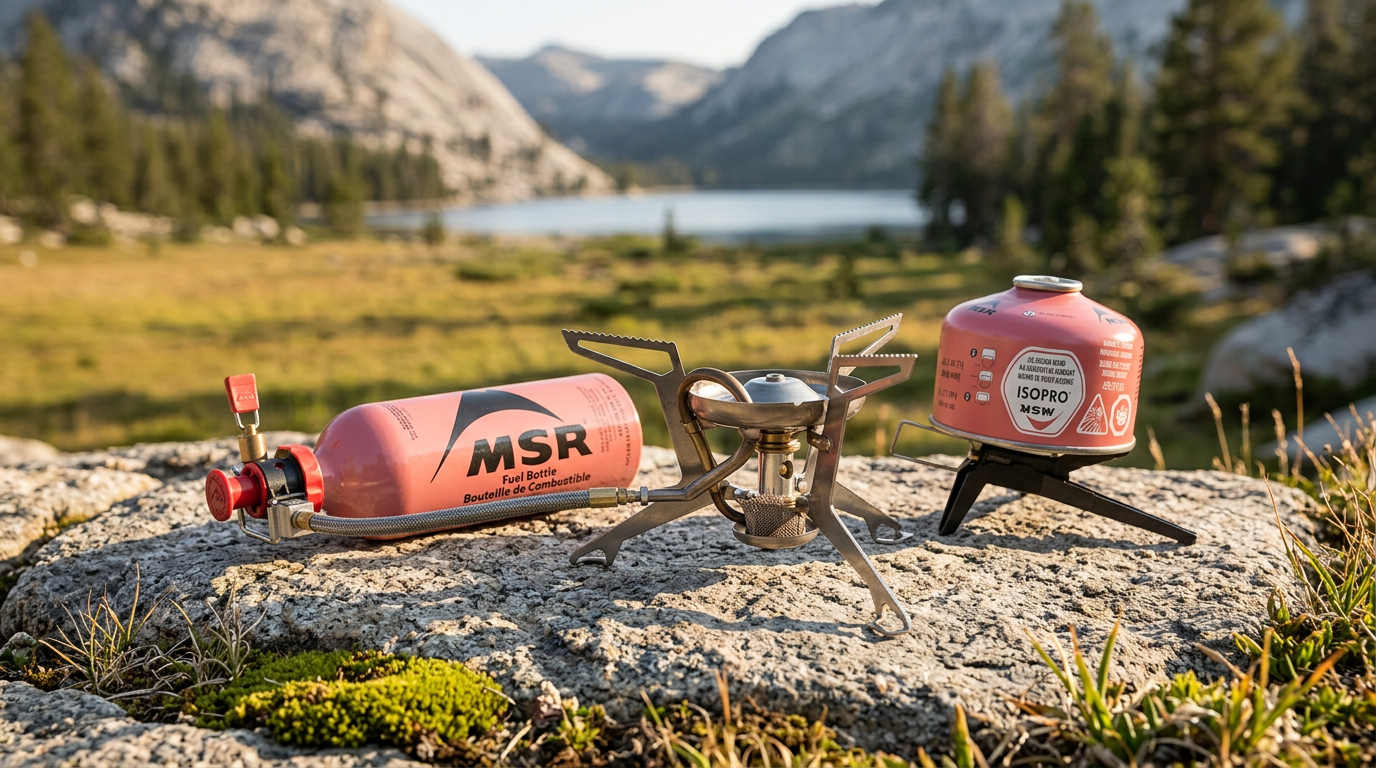
MSR WhisperLite Universal Compact Hybrid Fuel Camping and Backpacking Stove Review
REVIEW
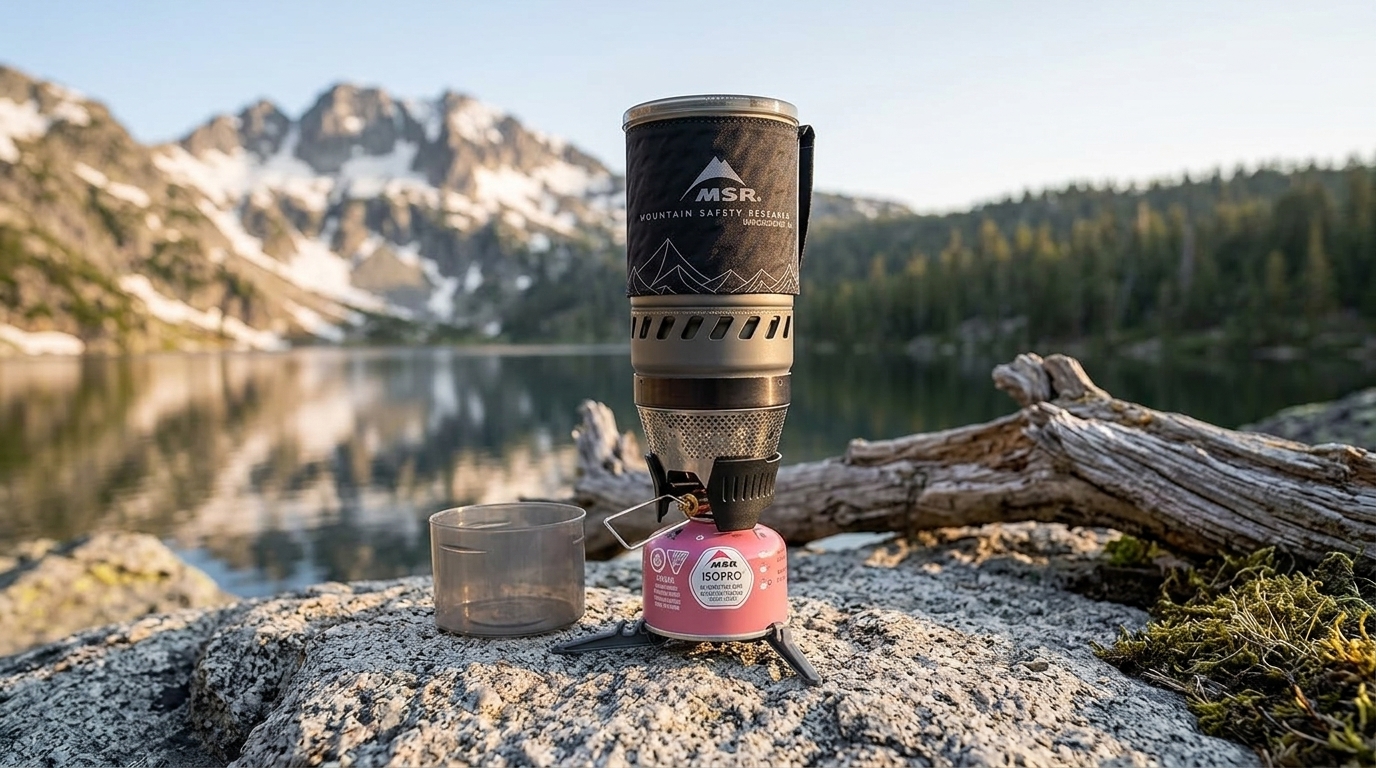
MSR WindBurner Personal Windproof Camping and Backpacking Stove System Review
REVIEW
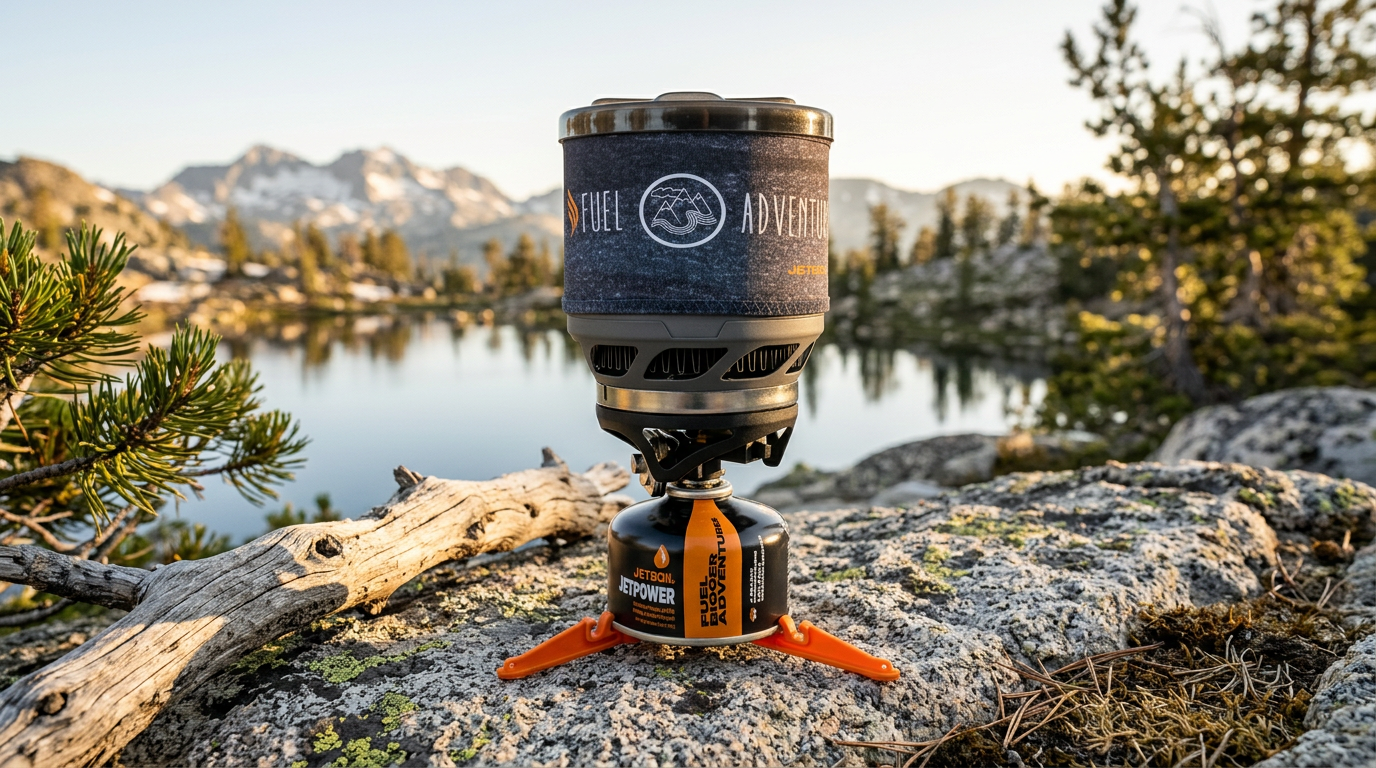
Jetboil MiniMo Camping and Backpacking Stove Cooking System with Adjustable Heat Control Review
REVIEW
Jetboil Flash Camping and Backpacking Stove System Review
REVIEW
SOTO WindMaster Canister Stove with 4Flex Review
REVIEW