
Review · spring · summer · fall · winter
Garmin Fenix 7X Sapphire Solar Smartwatch Review: Flagship Navigation for Multi-Day Backcountry Trips
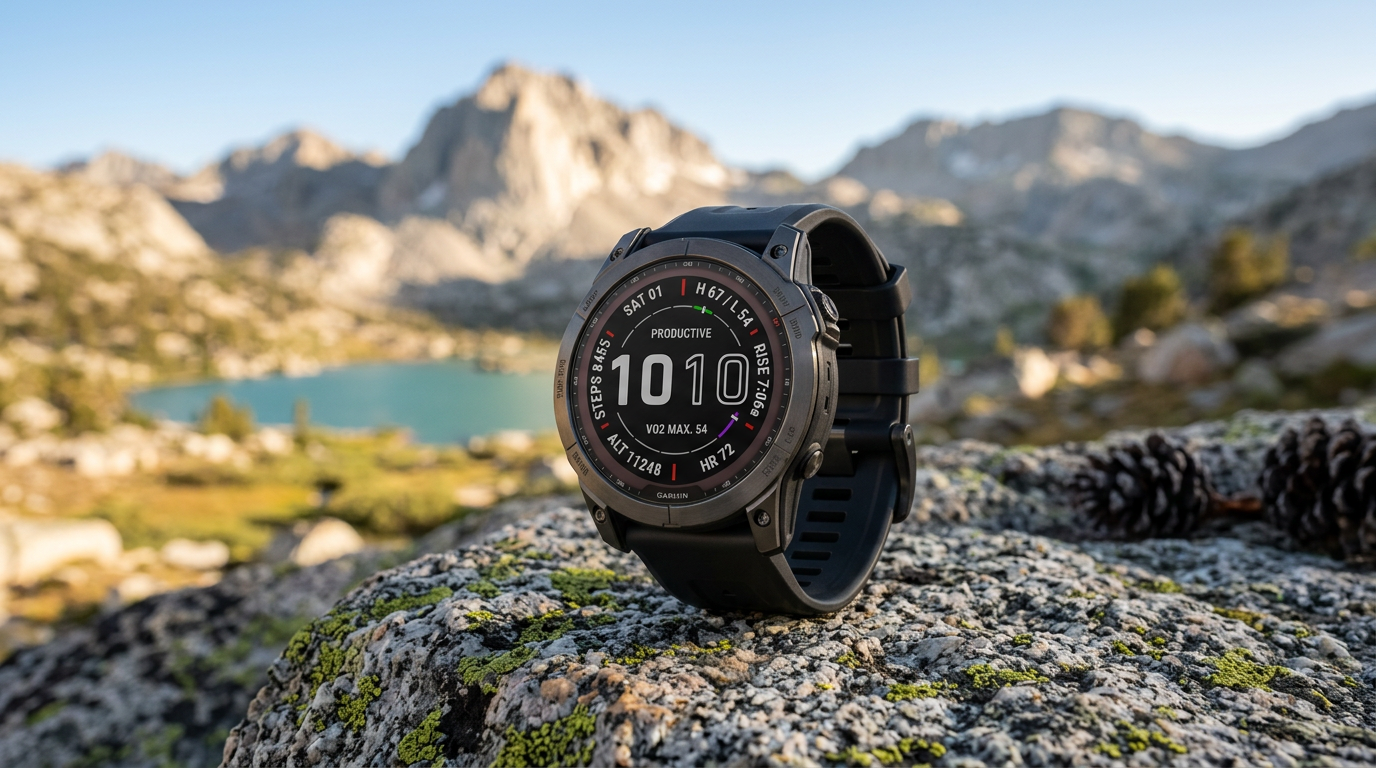
The Fenix 7X Sapphire Solar represents Garmin's largest and most capable outdoor watch, pairing a 1.4-inch always-on display with Power Sapphire solar charging, multi-band GNSS positioning, and preloaded TopoActive maps. This renewed unit delivers the same core functionality as new at approximately 30% savings, making it a compelling option for backpackers, alpinists, and ultra-runners who need extended battery life (up to 122 hours GPS tracking with solar) and robust navigation features. The tradeoff is size and weight—this is Garmin's largest case diameter (51 mm), which overwhelms smaller wrists, and the renewed designation means cosmetic wear and a shorter warranty period than new units.
Disclosure: Four Seasons Gear is reader-supported. When you buy through links on our site, we may earn an affiliate commission at no extra cost to you. Prices and availability are accurate as of the time we last checked.
Construction and Materials
The Fenix 7X uses a fiber-reinforced polymer case with a stainless steel rear cover and bezel, striking a balance between durability and wearability. The Power Sapphire lens—Garmin's proprietary solar-charging crystal—sits flush with the bezel and provides scratch resistance far exceeding Corning Gorilla Glass while harvesting solar energy across the entire display surface. The 1.4-inch transflective MIP (memory-in-pixel) display remains readable in direct sunlight without backlight, a critical advantage over AMOLED screens in alpine environments. Case diameter measures 51 mm with an approximate thickness of 14.9 mm and weight around 89 g (manufacturer spec, verify before purchase), making this the heftiest watch in Garmin's lineup. The silicone QuickFit 26 mm band uses a tool-free release mechanism for swapping to aftermarket straps.
Specs
The renewed designation means this unit has been inspected and tested by Amazon-qualified suppliers, but may show cosmetic wear on the case, bezel, or band. Renewed electronics typically carry a 90-day warranty versus Garmin's standard 1-year coverage on new units. Functionally, the watch should perform identically to new, but buyers should expect minor scuffs or screen micro-scratches invisible during use but visible under certain lighting.
Navigation and Positioning Accuracy
The Fenix 7X's multi-band GNSS capability represents a significant upgrade over single-frequency GPS. By receiving signals on multiple frequencies from GPS, GLONASS, and Galileo satellites simultaneously, the watch mitigates signal reflection errors in canyons, dense forest, and urban corridors. Treeline Review's field testing noted improved track accuracy in technical terrain compared to previous Fenix generations, with tighter breadcrumb trails and fewer erratic jumps when traversing ridgelines. The built-in 3-axis compass, gyroscope, and barometric altimeter provide backup navigation when satellite visibility degrades, and the barometric altimeter delivers more accurate elevation gain/loss data than GPS-derived altitude.
Preloaded TopoActive maps cover worldwide topography with contour lines, trail networks, and points of interest, eliminating the need to sideload routes for most backcountry trips. Built-in Wi-Fi allows downloading additional maps (including ski resort and golf course overlays) without tethering to a computer—a convenience feature absent from the Garmin Instinct 2 Solar GPS Watch, which requires smartphone syncing for all map updates. For users who also carry a dedicated GPS unit like the Garmin GPSMAP 67 Handheld GPS, the Fenix 7X can serve as a wrist-based backup with near-equivalent mapping functionality, though the smaller screen makes detailed route planning less comfortable than a handheld's 3-inch display.
Battery Life and Solar Charging
Garmin rates the Fenix 7X Sapphire Solar at 28 days in smartwatch mode (notifications, activity tracking, 24/7 heart rate) or 37 days with 3 hours daily solar exposure at 50,000 lux—roughly the intensity of full midday sun. In GPS tracking mode, battery life extends from 89 hours indoors to 122 hours with continuous solar charging under the same 50,000 lux condition. These figures assume default 1-second GPS recording; switching to UltraTrac mode (periodic GPS sampling) can push battery life beyond 200 hours, though at the cost of track fidelity.
For multi-day fastpacking or ultra-distance events, the Fenix 7X's battery life substantially exceeds smaller Garmin models. The standard Fenix 7 (non-X) offers approximately 57 hours GPS with solar, while the Garmin Instinct 2 Solar GPS Watch tops out around 48 hours—both adequate for most weekend trips but marginal for week-long treks without recharging. Users accustomed to nightly headlamp charging (e.g., the Black Diamond Spot 400 Headlamp or Petzl Actik Core Rechargeable Headlamp) can adopt a similar routine with the Fenix 7X, topping off the watch during dinner prep to maintain 100% charge throughout a long hike.
Training and Health Metrics
The Fenix 7X incorporates Garmin's fourth-generation Elevate heart rate sensor, which uses a redesigned LED array for improved accuracy during high-intensity intervals and cold-weather activities. The watch calculates VO2 max, training load, recovery time, and real-time stamina—a metric that estimates remaining energy reserves based on heart rate variability, sleep quality, and recent training stress. For trail runners transitioning from road marathons to mountain ultras, the stamina graph provides a rough proxy for when to back off pace on climbs, though it cannot account for nutrition or hydration deficits.
Pulse Ox monitoring (unavailable in some countries due to regulatory restrictions) measures blood oxygen saturation overnight or on-demand, useful for acclimatization tracking above 8,000 feet. The feature drains battery faster than standard heart rate monitoring, so most users disable continuous Pulse Ox except during high-altitude trips. Sleep tracking includes REM, light, and deep sleep phases, plus a morning sleep score synthesizing duration, restfulness, and heart rate variability. These metrics are estimations rather than medical-grade data—users with diagnosed sleep disorders or cardiovascular conditions should rely on clinical equipment, not wrist-based sensors.
Durability Considerations
The Power Sapphire lens resists scratching from rock contact, ice tool handles, and pack frame abrasion far better than mineral glass or acrylic alternatives. Sapphire crystal rates 9 on the Mohs hardness scale (diamond is 10), meaning only diamond, corundum, or silicon carbide will scratch it—materials rarely encountered in outdoor environments. The fiber-reinforced polymer case withstands impacts that would crack a full-metal housing, though the stainless bezel can show dings from repeated rock scrambling or via ferrata use. The 10 ATM water rating permits swimming, snorkeling, and showering, but Garmin does not recommend the watch for scuba diving or high-velocity water sports (cliff jumping, whitewater kayaking).
Button controls—five physical buttons surrounding the case—operate reliably in wet, cold, or gloved conditions, a significant advantage over touchscreen-only smartwatches. The touchscreen (new to the Fenix 7 series) supplements button navigation for map panning and menu scrolling, but can be disabled entirely for winter mountaineering when gloves or precipitation render touch input unreliable. Users who prioritize button-only operation may prefer the Garmin Instinct 2 Solar GPS Watch, which omits the touchscreen entirely and uses a simpler five-button interface.
Size and Fit Considerations
The 51 mm case diameter makes the Fenix 7X Garmin's largest outdoor watch, designed for wrists 6.7 inches (170 mm) in circumference or larger. Smaller-wristed users—particularly those with wrist circumferences below 6.3 inches—should consider the standard Fenix 7 (47 mm case) or Fenix 7S (42 mm case), both of which offer identical features with proportionally smaller batteries. The 7X's size advantage manifests primarily in battery capacity and screen real estate; the 1.4-inch display shows more map detail and data fields simultaneously than the 7's 1.3-inch or 7S's 1.2-inch screens.
At approximately 89 g, the Fenix 7X weighs more than twice the Garmin Instinct 2 Solar GPS Watch (approximately 42 g) and roughly equivalent to a full Nalgene 32 oz Wide Mouth Water Bottle cap assembly. For ultralight backpackers counting grams, this weight penalty may seem excessive for a non-essential item, though the watch's navigation backup capability can justify carrying it in lieu of a paper map and compass (combined weight approximately 60-80 g). The 26 mm QuickFit band accommodates third-party straps, including lighter nylon or elastic options that shave 10-15 g off total weight.
Value Proposition and Renewed Status
At approximately $500, this renewed Fenix 7X Sapphire Solar costs roughly 30% less than new units (typically $700-$750), making it one of the more accessible entry points into Garmin's flagship watch tier. The renewed designation introduces some uncertainty—cosmetic condition varies by unit, and the 90-day warranty provides less coverage than new purchases—but functionally tested devices should deliver identical performance. For buyers who prioritize features over pristine aesthetics, the renewed option represents solid value, particularly compared to new mid-tier watches like the Garmin Instinct 2 Solar GPS Watch (approximately $400 new), which lacks the Fenix's touchscreen, maps, and multi-band GNSS.
The Fenix 7X competes primarily with Suunto's 9 Peak Pro and Coros Vertix 2, both of which offer similar battery life and mapping at comparable price points. Garmin's ecosystem advantage—compatibility with inReach satellite communicators like the Garmin inReach Mini 2 Satellite Communicator, ANT+ sensors, and Garmin Connect's training analytics—makes the Fenix 7X a stronger choice for users already invested in Garmin devices. For buyers seeking only basic GPS tracking and notification support, the Garmin Instinct 2 Solar GPS Watch delivers 80% of the Fenix's functionality at 60% of the renewed price, though without maps or multi-band GNSS.
Pros and Cons
What we like
Trade-offs
Frequently Asked Questions
+How does the renewed Fenix 7X differ from a new unit?
Renewed units have been inspected and tested for functionality but may show cosmetic wear (case scuffs, minor screen scratches, band discoloration). They carry a 90-day warranty versus Garmin's standard 1-year coverage on new purchases. Internally, the watch should perform identically—same sensors, same battery capacity, same software. Buyers should expect a device that looks lightly used but functions like new.
+Will the Fenix 7X work with my existing Garmin devices?
Yes. The Fenix 7X pairs via Bluetooth and ANT+ with Garmin's ecosystem, including the Garmin inReach Mini 2 Satellite Communicator for two-way messaging, chest strap heart rate monitors, cycling power meters, and running dynamics pods. It syncs with Garmin Connect for training analytics and can control Garmin VIRB action cameras. This ecosystem integration is a primary advantage over competing watches from Suunto or Coros.
+Can I use the Fenix 7X for winter mountaineering and skiing?
Yes, with caveats. The watch includes preloaded ski resort maps, tracks vertical descent, and operates in temperatures down to -20°C (manufacturer spec). The touchscreen can be disabled for gloved operation, and the transflective display remains readable in bright snow glare. However, the silicone band may stiffen in extreme cold, and Pulse Ox accuracy degrades below freezing. For dedicated ski touring, some users prefer mounting the watch over a jacket sleeve rather than directly on skin to maintain sensor contact.
+How accurate is the barometric altimeter compared to GPS altitude?
The barometric altimeter typically provides elevation accuracy within 10-15 feet when calibrated to a known elevation or current barometric pressure. GPS-derived altitude can drift by 50-100 feet depending on satellite geometry and atmospheric conditions. For tracking elevation gain/loss during a hike, the barometric altimeter is more reliable, though it requires recalibration if weather systems move through (changing barometric pressure without elevation change). The watch can auto-calibrate using GPS altitude at the start of an activity.
+Is the Fenix 7X worth the extra cost over the standard Fenix 7?
The 7X's advantages are battery life (122 hours GPS solar vs. 73 hours for the standard 7) and screen size (1.4 inches vs. 1.3 inches). For multi-day backpacking trips or ultra-distance events, the extra battery justifies the cost and weight penalty. For weekend trips and daily training, the standard Fenix 7 offers better wrist fit for most users at lower cost. The 7X makes sense primarily for larger-wristed users who regularly exceed 48 hours between charging opportunities.
The Bottom Line
The renewed Fenix 7X Sapphire Solar delivers flagship navigation and training features at a 30% discount, making it a compelling option for backpackers, alpinists, and ultra-runners who need extended battery life and robust mapping. The multi-band GNSS, Power Sapphire lens, and 122-hour GPS battery address the primary limitations of mid-tier outdoor watches, while the renewed status introduces only cosmetic compromises and a shorter warranty. For buyers with wrists large enough to accommodate the 51 mm case and budgets stretched by new flagship pricing, this represents one of the better value propositions in Garmin's current lineup.

Read next
More from this category
REVIEW
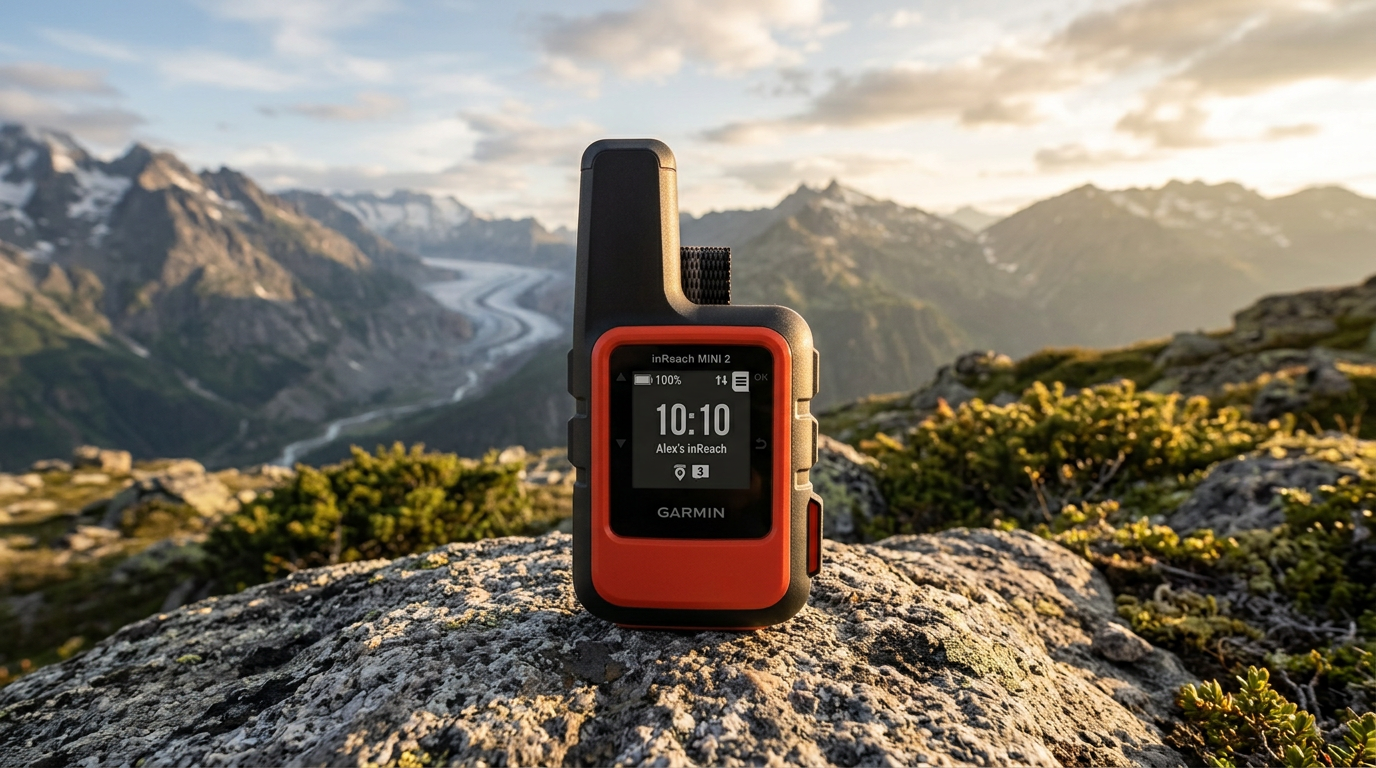
Garmin inReach Mini 2 Satellite Communicator Review: Two-Way Messaging Beyond Cell Coverage
REVIEW
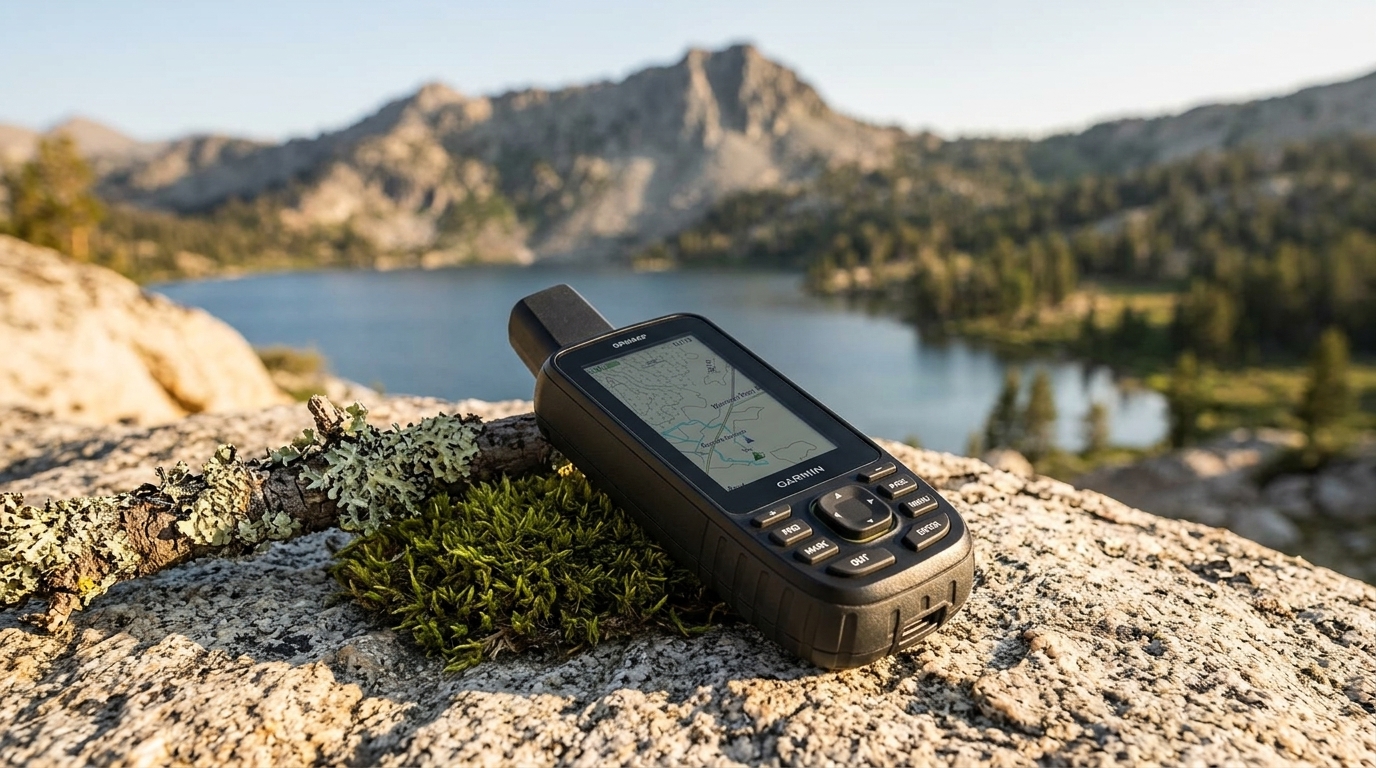
Garmin GPSMAP 67 Handheld GPS Review: Multi-Band GNSS Meets Backcountry Durability
REVIEW
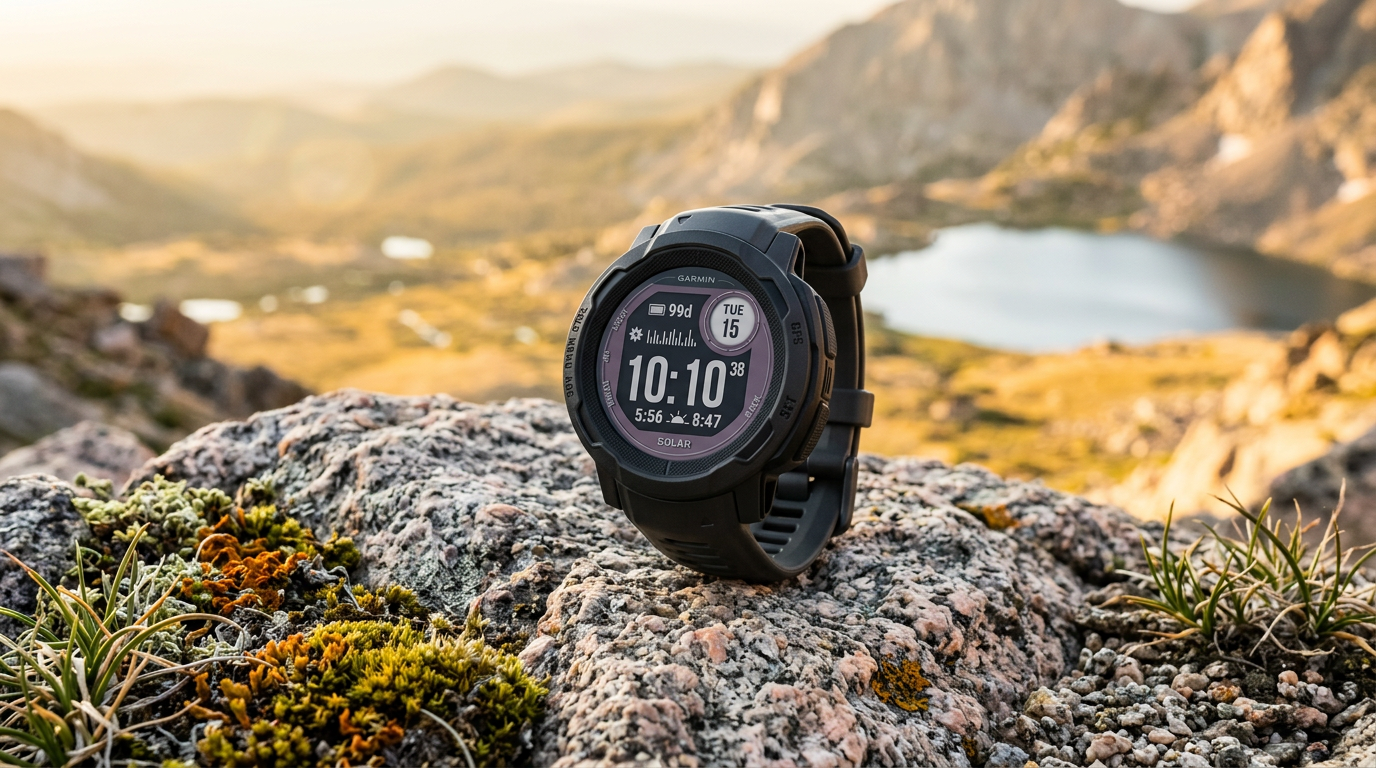
Garmin Instinct 2 Solar GPS Watch Review: Unlimited Battery Life for Multi-Season Backcountry Use

BEST OF
Best Rechargeable Headlamps for Backpacking

BEST OF
Best Beginner Binoculars for Hiking and Bird Watching

GUIDE