
Review · spring · summer · fall · winter
Garmin inReach Mini 2 Satellite Communicator Review: Two-Way Messaging Beyond Cell Coverage
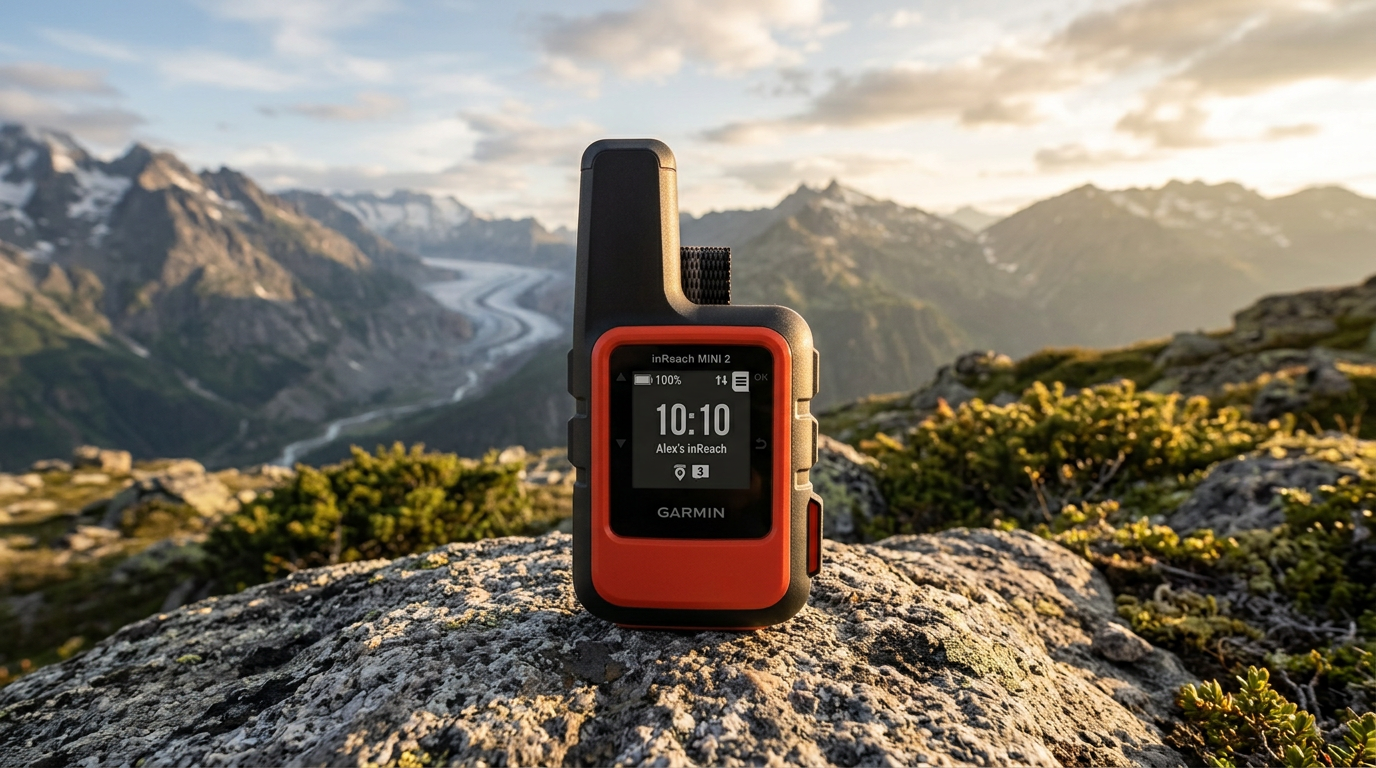
The Garmin inReach Mini 2 is a compact two-way satellite communicator designed for backcountry travelers who need reliable messaging, SOS capability, and GPS tracking beyond cellular range. Weighing approximately 100 g and measuring roughly 52 × 99 × 26 mm, it sacrifices the screen size and onboard navigation features of larger satellite devices in exchange for pack-friendly dimensions that rival a car key fob. The tradeoff is clear: you gain year-round emergency communication and tracking for backpacking, mountaineering, and remote expeditions, but you'll rely heavily on smartphone pairing for message composition and map viewing, and you'll commit to an ongoing subscription plan (starting around $14.95/month for the safety plan, verify current pricing) to activate the Iridium satellite network.
Disclosure: Four Seasons Gear is reader-supported. When you buy through links on our site, we may earn an affiliate commission at no extra cost to you. Prices and availability are accurate as of the time we last checked.
Construction and Core Specifications
The inReach Mini 2 uses a polycarbonate housing with an IPX7 waterproof rating (submersible to 1 meter for 30 minutes, manufacturer spec). The device measures approximately 52 mm wide × 99 mm tall × 26 mm thick and weighs around 100 g with the internal lithium-ion battery installed. Garmin rates battery life at up to 14 days in default 10-minute tracking mode, 30 days in power-save 30-minute mode, or approximately 30 hours of continuous GPS logging. The monochrome LCD is roughly 23 × 33 mm—large enough to confirm message receipt and view waypoint names, but too small for comfortable map navigation or long message reading without a paired smartphone.
Specs
Two-Way Messaging and SOS Functionality
The Mini 2 communicates via the Iridium satellite constellation, which provides pole-to-pole coverage—critical for mountaineering above treeline or winter expeditions where cellular towers are absent. You can send and receive text messages (160-character limit per message), trigger an interactive SOS to GEOS 24/7 emergency coordination (included in all subscription plans), and share your GPS position with contacts via a web-based MapShare portal. OutdoorGearLab's review noted that message delivery typically occurs within 1–3 minutes under clear sky, though dense forest canopy or canyon walls can delay transmission. Section Hiker's review flagged the small onboard keyboard as tedious for composing anything beyond canned quick-text messages, recommending Bluetooth pairing with the Garmin Explore smartphone app for easier typing and map context.
GPS Tracking and Navigation Features
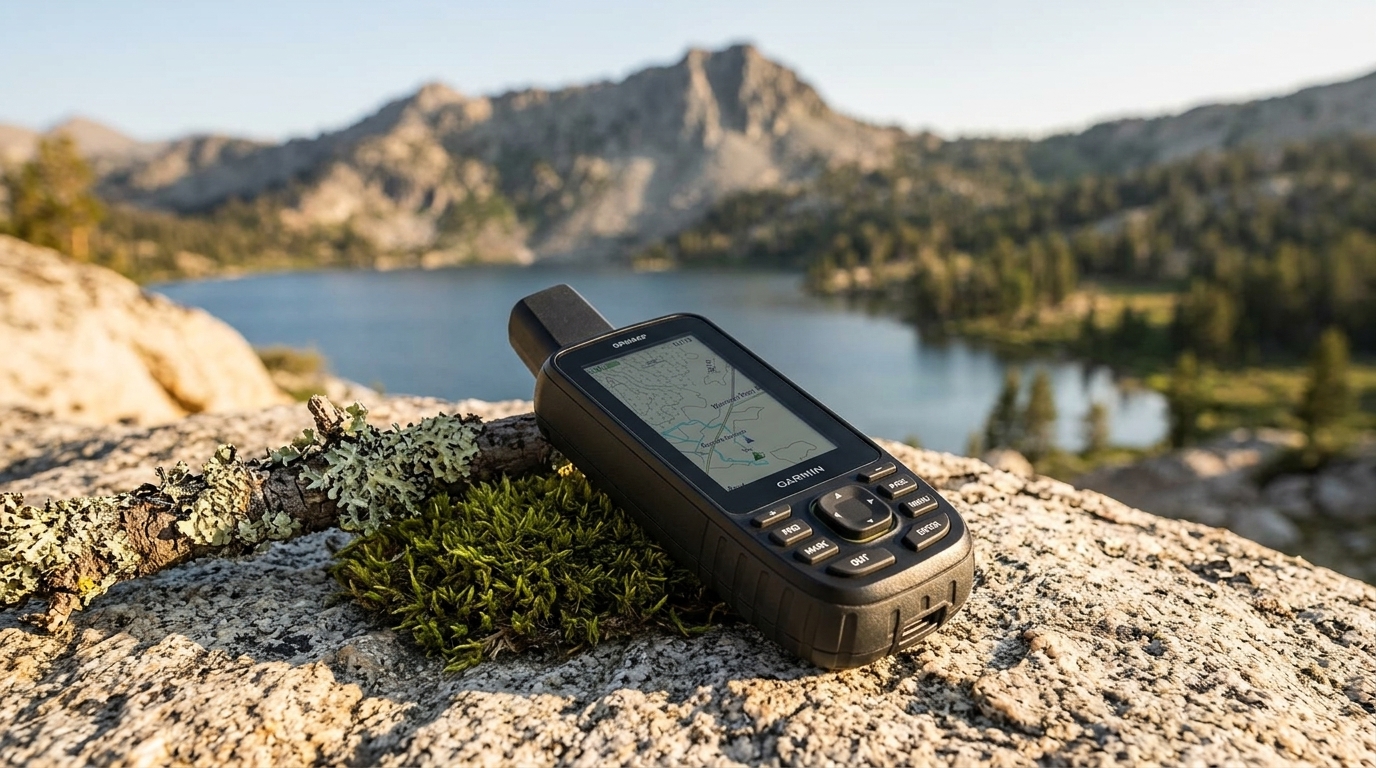
The device logs GPS breadcrumb tracks at user-defined intervals (10-minute default, adjustable from 1 minute to 4 hours) and can store approximately 200 waypoints internally. You can navigate to a stored waypoint using the Mini 2's compass page, which displays bearing and distance, but the tiny screen makes this practical only for simple point-to-point navigation. For route planning or topographic map viewing, you'll pair the Mini 2 with a smartphone running Garmin Explore or a compatible GPS unit like the Garmin GPSMAP 67 Handheld GPS. Treeline Review's assessment emphasized that the Mini 2 is not a replacement for a dedicated GPS—it's a communicator first, with basic navigation as a backup feature.
Durability Considerations
The polycarbonate shell and IPX7 rating suggest the Mini 2 can handle rain, snow, and brief submersion (dropped in a creek during a water crossing, for example). The lack of a replaceable battery means the device's service life is tied to lithium-ion degradation—expect capacity to decline after several hundred charge cycles, typical for rechargeable satellite communicators. The monochrome LCD is less prone to impact damage than a color touchscreen, and the physical button interface (four-way rocker plus select/back/power keys) eliminates the glove-compatibility issues that plague capacitive touch devices. Garmin does not publish a specific drop-test rating, but the compact form factor and lack of protruding antennas reduce snag risk when clipped to a pack shoulder strap or stored in a hipbelt pocket.
Subscription Plans and Ongoing Costs
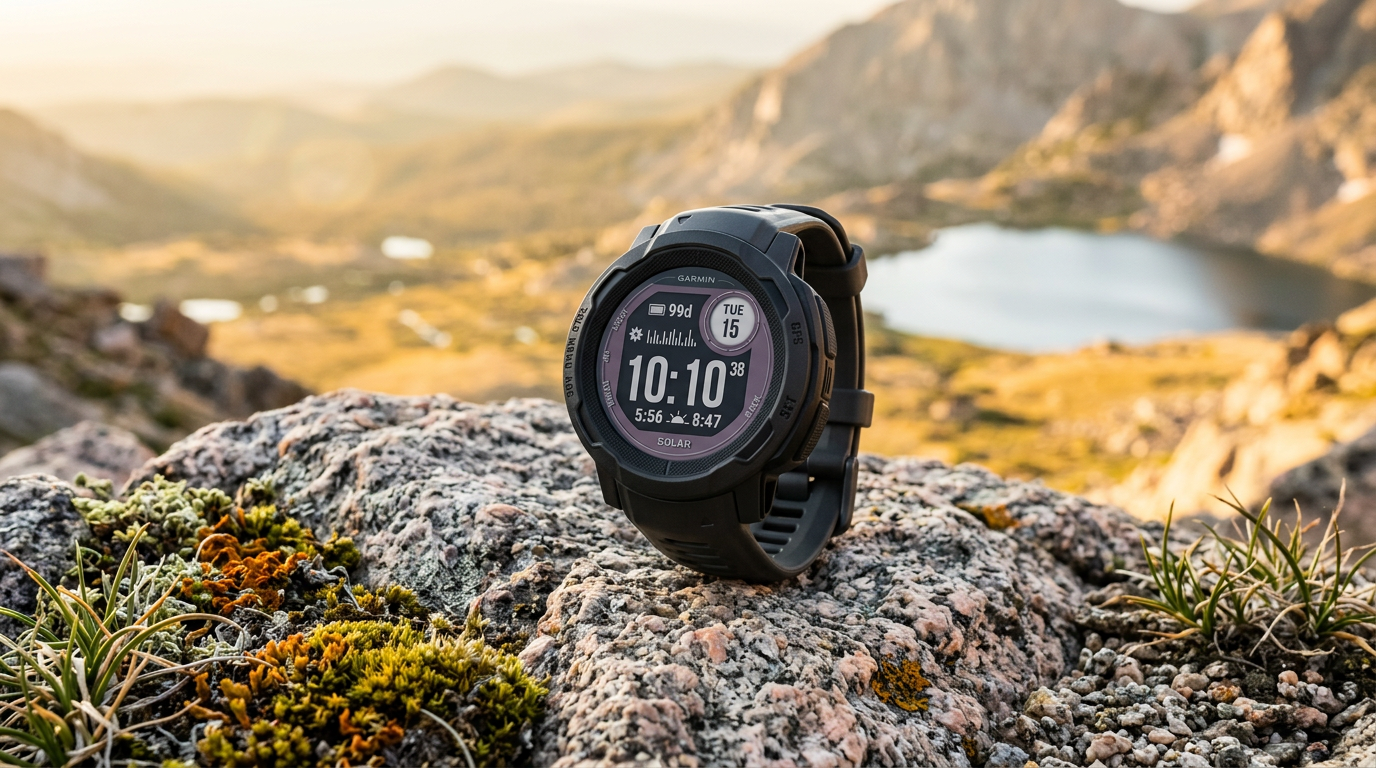
The Mini 2 requires an active Garmin inReach subscription to send or receive messages and access SOS services. As of this writing, Garmin offers several tiers: the Safety plan (~$14.95/month annual, ~$19.95 month-to-month) includes unlimited preset messages, 10 text messages, and unlimited SOS; the Recreation plan (~$34.95/month annual) adds unlimited texting and tracking; and the Expedition plan (~$64.95/month annual) increases tracking frequency options and message throughput. These prices are approximate—verify current rates on Garmin's site before purchase. You can suspend service during off-seasons for a nominal fee (~$4.95/month), which is useful for seasonal backpackers who only venture beyond cell range during summer. This subscription model is standard across the satellite communicator category, but it's a recurring cost that distinguishes the Mini 2 from one-time-purchase tools like the Garmin Instinct 2 Solar GPS Watch, which offers GPS tracking without satellite messaging.
Comparison Context: Where the Mini 2 Sits in the Satellite Communicator Category
The inReach Mini 2 occupies the ultralight end of the two-way satellite communicator spectrum. At approximately 100 g, it's lighter than Garmin's own inReach Messenger (~115 g) and significantly lighter than the touchscreen-equipped inReach Explorer+ (~215 g). The tradeoff is screen real estate and onboard navigation: the Explorer+ can display topographic maps and route guidance without a smartphone, while the Mini 2 leans on Bluetooth pairing for those tasks. For users who already carry a GPS watch or a dedicated handheld like the Garmin GPSMAP 67 Handheld GPS, the Mini 2's minimalist design avoids redundant features and saves pack weight. For solo mountaineers or ultralight backpackers who prioritize SOS capability and check-in messaging over full navigation, the Mini 2 delivers the core functionality in a package small enough to clip to a chest strap or stash in a first-aid kit.
Value Proposition
The Mini 2's retail price typically hovers around $400 (verify current pricing), which positions it as a mid-tier investment relative to the broader satellite communicator market. When you factor in the annual subscription cost (~$180 for the Safety plan, ~$420 for Recreation), the first-year total approaches $600. That's a significant outlay, but it buys peace of mind for travelers venturing into zones where a twisted ankle or sudden weather change could turn life-threatening without communication. The value calculation hinges on how often you travel beyond cell range: weekend warriors who stick to established trails with cell coverage may find the cost hard to justify, while expedition climbers, packrafters, and backcountry skiers who routinely operate in communication dead zones will view the Mini 2 as essential safety infrastructure.
What we like
Trade-offs
Best For
- Ultralight backpackers who prioritize weight savings and already carry a GPS watch or smartphone for navigation
- Mountaineers and alpinists operating above treeline where cell coverage is absent
- Solo hikers and packrafters who need emergency SOS and check-in messaging without the bulk of a full-featured GPS
- Winter backcountry skiers and snowshoers who require year-round satellite communication
- Expedition travelers on multi-week trips in remote regions (Alaska, Patagonia, Himalayas) where rescue coordination is critical
Not For
- Weekend hikers who stay within cell range and don't need satellite backup
- Users who want onboard topographic maps and turn-by-turn navigation without a smartphone
- Budget-conscious buyers unwilling to commit to recurring subscription fees
- Groups who prefer a single shared communicator with a larger screen for collaborative message reading
Frequently Asked Questions
+Can I use the inReach Mini 2 without a smartphone?
Yes. You can send preset quick-text messages, trigger SOS, and navigate to stored waypoints using only the device's onboard screen and buttons. However, composing custom messages on the tiny keyboard is tedious, and you won't see map context or detailed message threads without pairing to the Garmin Explore app on a smartphone or tablet.
+How does the Mini 2 compare to a personal locator beacon (PLB)?
A PLB (like the ACR ResQLink) is a one-way emergency device—you trigger SOS, and search-and-rescue receives your GPS coordinates, but you can't send custom messages or receive confirmation. The Mini 2 offers two-way communication (you can tell rescuers your injury status, receive weather updates, or coordinate pickup logistics) and non-emergency messaging to family. PLBs require no subscription and have 5–10 year battery life, but they lack the flexibility of a satellite communicator.
+What happens if I suspend my subscription during the off-season?
Garmin allows you to suspend service for approximately $4.95/month (verify current rate). During suspension, you cannot send or receive messages or trigger SOS, but you preserve your phone number and account settings. This is cost-effective for seasonal users who only backpack or climb during summer months.
+Can I share my GPS track in real time with family?
Yes. The MapShare feature (included in all subscription plans) generates a web link that displays your breadcrumb track on a map. You can set tracking intervals from 1 minute to 4 hours—shorter intervals drain the battery faster but provide more granular position updates. Family members access the link via any web browser; no Garmin account required on their end.
+Does the Mini 2 work inside a tent or under tree cover?
The device needs a clear view of the sky to acquire satellites. Inside a tent, message transmission will likely fail or experience significant delays. Under moderate tree cover (deciduous forest in summer), expect slower message delivery—Section Hiker's review noted 3–5 minute delays in dense canopy versus 1–2 minutes in open terrain. For reliable communication, step into a clearing or meadow when sending critical messages.
Final Recommendation
The Garmin inReach Mini 2 delivers two-way satellite communication in a package light enough to carry on every backcountry trip. Its 100 g weight and IPX7 waterproofing make it a low-penalty addition to any pack, and the Iridium network's global coverage ensures you can reach emergency services or check in with family from the Alaska Range, the Wind Rivers, or the High Sierra. The small screen and ongoing subscription cost are real tradeoffs, but for users who venture beyond cell range regularly—mountaineers, packrafters, solo backpackers, winter travelers—the Mini 2's blend of SOS capability, GPS tracking, and text messaging provides a safety net that justifies both the upfront investment and the monthly fee. If you already carry a smartphone or GPS watch for navigation, the Mini 2 slots into your kit as a dedicated communicator without redundant features. If you need onboard maps and a larger screen, consider Garmin's Explorer+ or pair the Mini 2 with a device like the Garmin GPSMAP 67 Handheld GPS for a modular two-device system.

Read next
More from this category
REVIEW
Garmin Fenix 7X Sapphire Solar Smartwatch Review: Flagship Navigation for Multi-Day Backcountry Trips
REVIEW
Garmin GPSMAP 67 Handheld GPS Review: Multi-Band GNSS Meets Backcountry Durability
REVIEW
Garmin Instinct 2 Solar GPS Watch Review: Unlimited Battery Life for Multi-Season Backcountry Use

BEST OF
Best Rechargeable Headlamps for Backpacking
BEST OF
Best Beginner Binoculars for Hiking and Bird Watching

GUIDE