
Review · spring · summer · fall · winter
Therm-a-Rest NeoAir XTherm NXT MAX Review: 7.3 R-Value in 650 Grams
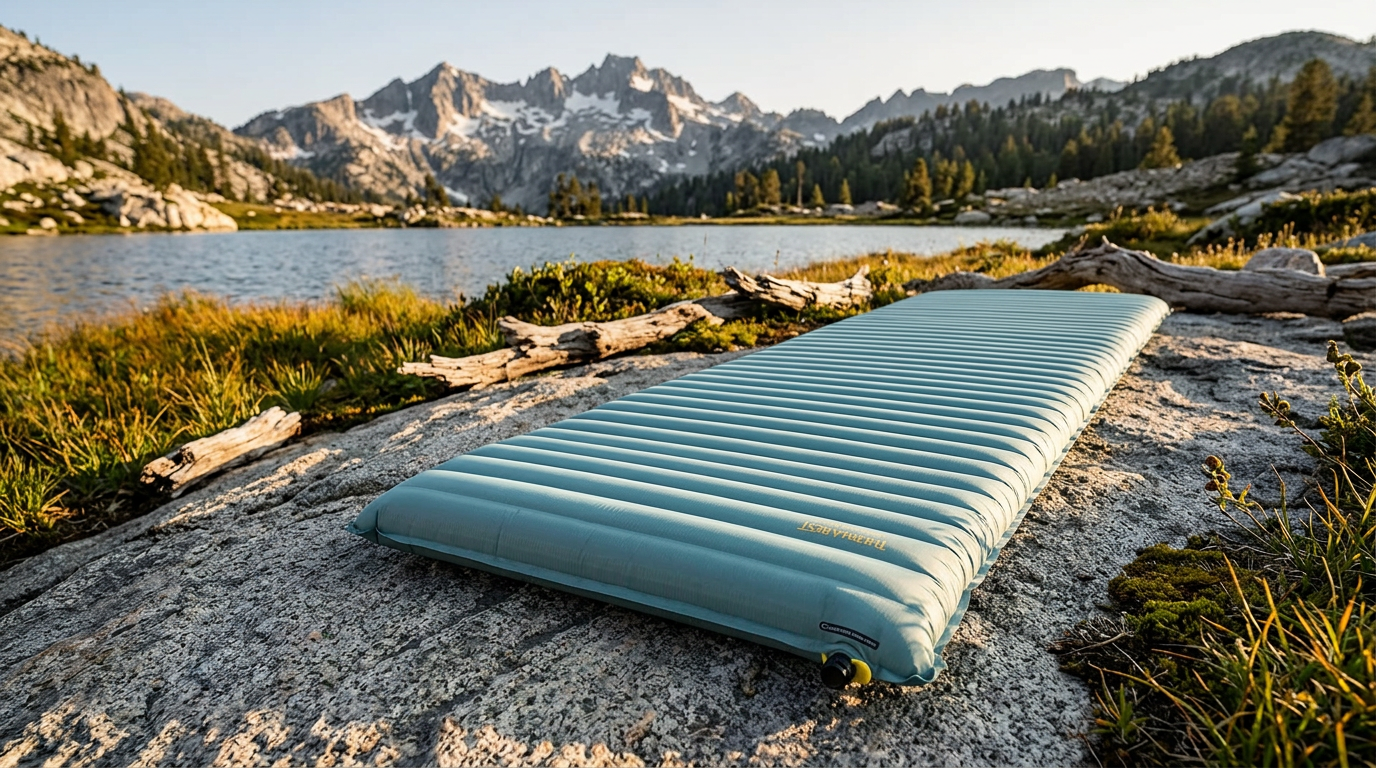
The NeoAir XTherm NXT MAX is engineered for alpinists, winter backpackers, and cold sleepers who prioritize warmth-to-weight ratio above all else. At 650 g for the Regular Wide, it delivers a laboratory-tested 7.3 R-value—sufficient for sub-zero conditions—while packing smaller than most summer pads. The tradeoff: air pads crinkle, require careful inflation in freezing temps, and demand puncture vigilance. If you're carrying gear above treeline in January or shaving ounces for a multi-week traverse, this is the benchmark four-season pad.
Disclosure: Four Seasons Gear is reader-supported. When you buy through links on our site, we may earn an affiliate commission at no extra cost to you. Prices and availability are accurate as of the time we last checked.
Specifications
Specs
Construction and Materials
Therm-a-Rest's Triangular Core Matrix construction uses dozens of welded internal baffles arranged in a triangular pattern to create stable air pockets. This geometry minimizes convective heat transfer—warm air circulating inside the pad—while the aluminized ThermaCapture layer reflects radiant body heat back toward the sleeper. The result is a 7.3 R-value certified under the ASTM F3340-18 standard, placing this pad firmly in the winter-expedition category.
The top surface uses 30-denier ripstop nylon with a soft-touch finish; the bottom upgrades to 70-denier ripstop for abrasion resistance against tent floors, snow platforms, and rocky alpine campsites. Therm-a-Rest applies a durable water-repellent coating, though the included stuff sack now uses a PFAS-free formulation. The WingLock valve—a two-way design with a large diameter—allows rapid deflation and works reliably in sub-freezing temperatures when gloved hands struggle with fiddly mechanisms.
Warmth and Insulation Performance
A 7.3 R-value translates to approximately -29°C (-20°F) comfort in laboratory conditions, though real-world performance depends on sleeping bag rating, ground conditions, and individual cold tolerance. Section Hiker's field testing confirmed the XTherm NXT MAX kept testers warm on snow platforms at -18°C (0°F) when paired with a 0°F bag. OutdoorGearLab's winter trials in the Sierra Nevada noted no cold spots or convective chill even during multi-day cold snaps.
The 7.6 cm (3-inch) thickness provides clearance from frozen ground and reduces the risk of bottoming out for side sleepers or those carrying heavier packs. The Regular Wide's 64 cm width accommodates shoulder movement without arms sliding off onto cold tent fabric—a common issue with mummy-cut pads in winter bags.
Weight, Packability, and Inflation
At 650 g, the Regular Wide undercuts most closed-cell foam pads (which hover around 400–500 g but offer R-values of 2.0–2.6) while delivering triple the insulation. It rolls to roughly 1-liter volume—smaller than many summer air pads—making it viable for alpine climbing packs where every cubic centimeter counts. The included pump sack inflates the pad in 15–20 breaths without introducing lung moisture, which can freeze inside the baffles overnight and degrade insulation.
Durability Considerations
The 70-denier bottom fabric resists punctures better than the 20D or 30D materials found on ultralight summer pads, but air mattresses remain vulnerable to sharp objects—crampon points, ice screws, volcanic scree. Therm-a-Rest includes a patch kit; field repairs in winter require warming the adhesive against skin before application. The welded baffle seams have proven reliable across thousands of user-nights, though any air pad can develop slow leaks over years of UV exposure, ozone degradation, or flexing fatigue.
The WingLock valve uses a brass core and reinforced plastic housing, both more durable than push-pull designs. Halfway Anywhere's long-term review logged 60 nights without valve issues, though grit or ice can jam the mechanism if not cleared before packing.
Comparison Context
The XTherm NXT MAX sits at the apex of the winter air-pad category. Sea to Summit's Ether Light XT Extreme (R-value 6.2, 460 g in Regular) offers a quieter sleep surface and lighter weight but sacrifices 1.1 R-value—meaningful in true winter conditions. Nemo's Tensor Extreme (R-value 8.5, 680 g) edges ahead in warmth but adds 30 g and costs more. For three-season use, pads like the Therm-a-Rest NeoLite (R-value 3.2, 340 g) save 310 g but leave cold sleepers shivering below 0°C.
Unlike the Big Agnes Copper Spur HV UL Ultralight Bikepacking Tent, which targets gram-counting summer backpackers, the XTherm NXT MAX assumes the user accepts some noise and puncture risk in exchange for survival-grade insulation at ultralight weight.
Value Assessment
At $249.95 MSRP, the XTherm NXT MAX costs 60–80% more than budget three-season pads, but winter-rated alternatives from NEMO, Exped, and Sea to Summit cluster in the same $220–$280 range. The included pump sack (a $25–$35 standalone item) and USA manufacturing with a lifetime warranty add value for users who log 20+ winter nights per season. For casual winter campers or those who primarily camp in shoulder seasons, a 4.0–5.0 R-value pad at $120–$150 may suffice.
Pros and Cons
What we like
Trade-offs
Best For
- Alpinists and mountaineers camping on snow or frozen ground
- Winter backpackers prioritizing warmth-to-weight ratio
- Cold sleepers who need 7+ R-value in three-season conditions
- Expedition users requiring packability for extended trips
- Side sleepers needing 7.6 cm clearance from the ground
- Thru-hikers carrying into shoulder-season snow
Not For
- Summer-only campers (overpaying for unused R-value)
- Budget-conscious buyers with <$150 to spend
- Light sleepers sensitive to pad noise
- Users camping exclusively in established sites with soft ground (closed-cell foam may suffice)
- Those unwilling to carry a patch kit and learn field repair
- Car campers who can tolerate heavier self-inflating pads
Frequently Asked Questions
+How does the Regular Wide compare to the Regular size?
The Regular Wide measures 64 cm (25 in) across versus 51 cm (20 in) for the Regular. The extra 13 cm adds 90 g (3.2 oz) and provides shoulder room for side sleepers or those using wider quilts. The Regular weighs 560 g and suits narrower mummy bags or users who sleep on their backs.
+Can I use this pad in summer without overheating?
Yes, though the 7.3 R-value may feel warm on 20°C (68°F) nights. The reflective ThermaCapture layer works passively—it doesn't generate heat, only reflects body warmth—so opening your sleeping bag or using a summer-weight quilt compensates. Many users carry one pad year-round rather than owning separate summer and winter models.
+What's the difference between the XTherm NXT and XTherm NXT MAX?
The MAX uses a 70D bottom fabric (versus 50D on the standard NXT) for improved puncture resistance. Both share the same 7.3 R-value, ThermaCapture technology, and WingLock valve. The MAX adds approximately 30 g but extends durability for expedition use on rough terrain.
+How do I prevent punctures in winter conditions?
Clear your tent site of ice chunks, crampon debris, and sharp rocks before laying the pad. Use a ground sheet (a piece of Tyvek or Polycro adds 30–60 g). Store crampons and ice tools in a separate stuff sack away from the sleeping area. Inspect the pad each morning for slow leaks using soapy water on the valve and seams.
+Does the pad need a sleeping bag with a pad sleeve?
No, but a sleeve or pad straps reduce sliding on slick tent floors. The 64 cm width of the Regular Wide stays put better than narrower pads. Some users place a thin closed-cell foam pad (like a Therm-a-Rest Z Lite Sol) underneath for added puncture insurance and an extra 0.5–1.0 R-value on snow.
Final Verdict
The Therm-a-Rest NeoAir XTherm NXT MAX delivers laboratory-verified 7.3 R-value warmth in a 650-gram package, making it the reference standard for winter backpackers and alpinists who refuse to compromise on insulation or pack weight. The 70-denier bottom, WingLock valve, and 7.6 cm thickness address the durability and comfort concerns that plague cheaper air pads, while the sub-1-liter packed size fits alpine climbing packs. The $249.95 price reflects premium materials and USA manufacturing, but the lifetime warranty and included accessories justify the cost for users logging 15+ winter nights per year. If you sleep cold, camp on snow, or carry gear above treeline, this pad's warmth-to-weight ratio is difficult to beat.

Read next
More from this category
REVIEW
Nemo Tensor Trail Ultralight Insulated Sleeping Pad Review: Wide Comfort at 3.5-Inch Loft
REVIEW
Therm-a-Rest NeoAir XTherm NXT Ultralight Camping and Backpacking Sleeping Pad Review
REVIEW
Klymit Insulated Static V Luxe Sleeping Pad Review
REVIEW
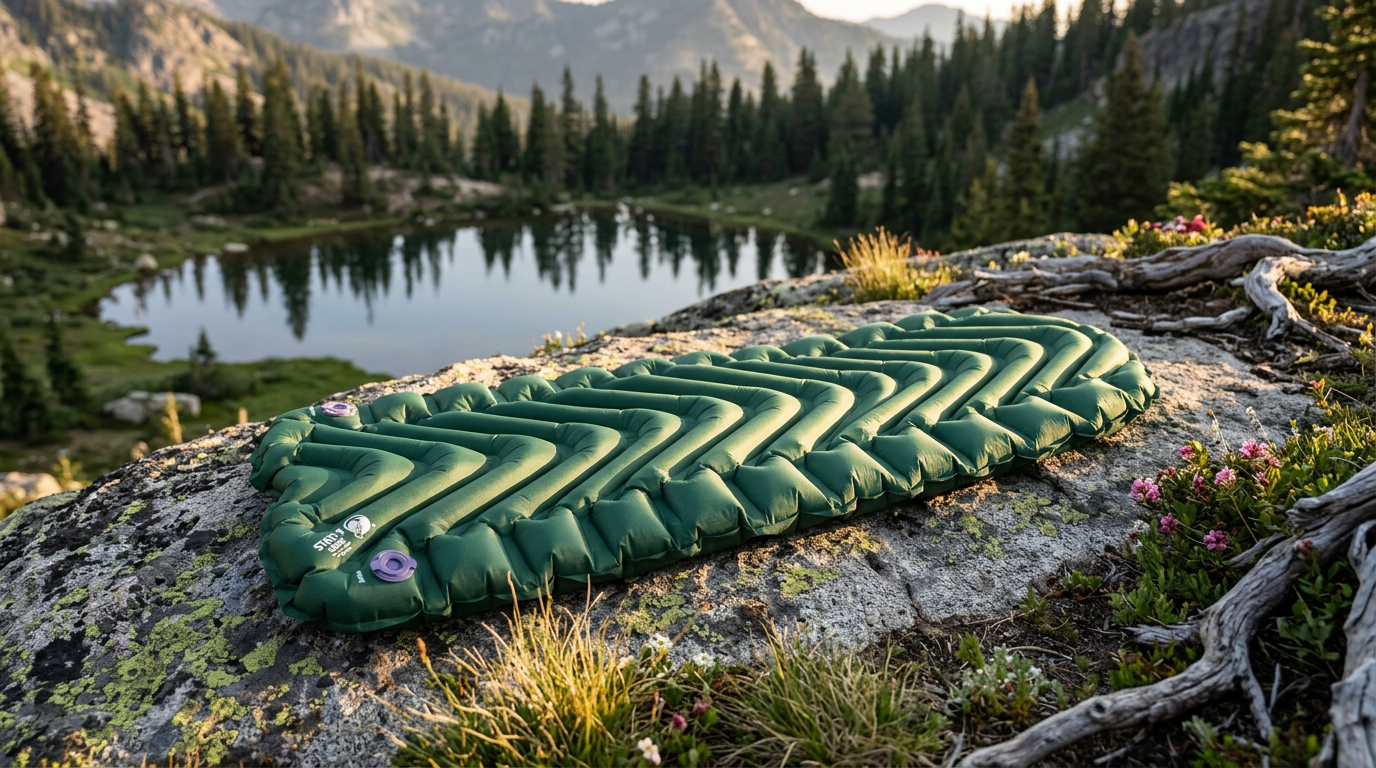
Klymit Static V Sleeping Pad Review: Budget-Friendly V-Chamber Design for Three-Season Backpackers
REVIEW
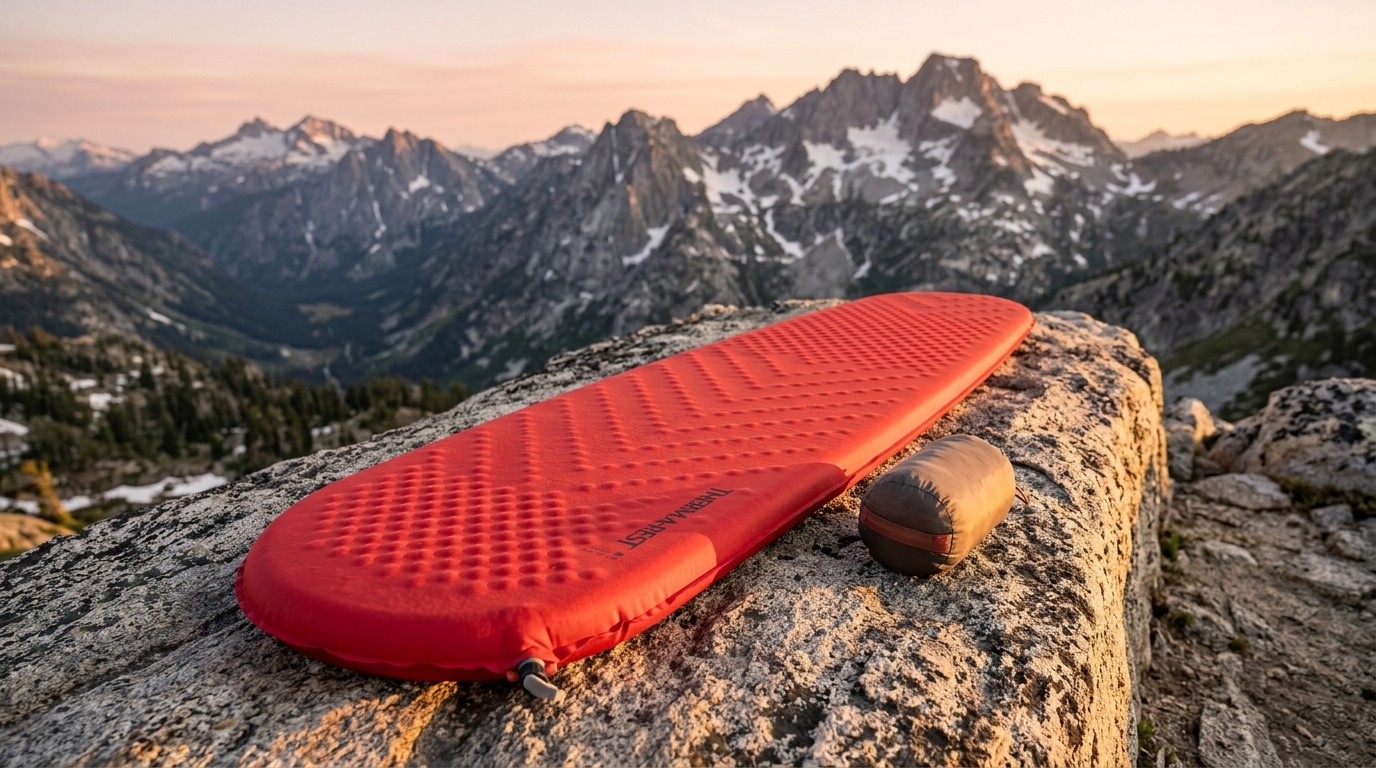
Therm-a-Rest ProLite Plus WR Sleeping Pad Review
REVIEW