
Review · spring · summer · fall · winter
Therm-a-Rest ProLite Plus WR Sleeping Pad Review
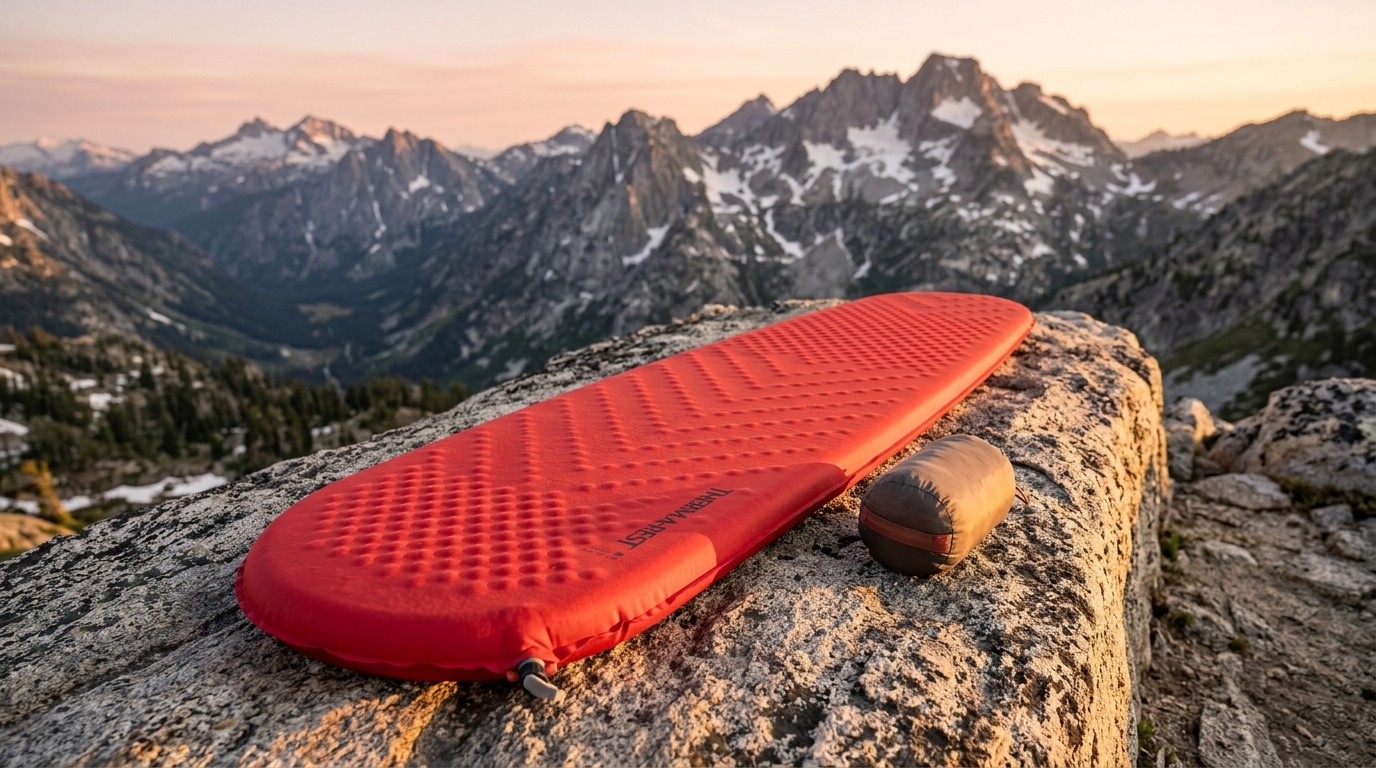
The Therm-a-Rest ProLite Plus WR is a self-inflating foam pad targeting three-season backpackers who want an R-value of 3.9 without carrying a full air pad or closed-cell foam. The diagonal-cut foam core self-inflates to about 80% capacity, then requires a few breaths to top off, trading some convenience for a compressibility advantage over traditional self-inflating pads. At approximately $206 MSRP, it sits in the premium tier where buyers pay for Therm-a-Rest's WingLock valve engineering and a warmth-to-weight profile that handles shoulder-season trips into the low 20s°F.
Disclosure: Four Seasons Gear is reader-supported. When you buy through links on our site, we may earn an affiliate commission at no extra cost to you. Prices and availability are accurate as of the time we last checked.
Construction and Materials
The ProLite Plus WR uses a diagonal-cut open-cell foam core wrapped in a polyester shell with a water-resistant (WR) treatment. Therm-a-Rest's diagonal foam architecture removes material at angles rather than straight horizontal slices, which increases compressibility while maintaining loft. The WingLock valve is a two-position design: wings flip open for one-way inflation (preventing air from escaping when you pause between breaths) and rotate for rapid deflation. The valve body is larger-bore than earlier Therm-a-Rest models, which reduces inflation effort. The pad's surface is lightly textured to reduce slippage against tent floors and sleeping bag shells.
Specs
Intended Use and Warmth Profile
An R-value of 3.9 positions the ProLite Plus WR for three-season backpacking with occasional shoulder-season extensions. In practical terms, this pad will keep most sleepers comfortable down to approximately 20–25°F when paired with an appropriately rated sleeping bag and insulated clothing. The self-inflating mechanism delivers about 80% of final loft automatically; users then add 5–10 breaths to reach full firmness. This hybrid approach saves pack volume compared to pure closed-cell foam (like a Therm-a-Rest Z Lite Sol) while avoiding the puncture anxiety and full manual inflation of ultralight air pads. Backpackers who prioritize a known-good sleep system over absolute gram-counting will appreciate the redundancy: even if the shell punctures, the foam core still provides some insulation and cushioning.
Comparison Context
In the self-inflating category, the ProLite Plus WR competes with Sea to Summit's Comfort Plus SI and Exped's SynMat HL. The Therm-a-Rest is slightly heavier than dedicated air pads like the Nemo Tensor or Big Agnes Q-Core SLX (both around 15–16 oz in regular width) but offers the fail-safe of open-cell foam. Compared to closed-cell foam, the ProLite Plus WR packs smaller and sleeps softer, though it costs significantly more and requires careful handling around sharp objects. For context, a backpacker building a sleep system might pair this pad with the Big Agnes Copper Spur HV UL Ultralight Bikepacking Tent for a combined setup that balances weight, durability, and livability across three seasons.
Durability Considerations
The polyester shell with water-resistant treatment resists abrasion better than the 20D or 30D nylon used in ultralight air pads, but it is not immune to punctures from sharp rocks, thorns, or crampon points. The diagonal-cut foam core is open-cell, meaning a shell breach will allow the foam to absorb moisture and lose some insulating value until dried. Therm-a-Rest includes a repair kit with most pads; field repairs using Tenacious Tape or Gear Aid Seam Grip are straightforward for small holes. The WingLock valve's plastic wings are a potential failure point if over-torqued, though the design has been field-tested across multiple Therm-a-Rest product lines. Long-term, the foam will compress slightly with repeated use, which may reduce loft by 10–15% over several hundred nights. Storing the pad unrolled and with the valve open (to prevent mildew) extends foam lifespan.
Value and Market Position
At $206, the ProLite Plus WR sits in the upper third of the three-season pad market. Buyers pay for Therm-a-Rest's reputation, the WingLock valve, and the diagonal-cut foam engineering. Budget-conscious backpackers can find self-inflating pads in the $60–$100 range (Klymit, Alps Mountaineering), though those typically weigh 24–32 oz and pack larger. The ProLite Plus WR's value proposition is durability and redundancy: it's a pad you can trust on a two-week trip without carrying a backup, and it will still function (albeit less comfortably) if punctured. For weekend warriors or those who camp near the car, a heavier, cheaper self-inflating pad or even a basic air pad may suffice. For committed three-season backpackers logging 30+ nights per year, the ProLite Plus WR's reliability justifies the premium.
What we like
Trade-offs
Best For
- Three-season backpackers who want warmth without carrying a full winter pad
- Sleepers who prefer the cushioning of foam over pure air
- Backpackers prioritizing reliability and redundancy over absolute minimum weight
- Users camping on rough ground (talus, desert hardpan) where puncture risk is elevated
- Shoulder-season campers extending trips into October or April in temperate climates
Not For
- Ultralight backpackers targeting sub-10 lb base weights
- Winter campers needing R-values above 4.5 for sub-20°F trips
- Car campers who can carry heavier, more luxurious pads
- Backpackers on a tight budget who can accept a heavier, less refined self-inflating pad
Frequently Asked Questions
+How many breaths does it take to fully inflate the ProLite Plus WR?
The diagonal-cut foam core self-inflates to approximately 80% of full loft when you open the WingLock valve. Most users add 5–10 breaths to reach their preferred firmness. Larger individuals or those who prefer a firmer surface may add 12–15 breaths. The WingLock valve's one-way inflation mode prevents air from escaping between breaths, which reduces effort compared to older valve designs.
+Can I use the ProLite Plus WR in winter?
The R-value of 3.9 is marginal for winter camping. In sheltered, above-treeline winter conditions with nighttime lows in the mid-20s°F, the pad will work if paired with a -10°F or colder sleeping bag and insulated clothing. For sustained winter camping below 20°F, consider adding a closed-cell foam pad underneath (like a Therm-a-Rest Z Lite Sol folded to torso length) to boost total R-value to approximately 5.5–6.0, or step up to a dedicated winter pad like the Therm-a-Rest NeoAir XTherm (R-value 6.9).
+How do I repair a puncture in the field?
Locate the leak by inflating the pad and listening for hissing, or submerging sections in water to spot bubbles. Clean and dry the area, then apply a patch from the included repair kit (or Tenacious Tape). Press firmly for 30 seconds and let cure for 15 minutes before re-inflating. The open-cell foam will continue to provide some insulation even if the shell remains compromised, so you can complete your trip and perform a more permanent repair at home using Seam Grip or a Therm-a-Rest Permanent Home Repair Kit.
+What is the packed size compared to a closed-cell foam pad?
The ProLite Plus WR packs to approximately 10 inches long by 5 inches in diameter (manufacturer spec, verify before purchase), which fits inside most backpacks. A closed-cell foam pad like the Therm-a-Rest Z Lite Sol (regular length) measures 20 × 5.1 × 6 inches when accordion-folded and typically straps to the outside of the pack. The ProLite Plus WR saves external volume and keeps your pack profile narrower on brushy trails, though it weighs about 100 g more than the Z Lite Sol.
Final Take
The Therm-a-Rest ProLite Plus WR occupies a deliberate middle ground: warmer and more packable than closed-cell foam, more robust and foolproof than ultralight air pads. The R-value of 3.9 and self-inflating convenience make it a strong choice for backpackers who log serious mileage across spring, summer, and fall, and who value a sleep system that won't leave them stranded if a thorn finds the shell. The $206 price and 510 g weight ask buyers to prioritize reliability over absolute minimalism, a tradeoff that makes sense for anyone who has spent a cold night on a deflated air pad.

Read next
More from this category
REVIEW
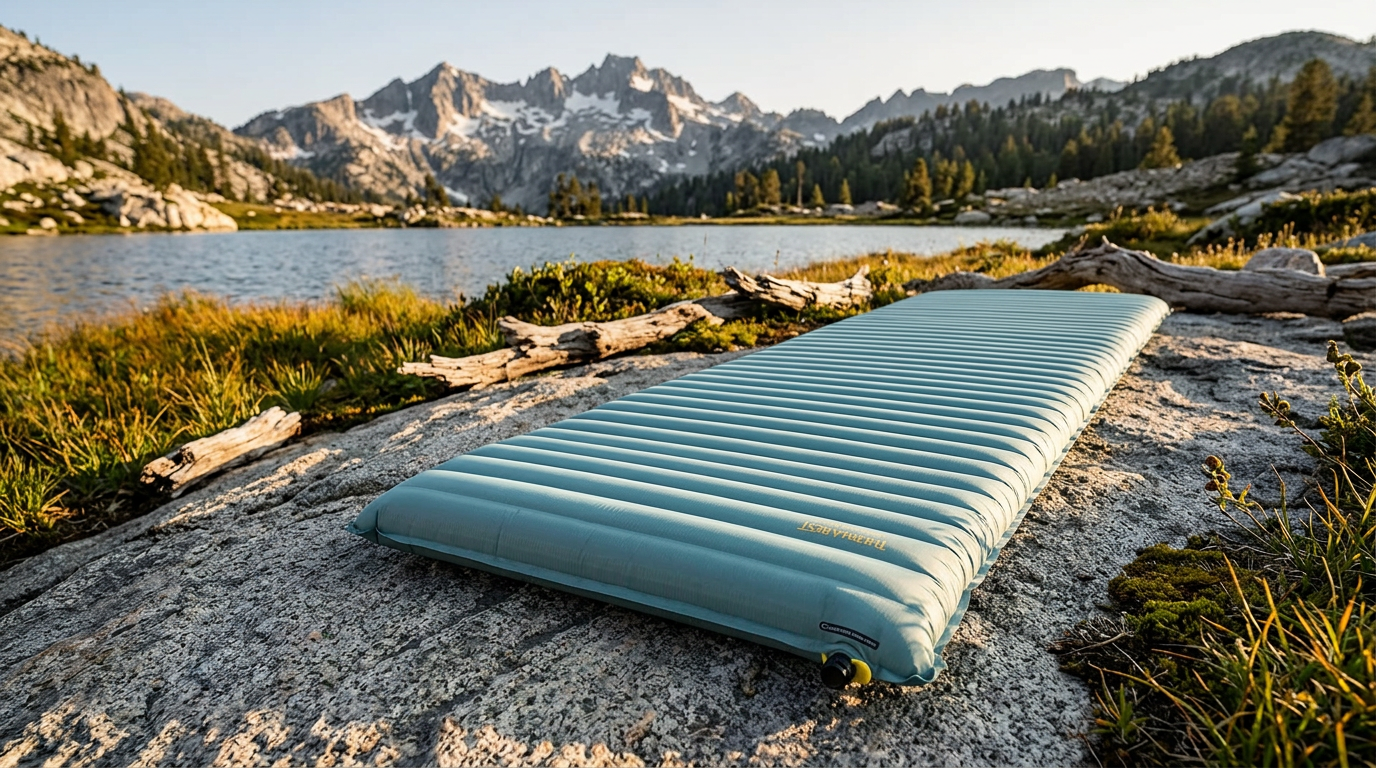
Therm-a-Rest NeoAir XTherm NXT MAX Review: 7.3 R-Value in 650 Grams
REVIEW
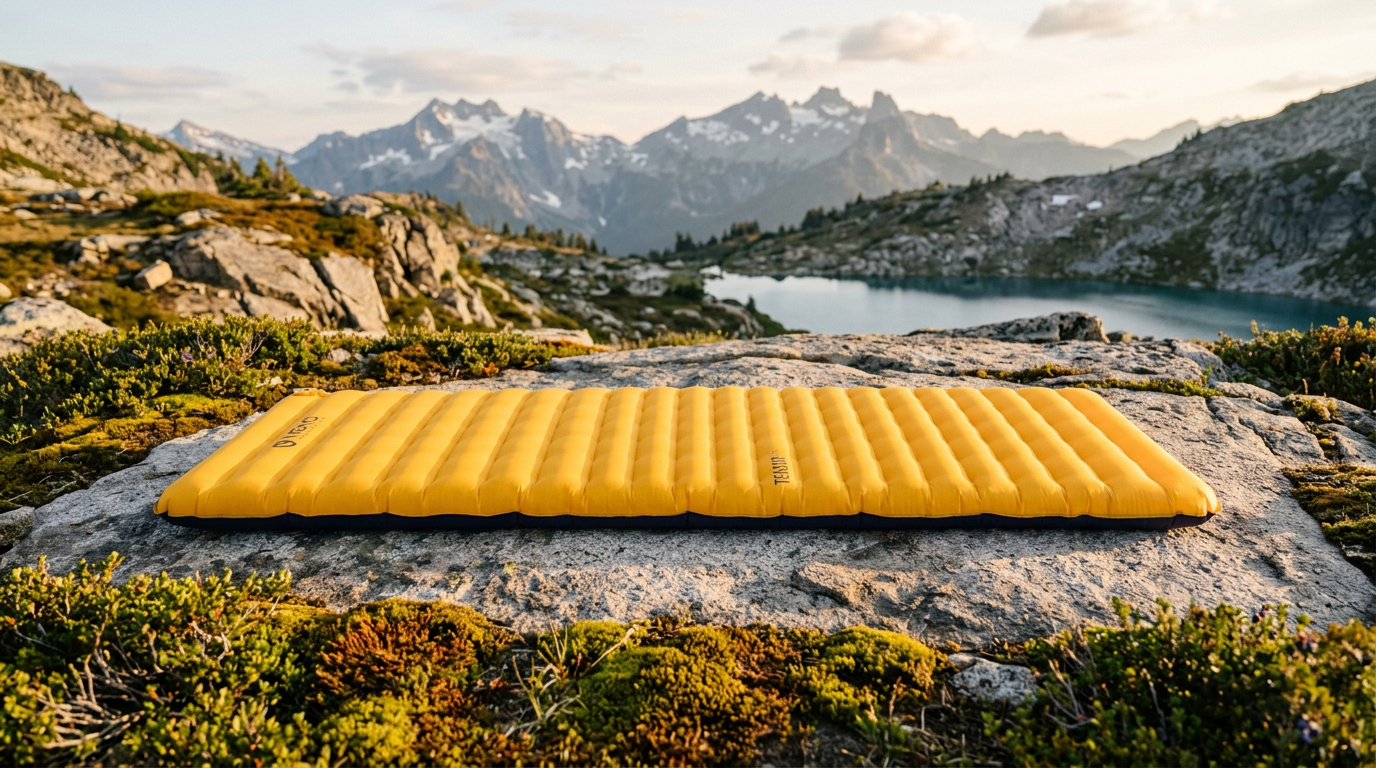
Nemo Tensor Trail Ultralight Insulated Sleeping Pad Review: Wide Comfort at 3.5-Inch Loft
REVIEW
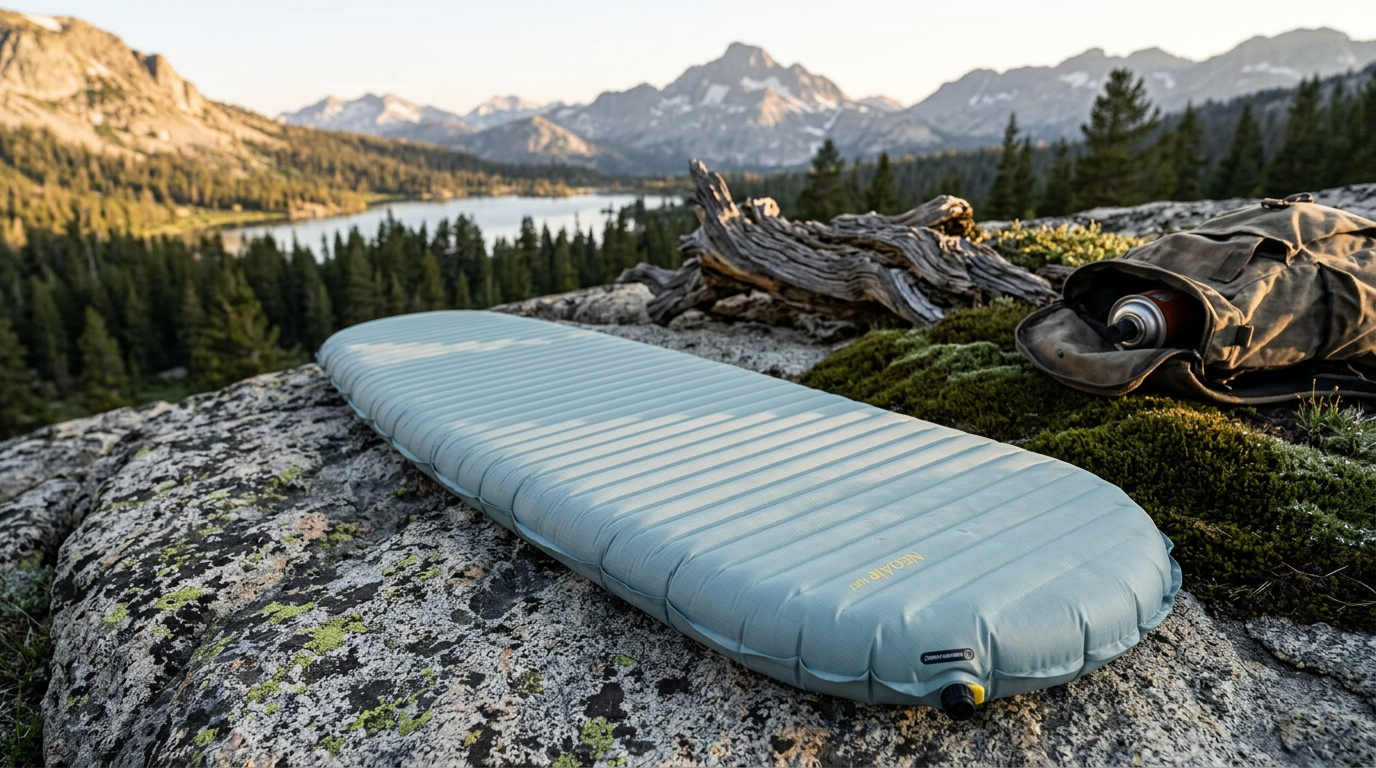
Therm-a-Rest NeoAir XTherm NXT Ultralight Camping and Backpacking Sleeping Pad Review
REVIEW
Klymit Insulated Static V Luxe Sleeping Pad Review
REVIEW
Klymit Static V Sleeping Pad Review: Budget-Friendly V-Chamber Design for Three-Season Backpackers
REVIEW