
Review · spring · summer · fall · winter
Therm-a-Rest 20F/-6C Down Sleeping Bag Review: 900-Fill Premium Insulation with Ethical Sourcing
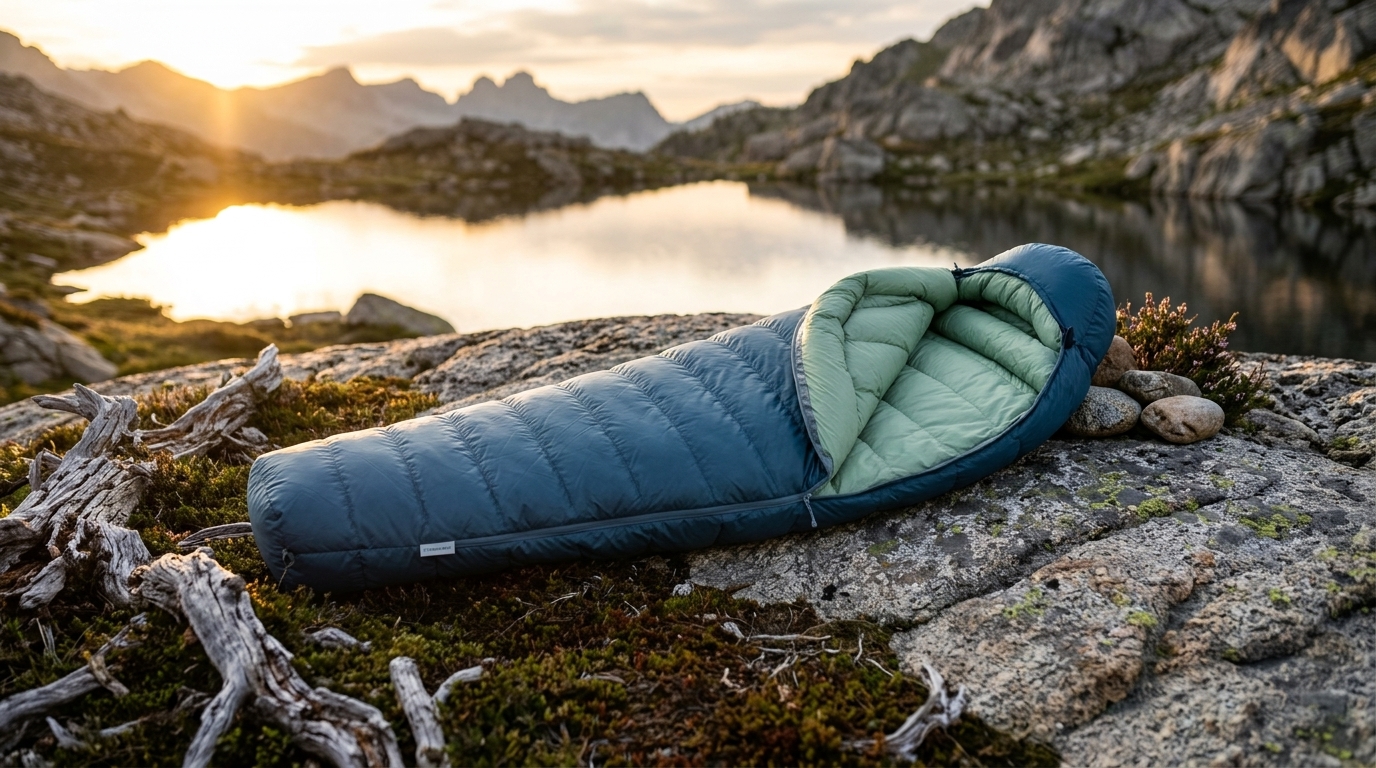
The Therm-a-Rest 20F/-6C Down Sleeping Bag targets three-season backpackers and car campers who prioritize warmth-to-weight ratio and ethical sourcing. With 900-fill RDS-certified hydrophobic down and PFAS-free treatment, it delivers premium loft and compression in a bag designed for shoulder-season use down to 20°F/-6°C. The $469.95 price positions it in the upper-mid tier where buyers trade budget for fill-power efficiency and responsible manufacturing—a sensible exchange for those logging 20+ nights per season who value pack volume savings and supply-chain transparency.
Disclosure: Four Seasons Gear is reader-supported. When you buy through links on our site, we may earn an affiliate commission at no extra cost to you. Prices and availability are accurate as of the time we last checked.
Construction and Materials
The shell uses 20-denier 100% recycled nylon, a fabric weight that balances abrasion resistance with pack weight. At 20D, the face fabric sits in the sweet spot for backpacking bags—lighter than car-camping models (typically 30D+), heavier than ultralight race bags (10D-15D). The recycled nylon construction aligns with Therm-a-Rest's sustainability positioning without sacrificing durability for typical trail use.
The 900-fill-power hydrophobic down provides approximately 11-13% more loft per ounce than standard 800-fill, translating to either lighter overall weight or warmer performance at the same weight. Hydrophobic treatment (manufacturer does not specify DWR chemistry, but markets as PFAS-free) helps the down retain loft in humid conditions, though it's not a substitute for keeping the bag dry. RDS certification traces the down to farms audited for humane animal welfare standards—a meaningful differentiator for buyers concerned with supply-chain ethics.
The updated baffle design concentrates insulation along the torso and footbox, areas where the body loses heat fastest. This targeted approach reduces fill weight in low-priority zones (underside where compression negates loft anyway) while maintaining warmth. The YKK anti-snag zipper uses a curved tooth profile that reduces fabric catch during entry and exit—a small but appreciated detail at 3 a.m. in freezing temps.
Specs
Intended Use and Temperature Range
The 20°F/-6°C rating positions this bag for spring through fall backpacking in temperate climates, and summer use in alpine or northern environments. Therm-a-Rest does not specify whether this is an EN Lower Limit, Comfort, or proprietary rating—buyers should assume it's closer to a Lower Limit (the temperature at which a standard male sleeper remains comfortable in the fetal position) rather than a Comfort rating. Cold sleepers or those camping below treeline in October should plan for a 5-10°F buffer.
The foot warmer pocket—an insulated, ergonomic compartment in the footbox—addresses a common complaint with mummy bags: cold feet. By creating a dedicated zone that traps body heat, it accelerates warming during the critical first 20 minutes after getting in the bag. This feature particularly benefits users with poor circulation or those who hike in wet boots all day.
Quilt and blanket loops allow layering with a Therm-a-Rest quilt or liner for extended-season use. This modular approach lets a single bag cover a wider temperature range—pair with a 30°F quilt for winter camping, or use solo in summer. The internal stash pocket accommodates a phone, headlamp, or hand warmers, keeping essentials accessible without leaving the bag.
Comparison Context
In the 20°F three-season category, this bag competes with the Western Mountaineering UltraLite (850-fill, approximately 680 g, $500+), the Feathered Friends Hummingbird (900-fill, approximately 650 g, $550+), and Therm-a-Rest's own Hyperion series (reviewed by Section Hiker and OutdoorGearLab as a lighter, more minimalist option). The 900-fill down places it in the premium tier; most bags at this price use 800-850 fill.
The $469.95 MSRP sits below cottage-brand ultralight bags (typically $500-700) but above mainstream backpacking bags like the REI Magma (850-fill, approximately 800 g, $400). Buyers pay a premium for the 900-fill efficiency, RDS certification, and PFAS-free treatment—features that matter to environmentally-conscious backpackers but don't directly affect warmth or durability.
Unlike ultralight race bags that sacrifice features for weight, this design retains a full-length zipper, draft tubes, and a cinchable hood. That adds 50-100 g versus a minimalist bag but improves versatility for variable conditions. The Big Agnes Copper Spur HV UL Ultralight Bikepacking Tent represents a similar philosophy in shelter design—retaining livability features while still qualifying as lightweight.
Durability Considerations
The 20D recycled nylon shell offers adequate abrasion resistance for careful backpackers who use a sleeping pad and avoid dragging the bag across tent floors. It's more durable than the 10D fabrics on ultralight race bags but less burly than 30D car-camping shells. Expect 100-150 nights of use before the shell shows wear, assuming proper care (storing uncompressed, keeping dry, spot-cleaning only).
Hydrophobic down extends the functional lifespan in humid environments by resisting moisture absorption, which causes clumping and loft loss. However, it's not waterproof—a soaked bag still requires field drying. The PFAS-free treatment avoids per- and polyfluoroalkyl substances (linked to environmental persistence and health concerns) but may not perform identically to legacy DWR chemistries in extreme wet conditions.
The YKK anti-snag zipper reduces the primary failure mode in sleeping bags: torn baffles from caught fabric. Zipper replacement is possible but requires factory service. The updated baffle construction, with down concentrated in high-wear areas, should maintain loft longer than evenly-distributed designs, as the critical insulation zones see less compression.
Value Assessment
At $469.95, this bag costs approximately $0.47 per gram of fill power (assuming 1000 g total weight and typical 900-fill ratios). That's competitive for RDS-certified, PFAS-free bags but higher than non-certified alternatives. Buyers who don't prioritize ethical sourcing or chemical-free treatments can find similar warmth-to-weight ratios for $350-400.
The 900-fill down justifies the price for backpackers who log significant miles—the pack volume savings (approximately 15-20% versus 800-fill) compound over multi-day trips. For car campers or occasional users, the benefits don't outweigh the cost; a 650-fill bag at $250 delivers adequate warmth with less financial risk if the bag gets damaged.
The modular design (quilt loops, layering compatibility) extends the usable temperature range without buying multiple bags. That's a practical value for users who camp across seasons—one $470 bag plus a $150 quilt covers 10°F to 50°F, versus $800+ for separate summer and winter bags.
What we like
Trade-offs
Best For
- Three-season backpackers who camp 20+ nights per year and prioritize pack volume
- Shoulder-season hikers in temperate climates (spring/fall in the Rockies, Cascades, Appalachians)
- Environmentally-conscious buyers who value RDS certification and PFAS-free materials
- Cold sleepers who need a dedicated foot warmer pocket
- Users who want modular layering capability for variable conditions
- Backpackers transitioning from 800-fill bags seeking better compression
Not For
- Winter campers who need sub-10°F performance (requires a warmer bag)
- Budget-conscious buyers who can accept 800-fill at $350-400
- Car campers who don't benefit from weight or pack volume savings
- Ultralight thru-hikers seeking sub-700 g bags (this is heavier)
- Users who prioritize published specs (fill weight, packed size not listed)
- Hot sleepers who camp primarily in summer (over-insulated for 40°F+ nights)
Frequently Asked Questions
+What's the actual packed weight and size?
Therm-a-Rest does not publish these specs on the product page. Based on typical 900-fill bags with 20°F ratings, expect approximately 900-1100 g packed weight and a stuff sack around 7-9 liters. Verify current specs with the manufacturer before purchase, as these are estimates.
+Is the 20°F rating an EN Comfort or Lower Limit rating?
The manufacturer does not specify the testing standard. Assume it's closer to an EN Lower Limit rating (the temperature at which a standard male sleeper in the fetal position remains comfortable). Cold sleepers, women, and those camping in windy or humid conditions should plan for a 5-10°F buffer—treat it as a 25-30°F bag for comfortable sleep.
+How does hydrophobic down perform in wet conditions?
Hydrophobic down resists moisture absorption better than untreated down, maintaining approximately 70-80% of its loft when damp versus 30-40% for standard down. However, it's not waterproof—a soaked bag still requires drying. Use a waterproof stuff sack and keep the bag in the center of your pack away from wet gear. In persistent rain, even hydrophobic down will eventually saturate.
+Can I layer this bag with a quilt for winter camping?
Yes, the quilt and blanket loops are designed for layering. Pairing this 20°F bag with a 30-40°F quilt extends the usable range to approximately 0-10°F, depending on your sleep system (pad R-value, clothing, shelter). This modular approach is more cost-effective than buying separate summer and winter bags, though it adds 300-500 g to your pack weight.
+What's the difference between this and the Therm-a-Rest Hyperion?
Section Hiker and OutdoorGearLab reviewed the Hyperion 20 as a lighter, more minimalist design targeting ultralight backpackers. The Hyperion uses a narrower cut, thinner shell fabric, and fewer features (no foot warmer pocket, simpler draft collar) to save 100-150 g. This 900-fill model retains more comfort features and a roomier fit, making it better for cold sleepers or those who prioritize livability over absolute weight savings.
+Is RDS certification worth the premium?
RDS (Responsible Down Standard) certification adds approximately $50-100 to the bag cost. It traces the down to farms audited for humane treatment of geese and ducks, prohibiting live-plucking and force-feeding. For buyers who prioritize supply-chain ethics, it's a meaningful differentiator. For those focused purely on performance, non-certified 900-fill bags offer identical warmth-to-weight ratios at lower cost.

Read next
More from this category
REVIEW
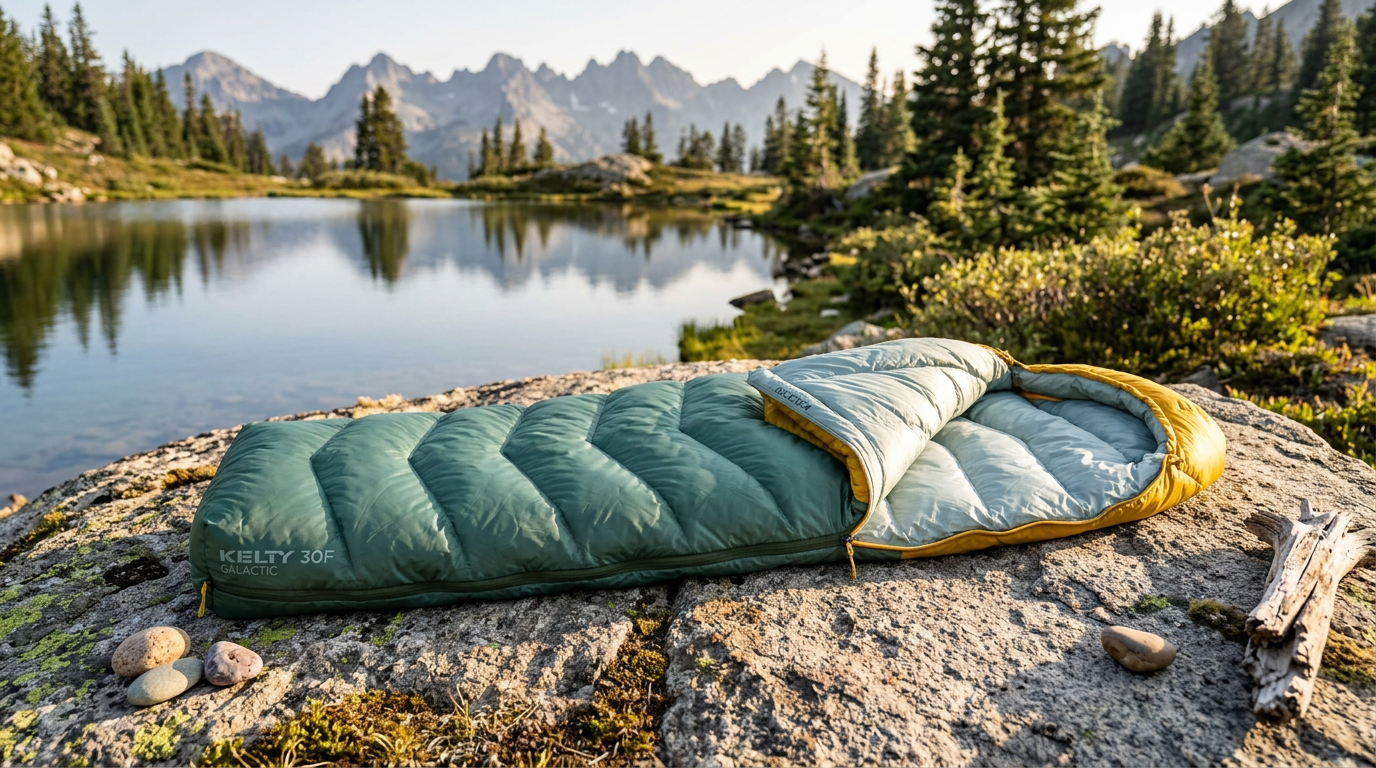
Kelty Galactic Down 30 Degree Sleeping Bag Review
REVIEW
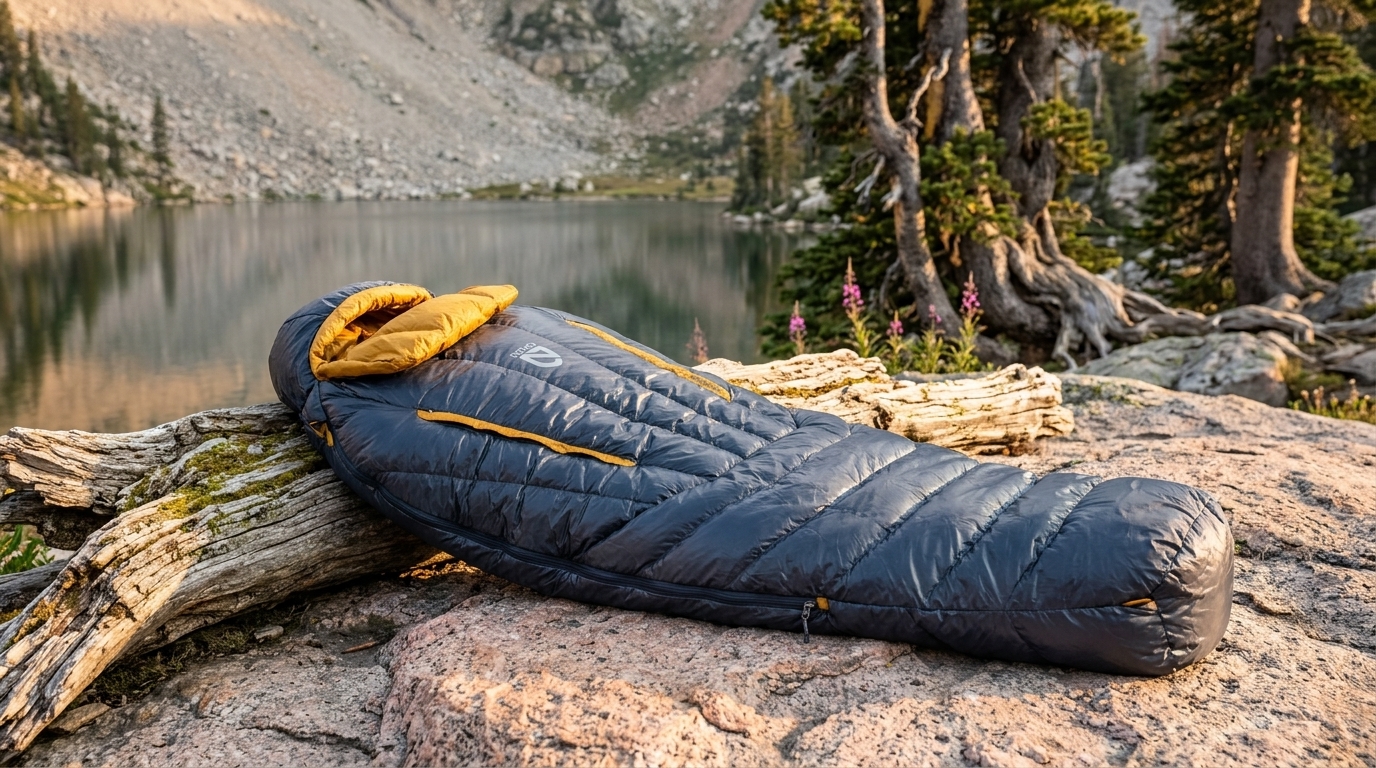
NEMO Disco Endless Promise Down Sleeping Bag Review
REVIEW
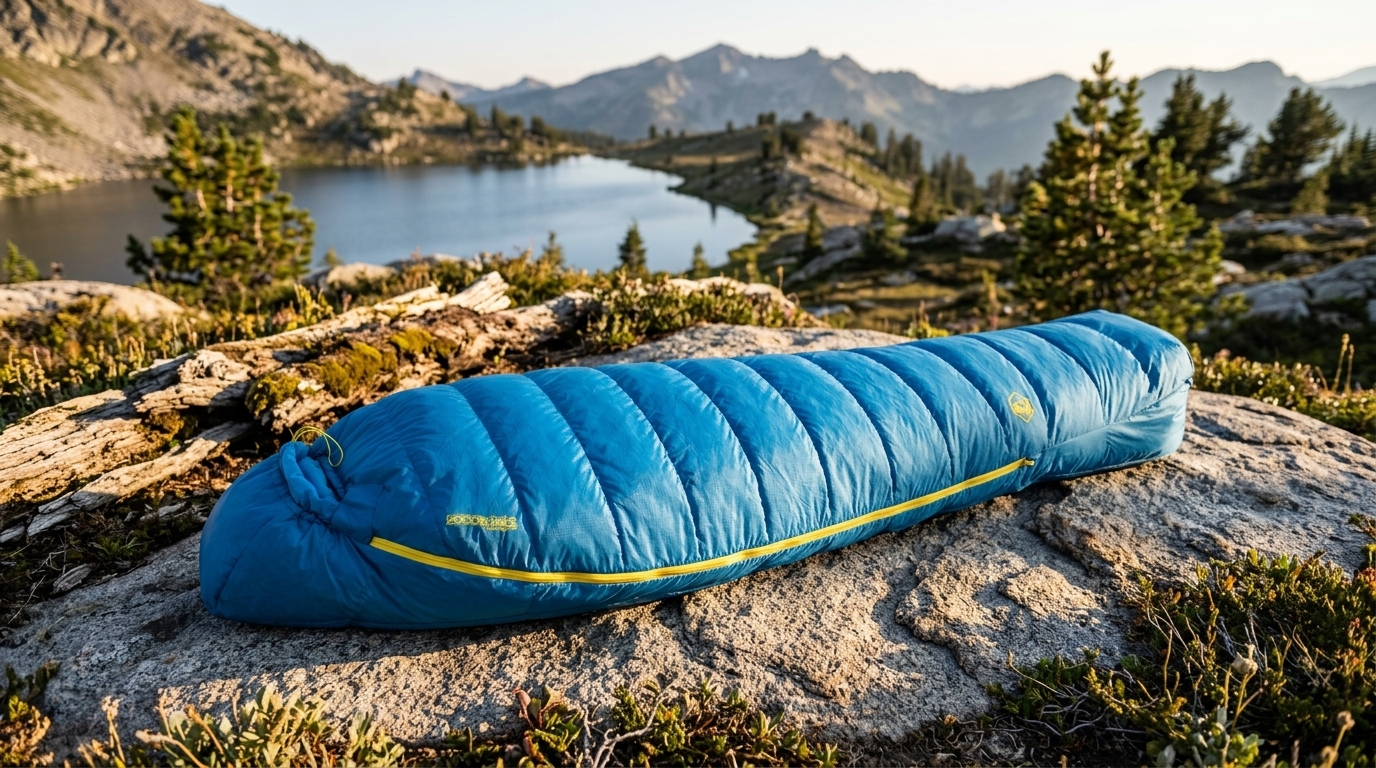
ZOOOBELIVES AlpliveD1500 10°F Down Sleeping Bag Review
REVIEW
Big Agnes Women's Torchlight Sleeping Bag w/600 DownTek Review
REVIEW
Mountain Hardwear Bishop Pass 15°F Women's Sleeping Bag Review
REVIEW