
Review · spring · summer · fall · winter
Marmot Trestles Elite Eco 30 Degree Synthetic Sleeping Bag Review
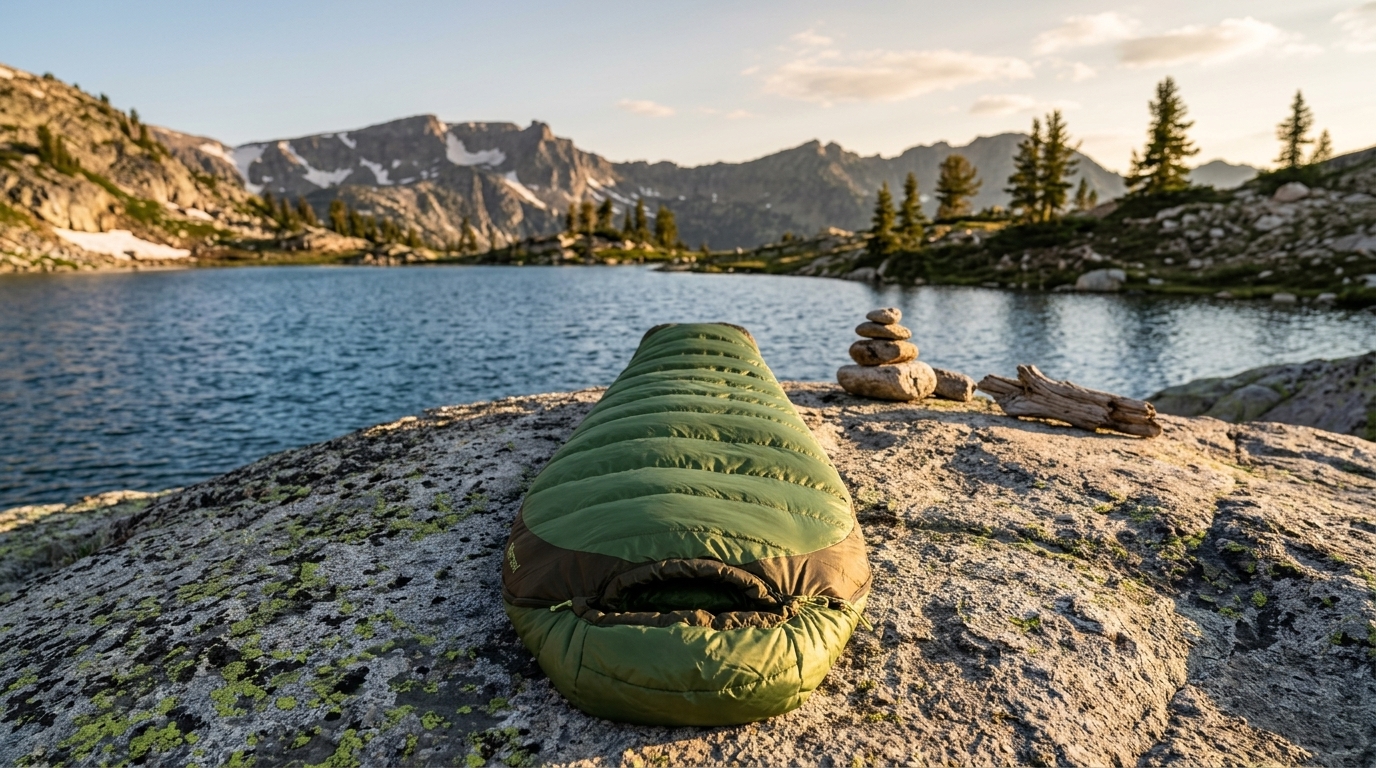
The Marmot Trestles Elite Eco 30 is a three-season synthetic sleeping bag for car campers and occasional backpackers who prioritize value and reliable warmth over packed size. With a 30°F comfort rating, wave construction for loft, and recycled insulation, it delivers predictable performance in spring through fall conditions at a closeout price point around $149. The tradeoff: synthetic fill means a bulkier stuff sack (approximately 8L packed volume) compared to down alternatives, making it better suited for trunk camping or short backpacking trips where a few extra liters won't break your system.
Disclosure: Four Seasons Gear is reader-supported. When you buy through links on our site, we may earn an affiliate commission at no extra cost to you. Prices and availability are accurate as of the time we last checked.
Construction and Materials
The Trestles Elite Eco uses 100% recycled polyester shell fabric and SpiraFil synthetic insulation, also made from recycled content. Marmot's wave construction—horizontal baffles that allow the insulation to loft fully—runs across the top half of the bag, while the bottom uses blanket construction (continuous insulation without baffles) to resist compression from your body weight. This hybrid approach maximizes warmth-to-weight in a synthetic package.
The anatomical 3D footbox provides extra room for your feet to rest naturally without compressing the insulation, and the 3D hood construction follows head contours to minimize cold spots around the crown. A fold-down secondary zipper near the chest allows ventilation on warmer nights without opening the main zipper fully. The insulated draft tube runs the length of the main zipper to prevent heat loss through the teeth.
Specs
Intended Use and Performance Window
This is a three-season bag designed for overnight lows between 35°F and 50°F, with margin down to the rated 30°F when you're wearing a base layer and using an insulated sleeping pad (R-value 3.5+). The synthetic insulation retains approximately 80% of its warmth when damp, making it a safer choice than down for humid coastal camping or spring trips where condensation is likely. REI's product page notes the bag's suitability for car camping and entry-level backpacking, which aligns with the packed size—manageable for a weekend trip but noticeably bulkier than a comparable down bag.
The fold-down secondary zipper is particularly useful in transitional seasons: crack it open on a 45°F night without exposing your core to drafts. The external stash pocket (located near the chest) holds a headlamp or phone, though it's uninsulated so don't expect it to keep lithium batteries warm in freezing conditions.
Category Context and Comparisons
In the sub-$200 synthetic bag category, the Trestles Elite Eco competes with bags like the REI Co-op Trailbreak 30 and Kelty Cosmic 20. It sits slightly upmarket due to the recycled materials and wave construction, which provides better loft consistency than cheaper bags with sewn-through seams. The anatomical footbox is a standout feature at this price—many budget bags use a simple tapered cut that cramps toes.
Compared to a down bag at the same temperature rating, expect the Trestles Elite Eco to pack 40-50% larger and weigh 200-300 g more. The upside: synthetic bags dry faster and cost less. For backpackers building a sleep system on a budget, pairing this bag with a quality pad and a lightweight shelter like the Big Agnes Copper Spur HV UL Ultralight Bikepacking Tent creates a reliable three-season setup without the down-care learning curve.
Durability Considerations
Recycled polyester shell fabric is generally robust against abrasion, though it won't match the tear resistance of ripstop nylon used in premium bags. The anti-snag zipper slider and insulated draft tube are both standard features that reduce common failure points. Synthetic insulation degrades more slowly than down when stored compressed, but Marmot still includes a large mesh storage bag—use it between trips to maintain loft over multiple seasons.
SpiraFil insulation uses a helical fiber structure designed to resist clumping and maintain loft through 50+ compression cycles. In practice, expect 3-5 years of regular use (20-30 nights per year) before you notice significant loft loss, assuming proper storage and occasional washing per manufacturer guidelines. The stuff sack's compression straps are a potential weak point—replace them with aftermarket straps if they fray.
Value Proposition
At the closeout price of $149, the Trestles Elite Eco delivers strong value for campers who need a reliable 30°F bag without investing in down. The recycled materials add environmental appeal without a price premium, and the wave construction provides loft quality you'd typically see in the $180-220 range. For car campers who prioritize packed size less than trunk-space backpackers, this is a straightforward choice.
The inclusion of both a compression stuff sack and a storage bag is a practical touch—many bags at this price ship with only a stuff sack, forcing you to buy a storage solution separately. Two hang loops (one at the foot, one at the head) make it easy to air out the bag after a trip, which extends insulation life.
What we like
Trade-offs
Best For
- Car campers prioritizing value and reliable warmth over packed size
- Entry-level backpackers on 1-3 night trips with room in their pack
- Spring and fall campers in humid or coastal environments where synthetic insulation's damp-tolerance matters
- Campers seeking recycled materials without paying a sustainability premium
- Users who need a 30°F bag but want to avoid down care and maintenance
Not For
- Ultralight backpackers counting every gram and liter
- Cold sleepers needing a true 20°F or lower rating
- Multi-week expeditions where packed size becomes critical
- Users wanting a bag that zips together with a partner's (verify zipper compatibility before purchase)
Frequently Asked Questions
+Can I use this bag in winter?
The 30°F rating makes this a three-season bag, not suitable for winter camping below 25°F. At the temperature limit (30°F), you'll need an insulated sleeping pad (R-value 4.0+), a base layer, and possibly a liner. For consistent winter use, look for a bag rated to 15°F or lower.
+How does synthetic insulation compare to down for this use case?
Synthetic insulation like SpiraFil retains warmth when damp and dries faster than down, making it ideal for humid environments or spring camping where condensation is likely. The tradeoff: synthetic bags pack 40-50% larger and weigh 200-300 g more than down bags at the same temperature rating. For car camping or short backpacking trips, the packed-size penalty is manageable.
+What sleeping pad R-value do I need with this bag?
For the 30°F rating to be accurate, pair this bag with a sleeping pad rated R-value 3.5 or higher. Ground temperature conducts heat away from your body faster than air temperature, so an insulated pad is critical. At 40°F and above, an R-value 2.5 pad is sufficient.
+How do I wash and store this bag?
Machine wash on gentle cycle with a technical cleaner (avoid detergents with fabric softener, which coats synthetic fibers and reduces loft). Tumble dry on low heat with tennis balls to break up clumped insulation. Between trips, store the bag loosely in the included mesh storage bag—never leave it compressed in the stuff sack for more than a few weeks, as this degrades loft over time.
+Can I zip this bag together with another Marmot bag?
The Trestles Elite Eco uses a left-zip configuration by default. To zip two bags together, you'll need one left-zip and one right-zip bag from the same product line. Verify zipper compatibility before purchase—Marmot's zippers are generally compatible within the Trestles family, but confirm with the manufacturer or retailer.
Final Recommendation
The Marmot Trestles Elite Eco 30 occupies a practical niche: a three-season synthetic bag with thoughtful construction details (wave baffles, anatomical footbox, dual ventilation) at a closeout price that undercuts most competitors. It's not the lightest or most packable option, but for car campers and weekend backpackers who value reliable warmth and damp-tolerance over every gram and liter, it's a straightforward choice. The recycled materials are a bonus for environmentally-conscious buyers, and the included compression and storage bags eliminate the need for aftermarket accessories.

Read next
More from this category
REVIEW
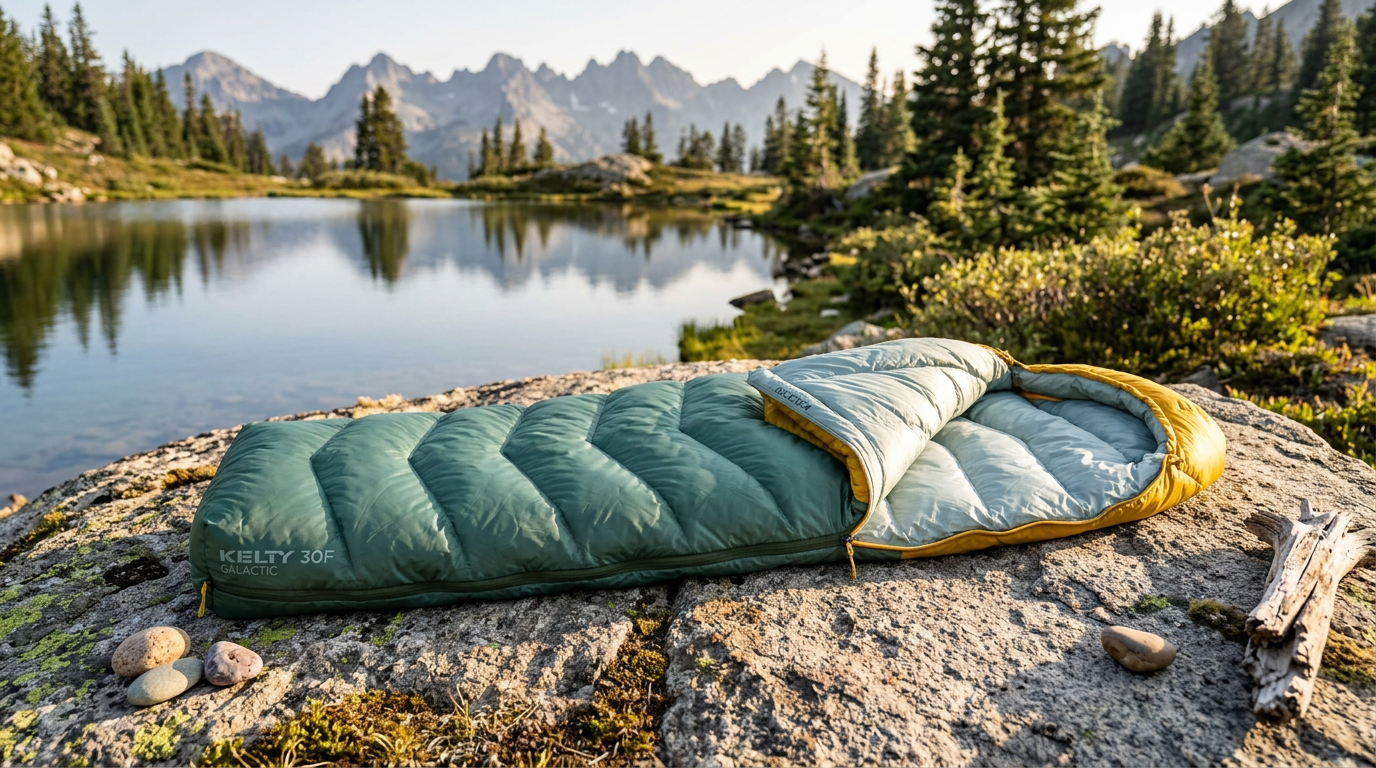
Kelty Galactic Down 30 Degree Sleeping Bag Review
REVIEW
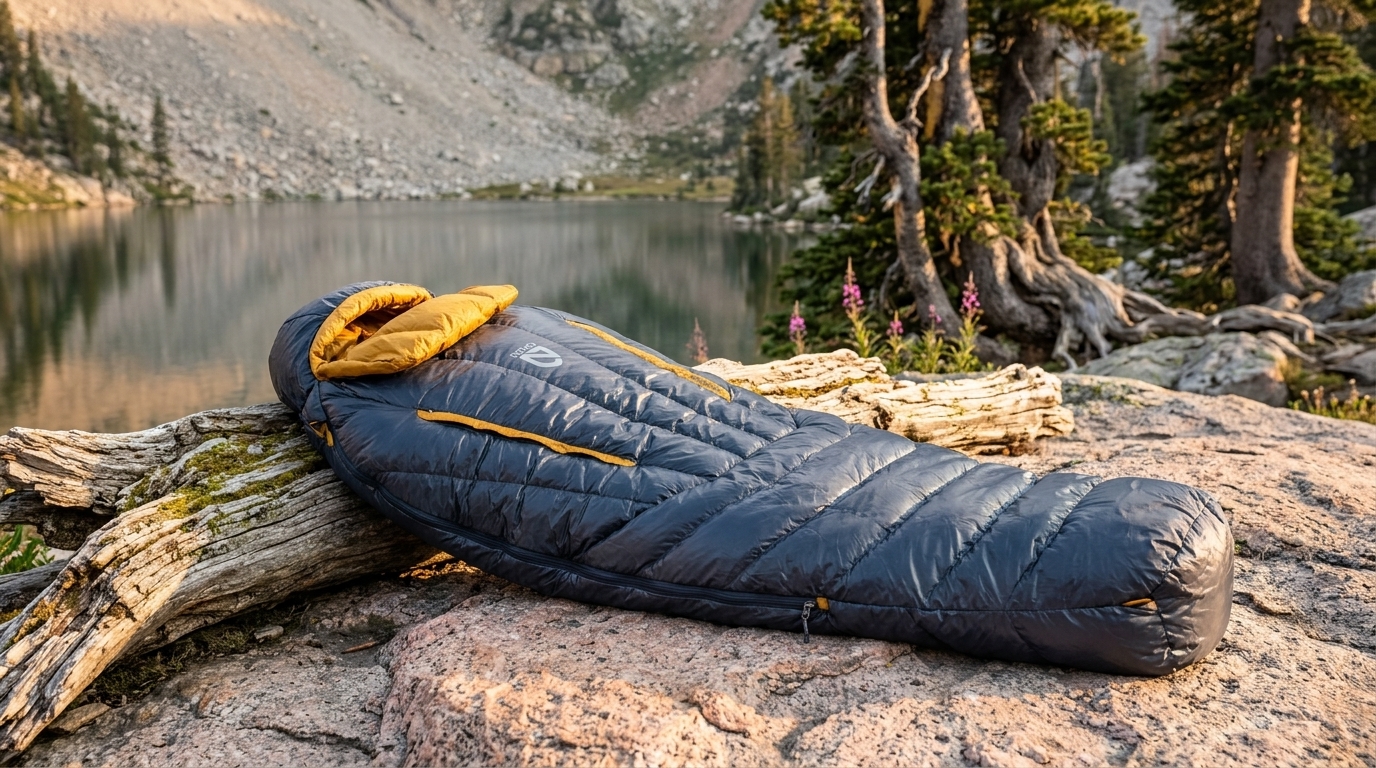
NEMO Disco Endless Promise Down Sleeping Bag Review
REVIEW
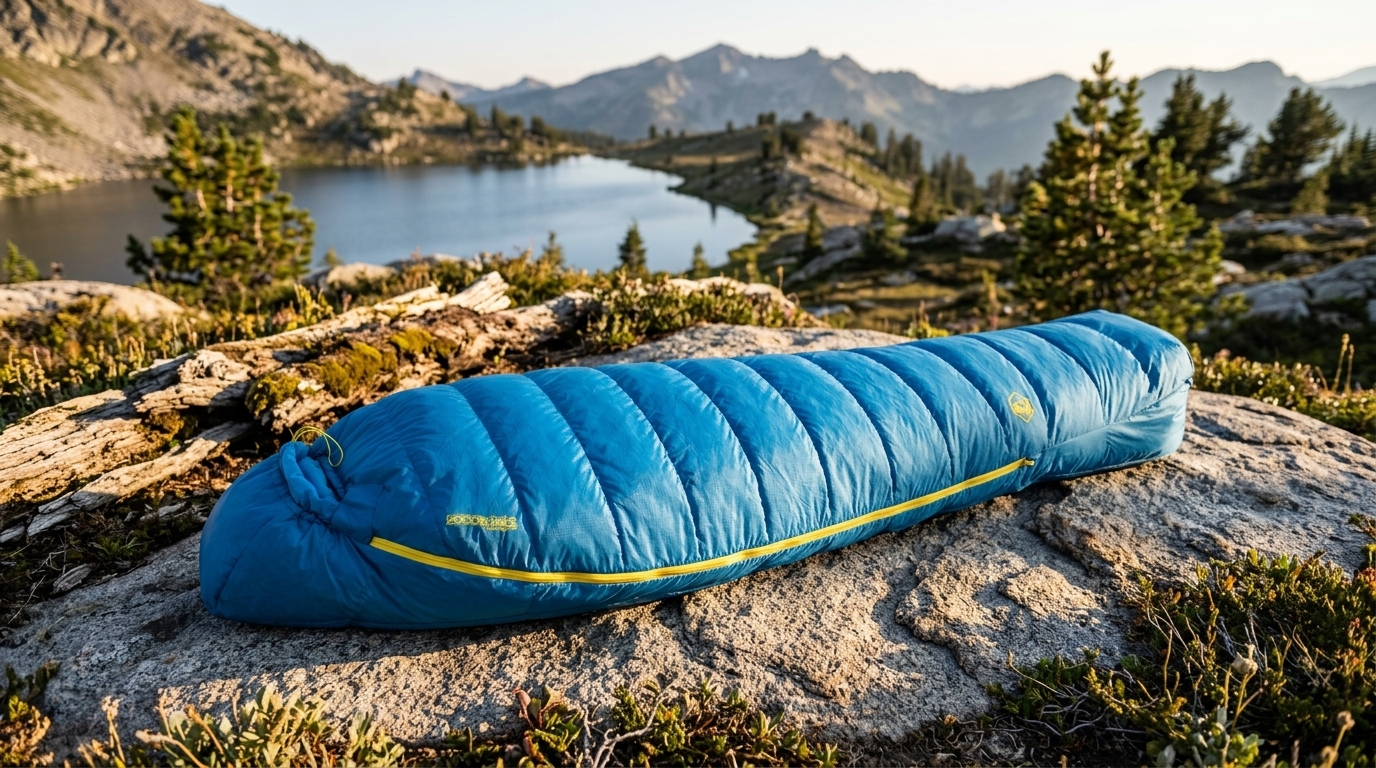
ZOOOBELIVES AlpliveD1500 10°F Down Sleeping Bag Review
REVIEW
Therm-a-Rest 20F/-6C Down Sleeping Bag Review: 900-Fill Premium Insulation with Ethical Sourcing
REVIEW
Big Agnes Women's Torchlight Sleeping Bag w/600 DownTek Review
REVIEW