
Review · fall · winter
Marmot Echo Featherless Jacket Review: Synthetic Insulation for Wet-Climate Hiking
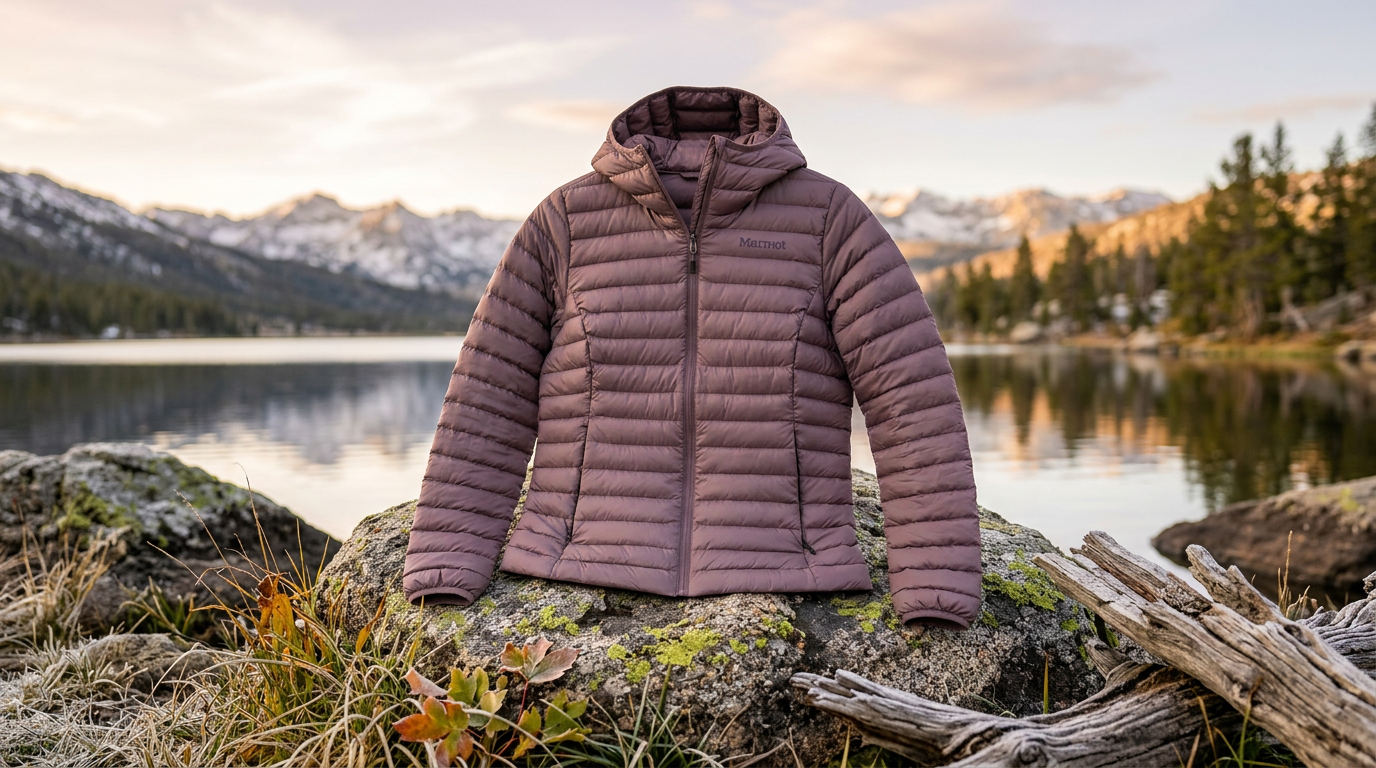
The Marmot Women's Echo Featherless Jacket targets fall and winter hikers who prioritize consistent warmth in damp conditions over absolute packability. Its synthetic insulation retains heat when wet—a meaningful advantage over down in Pacific Northwest drizzle or shoulder-season snow—but trades the compressibility and warmth-to-weight ratio of premium down jackets. At approximately $83 retail, it occupies the value tier of synthetic midlayers, suitable for weekend warriors who need reliable insulation without the anxiety of down's moisture sensitivity.
Disclosure: Four Seasons Gear is reader-supported. When you buy through links on our site, we may earn an affiliate commission at no extra cost to you. Prices and availability are accurate as of the time we last checked.
Construction and Materials
The Echo Featherless builds on a durable nylon face fabric—Marmot doesn't publish denier specs, but the marketing emphasis on "durable nylon" suggests a heavier weave than ultralight shells, likely in the 30–40D range based on the brand's typical construction. The synthetic insulation mimics down's loft structure (hence "Featherless") using polyester fibers that maintain thermal efficiency when damp. Marmot rates this for two-season use (fall/winter), which in practice means approximately 15–35°F as a standalone layer or down to 0°F over a baselayer and fleece.
Dual zippered hand pockets provide secure storage—a practical detail for trailhead keys or a phone. The raised collar blocks wind at the neck, a high-value feature when you're belaying at a crag or waiting for the shuttle at a trailhead. The jacket lacks a hood in this non-hoody variant, which reduces weight slightly but limits versatility in sudden squalls.
Specs
Intended Use and Category Context
Marmot positions this for hiking and camping in fall and winter—activities where you're moving intermittently and encountering variable moisture. Synthetic insulation's core advantage is water resistance: if you're caught in freezing rain on a November dayhike or your pack cover fails during a wet camp setup, the Echo Featherless continues insulating. Down collapses when wet and requires hours to dry; synthetic rebounds in minutes.
The tradeoff is bulk. Synthetic insulation compresses poorly compared to 800-fill down, so this jacket occupies more pack volume than a comparably warm down piece. For ultralight backpackers counting every cubic inch, that's a dealbreaker. For car campers, day hikers, or anyone prioritizing bombproof performance over pack size, it's a sensible exchange.
Durability Considerations
The durable nylon face fabric resists abrasion better than the 10D ripstop common in ultralight down jackets. You can brush against granite or toss this in a stuff sack without the paranoia of catastrophic rips. Synthetic insulation also tolerates repeated compression cycles better than down—stuff it carelessly for years and it'll still loft, whereas down eventually loses cluster integrity.
The dual zippers are a potential weak point (any zipper is), but Marmot's track record with hardware is solid. Expect 3–5 seasons of regular weekend use before zipper pulls show wear, longer if you're diligent about cleaning grit from the teeth. The lack of a hood eliminates one common failure mode (hood adjusters snagging on branches), though it also removes a useful feature.
Value and Competitive Positioning
At $83, the Echo Featherless undercuts premium synthetic jackets (Patagonia Nano Puff, Arc'teryx Atom LT) by $100–$200 while delivering comparable core functionality. You sacrifice refinements—no helmet-compatible hood, no internal chest pocket, likely heavier overall—but gain the same fundamental wet-weather insurance. For buyers who hike 10–20 days per year and need a reliable cool-weather layer without boutique pricing, this hits a practical sweet spot.
Compared to budget down jackets in the same price range, the Echo Featherless wins in maritime climates (Cascades, Appalachian fall, Great Lakes snow) and loses in dry cold (Rockies, desert winter). If your local forecast rarely shows precipitation and overnight lows drop below 20°F, a $70 down jacket from Decathlon or REI Co-op compresses smaller and insulates better per ounce. If you regularly encounter drizzle or wet snow, synthetic's moisture tolerance justifies the bulk penalty.
Fit and Layering
Marmot doesn't publish detailed fit specs (chest circumference, sleeve length), but the brand's women's cuts typically run true to size with room for a single midweight baselayer underneath. The raised collar layers well under a shell—critical for the intended fall/winter use case—but the jacket's bulk makes it awkward under a trim hardshell. Plan to wear this as your outer layer in dry cold or as a midlayer under a roomy rain jacket.
The absence of a hood simplifies layering (no hood-on-hood bunching) but means you're reliant on a separate beanie or shell hood for head coverage. For multi-day trips where weather variability is high, the hoody variant (available at REI) adds versatility at the cost of approximately 50–70 g.
What we like
Trade-offs
Frequently Asked Questions
+How does synthetic insulation compare to down for wet-weather hiking?
Synthetic insulation maintains approximately 90% of its thermal efficiency when damp, while down loses 70–80% of its insulating capacity when wet and requires hours to dry. For hiking in Pacific Northwest drizzle, Appalachian fog, or anywhere you might encounter freezing rain, synthetic is the safer choice. Down wins in dry cold climates where its superior warmth-to-weight ratio and compressibility matter more than moisture resistance.
+What temperature range is this jacket rated for?
Marmot rates the Echo Featherless for fall and winter two-season use, which typically translates to approximately 15–35°F as a standalone insulating layer over a baselayer. Add a fleece midlayer and you can extend that down to near 0°F for low-output activities like camp cooking or belaying. Active hiking generates body heat, so expect comfort into the low 20s°F even without additional layers.
+Does this jacket pack down small enough for backpacking?
Synthetic insulation compresses to roughly 1.5–2× the volume of comparable down jackets. If you're an ultralight backpacker optimizing every cubic inch, this will feel bulky. For weekend trips where pack volume isn't critical—or for day hikers who carry the jacket in a daypack—the size is manageable. The durability and wet-weather performance offset the bulk penalty for many users.
+Should I size up to layer a fleece underneath?
Marmot's women's cuts typically accommodate a single midweight baselayer at true-to-size. If you plan to layer a thick fleece (200-weight or heavier) underneath regularly, sizing up one size provides more room without excessive bagginess. For most fall and winter hiking, a 150-weight fleece or merino baselayer under your true size works well.

Read next
More from this category
REVIEW
Outdoor Research Women's Helium Insulated Hoodie, Plus – Lightweight Jacket Review
REVIEW
Columbia Men's Powder Lite II Insulated Puffer Jacket Review
BEST OF
Best Rechargeable Headlamps for Backpacking
BEST OF
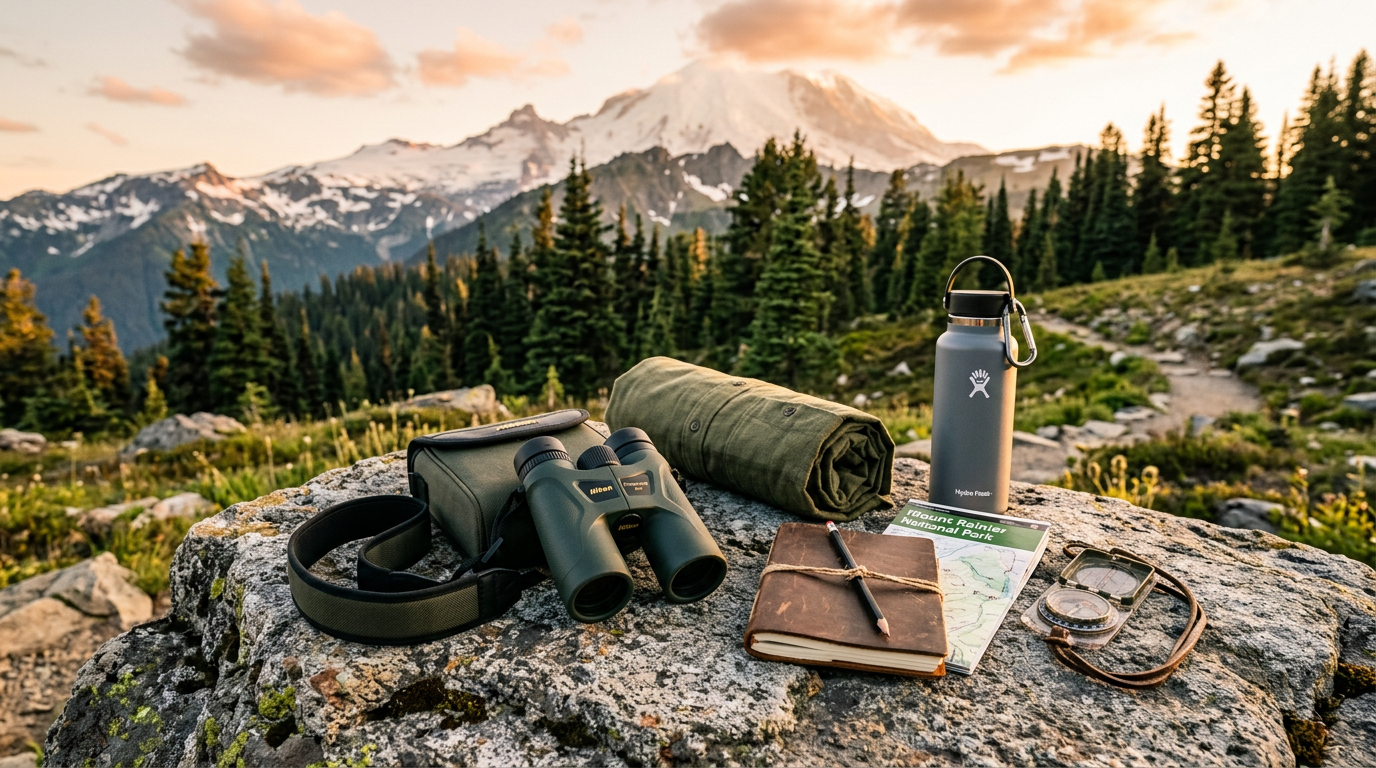
Best Beginner Binoculars for Hiking and Bird Watching

GUIDE
How to Choose a Backpacking Tent: The 5 Specs That Matter

GUIDE