
Review · fall · winter
Bushnell H2O Waterproof 10x42 Binoculars Review
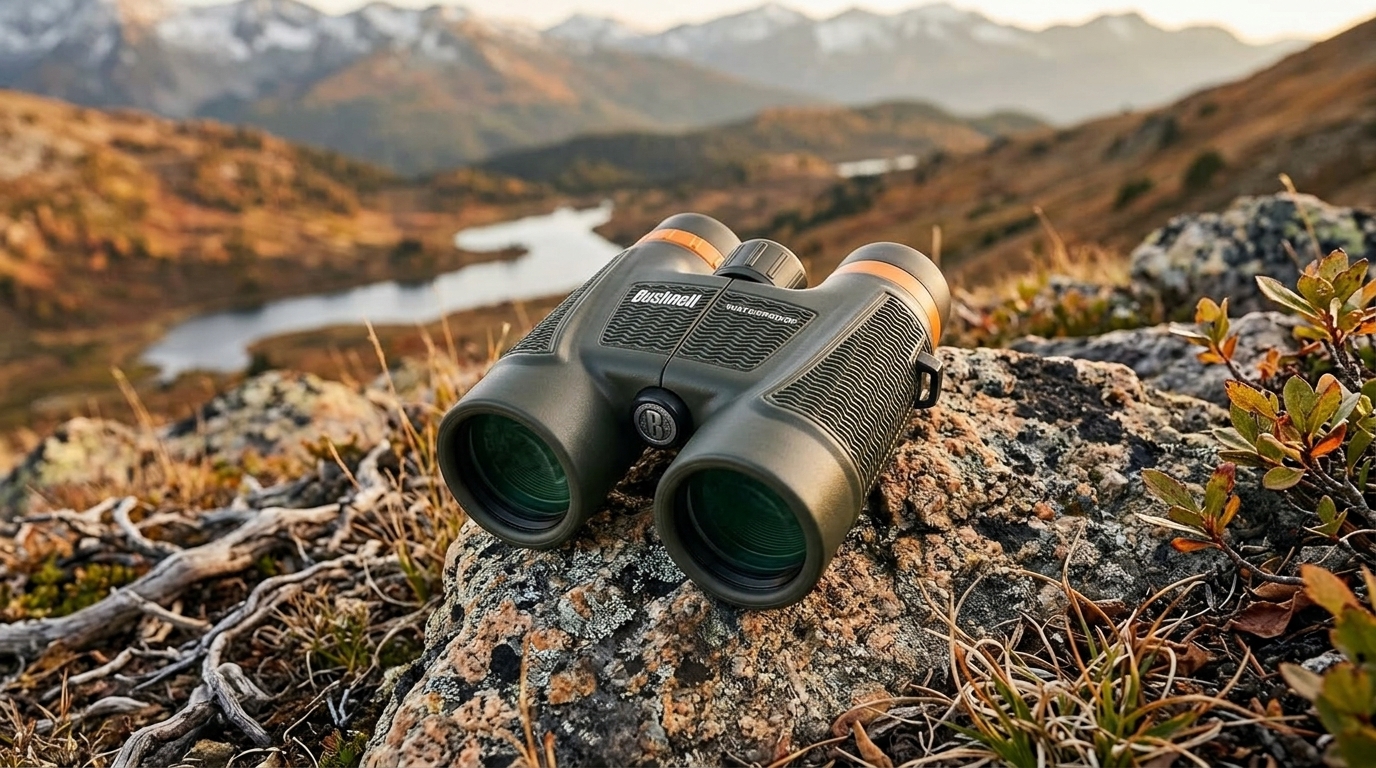
The Bushnell H2O Waterproof 10x42 represents the value-oriented end of full-size binocular design, trading premium glass and coating technology for a rugged, nitrogen-purged housing at roughly half the price of mid-tier competitors. Built for hunters, boaters, and casual wildlife observers who prioritize weatherproofing and basic optical performance over edge-to-edge sharpness and low-light brilliance, these binoculars deliver functional 10x magnification in a chassis designed to survive wet conditions and moderate impacts.
Disclosure: Four Seasons Gear is reader-supported. When you buy through links on our site, we may earn an affiliate commission at no extra cost to you. Prices and availability are accurate as of the time we last checked.
Construction and Optical Design
The H2O series employs BaK-4 roof prisms—the higher-quality prism glass that produces rounder exit pupils and better light transmission than cheaper BaK-7 alternatives. Bushnell applies multi-coated optics across the light path, though not the fully multi-coated treatment found on premium models. This means each air-to-glass surface receives multiple anti-reflective layers, improving light transmission to approximately 80–85% compared to 90%+ on high-end glass. The 42 mm objective lenses gather sufficient light for dawn and dusk observation, though twilight factor calculations (approximately 20.5 for this 10x42 configuration) suggest performance drops noticeably in the last 30 minutes of legal shooting light compared to 50 mm objectives or higher-grade coatings.
The chassis uses a rubber-armored polycarbonate body with O-ring seals at all openings. Nitrogen purging prevents internal fogging across temperature swings—critical for fall turkey hunts transitioning from cold mornings to warm afternoons or maritime use where spray and humidity are constant. The twist-up eyecups adjust for eyeglass wearers, providing approximately 15 mm of eye relief (manufacturer spec, verify before purchase), adequate for most users but potentially tight for those with deep-set prescription lenses.
Specs
Intended Use Cases
The 10x magnification suits stationary observation—glassing hillsides for deer, scanning treelines for turkey, or watching shorebirds from a fixed position. Hand-shake becomes noticeable above 8x for most users, so these binoculars work best when braced against a tree, rested on a vehicle window, or used with a tripod adapter (the H2O includes a 1/4"-20 tripod socket). The 42 mm objective strikes a middle ground between the compact portability of 32 mm models and the light-gathering advantage of 50 mm hunting binoculars, making this a reasonable choice for day hunts where you're covering moderate distances on foot but not counting every gram.
OutdoorGearLab's testing noted the H2O's utility for marine environments, where the waterproof housing and rubber armor protect against spray and deck impacts. The close focus distance of approximately 4.5 m limits butterfly or wildflower observation compared to models offering sub-2 m close focus, but remains adequate for birding at typical distances.
Comparison Context
Within the budget full-size category, the H2O competes directly with the Nikon Prostaff P3 8x42 Binoculars, which offers lower magnification (steadier hand-held viewing) and similar build quality at a comparable price point. The 8x configuration provides a wider field of view and better low-light performance due to the larger exit pupil (5.25 mm vs. 4.2 mm on the 10x42 H2O), making it a better choice for fast-moving subjects or dense forest environments. The H2O's 10x magnification delivers more detail at distance, favoring open-country hunters who glass from fixed positions.
Stepping up to the Vortex Optics Diamondback HD 10x42 Binoculars roughly doubles the investment but gains fully multi-coated HD glass, improved edge sharpness, and Vortex's unconditional lifetime warranty. The Diamondback HD resolves finer detail in low contrast conditions (gray deer against gray timber) and maintains color fidelity better at dawn and dusk—meaningful advantages for serious hunters willing to spend more.
Durability Considerations
The polycarbonate body construction prioritizes impact resistance over the premium feel of aluminum or magnesium housings. Polycarbonate flexes slightly under stress rather than denting, which protects the internal prism alignment during drops onto rock or boat decks. The rubber armoring provides grip in wet conditions and absorbs minor impacts, though it will eventually wear through at high-contact points (objective lens rims, eyepiece surrounds) after years of field use.
Nitrogen purging prevents internal fogging, but the multi-coated (not fully multi-coated) lens surfaces are more susceptible to scratching than premium hard-coated optics. Lens caps and a neck strap are essential—leaving these binoculars loose in a pack or vehicle will degrade optical performance faster than models with more robust coatings. Bushnell's limited lifetime warranty covers manufacturing defects but excludes damage from normal wear, so careful handling extends service life.
Value Proposition
The H2O series occupies the budget full-size niche where waterproof construction and BaK-4 prisms meet entry-level pricing. For hunters who need a backup optic, boaters requiring a wet-environment binocular, or beginners uncertain whether they'll use binoculars enough to justify premium models, this represents a functional starting point. The optical compromises—softer edge sharpness, reduced light transmission, narrower sweet spot—become apparent when comparing side-by-side against $300+ binoculars, but the H2O delivers adequate center-field resolution for identifying game or reading boat numbers at typical distances.
The lack of a premium warranty (compared to Vortex's no-questions-asked policy) and the use of polycarbonate rather than metal construction signal this as a tool rather than an heirloom. Expect 5–10 years of service with careful handling, versus the multi-decade lifespan of higher-tier models.
What we like
Trade-offs
Frequently Asked Questions
+Are these binoculars suitable for eyeglass wearers?
The twist-up eyecups provide approximately 15 mm of eye relief, which accommodates most eyeglass prescriptions. Users with thick frames or deep-set lenses may find the eye relief marginal—test before committing if you wear glasses full-time. The eyecups lock in intermediate positions for fine-tuning.
+How does the 10x42 configuration compare to 8x42 for hunting?
The 10x magnification delivers 25% more detail at distance, useful for identifying antler points or counting turkeys at 300+ yards. The tradeoff is a narrower field of view (approximately 305 ft vs. 400+ ft for 8x models) and greater sensitivity to hand-shake. If you primarily glass from a vehicle, tree stand, or with a tripod, 10x works well. For spot-and-stalk hunting or fast target acquisition, 8x provides steadier hand-held viewing.
+Can these binoculars handle saltwater environments?
The IPX7 waterproof rating and nitrogen purging make the H2O suitable for marine use. Rinse with fresh water after saltwater exposure to prevent corrosion of the rubber armoring and metal components. The rubber coating provides better grip than bare metal when wet, though it will degrade faster in UV-intense environments without regular rinsing.
+What's the difference between multi-coated and fully multi-coated optics?
Multi-coated means each lens element receives anti-reflective coatings on multiple surfaces, but not necessarily all surfaces. Fully multi-coated applies coatings to every air-to-glass surface throughout the optical path, maximizing light transmission (typically 90%+ vs. 80–85% for multi-coated). The H2O's multi-coated optics perform adequately in good light but show reduced contrast and brightness compared to fully multi-coated models in dawn/dusk conditions.
+How much do these binoculars weigh, and are they comfortable for all-day carry?
The H2O 10x42 weighs approximately 680 g (24 oz), typical for full-size binoculars in this objective diameter. This is manageable for vehicle-based hunting or stationary observation but becomes noticeable on long hikes. A padded neck strap or binocular harness distributes weight more comfortably than the included basic strap for all-day carry. Compact 32 mm models weigh 400–500 g if you prioritize packability over light-gathering.

Read next
More from this category
REVIEW
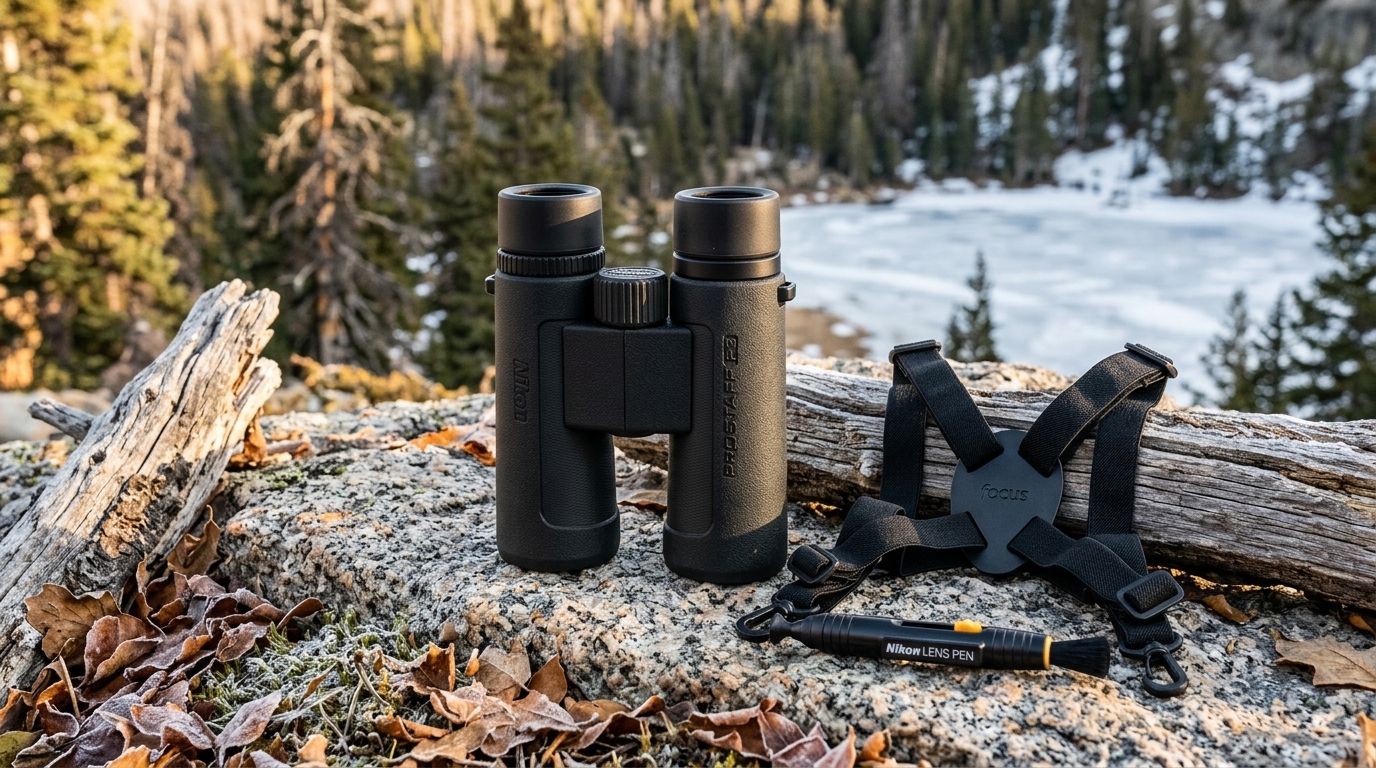
Nikon Prostaff P3 8x42 Binoculars Review: Mid-Tier Glass for Hunters on a Budget
REVIEW
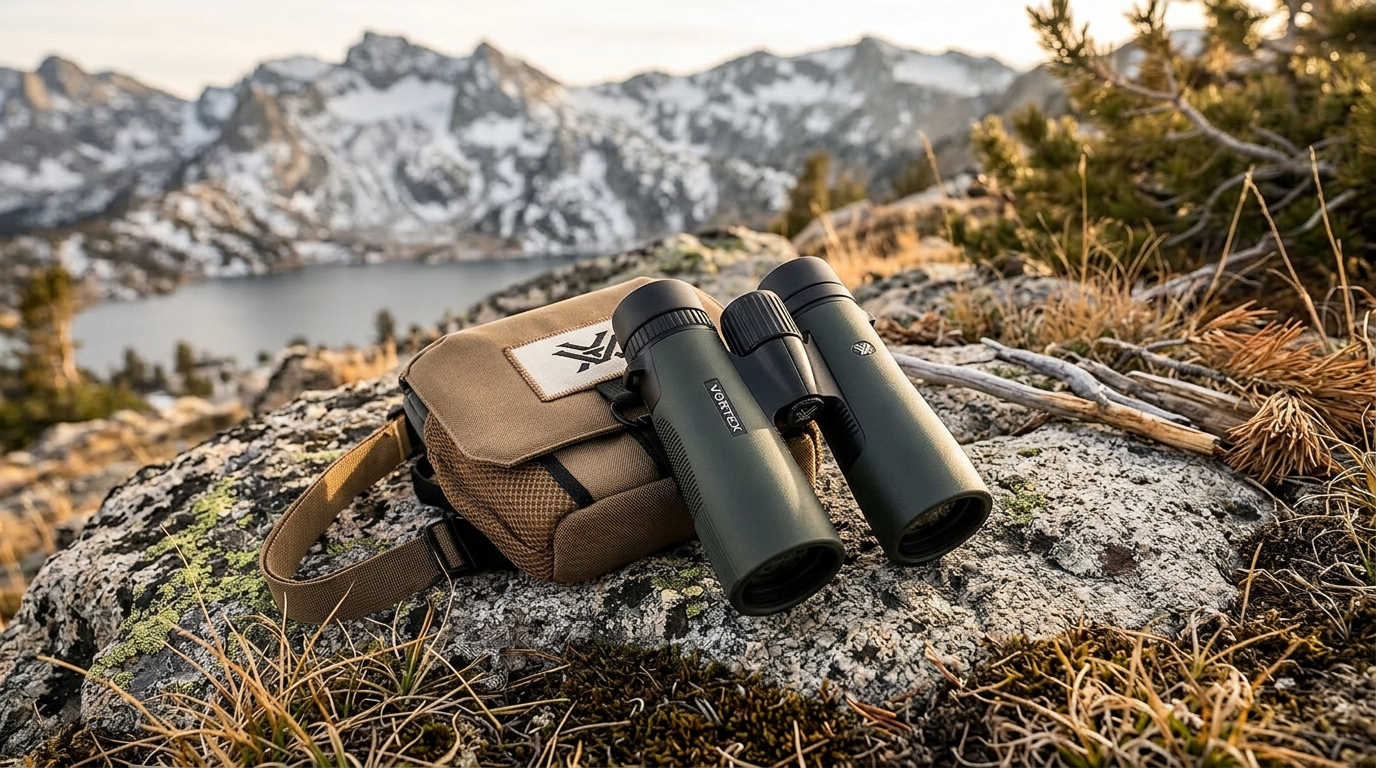
Vortex Optics Diamondback HD 10x42 Binoculars Review: Mid-Tier Glass for Hunters and Birders
BEST OF
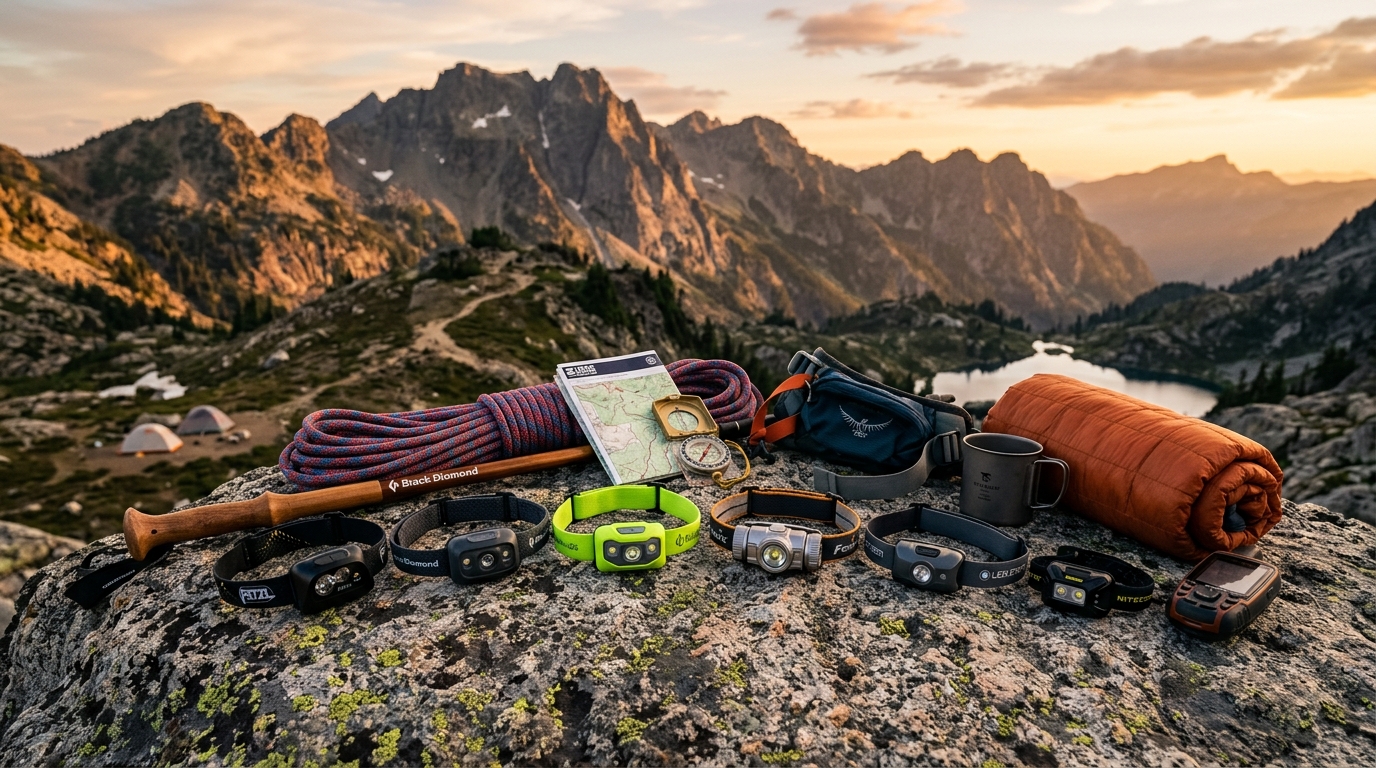
Best Rechargeable Headlamps for Backpacking
BEST OF
Best Beginner Binoculars for Hiking and Bird Watching

GUIDE
How to Choose a Backpacking Tent: The 5 Specs That Matter

GUIDE