Review · winter
Black Diamond Mercury Mitts Review: Warm, Waterproof Mountaineering Mittens with Removable Liner
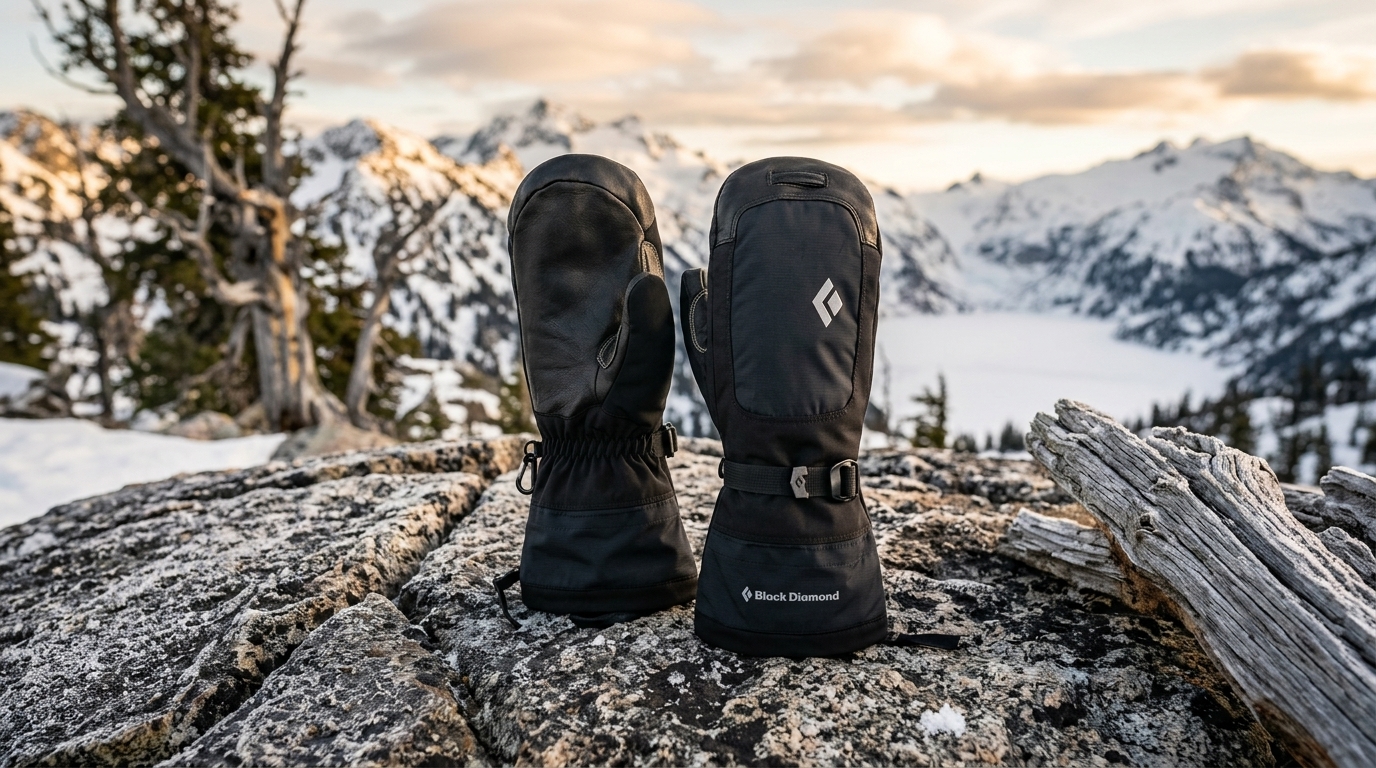
The Black Diamond Mercury Mitts are designed for alpine climbers and backcountry skiers who need serious warmth and dexterity options in sub-zero conditions. Built around a waterproof insert bonded to a removable 340 g PrimaLoft Gold liner and a 4-way stretch Pertex Shield shell, these mittens prioritize heat retention and weather protection over packability. The removable liner system lets you dry components separately or shed bulk for camp tasks, a feature that matters on multi-day winter objectives where moisture management is critical.
Disclosure: Four Seasons Gear is reader-supported. When you buy through links on our site, we may earn an affiliate commission at no extra cost to you. Prices and availability are accurate as of the time we last checked.
Construction and Materials
The Mercury Mitts use a three-layer system: an outer Pertex Shield shell (Black Diamond's branding for a 4-way stretch, abrasion-resistant fabric), a 100% waterproof insert that stays attached to the removable liner, and that liner itself—a combination of 340 g PrimaLoft Gold synthetic insulation and high-loft fleece. This architecture keeps the waterproof membrane bonded to the insulation layer rather than the shell, so when you pull the liner out to dry overnight in a tent or hut, the waterproofing comes with it. The shell's 4-way stretch is notable; it allows the mitten to articulate with your hand rather than fighting wrist movement during ice-tool swings or pole plants.
Specs
The 340 g PrimaLoft Gold fill is among the heavier synthetic insulation loads you'll find in a ski or mountaineering mitten—comparable mittens often spec 200–300 g. High-loft fleece on the liner's interior adds a second warmth layer and wicks moisture away from skin. OutdoorGearLab's testing has consistently ranked the Mercury Mitts among the warmest in the ski-glove category, a function of this insulation stack and the mitten cut (which keeps fingers together to share heat).
Intended Use and Performance Context
These are expedition-weight mittens built for stationary belaying, dawn-patrol ski touring in single-digit Fahrenheit temperatures, and alpine routes where you're moving slowly enough that metabolic heat isn't keeping your hands warm. The removable liner is the key feature: you can pull it out at night to dry separately (critical when you're spending multiple days above treeline), or remove it during warmer afternoon hours to avoid overheating. The waterproof insert staying bonded to the liner means you're not juggling three separate pieces—just shell and liner-plus-membrane.
Dexterity is limited, as expected with any heavily insulated mitten. You won't be threading rappel anchors or adjusting crampon straps without removing them. Black Diamond positions these alongside their Guide Gloves (a 5-finger design with less insulation) in their alpine line; the Mercury Mitts are the warmer, less dexterous option. OutdoorGearLab notes the Mercury Mitts sacrifice some dexterity for warmth compared to lighter mittens, a tradeoff that makes sense for users prioritizing cold tolerance over fine motor tasks.
Durability Considerations
The Pertex Shield shell is a ripstop nylon with DWR treatment, designed to resist abrasion from ice tools, ski edges, and rock. Pertex fabrics are widely used in mountaineering shells and generally hold up well to alpine abuse, though any fabric-based shell will eventually show wear at high-friction points (palm, thumb crotch). The 4-way stretch construction can be more vulnerable to snags than a non-stretch woven, but the tradeoff is better articulation and less fatigue during repetitive motions.
PrimaLoft Gold is a hydrophobic synthetic insulation that retains warmth when damp and dries faster than down, a significant advantage in wet snow or maritime climates. The removable liner design extends the lifespan of the system—if the shell develops a hole, you can potentially repair it without replacing the expensive insulated liner. Conversely, if the liner's insulation compresses over time (typical after several seasons of hard use), you could replace just that component, though Black Diamond doesn't sell replacement liners separately as of this writing.
Fit, Sizing, and Comparison Context
The Mercury Mitts run in unisex sizing from X-Small to X-Large. Black Diamond publishes a sizing chart based on hand circumference measured around the knuckles; the X-Small reviewed here fits a circumference of approximately 6.5–7 inches (manufacturer spec, verify before purchase). The mitten cut and stretch shell mean fit is more forgiving than a rigid glove, but sizing up can leave excess material in the fingers that reduces dexterity further, while sizing down can compress the insulation and reduce warmth.
In the alpine mitten category, the Mercury Mitts sit at the warmer, heavier end. They're comparable in warmth to the Outdoor Research Alti Mitts (also a removable-liner design with 400 g PrimaLoft) but use a stretchier shell. They're significantly warmer than Black Diamond's own Guide Gloves, which use a 5-finger design and lighter insulation for better dexterity. For ski tourers who prioritize downhill performance over ascent efficiency, these offer more warmth than typical resort gloves but less dexterity than a hybrid glove-liner system.
Value and Buying Considerations
At $139.95 MSRP, the Mercury Mitts are priced in the mid-to-upper range for insulated mountaineering mittens. The removable liner and waterproof insert add complexity (and cost) compared to a simple insulated shell, but the ability to dry components separately and adjust warmth by removing the liner adds versatility that justifies the price for multi-day winter users. For single-day resort skiers or those in milder climates, this is likely more mitten than needed—and the cost reflects features you won't use.
The lack of a separate glove liner option (some systems include a thin glove liner for camp tasks) means you'll need to bring a separate pair of light gloves if you want hand protection during stove operation or other fine-motor camp chores. The mitten-only design is a conscious tradeoff for maximum warmth.
What we like
Trade-offs
Best For and Not For
- Alpine climbers belaying in sub-zero temperatures who need maximum warmth during stationary periods
- Backcountry skiers touring in single-digit Fahrenheit conditions where metabolic heat isn't sufficient
- Multi-day winter campers who need to dry glove components separately overnight
- Ice climbers who prioritize warmth over dexterity and can remove mittens for technical anchor work
- Ski tourers in maritime climates where wet snow demands waterproof insulation
Frequently Asked Questions
+Can I use these mittens for resort skiing, or are they too warm?
For most resort skiers, the Mercury Mitts will be too warm except on the coldest days (single digits Fahrenheit or colder). The 340 g PrimaLoft Gold insulation is designed for stationary belaying and slow-moving alpine ascents, not the higher metabolic output of continuous downhill skiing. If you run cold or ski in extremely cold climates (northern Rockies, interior Alaska), they could work, but most resort skiers will overheat. Consider a lighter insulated glove or mitten for typical resort use.
+How does the removable liner system work in practice?
The waterproof insert is permanently bonded to the insulated liner, so when you pull the liner out of the shell, the waterproofing comes with it. This means you're handling two pieces (shell and liner-with-membrane) rather than three separate components. To remove, you typically turn the shell inside-out and pull the liner free. The system is intuitive after the first use, and the bonded design prevents the frustration of a loose waterproof insert bunching up inside the shell.
+Are these mittens suitable for ice climbing?
The Mercury Mitts work for ice climbing in very cold conditions where warmth is the priority, but the heavy insulation and mitten cut limit dexterity significantly. You won't be able to tie knots, thread anchors, or adjust gear without removing them. Many ice climbers prefer a thinner glove or a mitten with a separate thin liner glove for technical tasks. These are best for ice climbing when you're belaying in extreme cold and can remove them for technical work, or for alpine ice routes where you're moving slowly and prioritize warmth over speed.
+What's the difference between the Mercury Mitts and Black Diamond's Guide Gloves?
The Guide Gloves use a 5-finger design with less insulation (approximately 170 g PrimaLoft, though Black Diamond doesn't publish exact specs), making them more dexterous but less warm. The Mercury Mitts use a mitten cut with 340 g PrimaLoft Gold, prioritizing warmth over dexterity. The Guide Gloves are better for technical climbing where you need finger independence; the Mercury Mitts are better for cold belaying, ski touring, or alpine routes where warmth trumps dexterity. Both use removable liner systems, but the Mercury Mitts' liner is significantly thicker.
+How do I size these mittens correctly?
Measure your hand circumference around the knuckles (excluding the thumb) and compare to Black Diamond's sizing chart. The X-Small fits approximately 6.5–7 inches, Small 7–7.5 inches, Medium 7.5–8 inches, Large 8–8.5 inches, and X-Large 8.5–9 inches (approximate manufacturer specs, verify before purchase). The mitten cut and stretch shell are forgiving, but sizing up leaves excess material that reduces dexterity, while sizing down compresses the insulation and reduces warmth. If you're between sizes and prioritize warmth, size up; if you prioritize dexterity, size down.
Final Recommendation
The Black Diamond Mercury Mitts deliver exceptional warmth and weather protection for alpine climbers and backcountry skiers operating in sub-zero conditions. The removable liner system with bonded waterproof insert is a practical solution for multi-day winter trips where moisture management is critical, and the 4-way stretch shell articulates naturally during repetitive motions. The tradeoff is limited dexterity and overkill warmth for moderate winter conditions—these are specialist mittens for users who know they need this level of insulation. If you're belaying on alpine ice routes, ski touring in single-digit temperatures, or spending multiple nights above treeline, the Mercury Mitts are a proven choice. For resort skiing or milder winter use, look for a lighter glove or mitten that won't leave your hands sweating.

Read next