
Review · winter
Hestra Army Leather Heli Ski Mitt Review
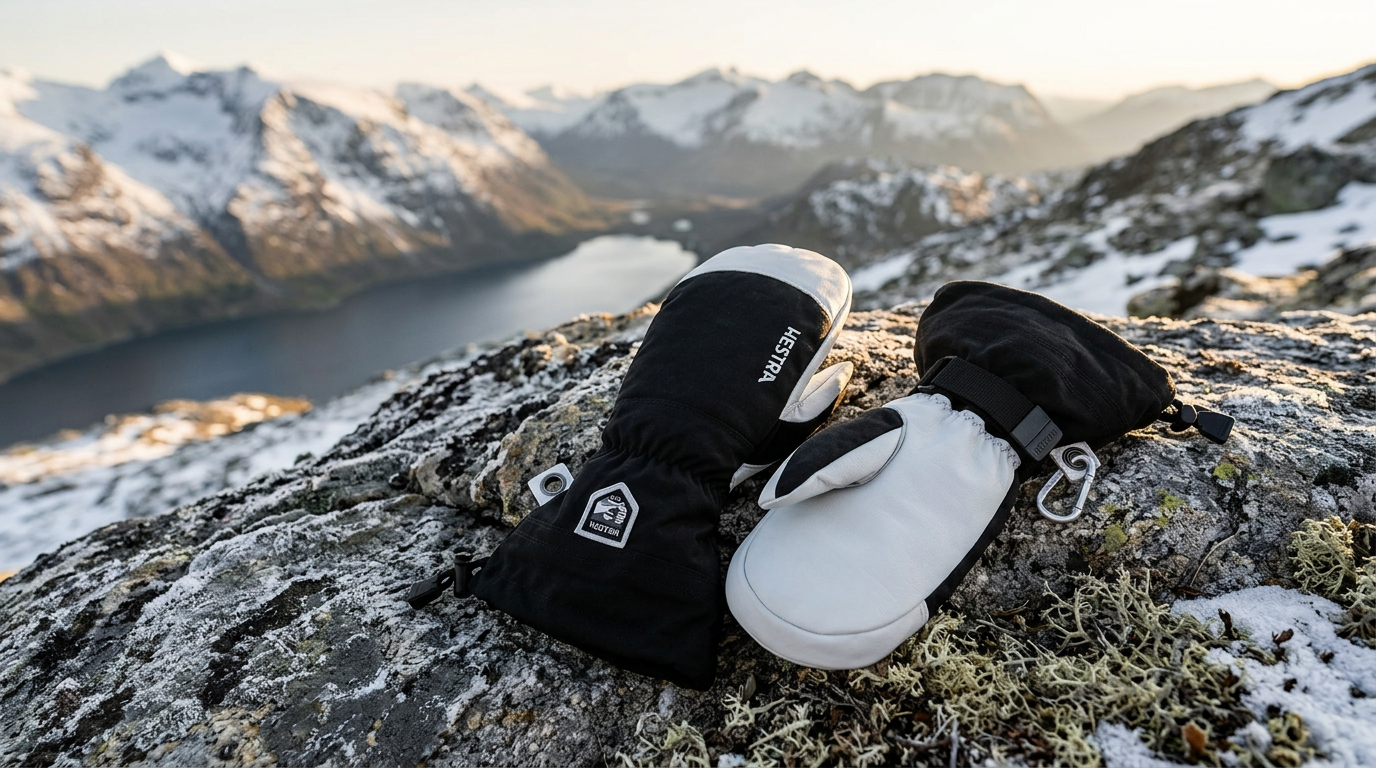
The Hestra Army Leather Heli Ski Mitt is a premium-priced, professional-grade mitten built for resort and backcountry skiers who prioritize warmth and durability over dexterity. With a removable liner, Army Goat Leather palm, and windproof Triton fabric shell, it targets guides, patrollers, and all-day riders willing to sacrifice some grip precision for maximum insulation in cold, variable conditions.
Disclosure: Four Seasons Gear is reader-supported. When you buy through links on our site, we may earn an affiliate commission at no extra cost to you. Prices and availability are accurate as of the time we last checked.
The Hestra Army Leather Heli Ski Mitt sits at the intersection of warmth, durability, and adaptability in the ski mitten category. At $148, it's a significant investment, but the construction reflects its intended audience: mountain professionals and serious recreational skiers who spend full days in exposed, cold environments. The mitten design inherently sacrifices pole grip and zipper manipulation compared to gloves, but delivers measurably better warmth retention—a tradeoff that defines this product's niche.
Construction and Materials
The shell combines Hestra's proprietary Triton polyamide fabric on the backhand with Army Goat Leather on the palm and fingers. Triton is a three-layer windproof, water-resistant fabric designed for breathability in active use; the manufacturer does not publish a specific waterproof rating (e.g., mm H₂O), positioning this as water-resistant rather than fully waterproof. The goat leather is chrome-tanned and treated with a water-repellent finish—more abrasion-resistant than cowhide but requiring periodic reproofing with leather wax to maintain water resistance over seasons of use.
The insulation is described as "very thin polyester fiber with exceptionally high insulating capacity," likely a high-loft synthetic (Primaloft or similar, though Hestra doesn't specify the exact fill or weight in grams). The removable liner is a separate glove with its own insulation layer, allowing you to dry it independently or swap in a lighter/heavier liner for temperature adaptation. The Eagle Grip construction pre-curves the fingers to reduce hand fatigue when gripping poles or handlebars—a detail visible in product imagery and common in Hestra's professional-line mittens.
Specs
Intended Use and Performance Context
Hestra explicitly markets this to freeriders, mountain guides, patrollers, and ski instructors—users who prioritize warmth over dexterity and who encounter variable conditions (wind, wet snow, long chairlift rides). The mitten format and thick insulation make this one of the warmest options in Hestra's Heli Ski family. OutdoorGearLab's reviews of the Heli Ski line consistently rank it among the top performers for warmth in their ski glove testing, though they note the bulk reduces fine motor control for tasks like adjusting bindings or operating zippers.
The removable liner is the key adaptability feature: on warmer spring days or during high-output touring, you can pull the liner and run the shell alone (though without insulation, the shell's warmth is minimal). Conversely, Hestra sells thicker liners separately for deep-winter use. This modularity appeals to backcountry skiers who pack light but need options for multi-day trips with temperature swings.
Durability Considerations
The combination of Triton fabric and Army Goat Leather suggests multi-season durability under professional use. Goat leather is thinner and more flexible than cowhide, with better abrasion resistance in high-wear zones (pole grips, ski edges). The Triton shell is a woven polyamide, more puncture-resistant than coated nylons but still vulnerable to sharp edges (ski edges, crampon points) if mishandled. The Velcro wrist closure and elastic strap are common wear points; Hestra uses reinforced stitching here, but heavy daily use will eventually degrade the Velcro's grip.
The removable liner extends the mitten's lifespan in two ways: you can wash/dry the liner separately (reducing shell wear from repeated laundering), and you can replace a worn liner without discarding the entire mitten. Hestra sells replacement liners for around $40-50, making this a cost-effective long-term investment if you maintain the leather shell properly.
Value and Category Position
At $148, the Hestra Army Leather Heli Ski Mitt is priced in the premium tier of ski mittens, competing with Arc'teryx Fission SV ($179) and Black Diamond Guide ($140). The price reflects the leather construction, removable liner system, and Hestra's reputation for durability. For casual resort skiers who ski 10-20 days per season, this is likely overkill—synthetic mittens in the $60-90 range (e.g., Black Diamond Mercury Mitt) offer adequate warmth and a fraction of the maintenance. For guides, patrollers, or backcountry skiers logging 50+ days per season, the durability and liner modularity justify the upfront cost.
The lack of published insulation weight or waterproof rating is a transparency gap; competing brands often specify grams of Primaloft or a Gore-Tex membrane. Hestra's approach relies on brand trust and field reputation rather than spec-sheet comparisons, which may frustrate data-driven buyers.
What we like
Trade-offs
Best For
- Mountain guides and ski patrollers working full days in variable conditions
- Backcountry skiers who prioritize warmth and need liner modularity for multi-day trips
- Resort skiers with cold hands who ski 30+ days per season and value durability
- Snowboarders willing to sacrifice some binding-strap dexterity for maximum warmth
- Riders who already own Hestra liners and want shell/liner interchangeability
Not For
- Casual resort skiers on a budget (10-20 days/season, synthetic mittens suffice)
- Riders who need frequent dexterity for zippers, camera controls, or binding adjustments
- Skiers unwilling to maintain leather (waxing 1-2x per season)
- Warm-handed individuals who find insulated mittens too hot on groomers
- Ultralight backcountry tourers prioritizing packability over warmth
Frequently Asked Questions
+How does the Hestra Army Leather Heli Ski Mitt fit compared to other brands?
Hestra uses unisex European sizing (typically 6-12), which runs slightly larger than U.S. glove sizes. The manufacturer provides a detailed size chart measuring hand circumference in centimeters; most users report the fit is true to Hestra's chart but roomier than brands like Arc'teryx. The removable liner adds bulk, so if you're between sizes and prefer a snug fit, size down—if you layer thin glove liners underneath, size up.
+Can I use these mittens for ice climbing or mountaineering?
The Heli Ski Mitt is designed for skiing/snowboarding, not technical climbing. The leather palm offers good grip on poles and ski edges, but the insulation bulk and mitten design limit dexterity for ice tool manipulation or carabiner handling. For mixed alpine use, Hestra's Guide Glove (a 5-finger design) or a dedicated mountaineering mitt with reinforced fingertips is more appropriate.
+How waterproof is the Triton fabric shell?
Hestra describes Triton as "water-resistant" rather than waterproof, and does not publish a hydrostatic head rating (mm H₂O). In practice, the shell sheds light snow and brief wet conditions but will eventually saturate during extended exposure to wet, heavy snow or rain. The goat leather palm is treated with water repellent but is not waterproof—regular waxing (with products like Hestra Leather Balm) is necessary to maintain water resistance. For true waterproof performance, look for mittens with Gore-Tex or similar membranes.
+What other Hestra liners are compatible with this mitt?
The Heli Ski Mitt uses Hestra's standard removable liner interface, compatible with their Merino Wool Liner (lighter warmth), Heavy Merino Liner (extra insulation), and Army Leather Heli Liner (replacement for the stock liner). This modularity is a key selling point for multi-season use—you can buy one shell and swap liners as conditions change. Hestra sells liners separately for approximately $40-70 depending on insulation level.
+How do I care for the leather palm?
Hestra recommends cleaning the leather with a damp cloth (not soaking), air-drying away from direct heat, and applying Hestra Leather Balm or similar leather wax 1-2 times per season. The wax maintains water repellency and prevents the leather from drying and cracking. Do not machine-wash the shell. The removable liner can be hand-washed in cold water and air-dried; check the liner's care tag for specific instructions.

Read next
More from this category
REVIEW
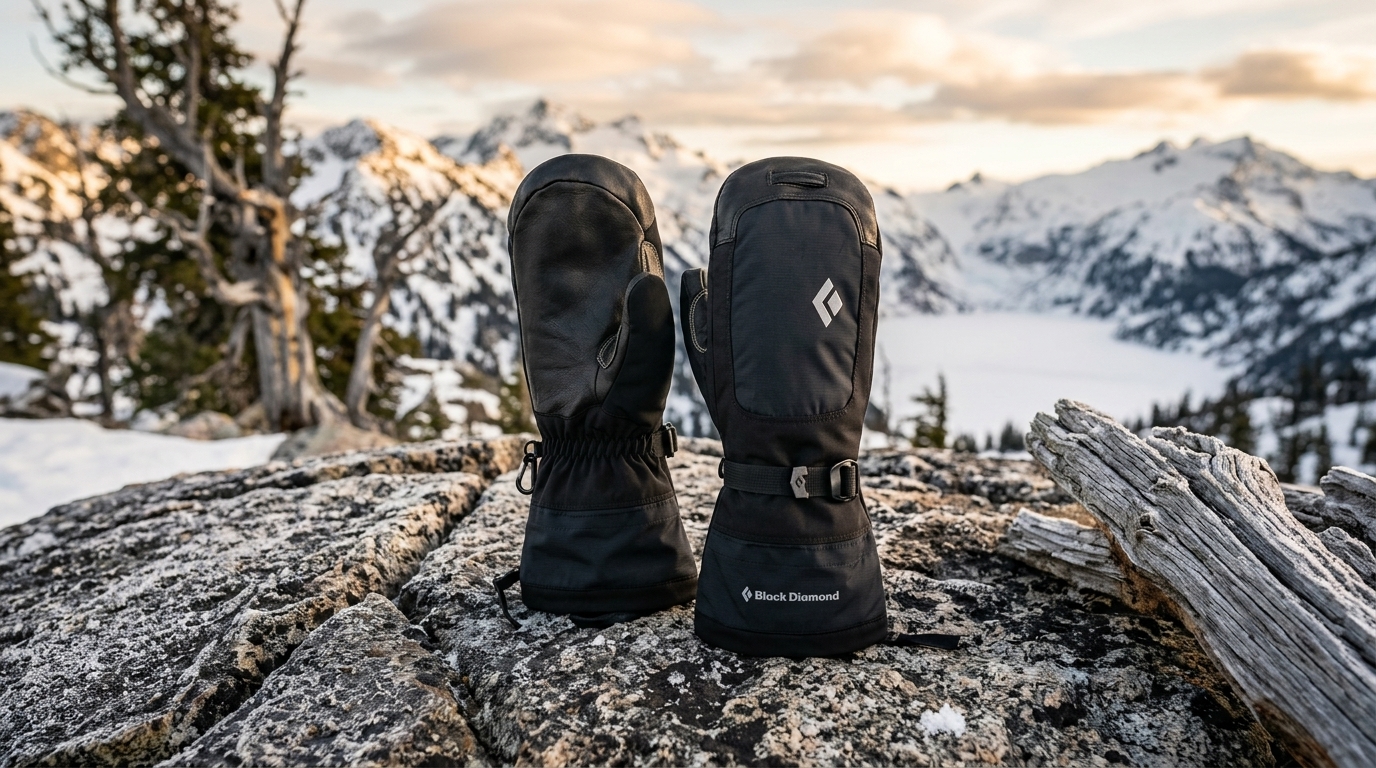
Black Diamond Mercury Mitts Review: Warm, Waterproof Mountaineering Mittens with Removable Liner

BEST OF
Best Rechargeable Headlamps for Backpacking

BEST OF
Best Beginner Binoculars for Hiking and Bird Watching

GUIDE
How to Choose a Backpacking Tent: The 5 Specs That Matter

GUIDE