
Review · spring · summer · fall
Black Diamond Half Dome Climbing Helmet Review
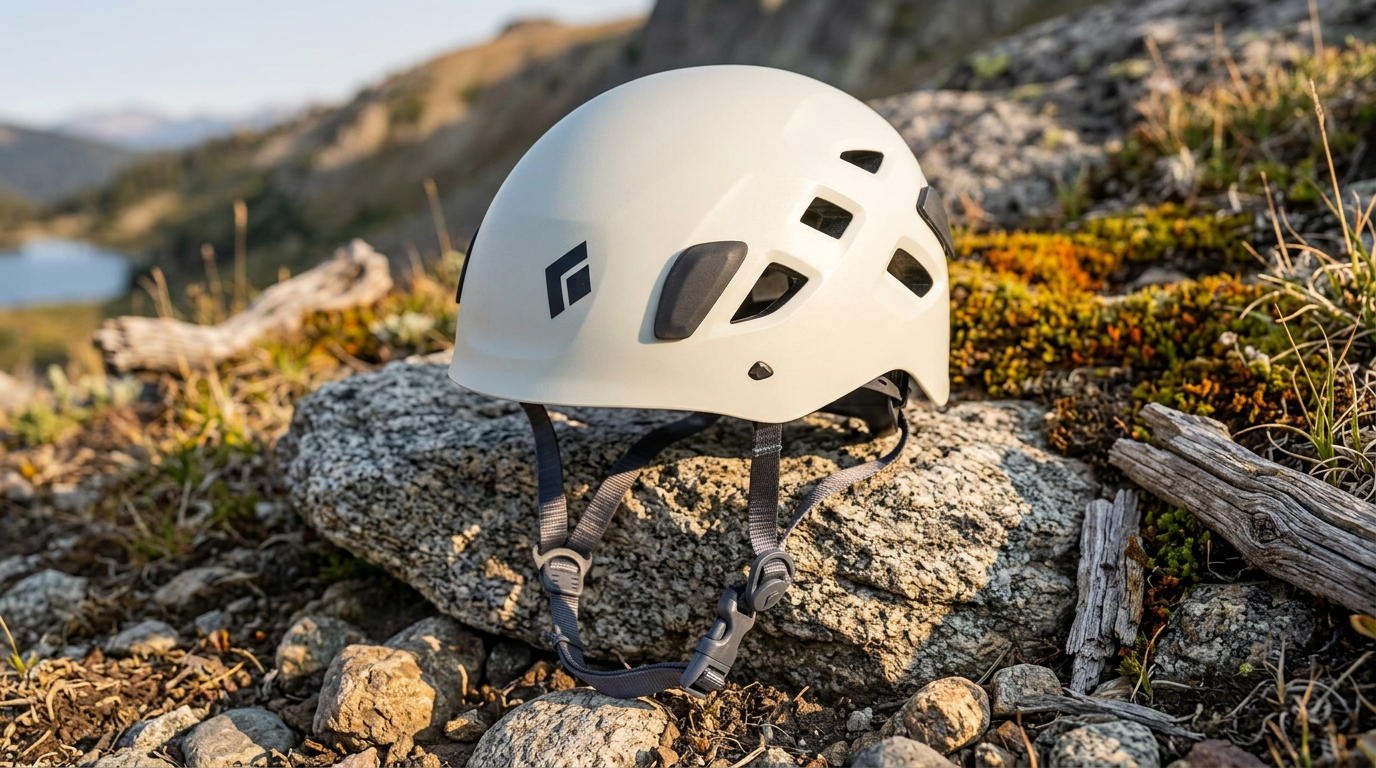
The Black Diamond Half Dome is a budget-friendly, all-around climbing helmet that prioritizes proven impact protection and ventilation over weight savings. At approximately $70 MSRP, it's an accessible entry point for gym climbers transitioning outdoors, multi-pitch trad climbers who value durability, and guides outfitting clients. The tradeoff: you carry roughly 350–370 g (manufacturer spec varies by size, verify before purchase) compared to ultralight foam models in the 200–250 g range, but you gain a robust ABS shell, generous ventilation, and a suspension system that's easy to dial in for all-day comfort.
Disclosure: Four Seasons Gear is reader-supported. When you buy through links on our site, we may earn an affiliate commission at no extra cost to you. Prices and availability are accurate as of the time we last checked.
Construction and Materials
The Half Dome uses a two-part construction: a polycarbonate ABS outer shell bonded to an expanded polystyrene (EPS) foam liner. This hybrid approach meets both UIAA 106 and EN 12492 climbing helmet standards for top and side impact protection. The shell resists abrasion from rock contact and pack compression better than pure foam helmets, while the EPS liner absorbs impact energy through controlled deformation. Black Diamond doesn't publish the exact shell thickness, but the material choice suggests a balance between puncture resistance and weight—thicker than ultralight in-mold designs, thinner than heavy-duty rescue helmets.
Ventilation comes from 14 large ports (8 front, 6 rear) molded directly into the shell. Airflow channels run through the suspension system, which uses a low-profile webbing cradle and a ratcheting rear adjustment wheel. The chin strap is a simple nylon webbing design with a side-release buckle and elastic keeper. Four molded headlamp clips (two front, two rear) are integrated into the shell—a practical detail for alpine starts or long days that extend into darkness.
Specs
Intended Use and Fit
Black Diamond positions the Half Dome as an all-purpose helmet for cragging, multi-pitch trad, gym-to-crag progression, and alpine routes. The suspension system accommodates a wide range of head shapes: the rear dial adjusts circumference, and the webbing cradle sits low enough to avoid pressure points on most users. To size correctly, measure around the largest part of your head about one inch above the eyebrows. The S/M typically fits 53–59 cm, M/L fits 58–63 cm (verify these ranges with current manufacturer data, as sizing can shift between production runs).
The helmet's 350+ g weight is noticeable on long approaches compared to sub-250 g foam models, but the ventilation mitigates overheating during warm-weather cragging or exposed ridge traverses. The suspension design allows enough standoff from the shell that airflow reaches your scalp—important when you're belaying in direct sun or jugging fixed lines. The chin strap's elastic keeper prevents the buckle from sliding around, a small detail that reduces fidgeting on long pitches.
Category Context and Comparisons
The Half Dome occupies the budget-friendly, durable end of the climbing helmet spectrum. It's heavier than ultralight foam helmets like the Petzl Sirocco (around 165 g) or Black Diamond's own Vector (around 210 g), but it costs roughly half as much and offers better abrasion resistance for environments where the helmet sees frequent contact with rock or gear. For climbers who prioritize ventilation and don't mind the weight penalty, the Half Dome delivers measurably better airflow than many lightweight in-mold designs.
Compared to other hybrid-construction helmets in the $60–$80 range, the Half Dome's 14-port ventilation system is notably generous. The ratcheting adjustment dial is less refined than the micro-adjustable systems on $100+ helmets, but it's reliable and easy to operate with gloves. The headlamp clips are a practical advantage over helmets that require aftermarket clip-on accessories—particularly useful if you're already carrying a GPS device like the Garmin inReach Mini 2 Satellite Communicator for backcountry communication and want to minimize extra attachments.
Durability Considerations
The ABS shell resists scratches and minor impacts better than pure foam helmets, but it's still a single-impact design: any significant blow (dropped gear, rockfall, leader fall where the helmet contacts rock) requires retirement per UIAA guidelines. The EPS liner doesn't visibly deform under normal use, but UV exposure and temperature cycling degrade the foam over time. Black Diamond recommends a 10-year maximum lifespan from manufacture date (check the molded date code inside the shell) or 3 years of regular use, whichever comes first.
The suspension webbing and chin strap are replaceable, though Black Diamond doesn't widely advertise replacement part availability—contact their customer service if straps show fraying or the buckle mechanism loosens. The headlamp clips are molded into the shell and can't be replaced if they crack, but the thick polycarbonate construction makes breakage unlikely under normal use. Store the helmet out of direct sunlight and avoid leaving it in a hot car, as heat accelerates EPS degradation.
Value Proposition
At approximately $70, the Half Dome offers certified protection, generous ventilation, and a proven suspension system for less than half the cost of premium ultralight helmets. The weight penalty (roughly 100–150 g more than lightweight alternatives) is the primary tradeoff, but for climbers who spend more time on moderate multi-pitch routes than cutting grams for alpine speed ascents, the durability and airflow justify the extra ounces. The helmet's longevity in high-use environments—gym instruction, guiding, frequent cragging—makes the per-season cost competitive with lighter models that may show wear faster.
The Half Dome doesn't include a stuff sack or helmet bag, so budget for a simple drawstring bag if you're packing it in a climbing pack. The headlamp clips eliminate the need for aftermarket accessories, a small cost savings that adds up if you're outfitting multiple climbers or replacing lost clips on other helmets.
What we like
Trade-offs
Best For
- Gym climbers transitioning to outdoor cragging who need certified protection without premium cost
- Multi-pitch trad climbers who prioritize ventilation and durability over weight savings
- Guides and climbing instructors outfitting clients or replacing high-use helmets
- Alpine climbers on moderate routes where the weight penalty is acceptable for better airflow
- Climbers in warm climates or sun-exposed environments where ventilation matters more than grams
Not For
- Ultralight alpine climbers counting every gram for speed ascents
- Climbers seeking the lightest possible helmet for long approaches
- Users who need micro-adjustable fit systems for very specific head shapes
- Ice climbers requiring helmets optimized for overhead hazard protection (consider models with extended rear coverage)
Frequently Asked Questions
+How does the Half Dome's weight compare to ultralight climbing helmets?
The Half Dome weighs approximately 350–370 g depending on size, which is 100–150 g heavier than ultralight foam models like the Petzl Sirocco (around 165 g) or Black Diamond Vector (around 210 g). The extra weight comes from the durable ABS shell and more robust suspension system. For cragging and multi-pitch routes where the helmet stays on your head rather than in your pack, the weight difference is less noticeable than on long alpine approaches.
+Can I replace the suspension system or chin strap if they wear out?
The suspension webbing and chin strap are technically replaceable components, but Black Diamond doesn't widely advertise replacement part availability through retail channels. Contact Black Diamond customer service directly if your straps show fraying or the buckle loosens—they may offer replacement parts or repair options. If the suspension system fails and parts aren't available, retire the helmet even if the shell and foam appear intact.
+How do I know when to replace the Half Dome after an impact?
Replace the helmet immediately after any impact where the helmet contacts rock during a fall, absorbs a blow from dropped gear, or shows visible damage to the shell or foam liner. The EPS foam is designed to crush once to absorb energy—it won't protect effectively in a second impact even if it looks intact. If you're unsure whether an impact was significant enough to require replacement, err on the side of caution and retire the helmet. Also replace after 3 years of regular use or 10 years from the manufacture date (molded inside the shell), whichever comes first.
+Does the Half Dome fit well with a ponytail or long hair?
The suspension system's low-profile webbing cradle accommodates ponytails and long hair better than helmets with full-coverage internal harnesses. Position your ponytail low (below the rear adjustment dial) or to the side to avoid interference with the ratcheting mechanism. The chin strap's side-release buckle sits off to one side, which also helps avoid hair snags. If you have very thick or high-positioned hair, try the helmet on before purchasing to ensure the rear dial doesn't create pressure points.
+Can I use the Half Dome for ice climbing or mountaineering?
The Half Dome meets UIAA 106 and EN 12492 standards for climbing helmets, which include side and top impact protection suitable for ice climbing and mountaineering. However, it doesn't have extended rear coverage like helmets specifically designed for overhead hazard environments (falling ice, rockfall from above). For technical ice climbing or routes with significant overhead hazard exposure, consider a helmet with more rear and side coverage. For moderate alpine routes and glacier travel, the Half Dome provides adequate certified protection.

Read next
More from this category
REVIEW
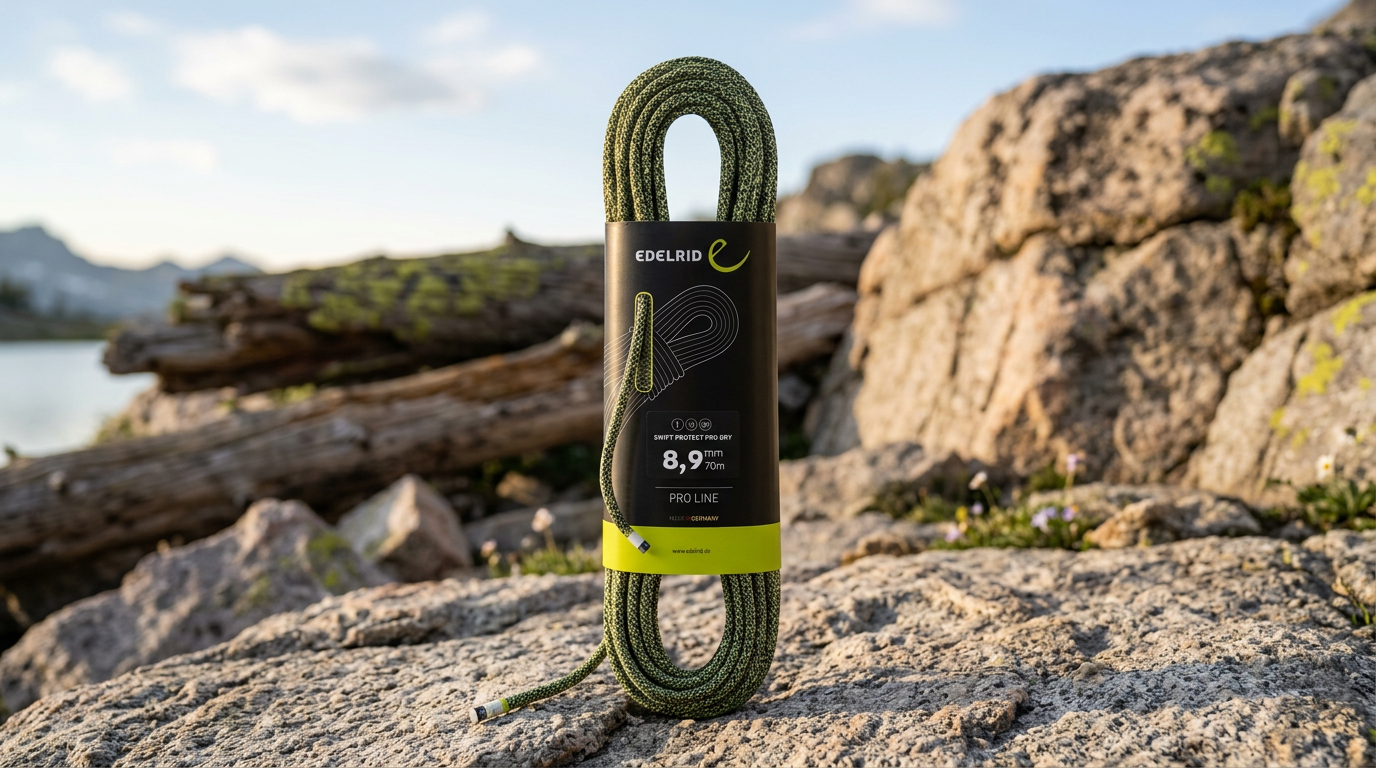
EDELRID Swift Protect 8.9mm Pro Dry Dynamic Climbing Rope Review
REVIEW
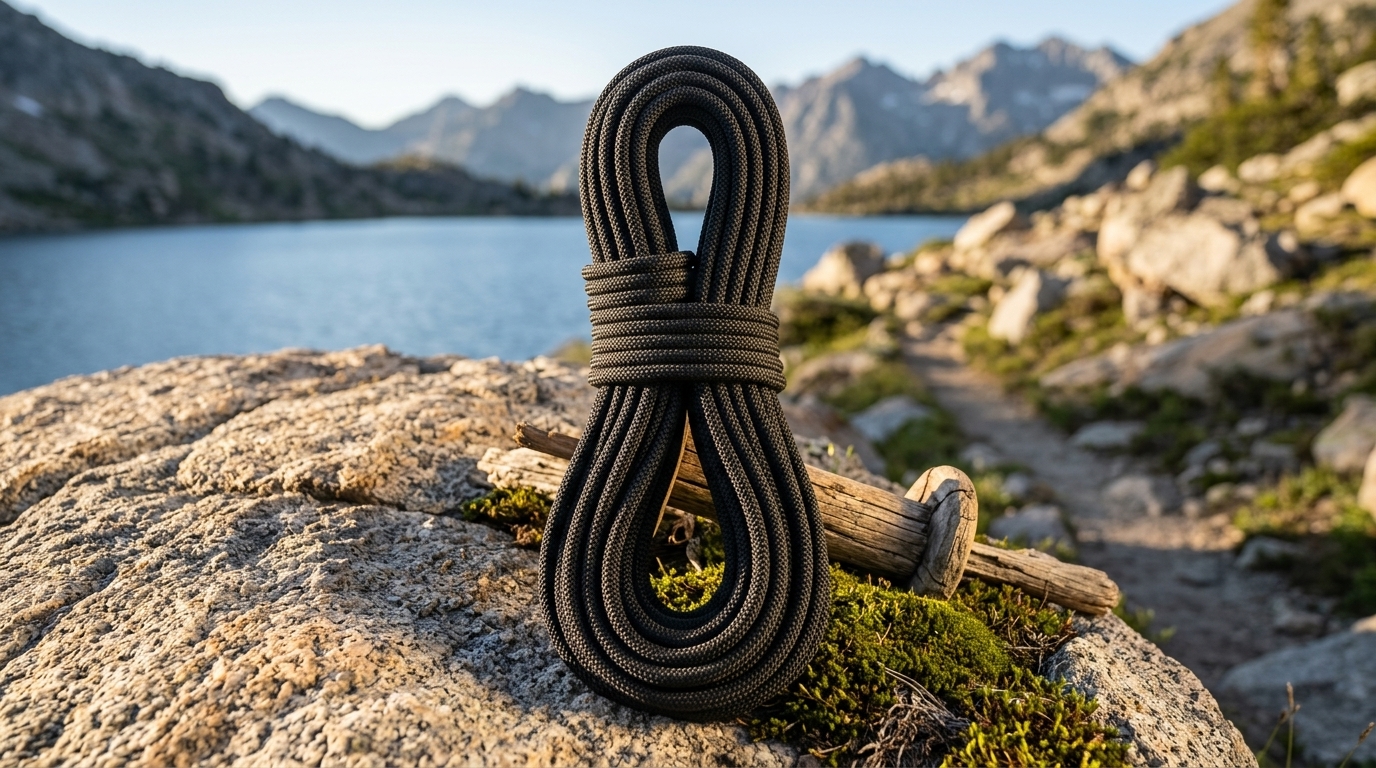
BlueWater Ropes 11.4mm AssaultLine NFPA Static Rope Review
REVIEW
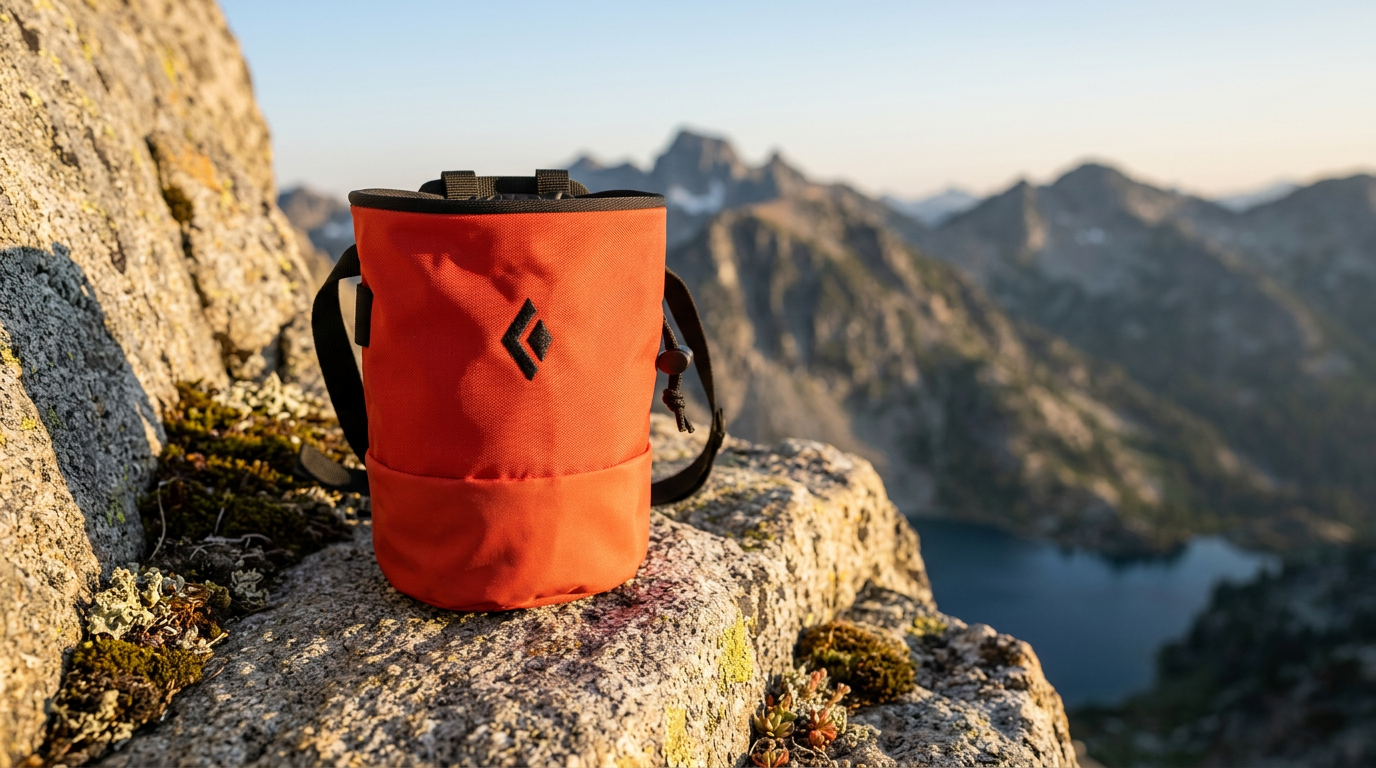
Black Diamond Mojo Zip Chalk Bag Review: Classic Cylinder With Zippered Stash
REVIEW
PETZL Corax LT Women's Climbing Harness Review
REVIEW
Mammut Comfort Fast Adjust Climbing Harness - Men's Review
REVIEW